The Story
Plant Bio
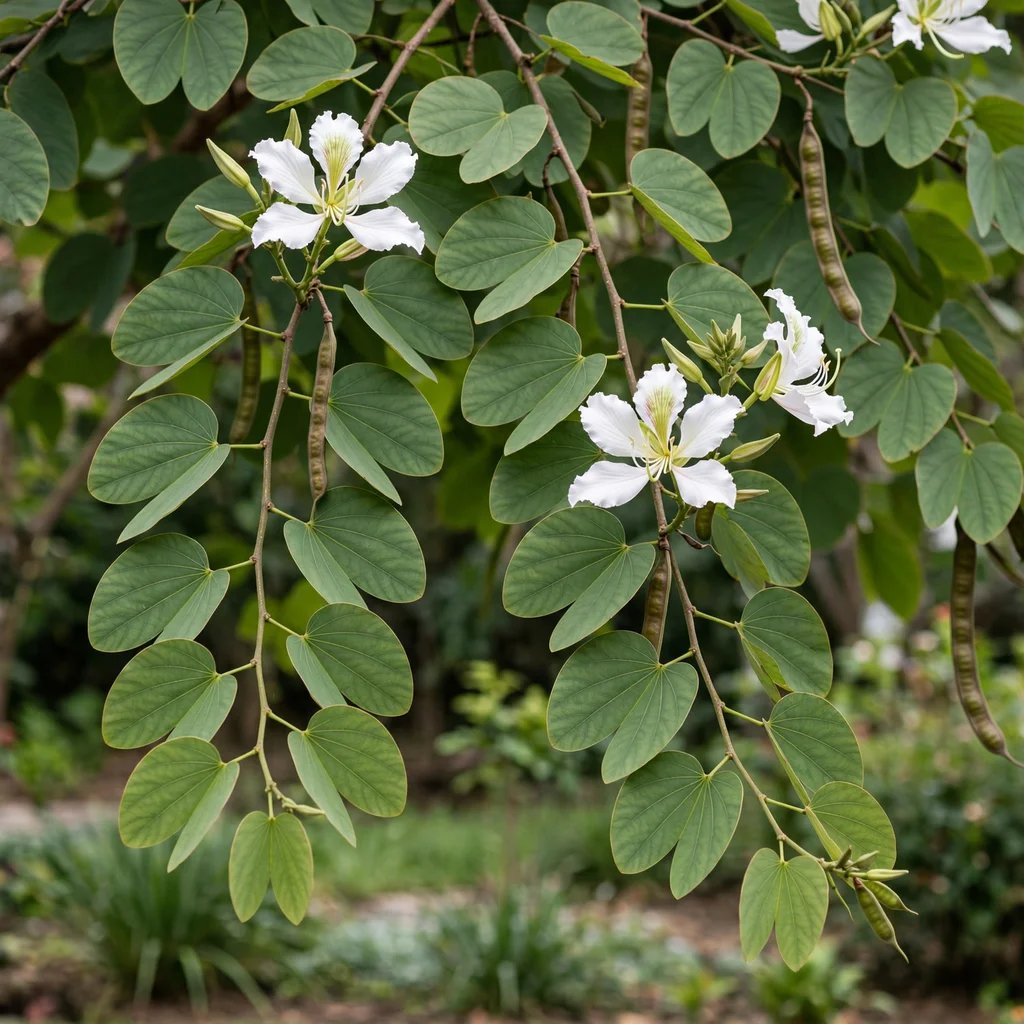
Bauhinia variegata is a small to medium dry-season deciduous tree from India to southeastern China, growing with a short trunk and broad spreading crown to 20 to 40 feet. Leaves are alternate, orbicular and cleft to the middle into two rounded lobes, carried on slender arching branches that droop low without training.
'Alba' is the white-flowered form sold as Bauhinia alba, bearing large 3- to 5-inch orchid-like five-petaled fragrant white flowers in clusters at the branch tips. It holds the same twin-lobed foliage and vase-shaped habit as the species, flowering from late winter into early summer and forming flat 6- to 9-inch pods that persist through winter.
Uses & Benefits:
Essentials
At a Glance
Plant Type
Tree
Height
480"
Width
420"
Light
Full Sun, Partial Sun
Zones
9, 10
Water
Average, drought tolerant
Humidity
Tolerant
Lifespan
Woody perennial tree
Native To
India to Vietnam and southeastern China
Toxicity
Considered non-toxic to people, dogs and cats; seed pods can cause choking or stomach upset
Bloom period
Late winter – Early summer
In flower about 5 months of the year
Planting
How to Grow
- Plant in spring after last frost in full sun with room for a 30- to 35-foot spread.
- Dig the hole no deeper than the root ball and backfill with native soil; water in to settle.
- Stake low the first year only to hold the trunk straight while roots anchor.
- Mulch 2 to 3 inches deep, kept clear of the trunk, and water sparingly once established.
- Tip-prune after flowering to build a single trunk and remove low drooping limbs.
Pro Tip
Plant in full sun in sharply drained soil and prune young to a single trunk; left unpruned it forms a large low-branching bush with weak wood that breaks in storms and drops abundant seedlings.
Keep It Thriving
Care Guide
Do
- Grow in well-drained clay, sand, or loam and keep soil on the dry side.
- Prune young trees for strong structure and remove spent pods to limit self-seeding.
- Watch for potassium deficiency and correct with a balanced palm-type fertilizer.
Don't
- Do not overwater or plant in soggy soil where root rot develops.
- Do not shear annually into old bare wood or strip the low canopy all at once.
- Do not plant near natural waterways in Florida where seed escapes.
Seasonal Care Calendar
| Task | Jan | Feb | Mar | Apr | May | Jun | Jul | Aug | Sep | Oct | Nov | Dec |
|---|---|---|---|---|---|---|---|---|---|---|---|---|
| Fertilize | ||||||||||||
| Mulch | ||||||||||||
| Pest Check | ||||||||||||
| Plant | ||||||||||||
| Prune |
Watch Out For
Pests & Diseases
Common Pests
Common Diseases
In the Garden
Landscape Uses & Companions
Landscape Uses
Multiply
Propagation Methods
Good to Know
Common Questions
White Orchid Tree questions
What zones can White Orchid Tree grow in?
White Orchid Tree is hardy in USDA Zones 9–10: in that range it survives winter in the ground. Colder than Zone 9, winters are too cold for it to survive outdoors.
When does White Orchid Tree bloom?
White Orchid Tree typically blooms from late winter to early summer. Exact timing shifts a week or two with your zone — Sow's bloom calendar maps it to your garden.
Does White Orchid Tree need full sun?
White Orchid Tree does best in full sun to part shade. In hot climates, afternoon shade keeps blooms fresher longer.
Is White Orchid Tree drought tolerant?
Yes — once established (usually after the first full season), White Orchid Tree handles dry spells with minimal watering. Water deeply its first year to build the root system that makes that possible.
More Bauhinia to compare
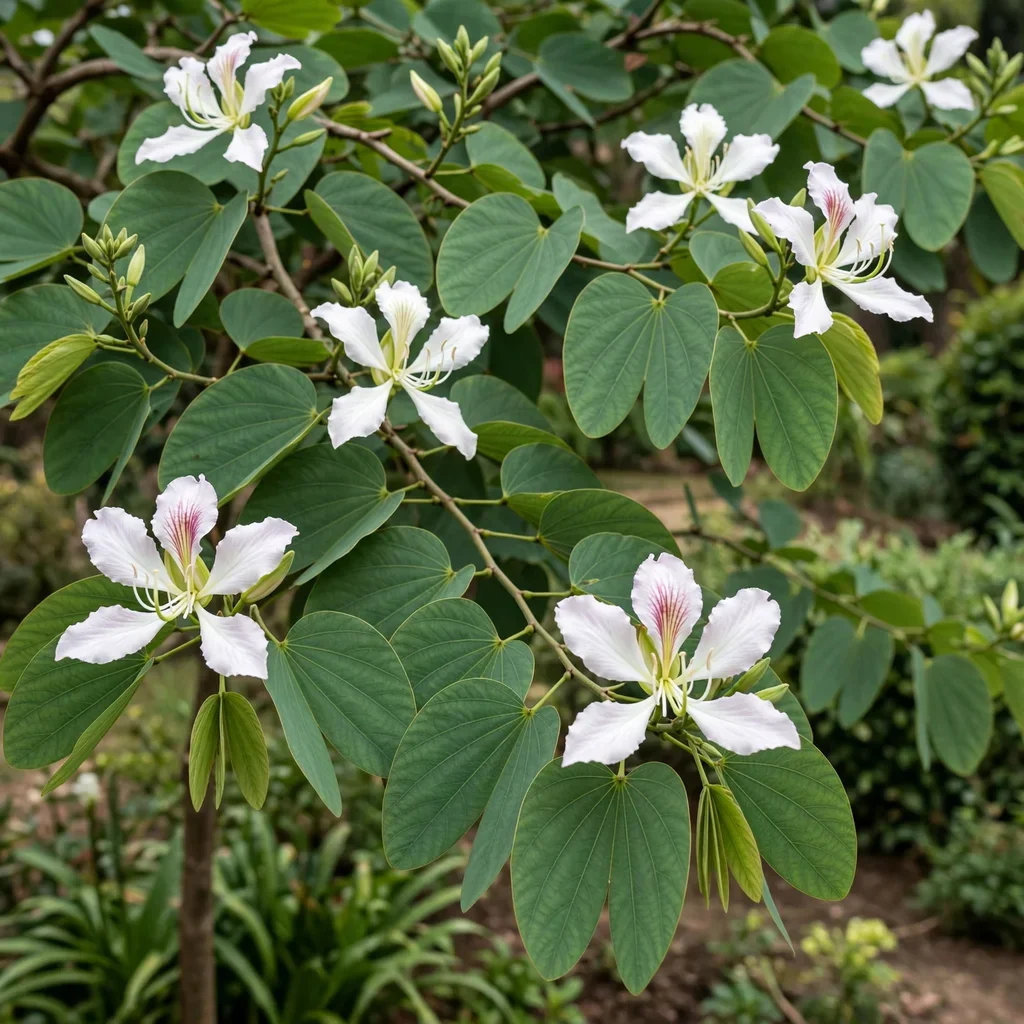
Brazilian Orchid Tree Bauhinia forficata
Bauhinia forficata
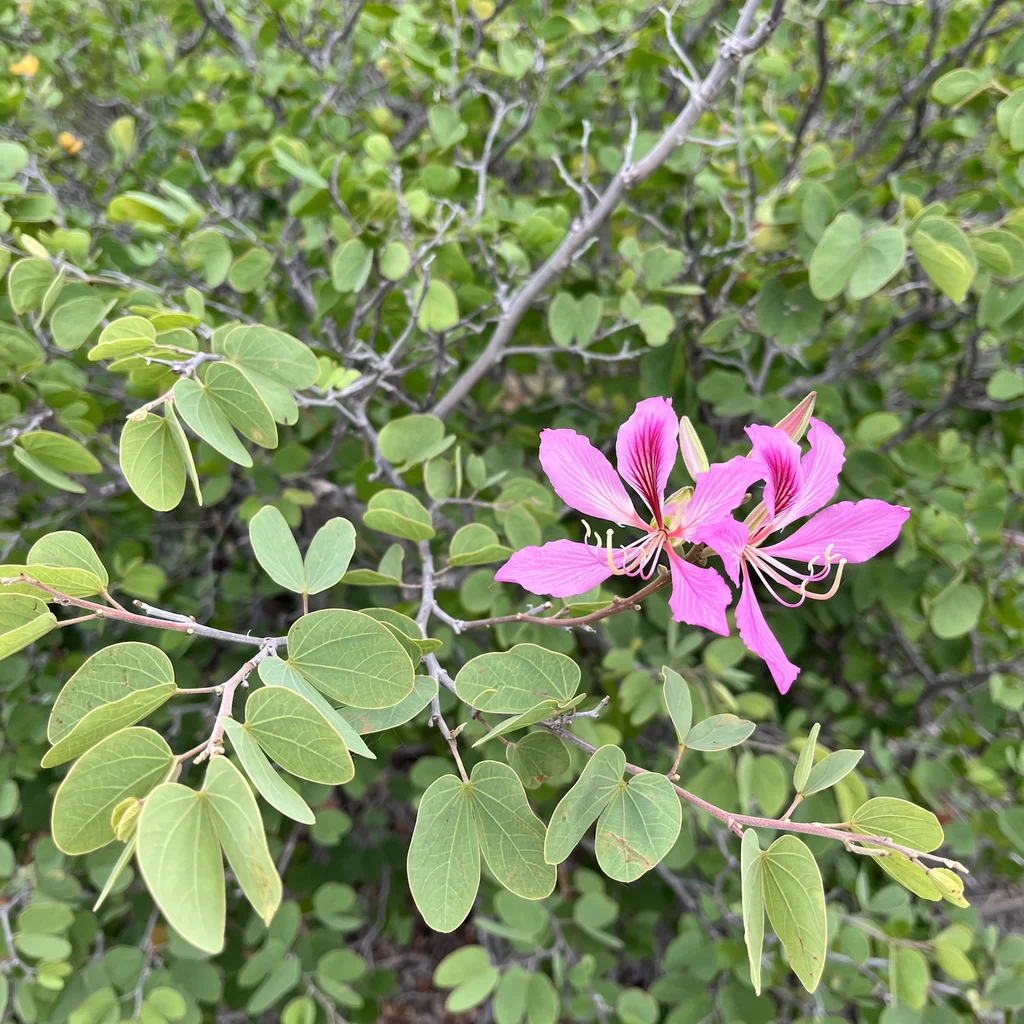
Anacacho Orchid Tree
Bauhinia lunarioides
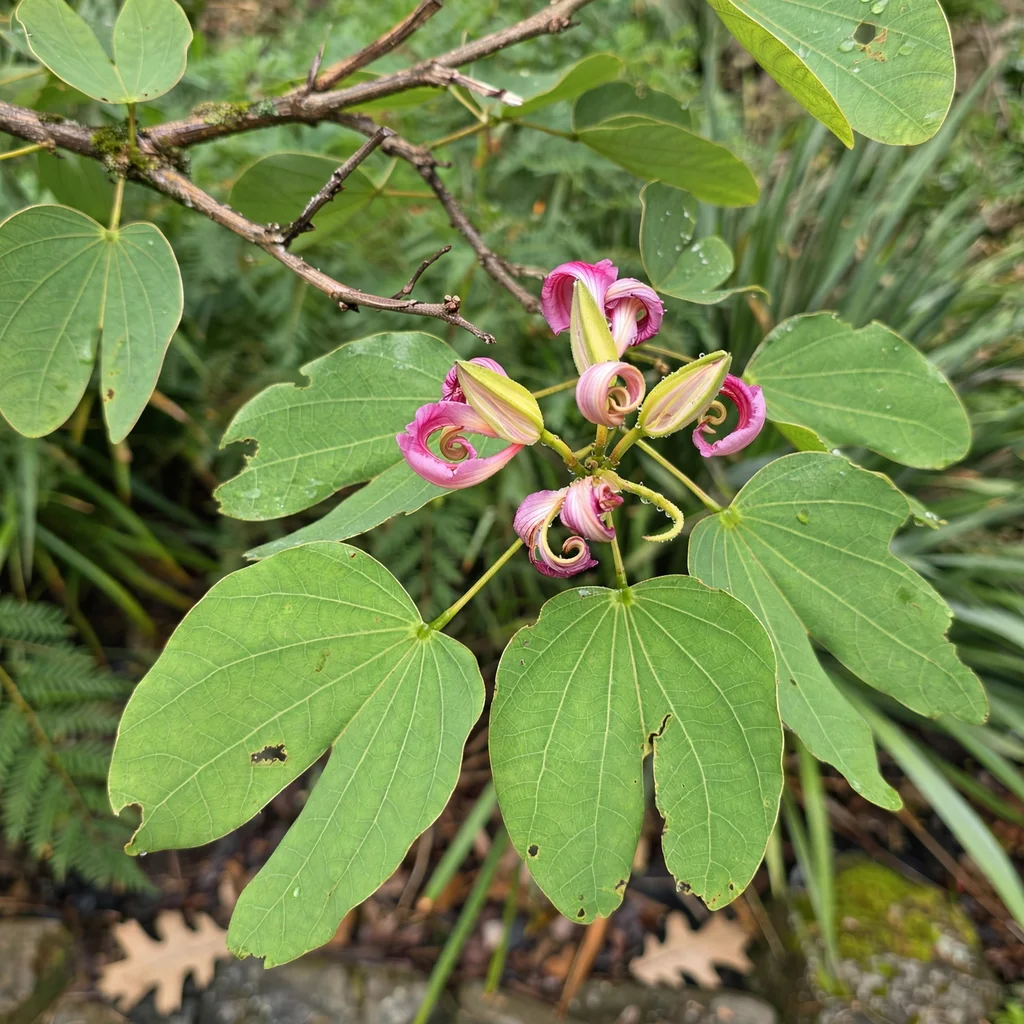
Chihuahuan Orchid Tree
Bauhinia macranthera
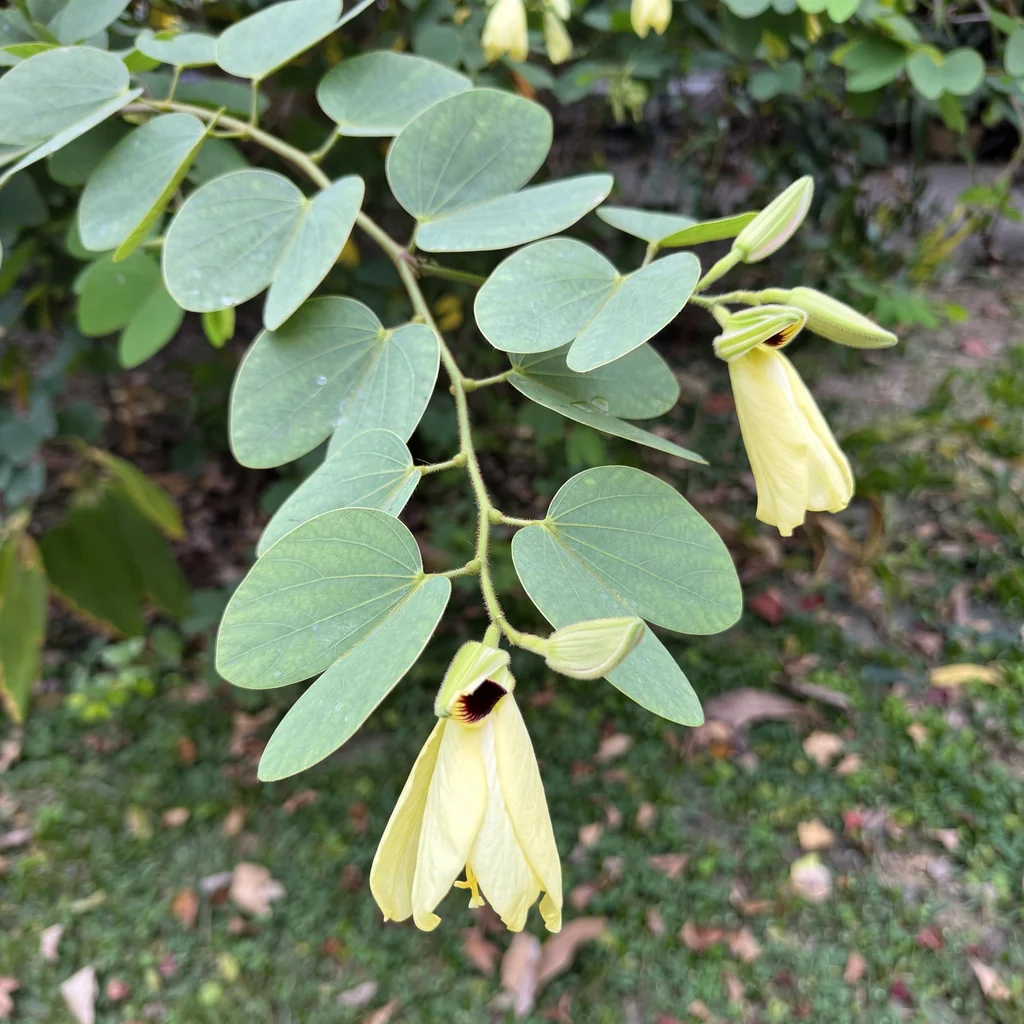
Yellow Bauhinia
Bauhinia tomentosa
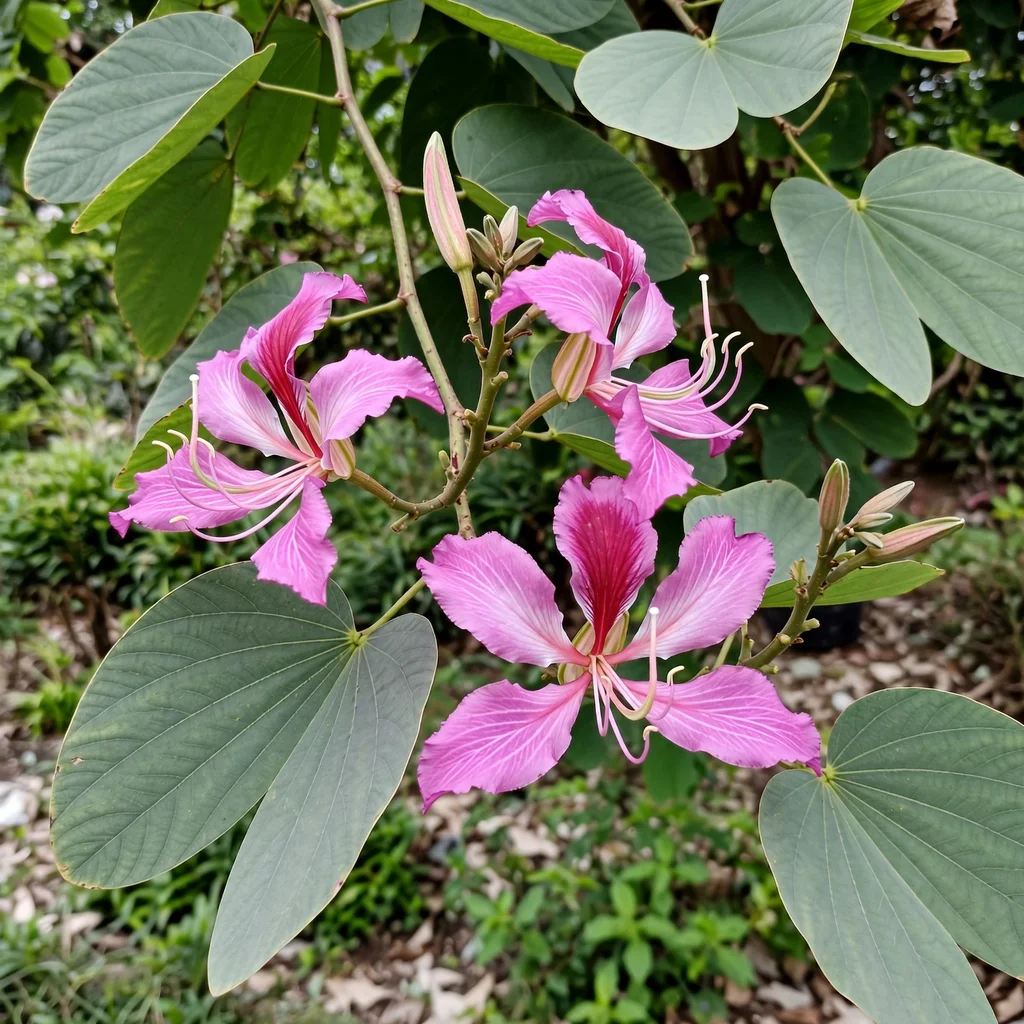
Hong Kong Orchid Tree
Bauhinia x blakeana
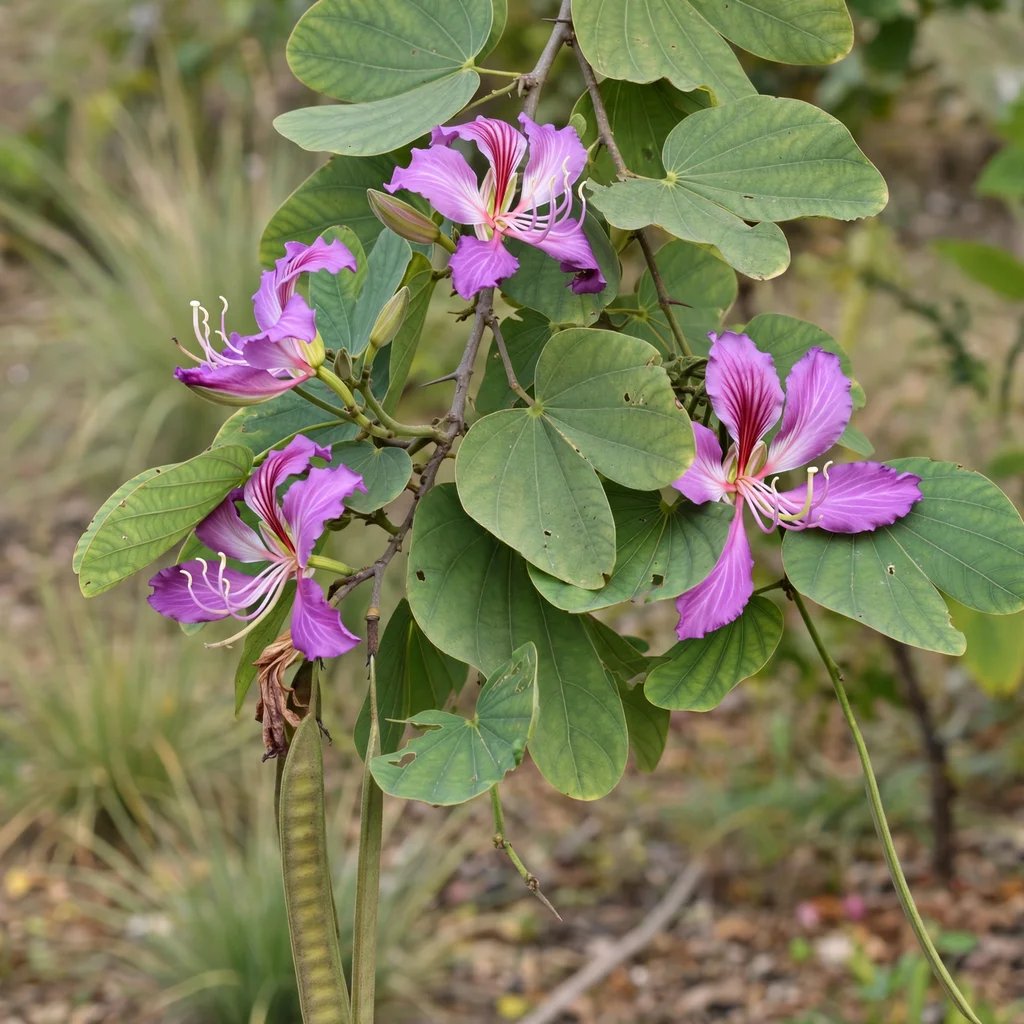
Purple Orchid-Tree
Bauhinia purpurea
Keep exploring
Explore the genus
Hardy in your zone?
Grow White Orchid Tree with confidence
See it in a design of your actual yard, get zone-matched care reminders, and track it season by season in your garden journal.