The Story
Plant Bio
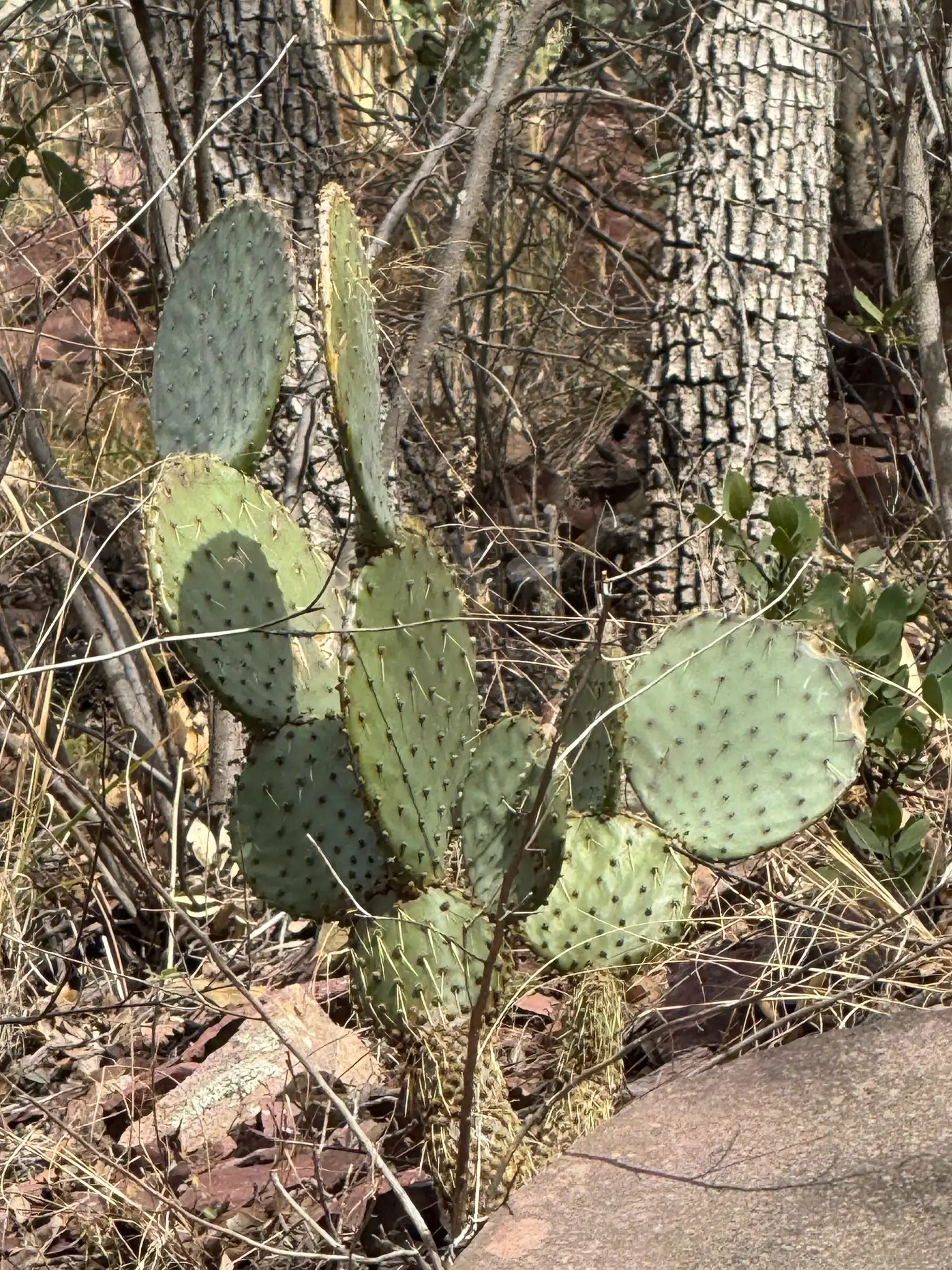
Opuntia chlorotica is an arborescent desert cactus native to the southwestern United States and northern Mexico, developing a distinct woody main trunk up to 12 inches thick. It forms ascending branches composed of round, flattened, glaucous blue-green pads measuring 5 to 8 inches in diameter.
The circular pads feature prominent yellow glochid-filled areoles armed with straight, translucent yellow spines that increase in density as the plant matures. In spring and early summer, bright yellow flowers appear along the pad margins, followed by fleshy fruits consumed by desert wildlife.
Uses & Benefits:
Essentials
At a Glance
Plant Type
Cactus Succulent
Height
98"
Width
79"
Light
Full Sun
Zones
7, 8, 9, 10
Water
Low
Humidity
Low
Lifespan
Perennial
Native To
North America
Toxicity
Non-toxic (spiny)
Bloom period
Spring – Summer
In flower about 6 months of the year
Planting
How to Grow
- Choose a location with unshaded full sun and sharp air circulation to prevent fungal spot issues.
- Plant in gritty, coarse mineral soil with minimal organic matter and neutral to alkaline pH.
- Water sparingly during the growing season, allowing the soil to dry out fully between applications.
- Withhold irrigation entirely during cold winter months to maximize frost hardiness down to USDA Zone 8.
Pro Tip
Plant in purely mineral, fast-draining substrate and allow the root zone to dry completely between waterings to prevent root rot.
Keep It Thriving
Care Guide
Do
- Grow in full sun in sharp, fast-draining mineral soil.
- Allow unrooted pad cuttings to dry and callous thoroughly before planting.
- Provide clear airflow around the plant to prevent fungal diseases.
Don't
- Never water during damp, freezing winter conditions.
- Avoid rich organic mulches or heavy clay soils that retain moisture.
- Do not apply high-nitrogen fertilizers that encourage weak, rot-prone growth.
Seasonal Care Calendar
| Task | Jan | Feb | Mar | Apr | May | Jun | Jul | Aug | Sep | Oct | Nov | Dec |
|---|---|---|---|---|---|---|---|---|---|---|---|---|
| Pest Check | ||||||||||||
| Propagate | ||||||||||||
| Prune | ||||||||||||
| Winter Prep |
Watch Out For
Pests & Diseases
Common Pests
Common Diseases
In the Garden
Landscape Uses & Companions
Landscape Uses
Multiply
Propagation Methods
Good to Know
Common Questions
Pancake pricklypear questions
What zones can Pancake pricklypear grow in?
Pancake pricklypear is hardy in USDA Zones 7–10: in that range it survives winter in the ground. Colder than Zone 7, grow it in a container you can move to shelter for the winter, or as an annual.
Is Pancake pricklypear deer resistant?
Not reliably. Deer may browse Pancake pricklypear, especially tender spring growth — plan on repellents or fencing where pressure is high.
When does Pancake pricklypear bloom?
Pancake pricklypear typically blooms from spring to summer. Exact timing shifts a week or two with your zone — Sow's bloom calendar maps it to your garden.
Does Pancake pricklypear need full sun?
Pancake pricklypear does best in full sun (6+ hours).
Is Pancake pricklypear drought tolerant?
Yes — once established (usually after the first full season), Pancake pricklypear handles dry spells with minimal watering. Water deeply its first year to build the root system that makes that possible.
More Opuntia to compare
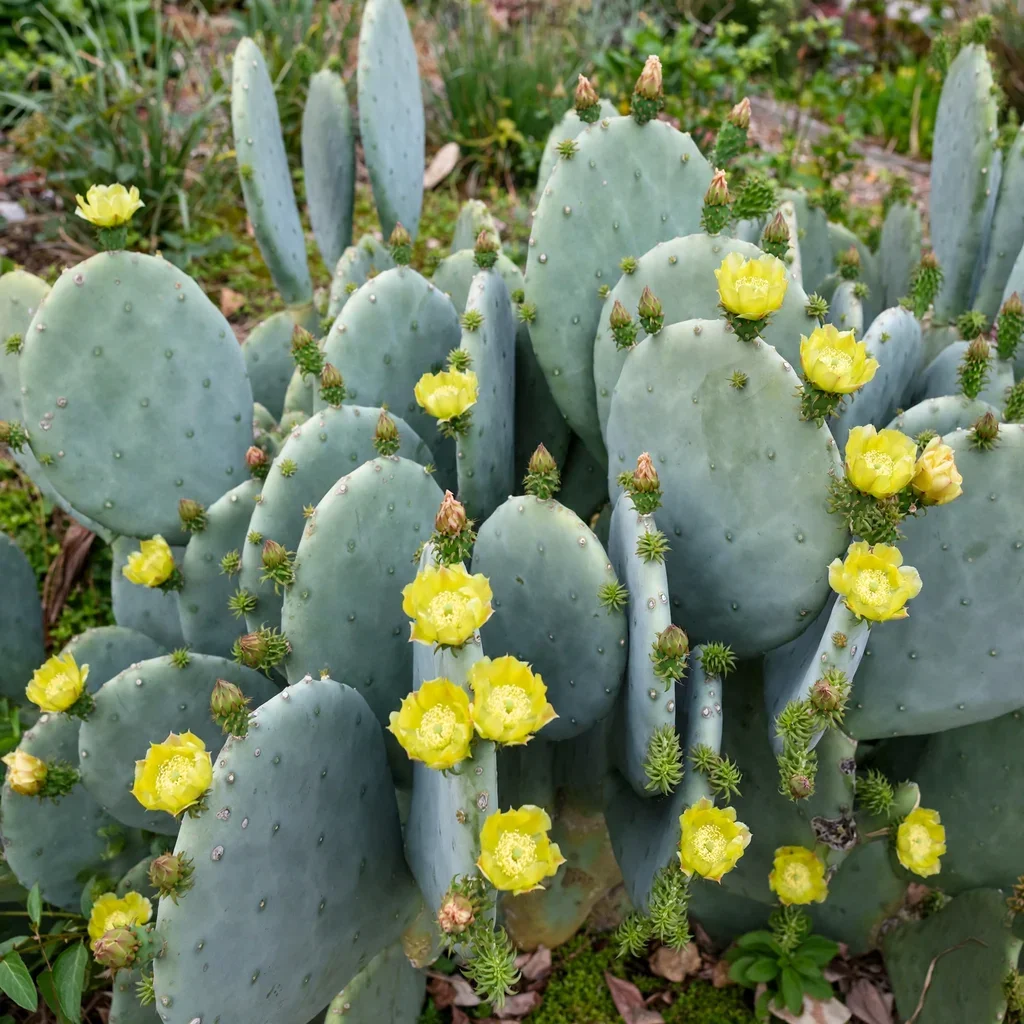
Spineless Prickly Pear
Opuntia cacanapa 'Ellisiana'
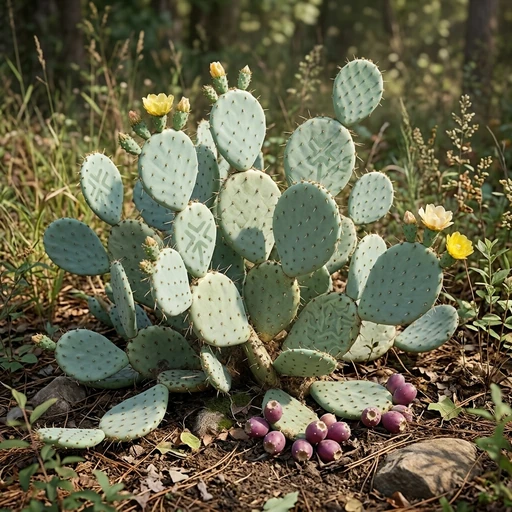
Prickly Pear Cactus
Opuntia humifusa
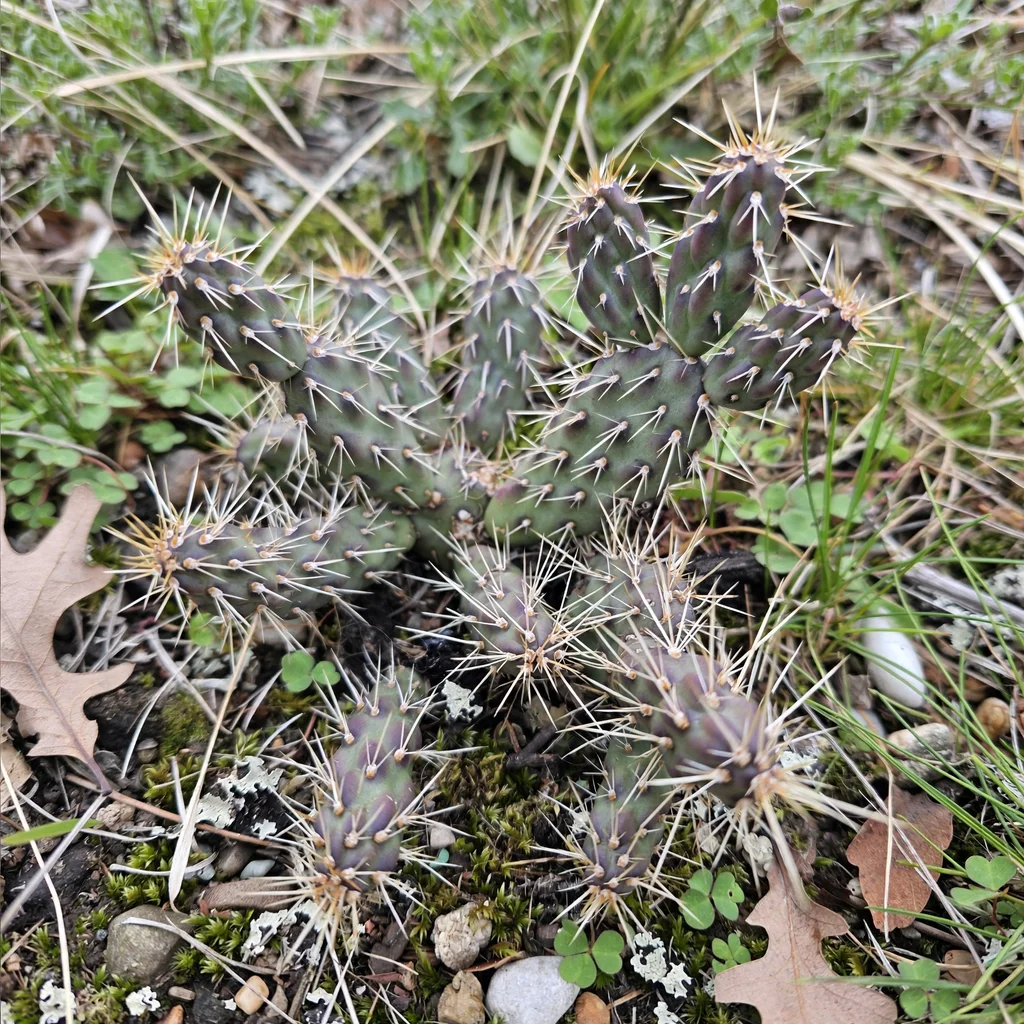
Brittle Prickly Pear
Opuntia fragilis
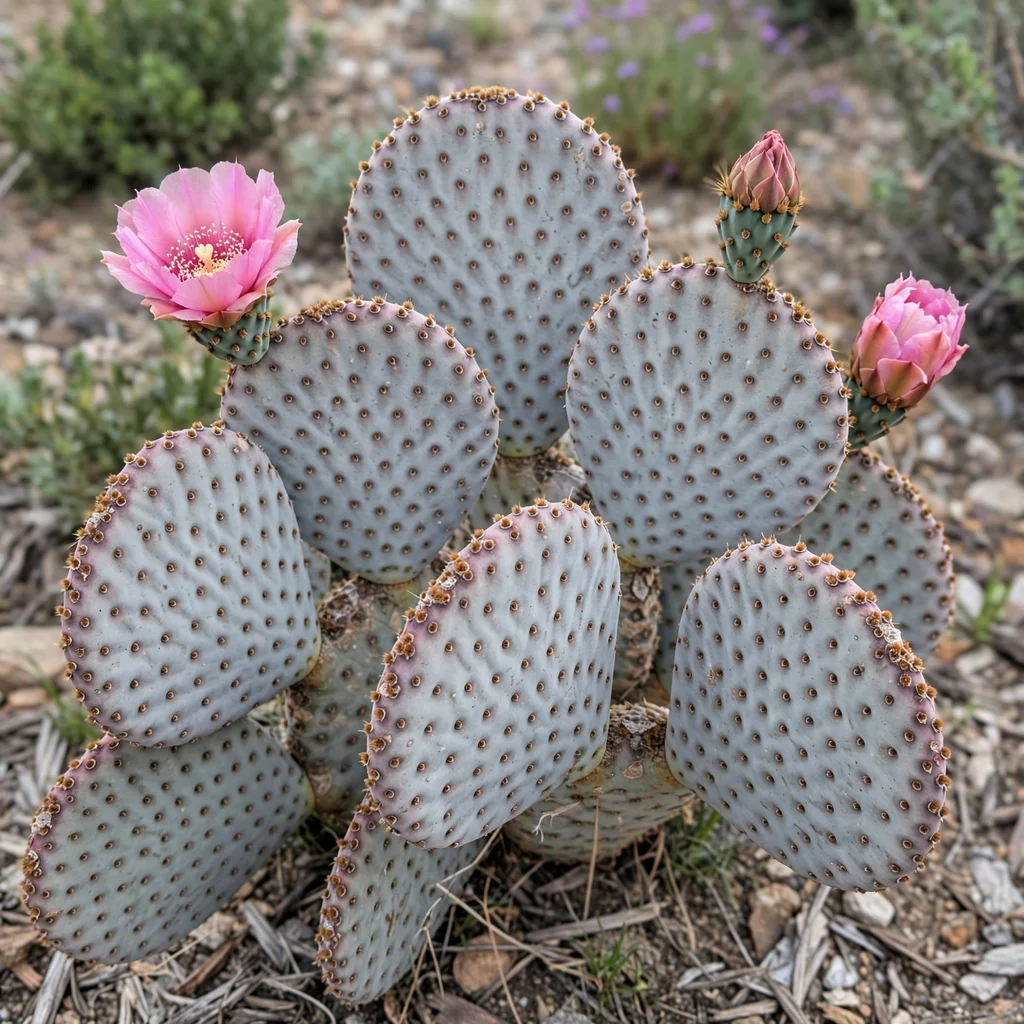
Beavertail Cactus
Opuntia basilaris
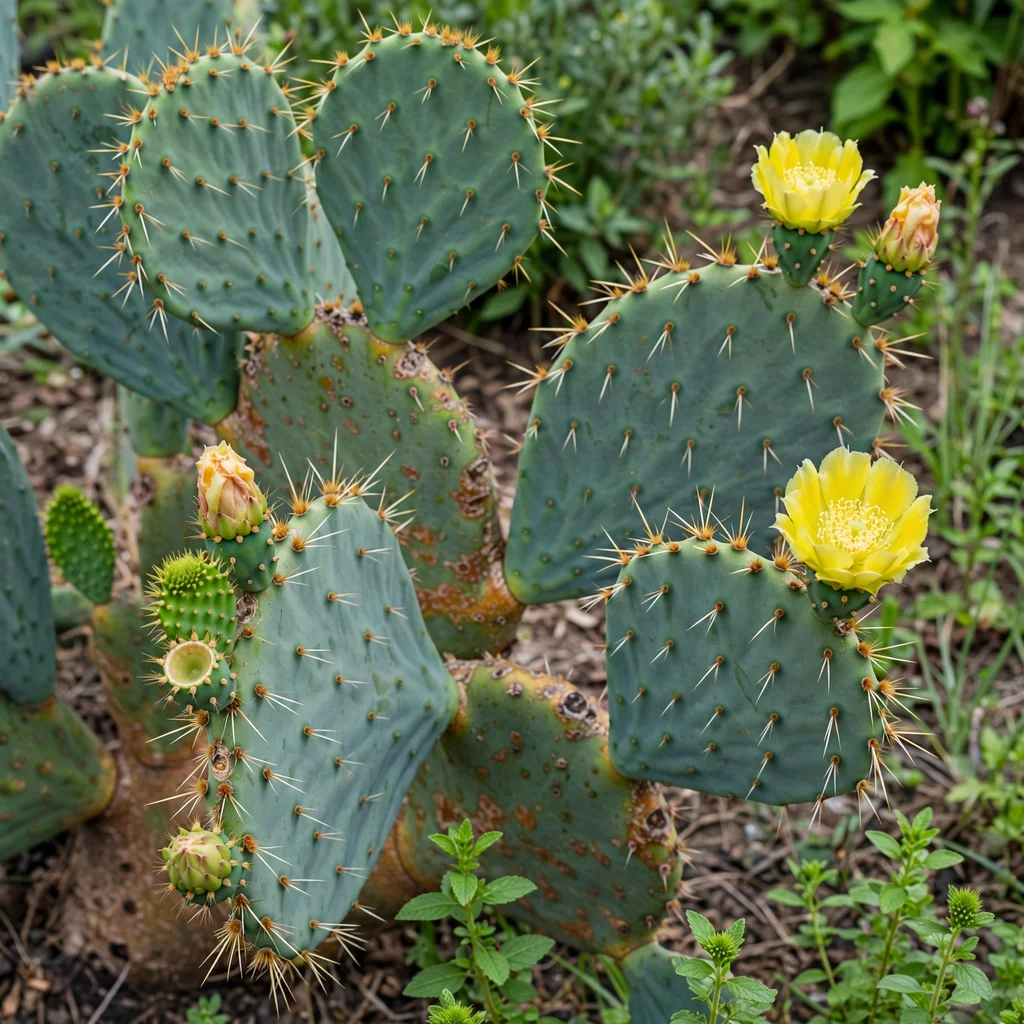
Old Mexico Prickly Pear
Opuntia gomei
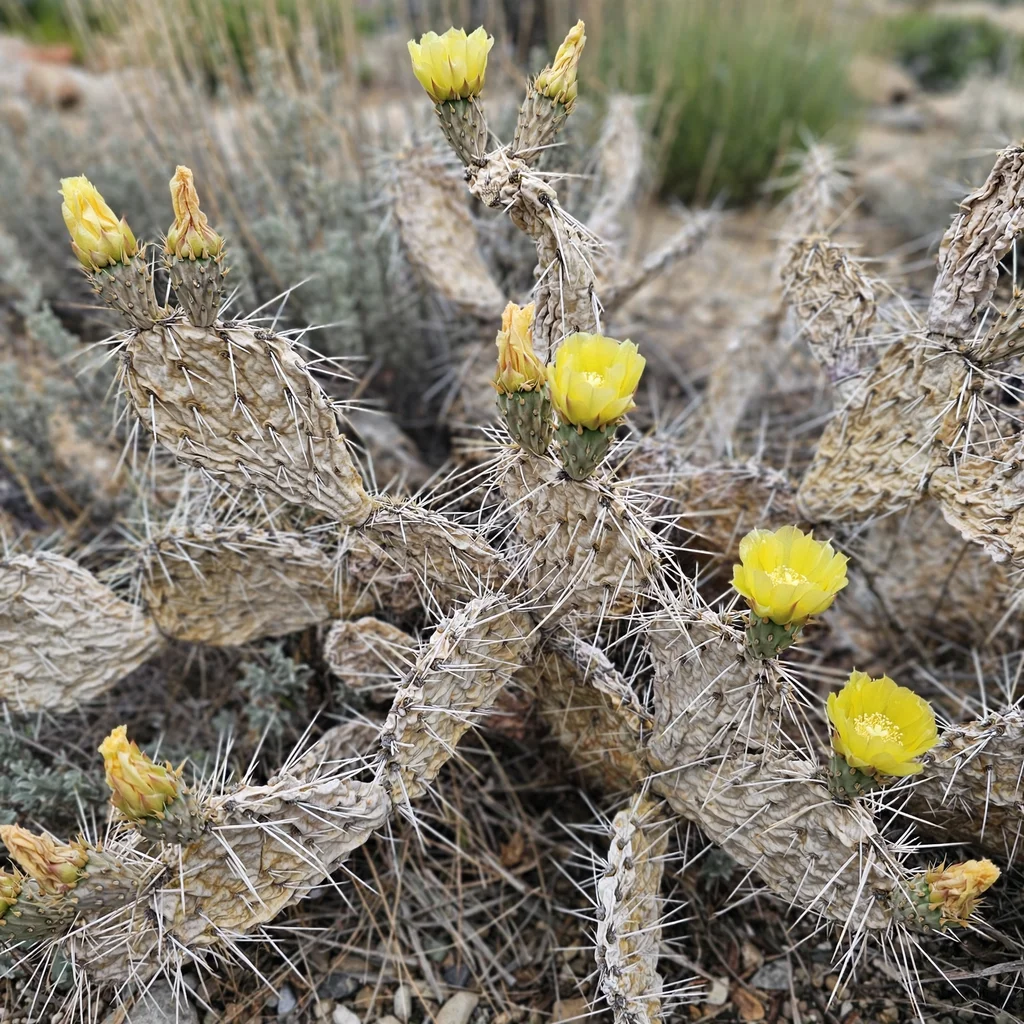
Plains Pricklypear
Opuntia polyacantha
Keep exploring
Explore the genus
Hardy in your zone?
Grow Pancake pricklypear with confidence
See it in a design of your actual yard, get zone-matched care reminders, and track it season by season in your garden journal.