The Story
Plant Bio
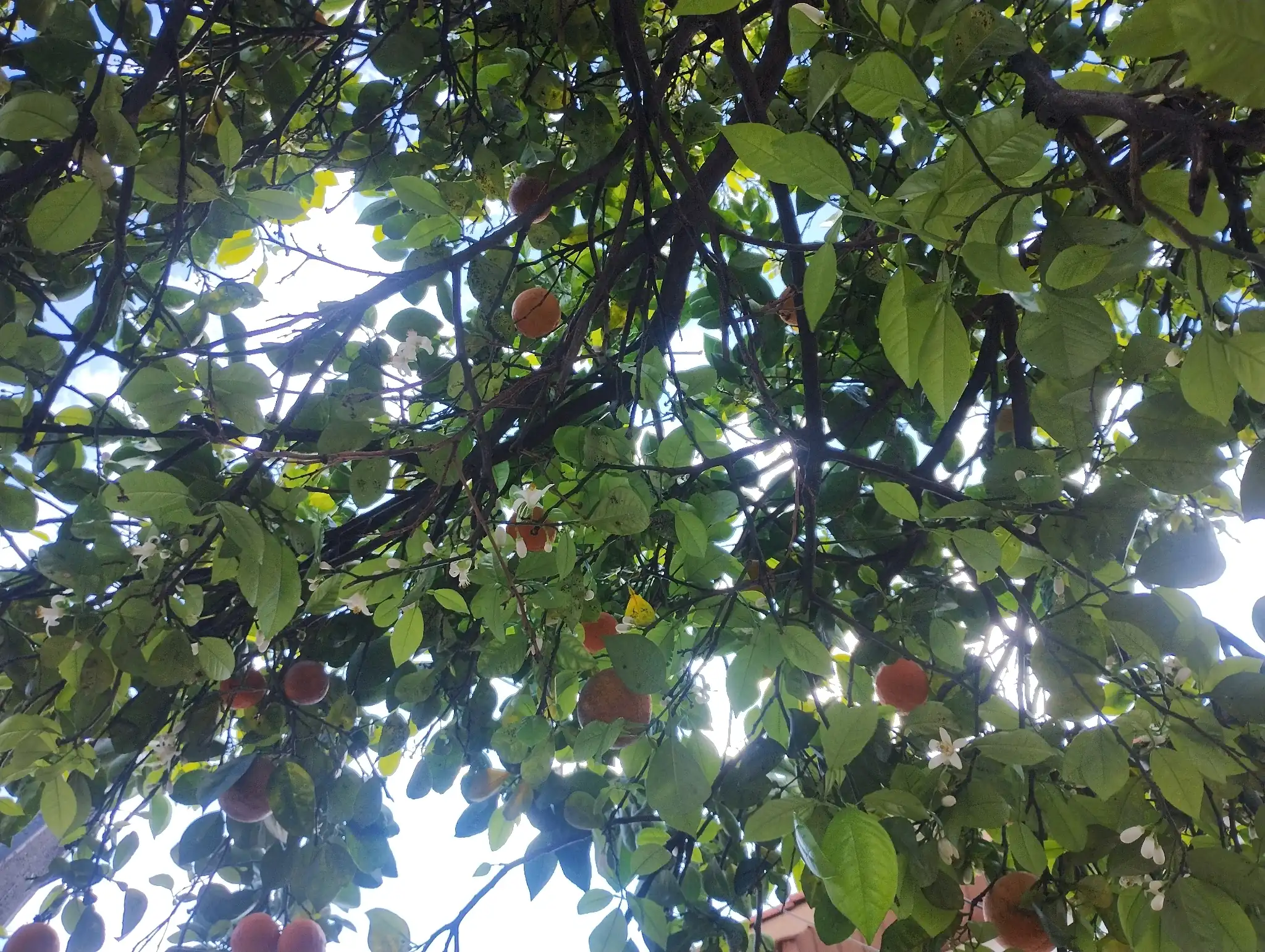
Citrus × aurantium is a small spiny tree reaching about 30 feet tall and 20 feet wide in gardens, with straight spines in the leaf axils. The leaves are 6 to 10 cm long by 3 to 5 cm wide on narrowly winged petioles, dotted with conspicuous oil glands.
This is the bitter or Seville orange, the sour-fruited maxima by reticulata hybrid grown for marmalade rather than fresh eating. Spring bloom carries glabrous petals 16 to 18 mm long with 22 to 25 stamens, followed by sour fruit that persists and naturalizes in Florida hammocks and pinelands.
Uses & Benefits:
Essentials
At a Glance
Plant Type
Tree
Height
360"
Width
240"
Zones
8, 9, 10
Water
Unknown
Humidity
Unknown
Lifespan
Long-lived tree
Native To
Southeast Asia - China and Vietnam
Toxicity
Spiny; concentrated synephrine extracts linked to heart effects
Bloom period
Spring – Late spring
In flower about 3 months of the year
Planting
How to Grow
- Space for a 30 foot by 20 foot crown and allow air flow around the canopy
- Set the tree with the graft union 4 to 6 inches above grade and keep soil off the trunk
- Water to settle the rootball then water deeply to establish, letting the surface dry between waterings
- Scout new flush for psyllid, aphids and scale and manage honeydew insects to limit sooty mold
Pro Tip
Keep the graft union well above soil and keep mulch back from the trunk; buried crowns invite Phytophthora gummosis and root rot.
Keep It Thriving
Care Guide
Do
- Wear heavy gloves when pruning around axil spines
- Keep mulch ring 6 inches clear of the trunk
- Buy certified disease-free stock in HLB quarantine areas
Don't
- Do not bury the graft union
- Do not leave fallen sour fruit on the ground
- Do not move citrus material out of quarantine zones
Seasonal Care Calendar
| Task | Jan | Feb | Mar | Apr | May | Jun | Jul | Aug | Sep | Oct | Nov | Dec |
|---|---|---|---|---|---|---|---|---|---|---|---|---|
| Harvest | ||||||||||||
| Mulch | ||||||||||||
| Pest Check | ||||||||||||
| Prune |
Watch Out For
Pests & Diseases
Common Pests
Common Diseases
In the Garden
Landscape Uses & Companions
Landscape Uses
Companion Plants
Multiply
Propagation Methods
Good to Know
Common Questions
Bitter Orange questions
What zones can Bitter Orange grow in?
Bitter Orange is hardy in USDA Zones 8–10: in that range it survives winter in the ground. Colder than Zone 8, winters are too cold for it to survive outdoors.
When does Bitter Orange bloom?
Bitter Orange typically blooms in spring. Exact timing shifts a week or two with your zone — Sow's bloom calendar maps it to your garden.
More Citrus to compare
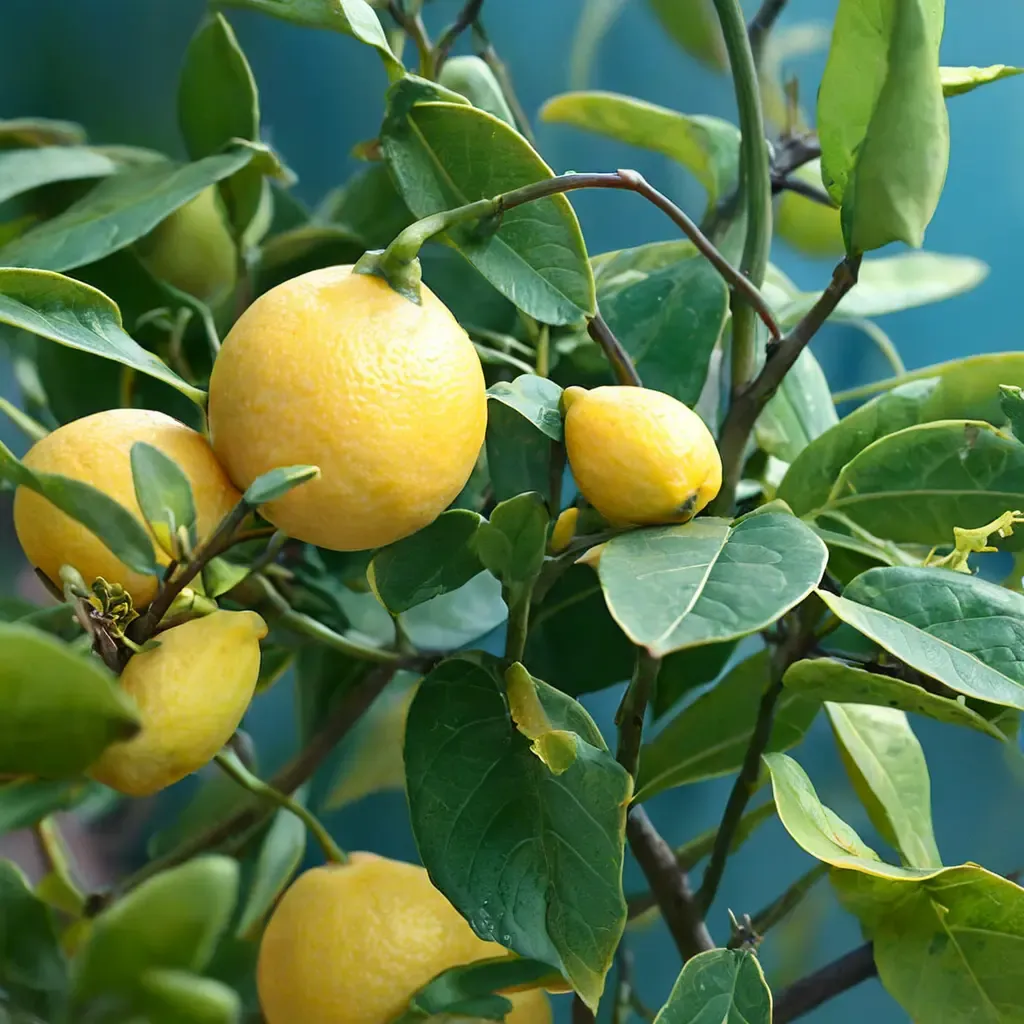
Meyer Lemon
Citrus limon 'Meyer'
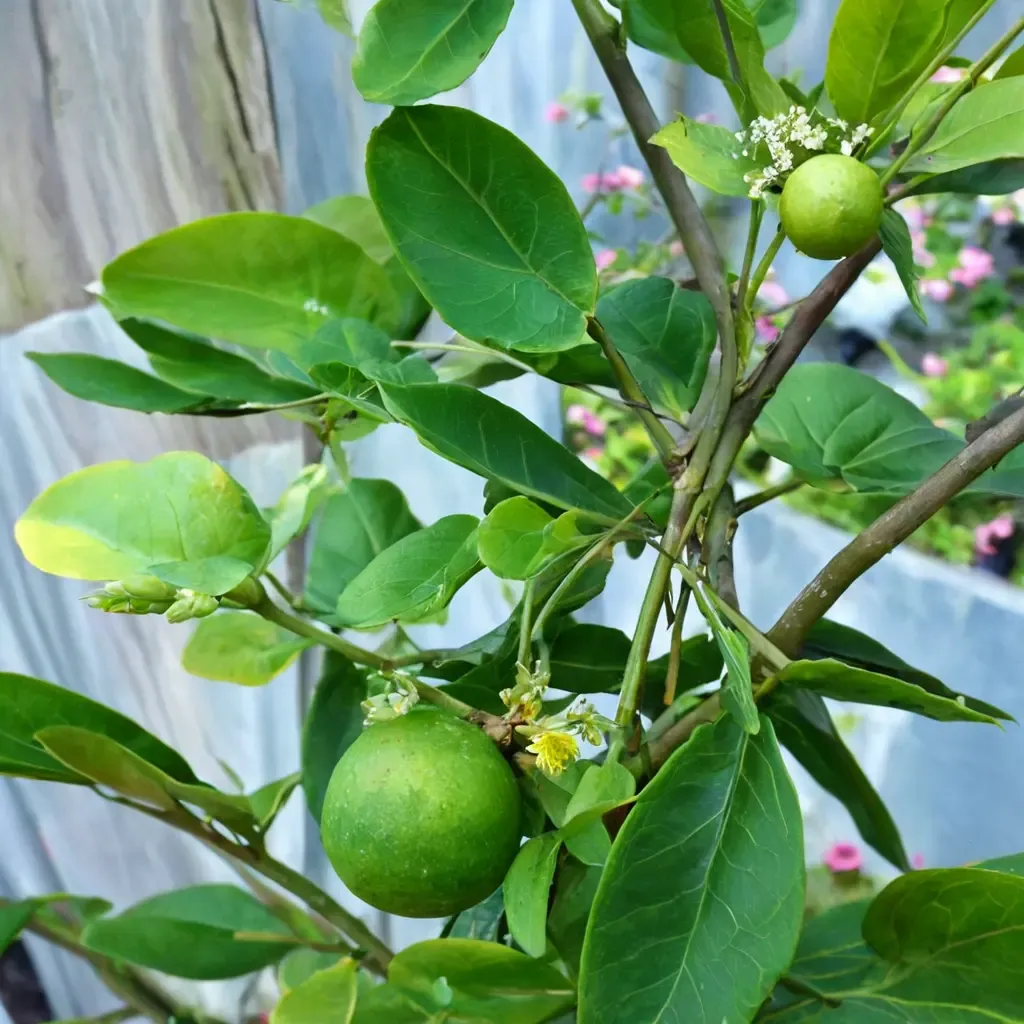
Key Lime
Citrus aurantiifolia
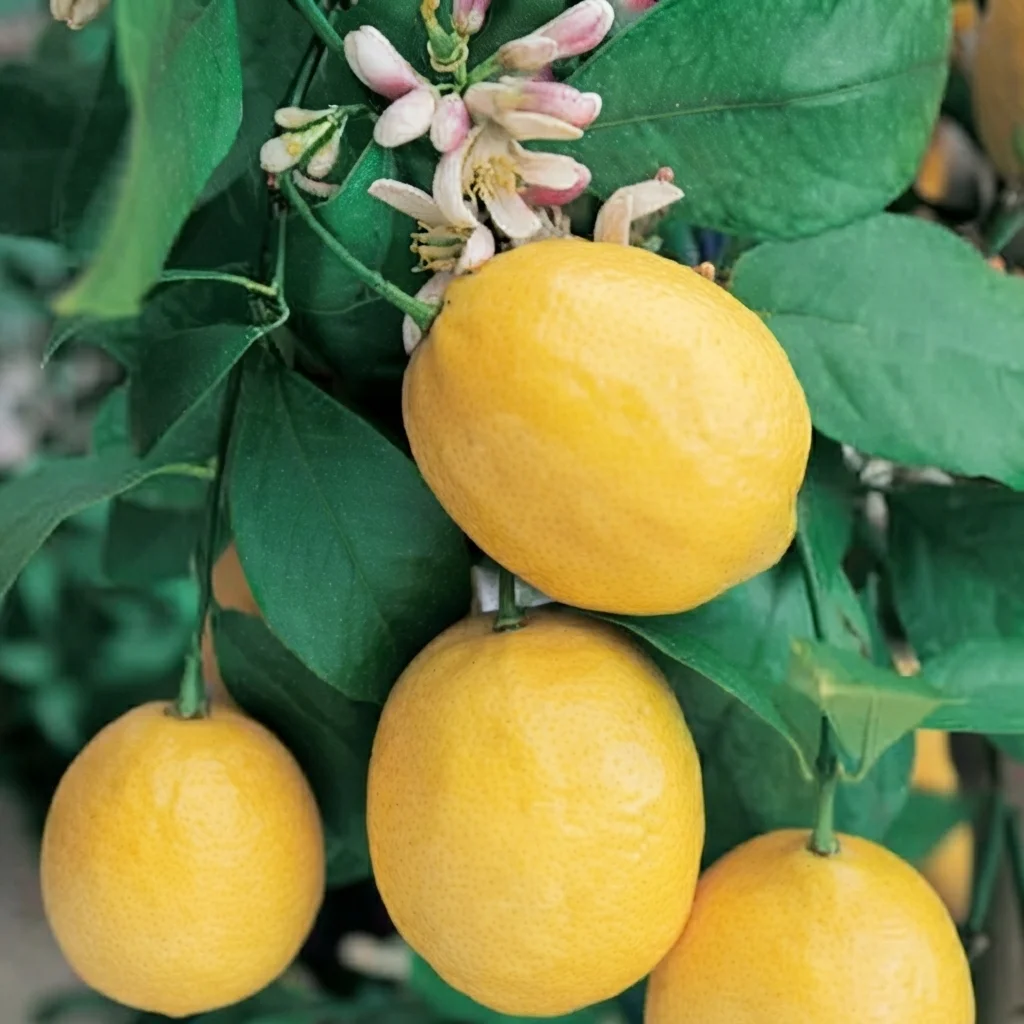
Eureka Lemon
Citrus limon 'Eureka'
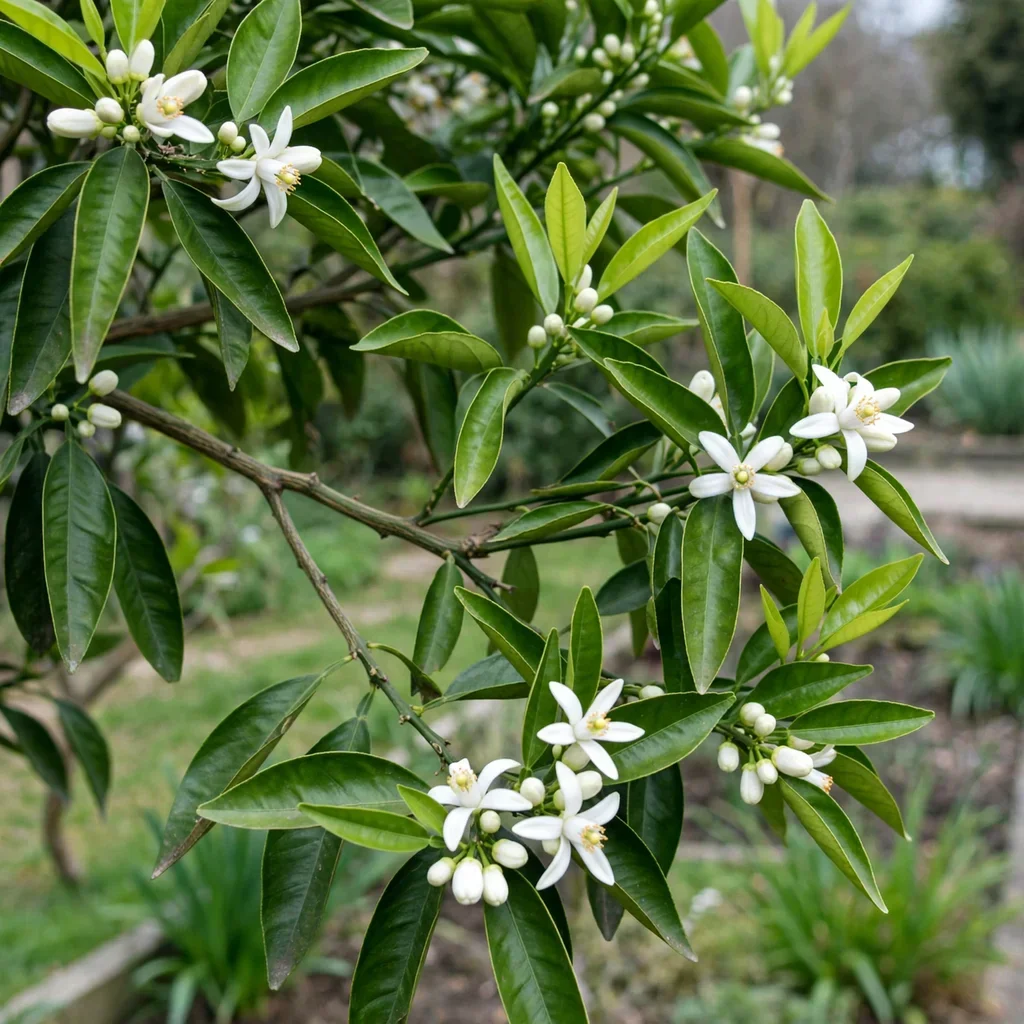
Sanguinello Orange
Citrus reticulata 'Sanguinea'
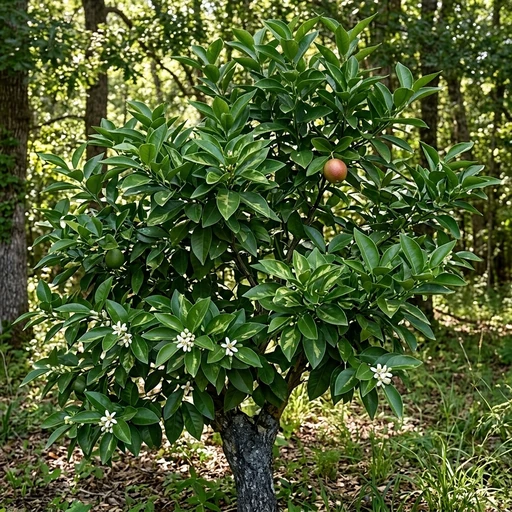
Moro Blood Orange
Citrus sinensis 'Moro'
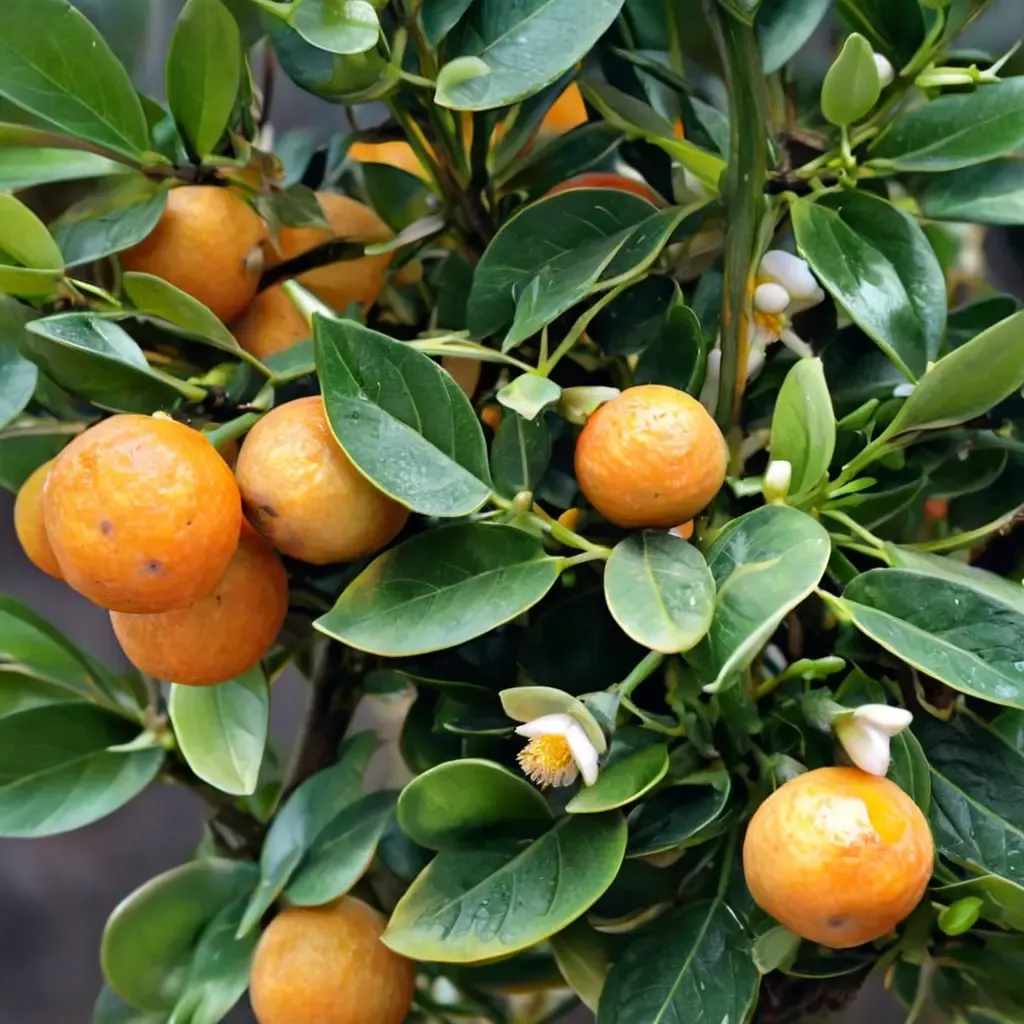
Calamondin
Citrus mitis
Keep exploring
Explore the genus
Hardy in your zone?
Grow Bitter Orange with confidence
See it in a design of your actual yard, get zone-matched care reminders, and track it season by season in your garden journal.