The Story
Plant Bio
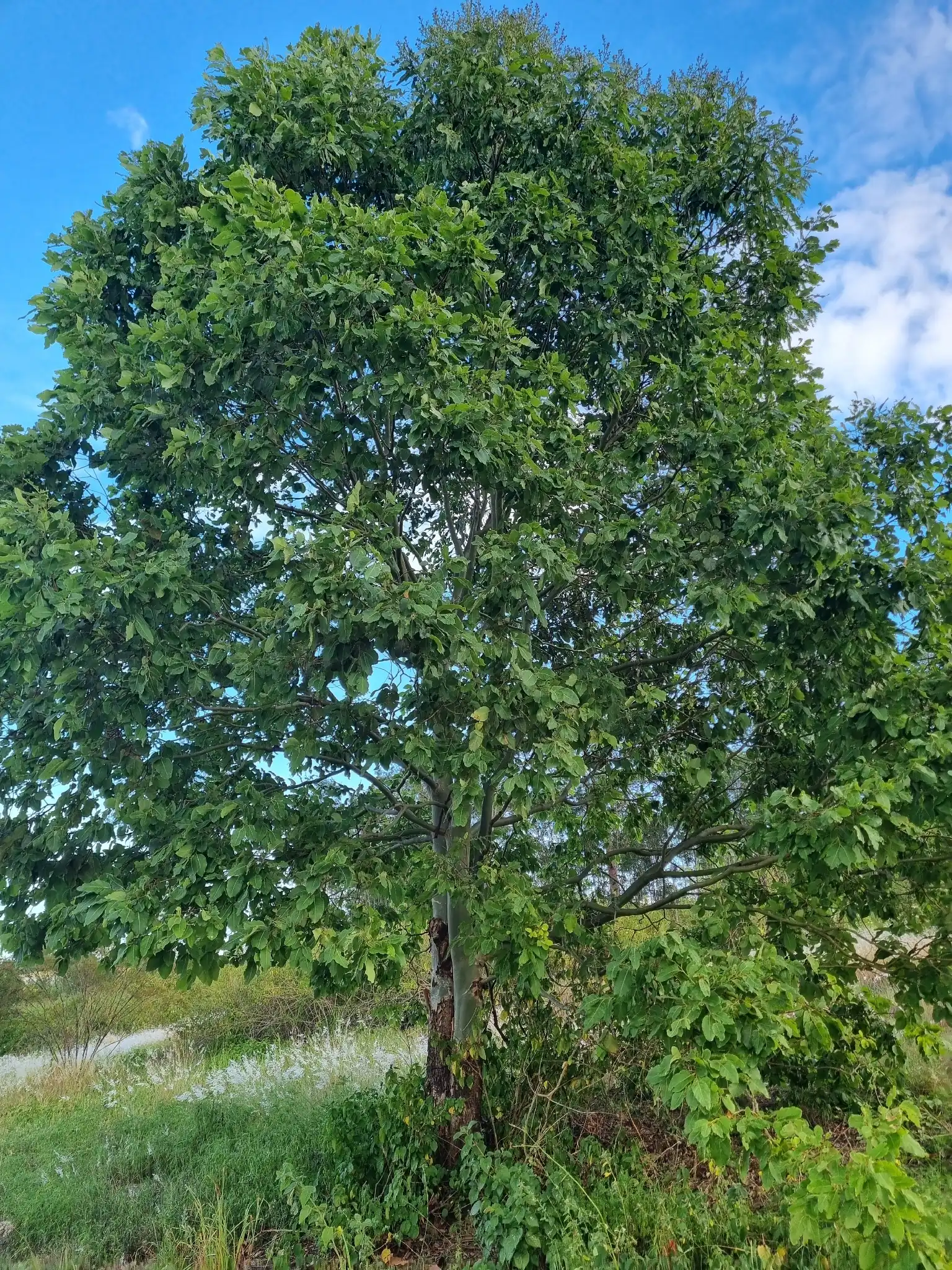
Corymbia torelliana is a fast-growing evergreen tree reaching heights up to ninety feet, featuring a smooth greenish-grey upper trunk and a dark, scaly bark stocking at the base. Large, coarse juvenile foliage transitions into smooth, lance-shaped adult leaves containing visible oil dots.
Distinct from most eucalypts, this species forms a dense canopy supported by heavy limbs radiating at sharp right angles from the main trunk. Small white to cream flowers bloom in terminal clusters, producing rounded, urn-shaped woody capsules.
Uses & Benefits:
Essentials
At a Glance
Plant Type
Tree
Height
1181"
Width
590"
Light
Full Sun
Zones
9, 10
Water
Low to Moderate
Humidity
High
Lifespan
Perennial
Native To
Northeastern Australia
Toxicity
Non-toxic
Bloom period
Spring – Summer
In flower about 6 months of the year
Planting
How to Grow
- Select a full-sun site with well-drained soil situated at least forty feet away from buildings, driveways, and utility lines.
- Dig a planting hole twice the width of the root ball and equal in depth, setting the top of the root crown level with the surrounding soil.
- Backfill with original soil, tamping firmly to eliminate air pockets, and water thoroughly at the base.
- Apply a three-inch layer of organic mulch around the root zone, keeping the material clear of the main stem.
Pro Tip
Prune early to establish strong central leader structure; avoid heavy cutting into old leafless wood as mature trees shed heavy horizontal branches.
Keep It Thriving
Care Guide
Do
- Plant in light, high-drainage soils to avoid root decay.
- Water young trees regularly during their first season until roots establish deeply.
Don't
- Do not plant near sewer pipes, paved walkways, or structures.
- Do not leave young stock in waterlogged sites or heavy frost pockets.
Seasonal Care Calendar
| Task | Jan | Feb | Mar | Apr | May | Jun | Jul | Aug | Sep | Oct | Nov | Dec |
|---|---|---|---|---|---|---|---|---|---|---|---|---|
| Fertilize | ||||||||||||
| Mulch | ||||||||||||
| Pest Check | ||||||||||||
| Prune |
Watch Out For
Pests & Diseases
Common Pests
Common Diseases
In the Garden
Landscape Uses & Companions
Landscape Uses
Companion Plants
Multiply
Propagation Methods
Good to Know
Common Questions
Cadaghi questions
What zones can Cadaghi grow in?
Cadaghi is hardy in USDA Zones 9–10: in that range it survives winter in the ground. Colder than Zone 9, winters are too cold for it to survive outdoors.
When does Cadaghi bloom?
Cadaghi typically blooms from spring to summer. Exact timing shifts a week or two with your zone — Sow's bloom calendar maps it to your garden.
Does Cadaghi need full sun?
Cadaghi does best in full sun (6+ hours).
Is Cadaghi drought tolerant?
Yes — once established (usually after the first full season), Cadaghi handles dry spells with minimal watering. Water deeply its first year to build the root system that makes that possible.
More Corymbia to compare
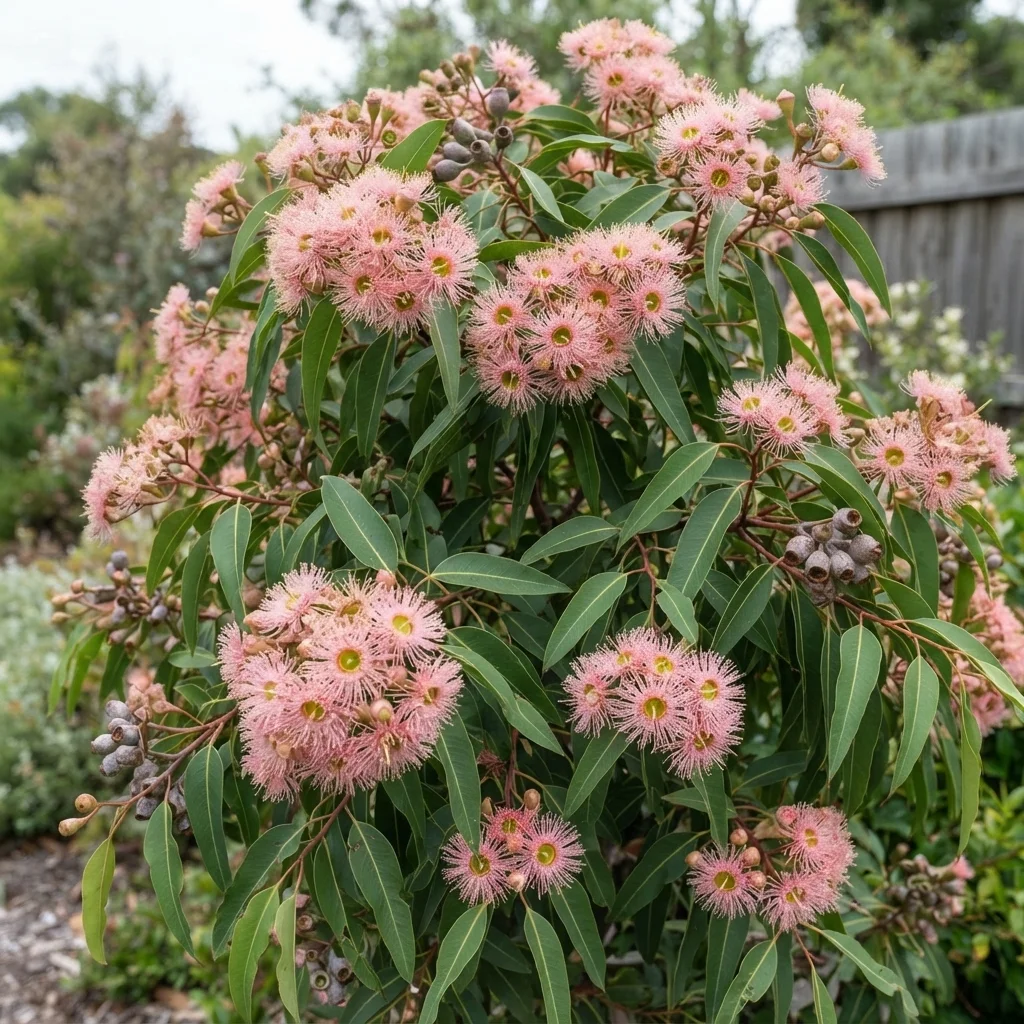
Summer Beauty Flowering Gum
Corymbia x hybrida 'Summer Beauty'
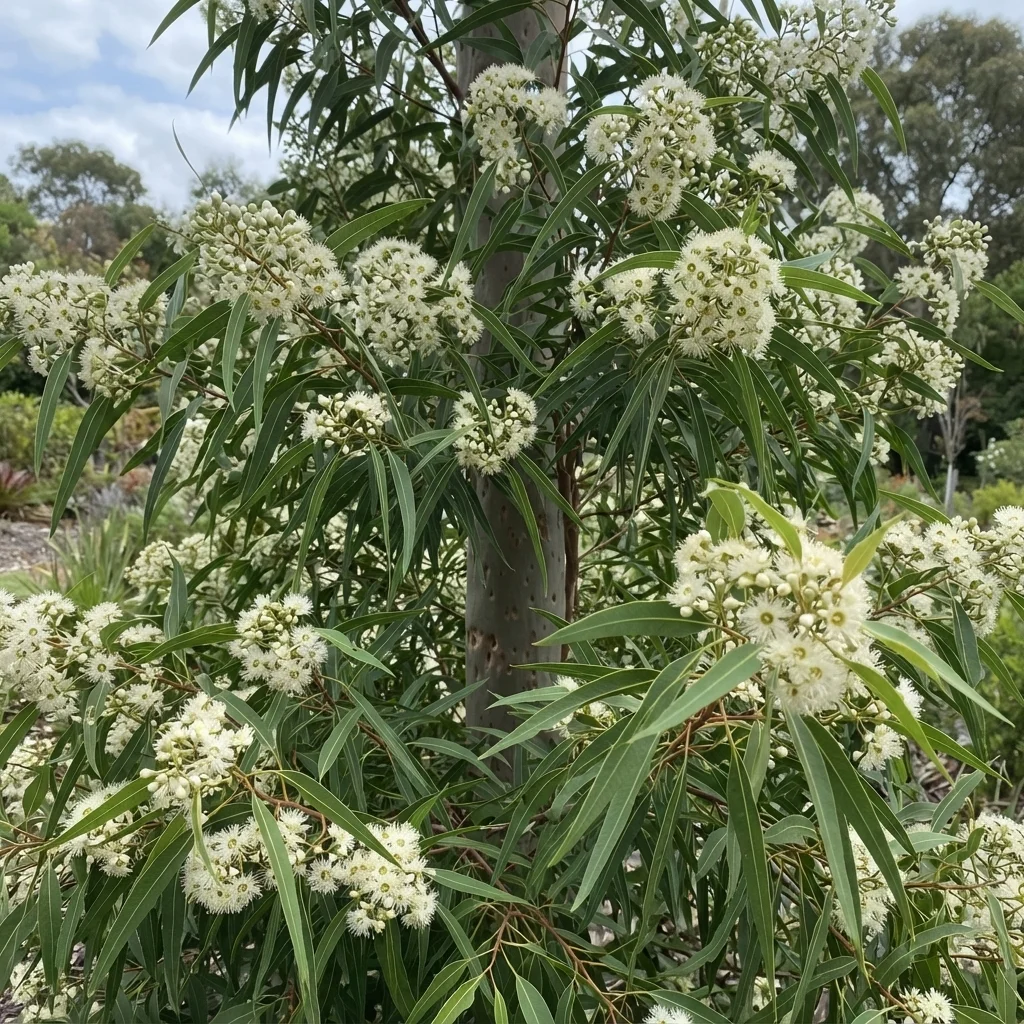
Lemon-scented Gum
Corymbia citriodora
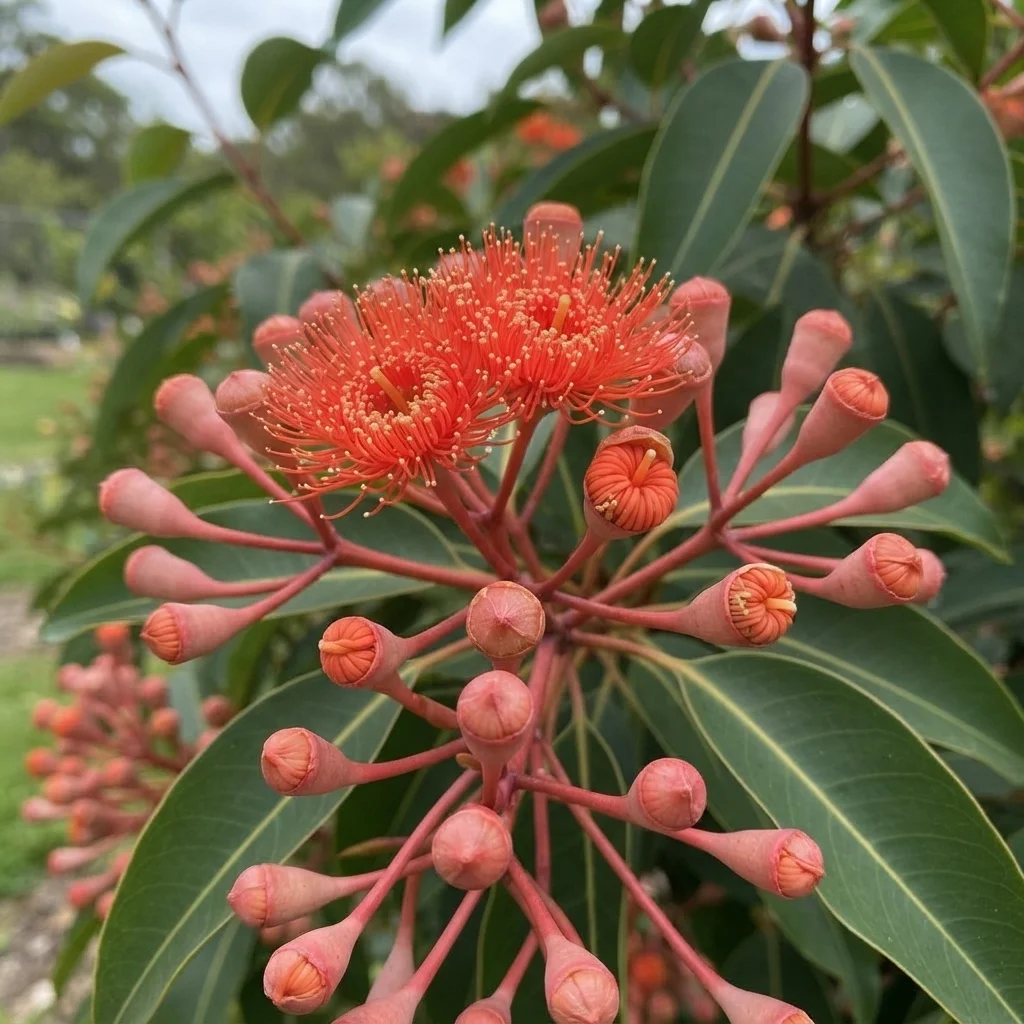
Baby Orange Flowering Gum
Corymbia ficifolia 'Baby Orange'
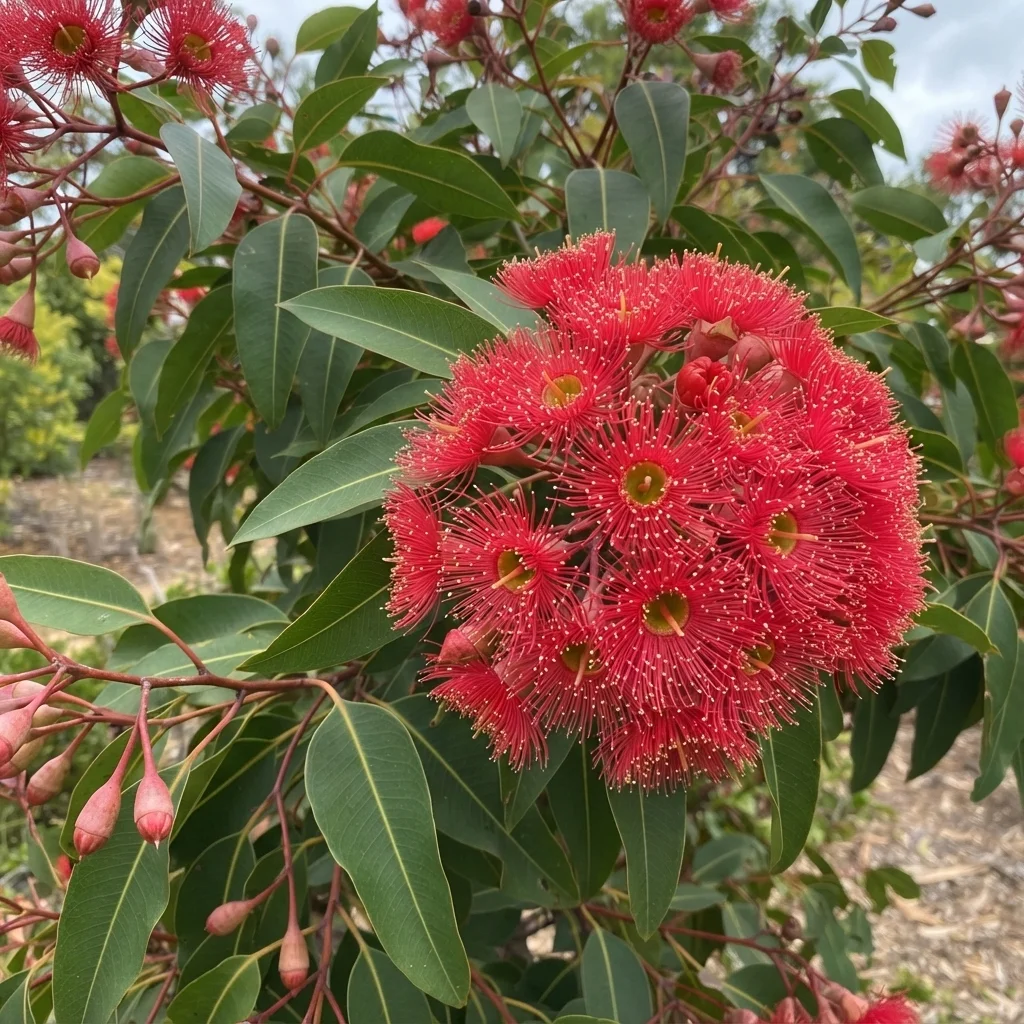
Red Flowering Gum
Corymbia ficifolia
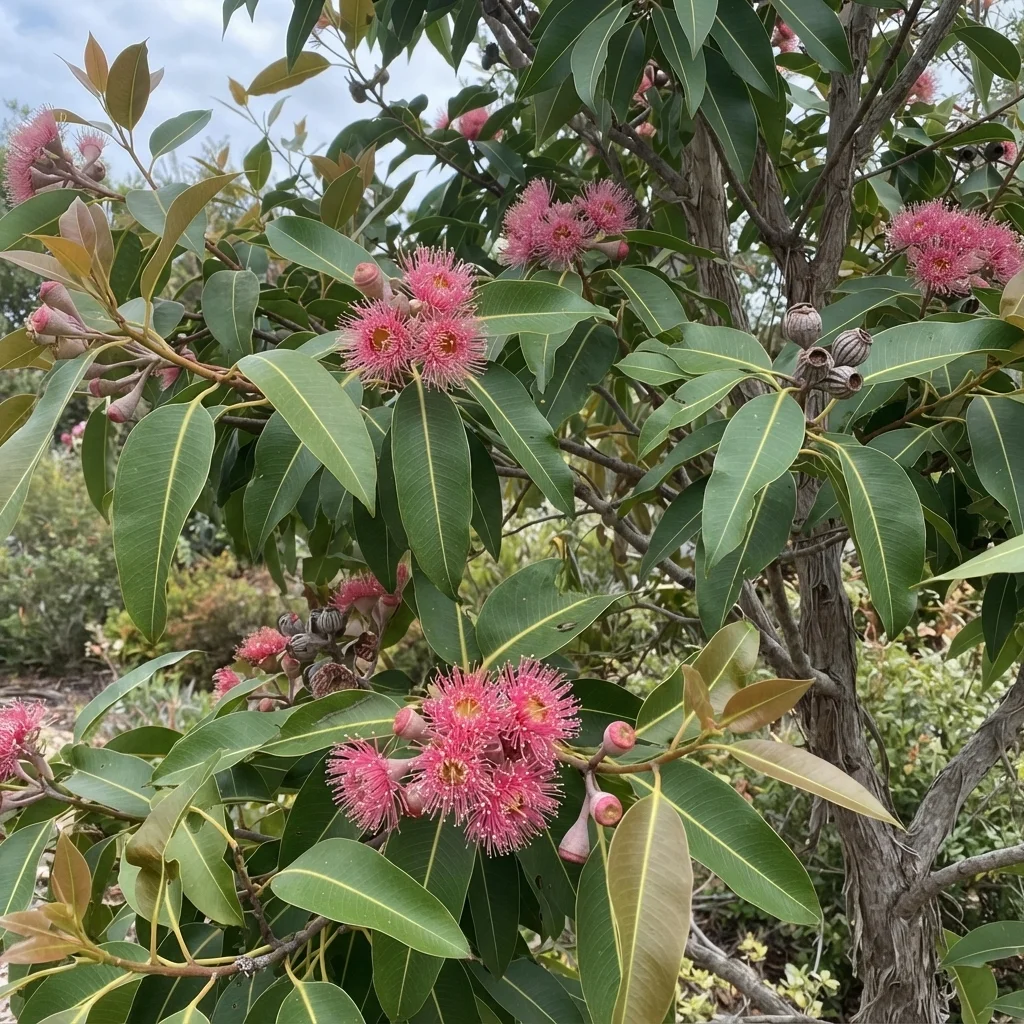
Swamp Bloodwood
Corymbia ptychocarpa
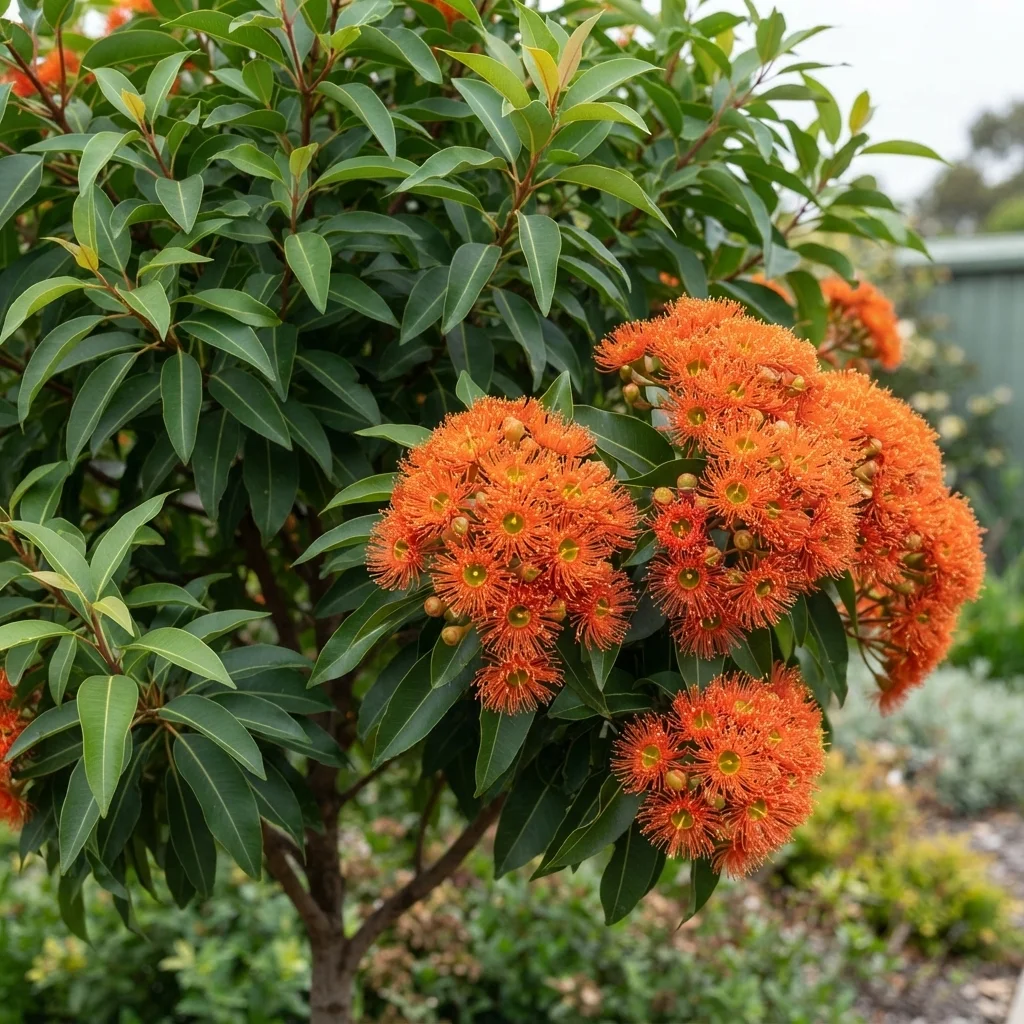
Dwarf Orange Flowering Gum
Corymbia ficifolia 'Dwarf Orange'
Keep exploring
Explore the genus
Hardy in your zone?
Grow Cadaghi with confidence
See it in a design of your actual yard, get zone-matched care reminders, and track it season by season in your garden journal.