
The Story
Plant Bio
Carex glaucescens, the southern waxy sedge, is a large erect clump-forming perennial sedge reaching three to five feet in garden soil, with narrow blue-green leaves and culms rising from a spreading crown. The flowers have no petals; the display is a cluster of few pendulous brown spikes with waxy blue-gray perigynia that ripen brown in summer.
What sets it apart is the heavy waxy bloom on foliage, sheaths and young fruit, holding a blue-gray cast through heat when given constant moisture. The strongly veined glaucous sheaths, rough-margined blades 40 to 75 cm long, and few nodding spikes separate it from green-foliaged upland sedges.
Uses & Benefits:
Essentials
At a Glance
Plant Type
Grass
Height
60"
Width
24"
Light
Full Sun, Partial Sun
Zones
6, 7, 8, 9
Water
High
Humidity
Tolerates humidity
Lifespan
Perennial
Native To
Southeastern United States
Toxicity
Unknown
Bloom period
Late spring – Early summer
In flower about 2 months of the year
Planting
How to Grow
- Plant divisions 24 inches apart in saturated acid peat-sand at a pond margin, ditch edge or rain-garden sump.
- Set the crown level with the soil and water in deep so air pockets collapse around the roots.
- Mulch 2 inches with pine bark or leaf mold to hold moisture and acidity.
- Water to keep soil consistently moist to wet through the first summer; do not let it dry.
- Comb out dead leaves in early spring and divide congested clumps before new culms elongate.
Pro Tip
Set it where the soil never dries; a pond edge or rain-garden sump in acid peat-sand keeps it blue, dry border soil starves it.
Keep It Thriving
Care Guide
Do
- Keep soil consistently moist to wet year-round.
- Mulch with pine bark or leaf mold to hold water.
- Divide every 3 to 4 years to renew vigor.
Don't
- Do not plant in dry borders or alkaline fill.
- Do not let new transplants dry out in sun and wind.
- Do not cut the crown to the ground in fall; clean foliage in spring.
Seasonal Care Calendar
| Task | Jan | Feb | Mar | Apr | May | Jun | Jul | Aug | Sep | Oct | Nov | Dec |
|---|---|---|---|---|---|---|---|---|---|---|---|---|
| Divide | ||||||||||||
| Mulch | ||||||||||||
| Plant | ||||||||||||
| Propagate | ||||||||||||
| Spring Cleanup |
Watch Out For
Pests & Diseases
Common Pests
Common Diseases
In the Garden
Landscape Uses & Companions
Landscape Uses
Multiply
Propagation Methods
Good to Know
Common Questions
Southern Waxy Sedge questions
What zones can Southern Waxy Sedge grow in?
Southern Waxy Sedge is hardy in USDA Zones 6–9: in that range it survives winter in the ground. Colder than Zone 6, grow it in a container you can move to shelter for the winter, or as an annual. Warmer than Zone 9, winter isn't the problem: it prefers colder winters, and summer heat can shorten its life.
When does Southern Waxy Sedge bloom?
Southern Waxy Sedge typically blooms from late spring to early summer. Exact timing shifts a week or two with your zone — Sow's bloom calendar maps it to your garden.
Does Southern Waxy Sedge need full sun?
Southern Waxy Sedge does best in full sun to part shade. In hot climates, afternoon shade keeps blooms fresher longer.
More Carex to compare
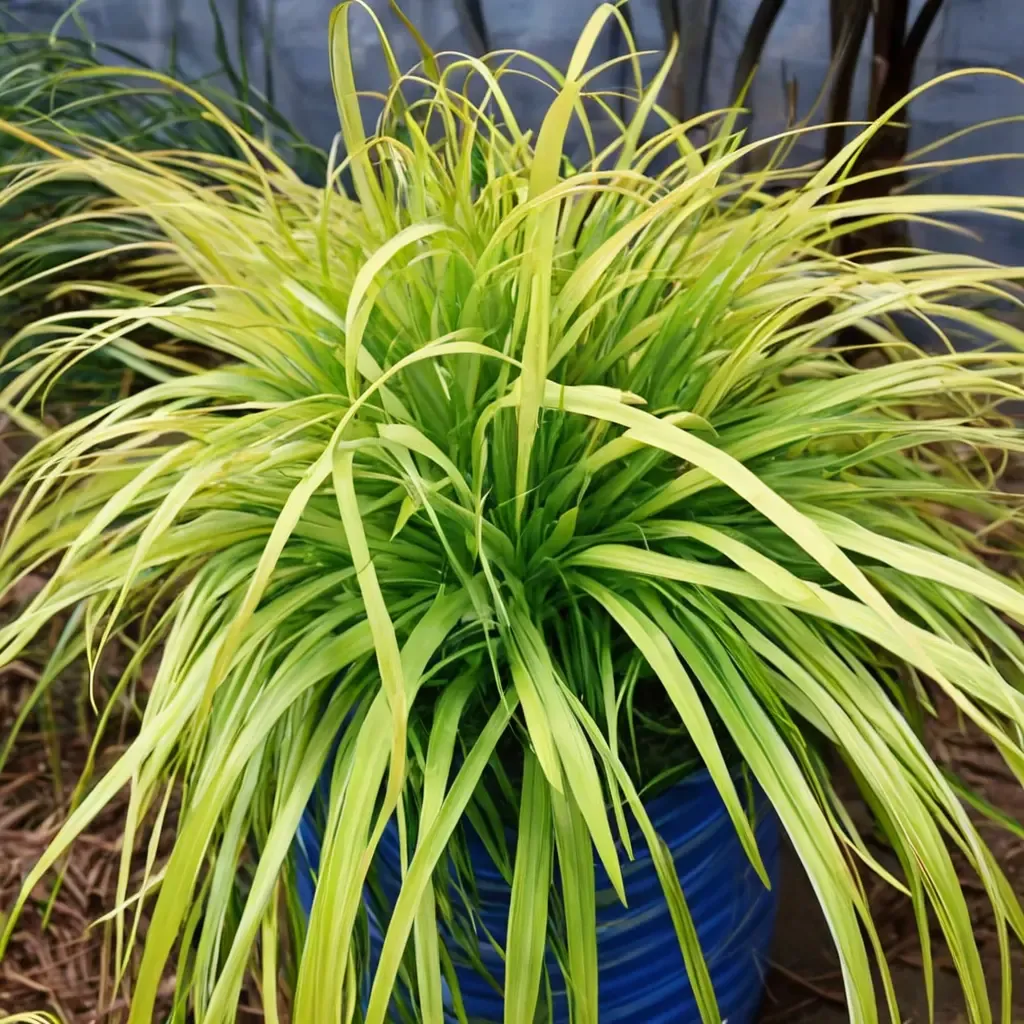
Everillo Sedge
Carex oshimensis 'Everillo'
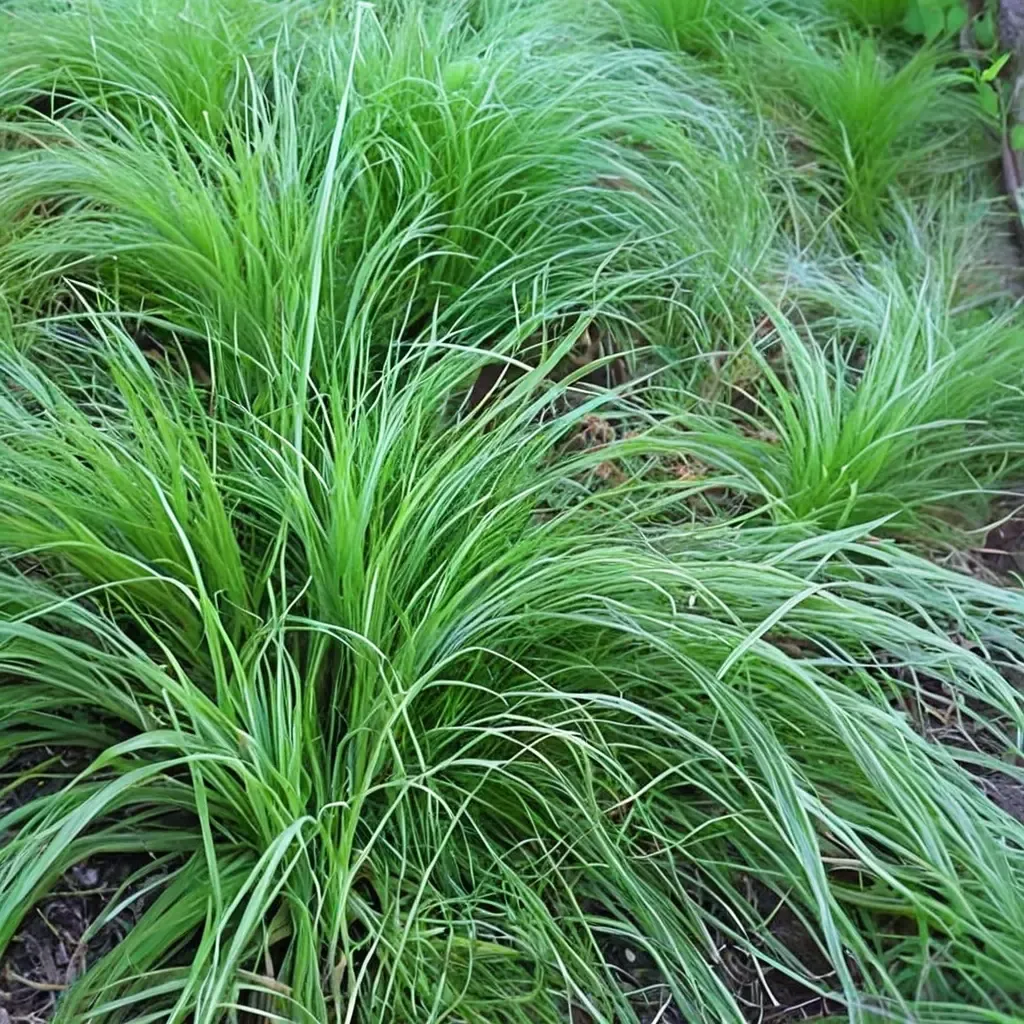
Pennsylvania Sedge
Carex pensylvanica
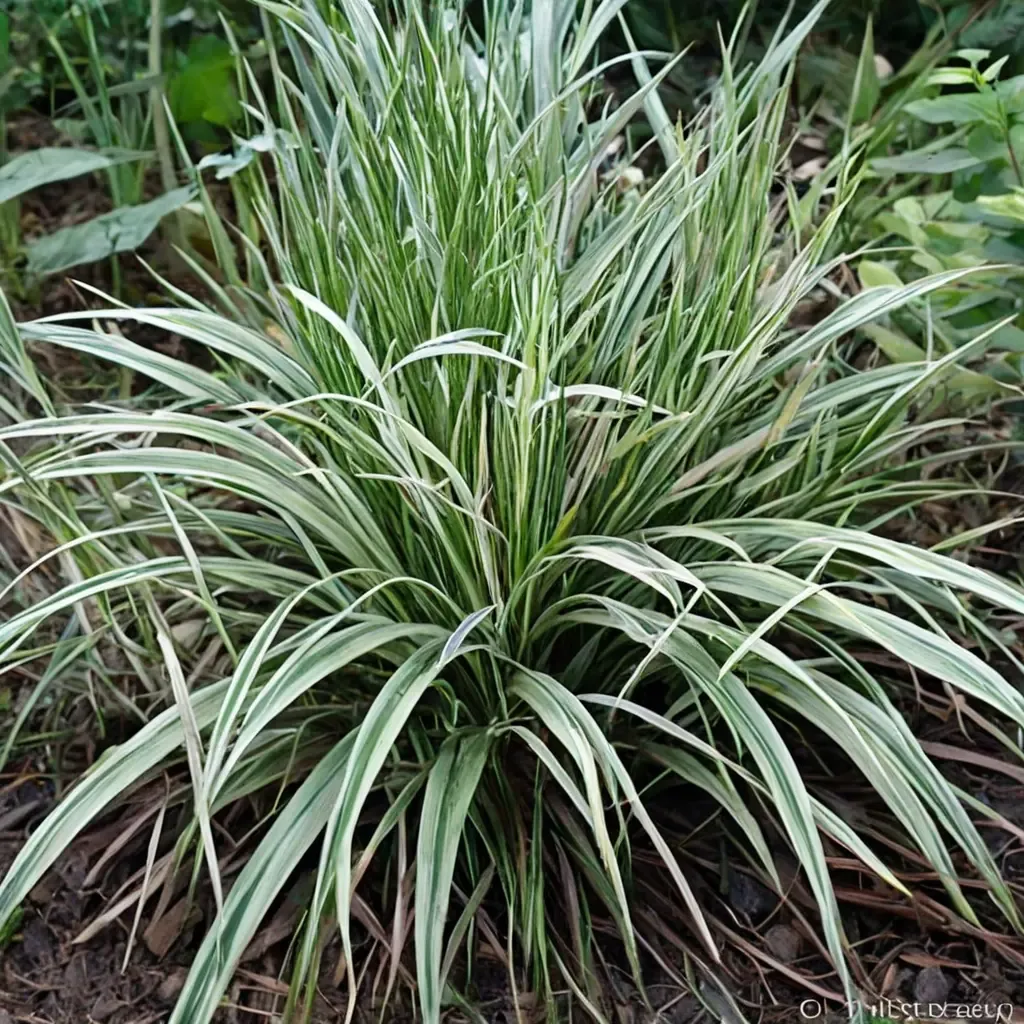
Japanese Sedge
Carex morrowii
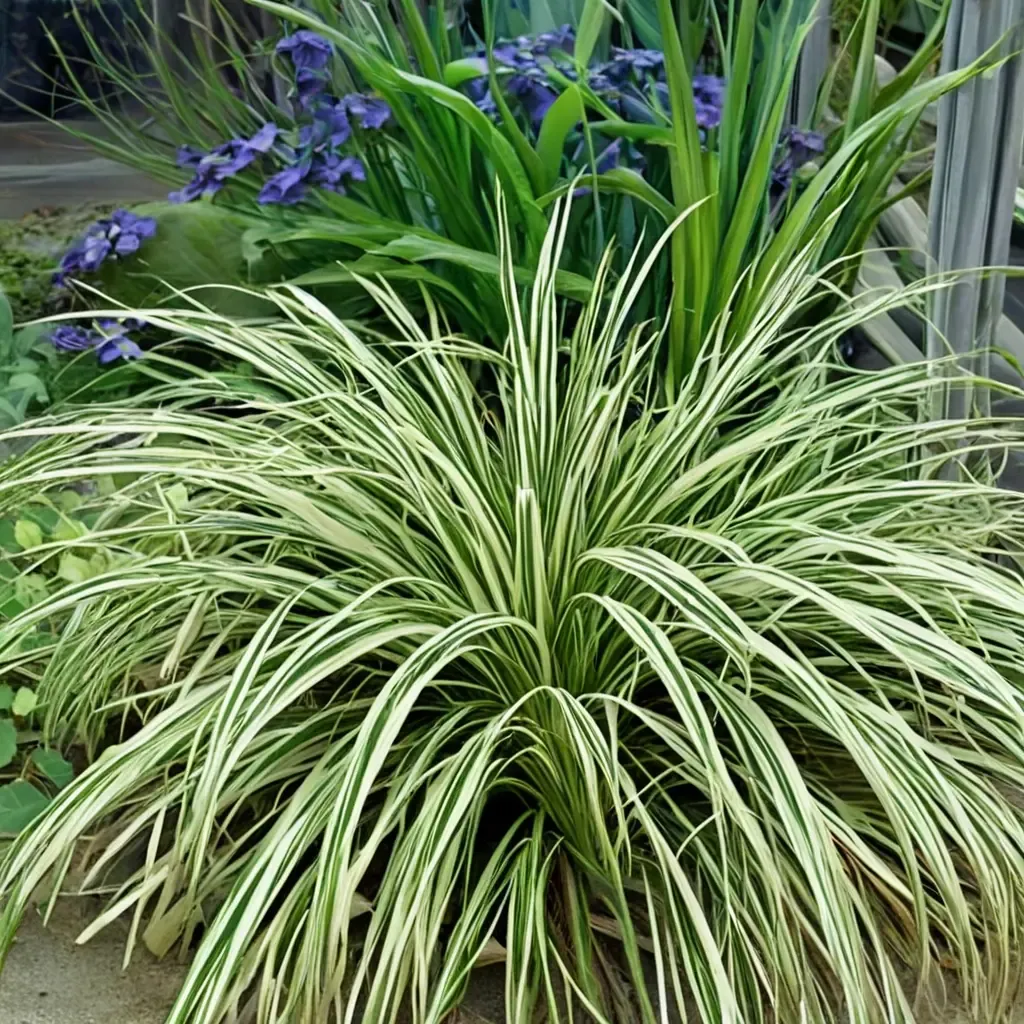
Evergold Japanese Sedge
Carex oshimensis 'Evergold'
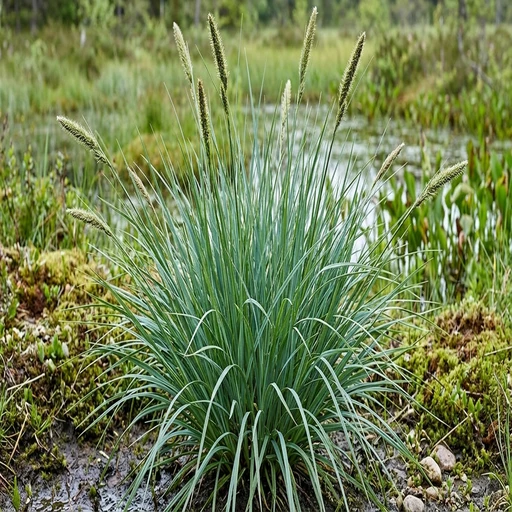
Comosa Sedge
Carex comosa
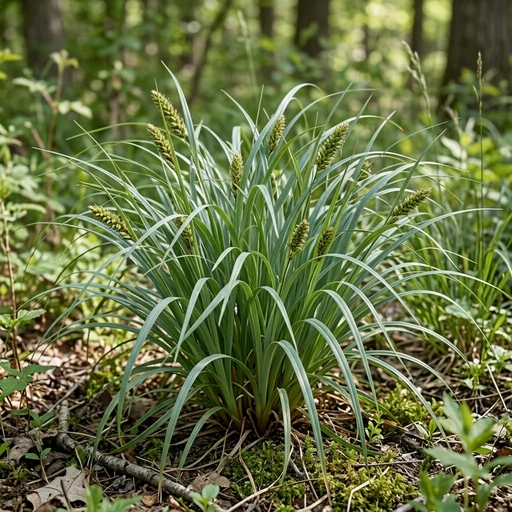
Shortbeak Sedge
Carex brevior
Keep exploring
Explore the genus
Hardy in your zone?
Grow Southern Waxy Sedge with confidence
See it in a design of your actual yard, get zone-matched care reminders, and track it season by season in your garden journal.