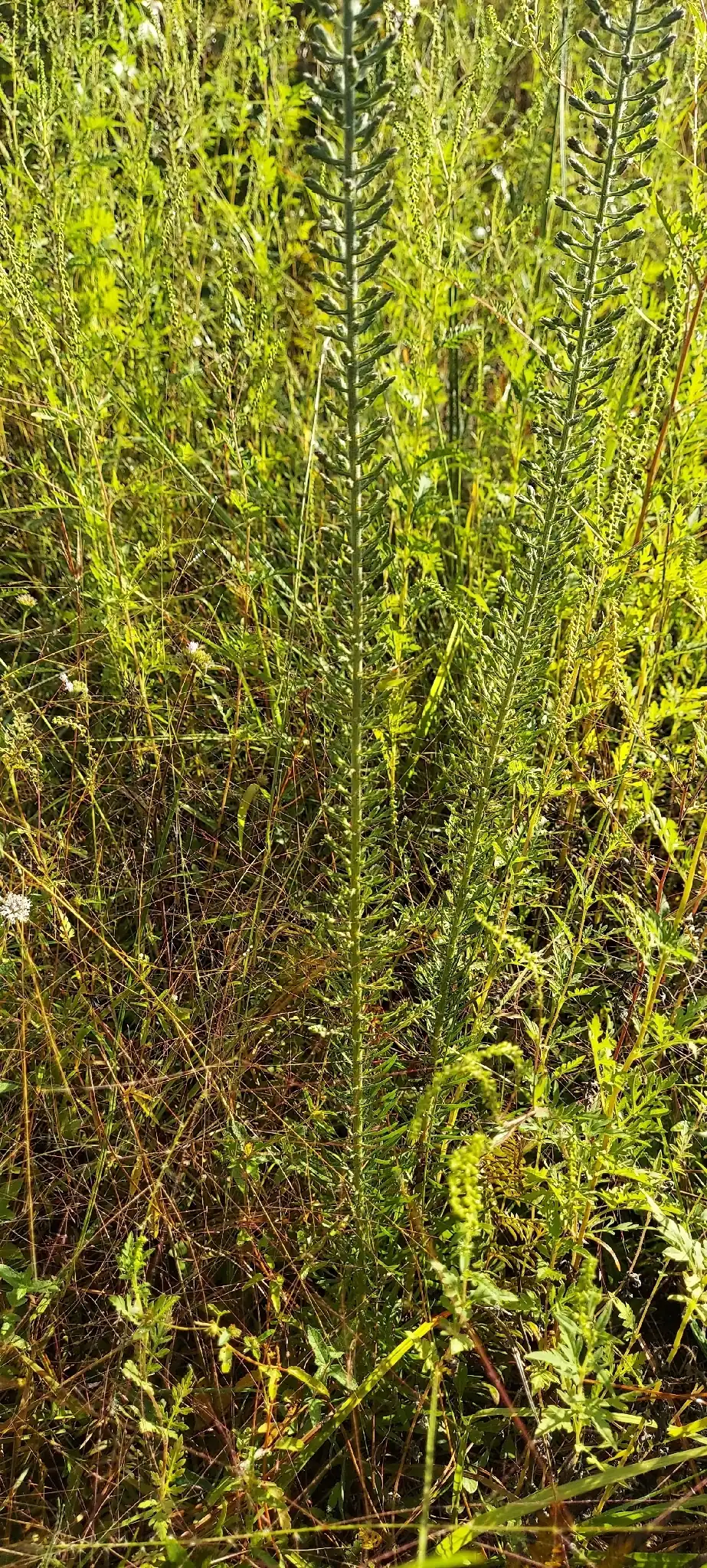
The Story
Plant Bio
Liatris gracilis is an erect, short-lived perennial that overwinters as a corm and produces a basal rosette of narrow hairy leaves followed by a tall unbranched stalk. In late summer to fall the stalk carries a long narrow spike of bright purple heads that open from the top down, each head held slightly away from the stem on a short stalk.
Unlike the dense sessile-headed blazing stars, it bears hundreds of small heads on distinct short pedicels, giving the spike an open airy outline. It is a Southeast Coastal Plain endemic of deep sands in longleaf pine-wiregrass, sandhill and flatwoods ground, reaching 2 to 4 feet in gardens with drought tolerance once established.
Uses & Benefits:
Essentials
At a Glance
Plant Type
Perennial
Height
48"
Width
12"
Light
Full Sun, Partial Sun
Zones
8, 9, 10
Water
Low
Humidity
Low
Lifespan
Short-lived perennial
Native To
Southeastern USA
Toxicity
Unknown
Bloom period
Late summer – Fall
In flower about 4 months of the year
Planting
How to Grow
- Plant in full sun in deep well-drained sand to sandy loam, corm just covered with the rosette at soil level.
- Space corms or plugs 12 to 15 inches apart in groups of 7 or more interplanted with grasses for support.
- Water to establish through the first summer, then water only during extended drought; it fails in wet winter soil.
- Leave fall seed heads standing to self-sow replacements, then clear dead stalks once new basal leaves emerge in spring.
- Do not fertilize heavily; a light spring top-dress of compost is enough on poor sand.
Pro Tip
Plant in drifts with grasses and wildflowers so the tall spikes lean on neighbors instead of stakes, and leave some heads to seed because plants are short-lived and the winter-dormant corms disappear completely.
Keep It Thriving
Care Guide
Do
- Give full sun and sharp drainage in sand.
- Mass with grasses and wildflowers to hold the tall spikes upright.
- Allow some heads to ripen seed to replace short-lived plants.
Don't
- Do not overwater or plant where water stands; wet soil rots the corm.
- Do not discard the bed as dead in winter when the plant is dormant underground.
- Do not cut all flowers for vases if you need self-sown seedlings.
Seasonal Care Calendar
| Task | Jan | Feb | Mar | Apr | May | Jun | Jul | Aug | Sep | Oct | Nov | Dec |
|---|---|---|---|---|---|---|---|---|---|---|---|---|
| Pest Check | ||||||||||||
| Plant | ||||||||||||
| Propagate | ||||||||||||
| Stake | ||||||||||||
| Winter Prep |
Watch Out For
Pests & Diseases
Common Pests
Common Diseases
In the Garden
Landscape Uses & Companions
Landscape Uses
Multiply
Propagation Methods
Good to Know
Common Questions
Slender Blazing Star questions
What zones can Slender Blazing Star grow in?
Slender Blazing Star is hardy in USDA Zones 8–10: in that range it survives winter in the ground. Colder than Zone 8, grow it in a container you can move to shelter for the winter, or as an annual.
When does Slender Blazing Star bloom?
Slender Blazing Star typically blooms from late summer to late fall. Exact timing shifts a week or two with your zone — Sow's bloom calendar maps it to your garden.
Does Slender Blazing Star need full sun?
Slender Blazing Star does best in full sun to part shade. In hot climates, afternoon shade keeps blooms fresher longer.
Is Slender Blazing Star drought tolerant?
Yes — once established (usually after the first full season), Slender Blazing Star handles dry spells with minimal watering. Water deeply its first year to build the root system that makes that possible.
More Liatris to compare
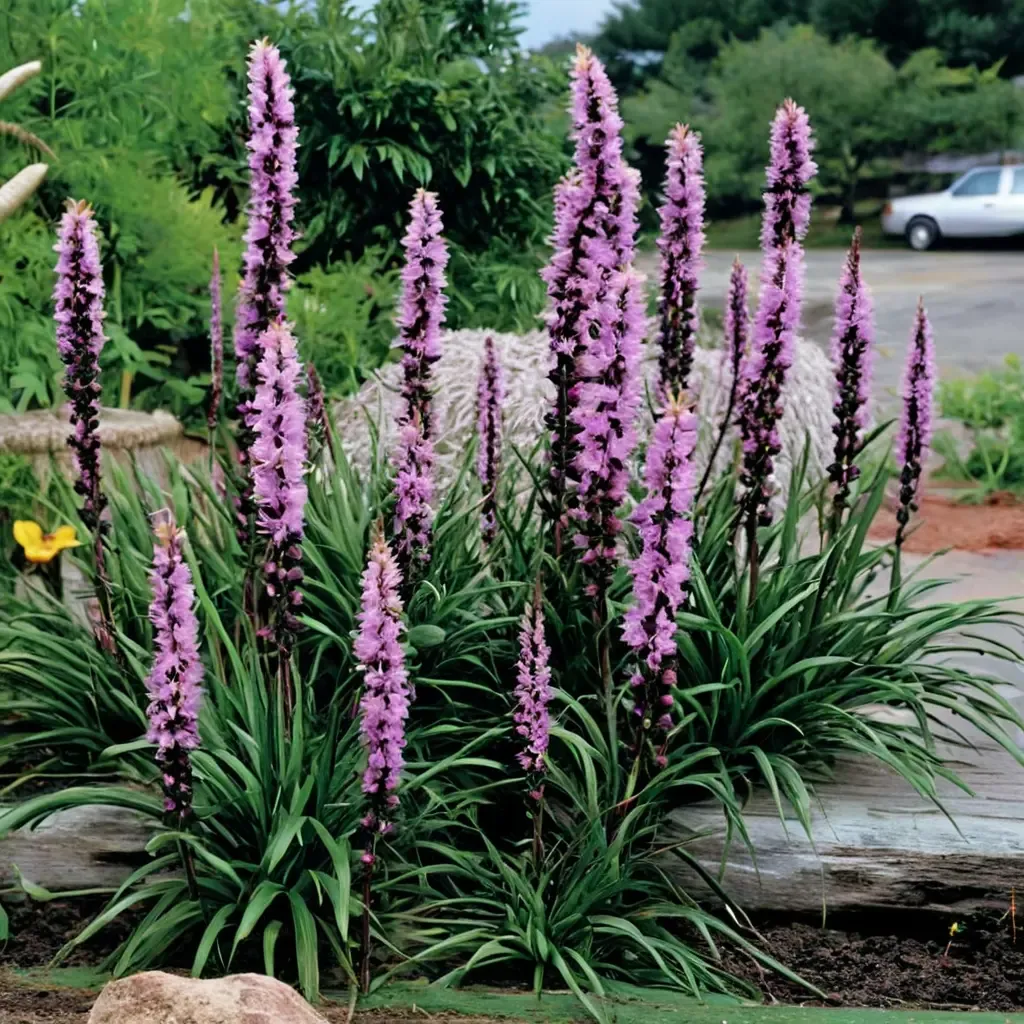
Kobold Blazing Star
Liatris spicata 'Kobold'
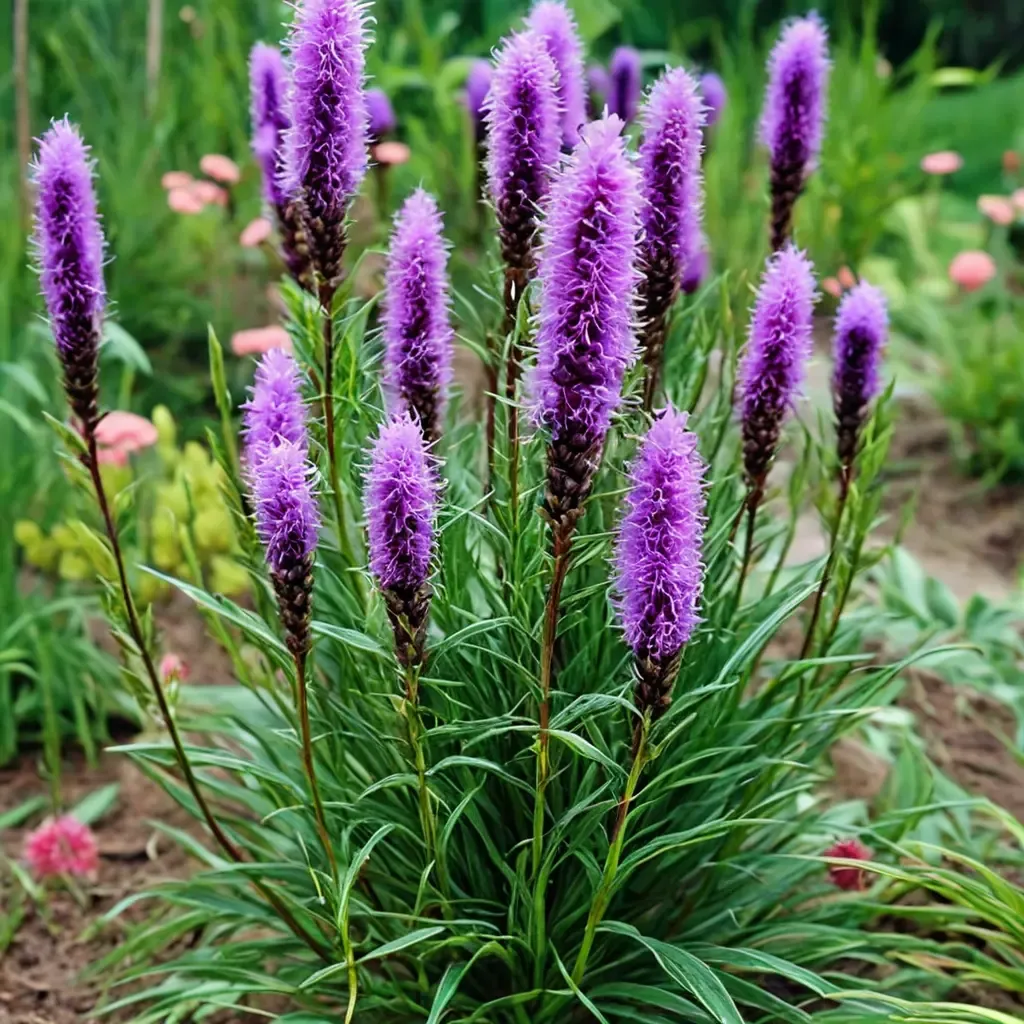
Blazing Star Gayfeather
Liatris spicata
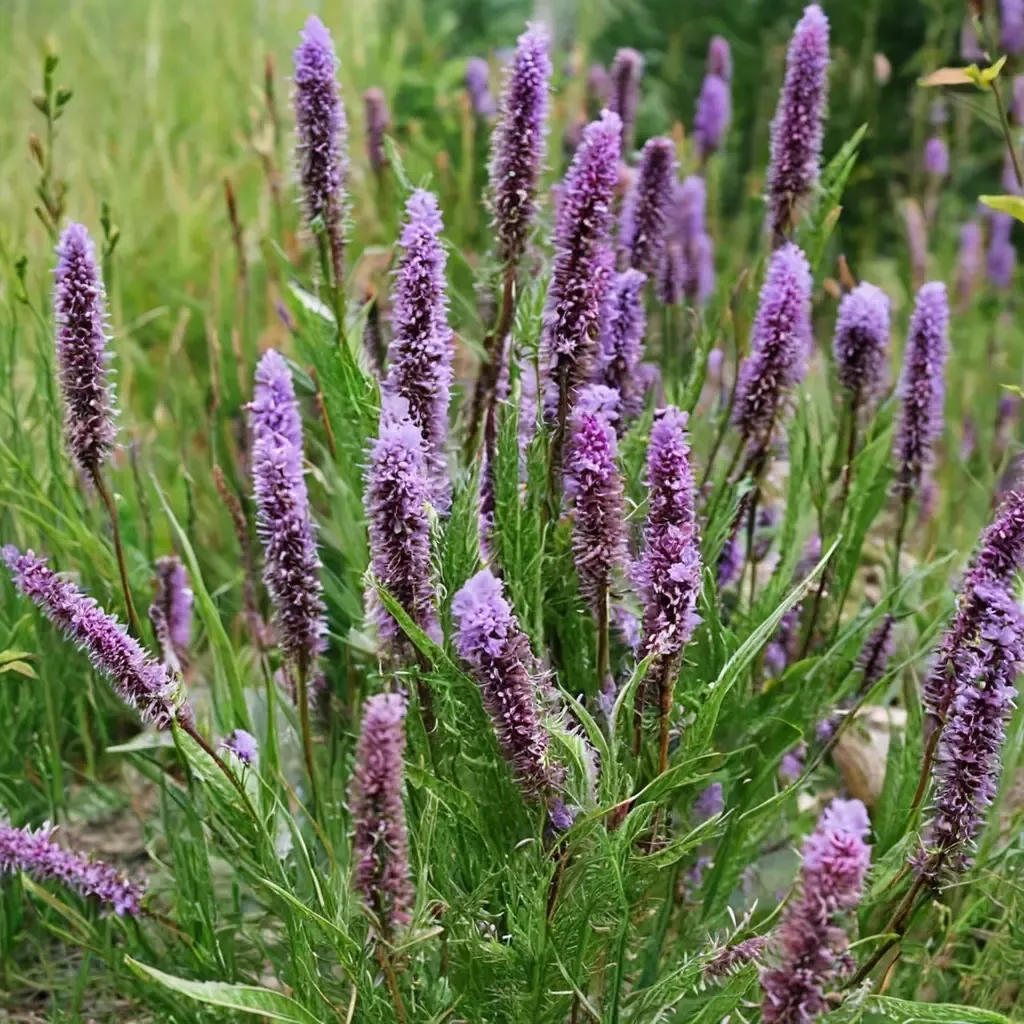
Prairie Blazing Star
Liatris pycnostachya
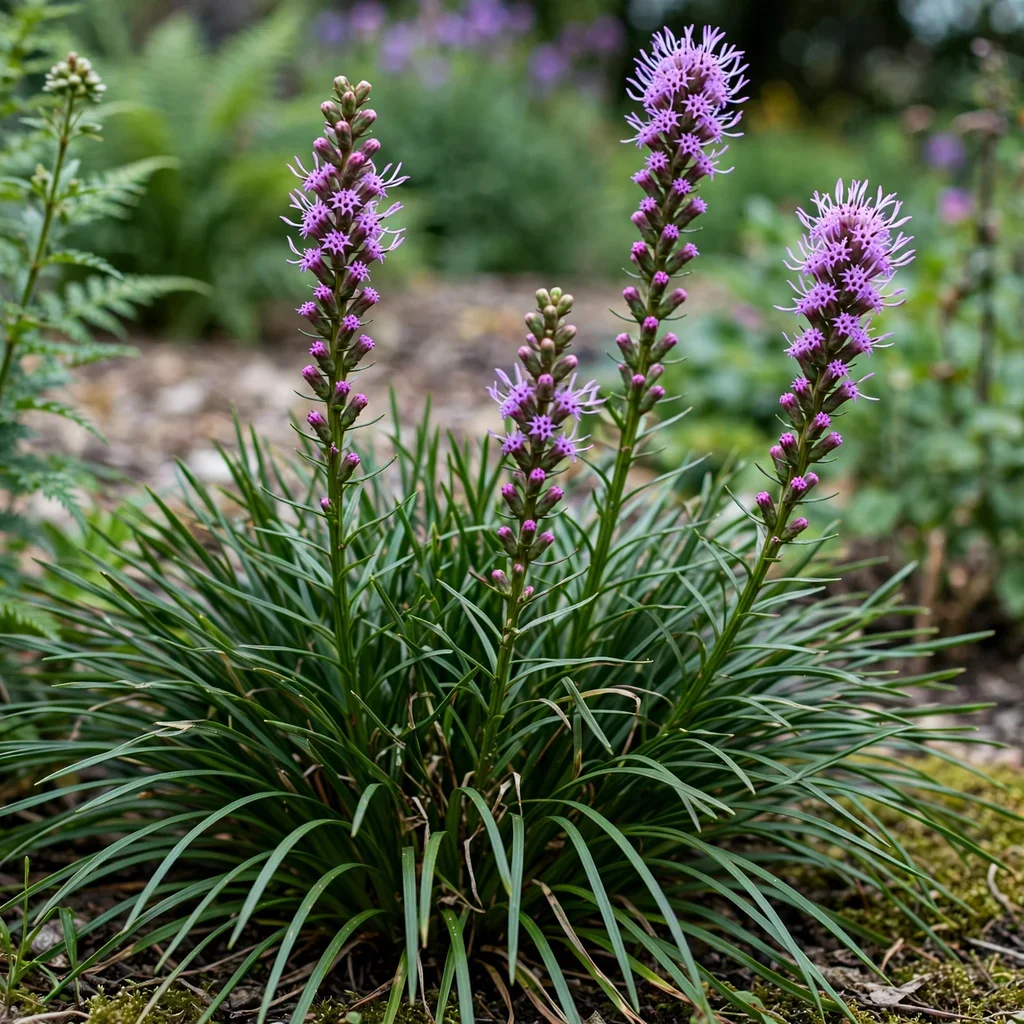
Dwarf Blazing Star
Liatris microcephala
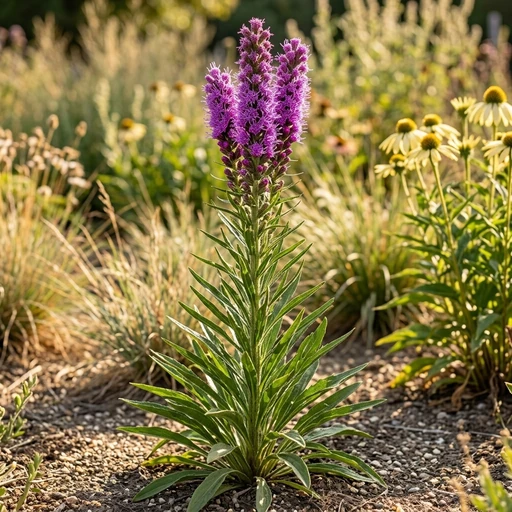
Rough Gayfeather
Liatris aspera
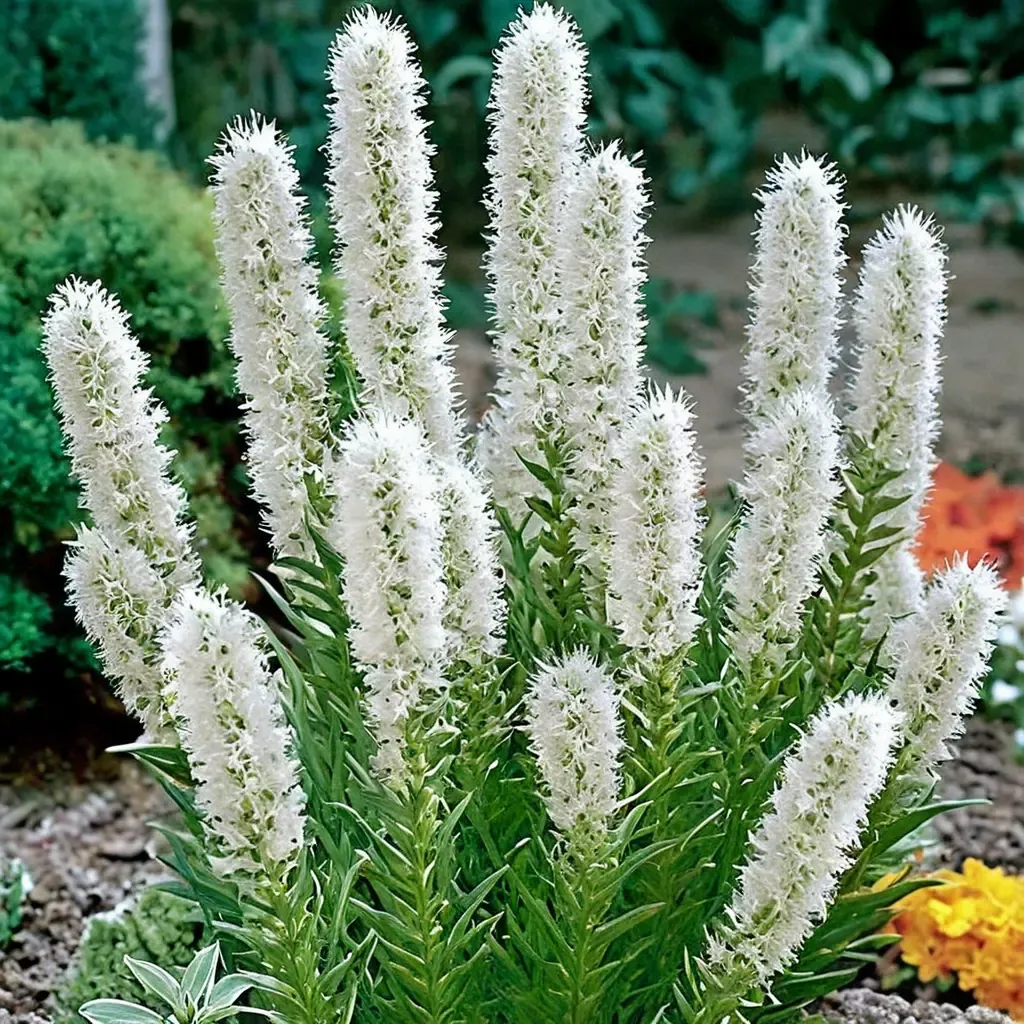
Floristan White Blazing Star
Liatris spicata 'Floristan Weiss'
Keep exploring
Explore the genus
Hardy in your zone?
Grow Slender Blazing Star with confidence
See it in a design of your actual yard, get zone-matched care reminders, and track it season by season in your garden journal.