The Story
Plant Bio
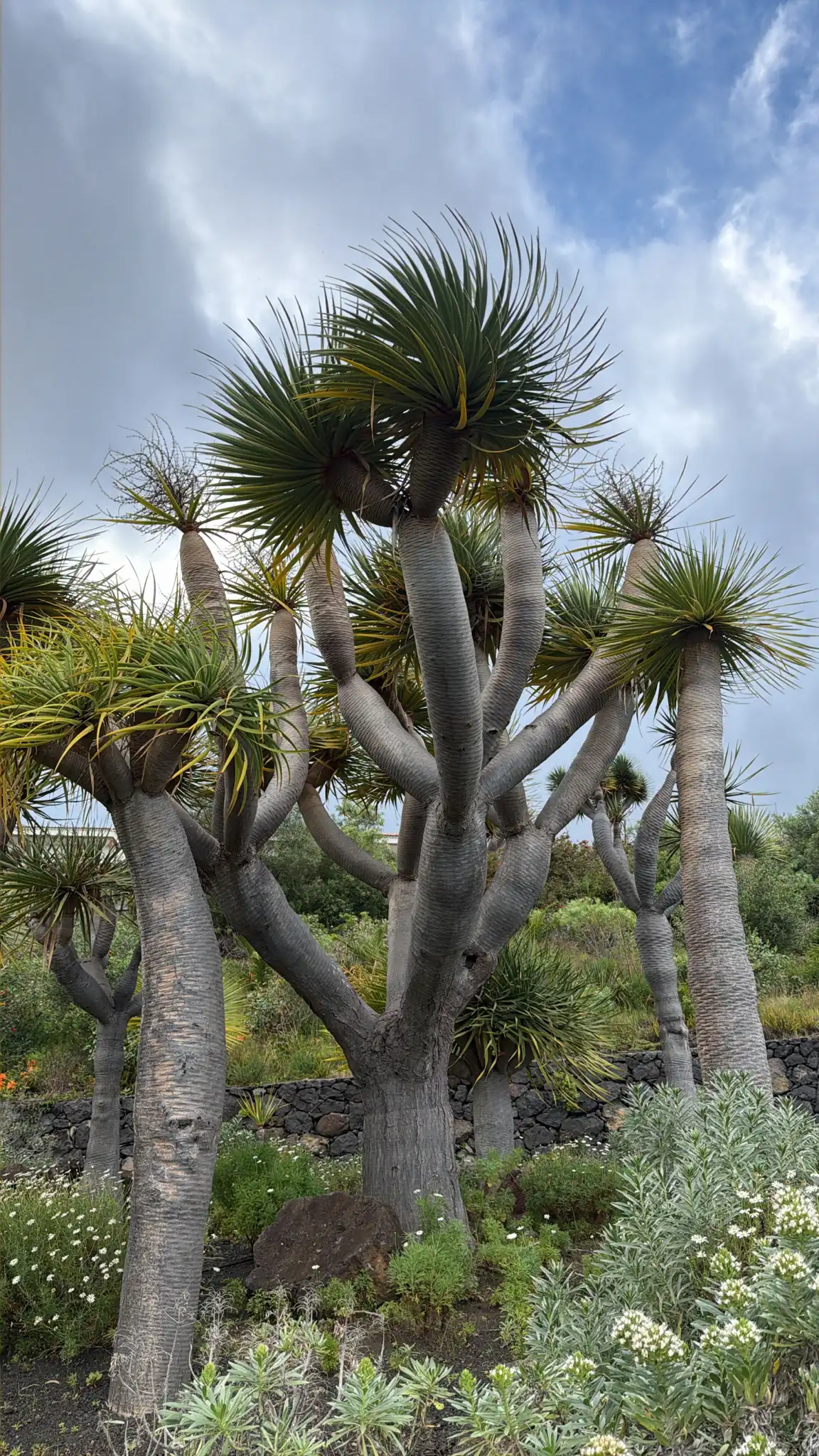
Dracaena draco, the Canary Islands dragon tree, is a very slow-growing evergreen monocot tree with a stout silvery-gray trunk topped by dense terminal rosettes of stiff sword-shaped blue-green leaves. Mature plants branch after flowering to form a broad umbrella crown, and cut bark and stems bleed a dark red resin called dragon's blood.
Unlike leafy dracaenas grown as houseplants, this species builds a thick gnarled trunk without true wood rings and requires decades to reach tree stature and branch. Branching is triggered by flowering, which occurs only on mature crowns in summer as large terminal panicles of small creamy-white night-fragrant flowers followed by bright orange berries.
Uses & Benefits:
Essentials
At a Glance
Plant Type
Tree
Height
480"
Width
360"
Light
Full Sun, Partial Sun
Zones
9, 10
Water
Low
Humidity
Low to moderate
Lifespan
Very long-lived, decades to centuries
Native To
Canary Islands, Madeira, Cape Verde and western Morocco
Toxicity
Toxic to cats, dogs and humans if ingested
Bloom period
Summer
In flower about 3 months of the year
Planting
How to Grow
- Plant in full sun in fast-draining gritty sandy soil, with at least 6 hours of direct sun and protection from winter wet.
- Set the root ball level with the soil surface in a hole no deeper than the pot and backfill with a lean mix of garden soil and coarse sand.
- Water deeply after planting, then water only when the top several inches are dry, 2 to 3 times per week in hot summer and almost none in winter.
- Keep outdoors year-round only in zones 9-11; elsewhere grow in a large container and move indoors before temperatures drop below 40F.
- Feed rarely if at all and repot slowly, as pushing with fertilizer and water causes rot without speeding growth.
Pro Tip
Let the mix dry out fully between waterings and keep it almost dry in winter; excess water rots the roots faster than drought harms the crown.
Keep It Thriving
Care Guide
Do
- Provide fast drainage and airflow around the crown and roots.
- Remove only fully dead leaves from the rosette.
- Protect below 40F and overwinter containers at 46 to 50F in bright light.
Don't
- Do not overwater or leave the pot standing in a saucer of water.
- Do not cut back into old leafless trunk wood to control size.
- Do not expect fast growth, branching, or flowers on young plants.
Seasonal Care Calendar
| Task | Jan | Feb | Mar | Apr | May | Jun | Jul | Aug | Sep | Oct | Nov | Dec |
|---|---|---|---|---|---|---|---|---|---|---|---|---|
| Fertilize | ||||||||||||
| Pest Check | ||||||||||||
| Prune | ||||||||||||
| Winter Prep |
Watch Out For
Pests & Diseases
Common Pests
Common Diseases
In the Garden
Landscape Uses & Companions
Landscape Uses
Multiply
Propagation Methods
Good to Know
Common Questions
Canary Islands Dragon Tree questions
What zones can Canary Islands Dragon Tree grow in?
Canary Islands Dragon Tree is hardy in USDA Zones 9–10: in that range it survives winter in the ground. Colder than Zone 9, winters are too cold for it to survive outdoors.
When does Canary Islands Dragon Tree bloom?
Canary Islands Dragon Tree typically blooms in summer. Exact timing shifts a week or two with your zone — Sow's bloom calendar maps it to your garden.
Does Canary Islands Dragon Tree need full sun?
Canary Islands Dragon Tree does best in full sun to part shade. In hot climates, afternoon shade keeps blooms fresher longer.
Is Canary Islands Dragon Tree drought tolerant?
Yes — once established (usually after the first full season), Canary Islands Dragon Tree handles dry spells with minimal watering. Water deeply its first year to build the root system that makes that possible.
More Dracaena to compare
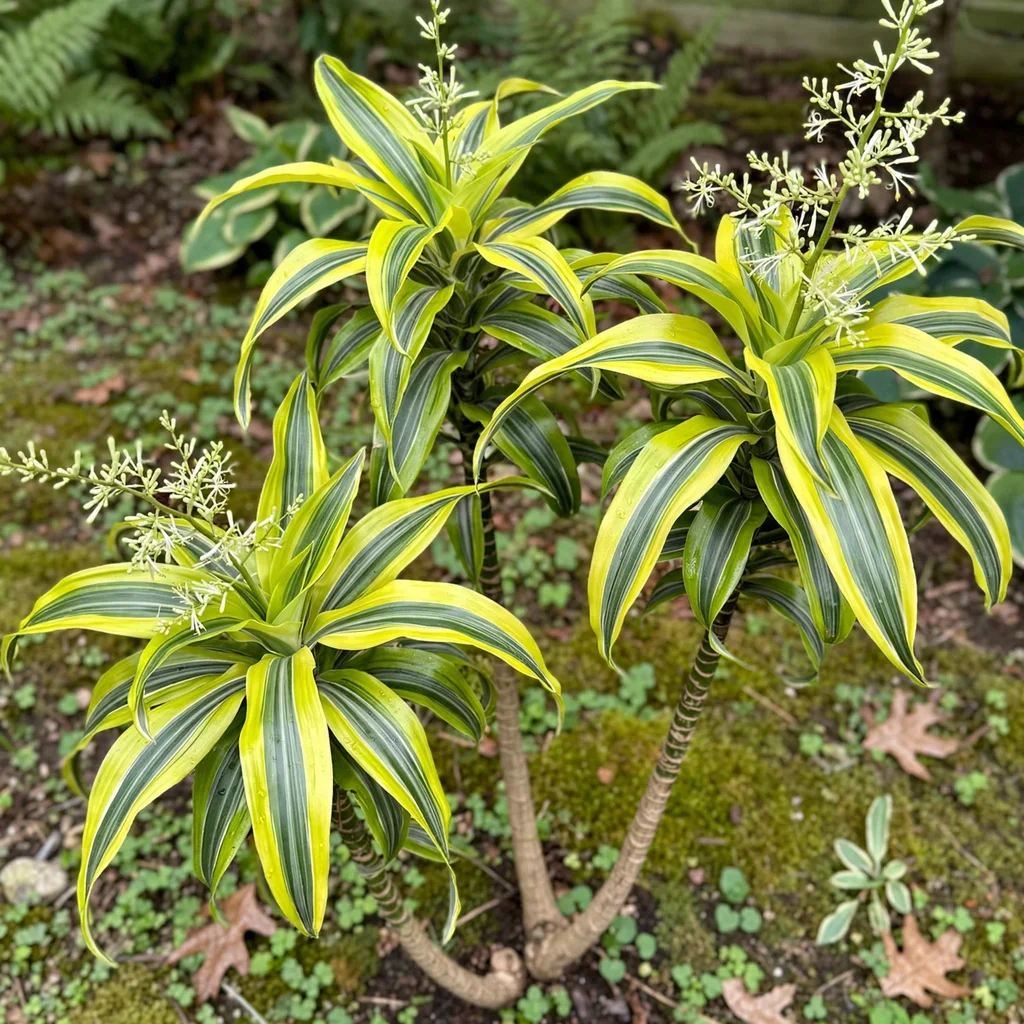
Lemon Surprise Corn Plant
Dracaena fragrans 'Lemon Surprise'
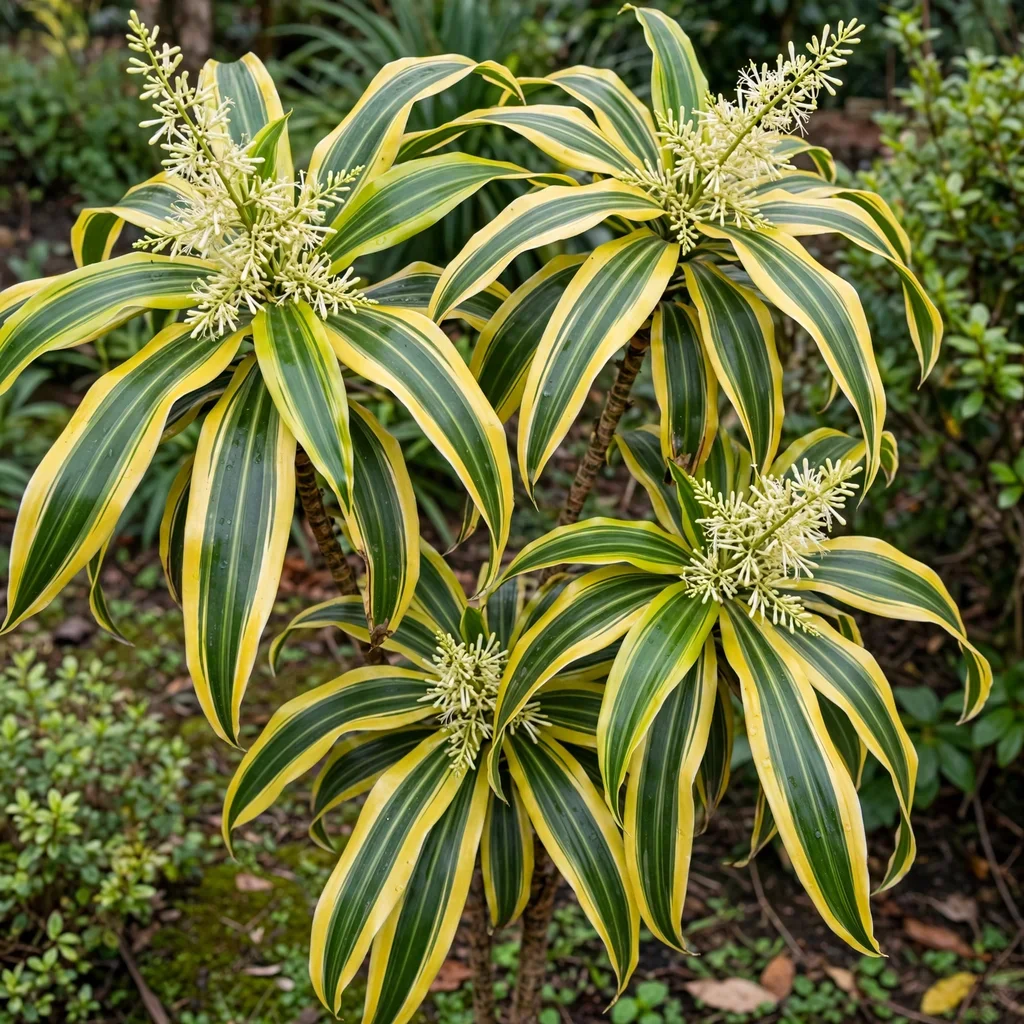
Corn Plant Dracaena Corn Plant
Dracaena fragrans 'Aureo Marginata'
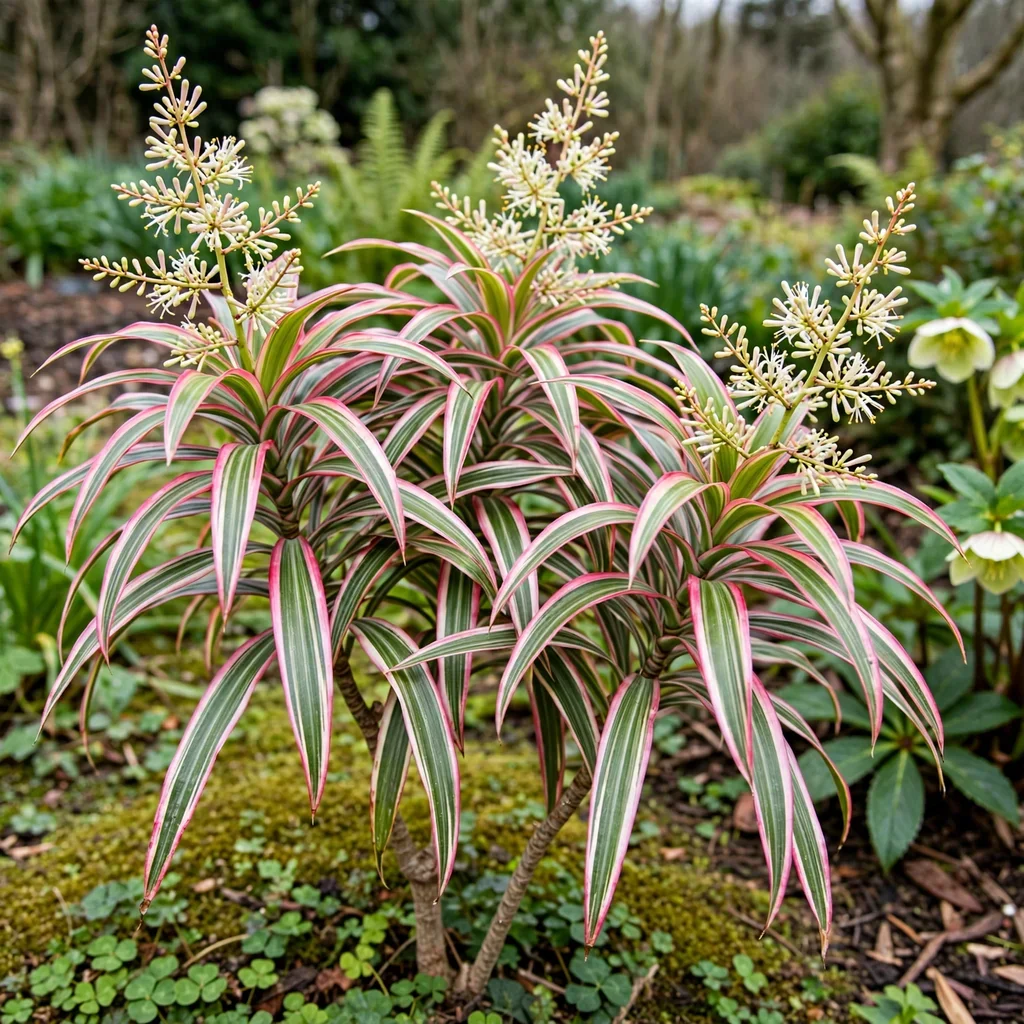
Madagascar Dragon Tree 'Colorama'
Dracaena fragrans 'Colorama'
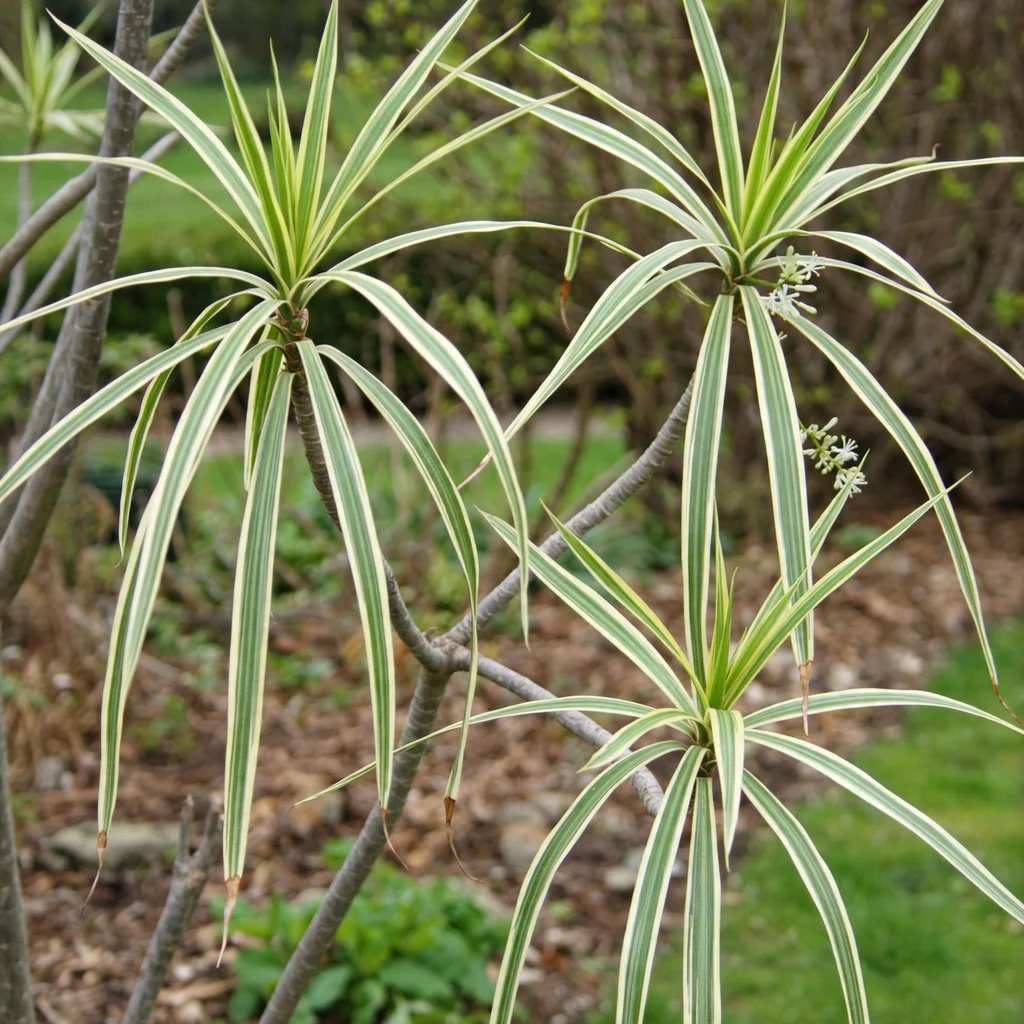
Madagascar Dragon Tree
Dracaena marginata
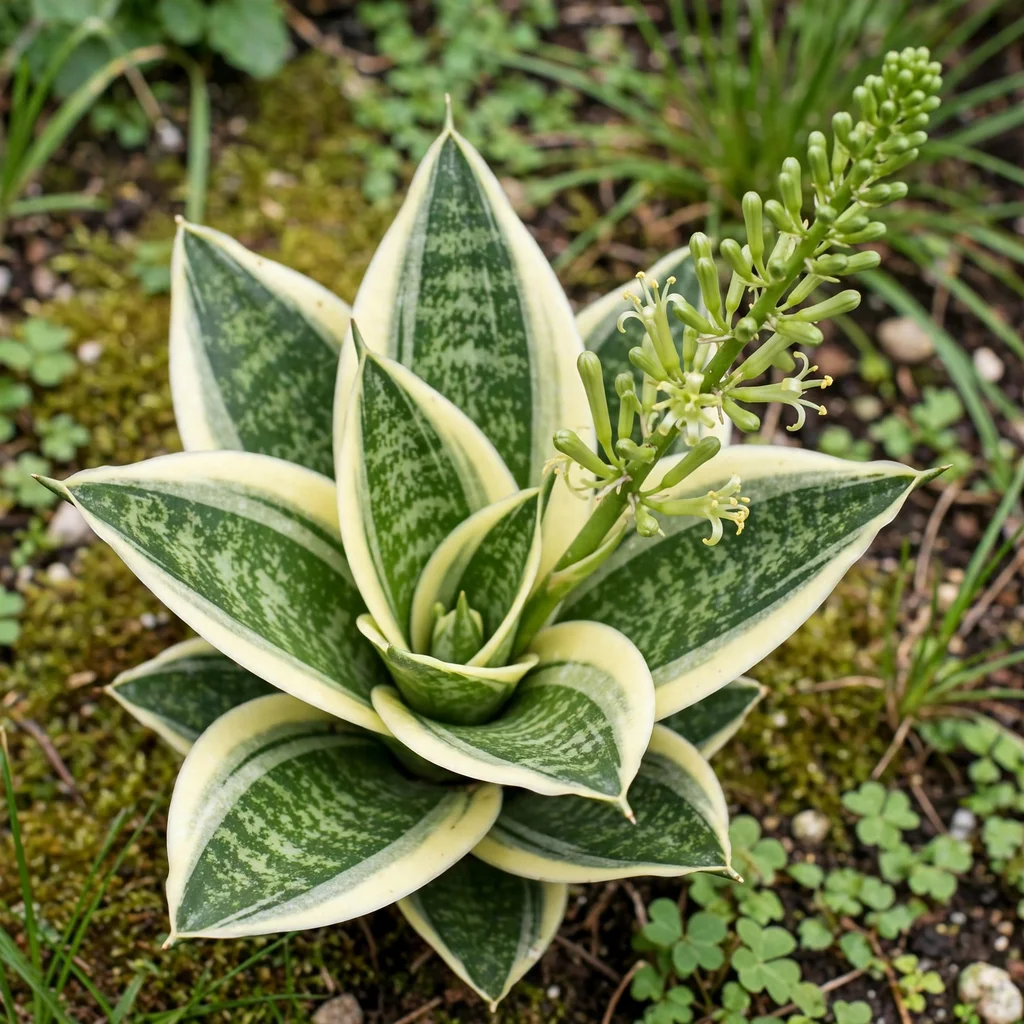
Bird's Nest Snake Plant
Dracaena trifasciata 'Hahnii'
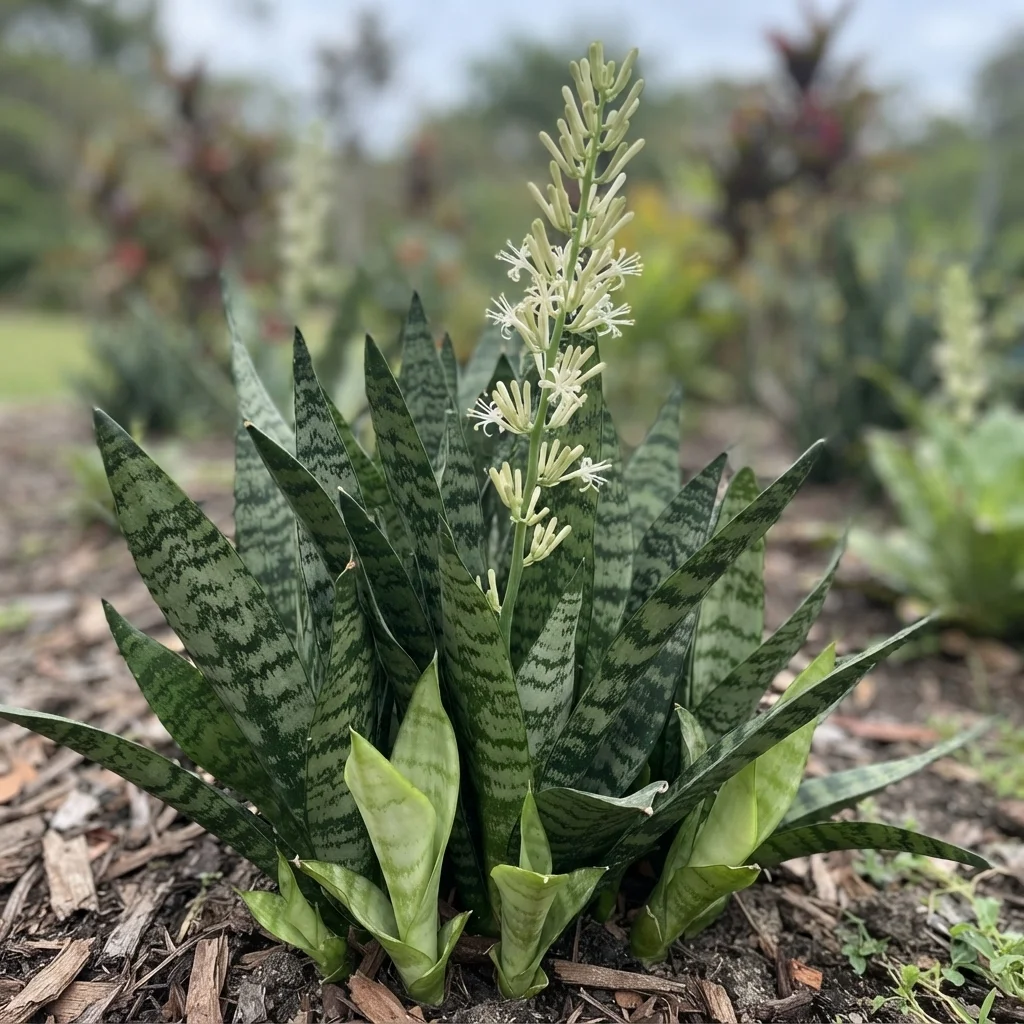
Snake Plant
Dracaena trifasciata
Keep exploring
Explore the genus
Hardy in your zone?
Grow Canary Islands Dragon Tree with confidence
See it in a design of your actual yard, get zone-matched care reminders, and track it season by season in your garden journal.