The Story
Plant Bio
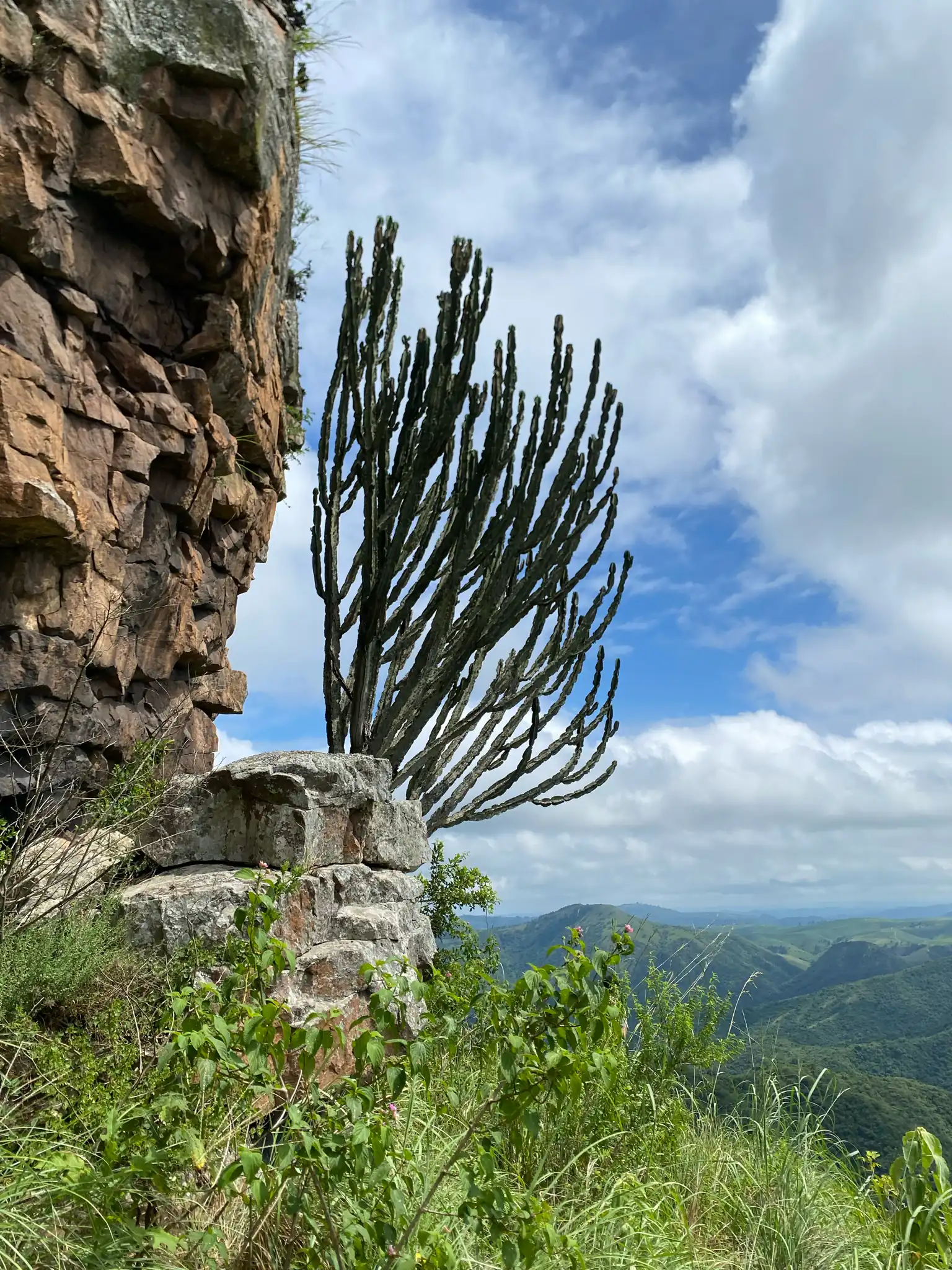
Euphorbia ingens is a leafless succulent tree from southern and eastern Africa that builds a candelabra crown of upright, four- to five-ribbed green stems. Growth comes from the stem ribs themselves, which carry paired spines along their margins and small yellow-green cyathia clustered near the branch tips in fall and winter.
It is not a cactus despite its form, storing water in ribbed stems and sealing wounds with highly toxic milky latex rather than true cactus areoles. Outdoors in frost-free ground it reaches twelve feet or more with a broad crown, while potted plants stay much narrower and rarely flower indoors.
Uses & Benefits:
Essentials
At a Glance
Plant Type
Cactus Succulent
Height
144"
Width
96"
Light
Full Sun, Partial Sun
Zones
9, 10
Water
Low
Humidity
Low - prefers dry air
Lifespan
Long-lived
Native To
Southern and eastern Africa
Toxicity
Highly toxic to humans and pets
Bloom period
Fall – Winter
In flower about 6 months of the year
Planting
How to Grow
- Give 6 to 8 hours of sun outdoors, or the brightest indirect light indoors in a south or west window.
- Plant in a sharply drained cactus mix in a heavy pot with drainage holes; keep the stem base above the soil line.
- Water deeply until it drains, then let the mix dry completely, about every 2 to 3 weeks in summer and monthly in winter.
- Keep above 40F; move pots inside before first frost and overwinter dry and bright at 50 to 60F.
Pro Tip
Water deeply only when the mix is completely dry; overwatering rots the base, and cutting for shape leaves permanent scars and toxic sap.
Keep It Thriving
Care Guide
Do
- Wear gloves and eye protection for any handling or cutting
- Use a mineral, fast-draining cactus mix and a pot with drainage
- Allow soil to dry fully between deep waterings
Don't
- Do not overwater or leave in saucers of water
- Do not prune for shape or shear frequently
- Do not plant outdoors below Zone 9 or in heavy clay
Seasonal Care Calendar
| Task | Jan | Feb | Mar | Apr | May | Jun | Jul | Aug | Sep | Oct | Nov | Dec |
|---|---|---|---|---|---|---|---|---|---|---|---|---|
| Fertilize | ||||||||||||
| Pest Check | ||||||||||||
| Propagate | ||||||||||||
| Winter Prep |
Watch Out For
Pests & Diseases
Common Pests
Common Diseases
In the Garden
Landscape Uses & Companions
Landscape Uses
Multiply
Propagation Methods
Good to Know
Common Questions
Candelabra Tree questions
What zones can Candelabra Tree grow in?
Candelabra Tree is hardy in USDA Zones 9–10: in that range it survives winter in the ground. Colder than Zone 9, grow it in a container you can move to shelter for the winter, or as an annual.
When does Candelabra Tree bloom?
Candelabra Tree typically blooms from fall to winter. Exact timing shifts a week or two with your zone — Sow's bloom calendar maps it to your garden.
Does Candelabra Tree need full sun?
Candelabra Tree does best in full sun to part shade. In hot climates, afternoon shade keeps blooms fresher longer.
Is Candelabra Tree drought tolerant?
Yes — once established (usually after the first full season), Candelabra Tree handles dry spells with minimal watering. Water deeply its first year to build the root system that makes that possible.
More Euphorbia to compare
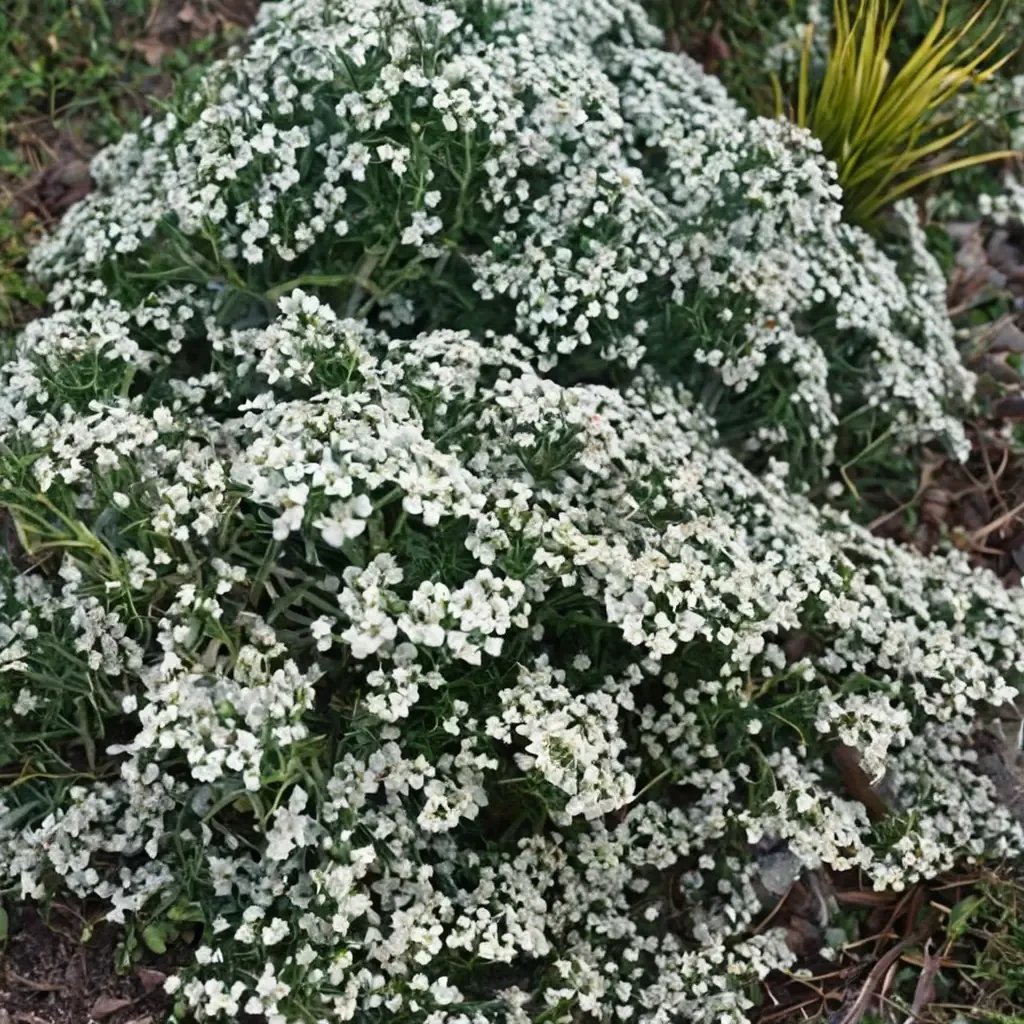
Carolina Snow Flowering Spurge
Euphorbia corollata 'Carolina Snow'
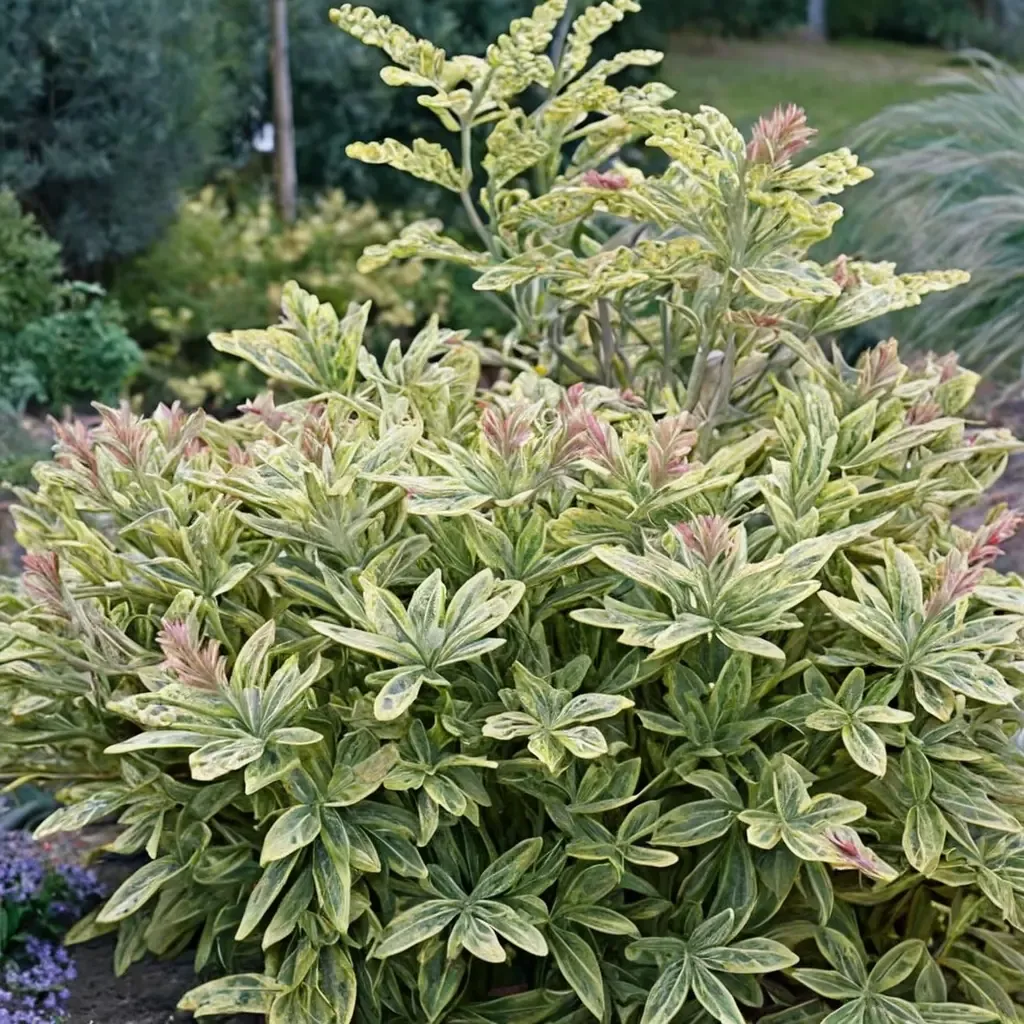
Ascot Rainbow Spurge
Euphorbia x hybrida 'Ascot Rainbow'
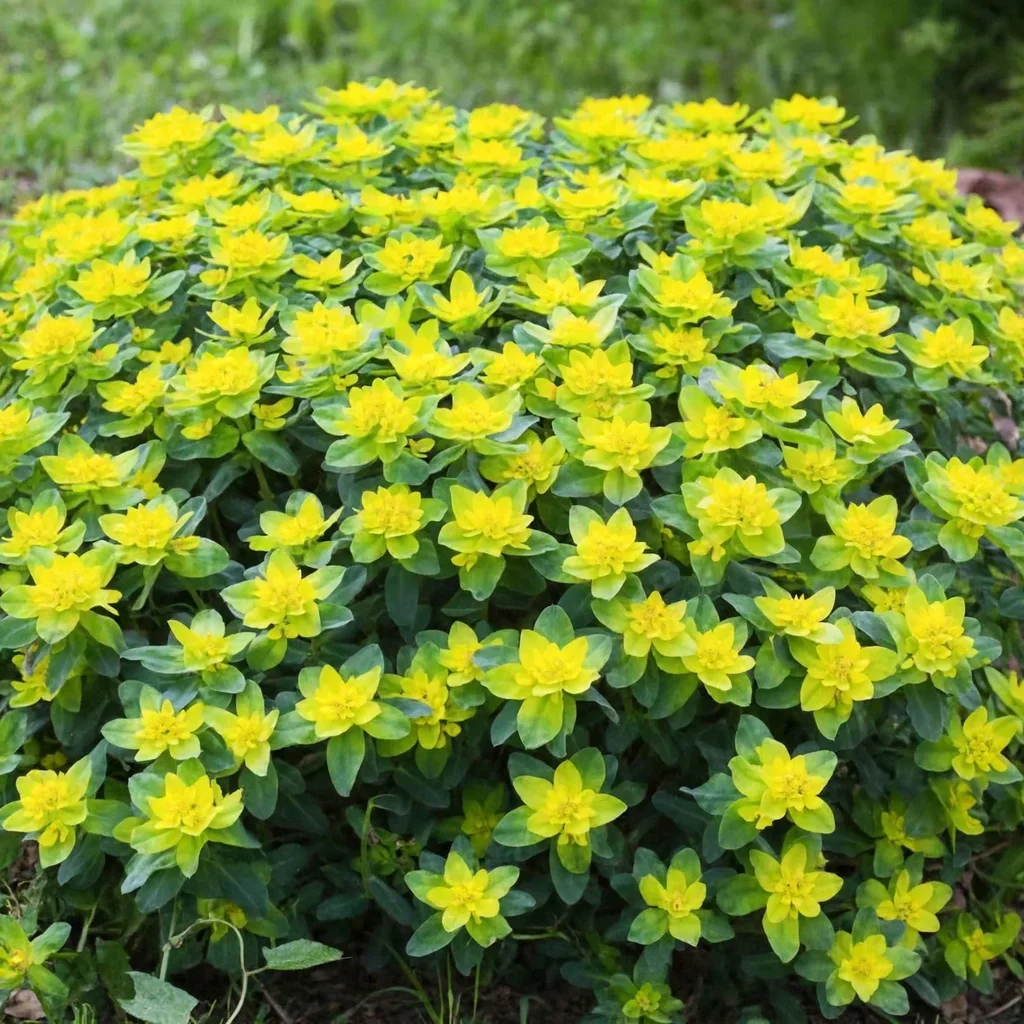
Mediterranean Spurge
Euphorbia polychroma
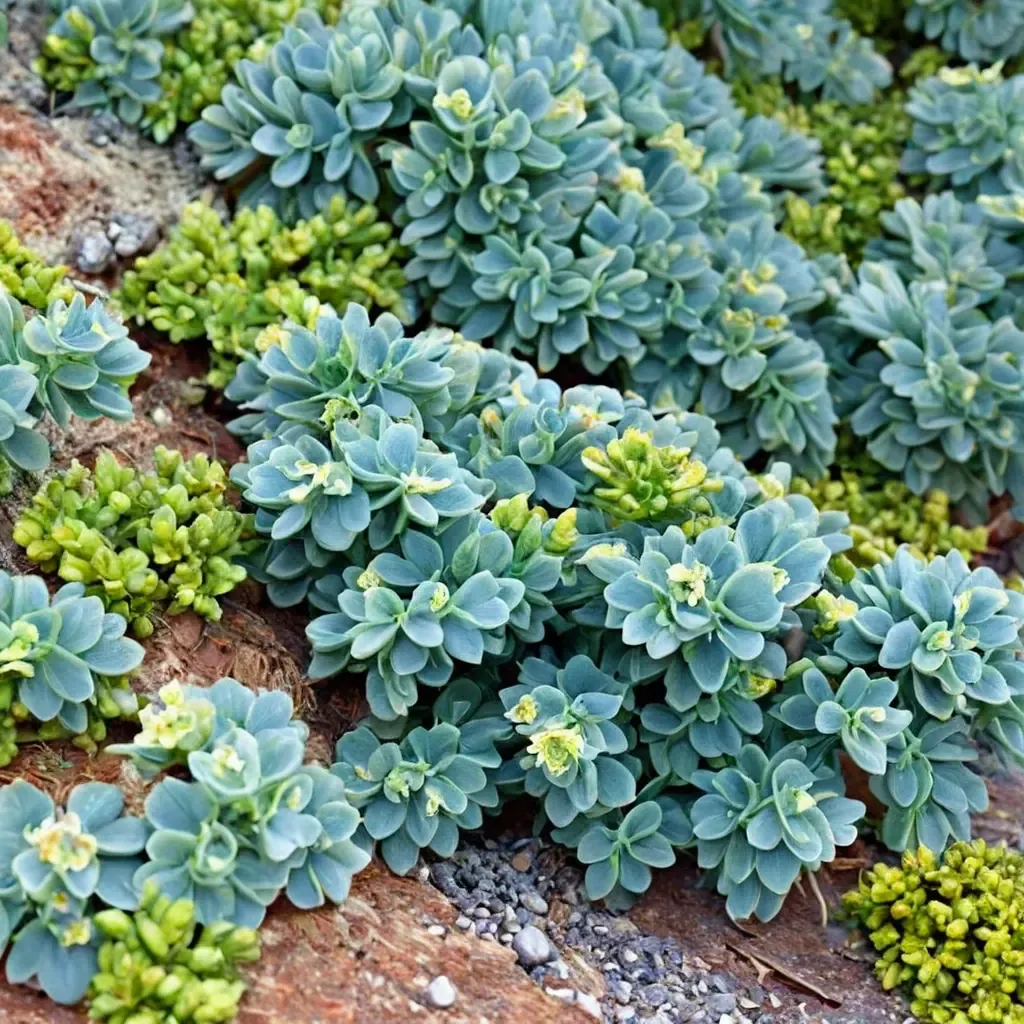
Myrtle Spurge
Euphorbia myrsinites
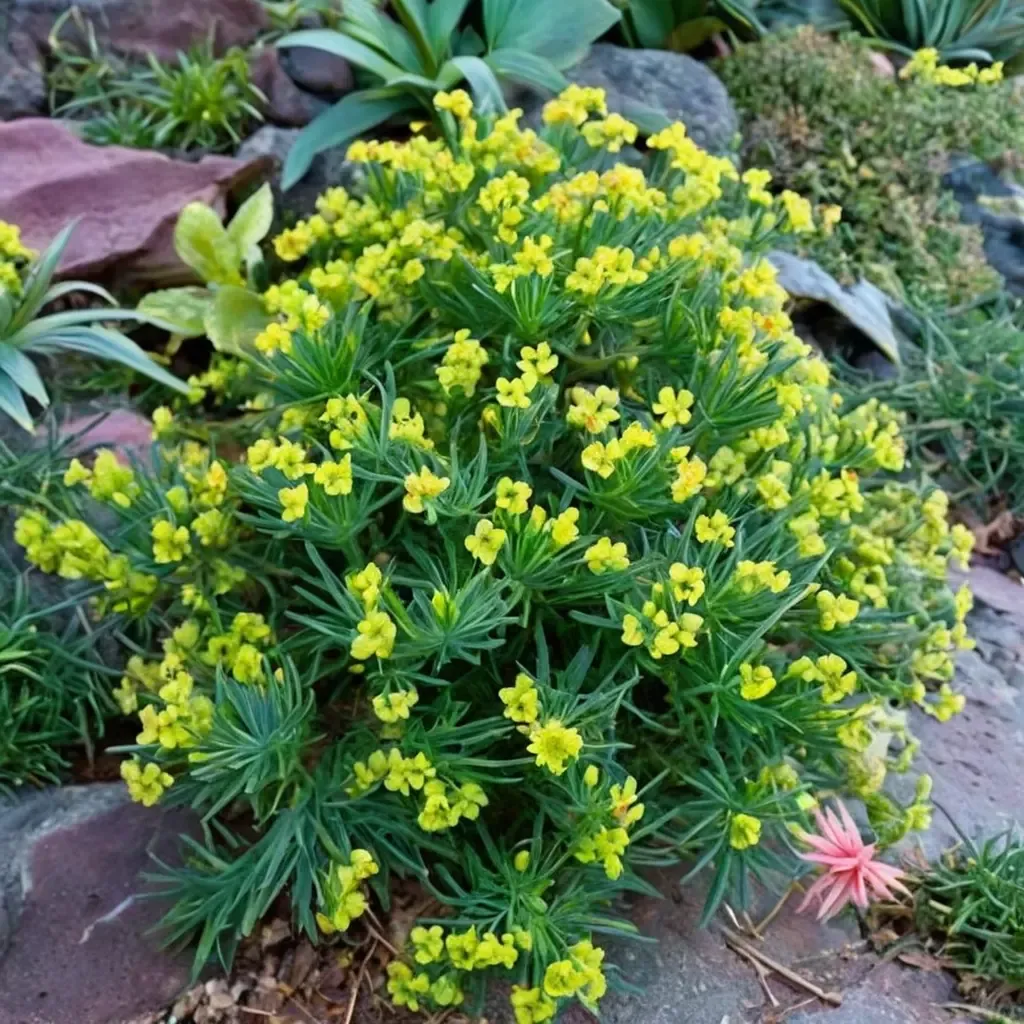
Ruby Spurge
Euphorbia cyparissias 'Fens Ruby'
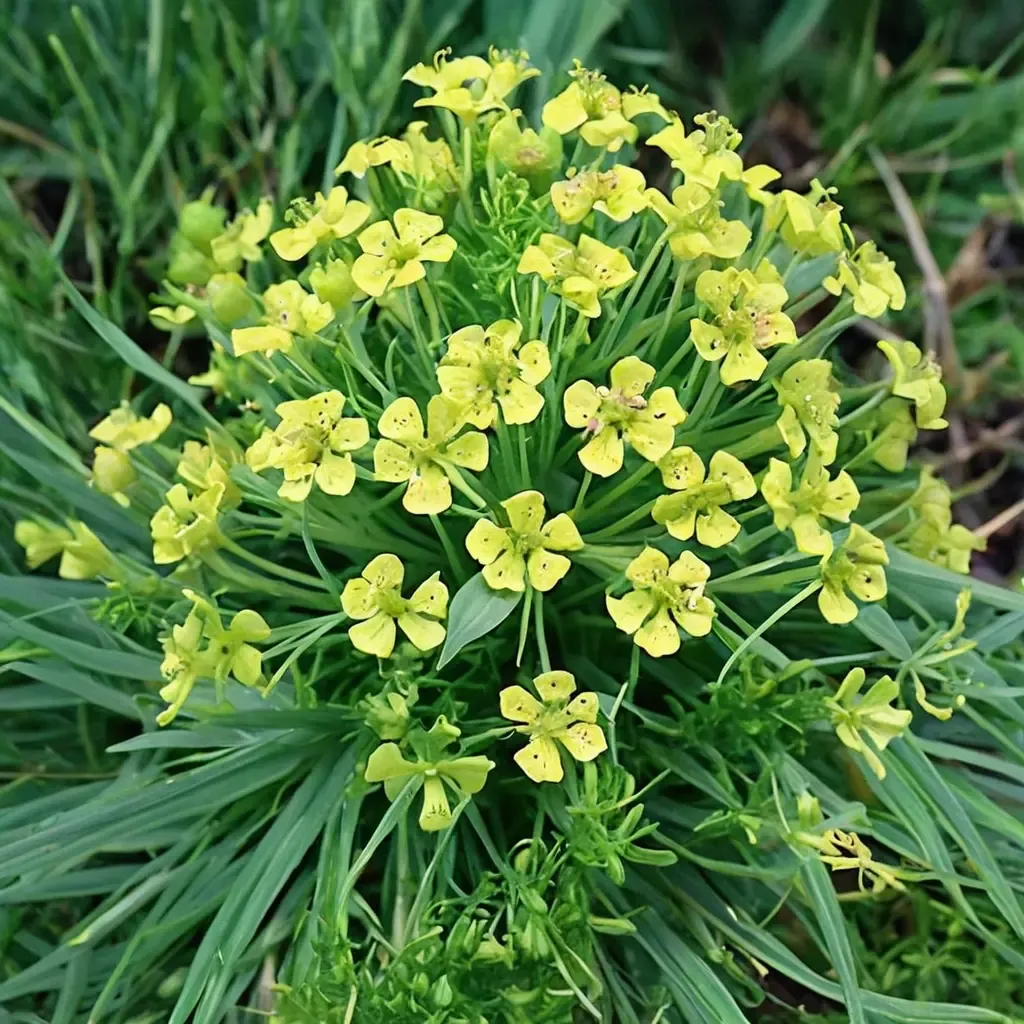
Cypress Spurge
Euphorbia cyparissias
Keep exploring
Explore the genus
Hardy in your zone?
Grow Candelabra Tree with confidence
See it in a design of your actual yard, get zone-matched care reminders, and track it season by season in your garden journal.