The Story
Plant Bio
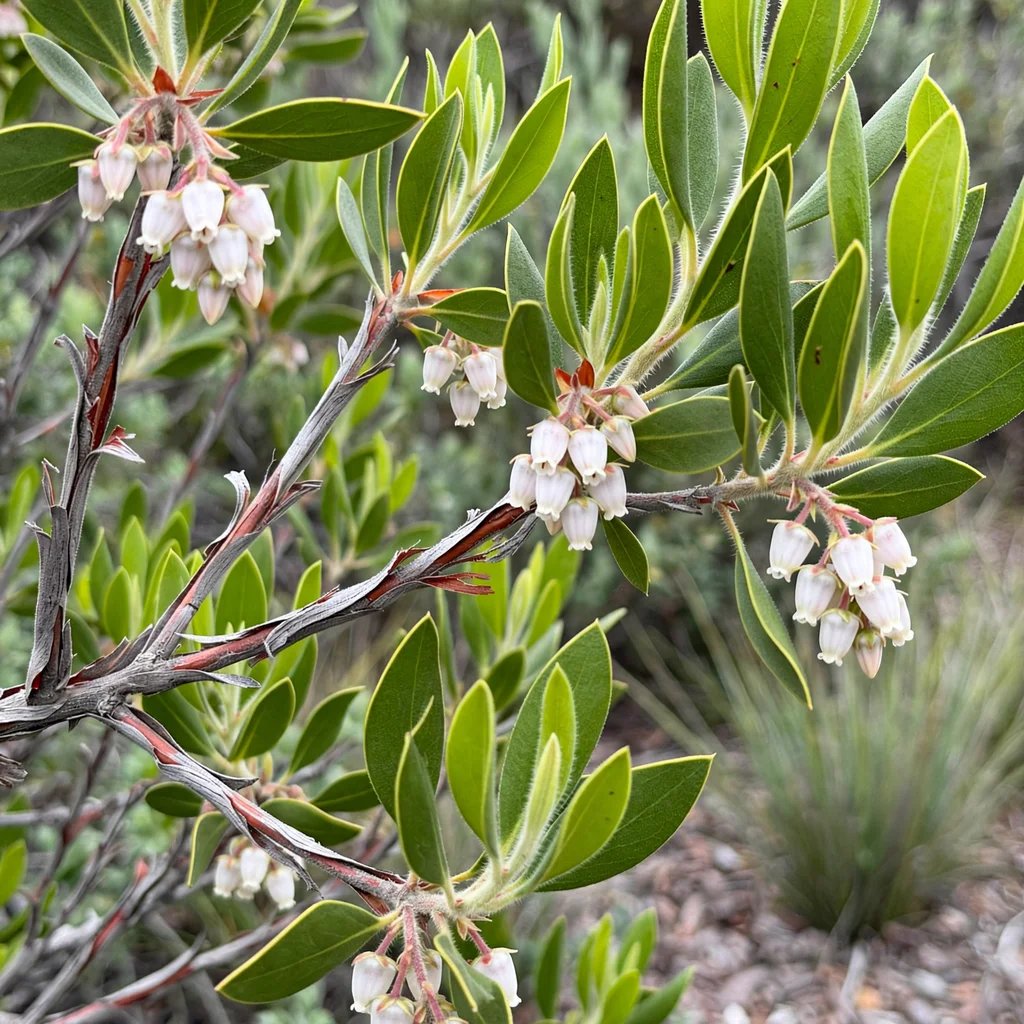
Arctostaphylos nipumu is an evergreen shrub reaching 7 to 10 feet tall and to 13 feet wide in the wild, erect to mounded and rooting where low branches touch sand. The leaves are green and glossy on both faces, lanceolate to ovate and 0.5 to 1.2 inches long, carried with urn-shaped white to pinkish-white flowers that ripen to orange-red mealy drupes.
This 2025 split from the northern portion of Arctostaphylos rudis has no basal burl and holds grey to reddish-grey shredding shaggy bark even on young wood, with dense short hairs on twigs and petioles and lance-ovate leaves that are never truncate. It is known only from Nipomo Mesa in San Luis Obispo County, where 300 to 700 wild plants grow in sandy maritime chaparral and coast live oak woodland at 60 to 500 feet.
Uses & Benefits:
Essentials
At a Glance
Plant Type
Shrub
Height
118"
Width
394"
Light
Full Sun, Partial Sun
Zones
8, 9, 10
Water
Low
Humidity
Low to moderate, coastal fog tolerant
Lifespan
Long-lived shrub
Native To
Nipomo Mesa, San Luis Obispo County, California
Toxicity
Unknown - no warning found
Bloom period
Winter – Spring
In flower about 6 months of the year
Planting
How to Grow
- Set plants in fall in full sun in deep sandy, well-drained acidic to neutral soil.
- Water to establish through the first cool season, then taper to little or no summer water.
- Mulch lightly with leaf litter or bark, keeping mulch off the crown and stems.
- Leave unpruned except for light shaping after flowering to expose branching structure.
Pro Tip
Plant in fall in deep sand with sharp drainage and withhold summer water once established; never cut back into old leafless wood.
Keep It Thriving
Care Guide
Do
- Plant in fall for root growth in cool, moist sand
- Provide full sun with air movement and sharp drainage
- Mulch lightly and use clean nursery stock
Don't
- Do not overwater in summer or use overhead irrigation
- Do not feed with phosphorus-rich fertilizer
- Do not prune hard into old leafless wood
Seasonal Care Calendar
| Task | Jan | Feb | Mar | Apr | May | Jun | Jul | Aug | Sep | Oct | Nov | Dec |
|---|---|---|---|---|---|---|---|---|---|---|---|---|
| Mulch | ||||||||||||
| Pest Check | ||||||||||||
| Plant | ||||||||||||
| Prune |
Watch Out For
Pests & Diseases
Common Pests
Common Diseases
In the Garden
Landscape Uses & Companions
Landscape Uses
Multiply
Propagation Methods
Good to Know
Common Questions
Nipomo Mesa Manzanita questions
What zones can Nipomo Mesa Manzanita grow in?
Nipomo Mesa Manzanita is hardy in USDA Zones 8–10: in that range it survives winter in the ground. Colder than Zone 8, grow it in a container you can move to shelter for the winter.
When does Nipomo Mesa Manzanita bloom?
Nipomo Mesa Manzanita typically blooms from winter to spring. Exact timing shifts a week or two with your zone — Sow's bloom calendar maps it to your garden.
Does Nipomo Mesa Manzanita need full sun?
Nipomo Mesa Manzanita does best in full sun to part shade. In hot climates, afternoon shade keeps blooms fresher longer.
Is Nipomo Mesa Manzanita drought tolerant?
Yes — once established (usually after the first full season), Nipomo Mesa Manzanita handles dry spells with minimal watering. Water deeply its first year to build the root system that makes that possible.
More Arctostaphylos to compare
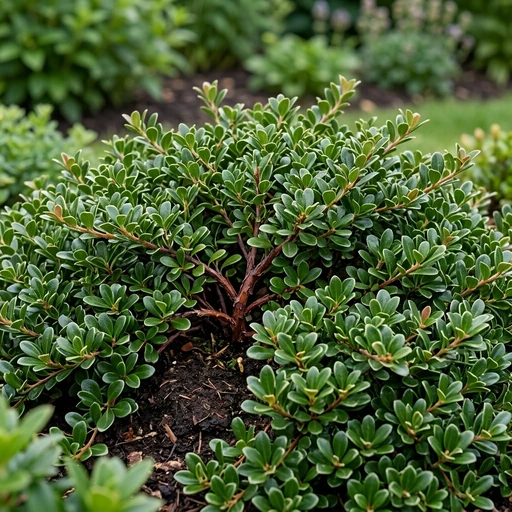
Massachusetts Common Bearberry
Arctostaphylos uva-ursi 'Massachusetts'
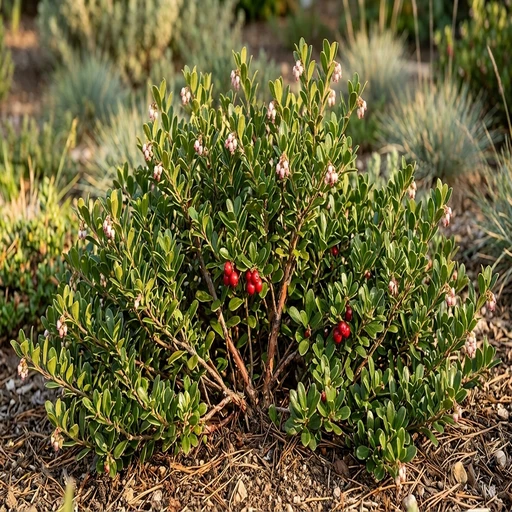
Bearberry
Arctostaphylos uva-ursi
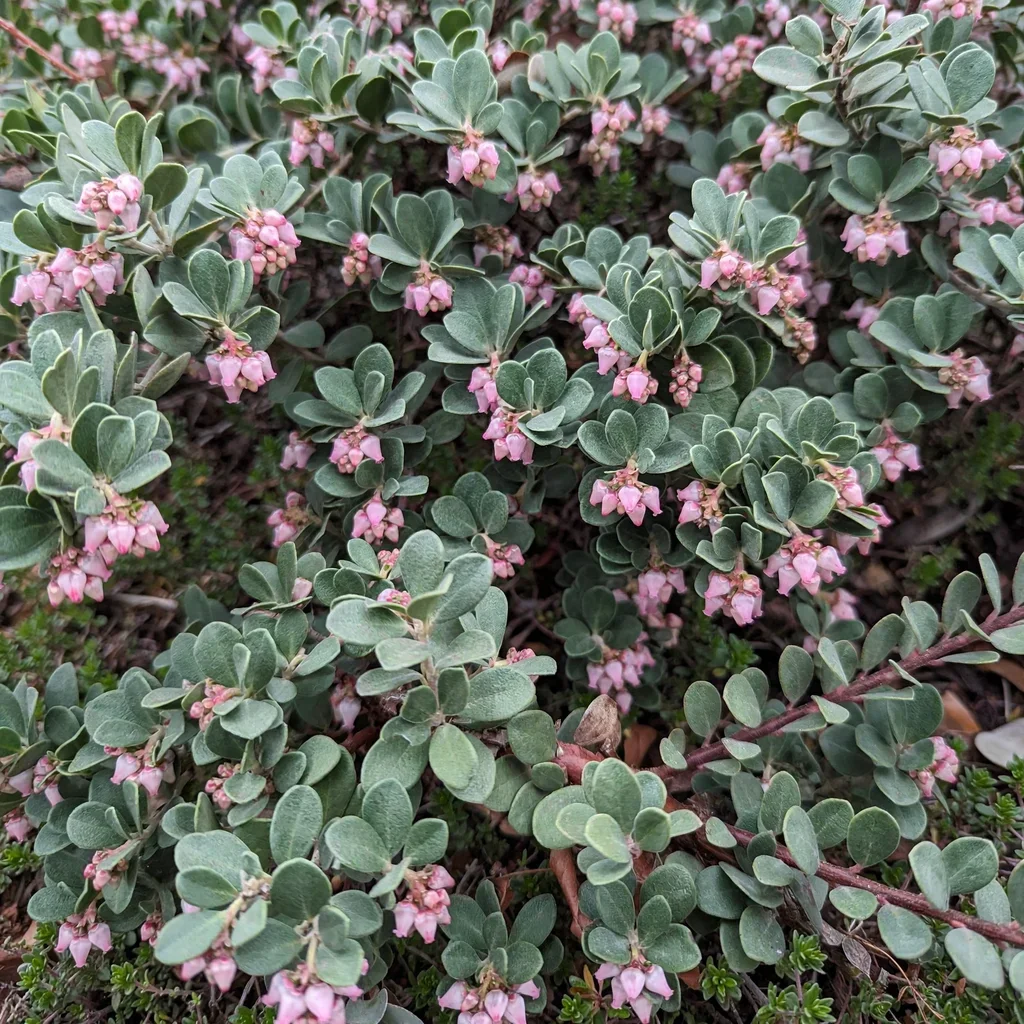
Ron Clendenen Manzanita
Arctostaphylos x media 'Ron Clendenen'
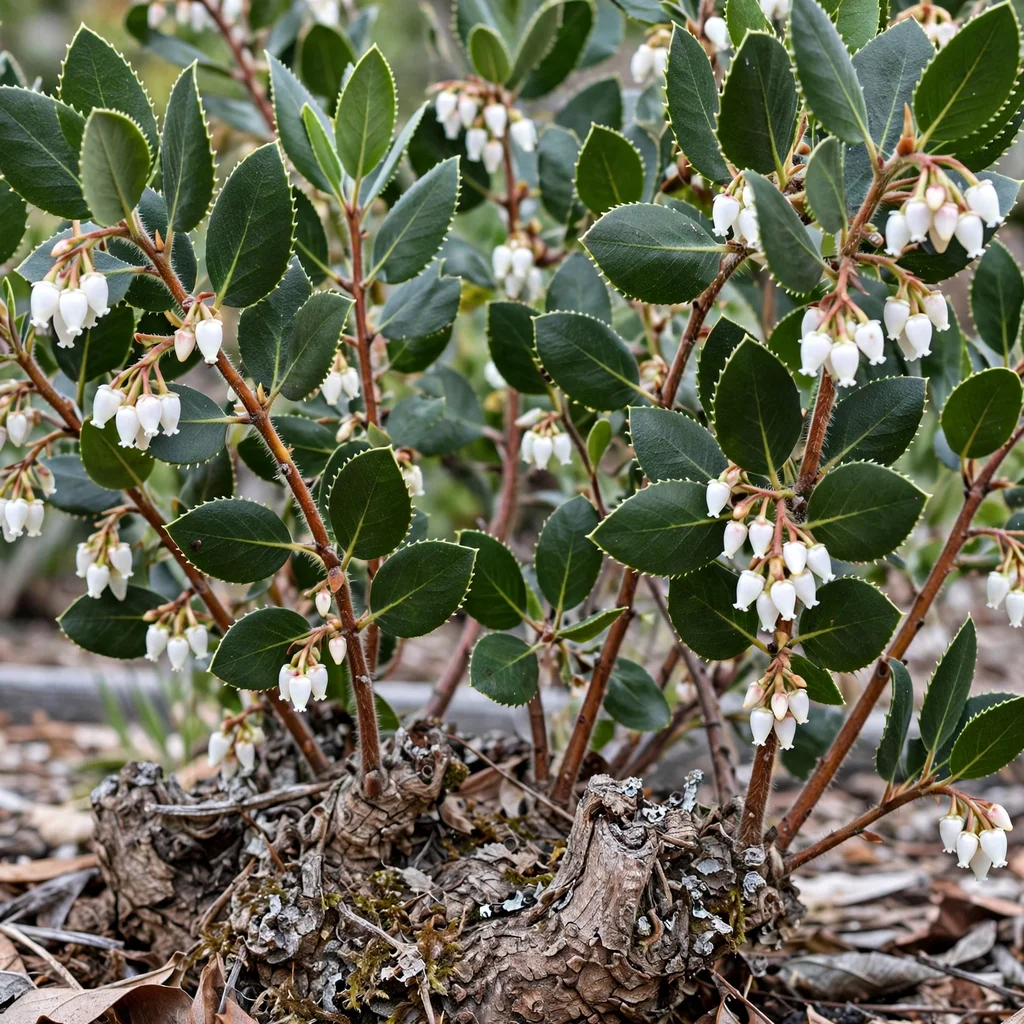
Brittleleaf Manzanita
Arctostaphylos crustacea
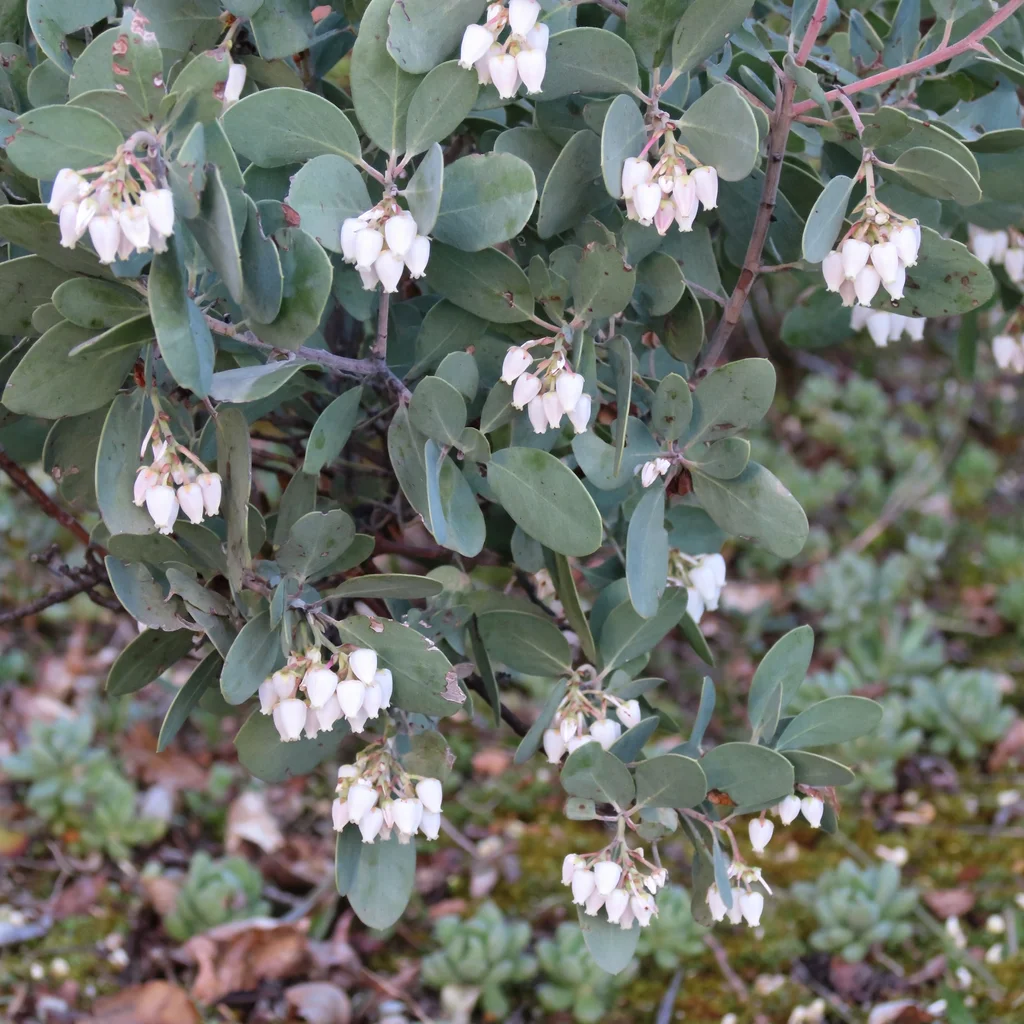
Common Manzanita
Arctostaphylos manzanita
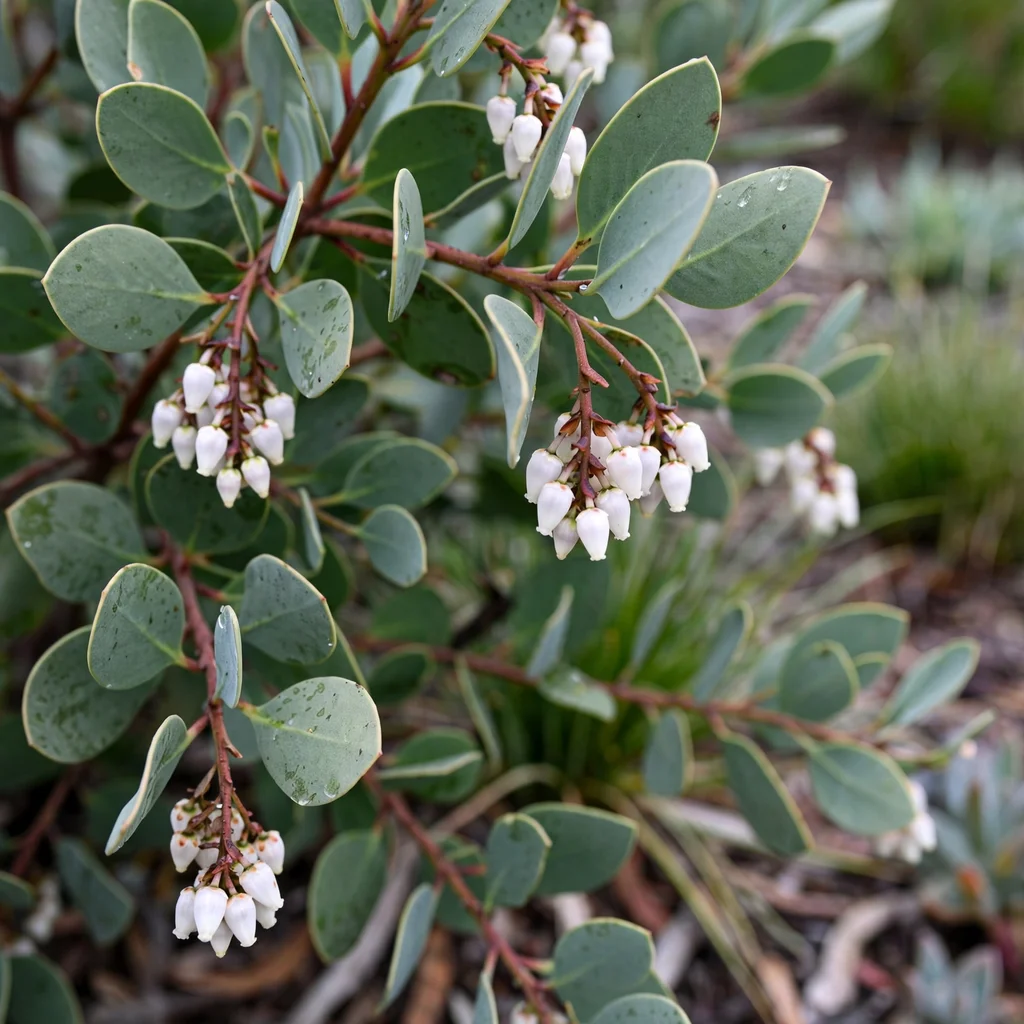
Rainbow Manzanita
Arctostaphylos rainbowensis
Keep exploring
Explore the genus
Hardy in your zone?
Grow Nipomo Mesa Manzanita with confidence
See it in a design of your actual yard, get zone-matched care reminders, and track it season by season in your garden journal.