The Story
Plant Bio
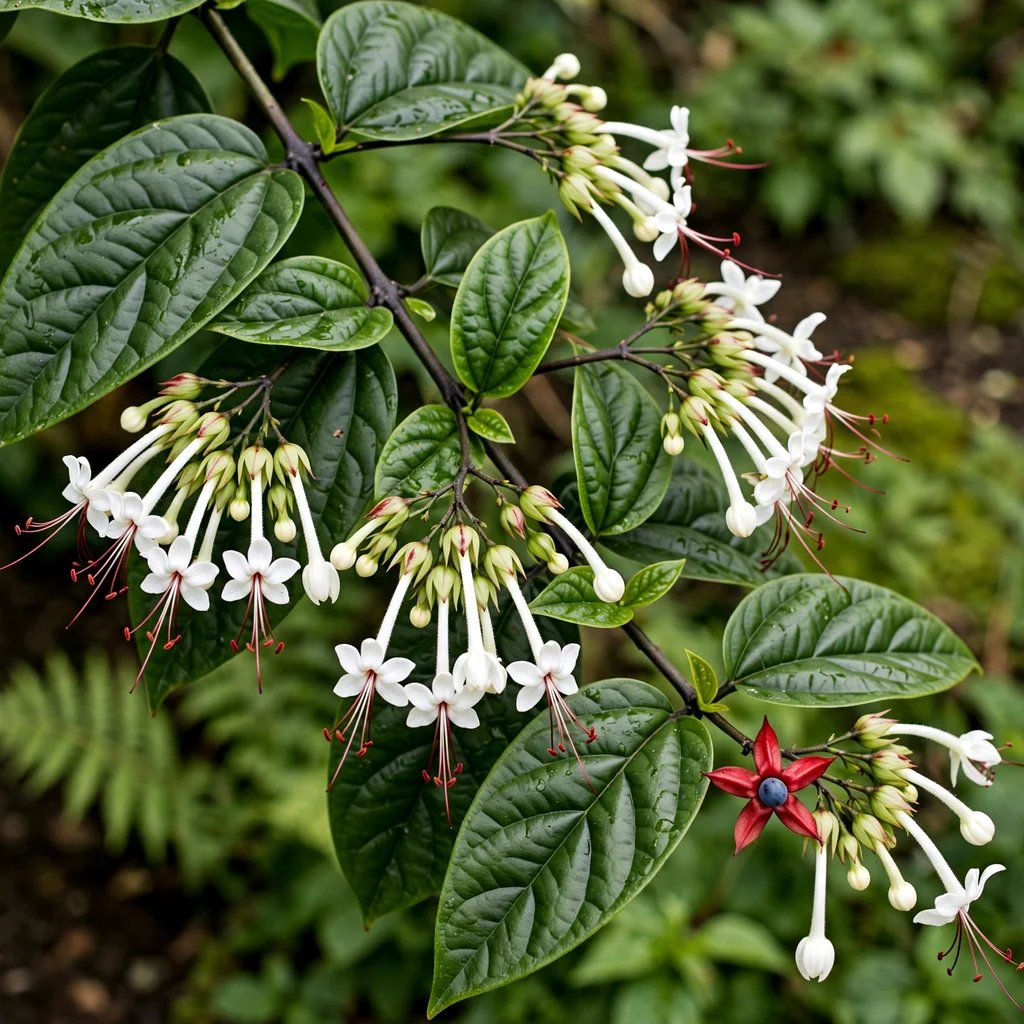
Clerodendrum minahassae is a fast-growing evergreen shrub from Southeast Asia that reaches 5 to 10 feet tall in cultivation, branching from the base into multiple V-shaped stems with a crown nearly as wide as tall. It carries large deep-green glossy pointed leaves and produces fountain-like clusters of white long-tubed flowers tipped with maroon-red stamens, followed by a red star-shaped calyx holding a metallic deep-blue berry.
What looks like a red star flower is not the flower at all — the white tube is the true flower, while the persistent red star is the calyx that remains to cup the deep-blue fruit. It suckers freely from the roots, especially after pruning or root damage, so undisturbed plants stay tighter and disturbed roots send up new shoots at a distance.
Uses & Benefits:
Essentials
At a Glance
Plant Type
Shrub
Height
120"
Width
108"
Zones
9, 10
Water
Moderate
Humidity
High
Lifespan
Perennial shrub
Native To
Singapore to Philippines, Sulawesi
Toxicity
Toxic to pets, not edible
Bloom period
Year round
In flower about 12 months of the year
Planting
How to Grow
- Plant after last frost in a frost-free, humid spot in sharply drained soil, keeping the rootball intact.
- Water to settle in, then water only when the top soil dries; never leave the pot or planting hole saturated.
- Mulch thinly to hold humidity while keeping the stem base dry and airy.
- Remove root suckers as they appear and shape lightly; avoid heavy cutting into roots and old wood.
Pro Tip
Do not deadhead the red stars — they hold the blue berries; prune lightly and keep roots undisturbed to limit suckering.
Keep It Thriving
Care Guide
Do
- Grow in well-drained soil and pots with open drainage holes.
- Remove root suckers promptly to keep the crown tight.
- Move pots under cover before a freeze in zone 9.
Don't
- Do not overwater or leave plants in saturated soil.
- Do not cut the red calyx stars thinking they are spent flowers.
- Do not prune hard or dig around roots unless you accept more suckers.
Seasonal Care Calendar
| Task | Jan | Feb | Mar | Apr | May | Jun | Jul | Aug | Sep | Oct | Nov | Dec |
|---|---|---|---|---|---|---|---|---|---|---|---|---|
| Mulch | ||||||||||||
| Pest Check | ||||||||||||
| Plant | ||||||||||||
| Prune | ||||||||||||
| Winter Prep |
Watch Out For
Pests & Diseases
Common Pests
Common Diseases
In the Garden
Landscape Uses & Companions
Landscape Uses
Multiply
Propagation Methods
Good to Know
Common Questions
Fountain Clerodendrum questions
What zones can Fountain Clerodendrum grow in?
Fountain Clerodendrum is hardy in USDA Zones 9–10: in that range it survives winter in the ground. Colder than Zone 9, grow it in a container you can move to shelter for the winter.
When does Fountain Clerodendrum bloom?
Fountain Clerodendrum typically blooms year-round. Exact timing shifts a week or two with your zone — Sow's bloom calendar maps it to your garden.
More Clerodendrum to compare
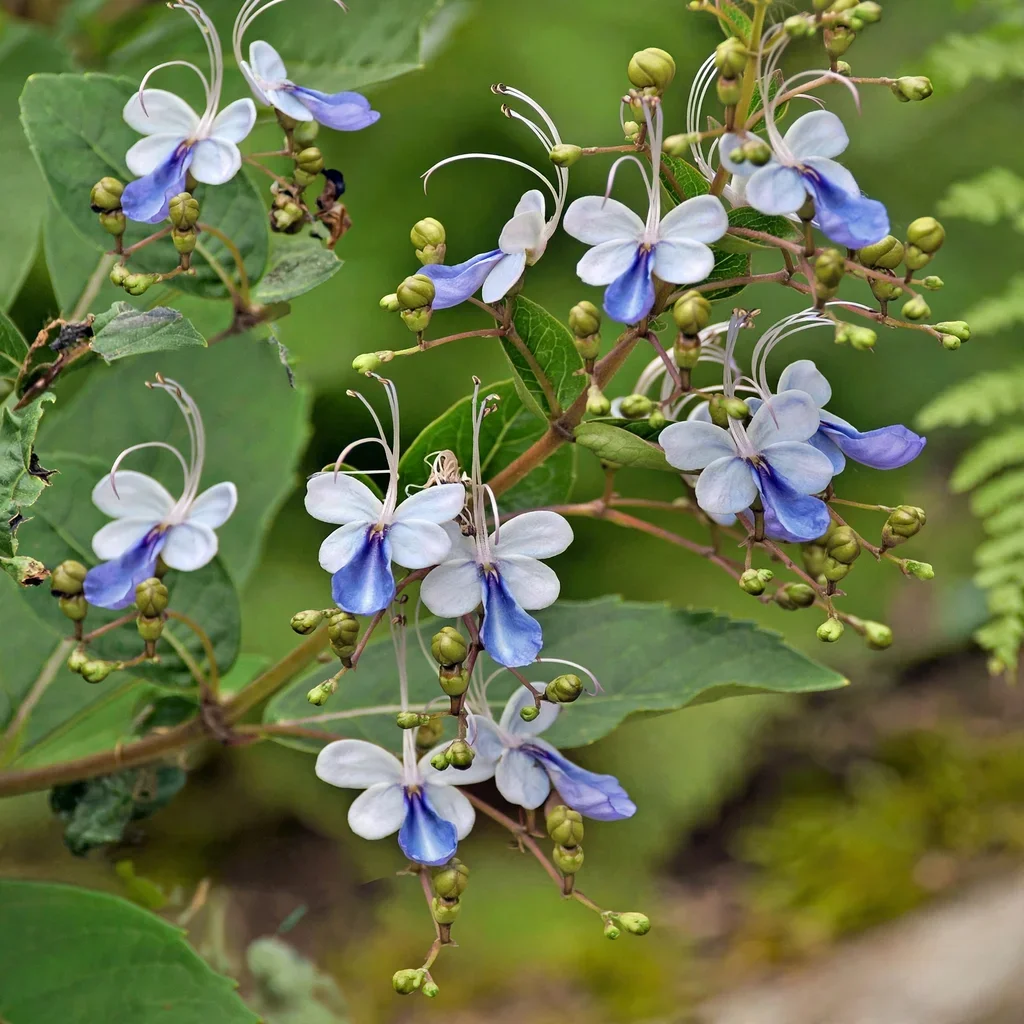
Blue Butterfly Bush
Clerodendrum ugandense
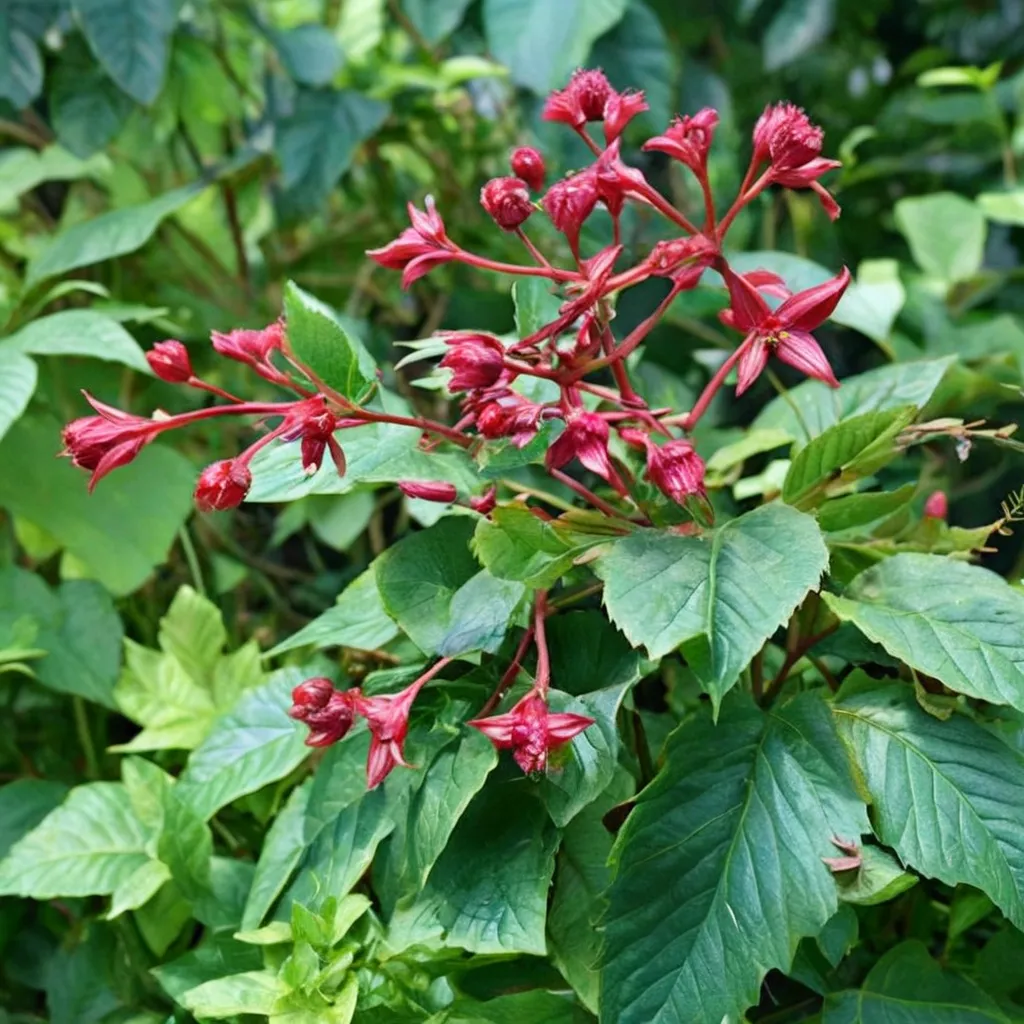
Rose Glory Bower
Clerodendrum speciosissimum 'Arkansas Hardy'
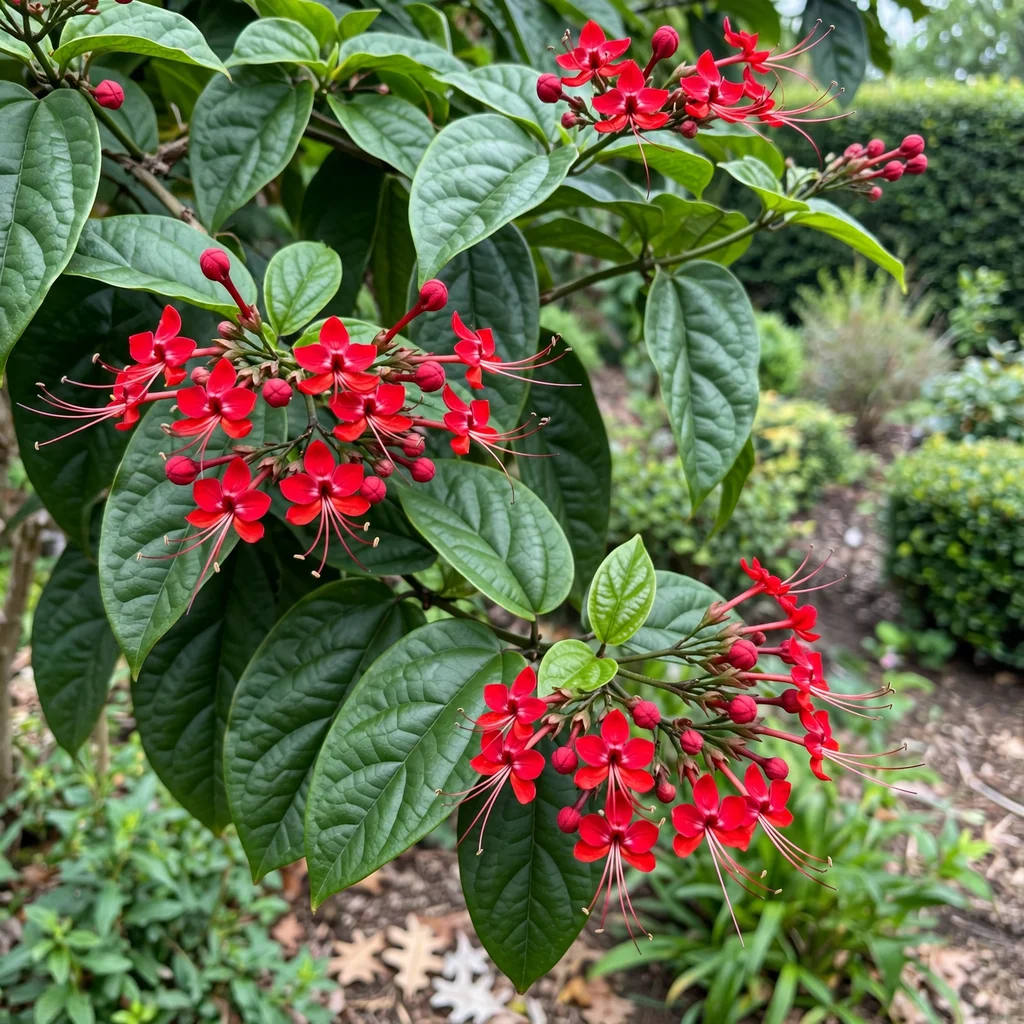
Flaming Glorybower
Clerodendrum splendens
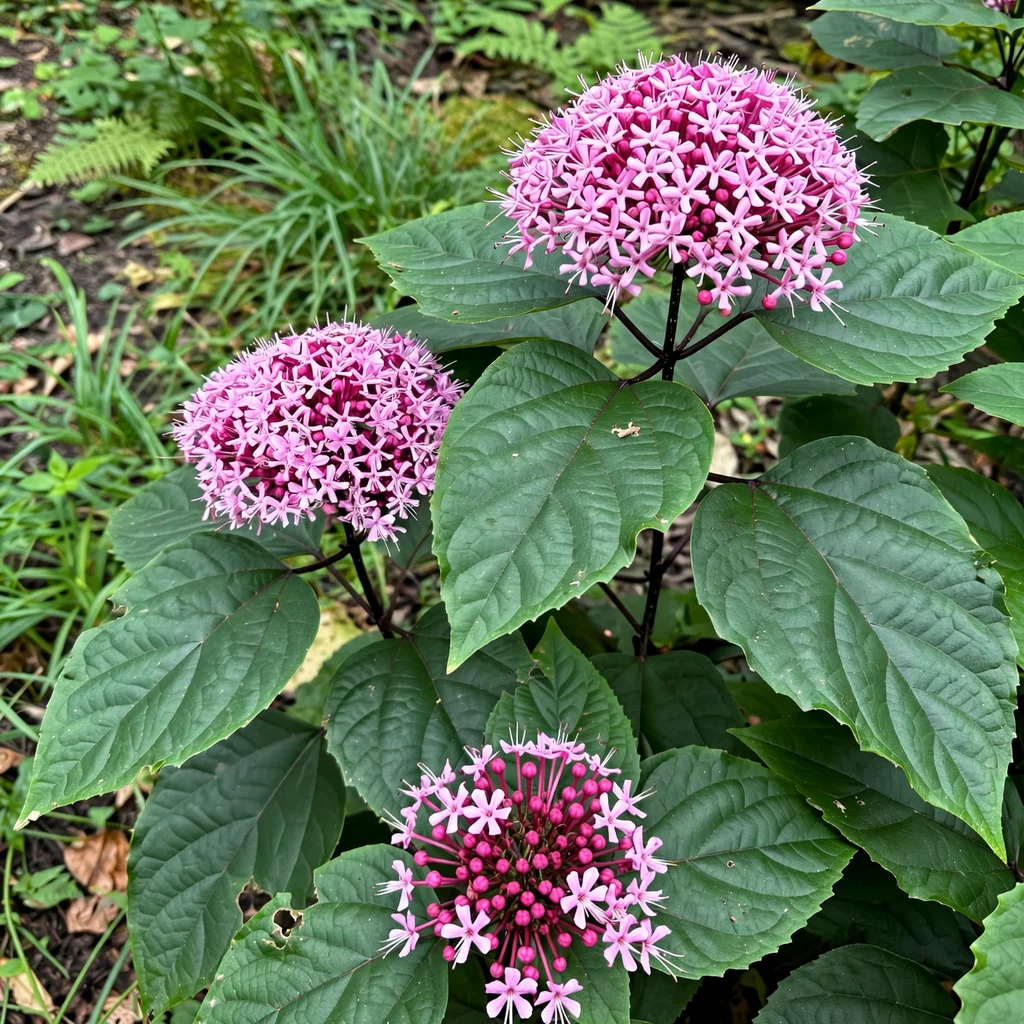
Rose Glorybower
Clerodendrum bungei
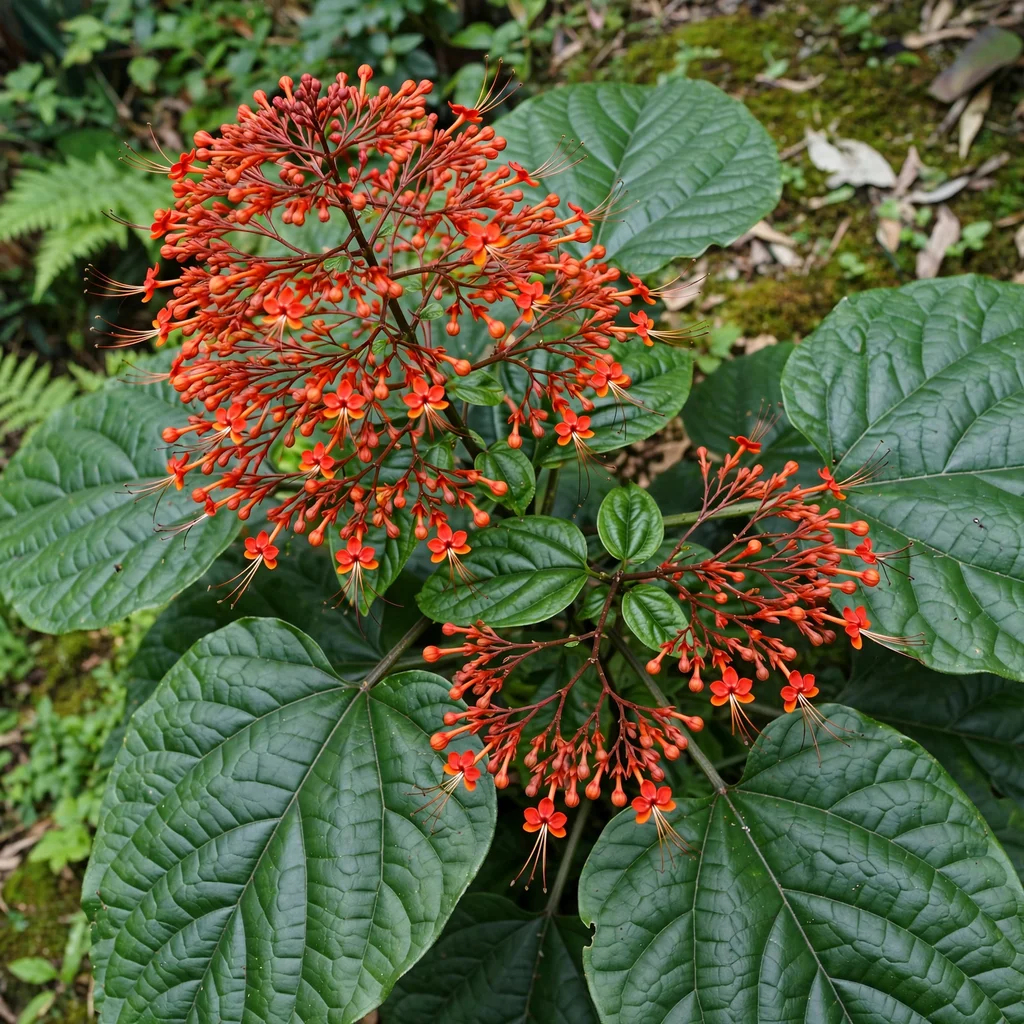
Pagoda Flower
Clerodendrum paniculatum
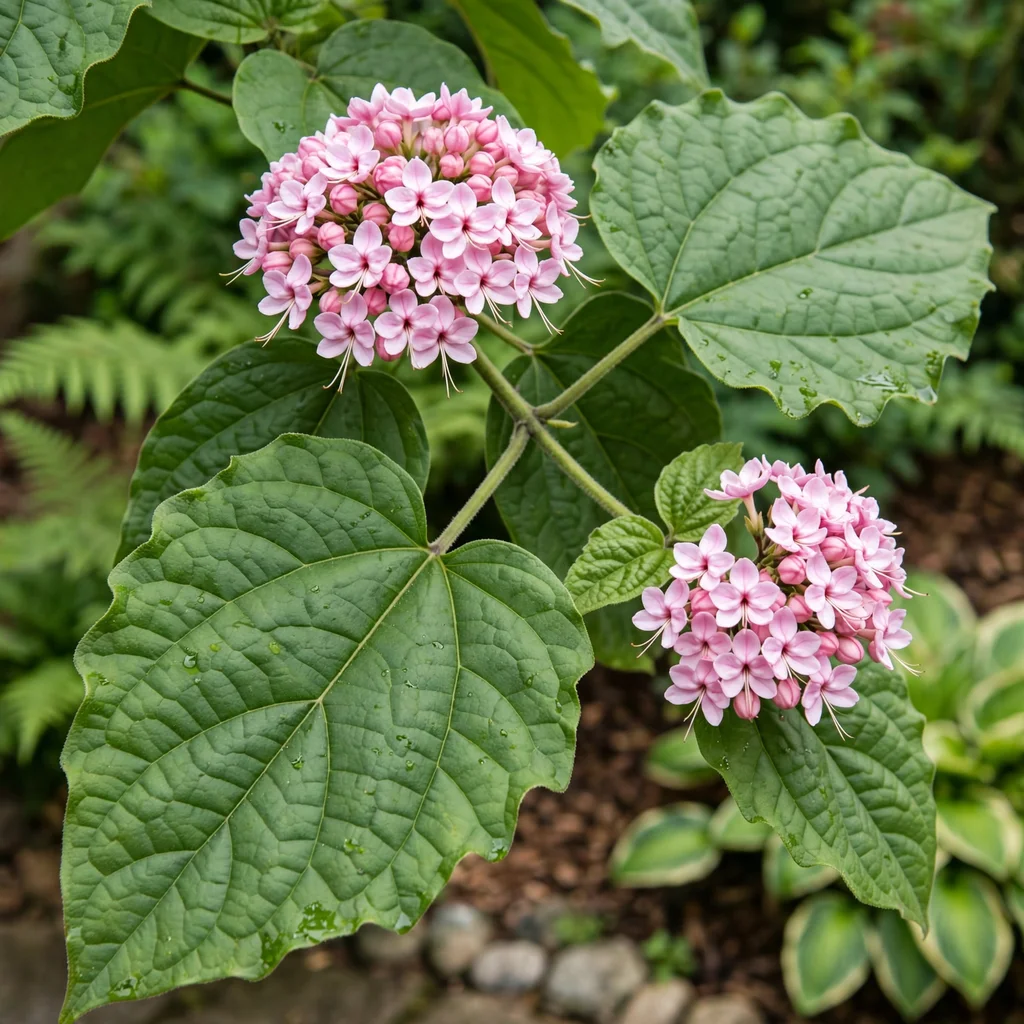
Chinese Glory Bower
Clerodendrum philippinum
Keep exploring
Explore the genus
Hardy in your zone?
Grow Fountain Clerodendrum with confidence
See it in a design of your actual yard, get zone-matched care reminders, and track it season by season in your garden journal.