The Story
Plant Bio
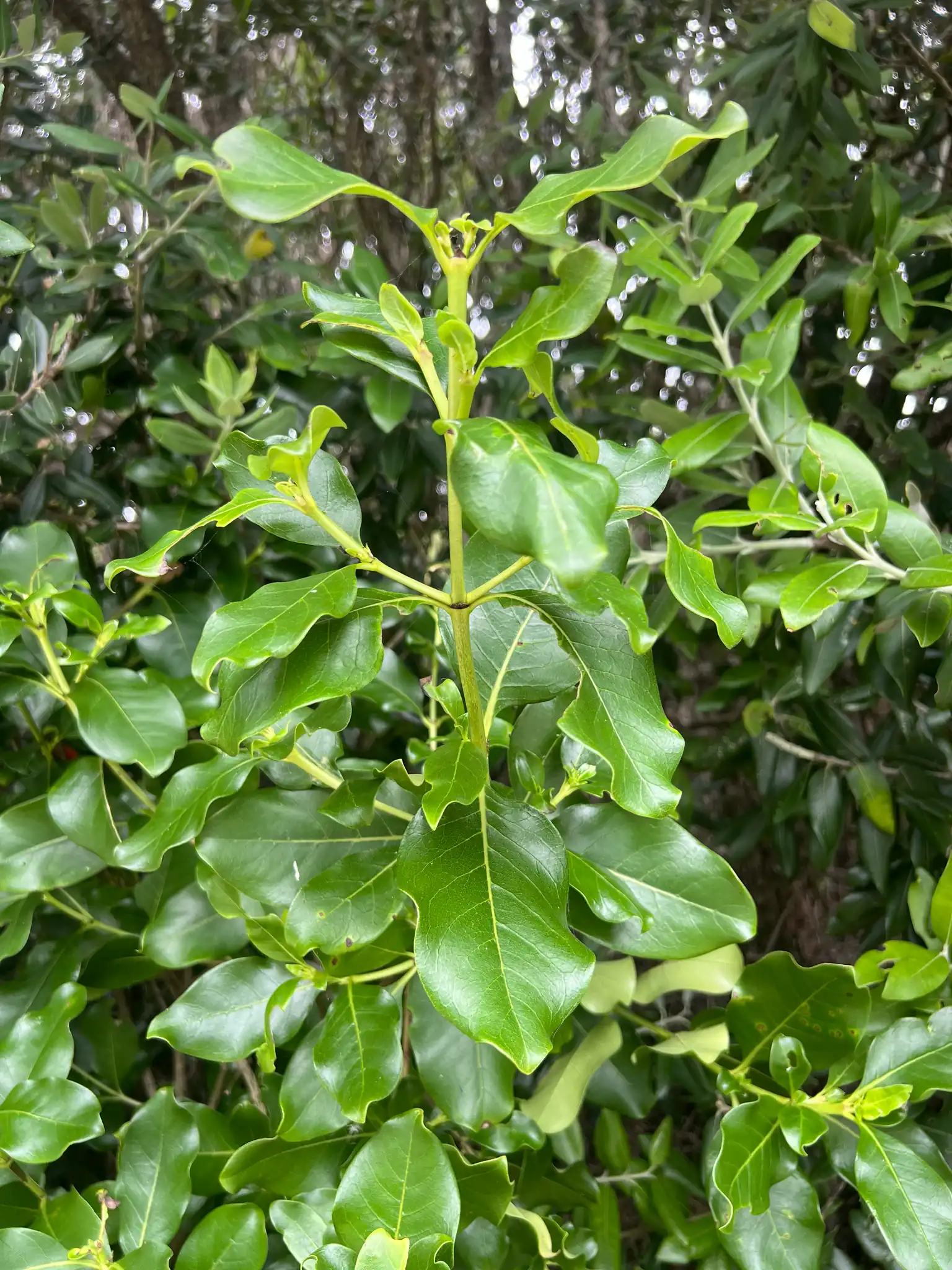
Coprosma macrocarpa, known as coastal karamu, is a robust evergreen shrub or small tree native to northern coastal New Zealand. It produces large, thick, leathery leaves with a high-gloss dark green surface, opposite arrangement, and prominent midribs above pit-like domatia on the undersides.
This dioecious species bears small, inconspicuous greenish spring flowers on separate male and female plants, requiring both sexes in proximity to yield its large orange-red fleshy fruits. Its dense foliage is highly tolerant of maritime winds and salt spray, making it exceptionally resilient in exposed coastal conditions.
Uses & Benefits:
Essentials
At a Glance
Plant Type
Shrub
Height
240"
Width
98"
Light
Full Sun, Partial Sun
Zones
9, 10
Water
Moderate
Humidity
High
Lifespan
Perennial
Native To
New Zealand
Toxicity
Non-toxic
Bloom period
Spring
In flower about 3 months of the year
Planting
How to Grow
- Select a planting location in full sun to partial shade with light, sandy or loamy soil.
- Ensure soil drainage is exceptional, amending heavy soils with grit or creating raised mounds.
- Dig a hole twice as wide as the root ball and set the plant at the same depth as in its container.
- Water thoroughly upon planting and maintain regular weekly moisture through the first growing season.
Pro Tip
Plant both male and female specimens nearby if fruiting is desired, and avoid cutting back deeply into old, leafless bare wood, which lacks latent buds to reshoot.
Keep It Thriving
Care Guide
Do
- Plant in well-drained soil to prevent root rot.
- Tip-prune young stems annually to maintain a dense, bushy form.
- Grow both male and female plants close together to ensure fruit set.
Don't
- Do not allow soil to remain chronically wet or waterlogged.
- Do not prune hard into old bare wood without foliage.
- Do not over-fertilize, as excess nutrients can reduce wind resilience.
Seasonal Care Calendar
| Task | Jan | Feb | Mar | Apr | May | Jun | Jul | Aug | Sep | Oct | Nov | Dec |
|---|---|---|---|---|---|---|---|---|---|---|---|---|
| Fertilize | ||||||||||||
| Mulch | ||||||||||||
| Pest Check | ||||||||||||
| Prune |
Watch Out For
Pests & Diseases
Common Pests
Common Diseases
In the Garden
Landscape Uses & Companions
Landscape Uses
Multiply
Propagation Methods
Good to Know
Common Questions
Large-Seeded Coprosma questions
What zones can Large-Seeded Coprosma grow in?
Large-Seeded Coprosma is hardy in USDA Zones 9–10: in that range it survives winter in the ground. Colder than Zone 9, grow it in a container you can move to shelter for the winter.
When does Large-Seeded Coprosma bloom?
Large-Seeded Coprosma typically blooms in spring. Exact timing shifts a week or two with your zone — Sow's bloom calendar maps it to your garden.
Does Large-Seeded Coprosma need full sun?
Large-Seeded Coprosma does best in full sun to part shade. In hot climates, afternoon shade keeps blooms fresher longer.
Is Large-Seeded Coprosma drought tolerant?
Yes — once established (usually after the first full season), Large-Seeded Coprosma handles dry spells with minimal watering. Water deeply its first year to build the root system that makes that possible.
More Coprosma to compare
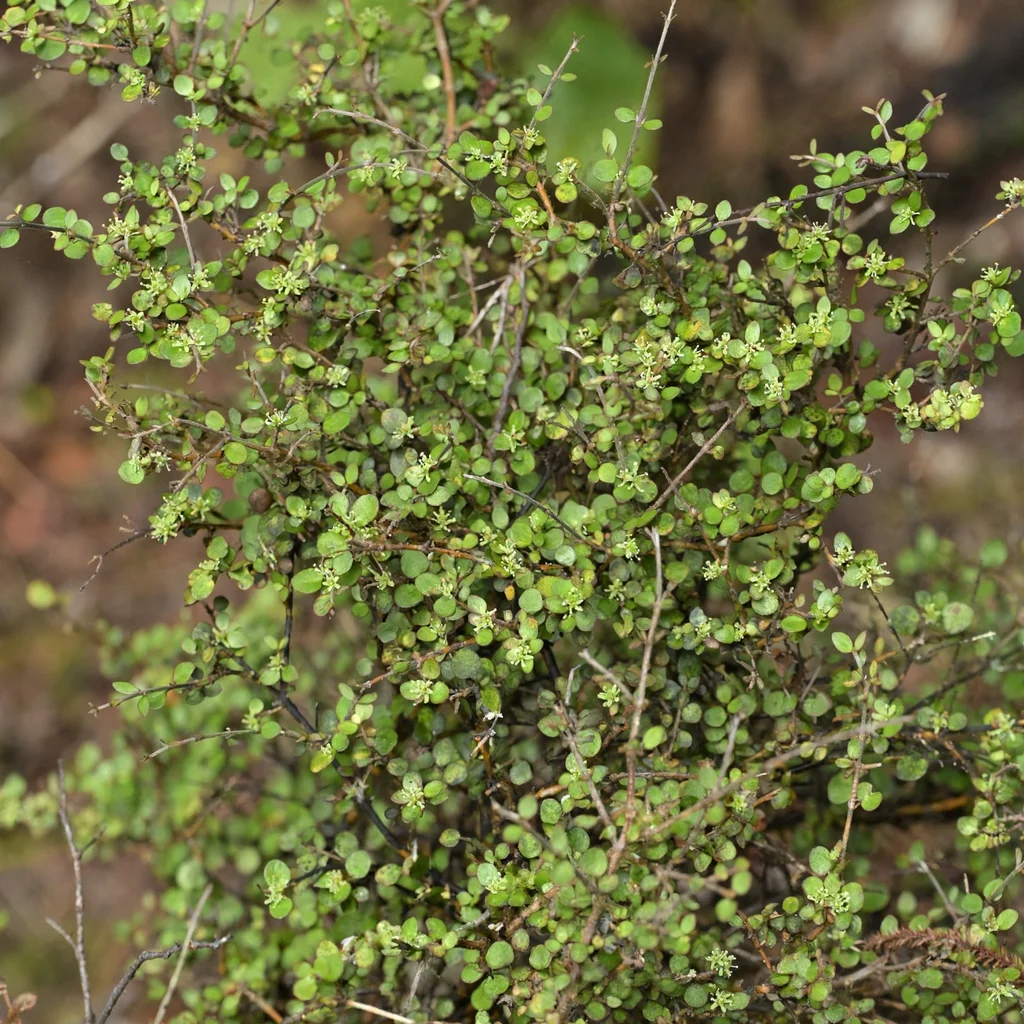
Twiggy Coprosma
Coprosma rhamnoides
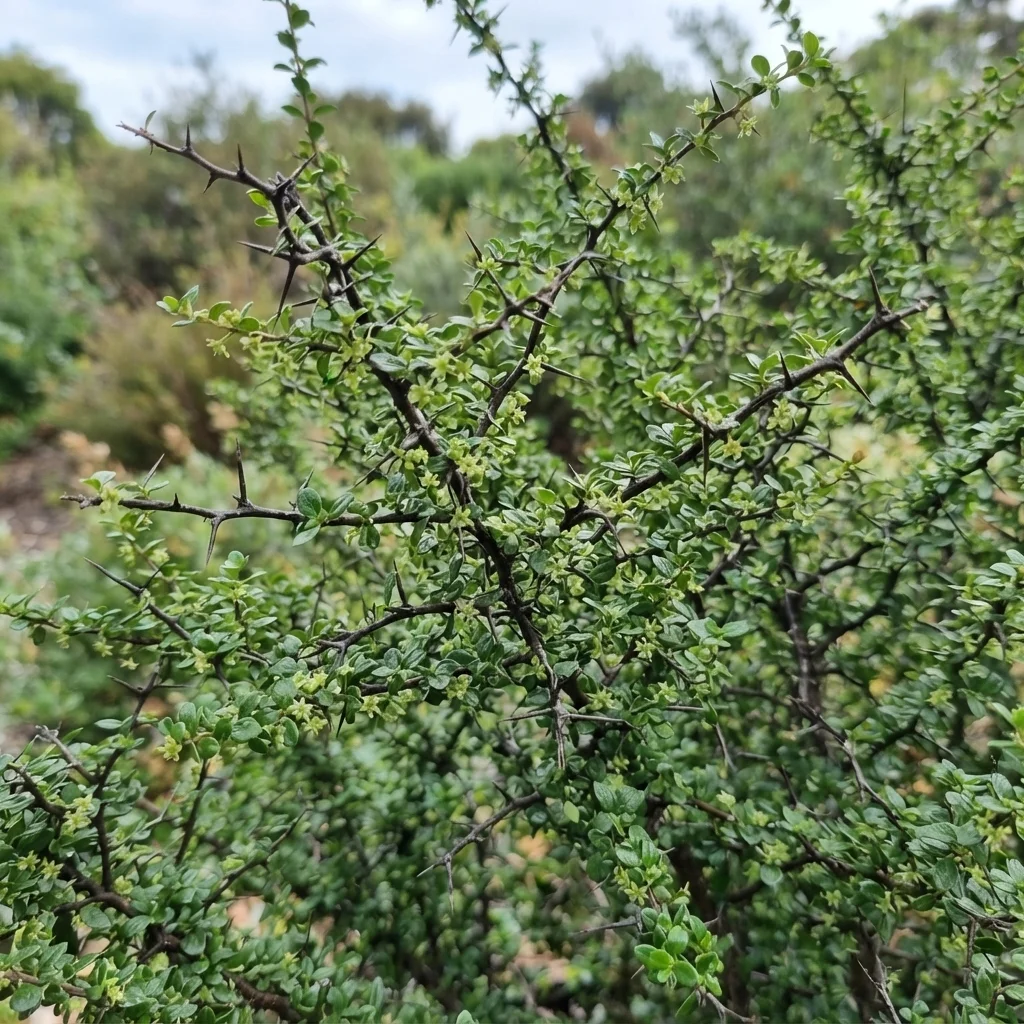
Prickly Currant-bush
Coprosma quadrifida
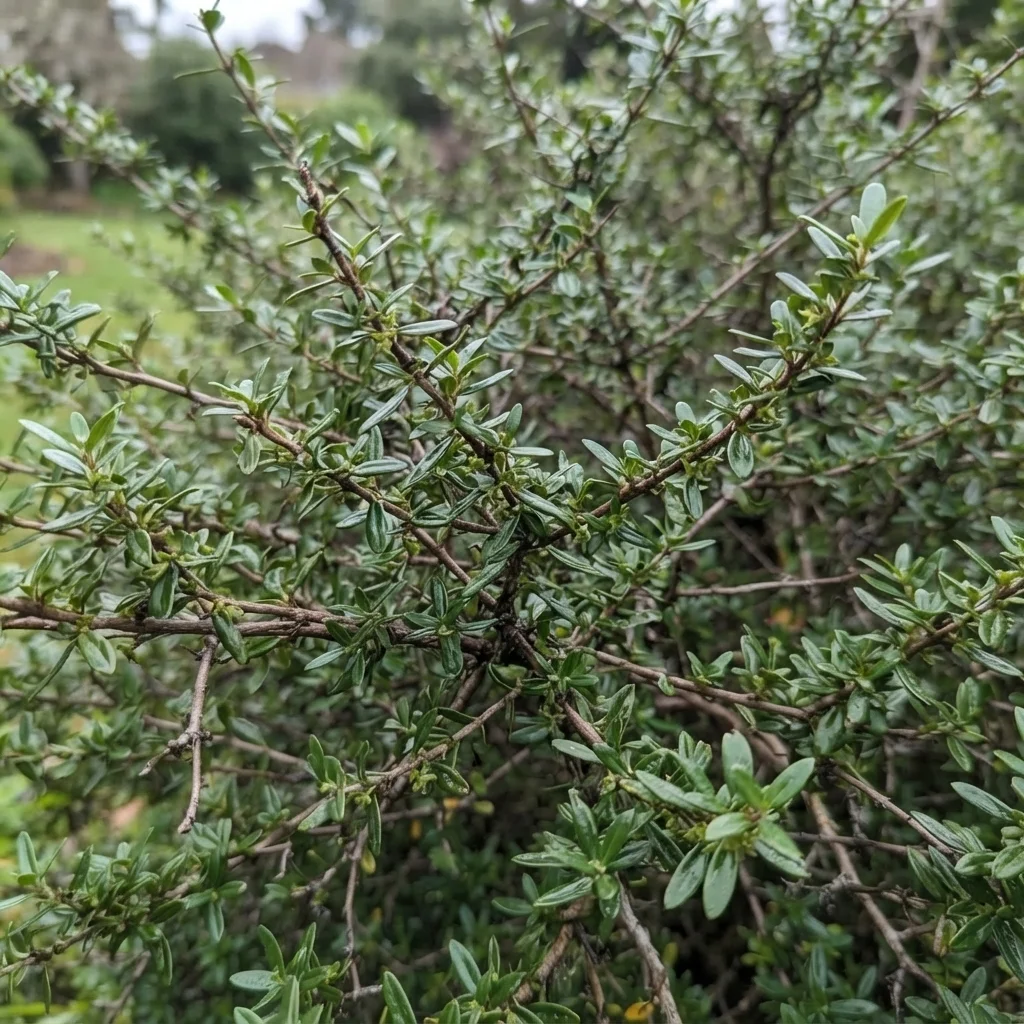
Mingimingi
Coprosma propinqua
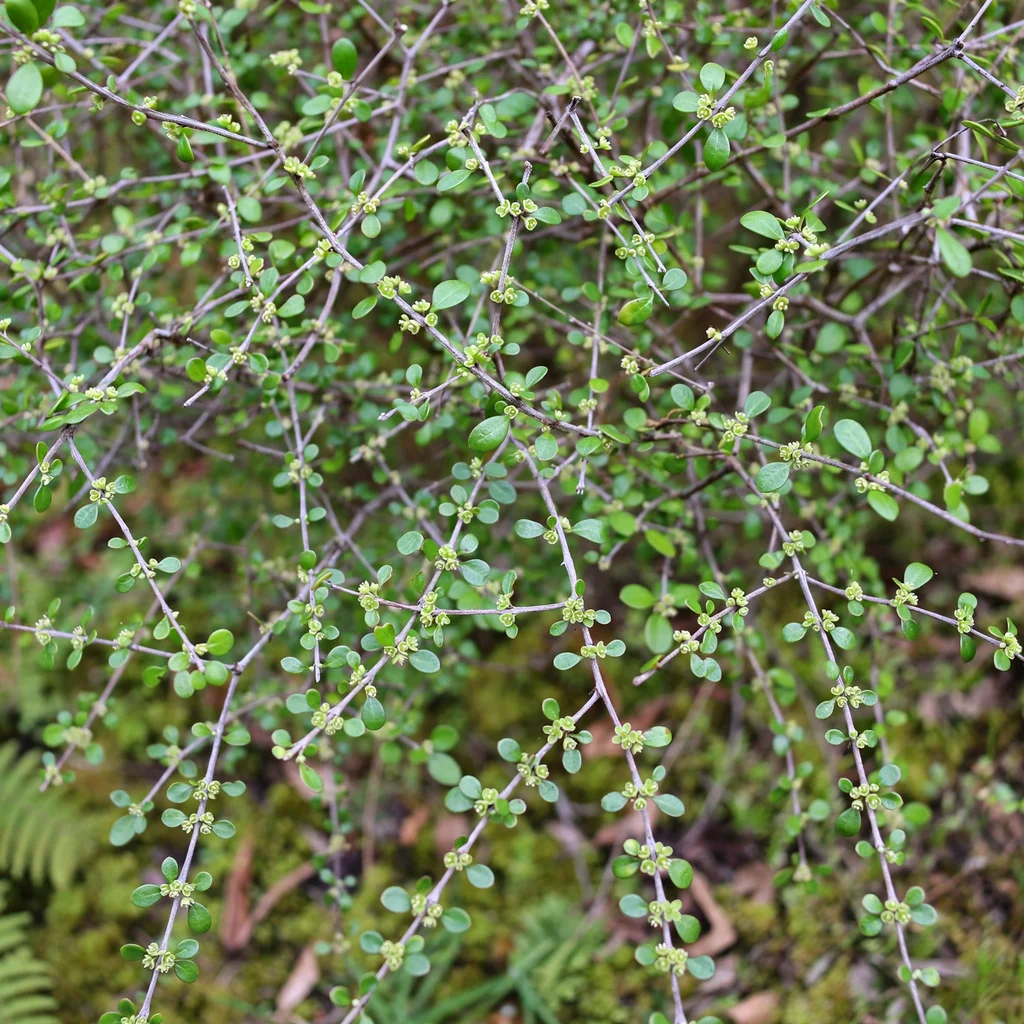
Green Coprosma
Coprosma virescens
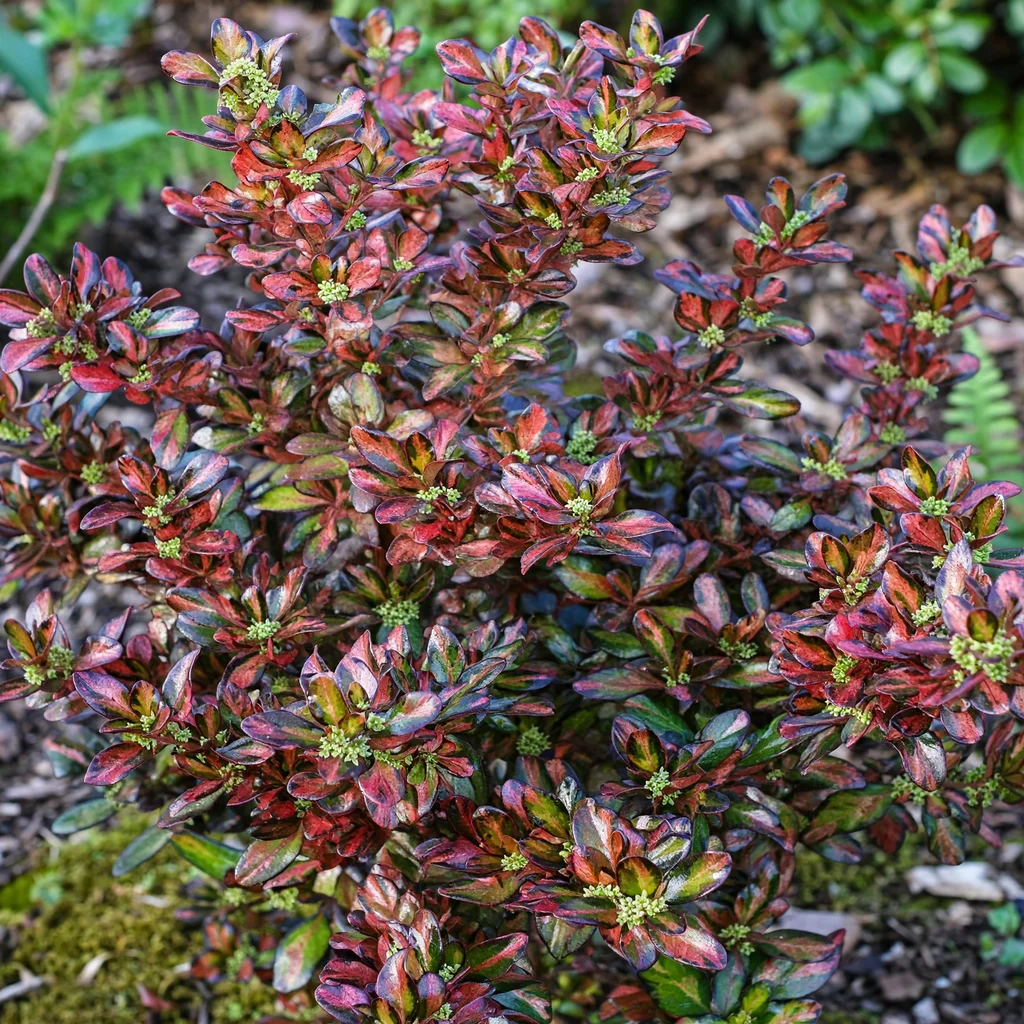
Evening Glow Mirror Plant
Coprosma repens 'Evening Glow'
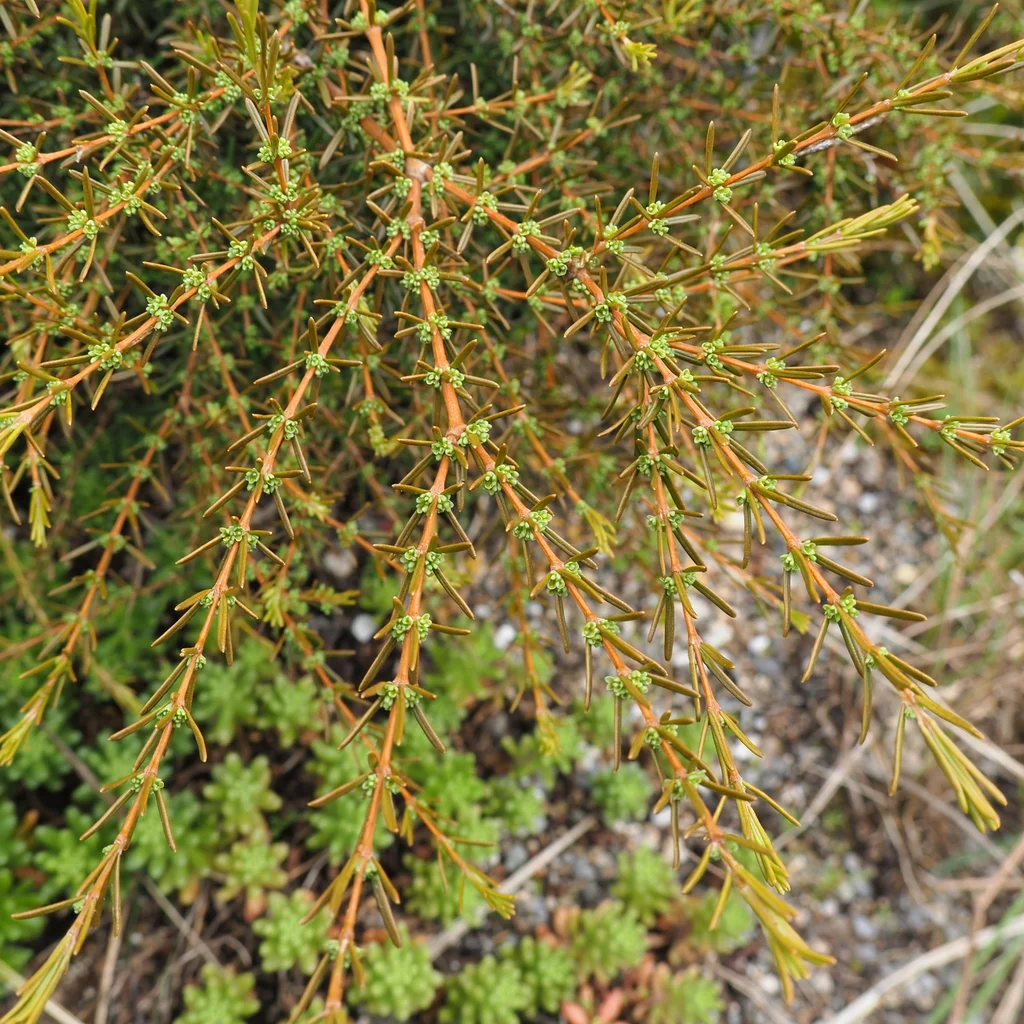
Sand Coprosma
Coprosma acerosa
Keep exploring
Explore the genus
Hardy in your zone?
Grow Large-Seeded Coprosma with confidence
See it in a design of your actual yard, get zone-matched care reminders, and track it season by season in your garden journal.