The Story
Plant Bio
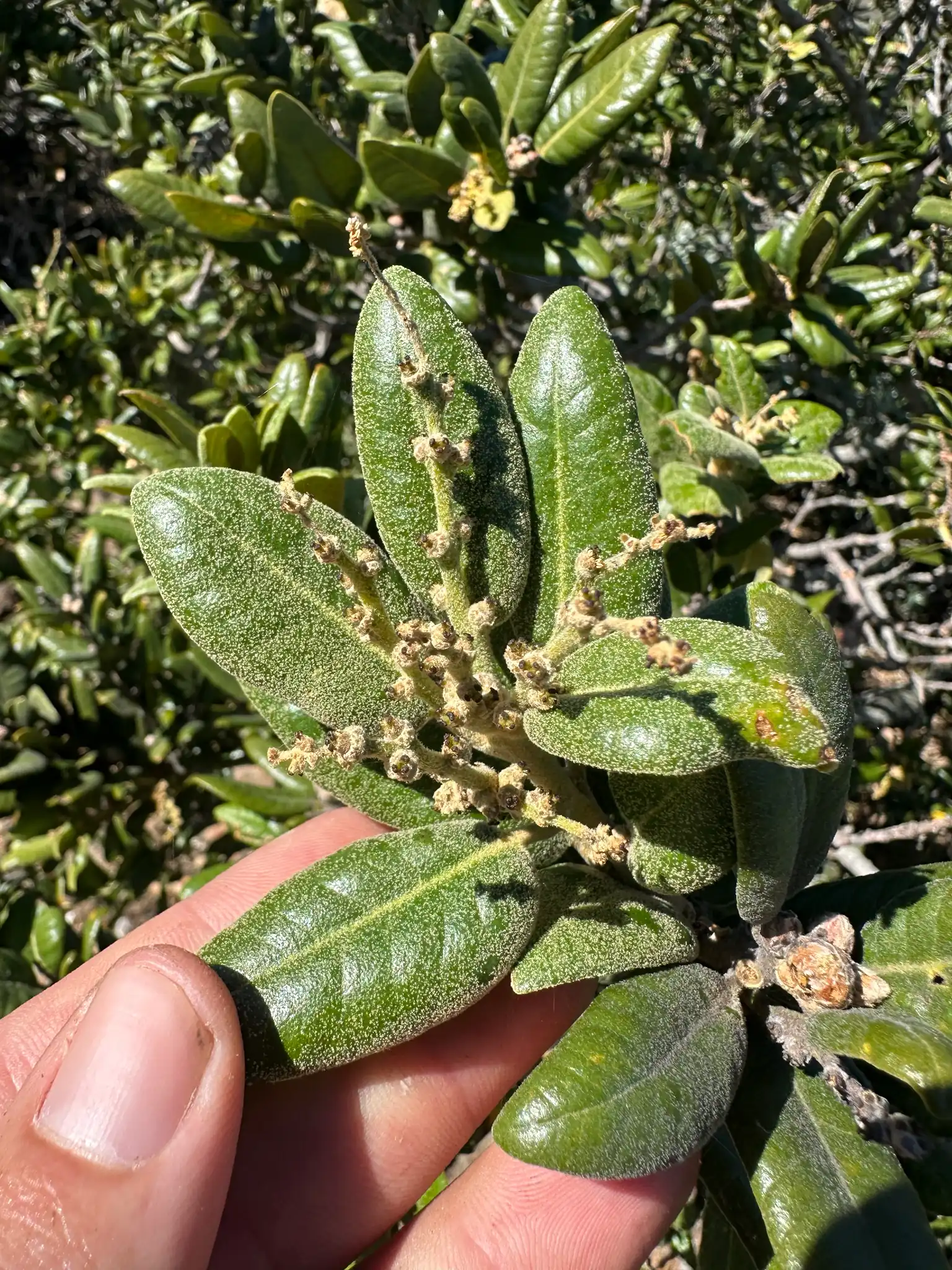
Quercus tomentella is an evergreen tree restricted in nature to five of the California Channel Islands and Guadalupe Island. It produces leathery, dark glossy green leaves lined underneath with dense, whitish-tan woolly hairs.
As the rarest native oak in North America, this species forms an upright, conical crown when young before broadening into a dense rounded canopy with age. Thick foliage, revolute leaf margins, and adaptation to coastal fog drip distinguish it from mainland live oaks.
Uses & Benefits:
Essentials
At a Glance
Plant Type
Tree
Height
450"
Width
360"
Light
Full Sun, Partial Sun
Zones
7, 8, 9, 10
Water
Low
Humidity
Tolerates coastal fog and humidity
Lifespan
Perennial
Native To
California Channel Islands & Guadalupe Island
Toxicity
Low toxicity if consumed in large quantities
Bloom period
Spring
In flower about 3 months of the year
Planting
How to Grow
- Select a planting site in full sun or light partial shade with well-draining sandy or loamy soil.
- Dig a hole twice as wide as the root ball and equal in depth, ensuring the root crown sits slightly above ground level.
- Backfill with native soil without adding rich organic amendments or fertilizers to encourage natural root exploration.
- Water thoroughly at installation and maintain a deep watering schedule every two to three weeks during the first active growing season.
Pro Tip
Provide deep, infrequent watering during the first two summers to establish the taproot, then withhold summer irrigation entirely to avoid root crown pathogens.
Keep It Thriving
Care Guide
Do
- Apply a 3-inch layer of coarse organic mulch around the dripline, keeping it clear of the trunk base.
- Prune young trees selectively to establish a strong central trunk and balanced branch scaffolding.
- Allow fallen oak leaves to decompose beneath the canopy to recycle natural nutrients into the root zone.
Don't
- Do not apply heavy nitrogen fertilizers, which trigger soft growth vulnerable to foliar pests.
- Do not irrigate established trees during hot summer months when warm, saturated soil promotes root rot.
- Do not prune into old wood lacking foliage, as latent buds react poorly to heavy structural cuts.
Seasonal Care Calendar
| Task | Jan | Feb | Mar | Apr | May | Jun | Jul | Aug | Sep | Oct | Nov | Dec |
|---|---|---|---|---|---|---|---|---|---|---|---|---|
| Mulch | ||||||||||||
| Pest Check | ||||||||||||
| Propagate | ||||||||||||
| Prune | ||||||||||||
| Spring Cleanup |
Watch Out For
Pests & Diseases
Common Pests
Common Diseases
In the Garden
Landscape Uses & Companions
Landscape Uses
Multiply
Propagation Methods
Good to Know
Common Questions
Island Oak questions
What zones can Island Oak grow in?
Island Oak is hardy in USDA Zones 7–10: in that range it survives winter in the ground. Colder than Zone 7, winters are too cold for it to survive outdoors.
Is Island Oak deer resistant?
Not reliably. Deer may browse Island Oak, especially tender spring growth — plan on repellents or fencing where pressure is high.
When does Island Oak bloom?
Island Oak typically blooms in spring. Exact timing shifts a week or two with your zone — Sow's bloom calendar maps it to your garden.
Does Island Oak need full sun?
Island Oak does best in full sun to part shade. In hot climates, afternoon shade keeps blooms fresher longer.
Is Island Oak drought tolerant?
Yes — once established (usually after the first full season), Island Oak handles dry spells with minimal watering. Water deeply its first year to build the root system that makes that possible.
More Quercus to compare
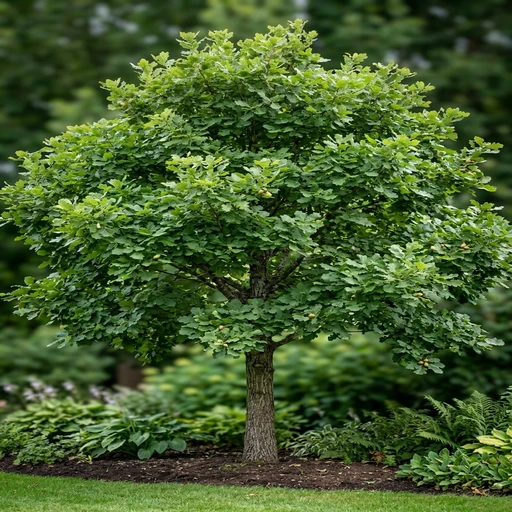
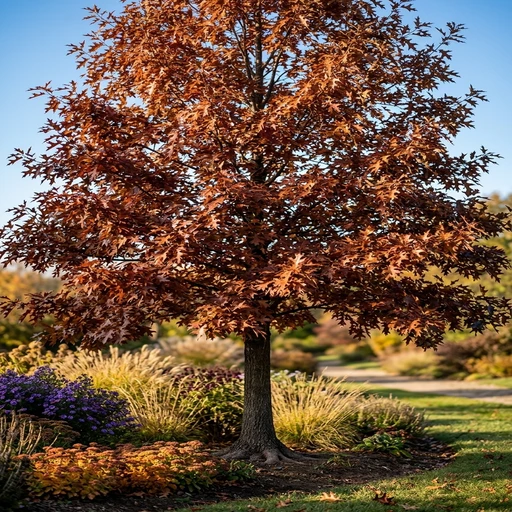
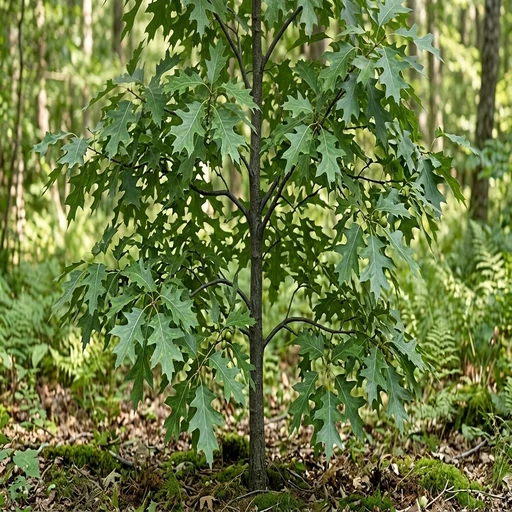
Keep exploring
Explore the genus
Hardy in your zone?
Grow Island Oak with confidence
See it in a design of your actual yard, get zone-matched care reminders, and track it season by season in your garden journal.