The Story
Plant Bio
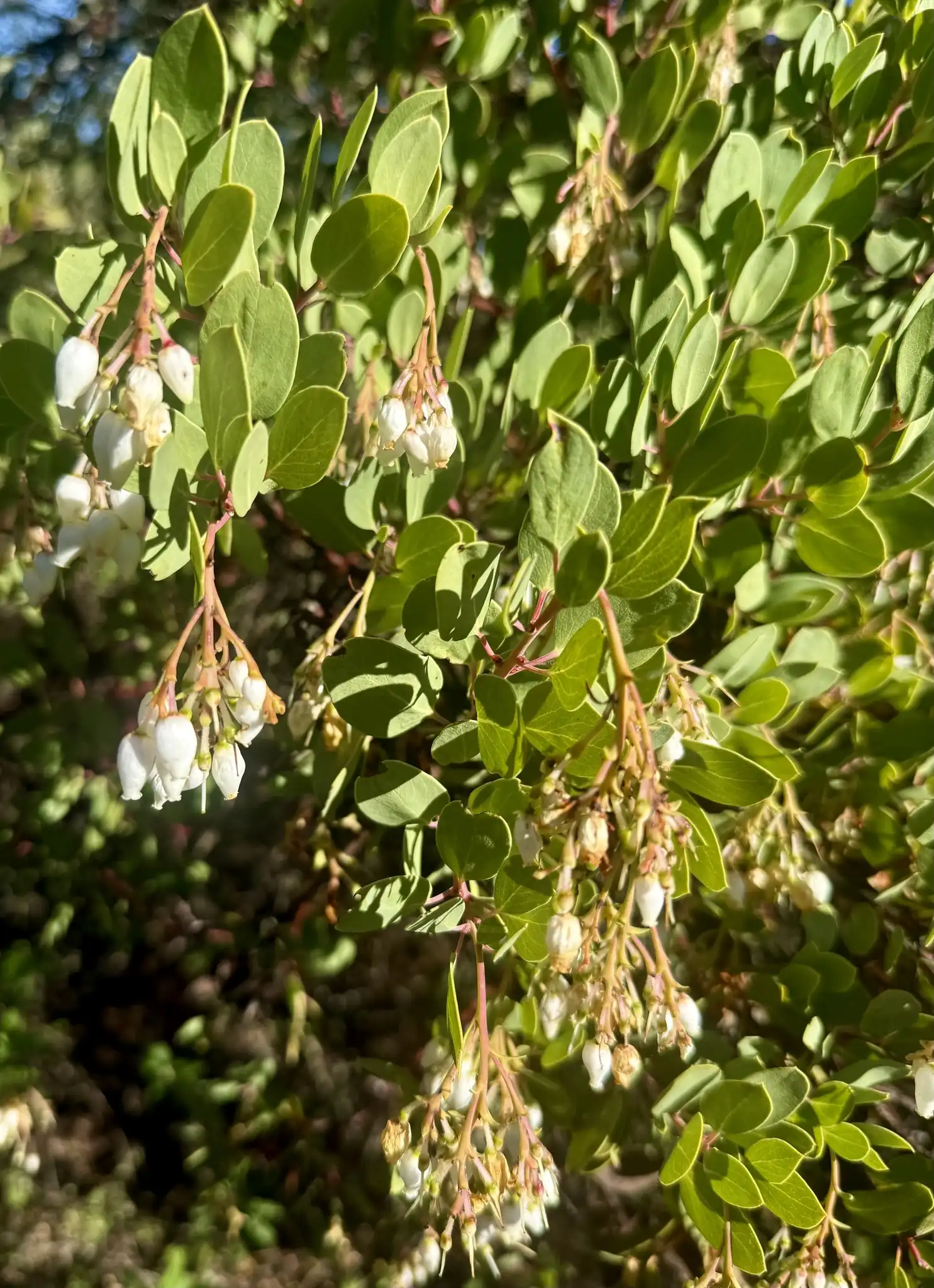
Arctostaphylos glauca is an evergreen chaparral shrub reaching seven to fifteen feet tall, defined by smooth, deep mahogany-red peeling bark and open, sculptural branching. The thick, leathery leaves display a persistent blue-gray to glaucous hue, providing year-round structure ahead of small, urn-shaped white to pale pink flowers that open from winter into early spring.
Distinguished by its large, woody drupes and strongly glaucous foliage, this species forms a long-lived anchor in low-water landscapes. The drooping winter floral clusters provide critical nectar during cold months when few other dryland species are active.
Uses & Benefits:
Essentials
At a Glance
Plant Type
Shrub
Height
180"
Width
180"
Light
Full Sun, Partial Sun
Zones
7, 8, 9, 10
Water
Low
Humidity
Low
Lifespan
Perennial
Native To
California, Baja California
Toxicity
Non-toxic
Bloom period
Winter – Spring
In flower about 6 months of the year
Marketplace
Where to Buy
Shipping costs Year-round shipping Free shipping
Planting
How to Grow
- Select a site in full sun with sharp soil drainage, preferably on sloping ground or a raised gravel bed.
- Plant container specimens in late fall or early winter to allow root establishment during cool, rainy months.
- Water deeply every two to three weeks during the first summer only, letting the soil dry thoroughly between applications.
- Cease supplemental irrigation entirely once established, relying solely on natural seasonal rainfall.
Pro Tip
Establish on a well-drained slope or gritty gravel bed and withhold all summer water after the first year; warm-season soil moisture triggers fatal root rot.
Keep It Thriving
Care Guide
Do
- Plant in rocky, sandy, or well-drained decomposed granite soils.
- Expose the sculptural inner branch framework by selectively trimming lower stems in dry summer weather.
- Allow the soil to dry completely between initial establishment waterings.
Don't
- Do not water established plants during warm summer months.
- Do not shear or cut back into old leafless wood, as stems will not re-sprout.
- Do not apply nitrogen fertilizers or rich organic soil amendments.
Seasonal Care Calendar
| Task | Jan | Feb | Mar | Apr | May | Jun | Jul | Aug | Sep | Oct | Nov | Dec |
|---|---|---|---|---|---|---|---|---|---|---|---|---|
| Mulch | ||||||||||||
| Pest Check | ||||||||||||
| Plant | ||||||||||||
| Prune |
Watch Out For
Pests & Diseases
Common Pests
Common Diseases
In the Garden
Landscape Uses & Companions
Landscape Uses
Multiply
Propagation Methods
Good to Know
Common Questions
Bigberry Manzanita questions
What zones can Bigberry Manzanita grow in?
Bigberry Manzanita is hardy in USDA Zones 7–10: in that range it survives winter in the ground. Colder than Zone 7, grow it in a container you can move to shelter for the winter.
When does Bigberry Manzanita bloom?
Bigberry Manzanita typically blooms from winter to spring. Exact timing shifts a week or two with your zone — Sow's bloom calendar maps it to your garden.
Does Bigberry Manzanita need full sun?
Bigberry Manzanita does best in full sun to part shade. In hot climates, afternoon shade keeps blooms fresher longer.
Is Bigberry Manzanita drought tolerant?
Yes — once established (usually after the first full season), Bigberry Manzanita handles dry spells with minimal watering. Water deeply its first year to build the root system that makes that possible.
More Arctostaphylos to compare
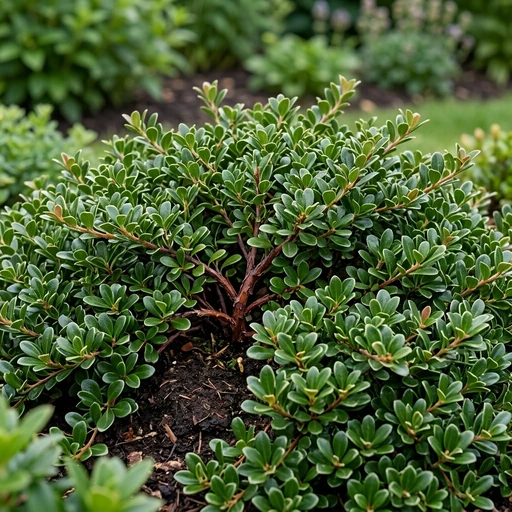
Massachusetts Common Bearberry
Arctostaphylos uva-ursi 'Massachusetts'
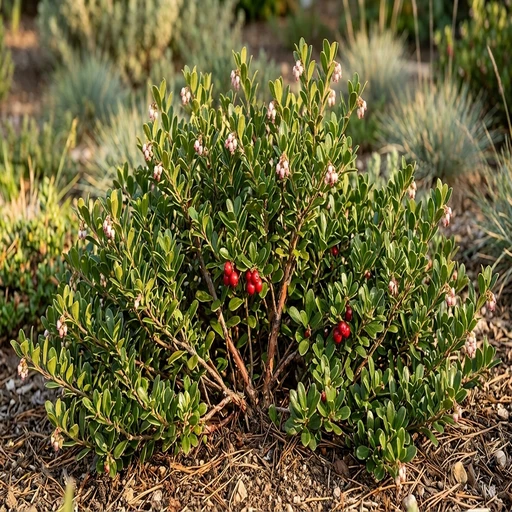
Bearberry
Arctostaphylos uva-ursi
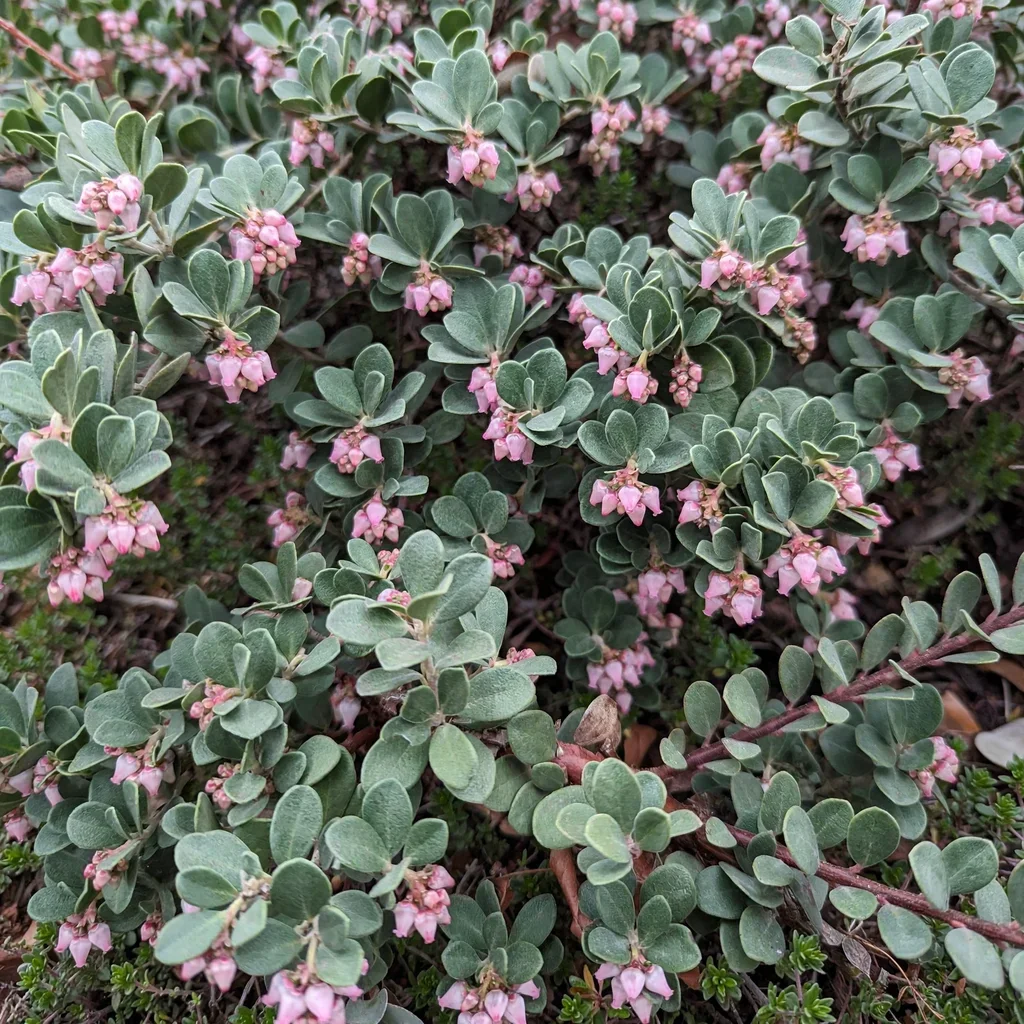
Ron Clendenen Manzanita
Arctostaphylos x media 'Ron Clendenen'
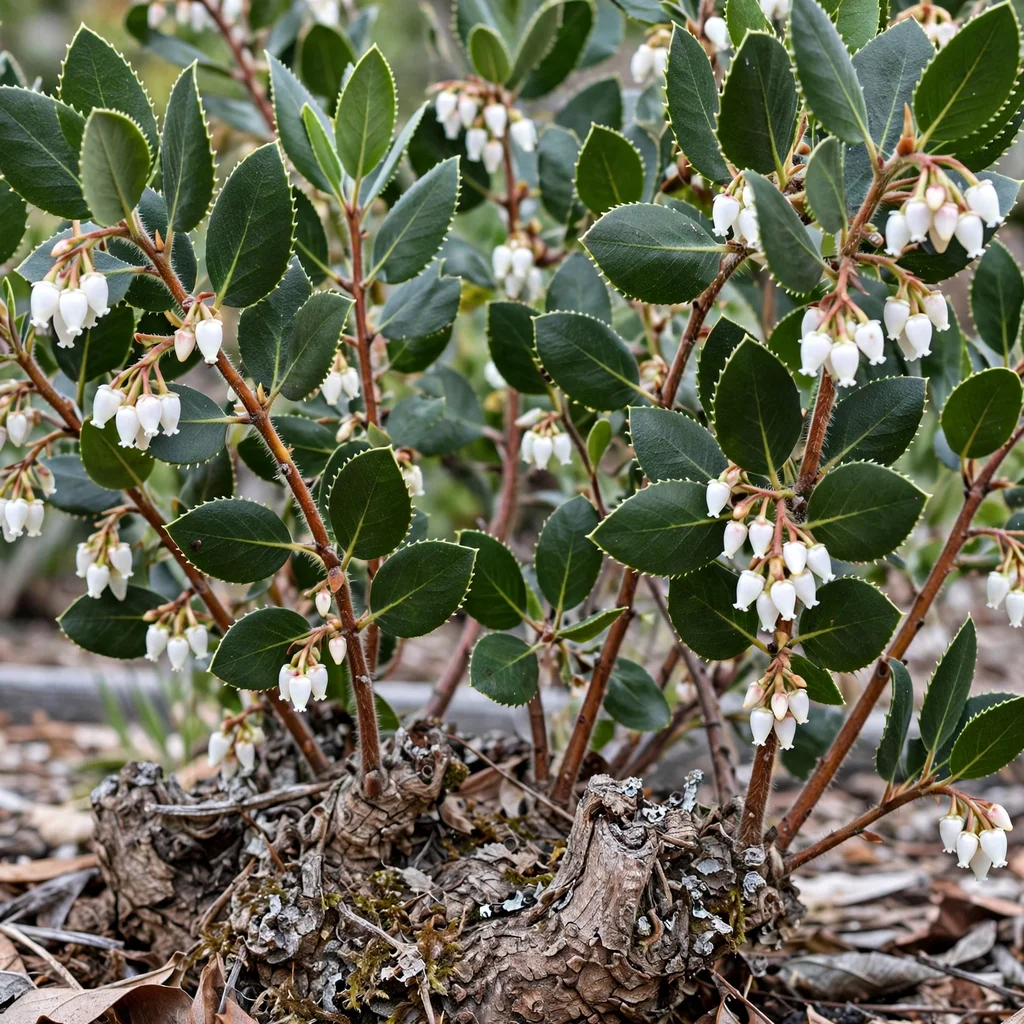
Brittleleaf Manzanita
Arctostaphylos crustacea
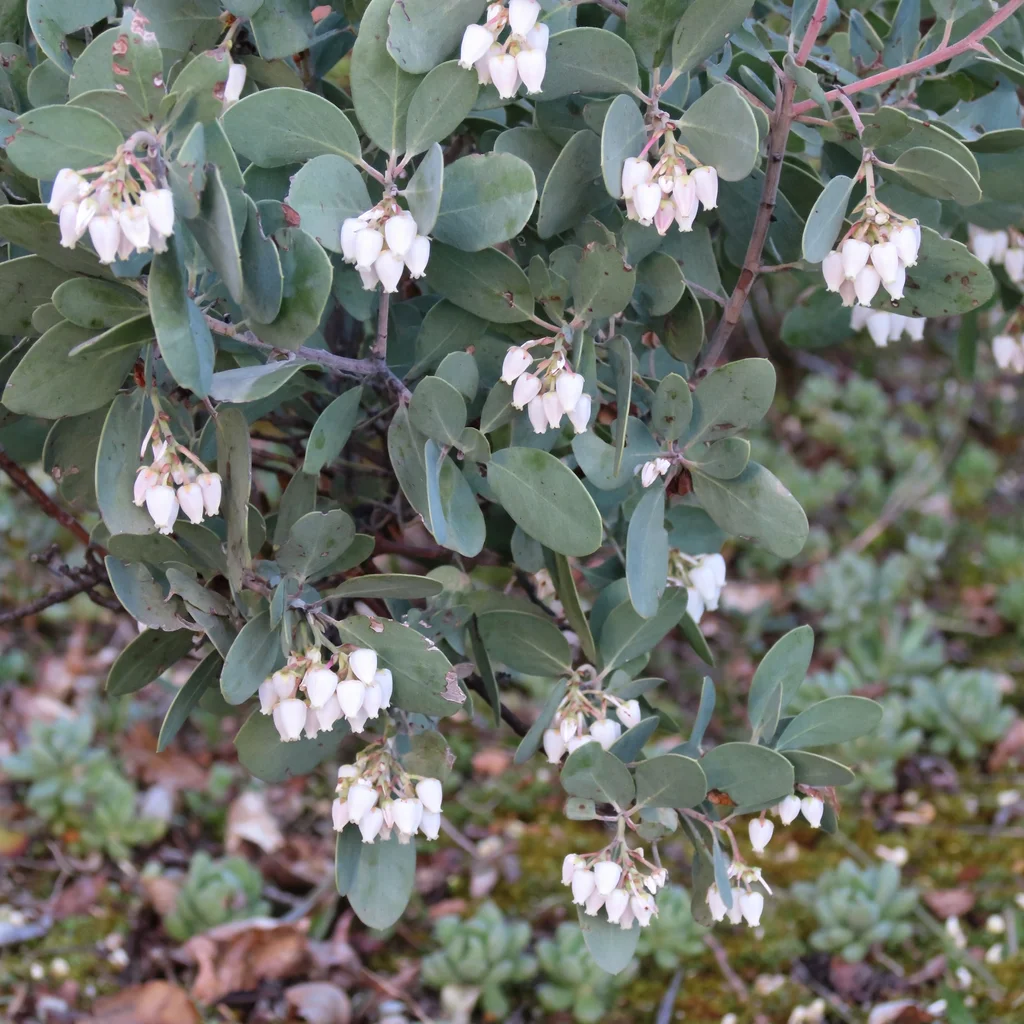
Common Manzanita
Arctostaphylos manzanita
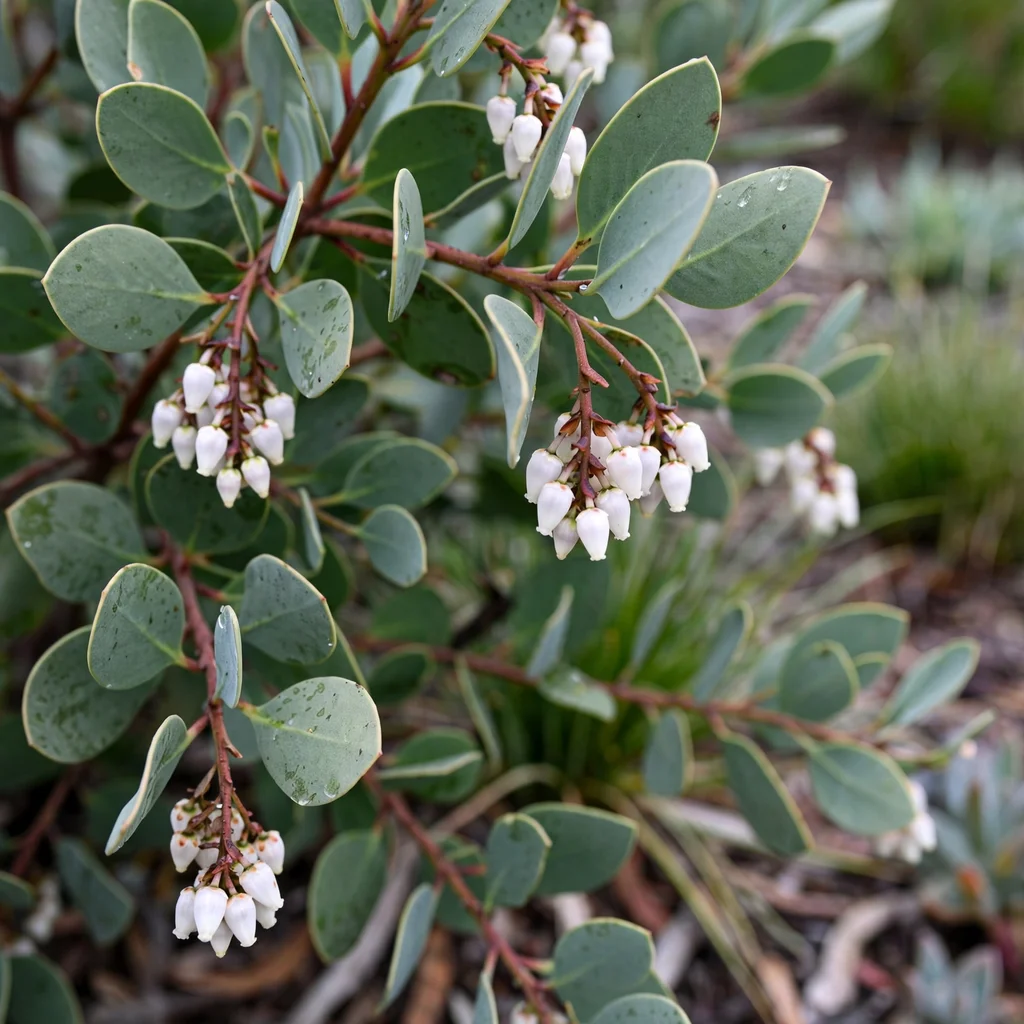
Rainbow Manzanita
Arctostaphylos rainbowensis
Keep exploring
Explore the genus
Hardy in your zone?
Grow Bigberry Manzanita with confidence
See it in a design of your actual yard, get zone-matched care reminders, and track it season by season in your garden journal.