The Story
Plant Bio
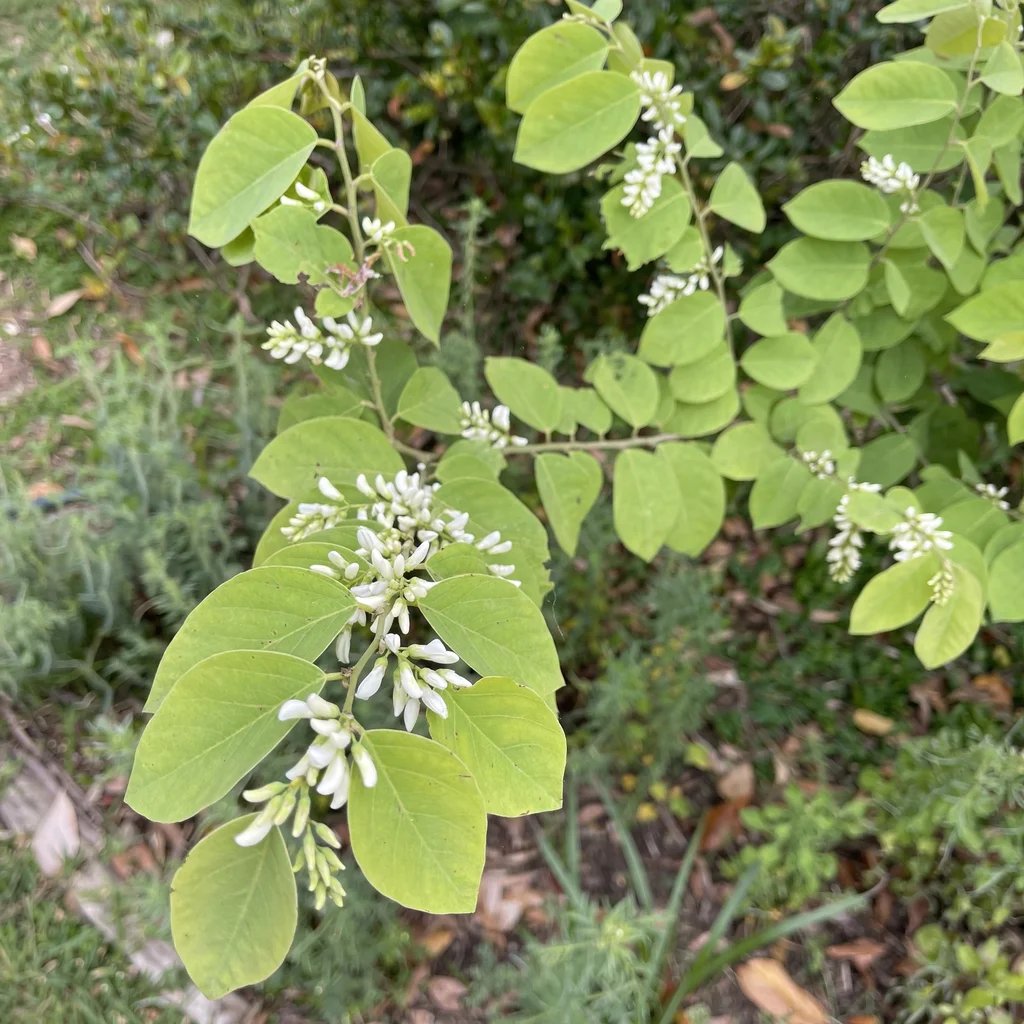
Dalbergia sissoo is a fast-growing deciduous to semi-evergreen tree in the pea family, reaching 45 to 60 feet in gardens with a broad crown and often crooked trunk. The light green leaves are compound with oval pointed leaflets that tremble in the breeze, and the small fragrant pea flowers to about half an inch are borne in dense 2- to 4-inch axillary clusters.
This species suckers prolifically from shallow roots, sending up sprouts well beyond the canopy to form colonies if left unmanaged. It tolerates intense heat, prolonged drought once established, saline sand and alkaline soils to pH 8.5, with mature trees hardy to about 25F while young growth is cut back by frost and replaced in spring.
Uses & Benefits:
Essentials
At a Glance
Plant Type
Tree
Height
709"
Width
591"
Light
Full Sun, Partial Sun
Zones
9, 10
Water
Low once established
Humidity
Tolerant
Lifespan
Long-lived tree
Native To
Sub-Himalayan South Asia
Toxicity
Fresh leaves harmful to livestock; wood dust irritant
Bloom period
Spring – Summer
In flower about 6 months of the year
Planting
How to Grow
- Site in full sun with at least 30 feet clear of lawns, pipes and paving to accommodate spreading roots and suckers.
- Dig a hole as deep as the root ball and twice as wide; set the tree at the same depth it grew in the pot.
- Backfill with native soil, water deeply to settle, and mulch 3 inches deep in a wide ring kept off the trunk.
- Water deeply at planting and weekly through the first summer, then every 7 to 14 days in extreme heat once established.
- Prune in winter to establish a single straight leader and remove suckers and frost-damaged wood.
Pro Tip
Manage the suckers, not the canopy; cut root sprouts at the base as soon as they appear and site the tree well away from lawns, pipes and paving.
Keep It Thriving
Care Guide
Do
- Plant in full sun in well-drained sand, loam or clay, including alkaline soils
- Water deeply during establishment, then infrequently but deeply in heat
- Prune young trees in winter for structure and remove root suckers promptly
Don't
- Do not plant in small tree lawns or near pipes, paving and lawns
- Do not overwater or leave soil waterlogged, which worsens wilt
- Do not over-prune mature trees; remove only dead, crossing or frost-damaged wood
Seasonal Care Calendar
| Task | Jan | Feb | Mar | Apr | May | Jun | Jul | Aug | Sep | Oct | Nov | Dec |
|---|---|---|---|---|---|---|---|---|---|---|---|---|
| Mulch | ||||||||||||
| Pest Check | ||||||||||||
| Plant | ||||||||||||
| Prune | ||||||||||||
| Winter Prep |
Watch Out For
Pests & Diseases
Common Pests
Common Diseases
In the Garden
Landscape Uses & Companions
Landscape Uses
Multiply
Propagation Methods
Good to Know
Common Questions
Indian Rosewood questions
What zones can Indian Rosewood grow in?
Indian Rosewood is hardy in USDA Zones 9–10: in that range it survives winter in the ground. Colder than Zone 9, winters are too cold for it to survive outdoors.
When does Indian Rosewood bloom?
Indian Rosewood typically blooms from spring to summer. Exact timing shifts a week or two with your zone — Sow's bloom calendar maps it to your garden.
Does Indian Rosewood need full sun?
Indian Rosewood does best in full sun to part shade. In hot climates, afternoon shade keeps blooms fresher longer.
Is Indian Rosewood drought tolerant?
Yes — once established (usually after the first full season), Indian Rosewood handles dry spells with minimal watering. Water deeply its first year to build the root system that makes that possible.
More Dalbergia to compare
Keep exploring
Explore the genus
Hardy in your zone?
Grow Indian Rosewood with confidence
See it in a design of your actual yard, get zone-matched care reminders, and track it season by season in your garden journal.