The Story
Plant Bio
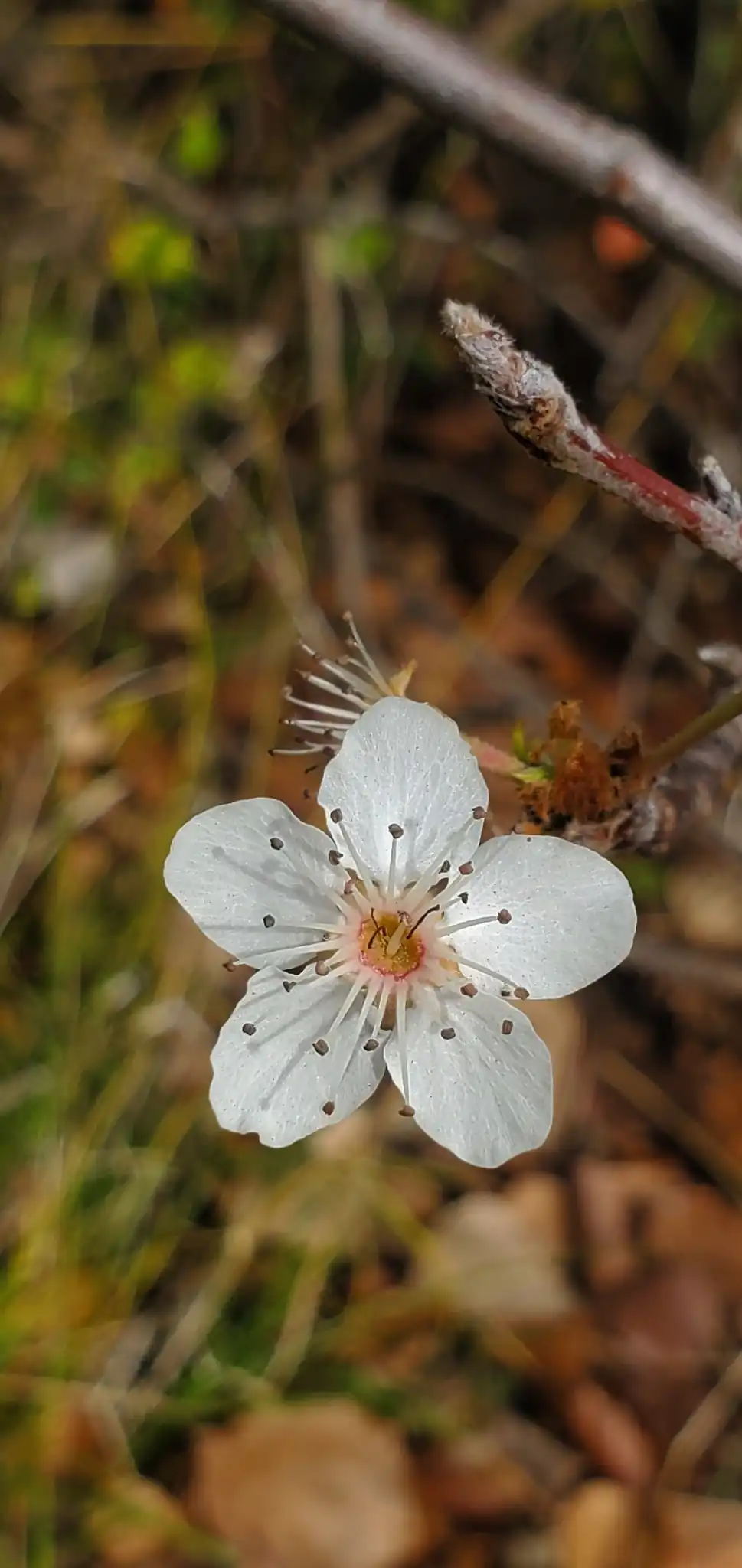
Prunus mexicana is a deciduous North American plum that grows as a single-trunked small tree with an irregular, open crown. The alternate leaves are ovate to obovate, 2 to 4 inches long with serrate margins, glossy green above and pubescent beneath, turning orange in fall.
It flowers before leaf emergence, covering the bare branches with fragrant white blooms in late winter to early spring. The round fleshy drupes ripen from yellow to red-purple in summer and drop heavily, and the non-suckering single trunk separates it from thicket-forming American plum with which it intergrades.
Uses & Benefits:
Essentials
At a Glance
Plant Type
Tree
Height
360"
Width
300"
Light
Full Sun, Partial Sun
Zones
6, 7, 8
Water
Low
Humidity
Average
Lifespan
Decades
Native To
South-central U.S. to Mexico
Toxicity
Fruit edible; seed safety unconfirmed
Bloom period
Late winter – Early spring
In flower about 2 months of the year
Planting
How to Grow
- Plant in full sun to part shade in well-drained loam, sand, or clay, acid to alkaline.
- Dig the hole as deep as the root ball and twice as wide, set the crown level, backfill and water deeply.
- Mulch 2 to 3 inches deep in a wide ring, keeping mulch off the trunk.
- Water regularly the first season, then taper to deep occasional soakings once established.
- Site away from paving to accommodate summer fruit drop.
Pro Tip
Set it back from patios and walks where dropping fruit will not litter paving; beyond removal of dead wood it needs little pruning and resents heavy cutting.
Keep It Thriving
Care Guide
Do
- Plant in full sun for heaviest bloom and fruit set.
- Rake up fallen fruit promptly to reduce curculio and rot pressure.
- Prune lightly after flowering to remove dead or crossing wood.
Don't
- Do not shear or cut back hard into old wood.
- Do not plant over paving you want to keep clean in summer.
- Do not let seed dry out if saving for propagation; it needs moist stratification.
Seasonal Care Calendar
| Task | Jan | Feb | Mar | Apr | May | Jun | Jul | Aug | Sep | Oct | Nov | Dec |
|---|---|---|---|---|---|---|---|---|---|---|---|---|
| Harvest | ||||||||||||
| Mulch | ||||||||||||
| Pest Check | ||||||||||||
| Plant | ||||||||||||
| Prune |
Watch Out For
Pests & Diseases
Common Pests
Common Diseases
In the Garden
Landscape Uses & Companions
Landscape Uses
Multiply
Propagation Methods
Good to Know
Common Questions
Mexican Plum questions
What zones can Mexican Plum grow in?
Mexican Plum is hardy in USDA Zones 6–8: in that range it survives winter in the ground. Colder than Zone 6, winters are too cold for it to survive outdoors. Warmer than Zone 8, winter isn't the problem: it prefers colder winters, and summer heat can shorten its life.
Is Mexican Plum deer resistant?
Not reliably. Deer may browse Mexican Plum, especially tender spring growth — plan on repellents or fencing where pressure is high.
When does Mexican Plum bloom?
Mexican Plum typically blooms from late winter to early spring. Exact timing shifts a week or two with your zone — Sow's bloom calendar maps it to your garden.
Does Mexican Plum need full sun?
Mexican Plum does best in full sun to part shade. In hot climates, afternoon shade keeps blooms fresher longer.
Is Mexican Plum drought tolerant?
Yes — once established (usually after the first full season), Mexican Plum handles dry spells with minimal watering. Water deeply its first year to build the root system that makes that possible.
More Prunus to compare
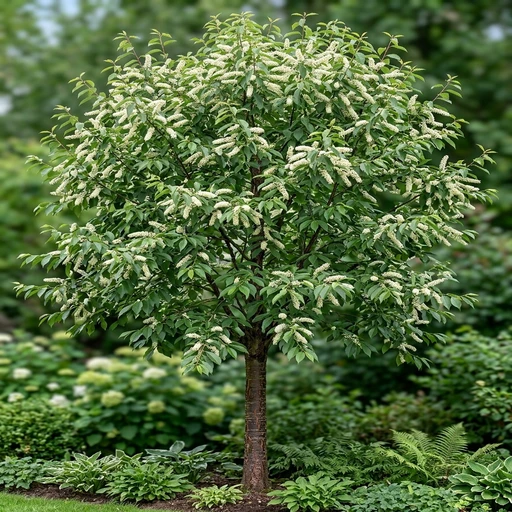
Black Cherry
Prunus serotina
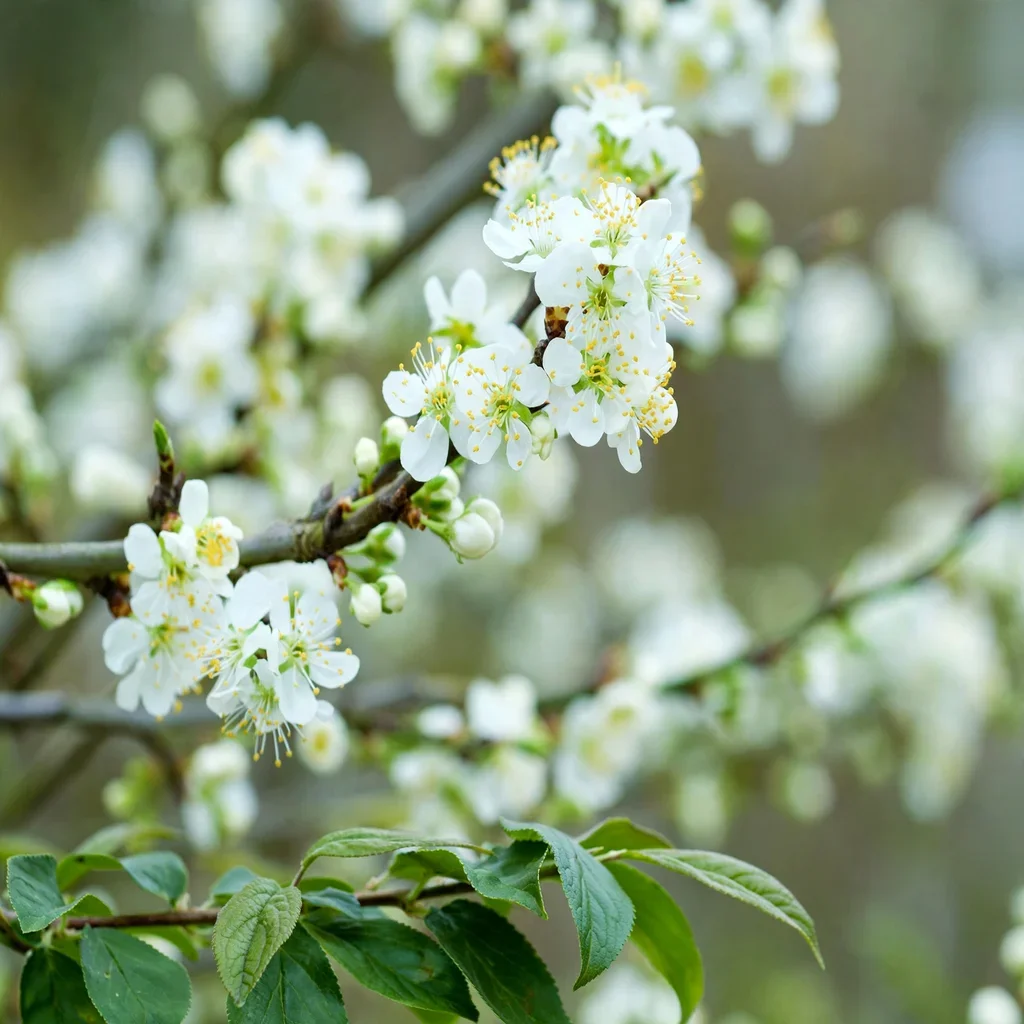
Sugar Plum
Prunus domestica 'Sugar Plum'
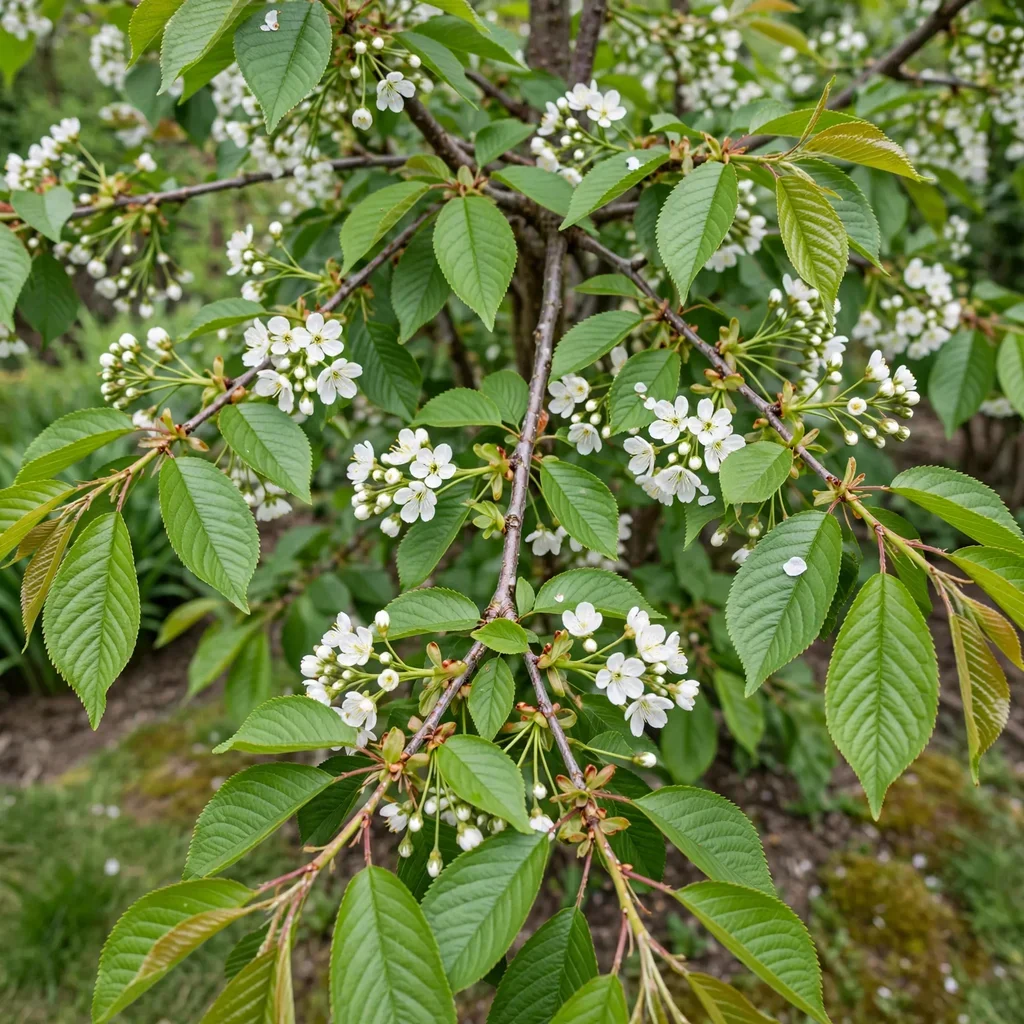
Sweet Cherry Mix
Prunus avium 'Mix'
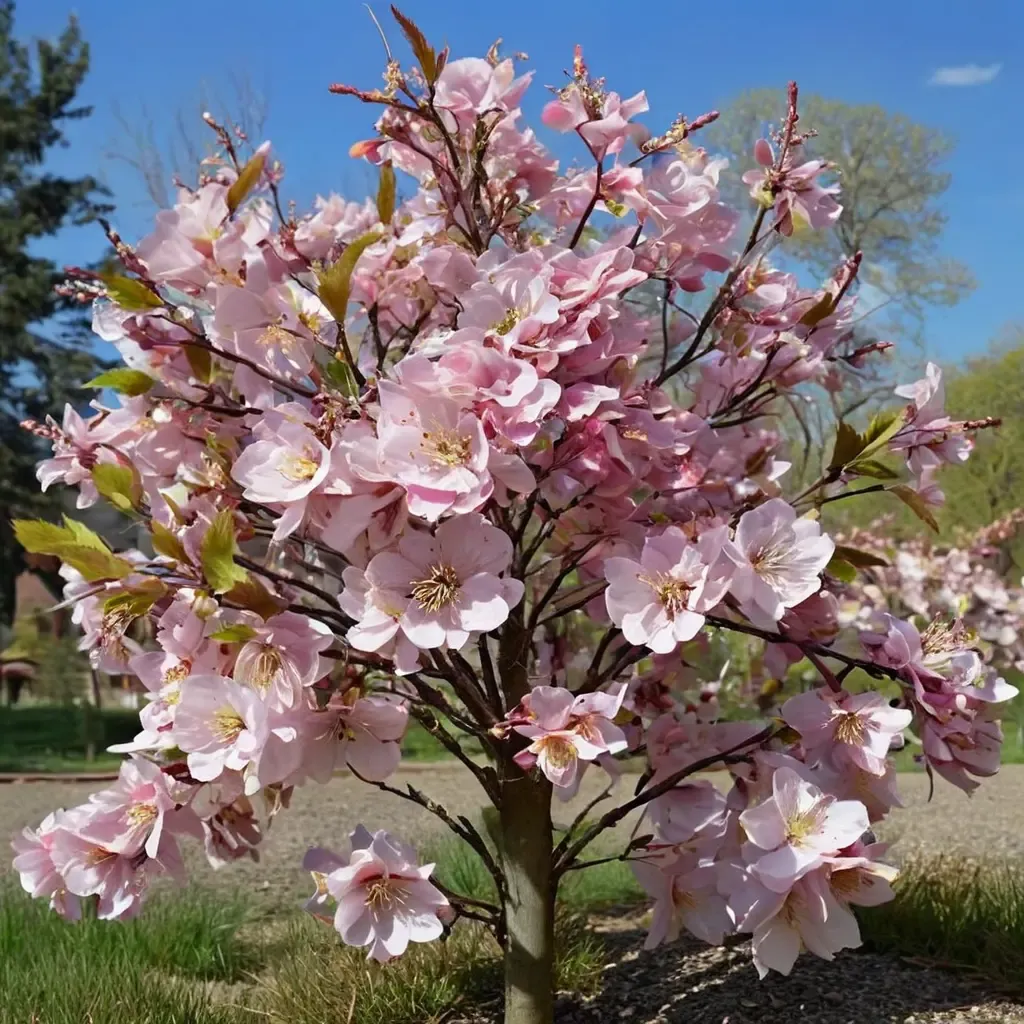
Japanese Flowering Cherry
Prunus serrulata
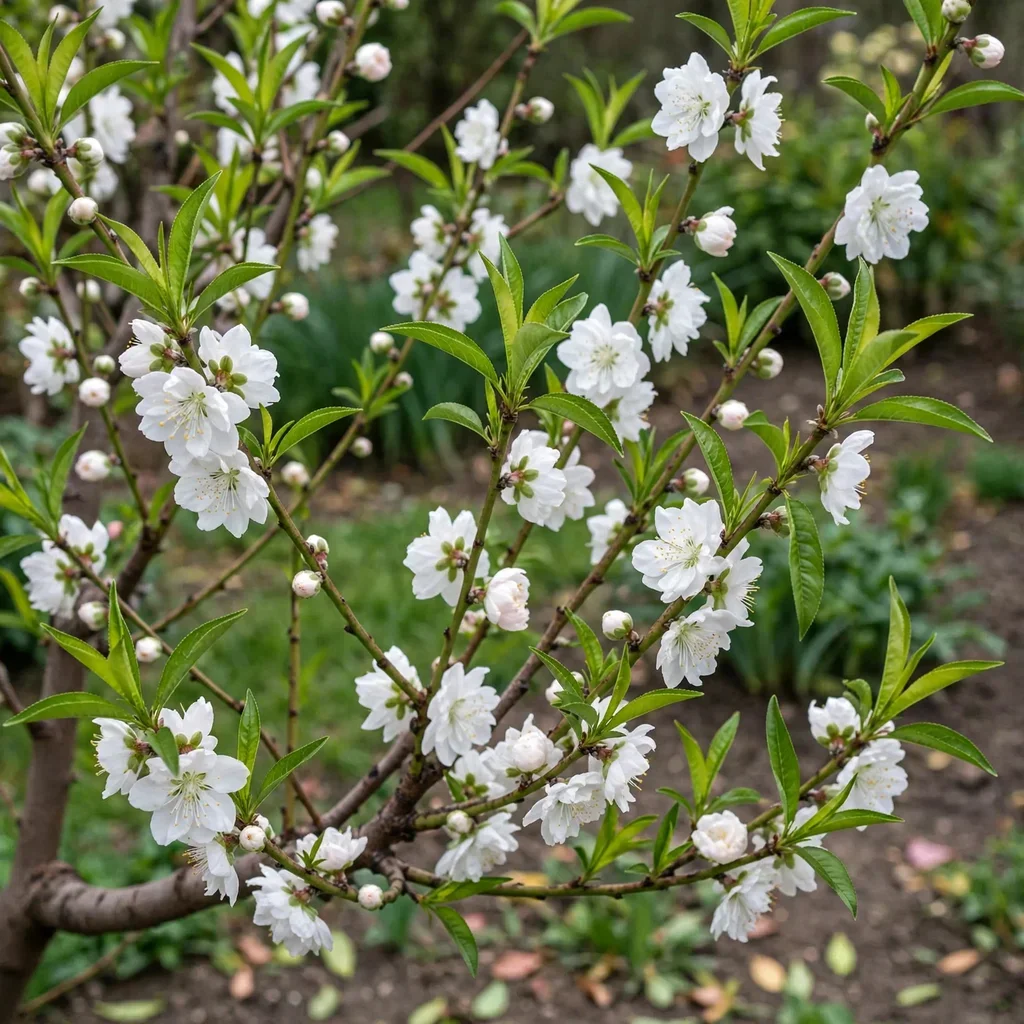
Feiching Tao White Peach
Prunus persica 'Feiching Tao White'
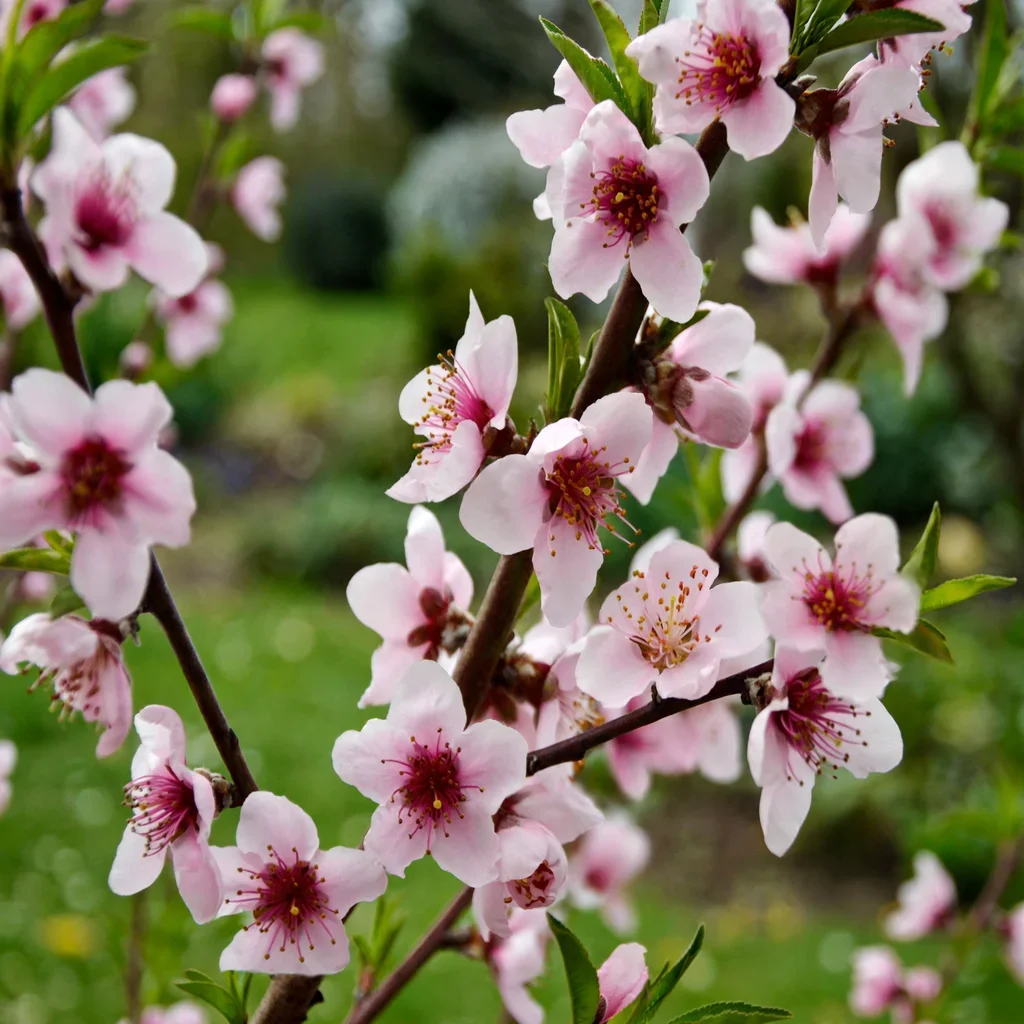
Hale Haven Peach
Prunus persica 'Hale Haven'
Keep exploring
Explore the genus
Hardy in your zone?
Grow Mexican Plum with confidence
See it in a design of your actual yard, get zone-matched care reminders, and track it season by season in your garden journal.