The Story
Plant Bio
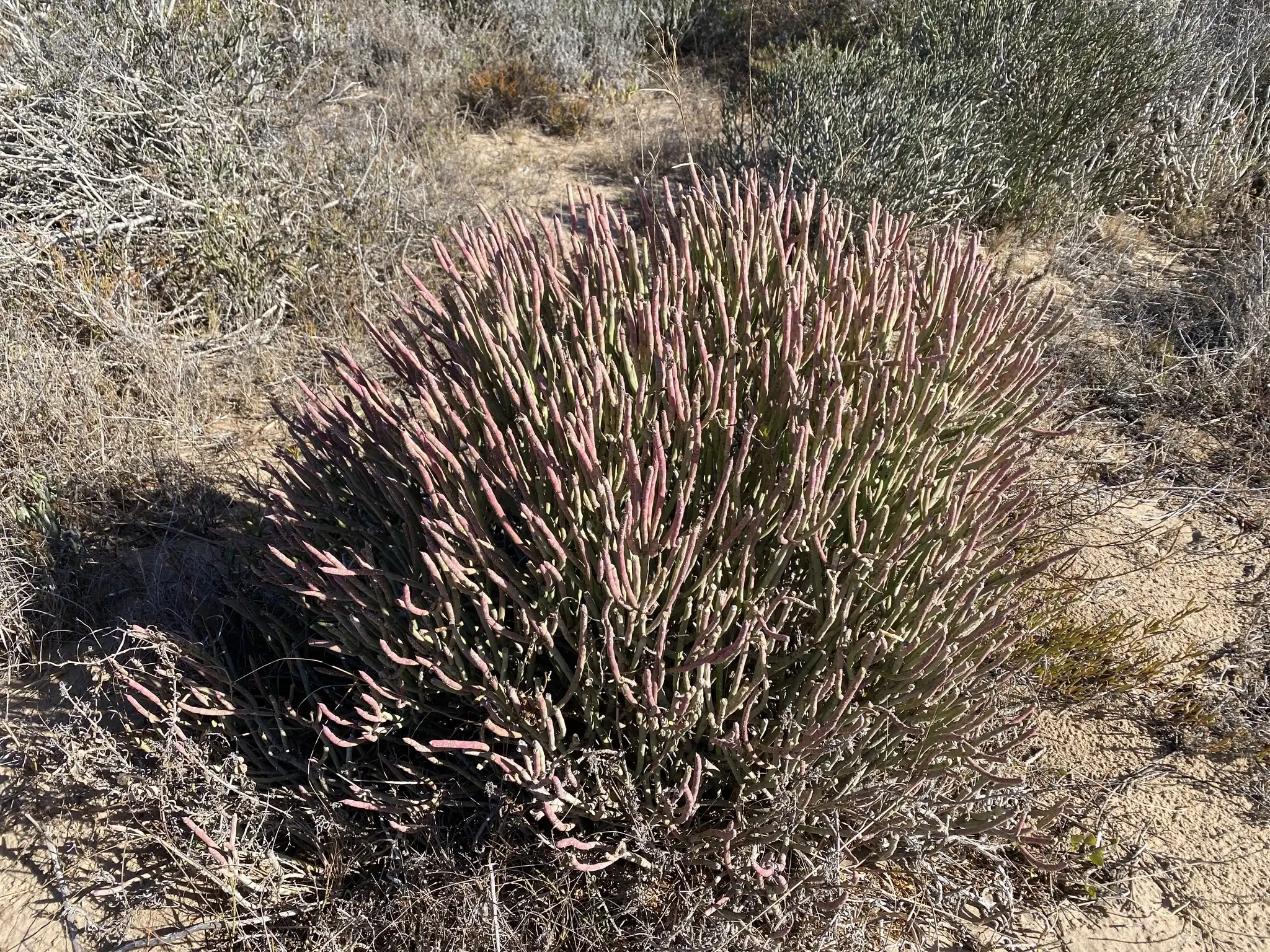
Euphorbia mauritanica is a spineless, much-branched succulent shrub from southern Africa that forms a rounded dome from a thick rootstock and central basal stem. The pencil-thick, smooth stems carry only tiny linear leaves on new tips that drop quickly, leaving alternate leaf scars along yellow-green to gray-green joints.
Unlike thorny spurges, it is completely unarmed and leafless in appearance for most of the year, with new growth a brighter yellow-green. In winter to spring the young branch tips carry compact clusters of bright yellow cyathia, the cup-like structures that function as the flowers in Euphorbia.
Uses & Benefits:
Essentials
At a Glance
Plant Type
Cactus Succulent
Height
48"
Width
71"
Light
Full Sun, Partial Sun
Zones
9, 10
Water
Low
Humidity
Low
Lifespan
Long-lived perennial
Native To
South Africa, Namibia
Toxicity
Toxic if ingested; skin and eye irritant
Bloom period
Winter – Spring
In flower about 6 months of the year
Planting
How to Grow
- Plant in full sun in sharply drained sandy or gravelly cactus mix in a pot with drainage or a rockery pocket.
- Water deeply only when the top 1 inch is dry from spring to fall, then keep almost dry in winter.
- Bring containers indoors before nights drop below 35 degrees; it tolerates only light frost to about 25 degrees.
- Feed potted plants lightly in growth with quarter-strength balanced 10-10-10 fertilizer or monthly granular feed for young plants.
- Keep back from paths and wear goggles and gloves; wash off any milky sap immediately and keep away from children and pets.
Pro Tip
Keep it in full sun in sharply drained cactus mix, water only when the top inch is dry in the growing season, and wear eye and skin protection whenever you handle it.
Keep It Thriving
Care Guide
Do
- Grow in full sun in sharply drained cactus mix
- Water only when dry and keep almost dry in winter
- Wear goggles and gloves when handling and keep away from children and pets
Don't
- Do not overwater or leave pots standing in saucers of water
- Do not leave outdoors through hard frost below about 25 degrees
- Do not touch the milky sap with bare skin or eyes and do not ingest any part
Seasonal Care Calendar
| Task | Jan | Feb | Mar | Apr | May | Jun | Jul | Aug | Sep | Oct | Nov | Dec |
|---|---|---|---|---|---|---|---|---|---|---|---|---|
| Fertilize | ||||||||||||
| Pest Check | ||||||||||||
| Plant | ||||||||||||
| Propagate | ||||||||||||
| Winter Prep |
Watch Out For
Pests & Diseases
Common Pests
Common Diseases
In the Garden
Landscape Uses & Companions
Landscape Uses
Multiply
Propagation Methods
Good to Know
Common Questions
Pencil Milkbush questions
What zones can Pencil Milkbush grow in?
Pencil Milkbush is hardy in USDA Zones 9–10: in that range it survives winter in the ground. Colder than Zone 9, grow it in a container you can move to shelter for the winter, or as an annual.
Is Pencil Milkbush deer resistant?
Yes — Pencil Milkbush is rated deer-resistant. Deer typically pass it over, though extreme hunger can override any plant's defenses.
When does Pencil Milkbush bloom?
Pencil Milkbush typically blooms from winter to spring. Exact timing shifts a week or two with your zone — Sow's bloom calendar maps it to your garden.
Does Pencil Milkbush need full sun?
Pencil Milkbush does best in full sun to part shade. In hot climates, afternoon shade keeps blooms fresher longer.
Is Pencil Milkbush drought tolerant?
Yes — once established (usually after the first full season), Pencil Milkbush handles dry spells with minimal watering. Water deeply its first year to build the root system that makes that possible.
More Euphorbia to compare
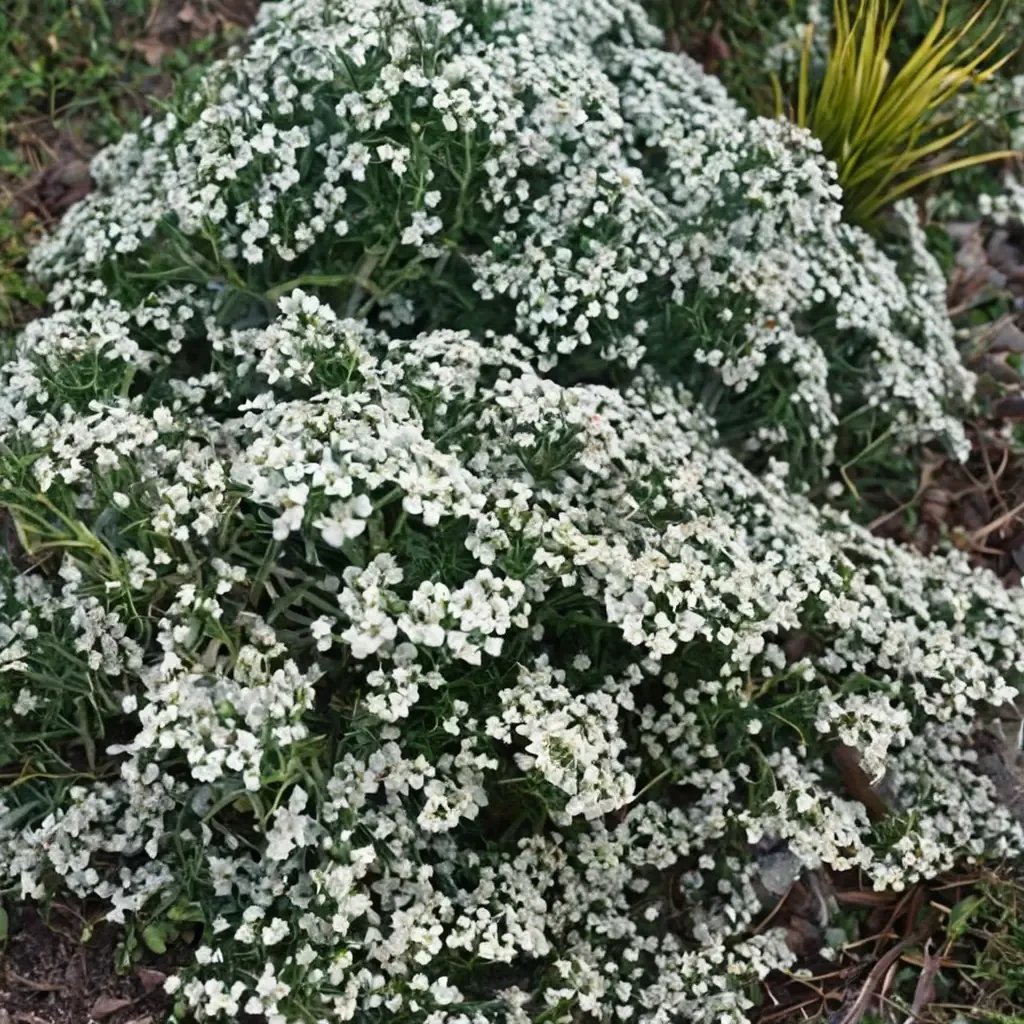
Carolina Snow Flowering Spurge
Euphorbia corollata 'Carolina Snow'
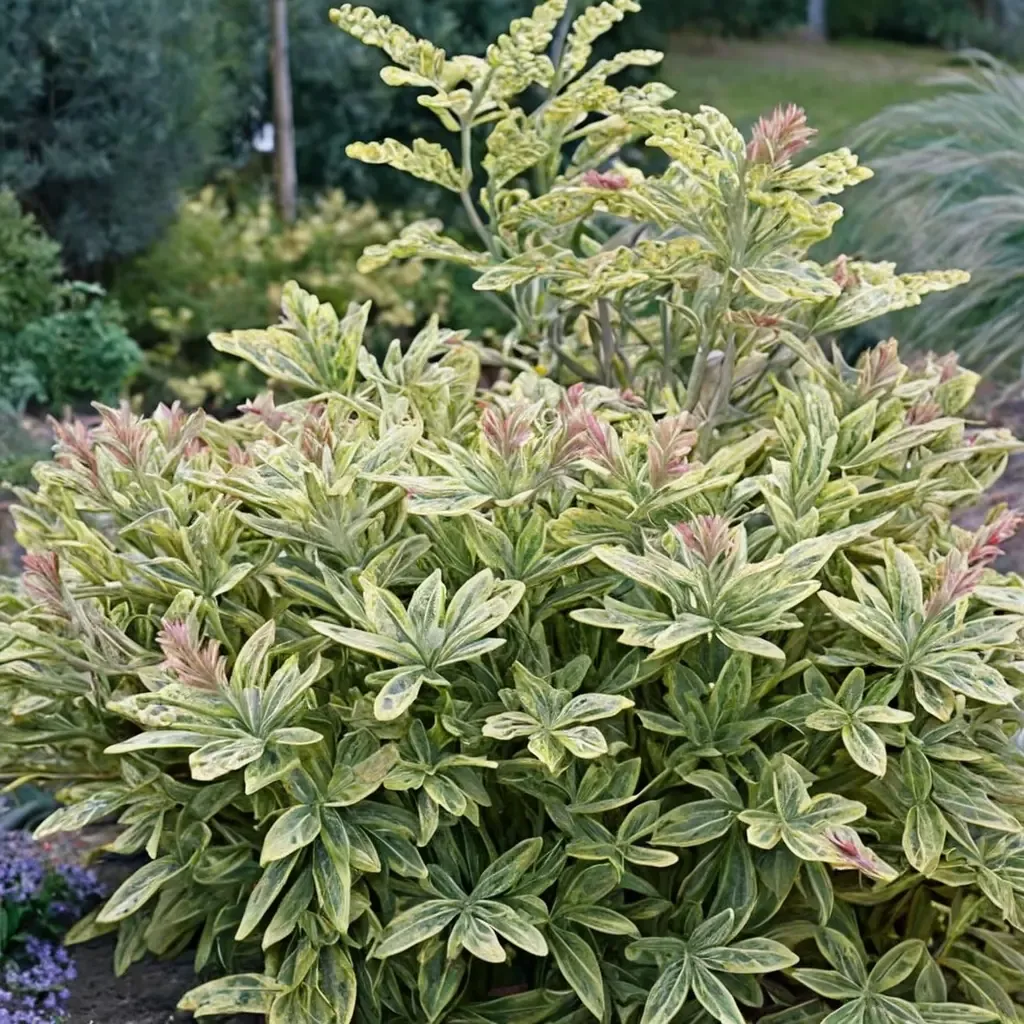
Ascot Rainbow Spurge
Euphorbia x hybrida 'Ascot Rainbow'
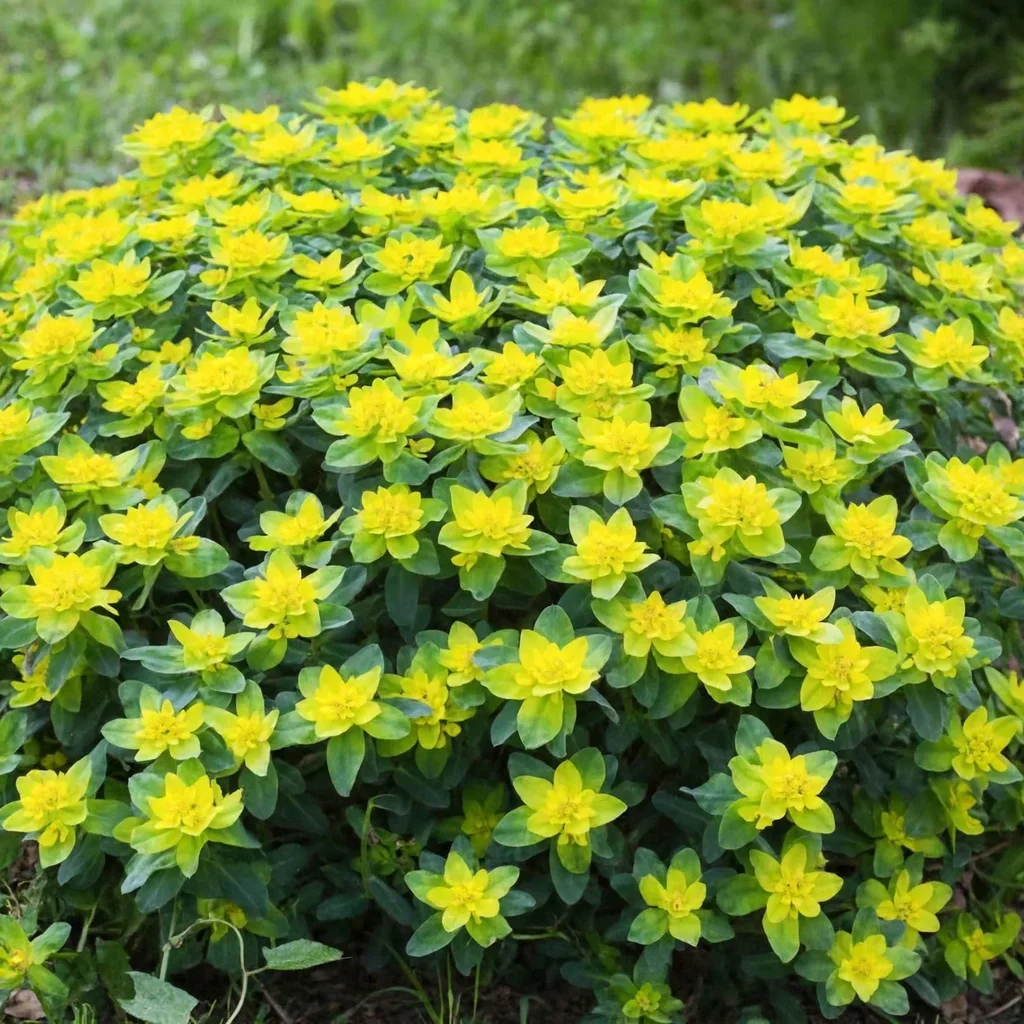
Mediterranean Spurge
Euphorbia polychroma
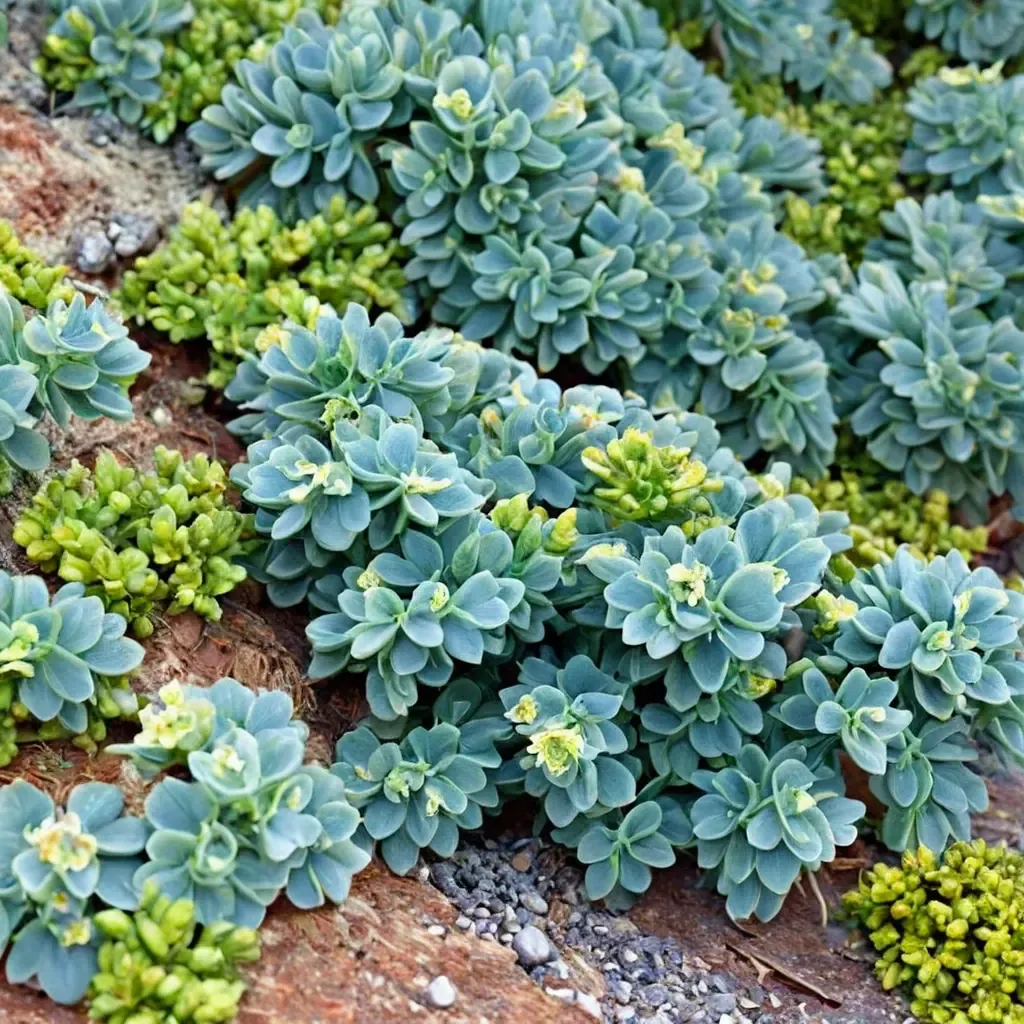
Myrtle Spurge
Euphorbia myrsinites
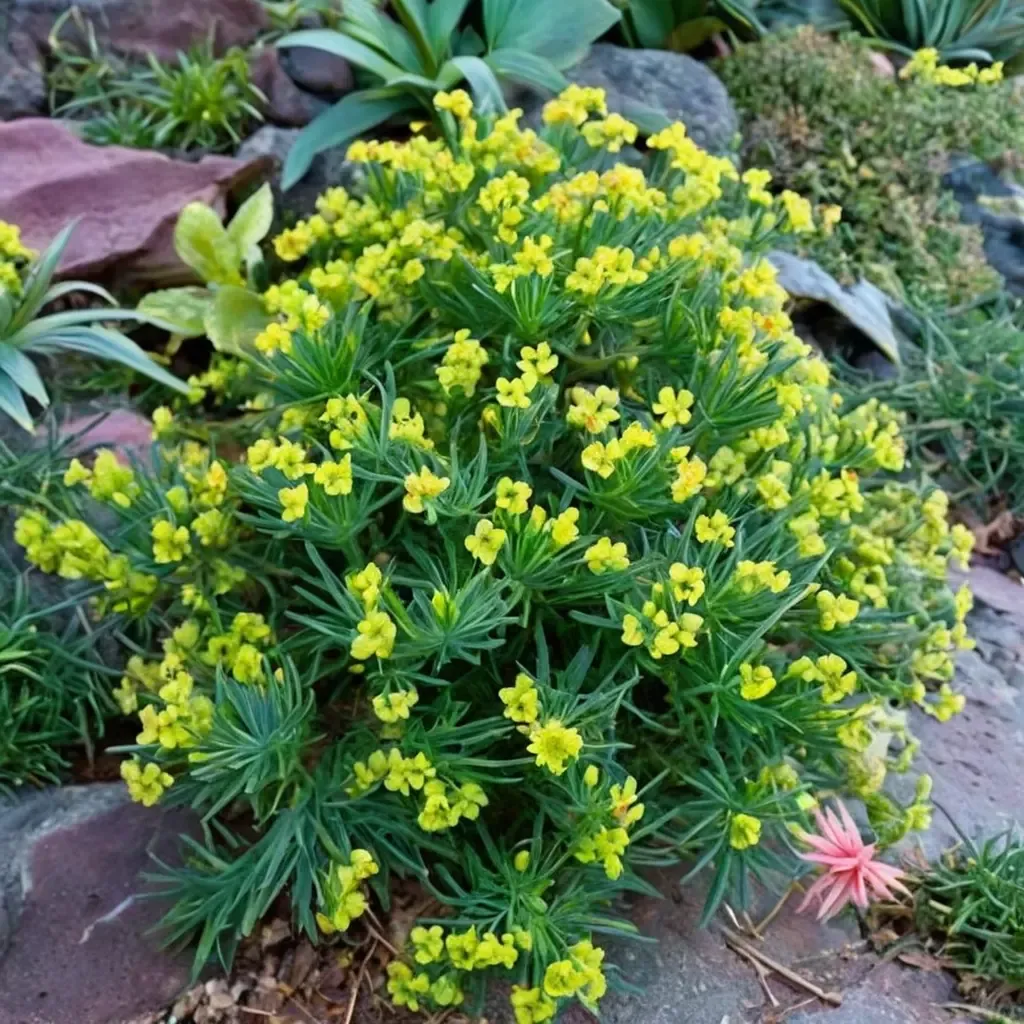
Ruby Spurge
Euphorbia cyparissias 'Fens Ruby'
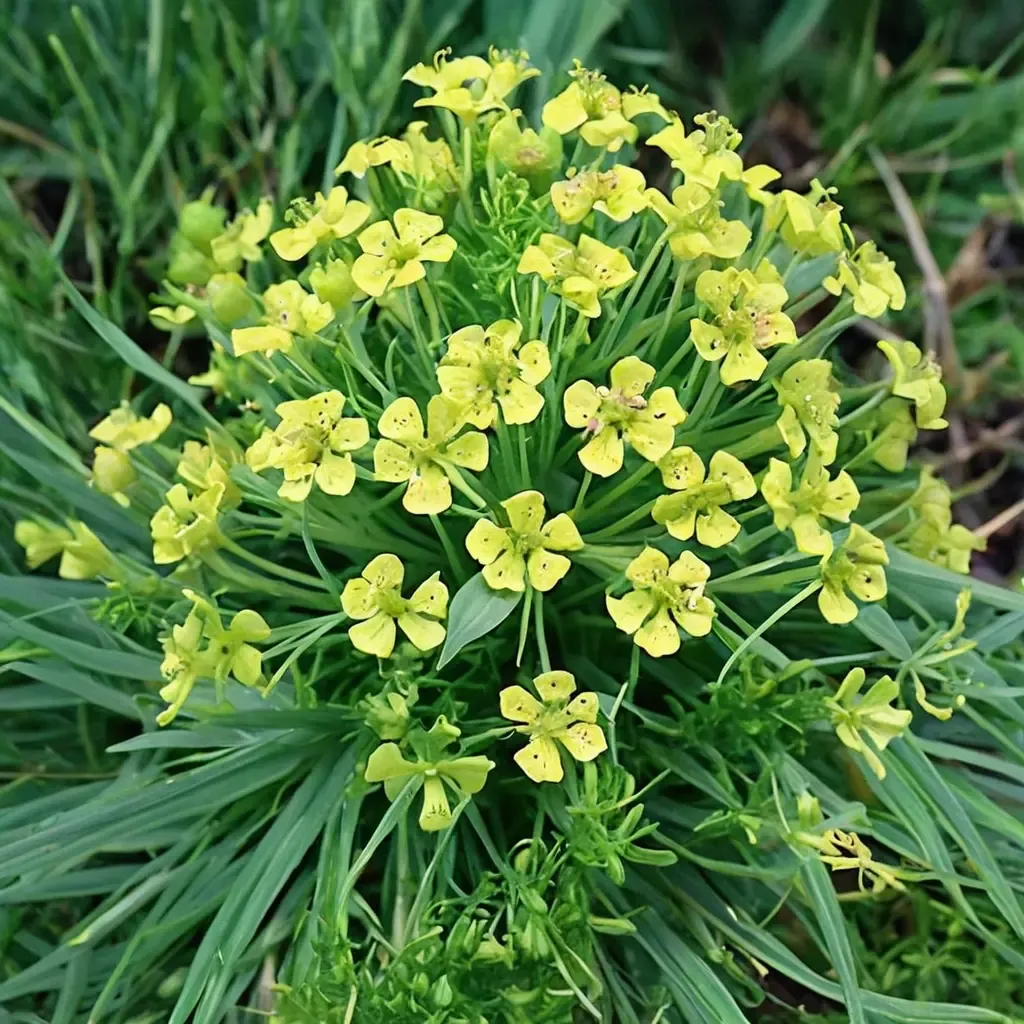
Cypress Spurge
Euphorbia cyparissias
Keep exploring
Explore the genus
Hardy in your zone?
Grow Pencil Milkbush with confidence
See it in a design of your actual yard, get zone-matched care reminders, and track it season by season in your garden journal.