The Story
Plant Bio
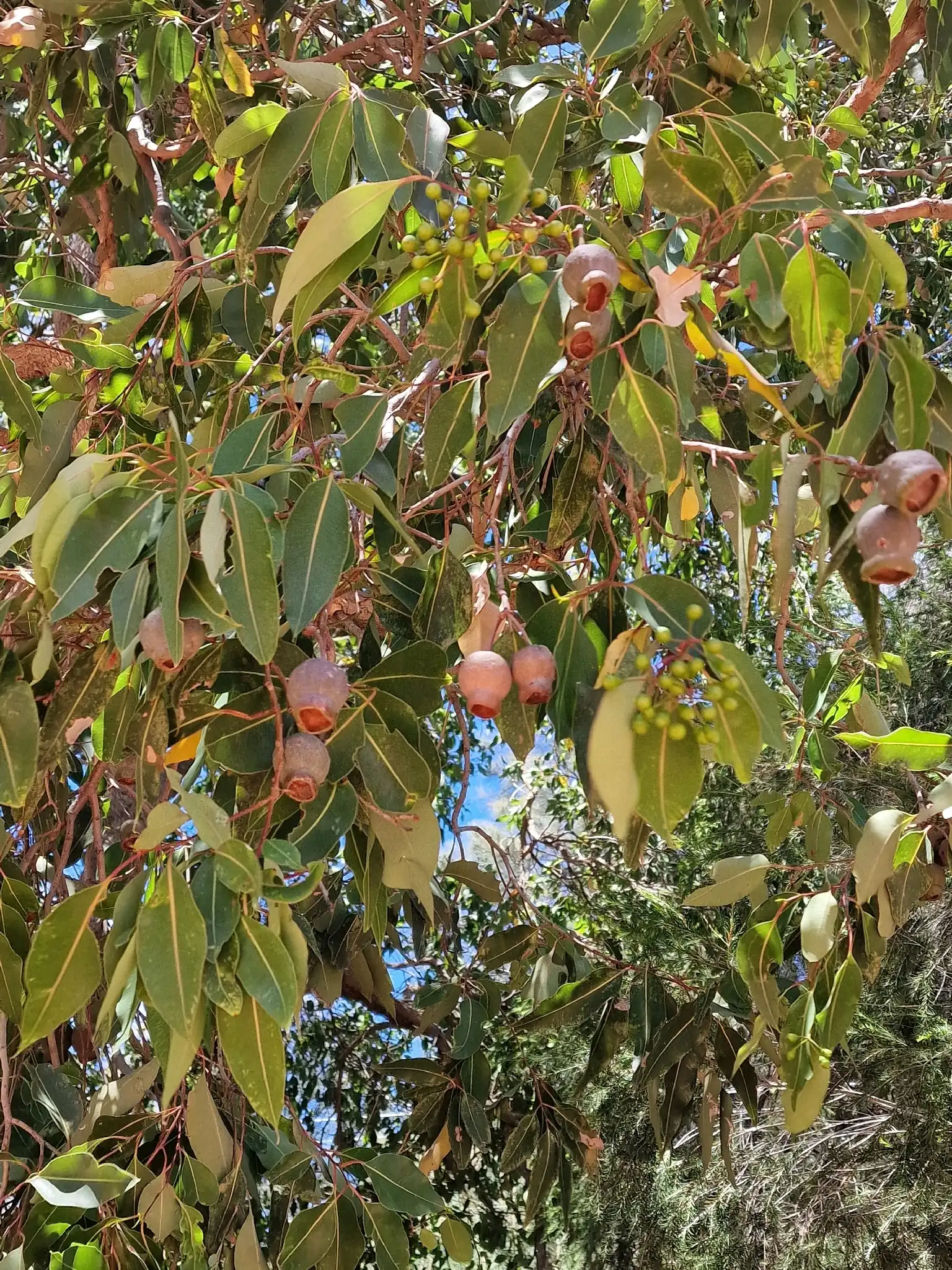
Corymbia calophylla, known as the marri tree, is an evergreen Australian tree growing 30 to 60 feet tall in landscape settings with a broad canopy and rough, tessellated bark that exudes red resin. The dark green, lanceolate foliage releases an aromatic oil scent when crushed and frames terminal clusters of creamy-white summer blossoms.
Large cup-shaped summer flowers mature into urn-shaped woody seed capsules known as honky nuts that linger on the branches. Thickly fissured bark exudes a deep red gum resin called kino, creating bold trunk texture alongside the glossy evergreen canopy.
Uses & Benefits:
Essentials
At a Glance
Plant Type
Tree
Height
600"
Width
450"
Light
Full Sun
Zones
9, 10
Water
Low to Moderate
Humidity
Moderate
Lifespan
Long-lived
Native To
Western Australia
Toxicity
Non-toxic
Bloom period
Summer
In flower about 3 months of the year
Planting
How to Grow
- Select a site receiving full sun with deep, well-draining sandy or loamy soil.
- Water regularly during the first two growing seasons to build a deep taproot.
- Apply a thin layer of organic mulch over the root zone, keeping it away from the bark.
- Taper off irrigation once established, allowing natural rain cycles to suffice.
Pro Tip
Avoid cutting heavily into old leafless wood, as mature branches lack epicormic buds and fail to resprout.
Keep It Thriving
Care Guide
Do
- Plant in full sun and well-draining soil
- Protect young saplings from freezing winter temperatures
Don't
- Do not cut back into old bare wood
- Do not overwater established specimens or plant in heavy, saturated clay
Seasonal Care Calendar
| Task | Jan | Feb | Mar | Apr | May | Jun | Jul | Aug | Sep | Oct | Nov | Dec |
|---|---|---|---|---|---|---|---|---|---|---|---|---|
| Mulch | ||||||||||||
| Pest Check | ||||||||||||
| Plant | ||||||||||||
| Prune |
Watch Out For
Pests & Diseases
Common Pests
Common Diseases
In the Garden
Landscape Uses & Companions
Landscape Uses
Companion Plants
Multiply
Propagation Methods
Good to Know
Common Questions
Marri questions
What zones can Marri grow in?
Marri is hardy in USDA Zones 9–10: in that range it survives winter in the ground. Colder than Zone 9, winters are too cold for it to survive outdoors.
Is Marri deer resistant?
Not reliably. Deer may browse Marri, especially tender spring growth — plan on repellents or fencing where pressure is high.
When does Marri bloom?
Marri typically blooms in summer. Exact timing shifts a week or two with your zone — Sow's bloom calendar maps it to your garden.
Does Marri need full sun?
Marri does best in full sun (6+ hours).
Is Marri drought tolerant?
Yes — once established (usually after the first full season), Marri handles dry spells with minimal watering. Water deeply its first year to build the root system that makes that possible.
More Corymbia to compare
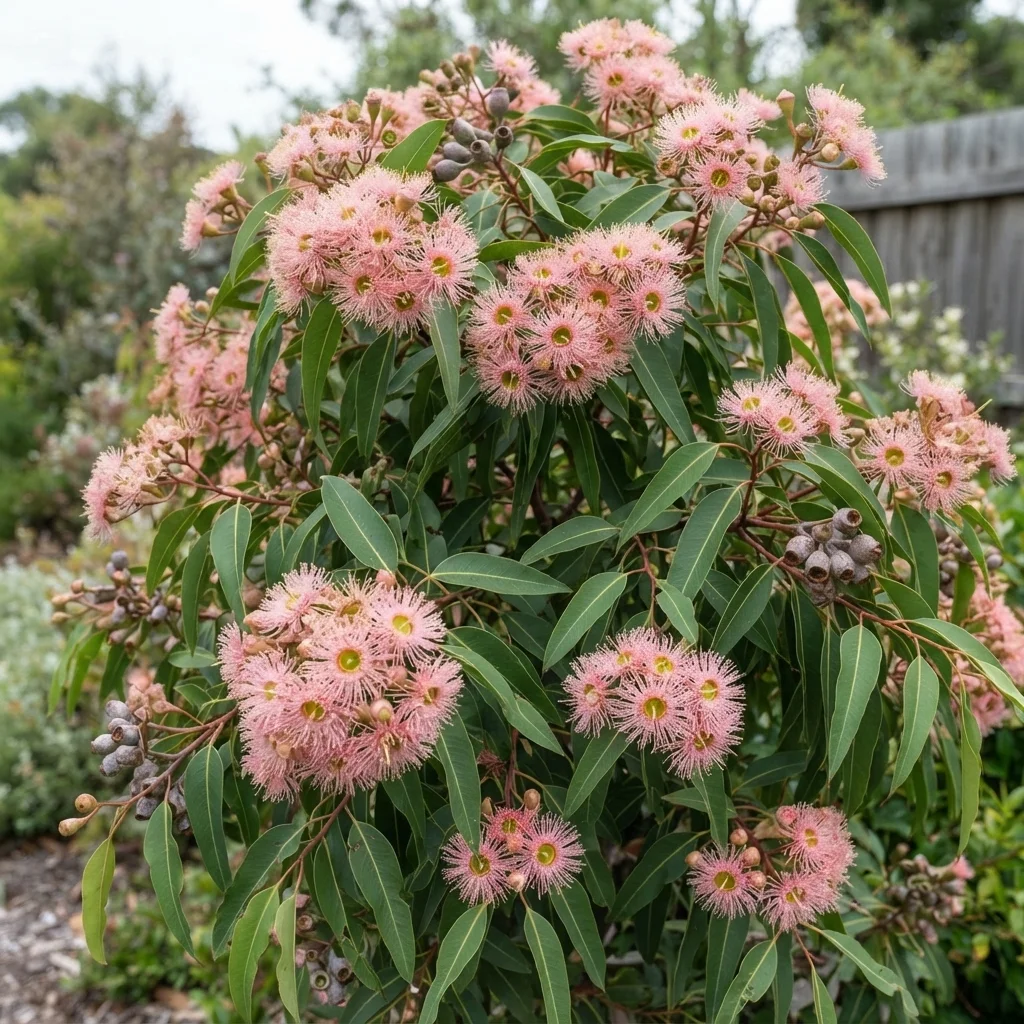
Summer Beauty Flowering Gum
Corymbia x hybrida 'Summer Beauty'
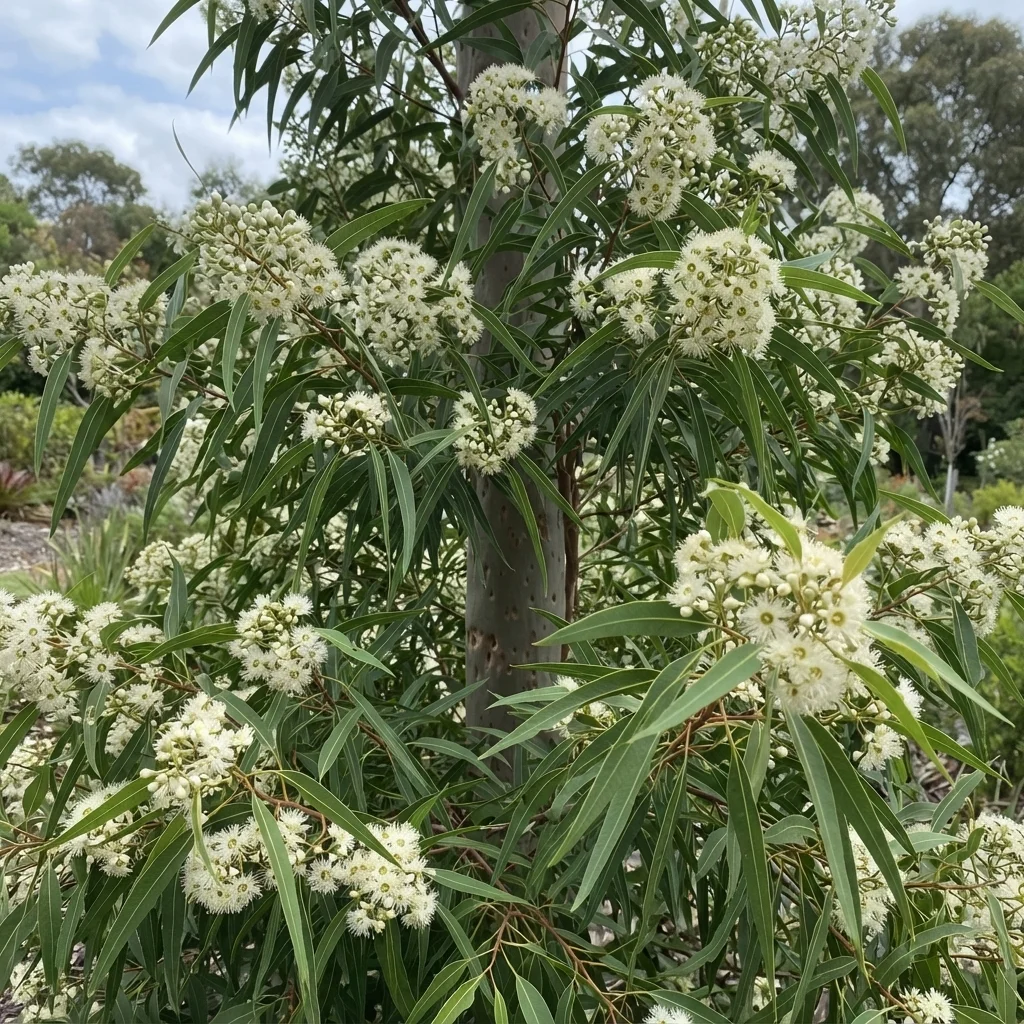
Lemon-scented Gum
Corymbia citriodora
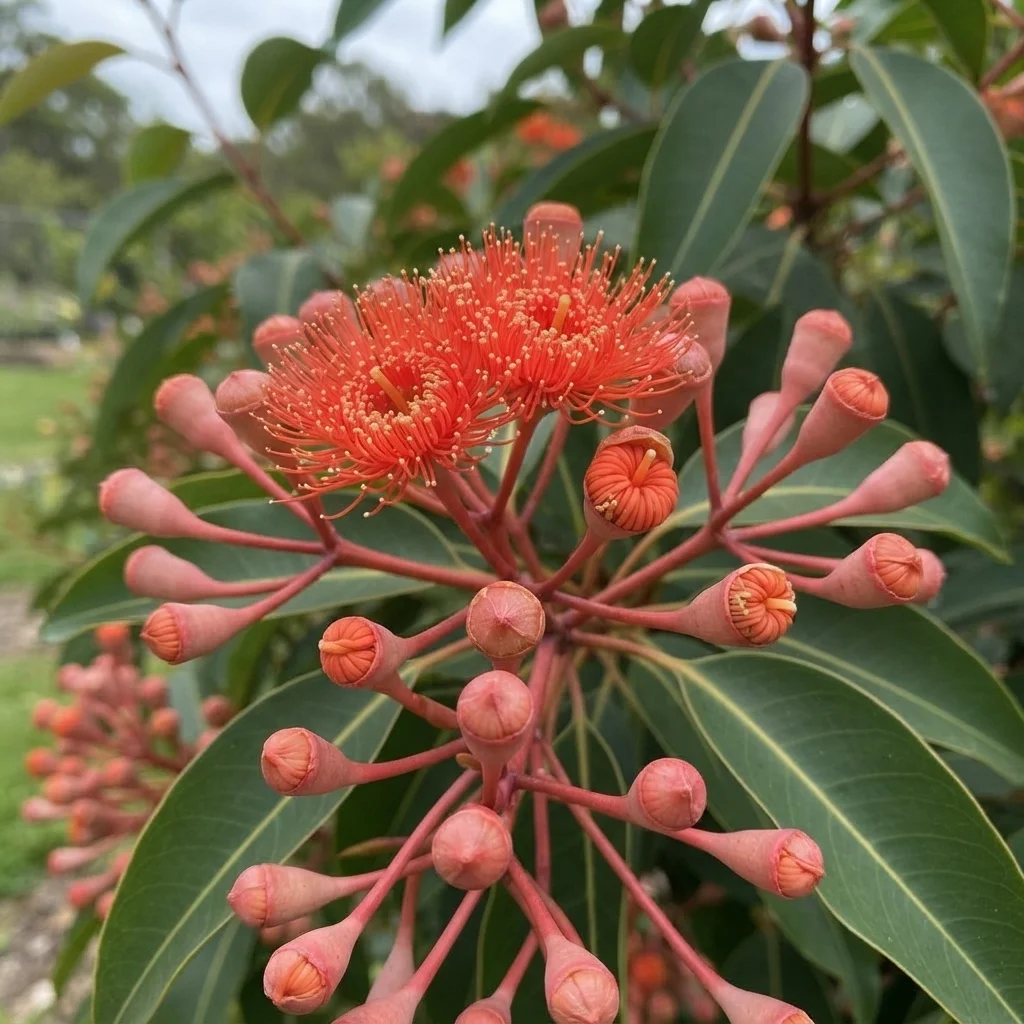
Baby Orange Flowering Gum
Corymbia ficifolia 'Baby Orange'
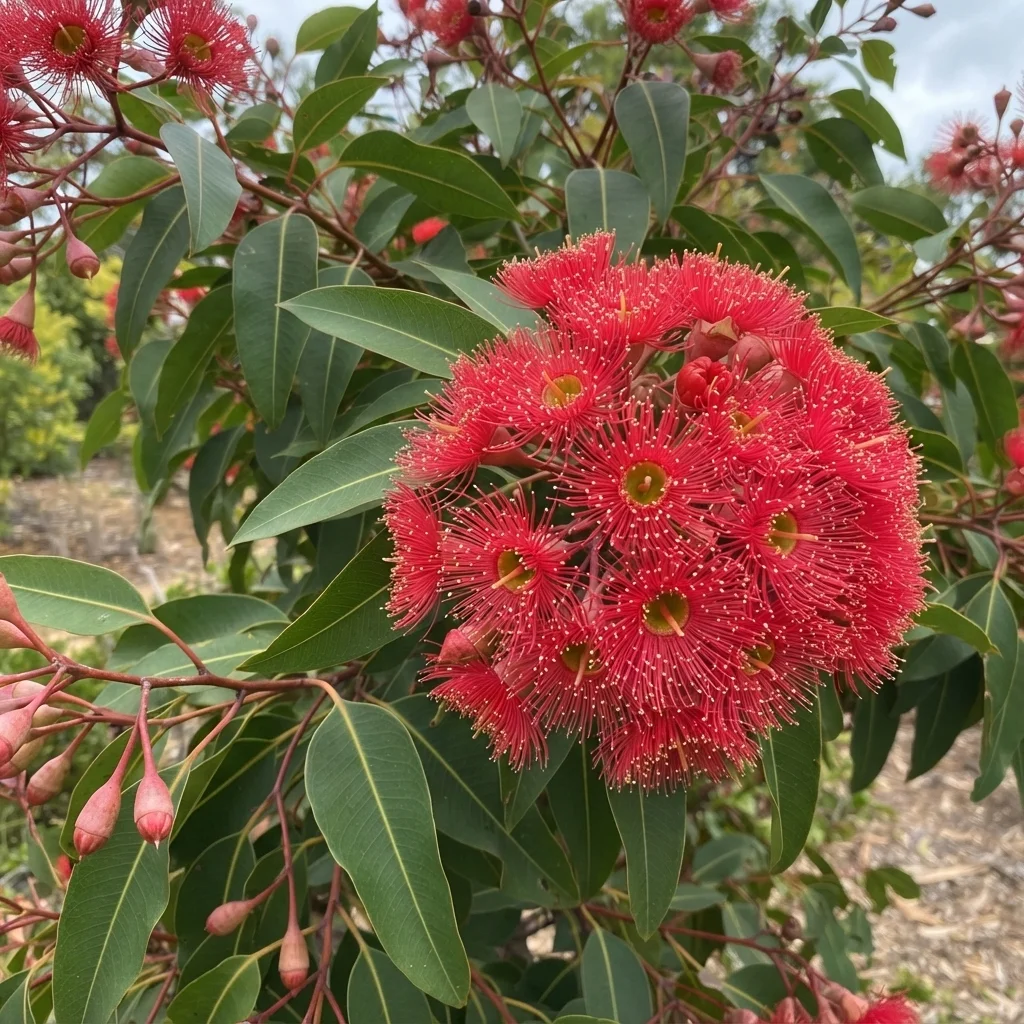
Red Flowering Gum
Corymbia ficifolia
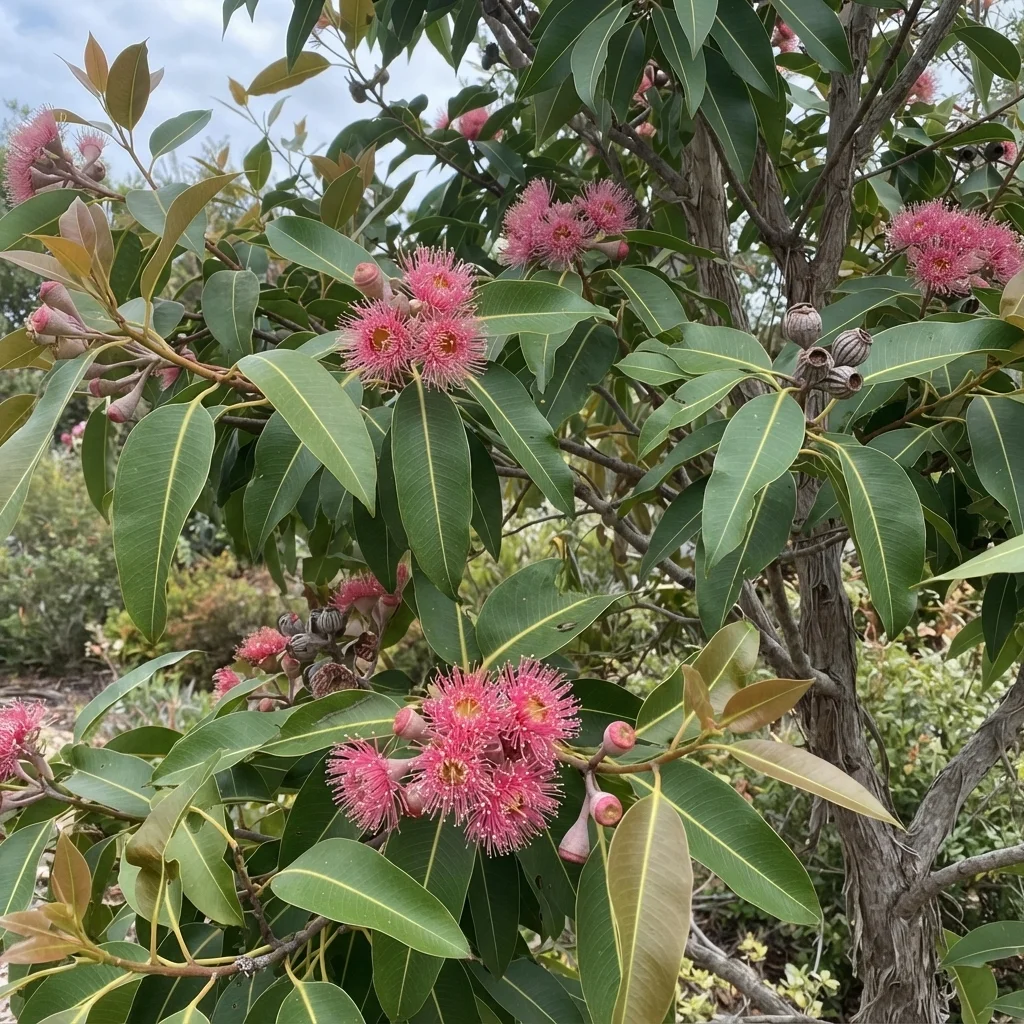
Swamp Bloodwood
Corymbia ptychocarpa
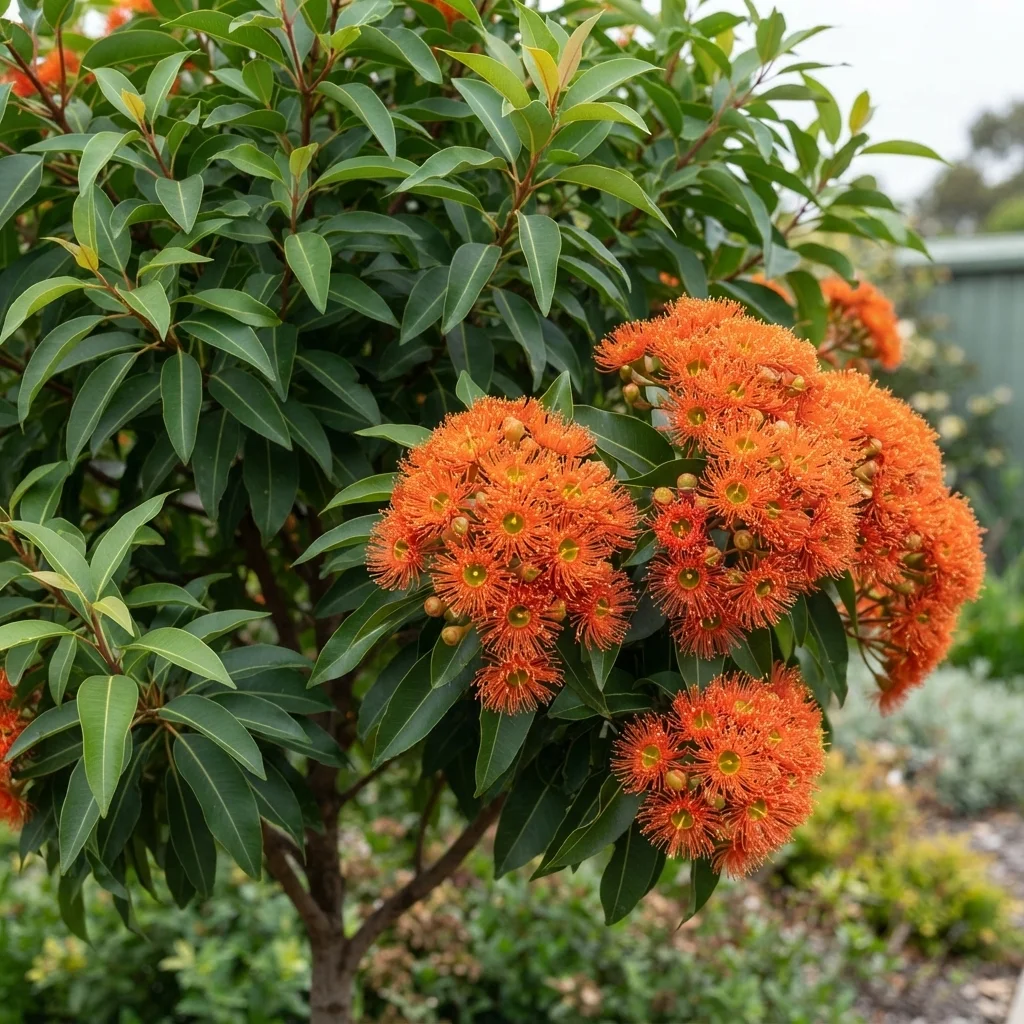
Dwarf Orange Flowering Gum
Corymbia ficifolia 'Dwarf Orange'
Keep exploring
Explore the genus
Hardy in your zone?
Grow Marri with confidence
See it in a design of your actual yard, get zone-matched care reminders, and track it season by season in your garden journal.