The Story
Plant Bio
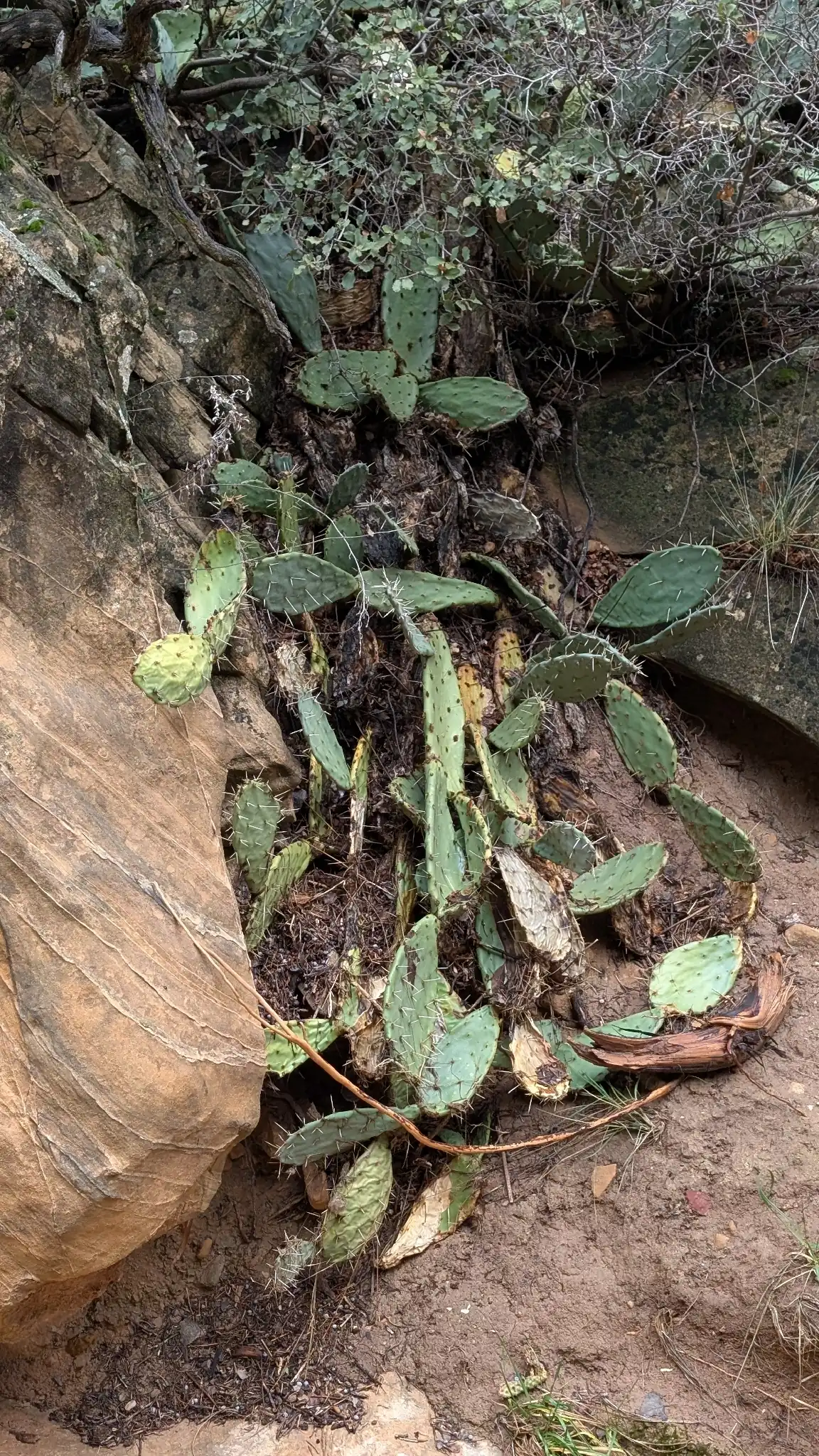
Opuntia phaeacantha, commonly known as tulip prickly pear, is a low-growing stem succulent native to western North America that forms dense, spreading thickets. Its flattened blue-green pads are armed with long brown spines and fine glochids, producing bowl-shaped yellow flowers with reddish centers in spring and early summer.
The green pads take on a pronounced purplish tinge during winter cold, adding distinctive seasonal color to xeriscape plantings. Flowers are followed by fleshy purple fruits that provide food for native birds and small mammals.
Uses & Benefits:
Essentials
At a Glance
Plant Type
Cactus Succulent
Height
59"
Width
98"
Light
Full Sun
Zones
4, 5, 6, 7, 8, 9
Water
Low
Humidity
Low
Lifespan
Perennial
Native To
North America
Toxicity
Non-toxic (sharp spines and glochids pose physical hazard)
Bloom period
Spring – Early summer
In flower about 4 months of the year
Planting
How to Grow
- Choose a site receiving full sun with gritty, fast-draining soil.
- Wear heavy leather gloves and protective eyewear to protect against fine barbed glochids.
- Set the potted plant or callused pad upright at the same soil depth as its original container.
- Water sparingly upon establishment, allowing the soil to dry completely between waterings.
Pro Tip
Plant in coarse mineral soils with fast drainage, as heavy organic garden loam retains winter moisture and quickly causes fatal root rot.
Keep It Thriving
Care Guide
Do
- Plant in fast-draining sandy or gravelly mineral soil in full sun.
- Wear heavy protective leather gloves when handling pad segments.
- Allow unrooted pad cuttings to dry and callus before planting.
Don't
- Do not plant in boggy soil or heavy clay that retains standing water.
- Do not overwater during winter dormancy.
- Never prune into old leafless wood unnecessarily.
Seasonal Care Calendar
| Task | Jan | Feb | Mar | Apr | May | Jun | Jul | Aug | Sep | Oct | Nov | Dec |
|---|---|---|---|---|---|---|---|---|---|---|---|---|
| Harvest | ||||||||||||
| Pest Check | ||||||||||||
| Plant | ||||||||||||
| Prune |
Watch Out For
Pests & Diseases
Common Pests
Common Diseases
In the Garden
Landscape Uses & Companions
Landscape Uses
Multiply
Propagation Methods
Good to Know
Common Questions
Tulip Prickly Pear questions
What zones can Tulip Prickly Pear grow in?
Tulip Prickly Pear is hardy in USDA Zones 4–9: in that range it survives winter in the ground. Warmer than Zone 9, winter isn't the problem: it prefers colder winters, and summer heat can shorten its life.
Is Tulip Prickly Pear deer resistant?
Not reliably. Deer may browse Tulip Prickly Pear, especially tender spring growth — plan on repellents or fencing where pressure is high.
When does Tulip Prickly Pear bloom?
Tulip Prickly Pear typically blooms from early spring to early summer. Exact timing shifts a week or two with your zone — Sow's bloom calendar maps it to your garden.
Does Tulip Prickly Pear need full sun?
Tulip Prickly Pear does best in full sun (6+ hours).
Is Tulip Prickly Pear drought tolerant?
Yes — once established (usually after the first full season), Tulip Prickly Pear handles dry spells with minimal watering. Water deeply its first year to build the root system that makes that possible.
More Opuntia to compare
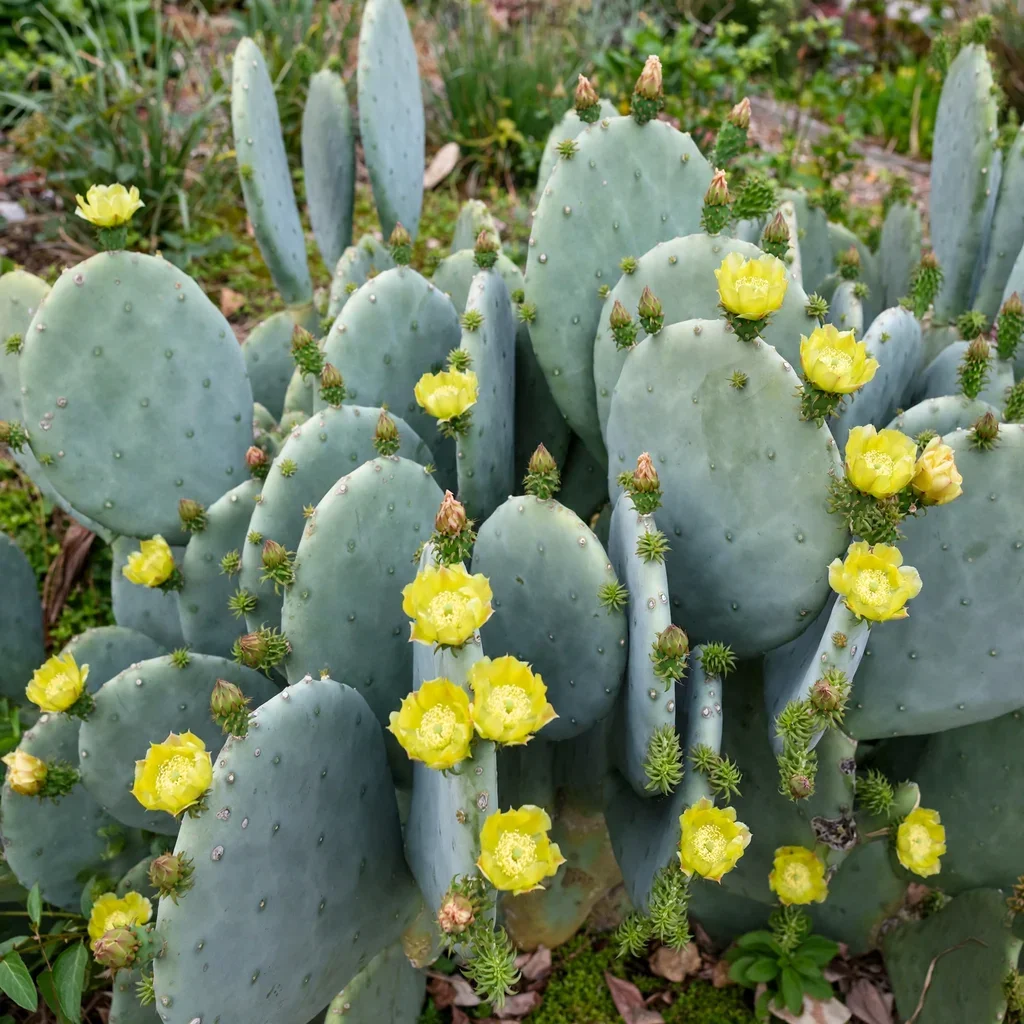
Spineless Prickly Pear
Opuntia cacanapa 'Ellisiana'
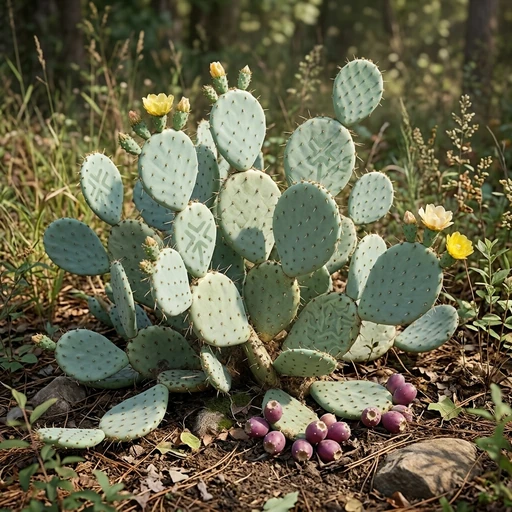
Prickly Pear Cactus
Opuntia humifusa
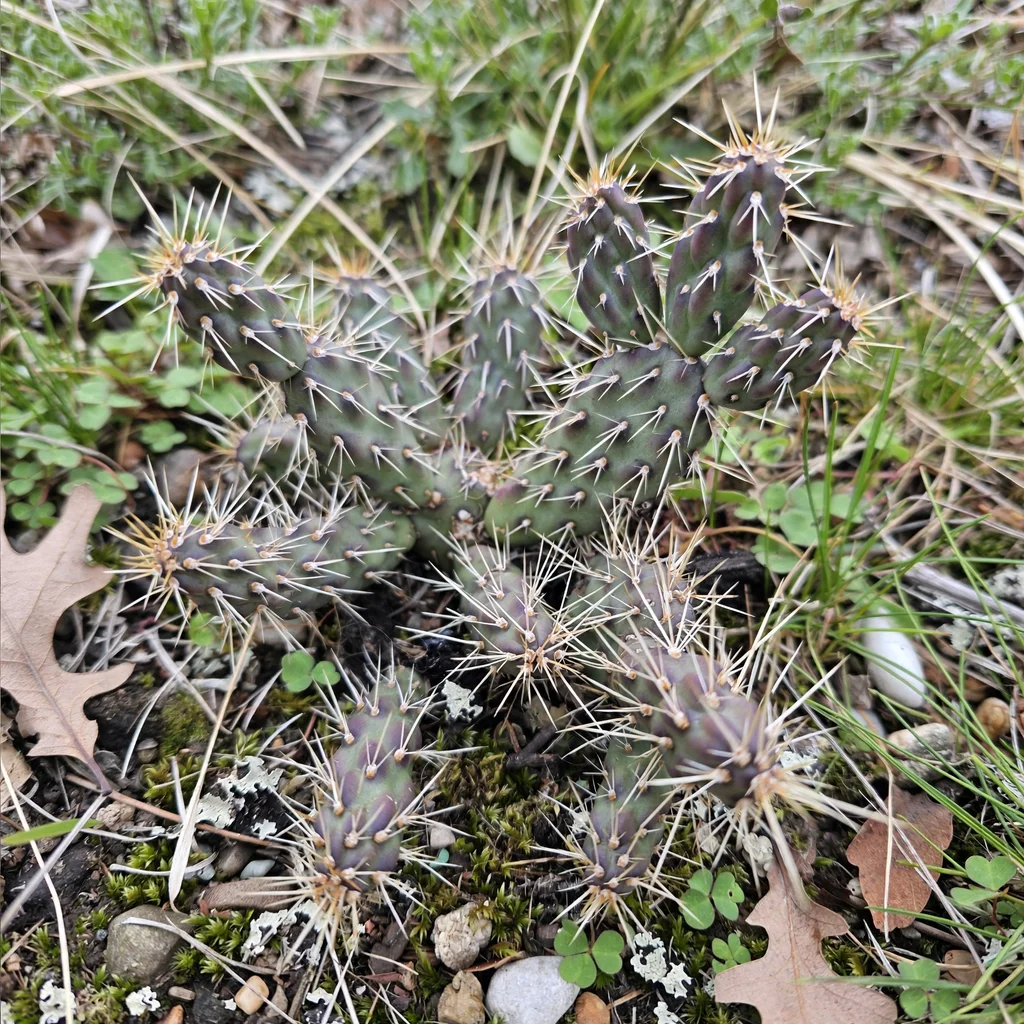
Brittle Prickly Pear
Opuntia fragilis
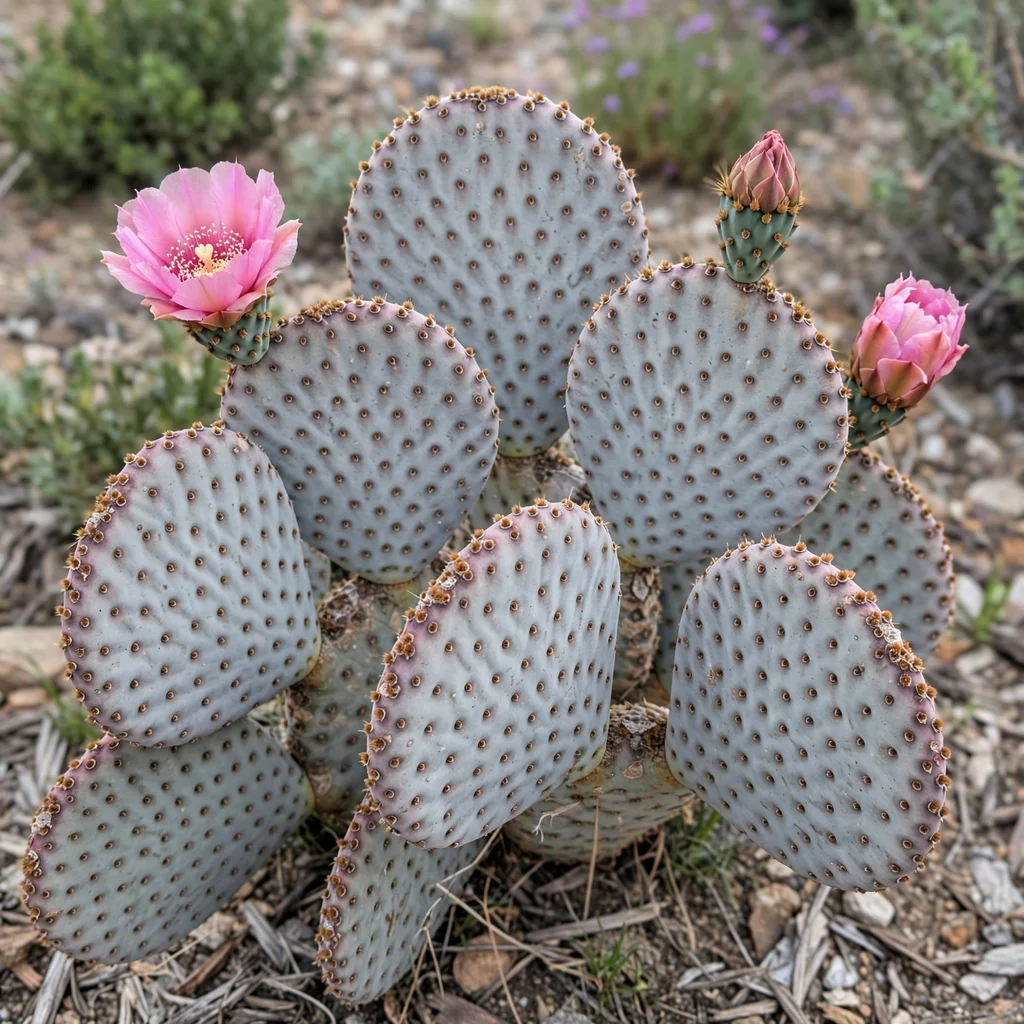
Beavertail Cactus
Opuntia basilaris
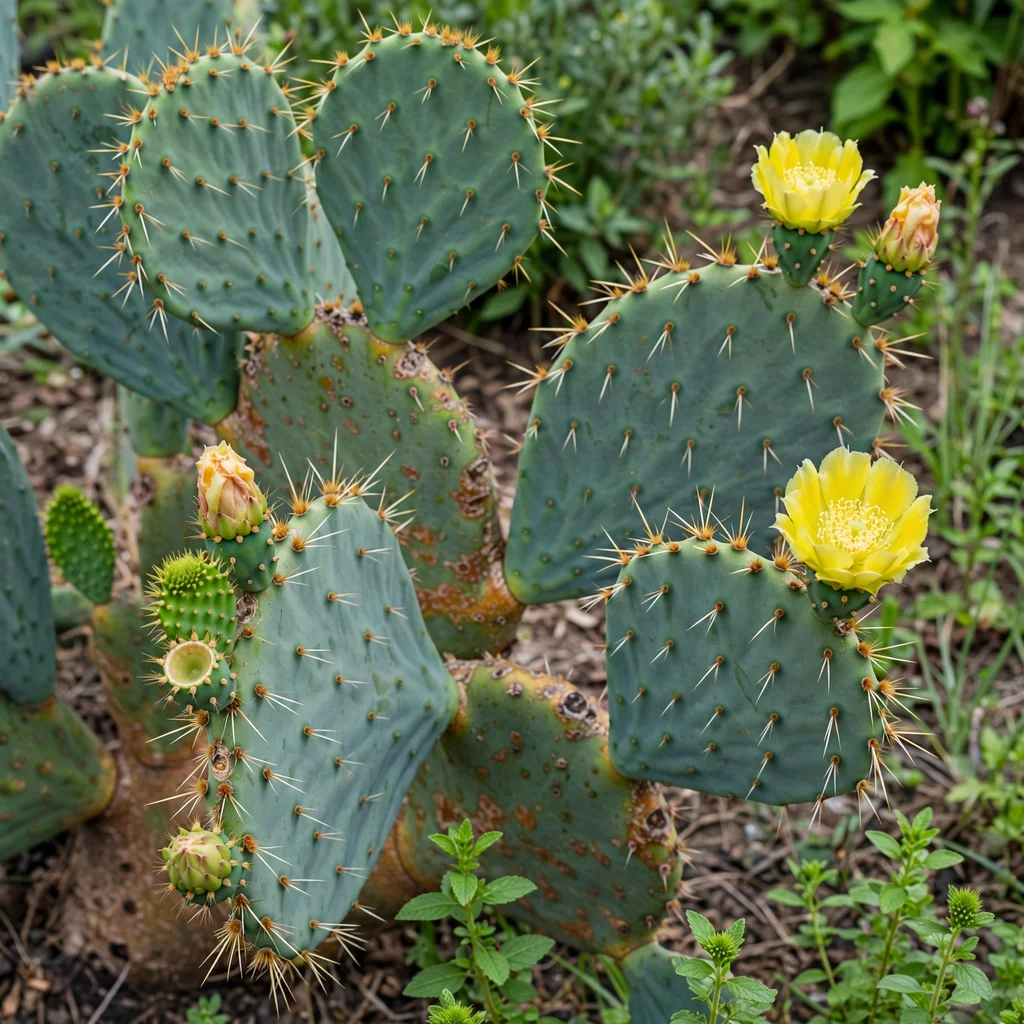
Old Mexico Prickly Pear
Opuntia gomei
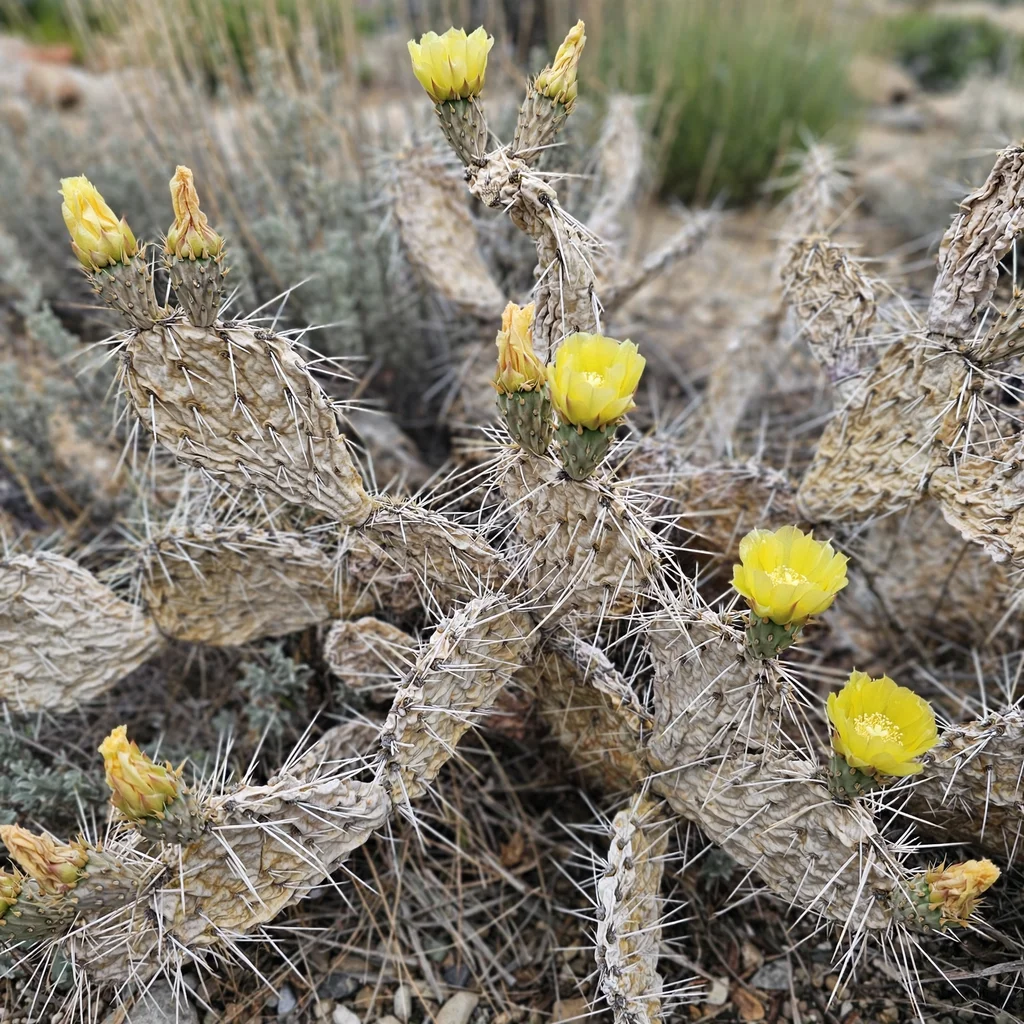
Plains Pricklypear
Opuntia polyacantha
Keep exploring
Explore the genus
Grow Tulip Prickly Pear with confidence
See it in a design of your actual yard, get zone-matched care reminders, and track it season by season in your garden journal.