The Story
Plant Bio
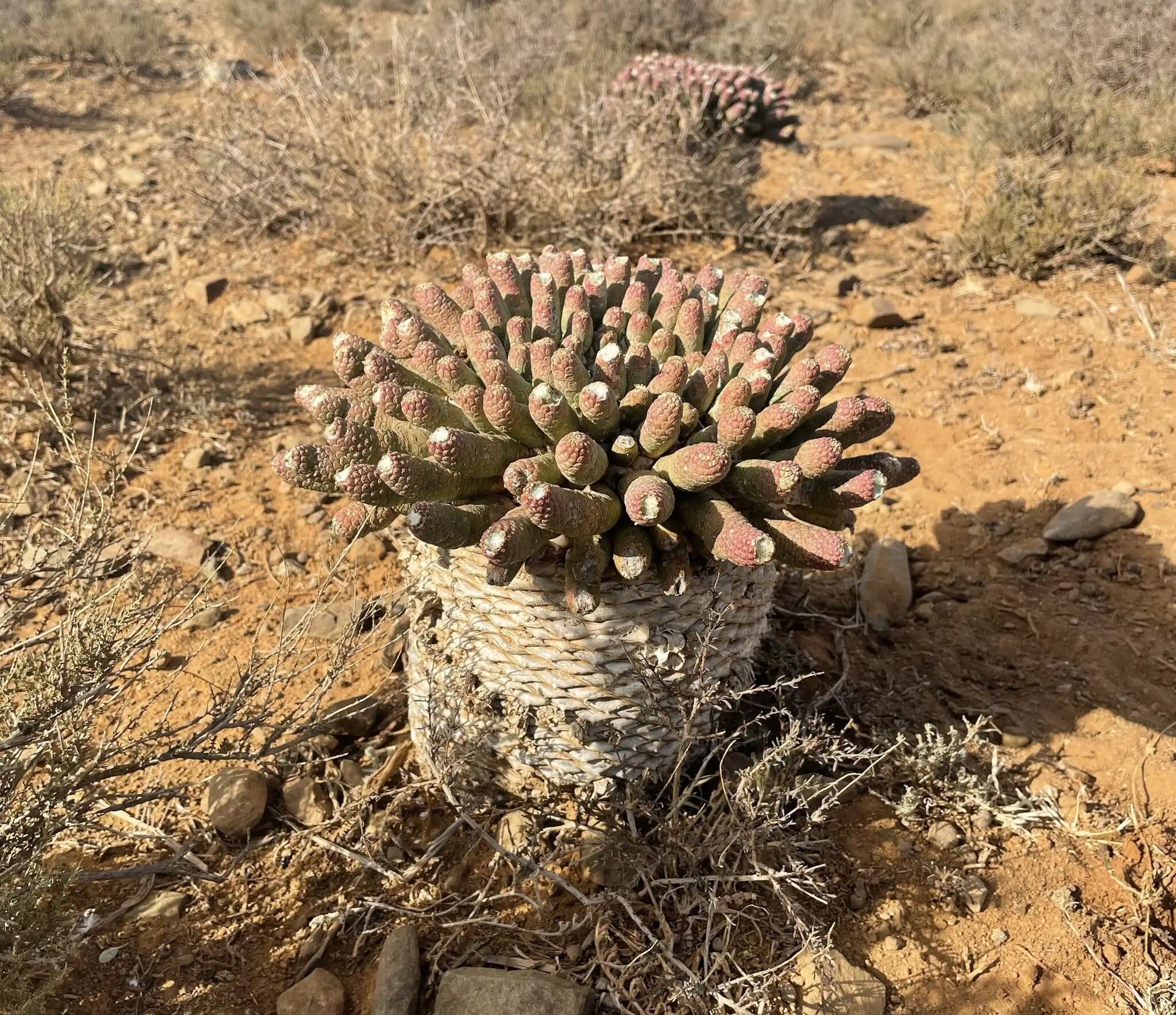
Euphorbia esculenta is a low mat-forming medusoid succulent from the inland deserts of South Africa, building a central caudex that sends out radiating sausage-like arms. Like all spurges it carries no true leaves; each bloom is a cyathium cup clustered at the branch tips, with pale yellow lobes and reddish-brown glands fringed in white wool.
It is separated from Euphorbia inermis and Euphorbia caput-medusae by stout blue-green tuberculate arms and cyathia bearded in white wool that are sweetly scented. Garden clumps stay under six inches high and spread to twenty inches wide from a central caudex anchored by a deep taproot.
Uses & Benefits:
Essentials
At a Glance
Plant Type
Cactus Succulent
Height
6"
Width
20"
Light
Full Sun, Partial Sun
Zones
9, 10
Water
Low
Humidity
Low
Lifespan
Long-lived perennial
Native To
South Africa (Cape Provinces)
Toxicity
Toxic if ingested, skin and eye irritant
Bloom period
Late winter – Spring
In flower about 4 months of the year
Planting
How to Grow
- Plant in full sun in a deep pot of very gritty, fast-draining cactus mix, setting the crown just above the surface.
- Water deeply only when the mix is completely dry, every two to three weeks in the growing season.
- Hold almost dry through fall and winter, giving just enough to keep the arms from shriveling.
- Feed sparingly or not at all, at most once a month with dilute cactus fertilizer in spring and summer.
- Protect below 25F; grow outdoors in zones 9b-11 and move pots under cover elsewhere.
Pro Tip
Give it a deep pot for the taproot in gritty mineral mix and keep it almost dry in winter; cold wet soil rots the crown faster than frost.
Keep It Thriving
Care Guide
Do
- Give 6 or more hours of full sun, with afternoon shade tolerated in extreme heat.
- Use a deep pot with airy mineral mix and a drainage hole for the taproot.
- Wear gloves and eye protection when handling, as the milky latex burns skin and eyes.
Don't
- Don't leave the pot standing wet or water on a schedule in winter.
- Don't cut healthy arms to shape it; remove only damaged arms and clean latex from tools.
- Don't ingest any part; despite the name meaning edible, the latex causes nausea and vomiting.
Seasonal Care Calendar
| Task | Jan | Feb | Mar | Apr | May | Jun | Jul | Aug | Sep | Oct | Nov | Dec |
|---|---|---|---|---|---|---|---|---|---|---|---|---|
| Fertilize | ||||||||||||
| Pest Check | ||||||||||||
| Plant | ||||||||||||
| Propagate | ||||||||||||
| Winter Prep |
Watch Out For
Pests & Diseases
Common Pests
Common Diseases
In the Garden
Landscape Uses & Companions
Landscape Uses
Companion Plants
Multiply
Propagation Methods
Good to Know
Common Questions
Sausage Spurge questions
What zones can Sausage Spurge grow in?
Sausage Spurge is hardy in USDA Zones 9–10: in that range it survives winter in the ground. Colder than Zone 9, grow it in a container you can move to shelter for the winter, or as an annual.
Is Sausage Spurge deer resistant?
Yes — Sausage Spurge is rated deer-resistant. Deer typically pass it over, though extreme hunger can override any plant's defenses.
When does Sausage Spurge bloom?
Sausage Spurge typically blooms from late winter to late spring. Exact timing shifts a week or two with your zone — Sow's bloom calendar maps it to your garden.
Does Sausage Spurge need full sun?
Sausage Spurge does best in full sun to part shade. In hot climates, afternoon shade keeps blooms fresher longer.
Is Sausage Spurge drought tolerant?
Yes — once established (usually after the first full season), Sausage Spurge handles dry spells with minimal watering. Water deeply its first year to build the root system that makes that possible.
More Euphorbia to compare
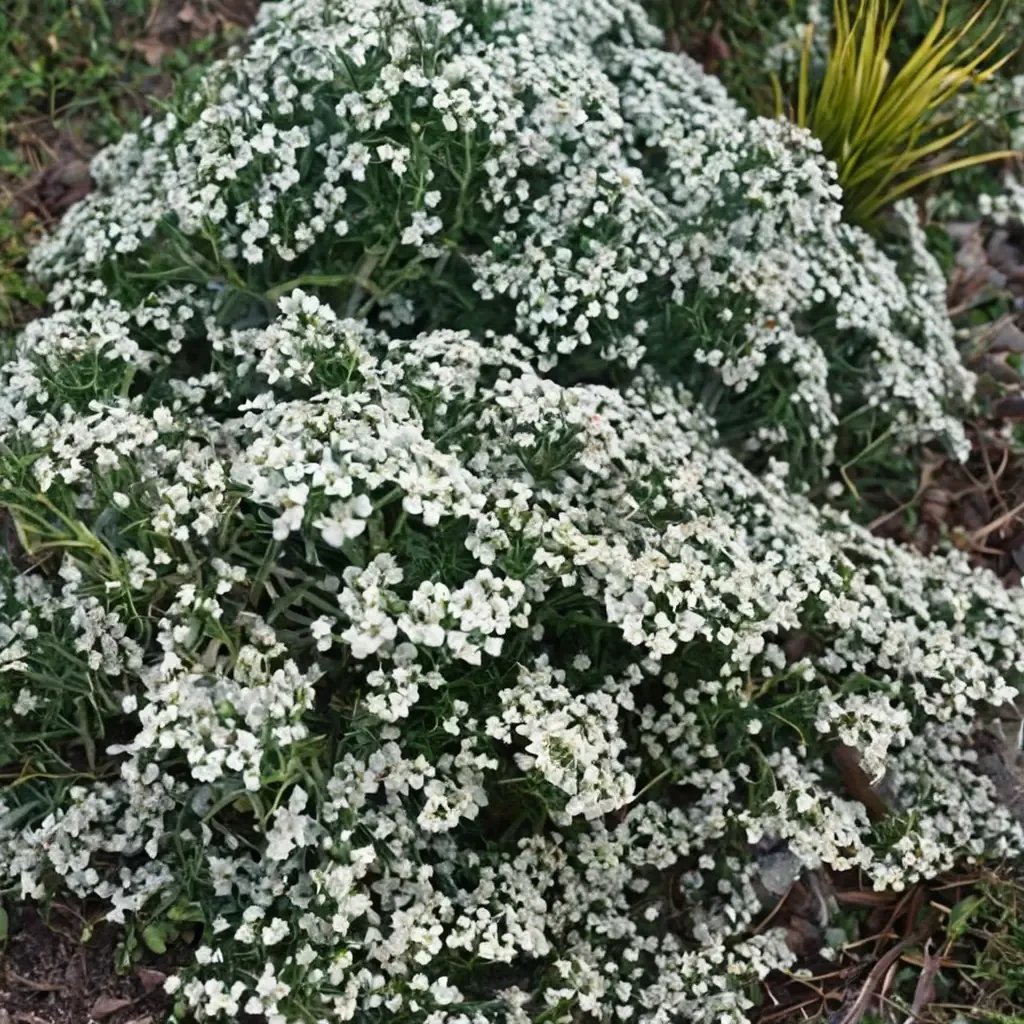
Carolina Snow Flowering Spurge
Euphorbia corollata 'Carolina Snow'
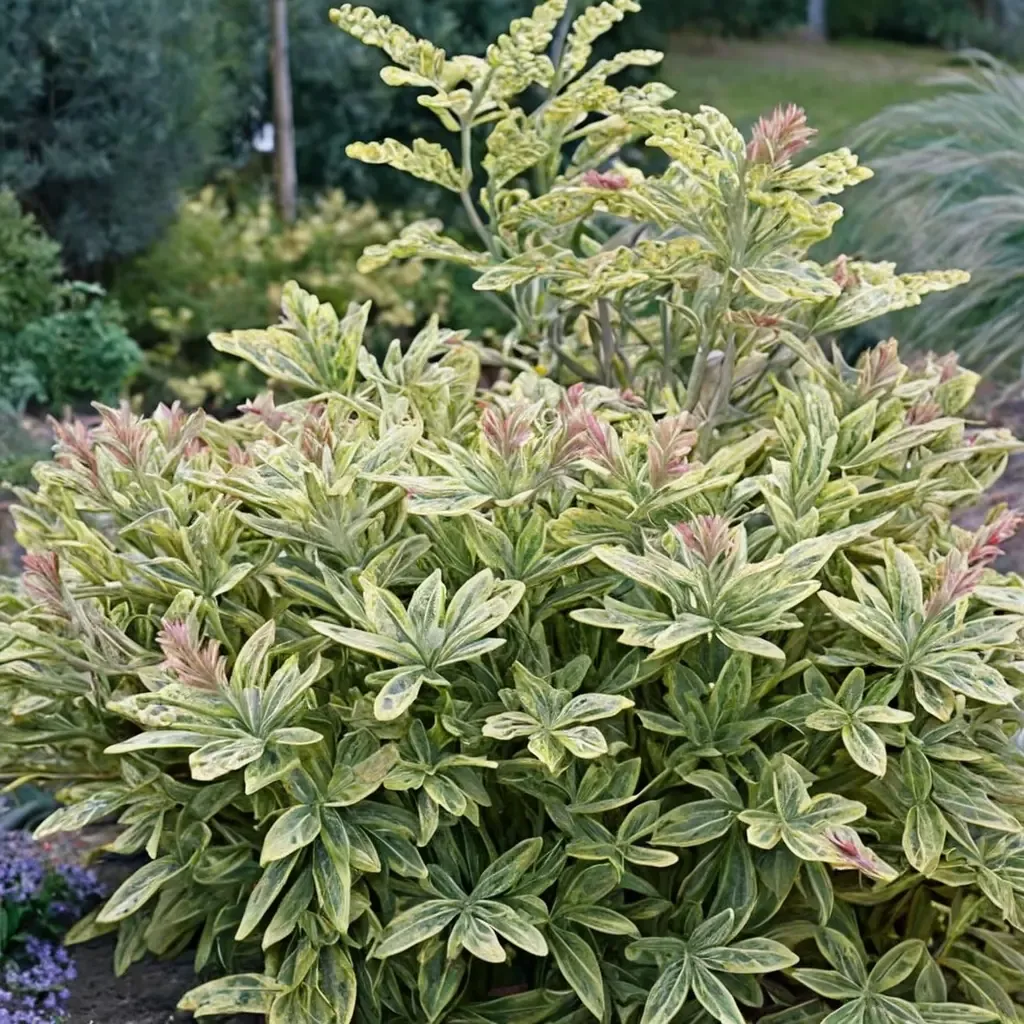
Ascot Rainbow Spurge
Euphorbia x hybrida 'Ascot Rainbow'
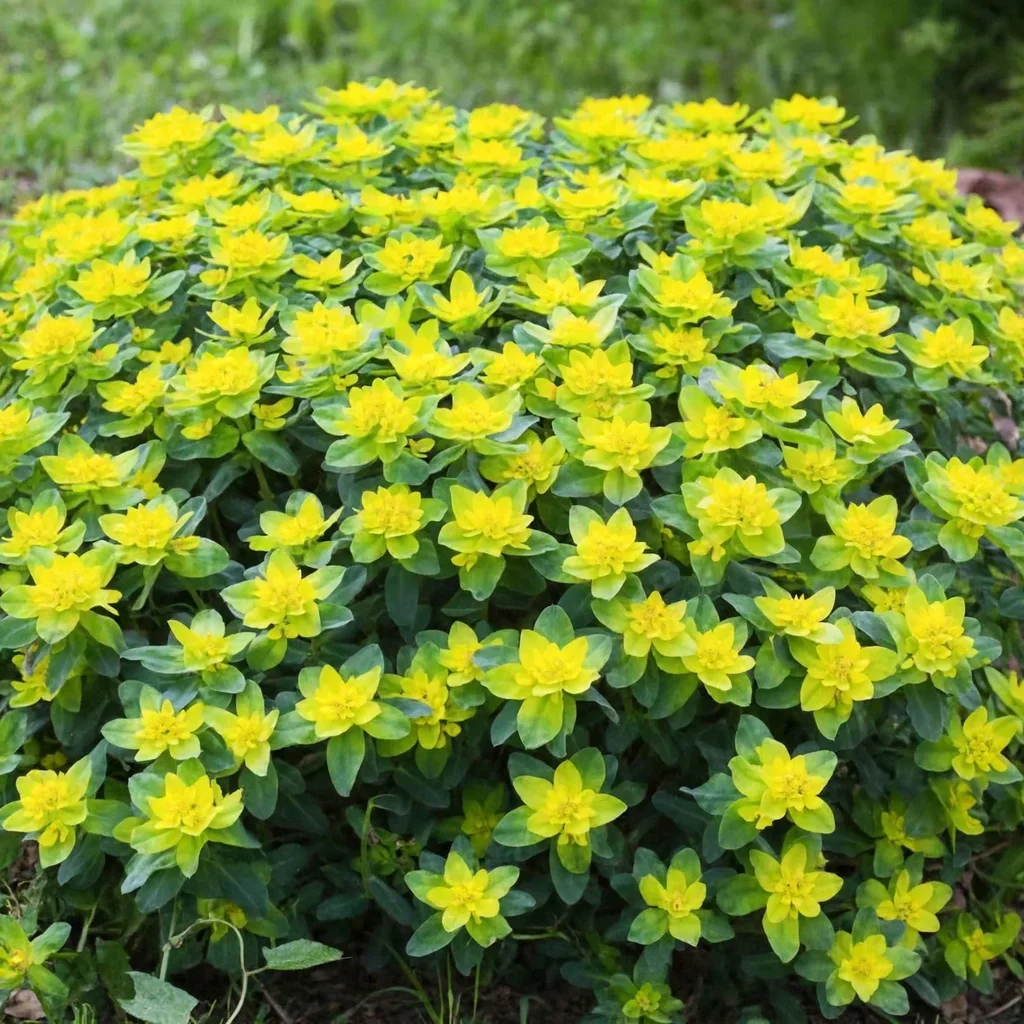
Mediterranean Spurge
Euphorbia polychroma
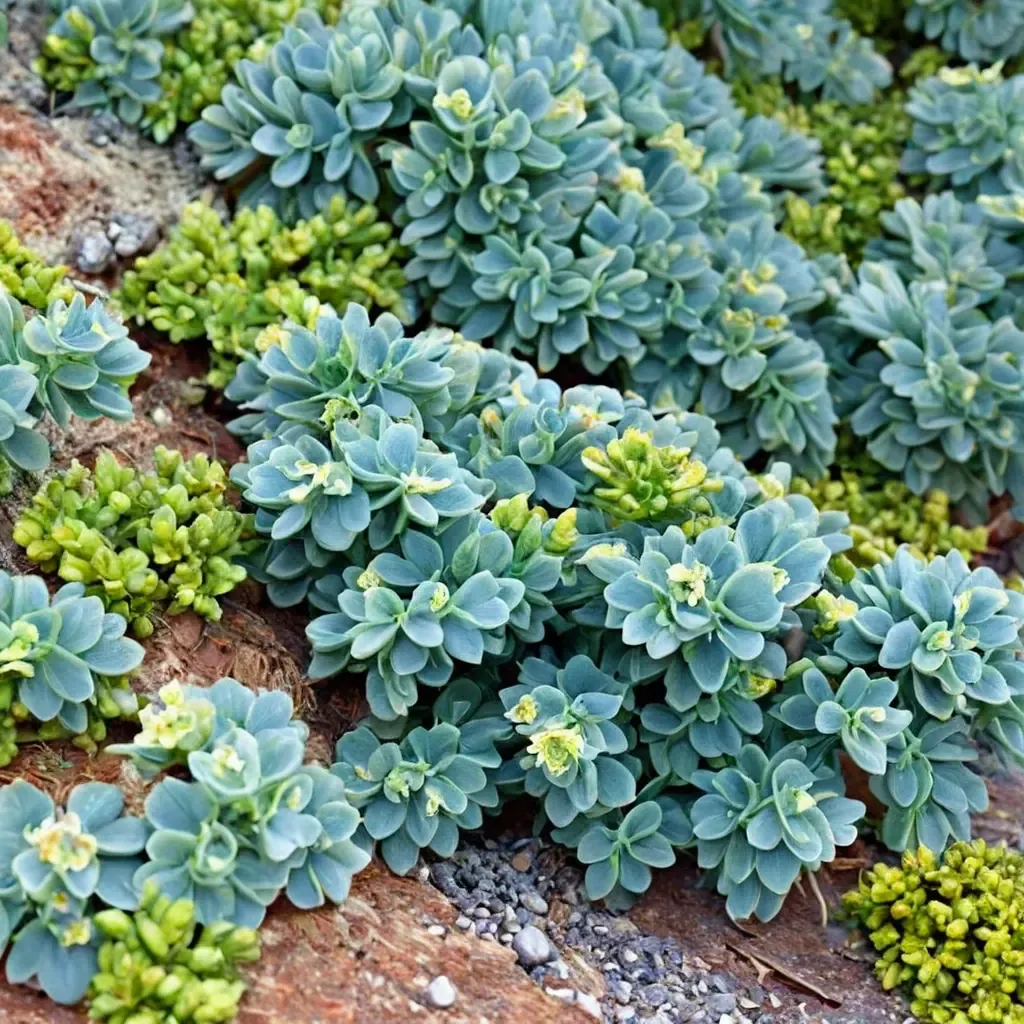
Myrtle Spurge
Euphorbia myrsinites
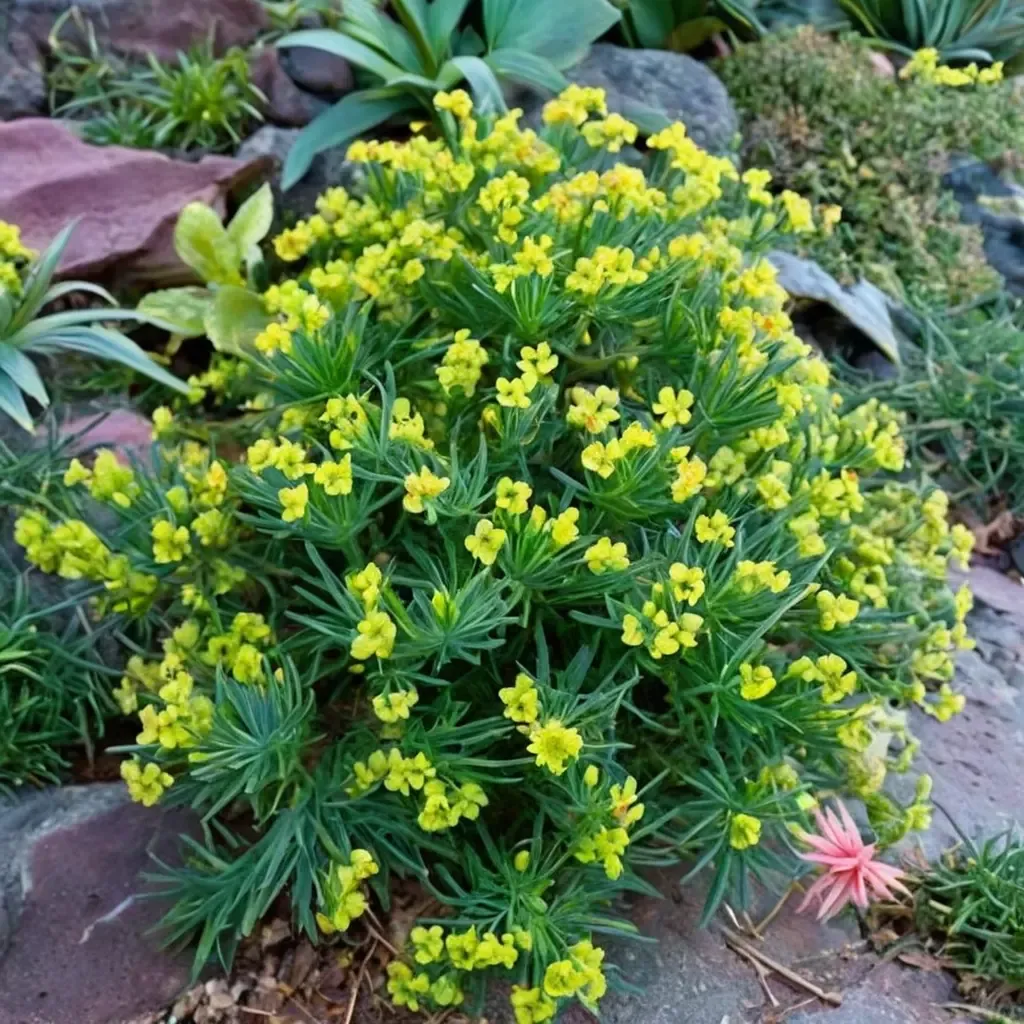
Ruby Spurge
Euphorbia cyparissias 'Fens Ruby'
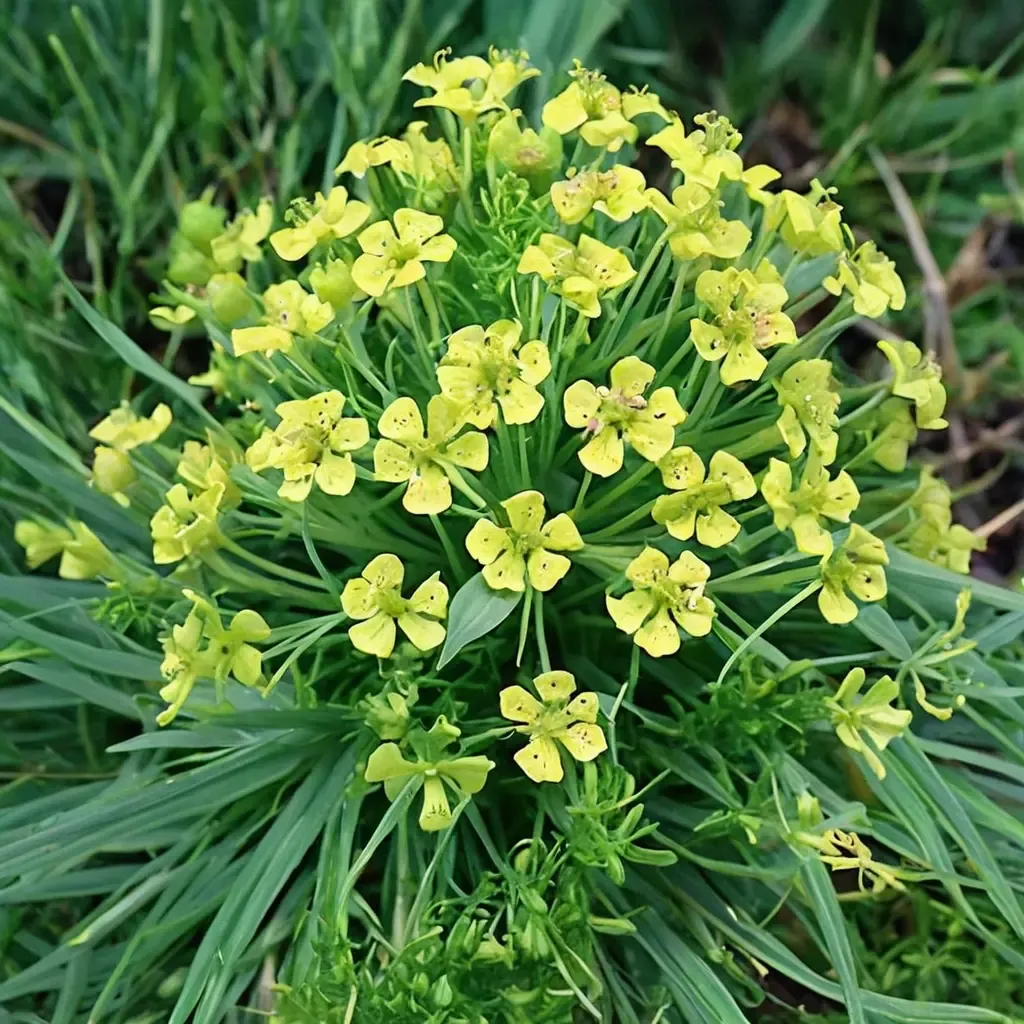
Cypress Spurge
Euphorbia cyparissias
Keep exploring
Explore the genus
Hardy in your zone?
Grow Sausage Spurge with confidence
See it in a design of your actual yard, get zone-matched care reminders, and track it season by season in your garden journal.