The Story
Plant Bio
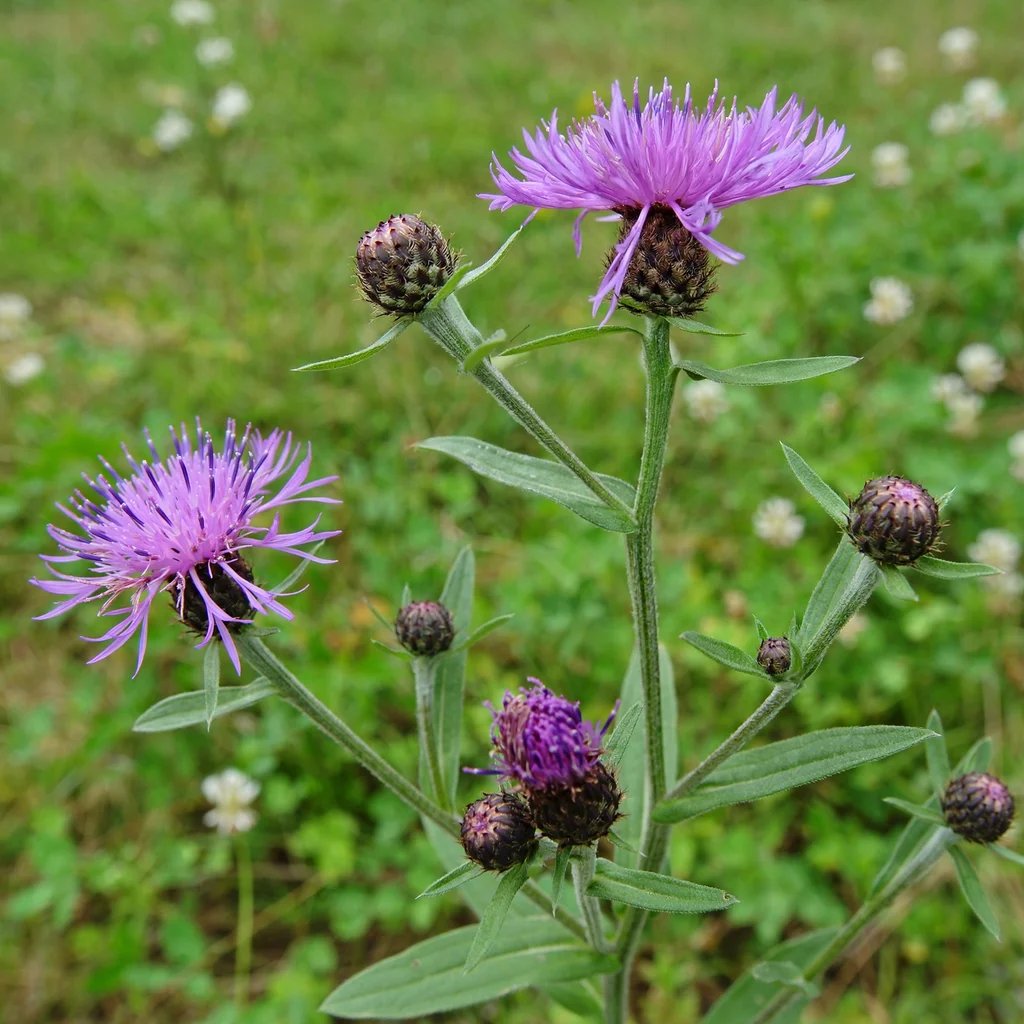
Centaurea nigra is an upright, taprooted perennial herb native to Europe, reaching up to three feet in height with a stout root crown. It produces rough green lanceolate foliage and purple thistle-like flower heads wrapped in dark brown-to-black fringed bracts.
The species is distinguished by its dark, comb-like phyllary bracts beneath the flower heads and high adaptability to nutritionally poor soils. It flowers continuously from early summer into early fall, drawing heavy pollinator traffic while enduring substantial frost.
Uses & Benefits:
Essentials
At a Glance
Plant Type
Perennial
Height
39"
Width
35"
Light
Full Sun
Zones
4, 5, 6, 7, 8
Water
Low to Moderate
Humidity
Low to Moderate
Lifespan
Perennial
Native To
Europe
Toxicity
Non-toxic
Bloom period
Summer – Fall
In flower about 6 months of the year
Planting
How to Grow
- Select a site in full sun with well-draining soil, ranging from sand to heavy clay.
- Plant bare-root crowns or potted specimens in spring, placing the crown level with the soil surface.
- Water moderately during the first season to establish the taproot.
- Remove spent flower heads in late summer to block unwanted seed dispersal.
Pro Tip
Grow in full sun, as partial shade drastically reduces flower yield and causes stems to flop; deadhead spent blooms before seeds mature to prevent uncontrolled spreading.
Keep It Thriving
Care Guide
Do
- Sustain full sun exposure to maintain rigid, upright stems.
- Deadhead fading flower heads promptly to control self-seeding.
- Divide root crowns in spring to expand plantings.
Don't
- Do not plant in partial shade, which weakens stem strength and suppresses blooms.
- Do not overwater or place in waterlogged soils where roots can rot.
- Do not shear deep into old, leafless woody crown material.
Seasonal Care Calendar
| Task | Jan | Feb | Mar | Apr | May | Jun | Jul | Aug | Sep | Oct | Nov | Dec |
|---|---|---|---|---|---|---|---|---|---|---|---|---|
| Deadhead | ||||||||||||
| Divide | ||||||||||||
| Pest Check | ||||||||||||
| Prune |
Watch Out For
Pests & Diseases
Common Pests
Common Diseases
In the Garden
Landscape Uses & Companions
Landscape Uses
Multiply
Propagation Methods
Good to Know
Common Questions
Common Knapweed questions
What zones can Common Knapweed grow in?
Common Knapweed is hardy in USDA Zones 4–8: in that range it survives winter in the ground. Warmer than Zone 8, winter isn't the problem: it prefers colder winters, and summer heat can shorten its life.
Is Common Knapweed deer resistant?
Not reliably. Deer may browse Common Knapweed, especially tender spring growth — plan on repellents or fencing where pressure is high.
When does Common Knapweed bloom?
Common Knapweed typically blooms from summer to fall. Exact timing shifts a week or two with your zone — Sow's bloom calendar maps it to your garden.
Does Common Knapweed need full sun?
Common Knapweed does best in full sun (6+ hours).
Is Common Knapweed drought tolerant?
Yes — once established (usually after the first full season), Common Knapweed handles dry spells with minimal watering. Water deeply its first year to build the root system that makes that possible.
More Centaurea to compare
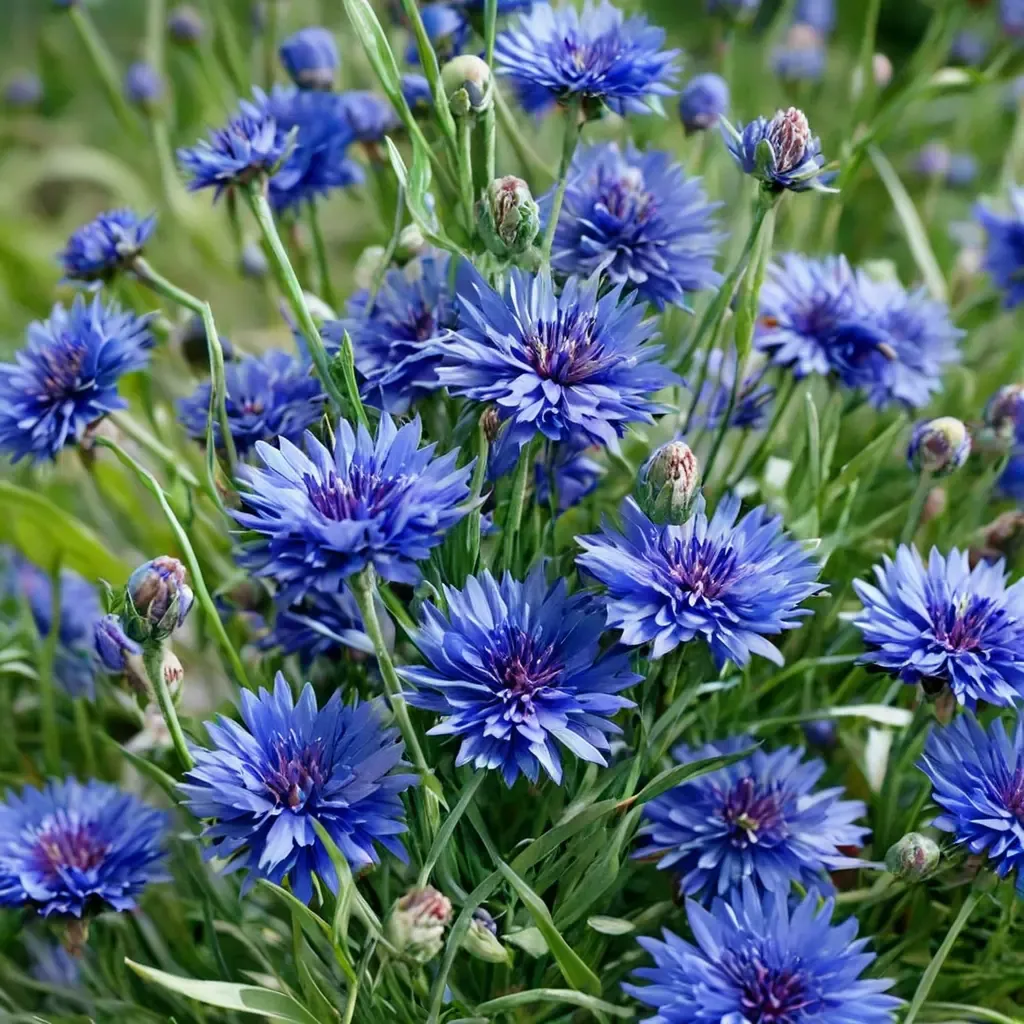
Blue Cornflower
Centaurea cyanus 'Blue Diadem'
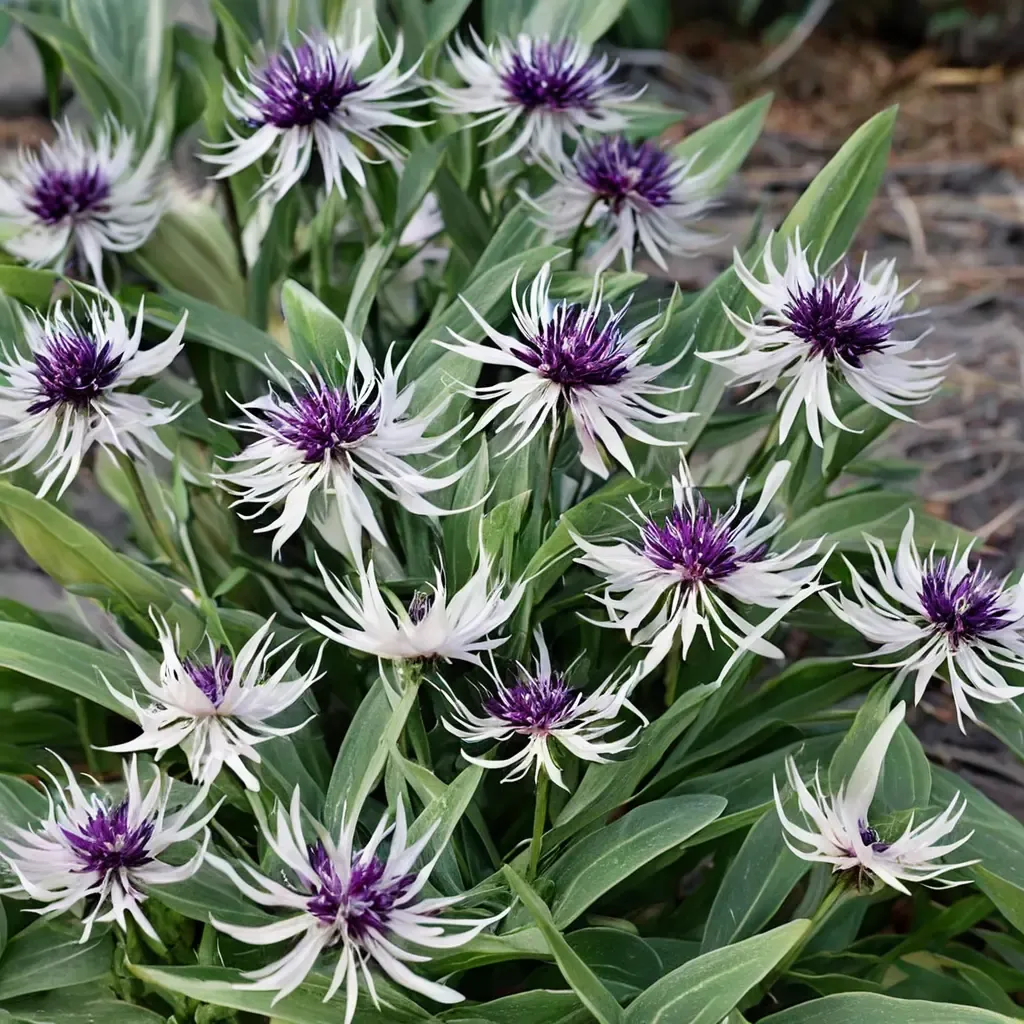
Amethyst in Snow Bachelor's Button
Centaurea cyanus 'Amethyst in Snow'
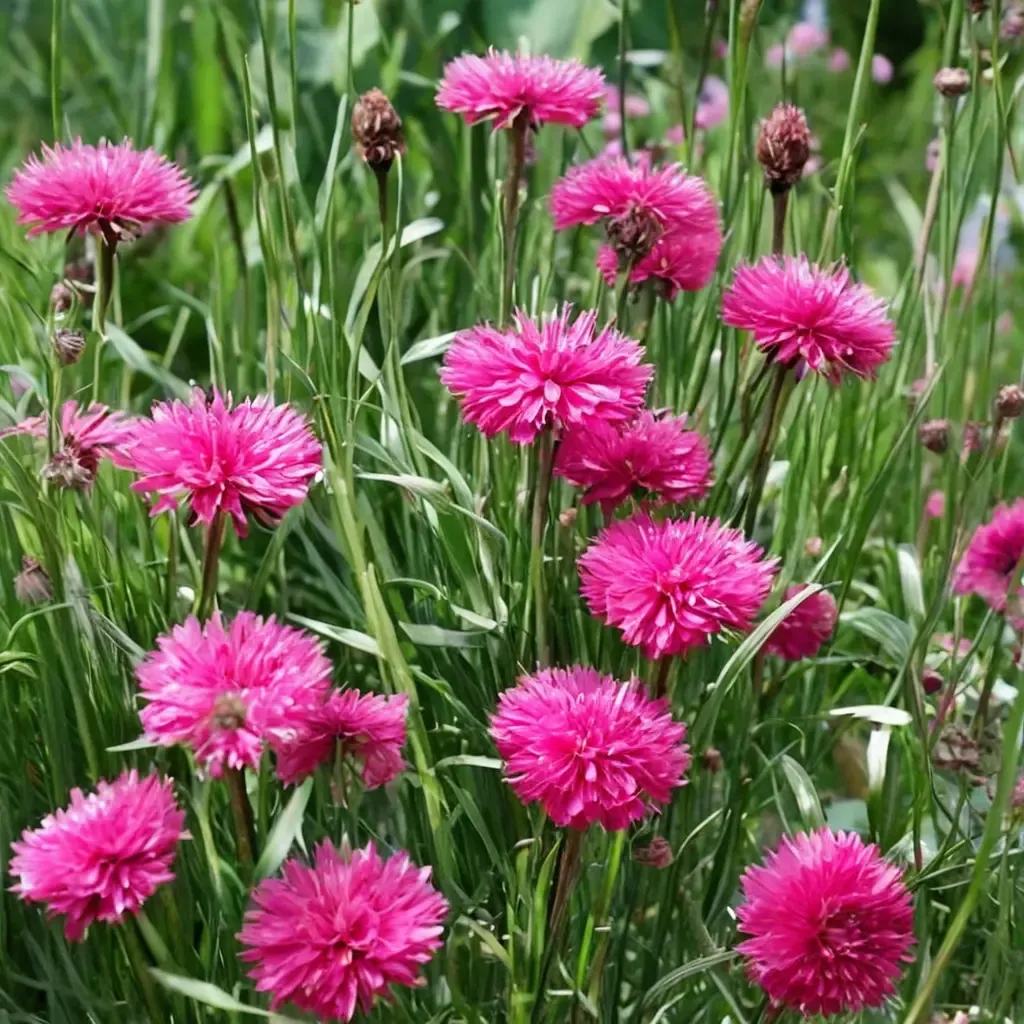
Red Boy Cornflower
Centaurea cyanus 'Red Boy'
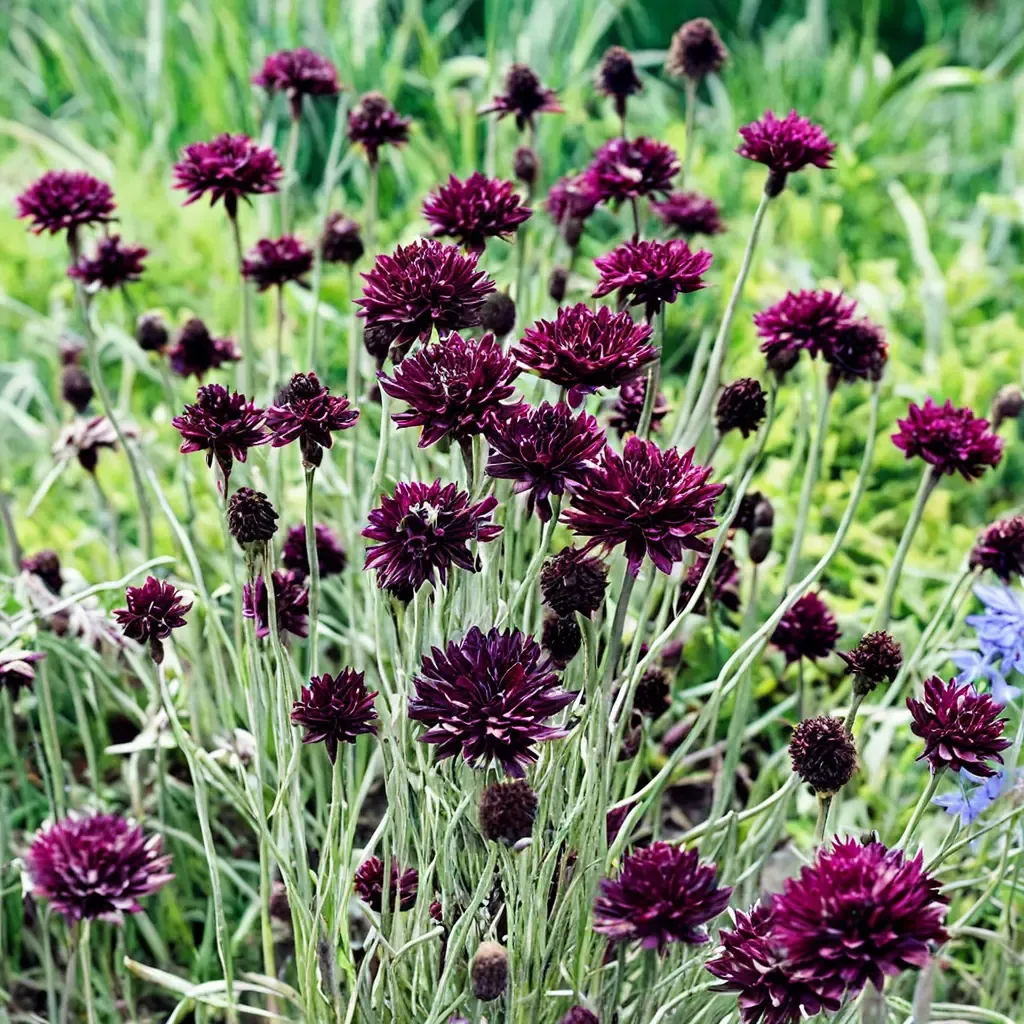
Black Gem Cornflower
Centaurea cyanus 'Black Gem'
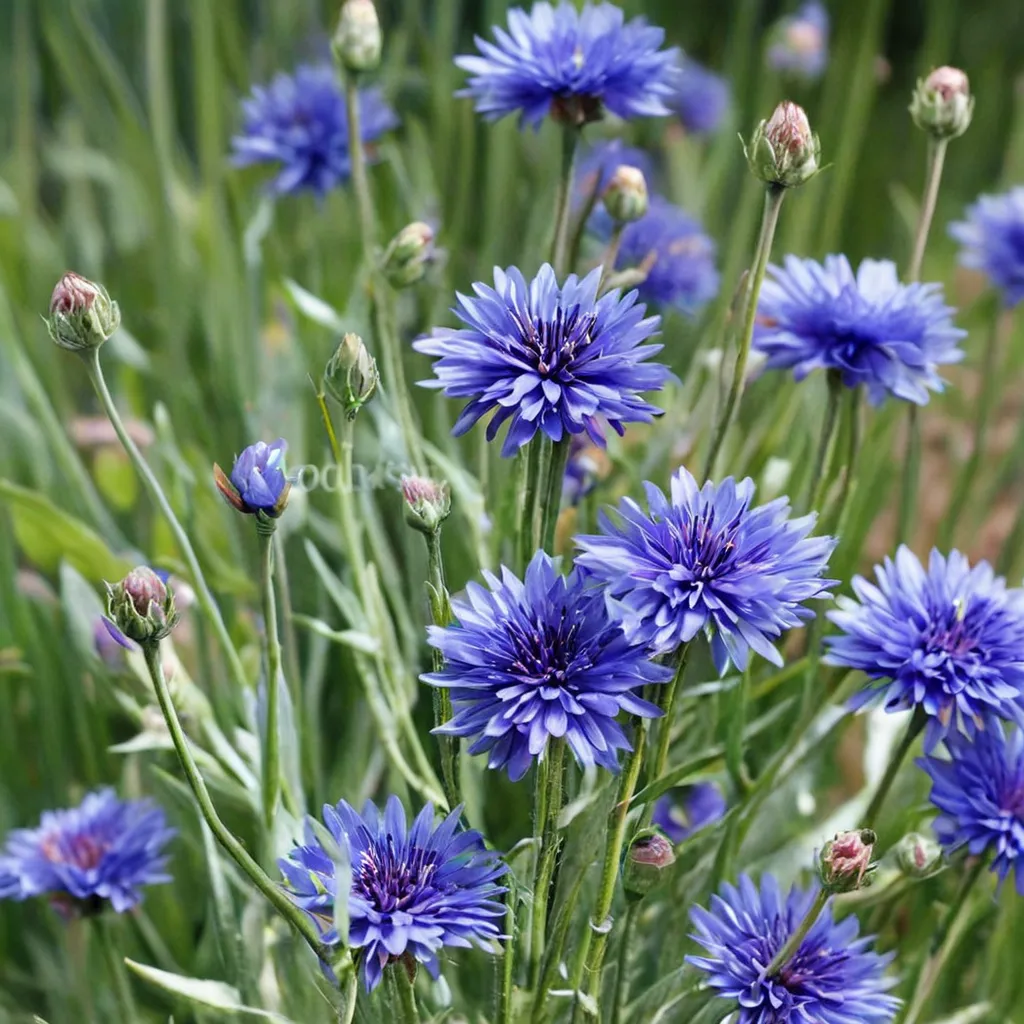
Bachelor's Button Blue Boy
Centaurea cyanus 'Blue Boy'
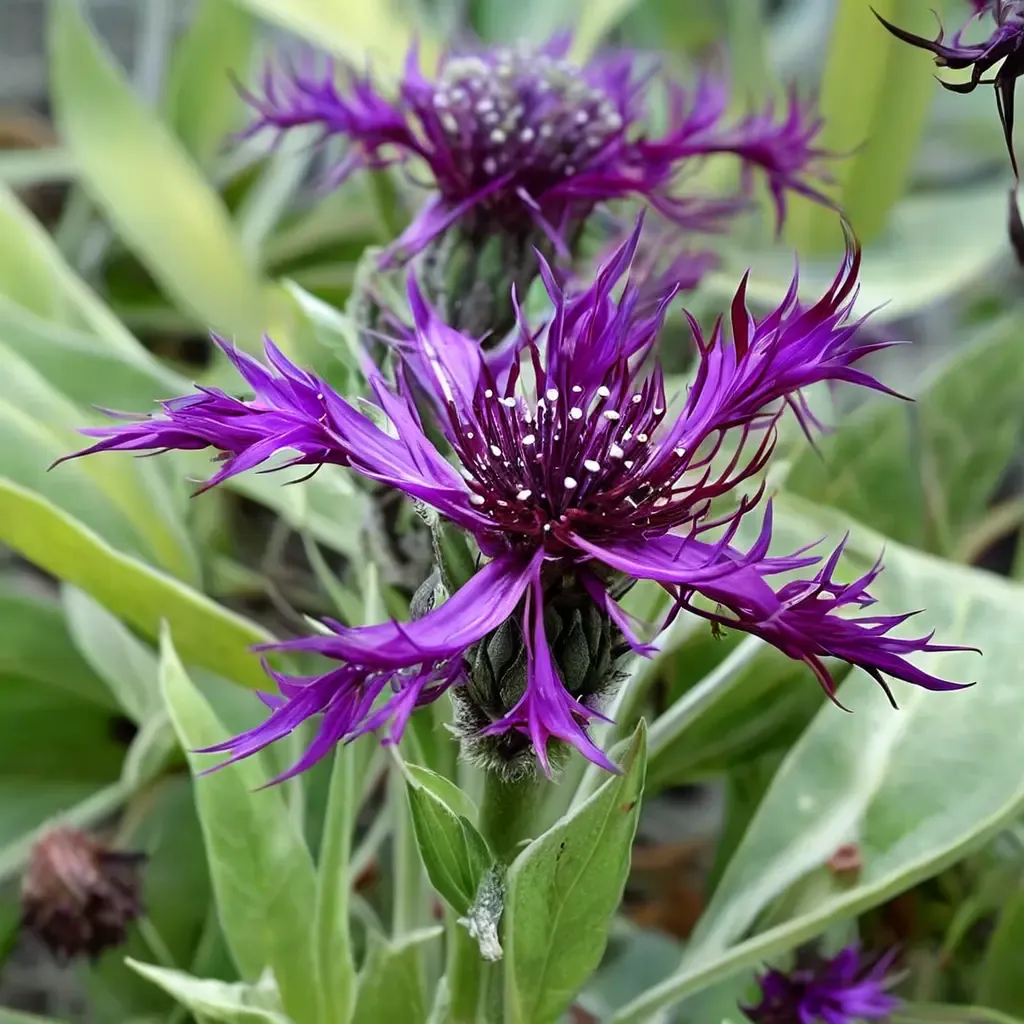
Amethyst Dream Cornflower
Centaurea cyanus 'Amethyst Dream'
Keep exploring
Explore the genus
Hardy in your zone?
Grow Common Knapweed with confidence
See it in a design of your actual yard, get zone-matched care reminders, and track it season by season in your garden journal.