The Story
Plant Bio
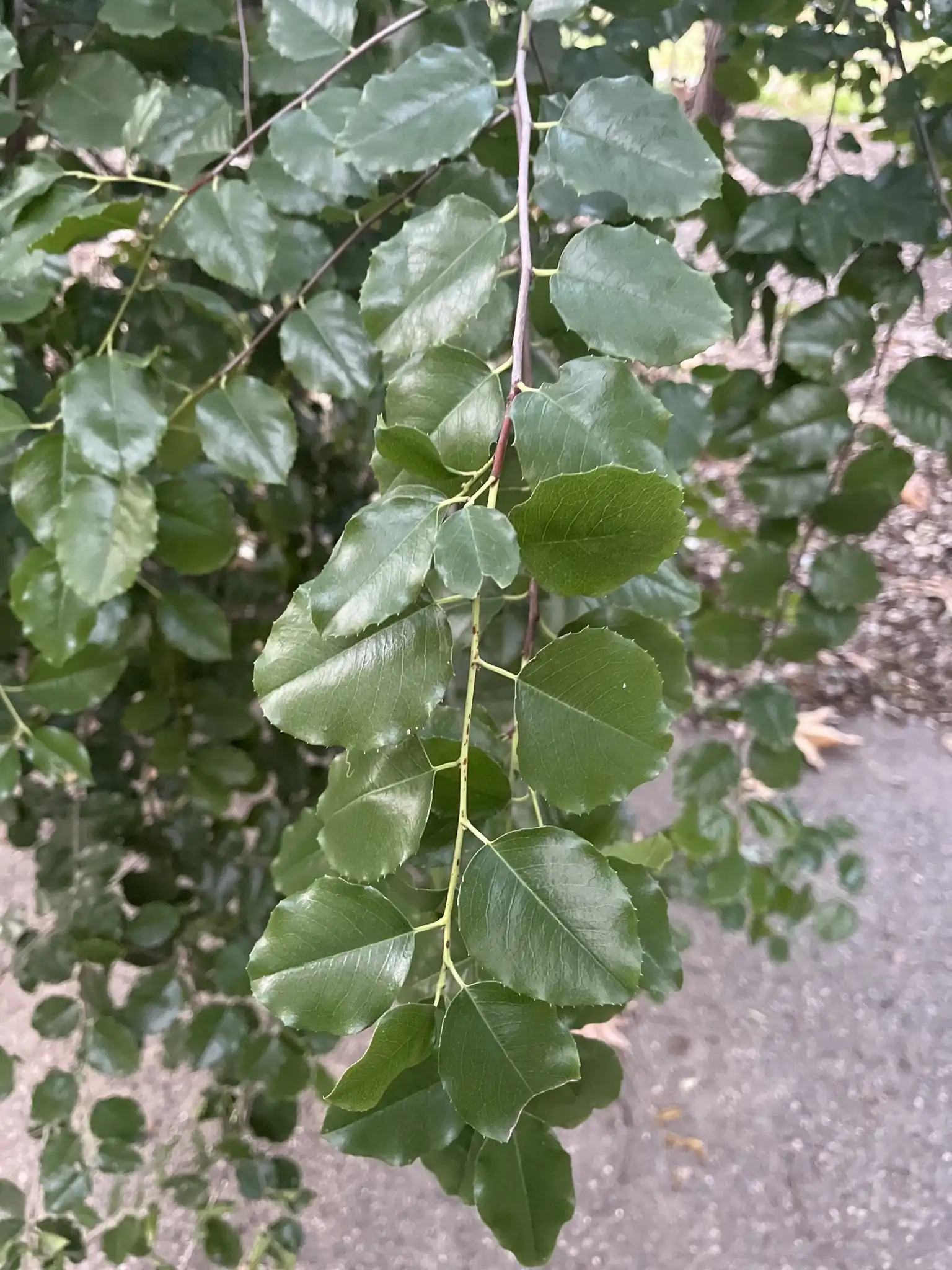
Prunus ilicifolia is a dense evergreen shrub or small tree native to California and Baja California, growing three to fifty feet tall with thick, dark green leaves edged in spiny, holly-like teeth. Small, creamy-white flowers bloom in dense spikes from late winter to spring, followed by purple-black fruits.
Crushed foliage releases a distinct bitter-almond odor caused by cyanogenic compounds that protect the plant from mammalian herbivores. Its extensive taproot system allows mature specimens to survive summer droughts without irrigation.
Uses & Benefits:
Essentials
At a Glance
Plant Type
Shrub
Height
598"
Width
236"
Light
Full Sun, Partial Sun
Zones
8, 9, 10
Water
Low
Humidity
Tolerates dry to coastal maritime air
Lifespan
Perennial
Native To
California, Baja California
Toxicity
Toxic if ingested (leaves, stems, seeds)
Bloom period
Late winter – Late spring
In flower about 4 months of the year
Planting
How to Grow
- Select a planting site in full sun or partial shade with coarse, free-draining soil.
- Dig a hole twice as wide as the root ball and equal in depth, ensuring the root crown remains level with the soil surface.
- Water thoroughly at planting and supply deep irrigation every two weeks during the first summer.
- Apply a light layer of compost or coarse wood mulch around the base, keeping it clear of the direct stem.
Pro Tip
Prune light top growth after flowering to keep hedges dense; cutting into old bare wood prevents new stem shoots from developing.
Keep It Thriving
Care Guide
Do
- Plant in light, gritty, or well-draining loamy soils.
- Prune outer shoots lightly immediately following the spring bloom.
- Provide shade from harsh afternoon heat in hot inland zones.
Don't
- Do not plant in heavy clay where water collects or sits stagnant.
- Do not cut back into thick, leafless woody stems.
- Do not overwater established specimens during summer months.
Seasonal Care Calendar
| Task | Jan | Feb | Mar | Apr | May | Jun | Jul | Aug | Sep | Oct | Nov | Dec |
|---|---|---|---|---|---|---|---|---|---|---|---|---|
| Mulch | ||||||||||||
| Pest Check | ||||||||||||
| Prune | ||||||||||||
| Winter Prep |
Watch Out For
Pests & Diseases
Common Pests
Common Diseases
In the Garden
Landscape Uses & Companions
Landscape Uses
Multiply
Propagation Methods
Good to Know
Common Questions
Hollyleaf Cherry questions
What zones can Hollyleaf Cherry grow in?
Hollyleaf Cherry is hardy in USDA Zones 8–10: in that range it survives winter in the ground. Colder than Zone 8, grow it in a container you can move to shelter for the winter.
Is Hollyleaf Cherry deer resistant?
Not reliably. Deer may browse Hollyleaf Cherry, especially tender spring growth — plan on repellents or fencing where pressure is high.
When does Hollyleaf Cherry bloom?
Hollyleaf Cherry typically blooms from late winter to late spring. Exact timing shifts a week or two with your zone — Sow's bloom calendar maps it to your garden.
Does Hollyleaf Cherry need full sun?
Hollyleaf Cherry does best in full sun to part shade. In hot climates, afternoon shade keeps blooms fresher longer.
Is Hollyleaf Cherry drought tolerant?
Yes — once established (usually after the first full season), Hollyleaf Cherry handles dry spells with minimal watering. Water deeply its first year to build the root system that makes that possible.
More Prunus to compare
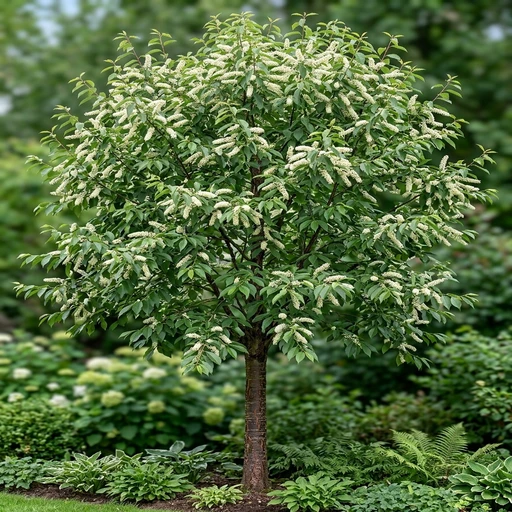
Black Cherry
Prunus serotina
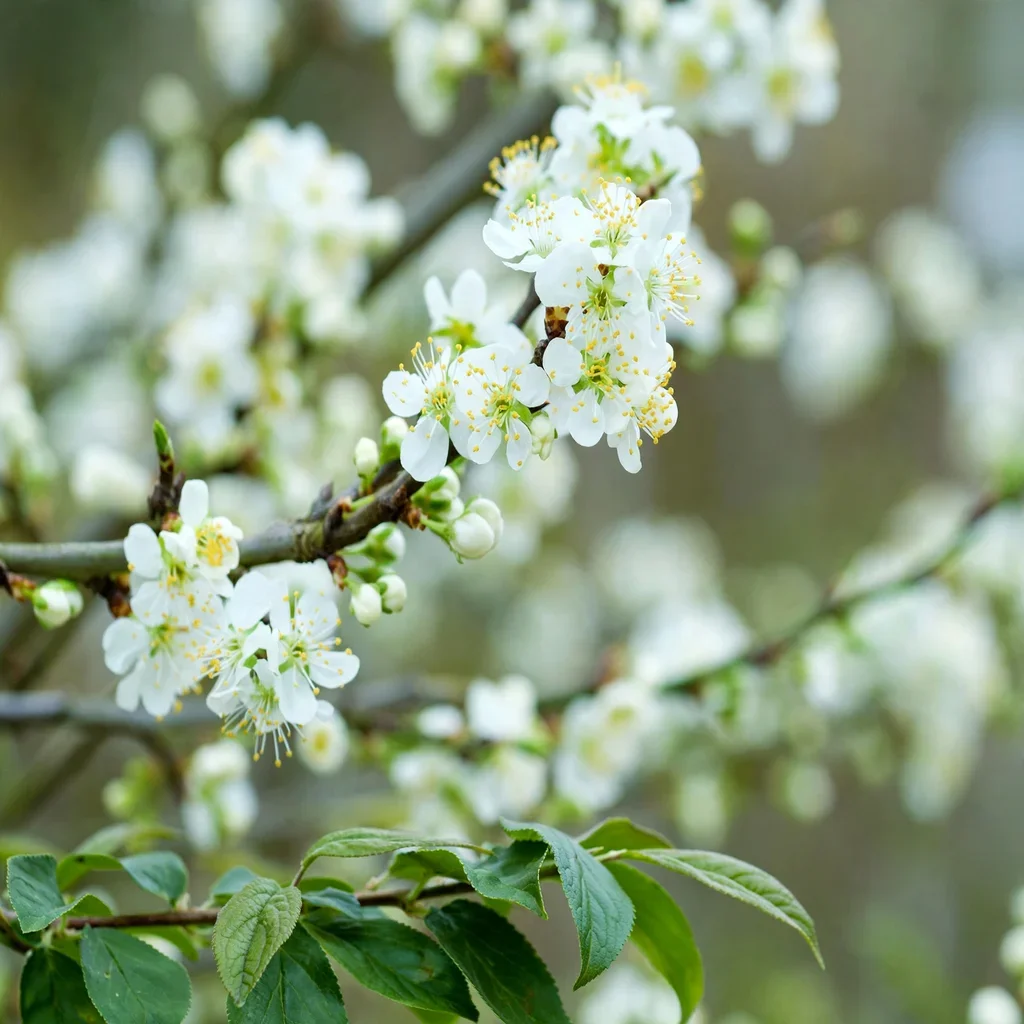
Sugar Plum
Prunus domestica 'Sugar Plum'
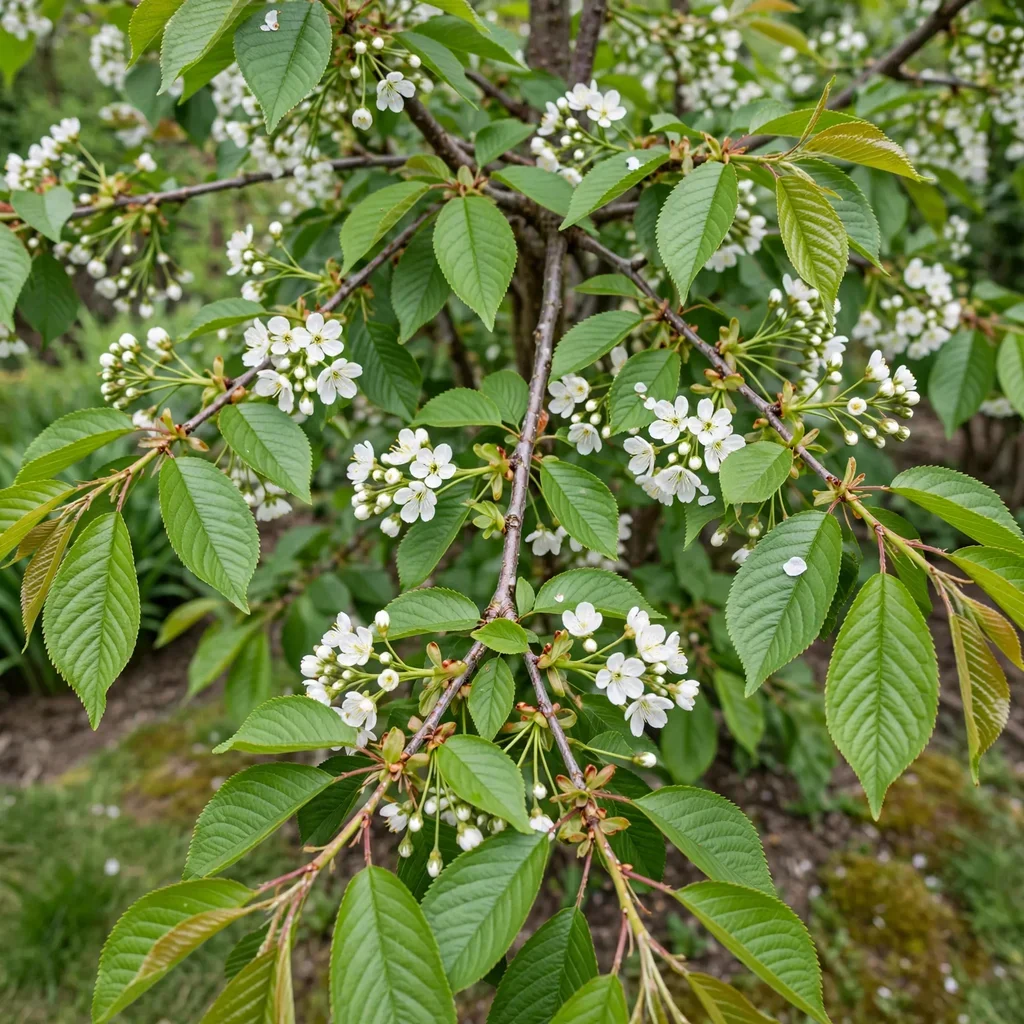
Sweet Cherry Mix
Prunus avium 'Mix'
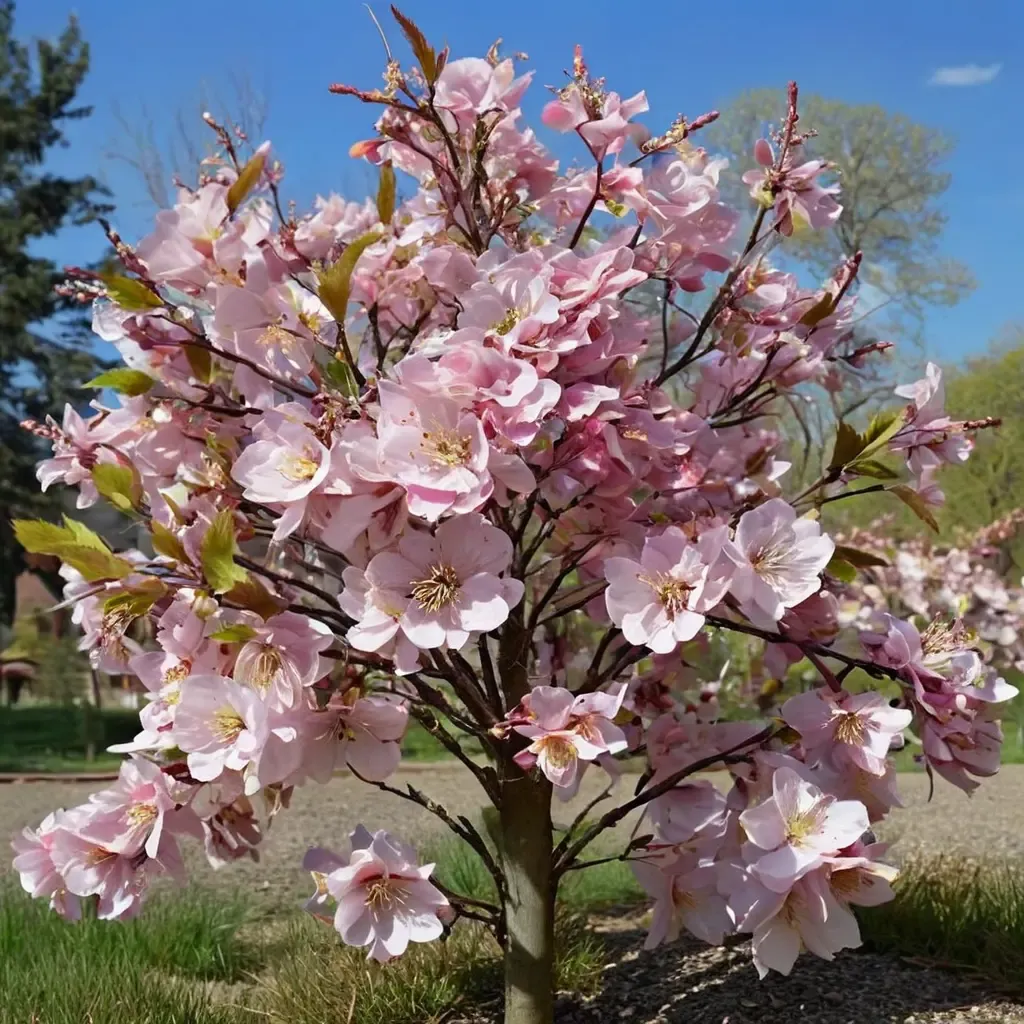
Japanese Flowering Cherry
Prunus serrulata
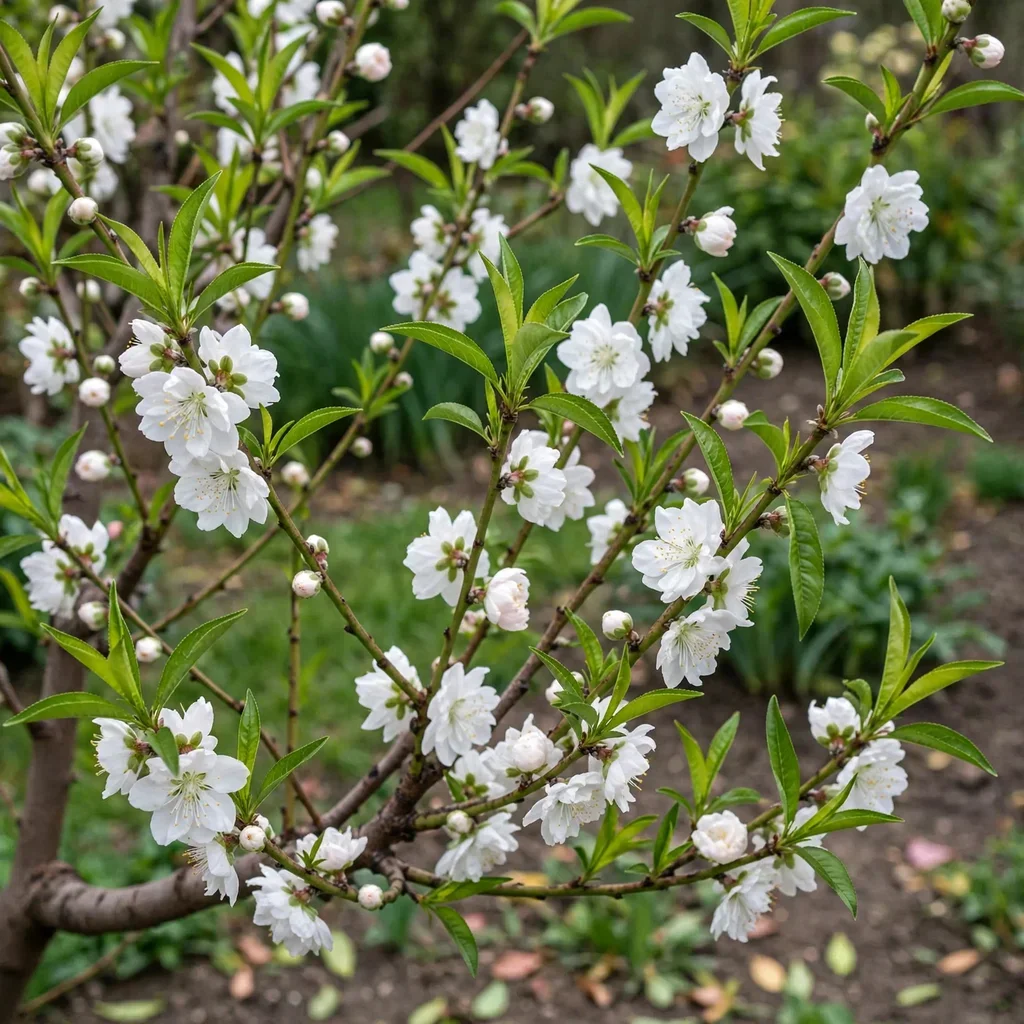
Feiching Tao White Peach
Prunus persica 'Feiching Tao White'
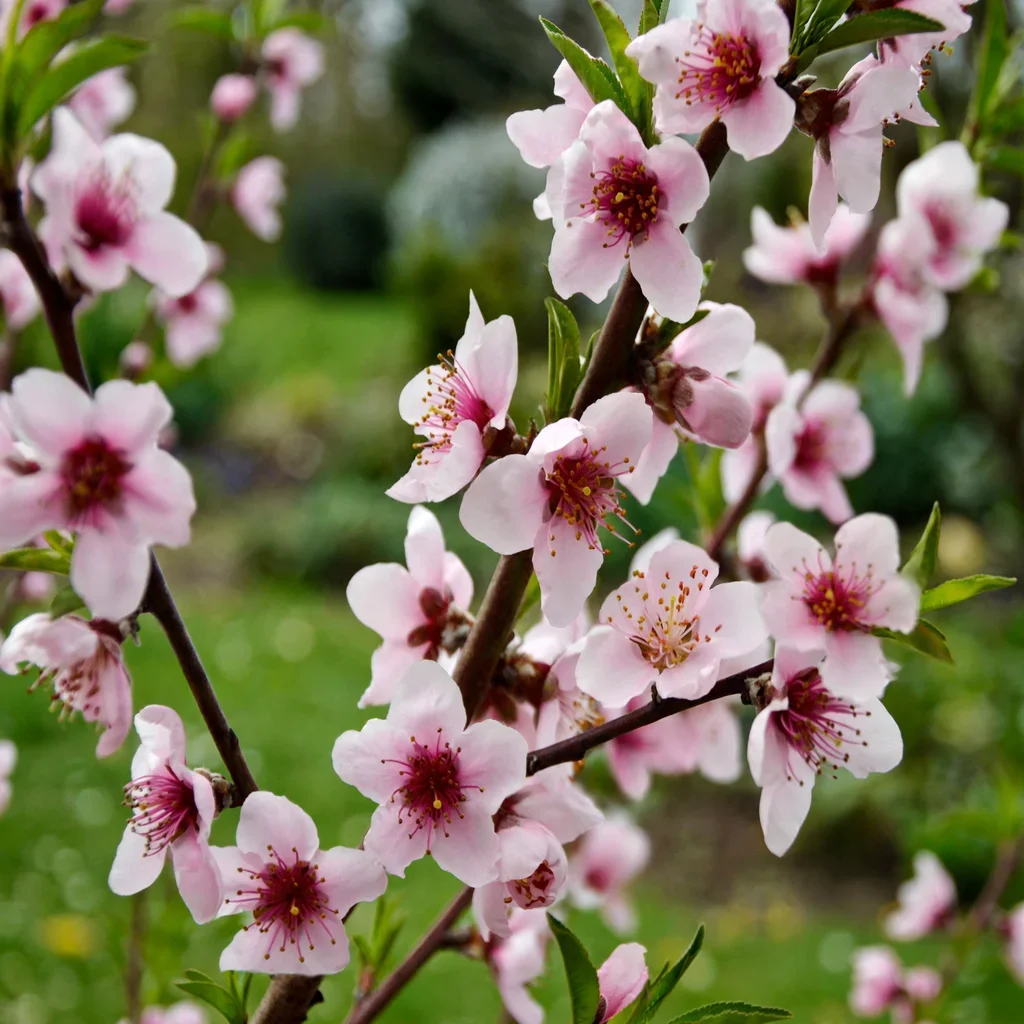
Hale Haven Peach
Prunus persica 'Hale Haven'
Keep exploring
Explore the genus
Hardy in your zone?
Grow Hollyleaf Cherry with confidence
See it in a design of your actual yard, get zone-matched care reminders, and track it season by season in your garden journal.