The Story
Plant Bio
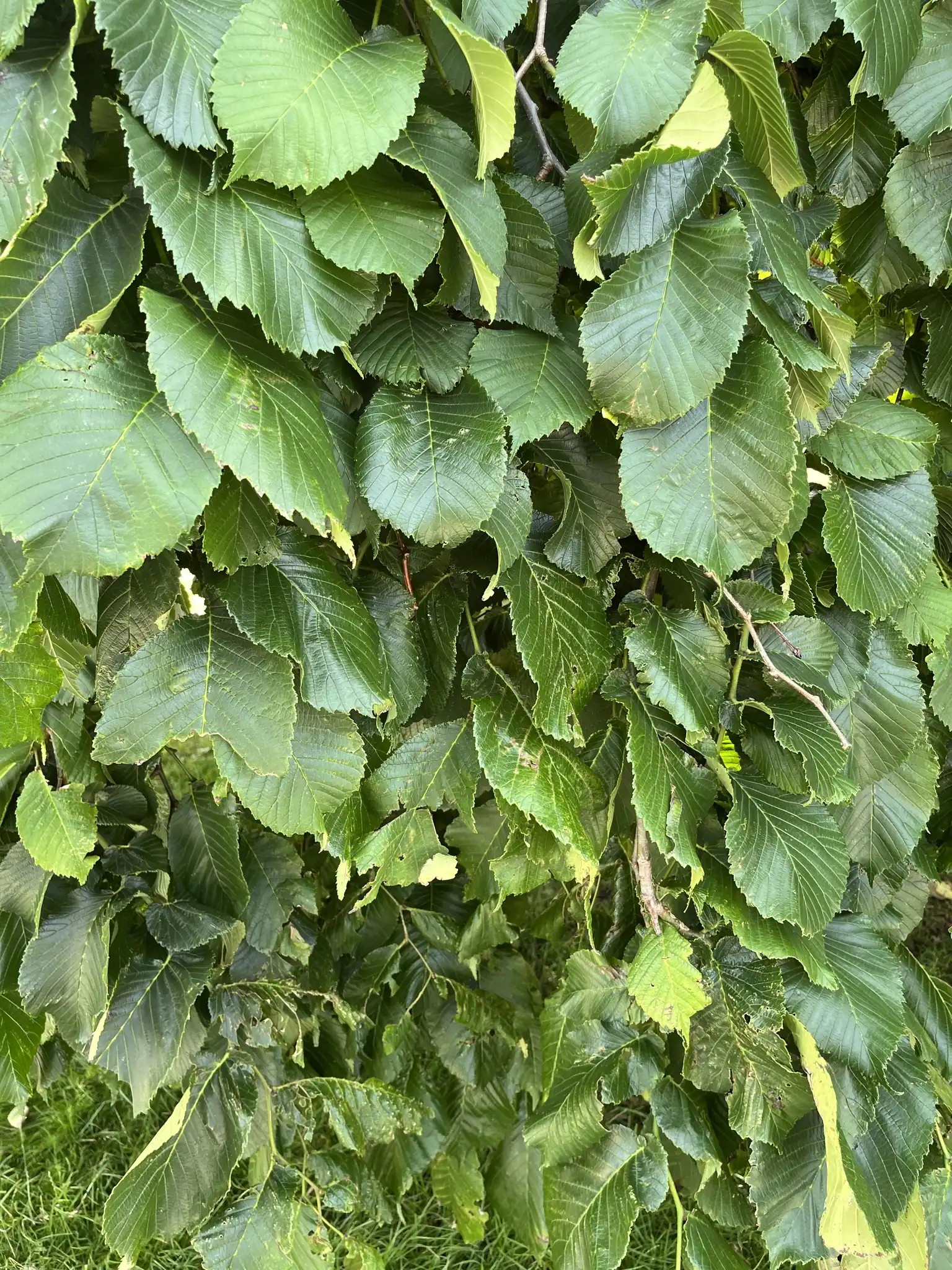
Ulmus glabra is a large deciduous tree developing a broad crown over a short trunk with heavy, spreading branches. Its simple, doubly serrate leaves feature a strongly asymmetric base that conceals the short petiole and a rough, scabrous upper surface.
Unlike many other elms, pure Wych elm does not produce root suckers from its base, making basal sucker absence a key diagnostic feature in the field. Red to pinkish-brown flowers open in dense, stemless clusters along bare branches in early spring before foliage emerges.
Uses & Benefits:
Essentials
At a Glance
Plant Type
Tree
Height
984"
Width
787"
Light
Full Sun, Partial Sun
Zones
4, 5, 6, 7
Water
Moderate
Humidity
Moderate
Lifespan
Long-lived
Native To
Europe to Western Siberia and Iran
Toxicity
Non-toxic
Bloom period
Spring
In flower about 3 months of the year
Planting
How to Grow
- Plant in a location receiving full sun to partial shade with deep, well-draining soil.
- Dig a hole twice as wide as the root ball and set the root collar level with the surrounding soil.
- Water thoroughly at planting and maintain consistent soil moisture during the first two growing seasons.
- Apply a two-inch layer of organic mulch around the base, keeping it clear of the direct trunk bark.
Pro Tip
Prune strictly during late winter dormancy to avoid releasing scents that attract bark beetles carrying Dutch elm disease.
Keep It Thriving
Care Guide
Do
- Prune exclusively in late winter while the tree is fully dormant.
- Monitor regularly for wilting branches or leaf skeletonization.
- Provide supplemental irrigation during extended dry periods until established.
Don't
- Do not prune during the active growing season, as fresh cuts attract bark beetles.
- Avoid planting in permanently waterlogged or saturated sites.
- Do not make unsterilized cuts into old wood unless removing structural damage.
Seasonal Care Calendar
| Task | Jan | Feb | Mar | Apr | May | Jun | Jul | Aug | Sep | Oct | Nov | Dec |
|---|---|---|---|---|---|---|---|---|---|---|---|---|
| Fertilize | ||||||||||||
| Mulch | ||||||||||||
| Pest Check | ||||||||||||
| Prune |
Watch Out For
Pests & Diseases
Common Pests
Common Diseases
In the Garden
Landscape Uses & Companions
Landscape Uses
Companion Plants
Multiply
Propagation Methods
Good to Know
Common Questions
Wych Elm questions
What zones can Wych Elm grow in?
Wych Elm is hardy in USDA Zones 4–7: in that range it survives winter in the ground. Warmer than Zone 7, winter isn't the problem: it prefers colder winters, and summer heat can shorten its life.
Is Wych Elm deer resistant?
Not reliably. Deer may browse Wych Elm, especially tender spring growth — plan on repellents or fencing where pressure is high.
When does Wych Elm bloom?
Wych Elm typically blooms in spring. Exact timing shifts a week or two with your zone — Sow's bloom calendar maps it to your garden.
Does Wych Elm need full sun?
Wych Elm does best in full sun to part shade. In hot climates, afternoon shade keeps blooms fresher longer.
Is Wych Elm drought tolerant?
Yes — once established (usually after the first full season), Wych Elm handles dry spells with minimal watering. Water deeply its first year to build the root system that makes that possible.
More Ulmus to compare
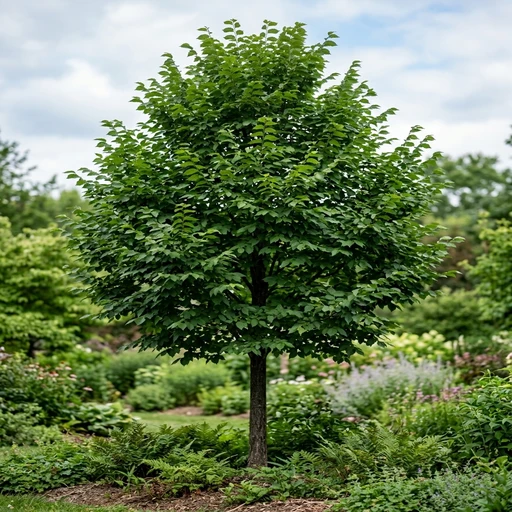
Princeton Elm
Ulmus americana 'Princeton'
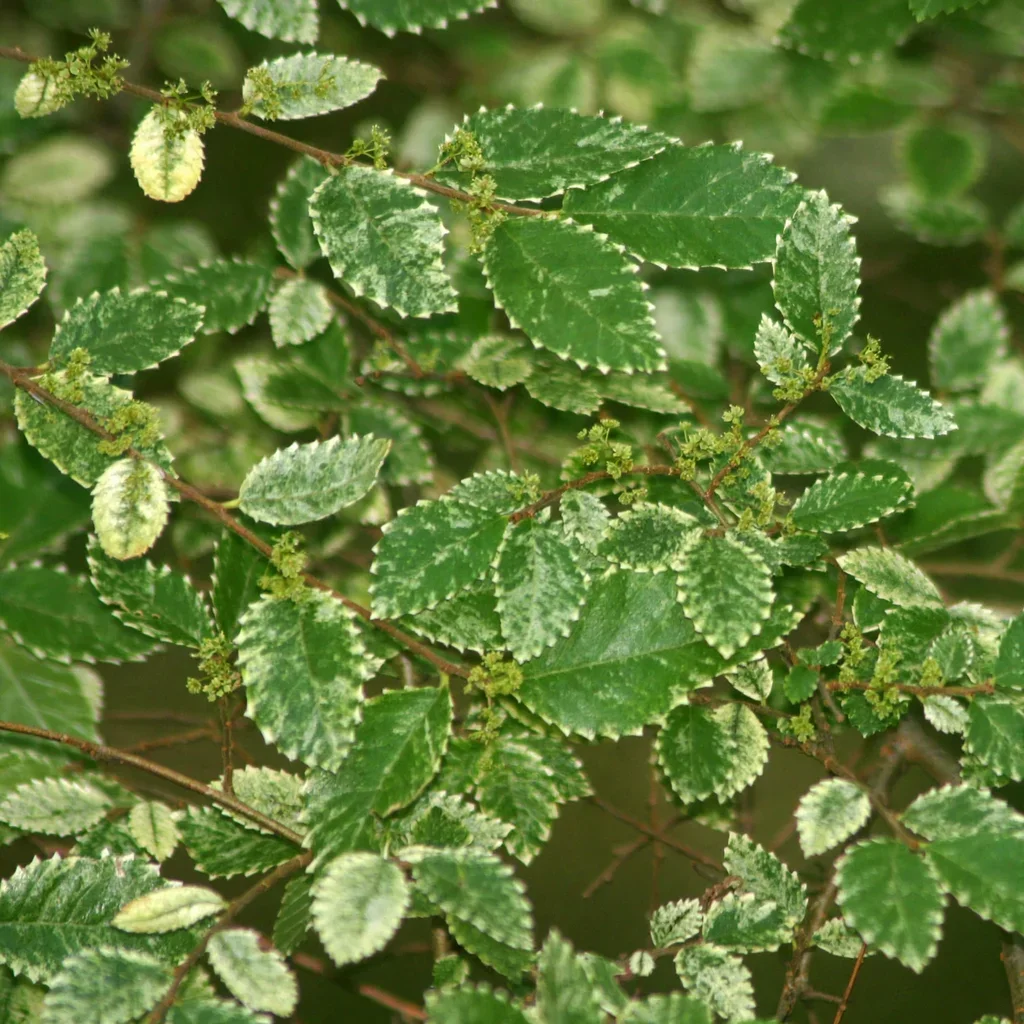
Variegated Chinese Elm
Ulmus parvifolia 'Variegata'
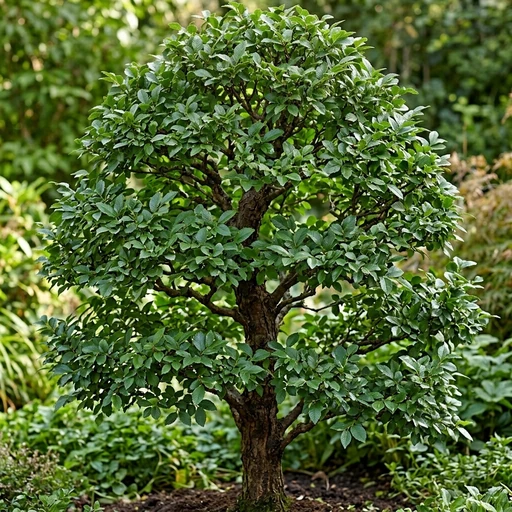
Cedar Elm
Ulmus crassifolia
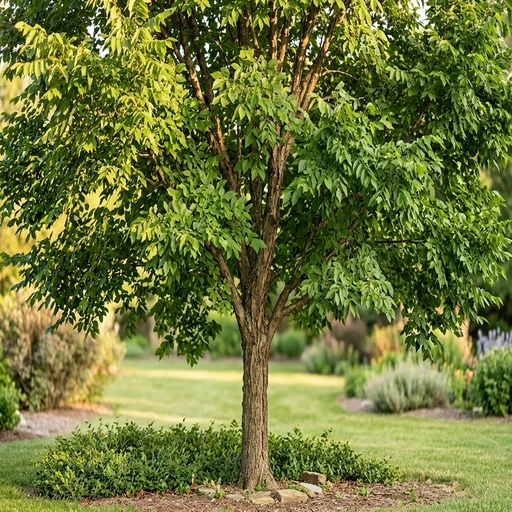
Winged Elm
Ulmus alata
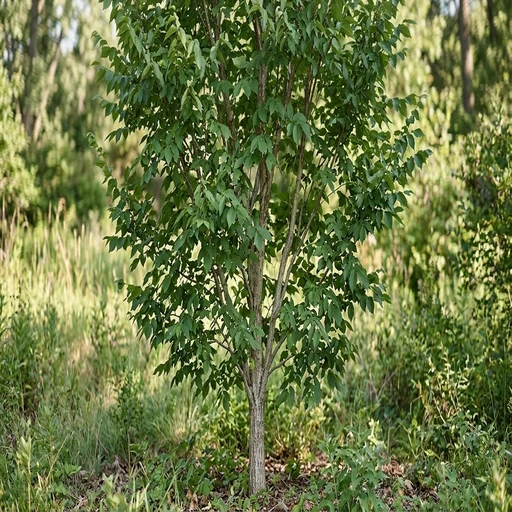
Colonial Spirit American Elm
Ulmus americana 'Colonial Spirit'
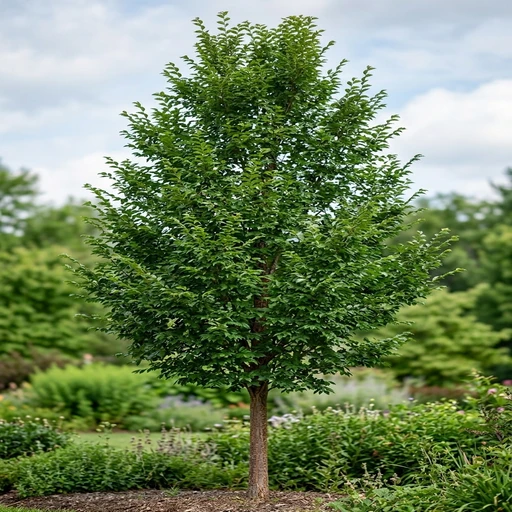
Everclear Lacebark Elm
Ulmus parvifolia 'Everclear'
Keep exploring
Explore the genus
Hardy in your zone?
Grow Wych Elm with confidence
See it in a design of your actual yard, get zone-matched care reminders, and track it season by season in your garden journal.