
Garden hybrid
This is a garden hybrid, bred from more than one wild species, so it has no single species page of its own.
260 other cultivars
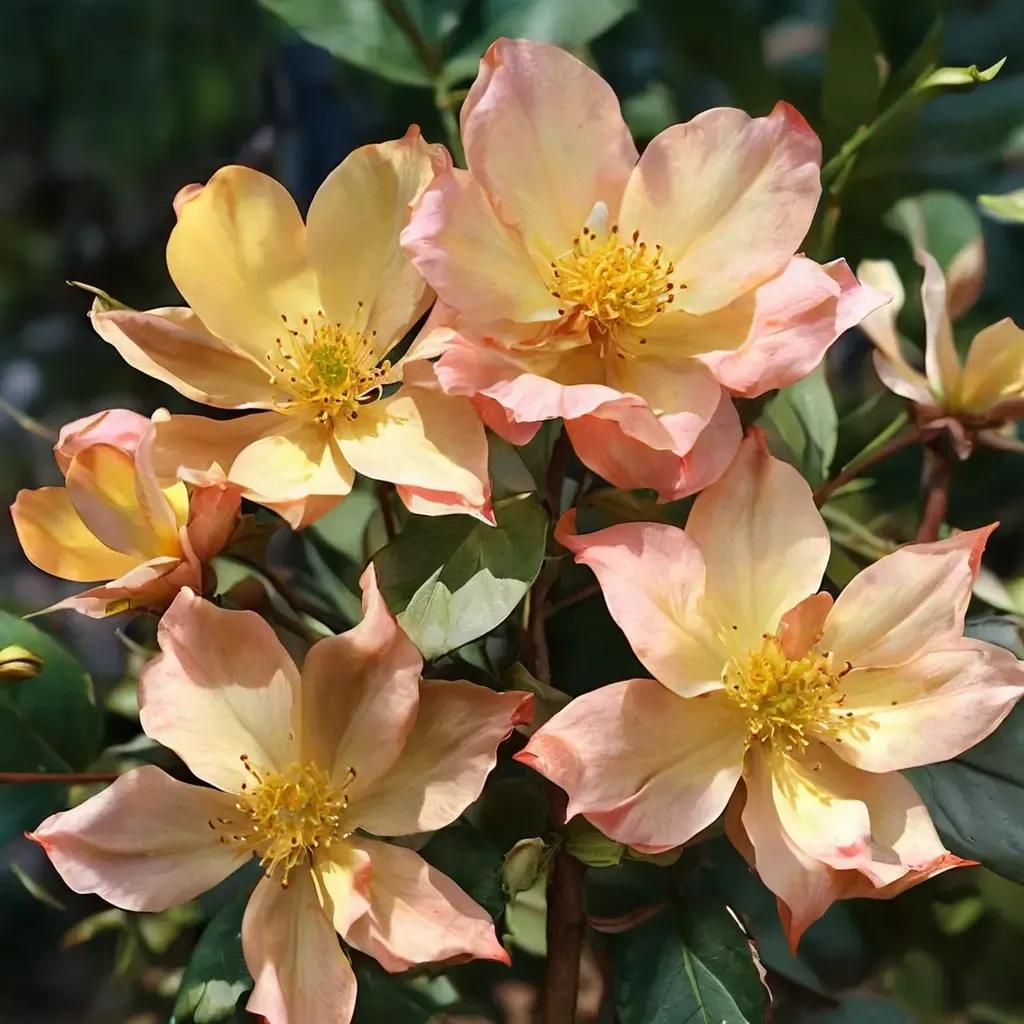 ‘Flutterbye’Flutterbye Rose
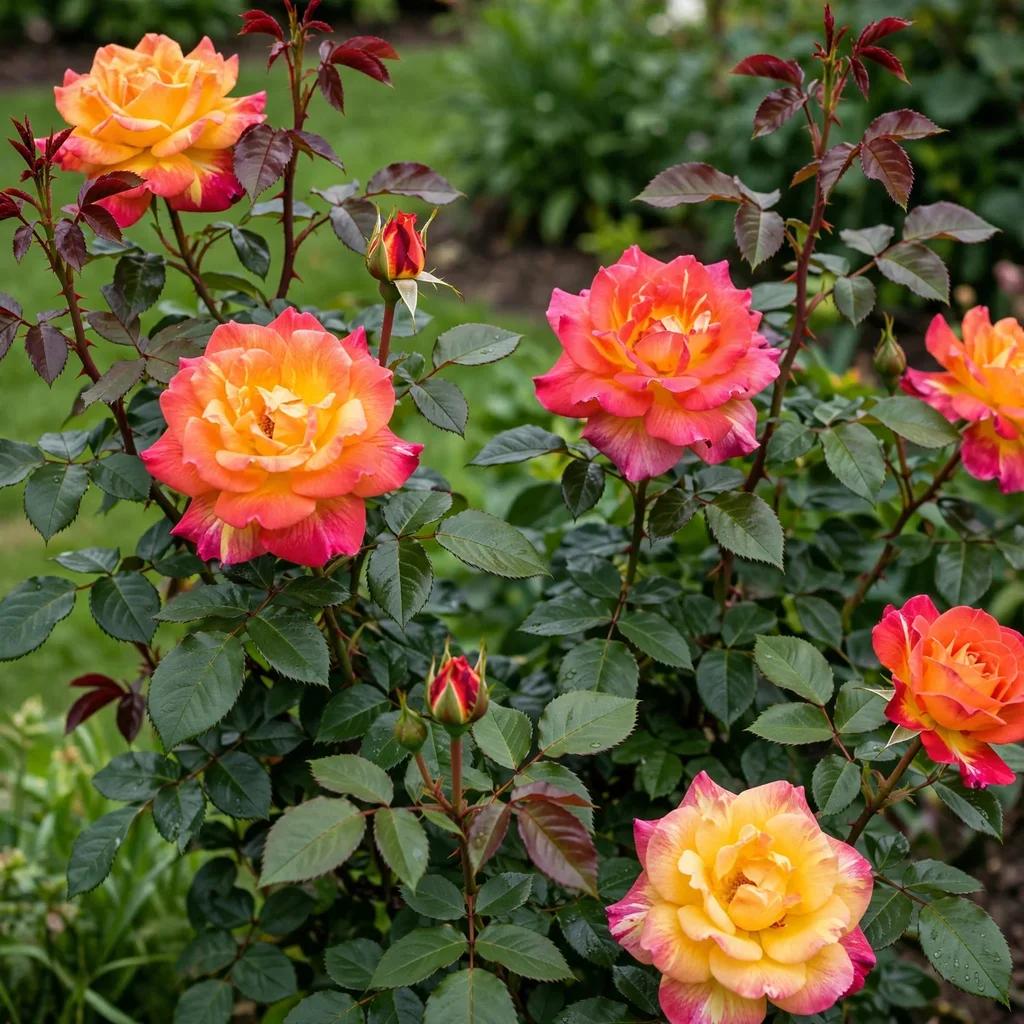 ‘Joseph's Coat’Joseph's Coat Rose
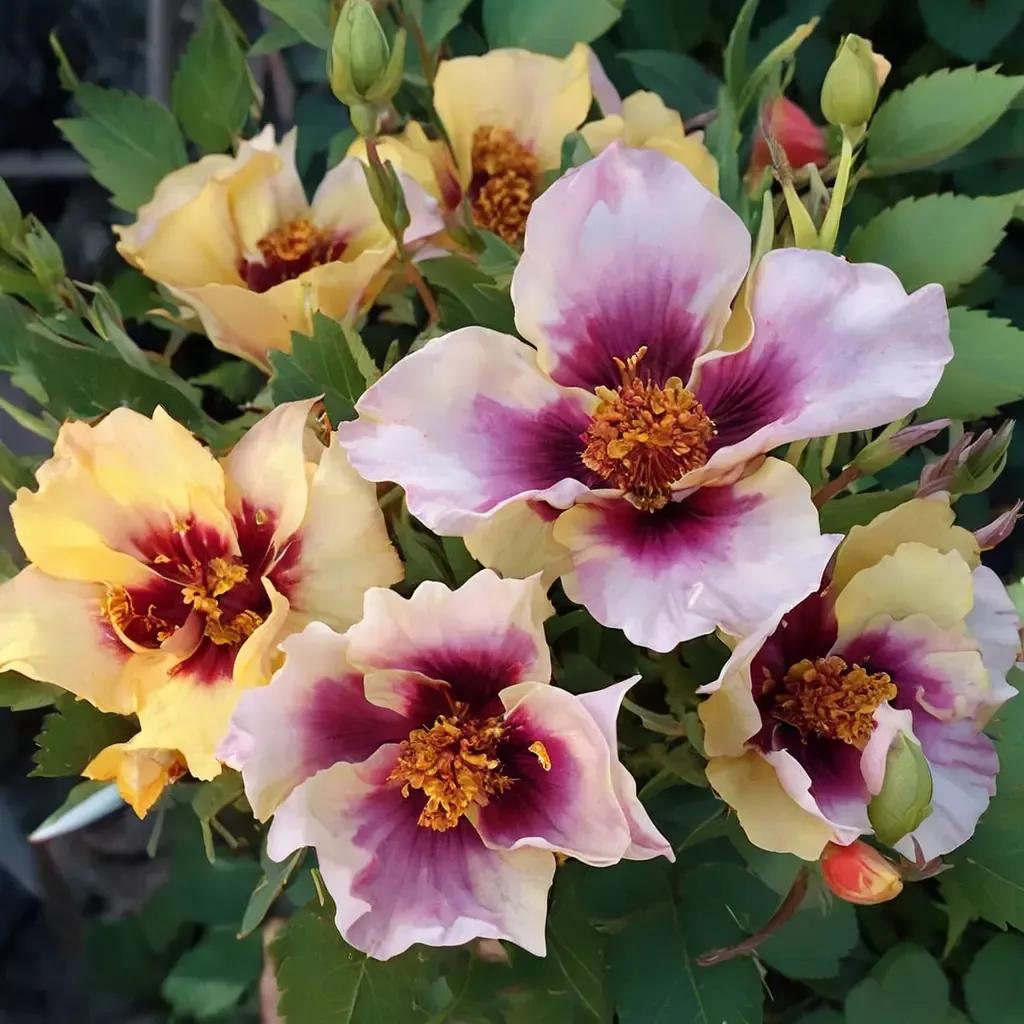 ‘In Your Eyes’In Your Eyes Rose
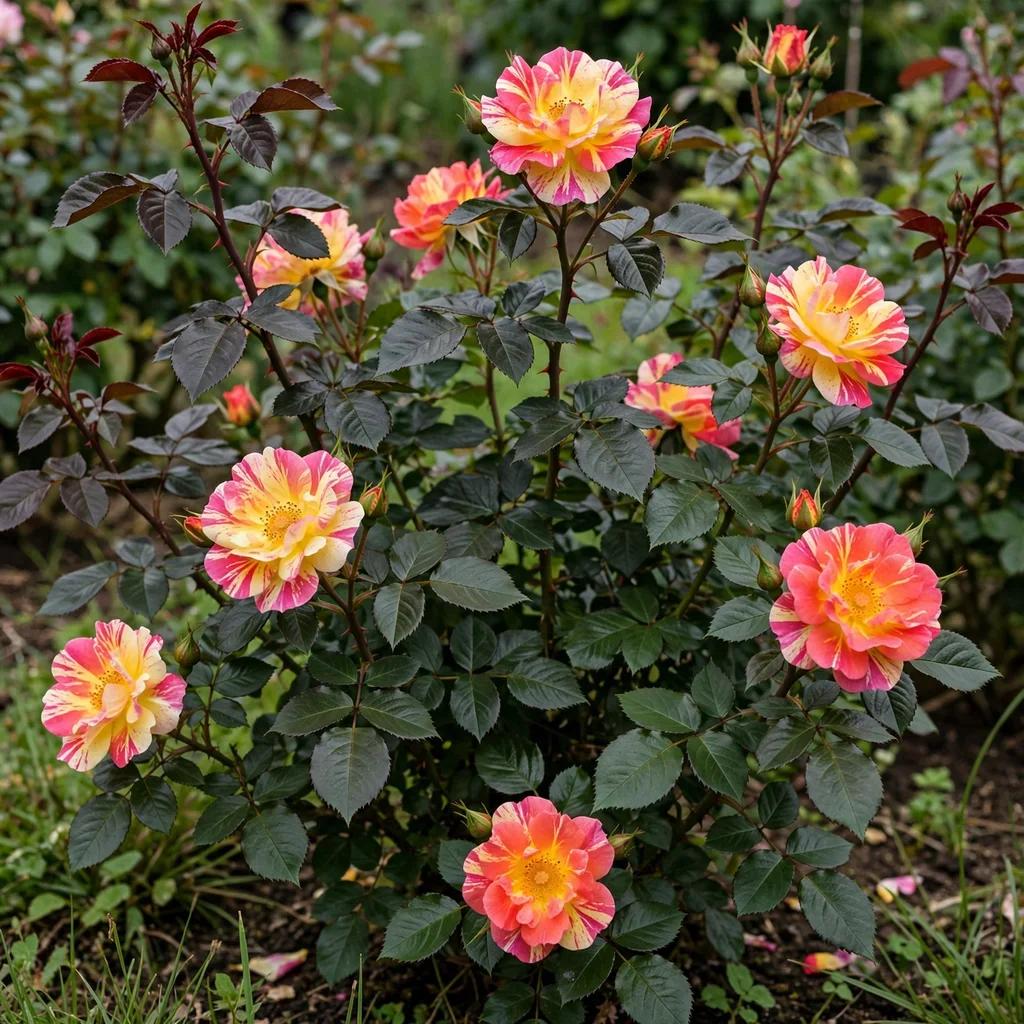 ‘Rainbow’Rainbow Rose
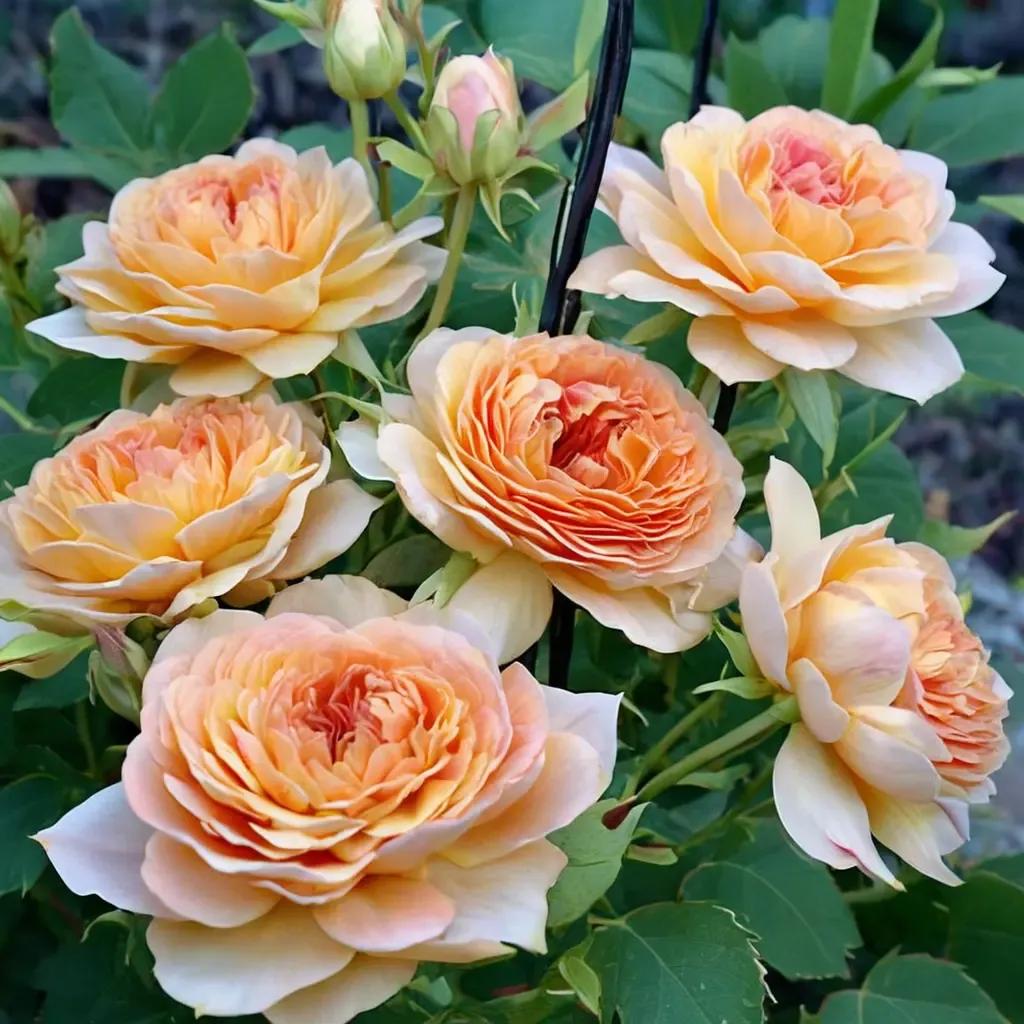 ‘Fun in the Sun’Fun in the Sun Rose
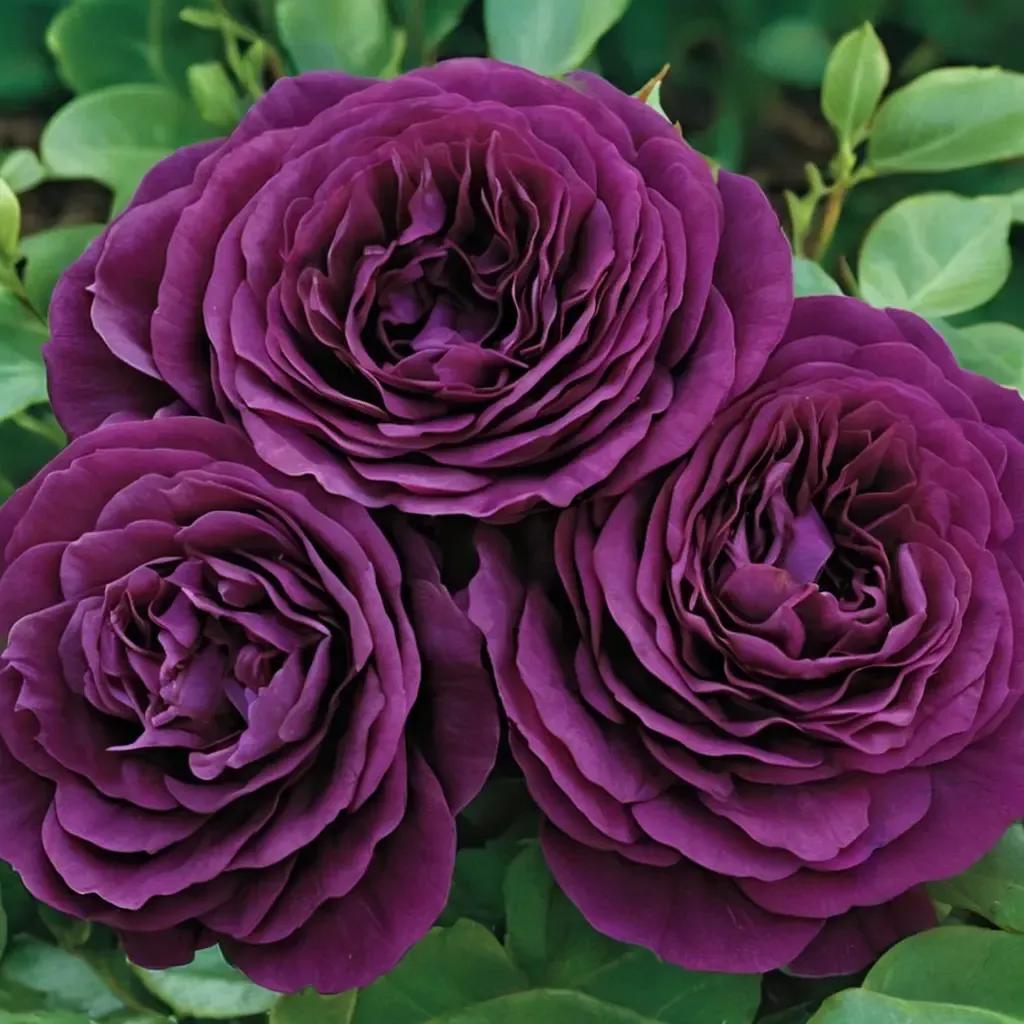 ‘Twilight Zone’Twilight Zone Rose
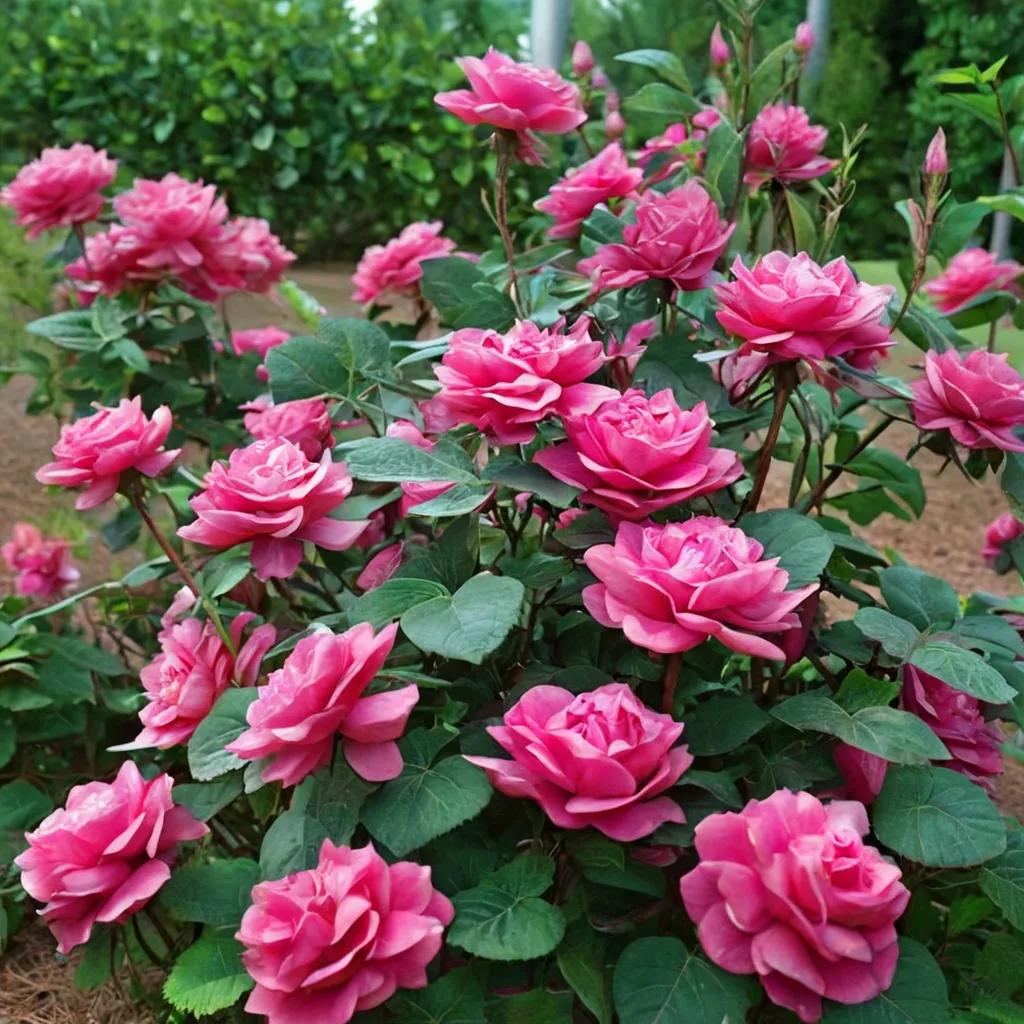 ‘Double Knock Out’Double Knock Out Rose
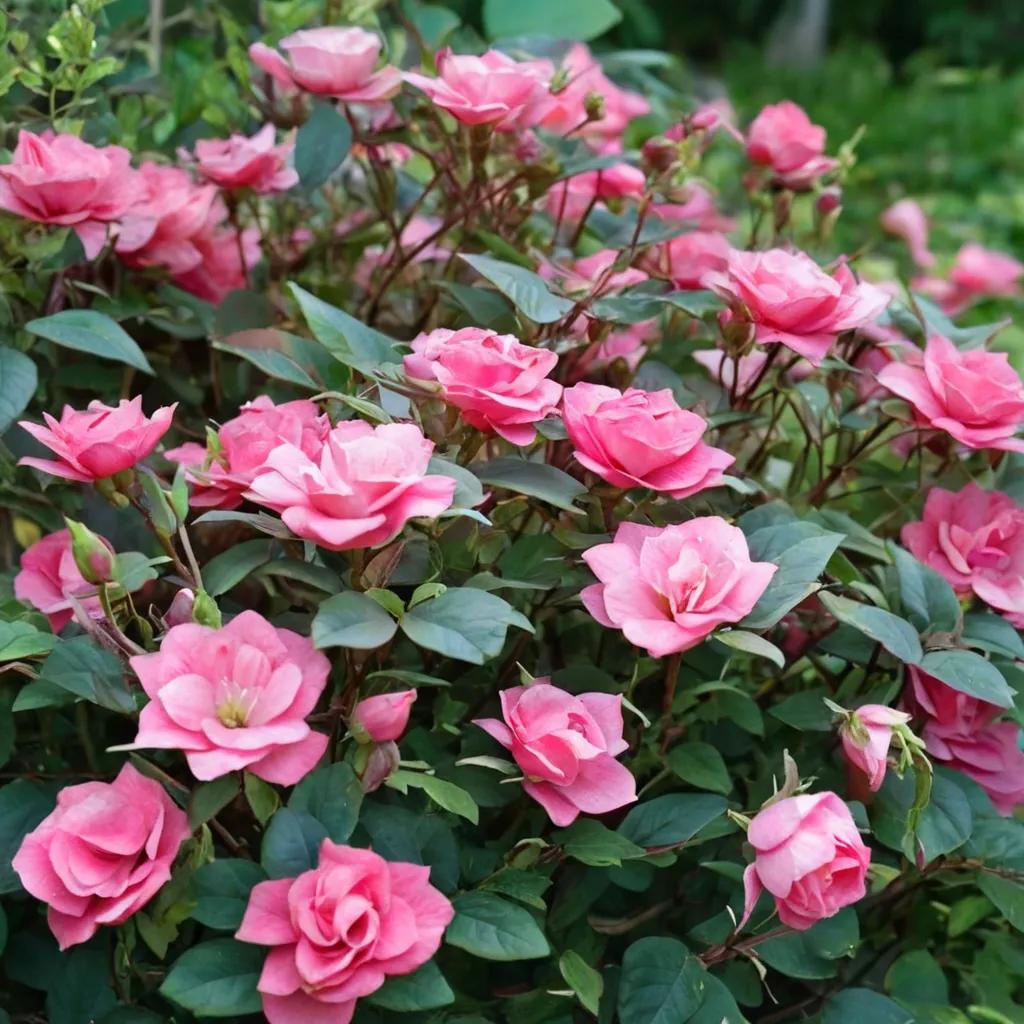 ‘Knock Out’Knock Out Rose
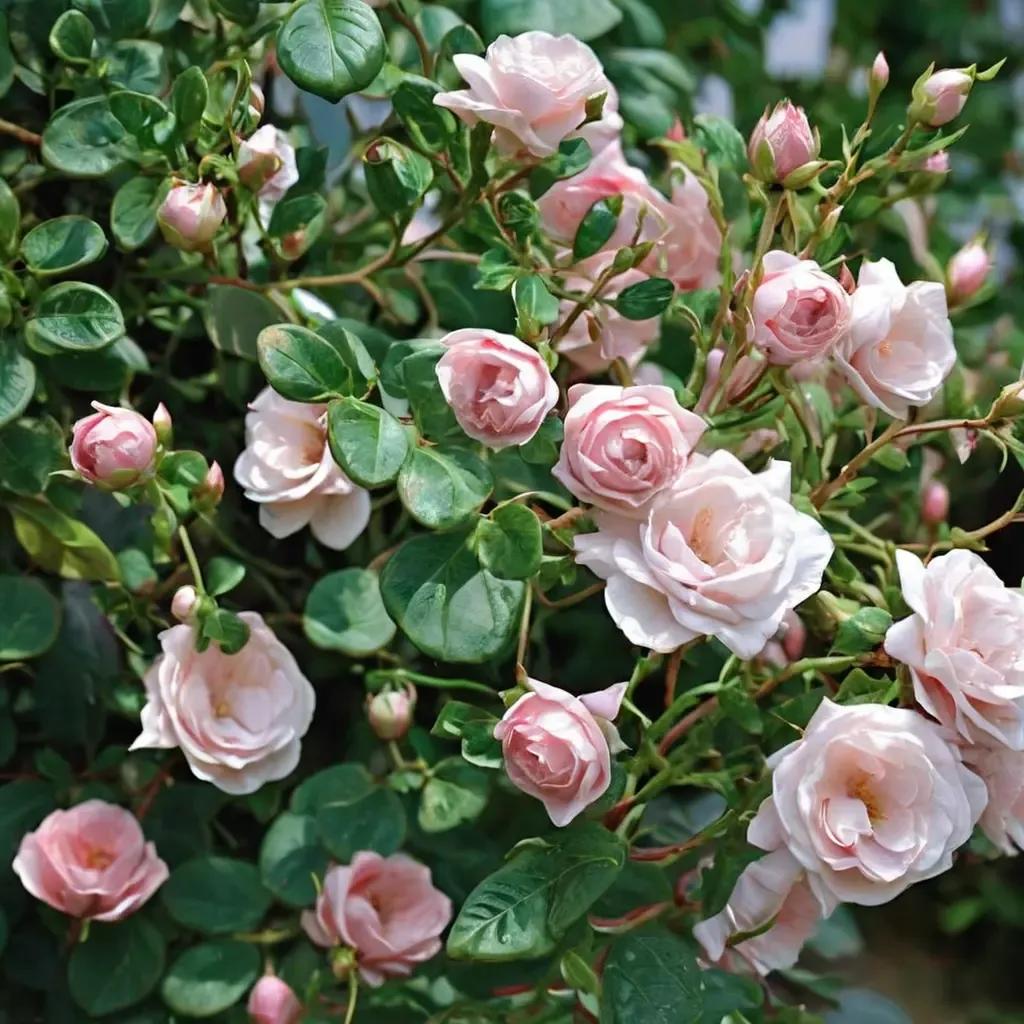 ‘New Dawn’New Dawn Rose
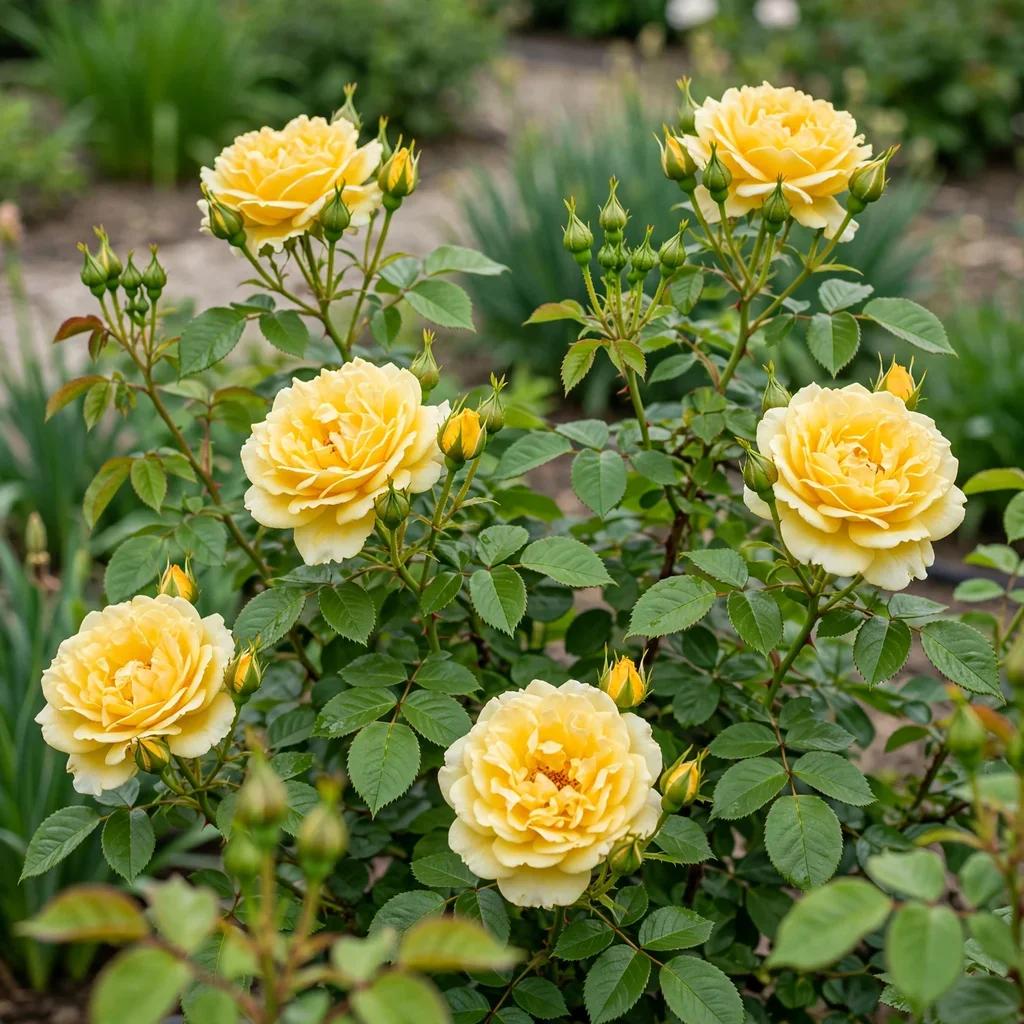 ‘Happy Go Lucky’Happy Go Lucky Rose
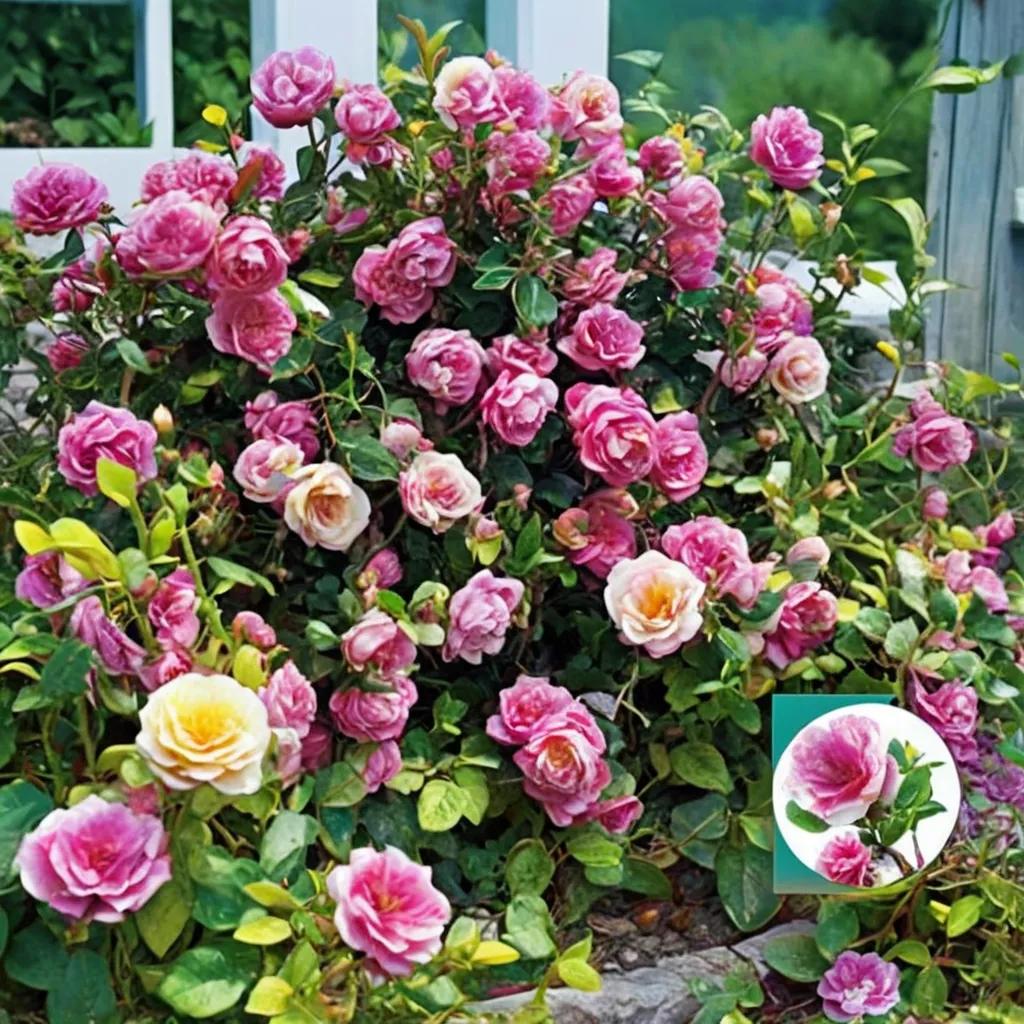 ‘Fly So High’Hybrid Tea Rose Fly So High
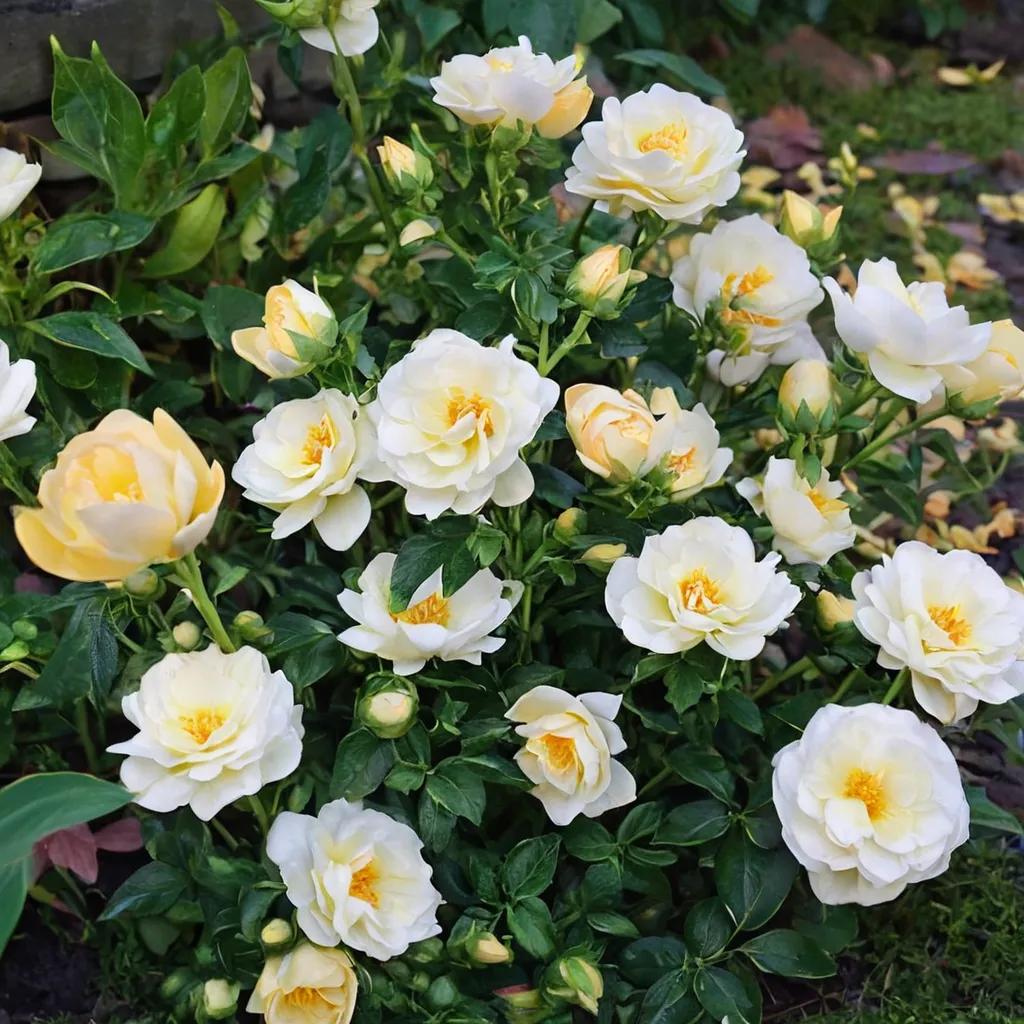 ‘Popcorn Drift’Popcorn Drift Rose
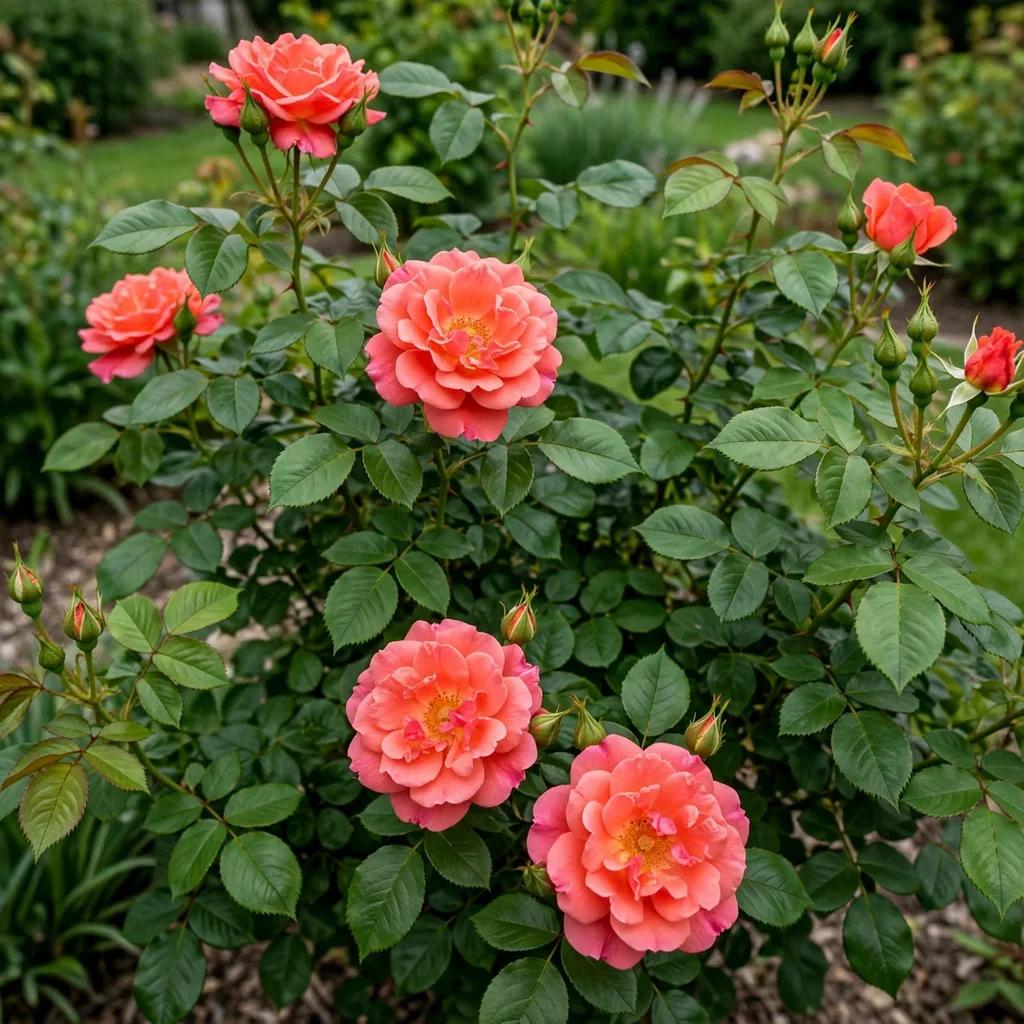 ‘Coral Freedom’Coral Freedom Rose
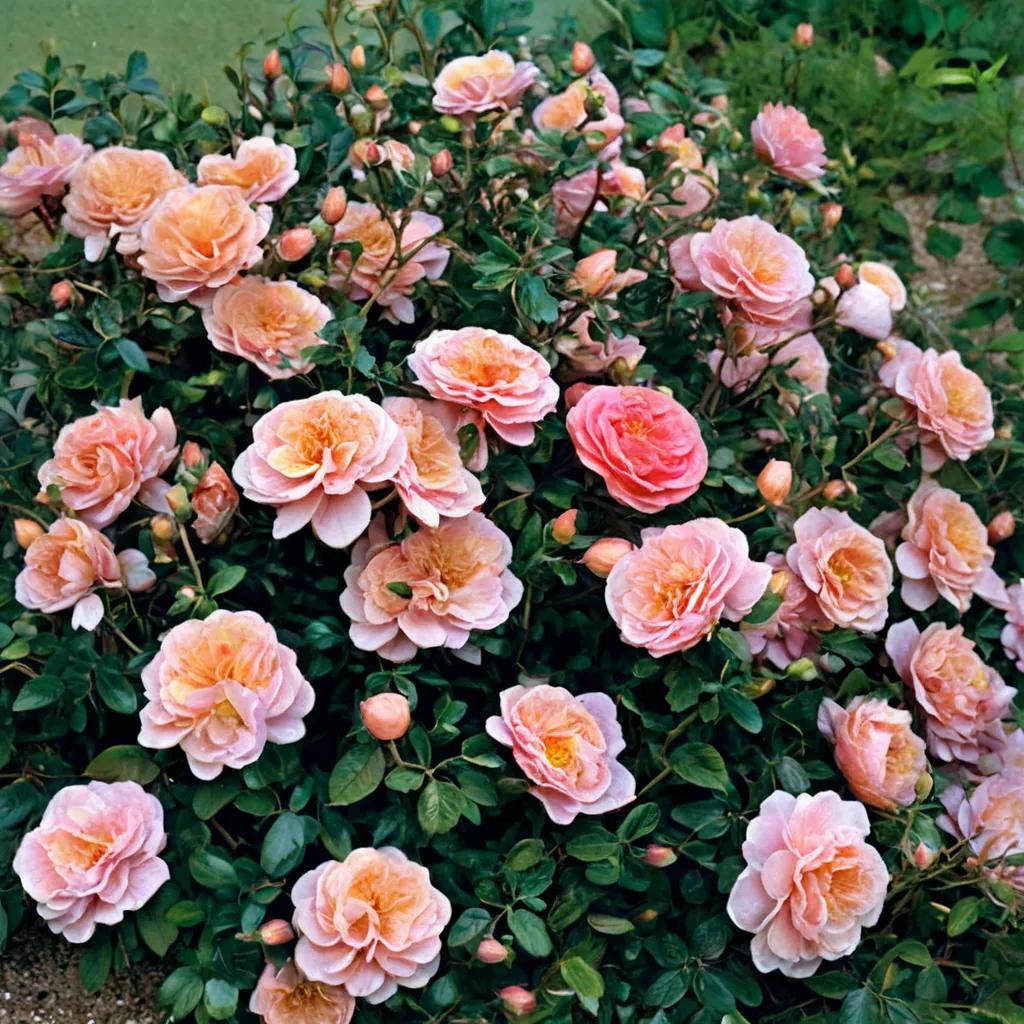 ‘Apricot Drift’Apricot Drift Rose
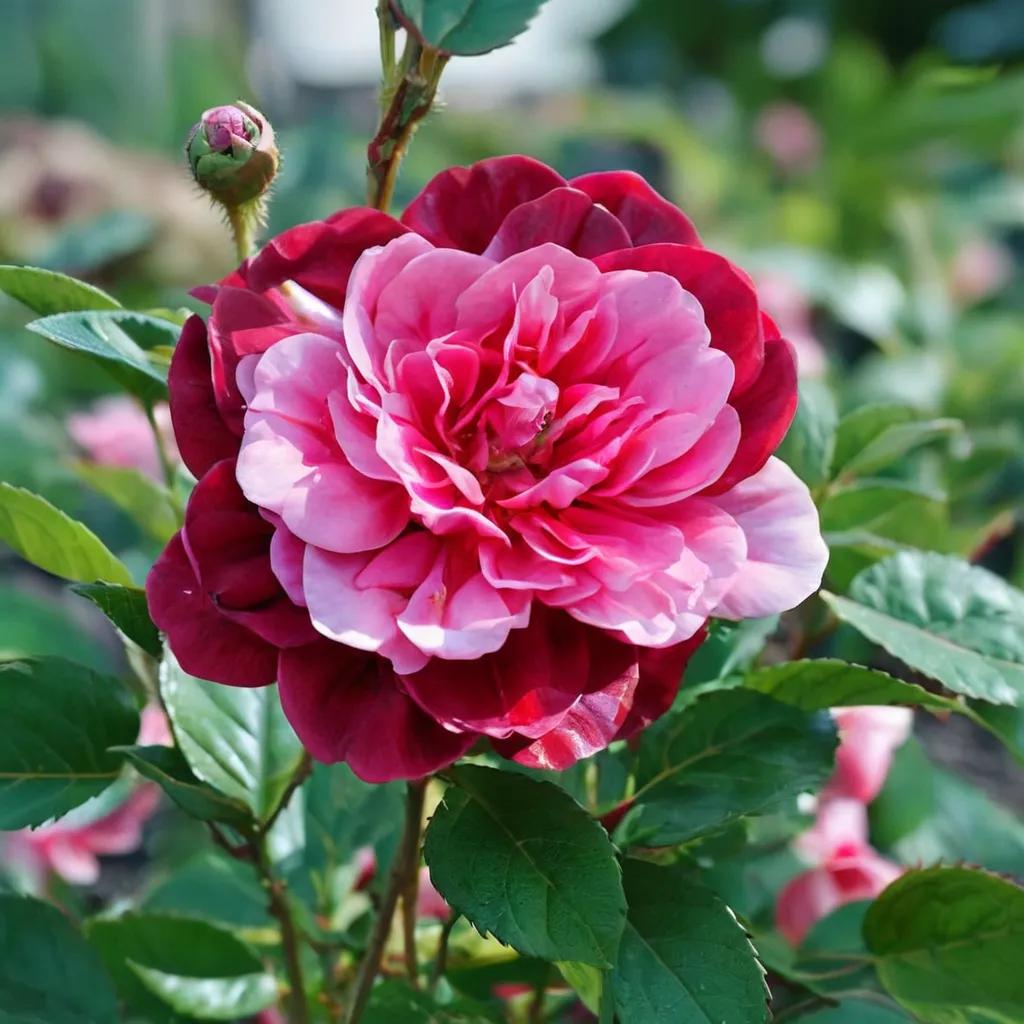 ‘Mix’Hybrid Tea Rose
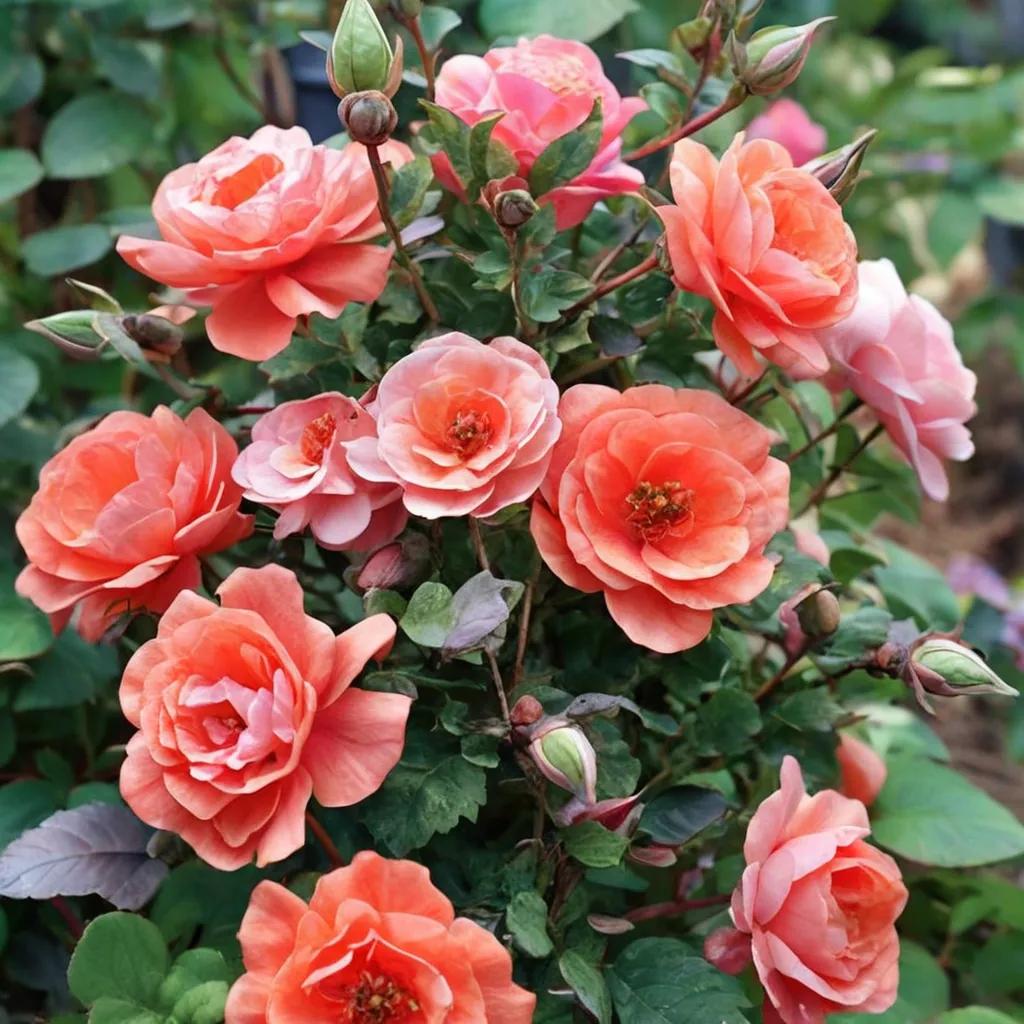 ‘Coral Knock Out’Coral Knock Out Rose
 ‘White Knock Out’White Knock Out Rose
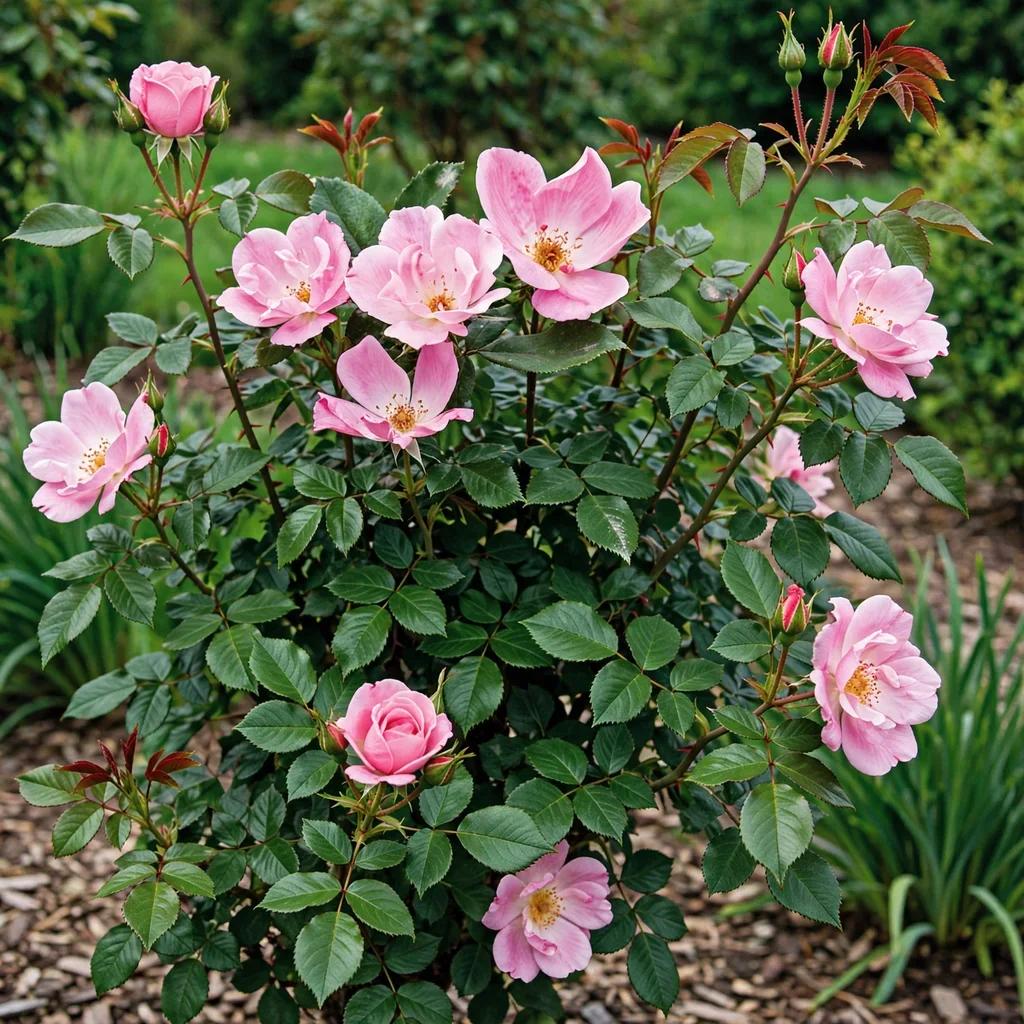 ‘Blushing Knock Out’Blushing Knock Out Rose
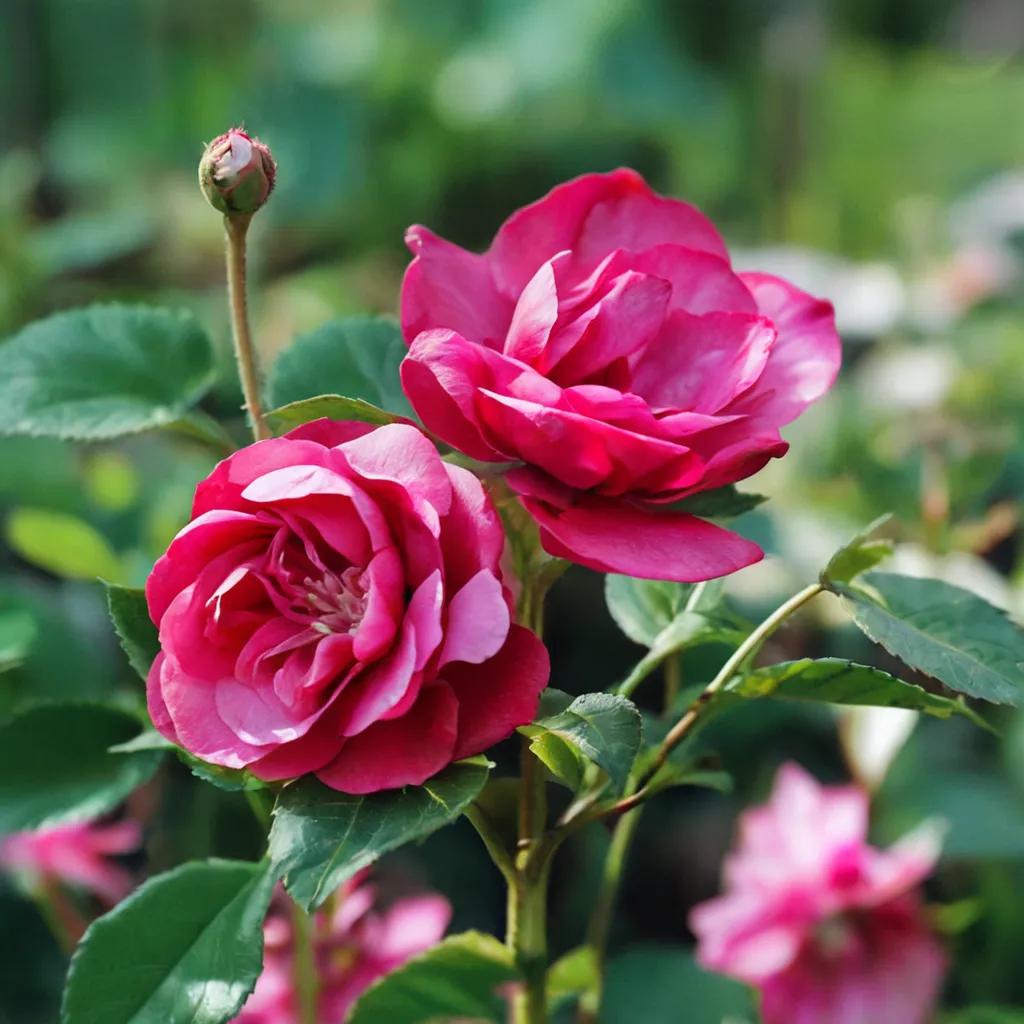 ‘Alive’Alive Rose
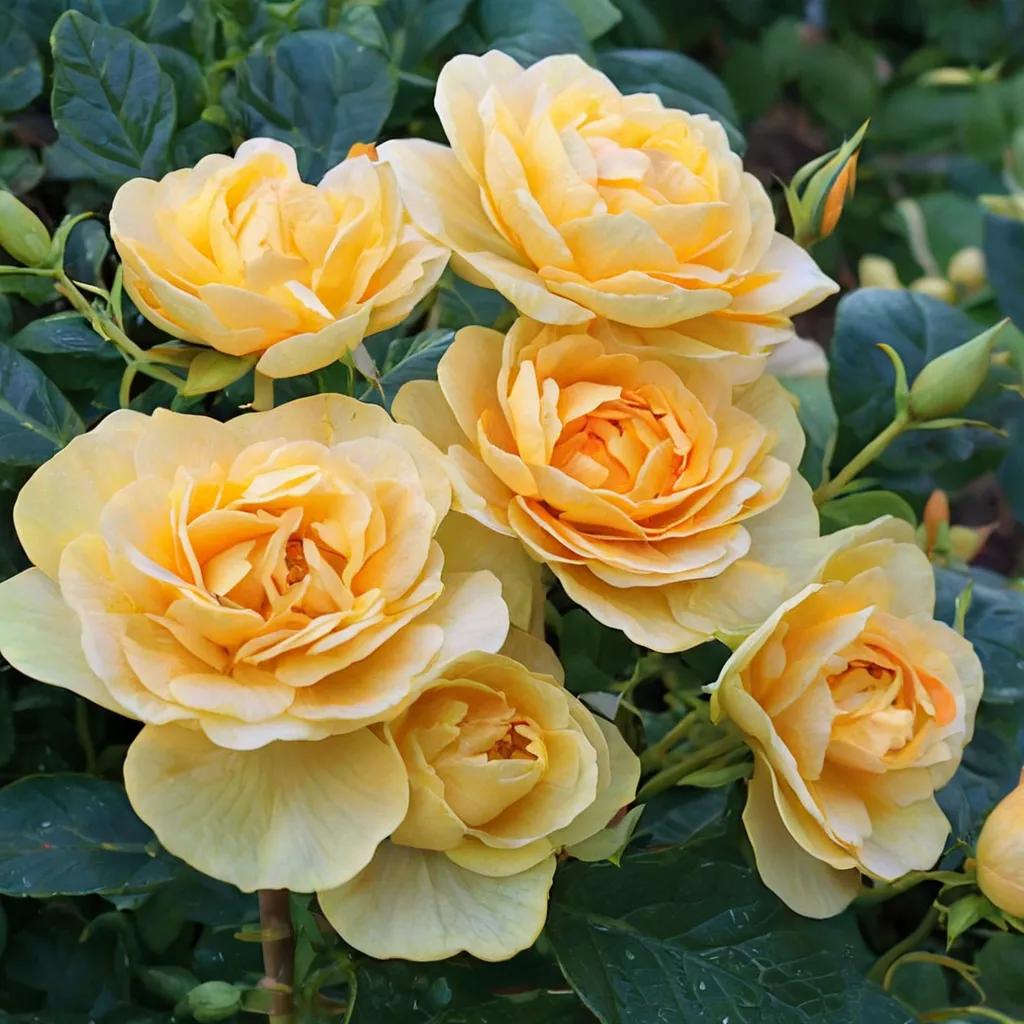 ‘Julia Child’Julia Child Rose
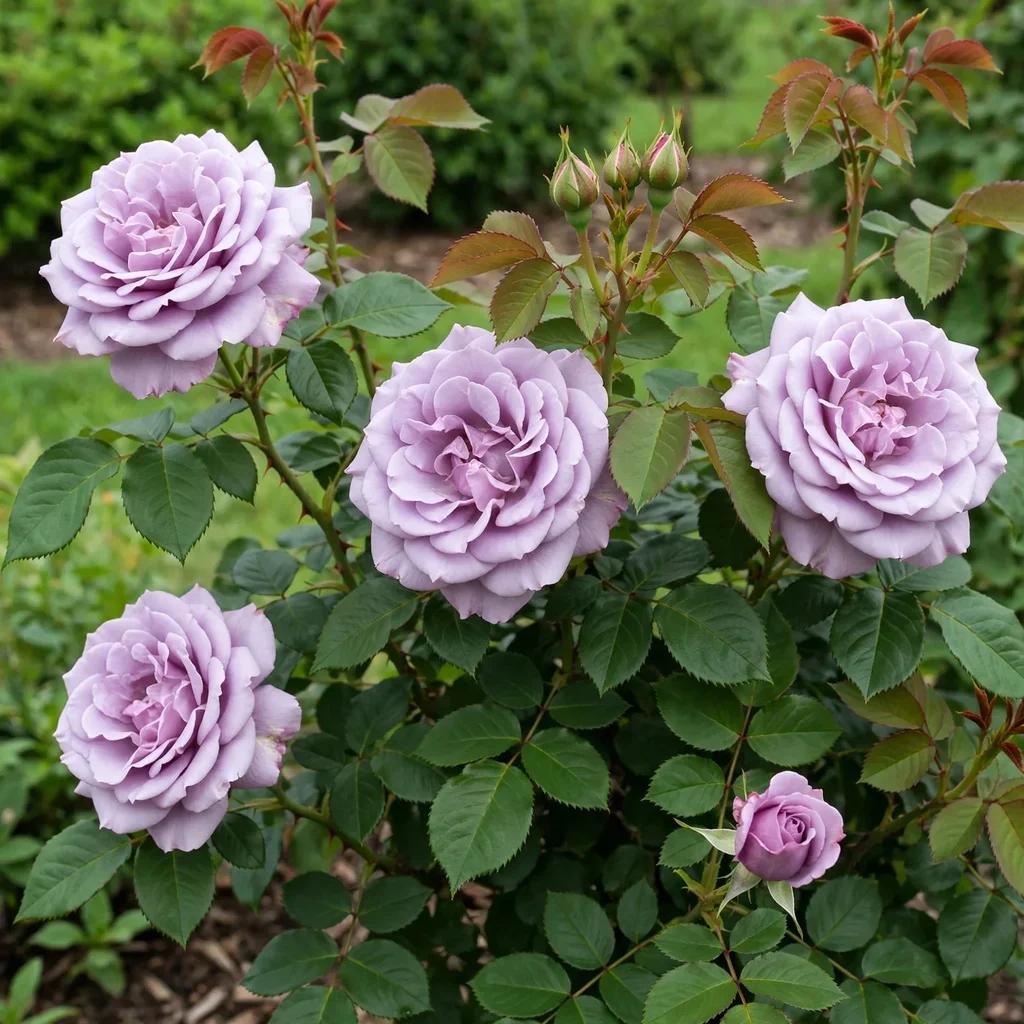 ‘Quicksilver’Quicksilver Climbing Rose
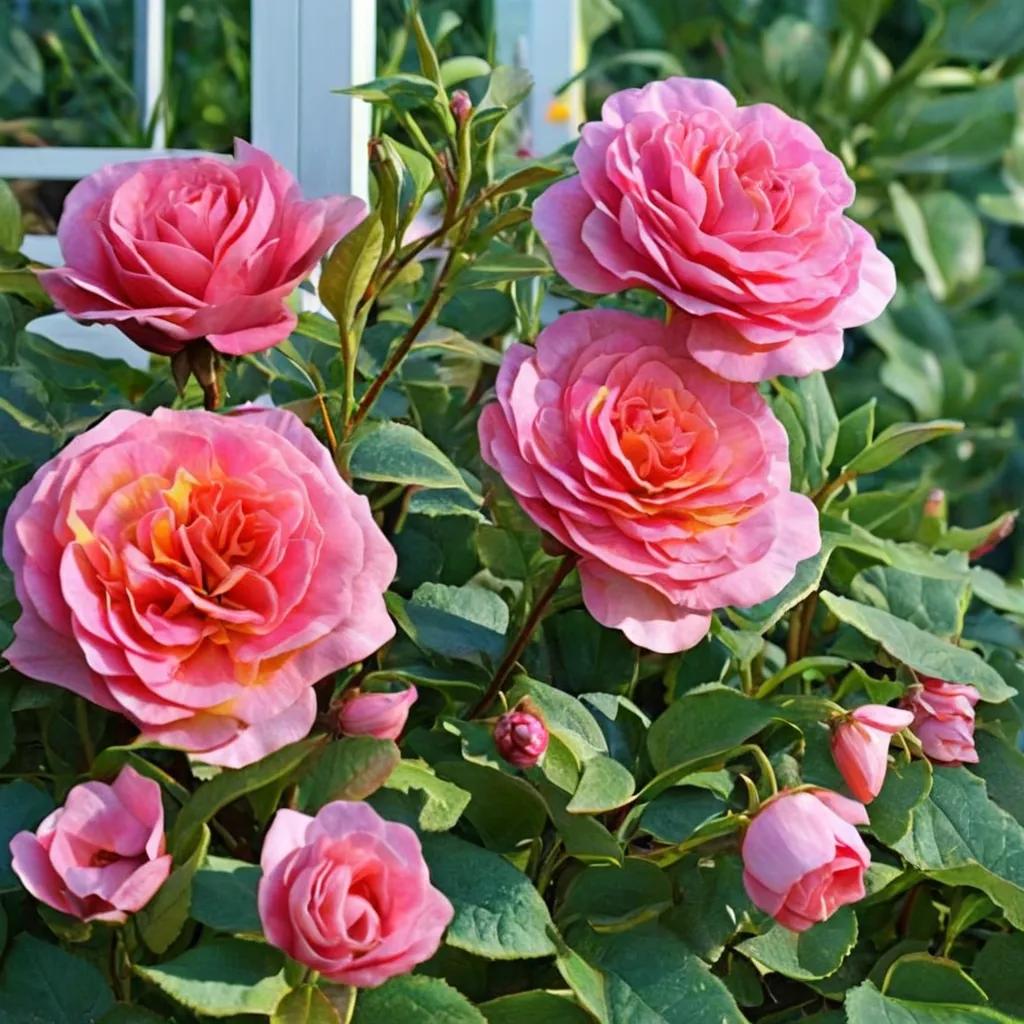 ‘Time After Time’Time After Time Rose
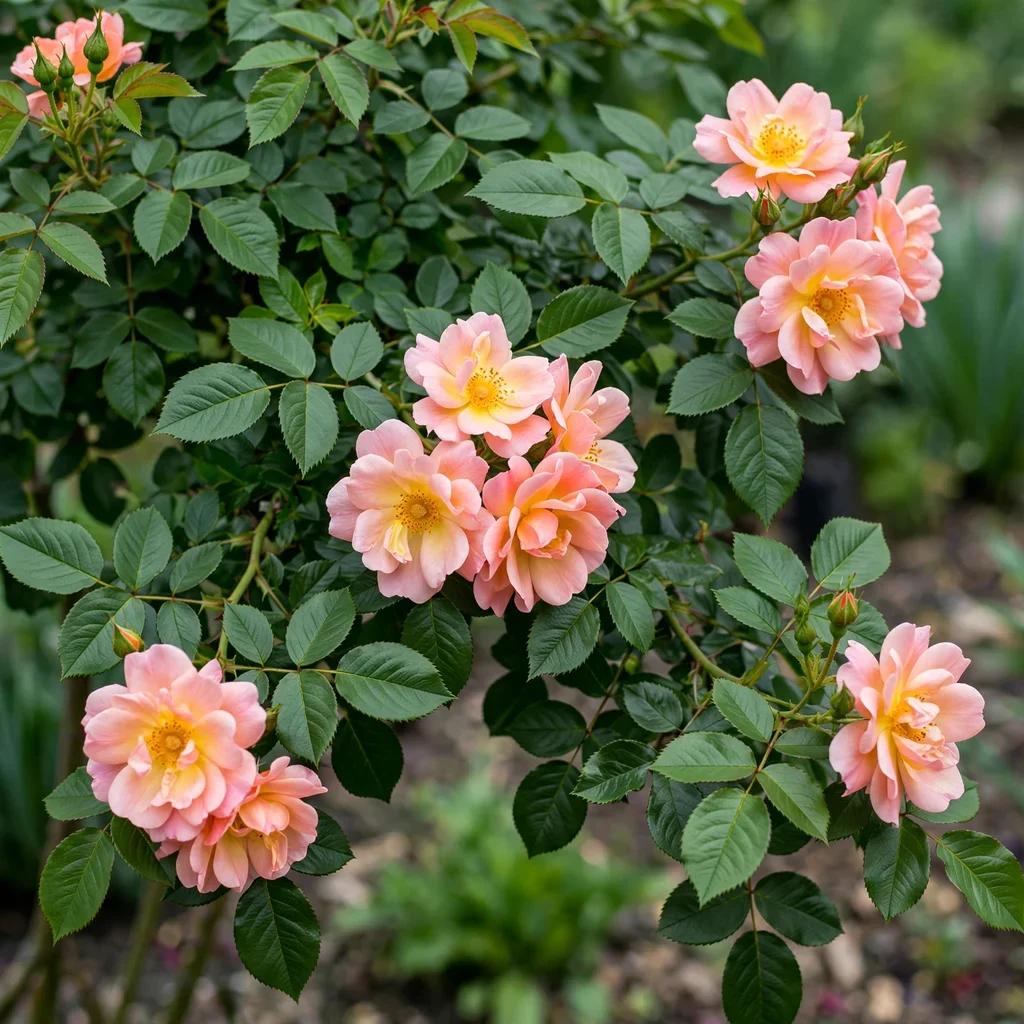 ‘Peachy Knock Out’Peachy Knock Out Rose
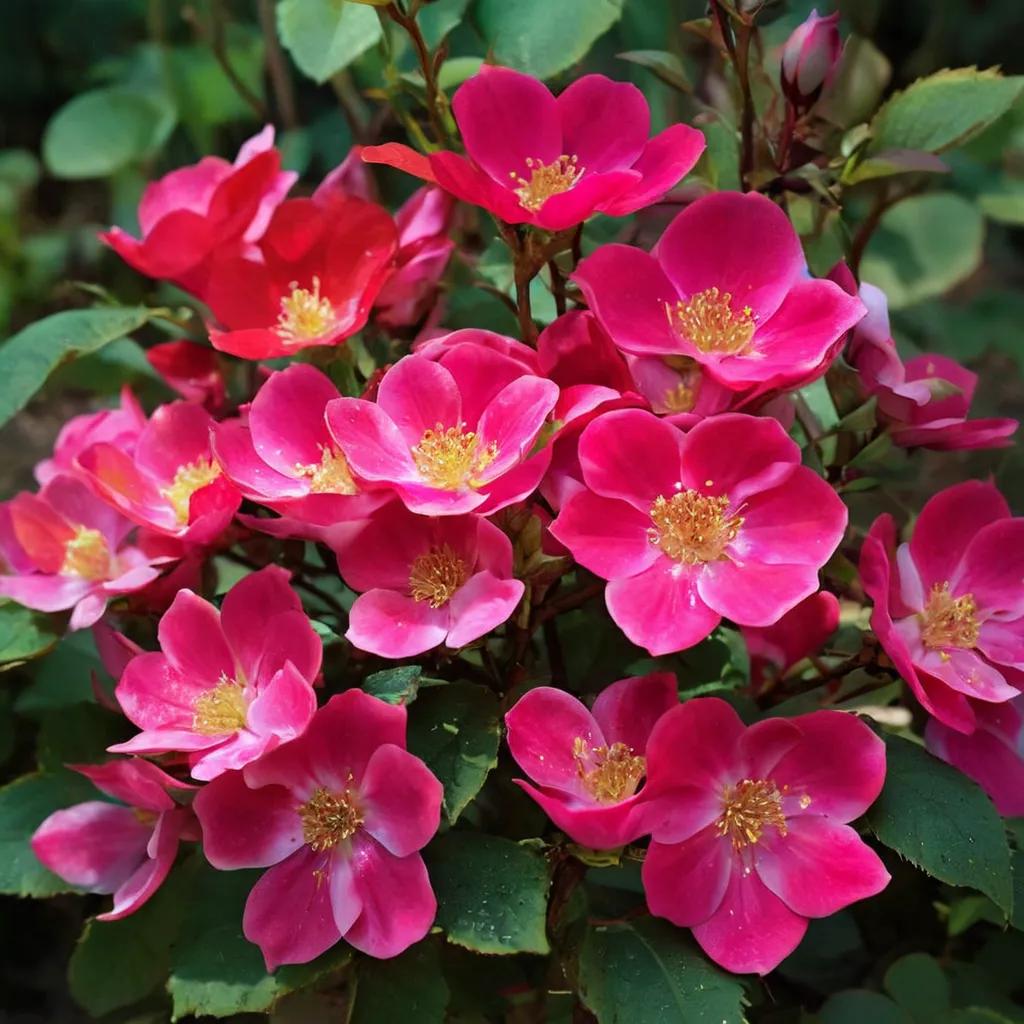 ‘Home Run’Home Run Rose
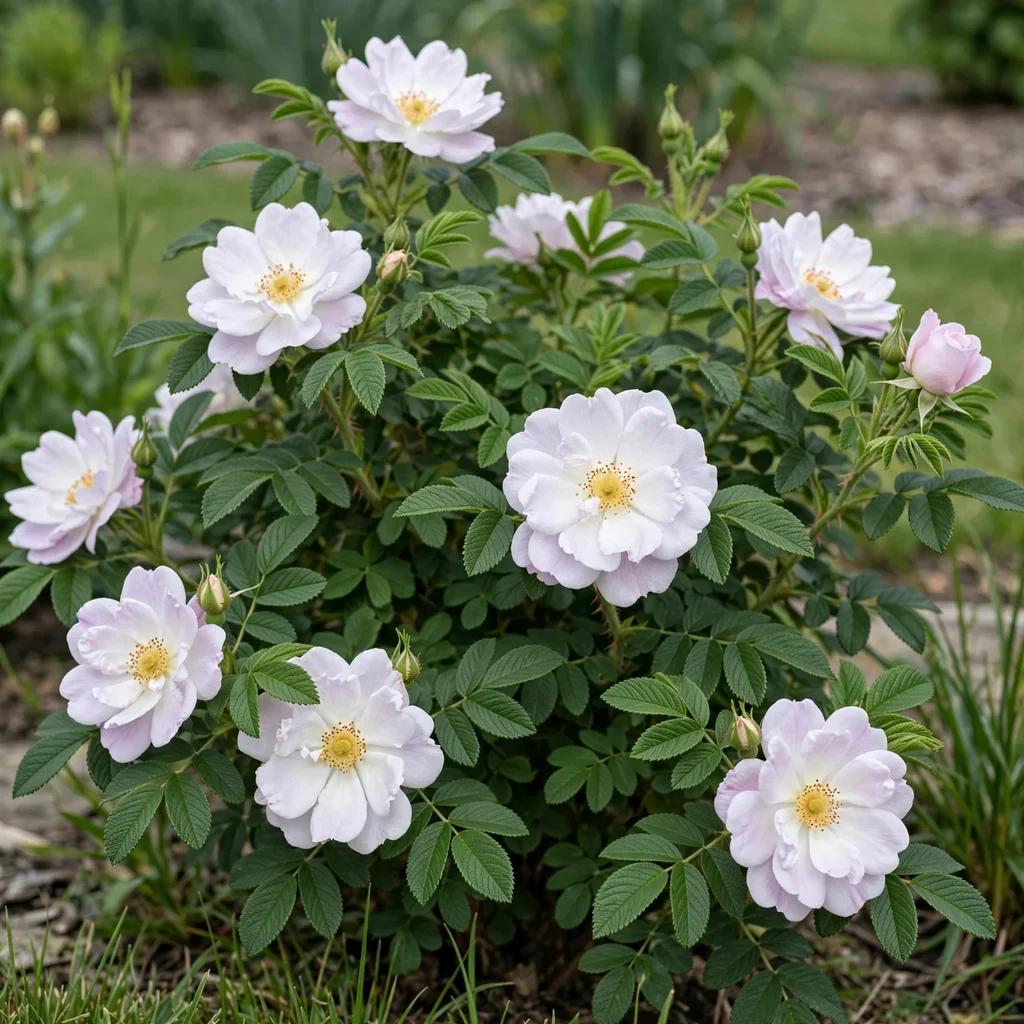 ‘Snow Pavement’Snow Pavement Rose
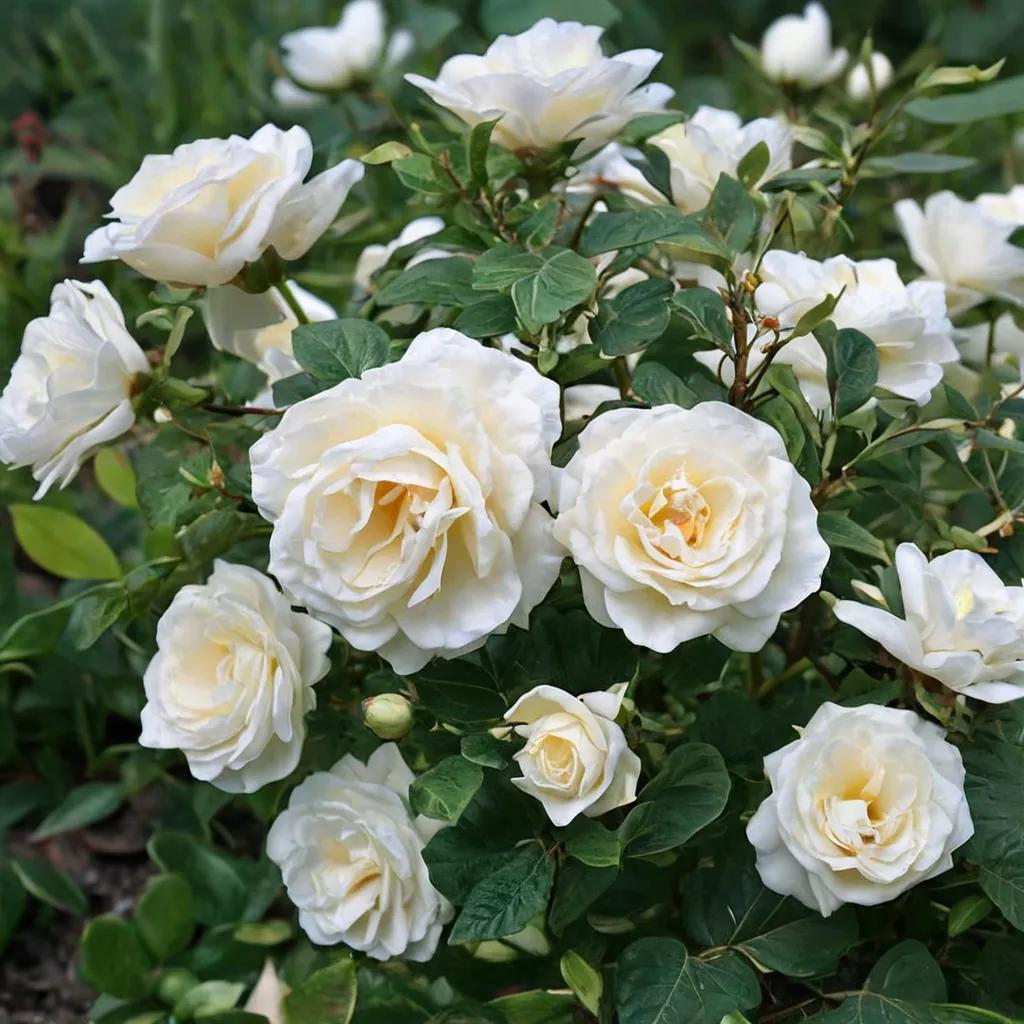 ‘Cloud 10’Hybrid Tea Rose Cloud 10
 ‘Celestial Night’Celestial Night Rose
 ‘Fragrant Plum’Fragrant Plum Rose
 ‘Dusky Maiden’Dusky Maiden Rose
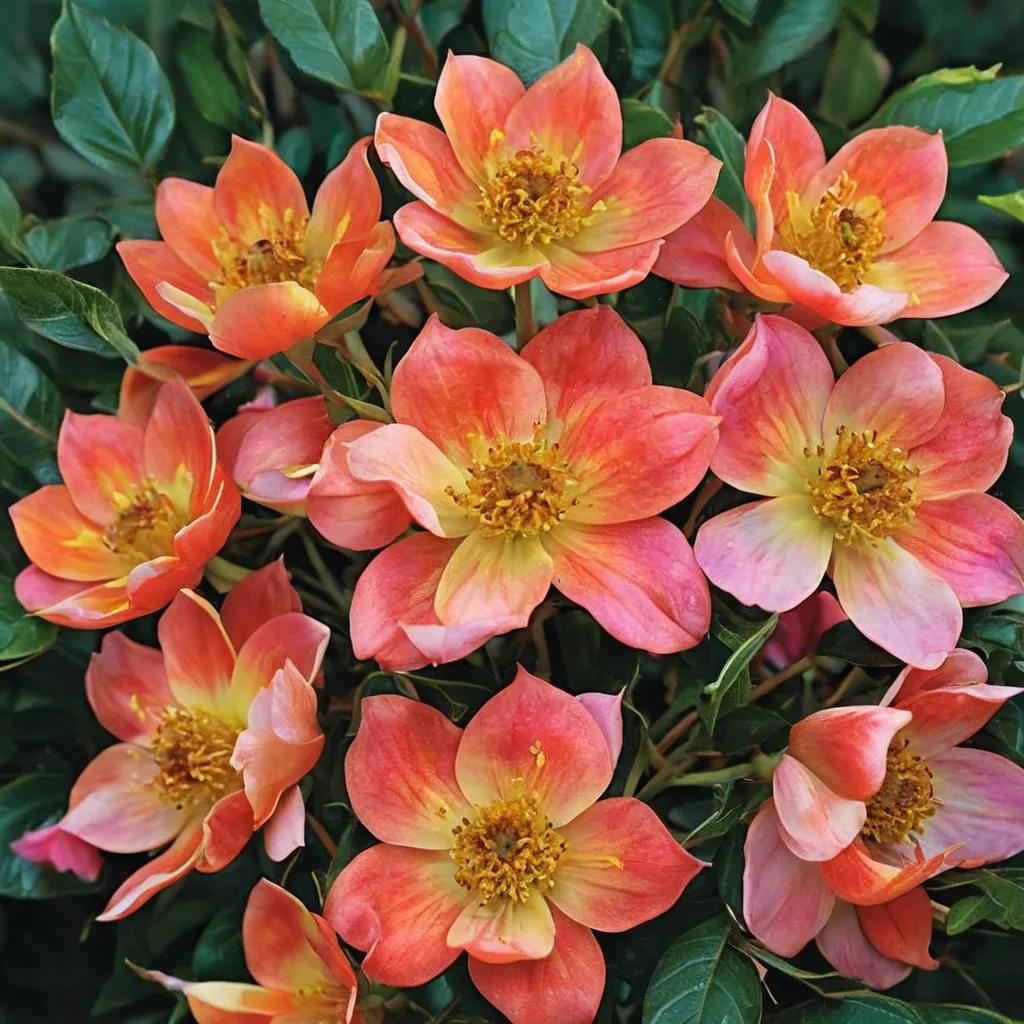 ‘Sunset Happy Trails’Sunset Happy Trails Rose
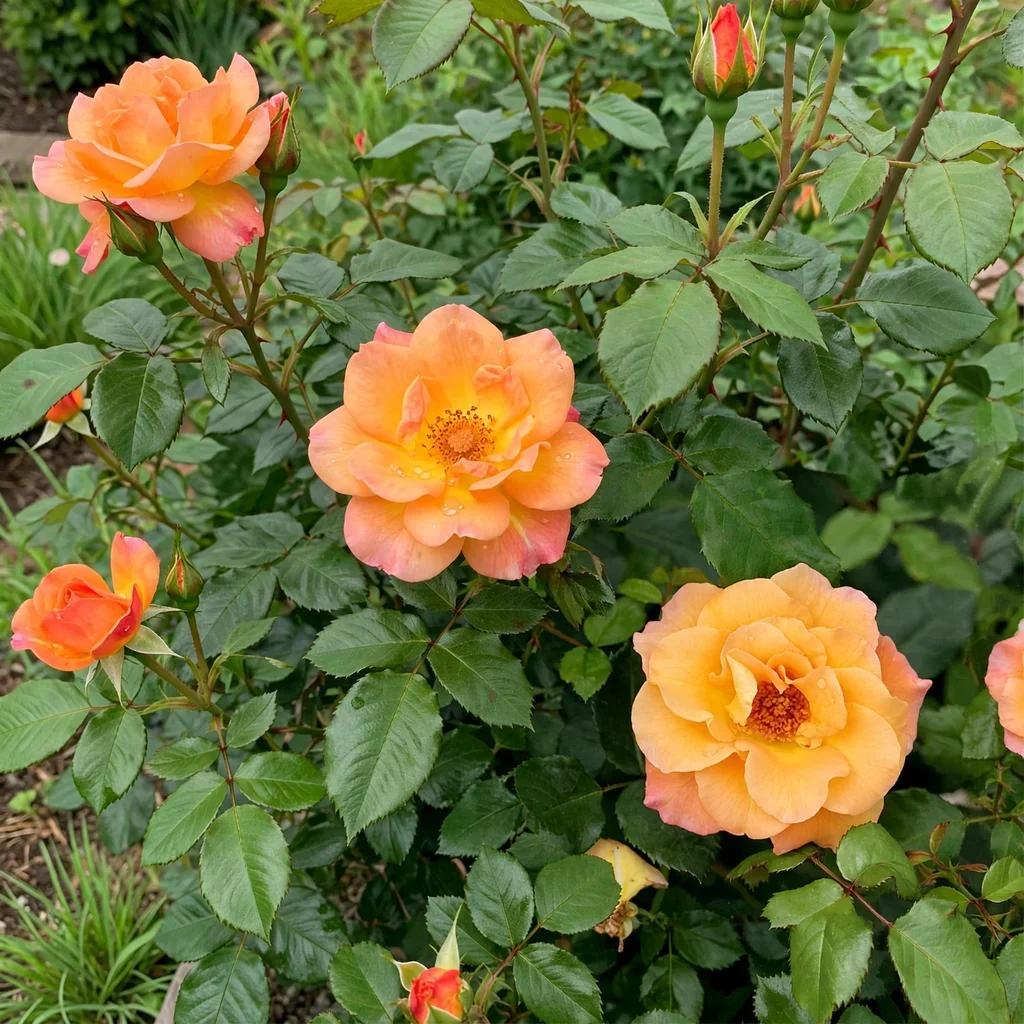 ‘Suñorita’Sunorita Rose
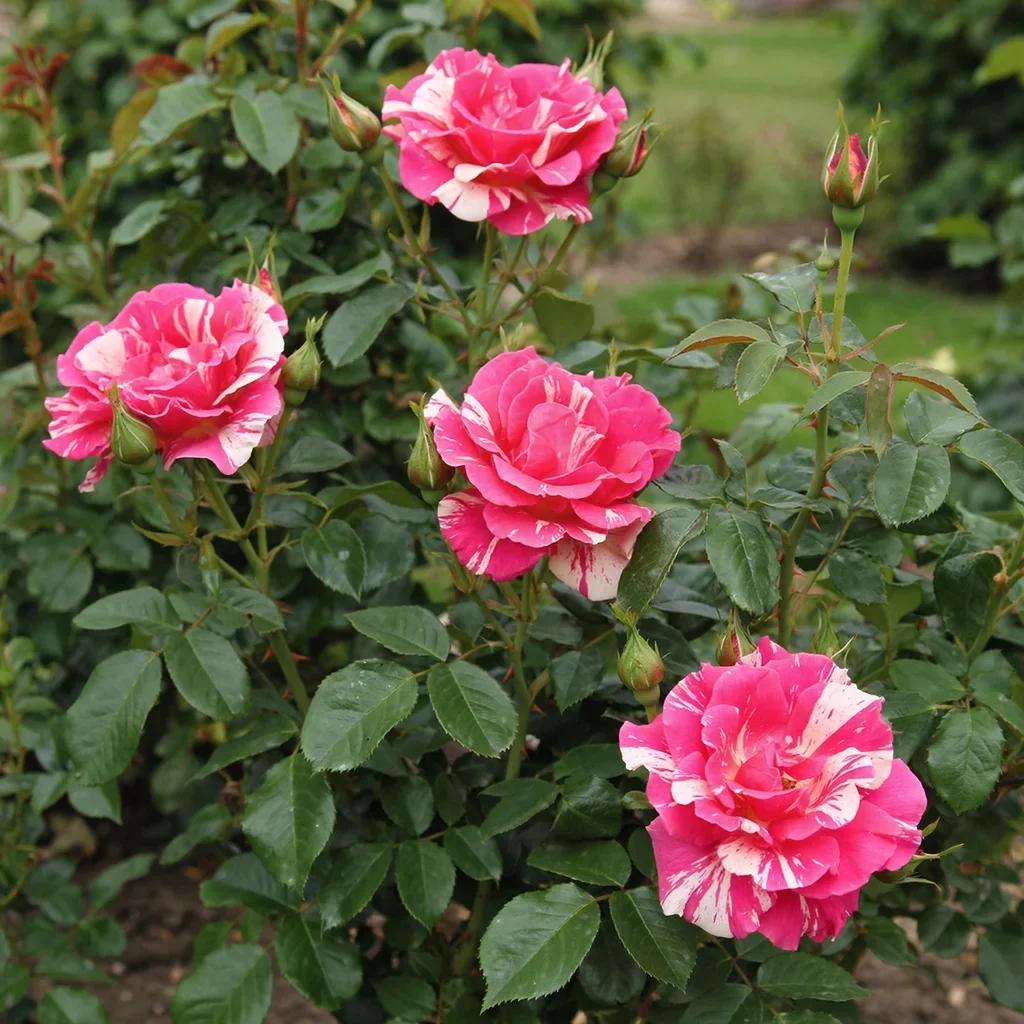 ‘Candy Land’Candy Land Rose
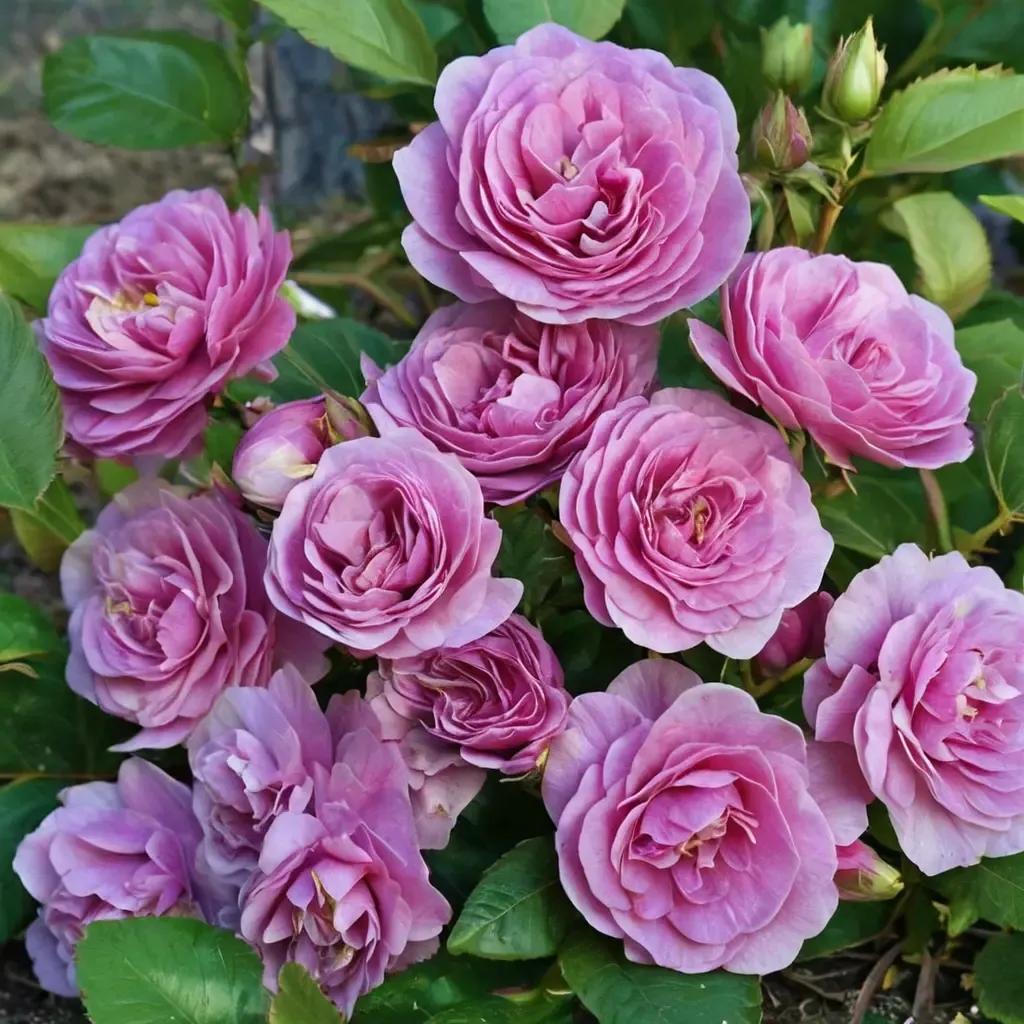 ‘Arctic Blue’Arctic Blue Rose
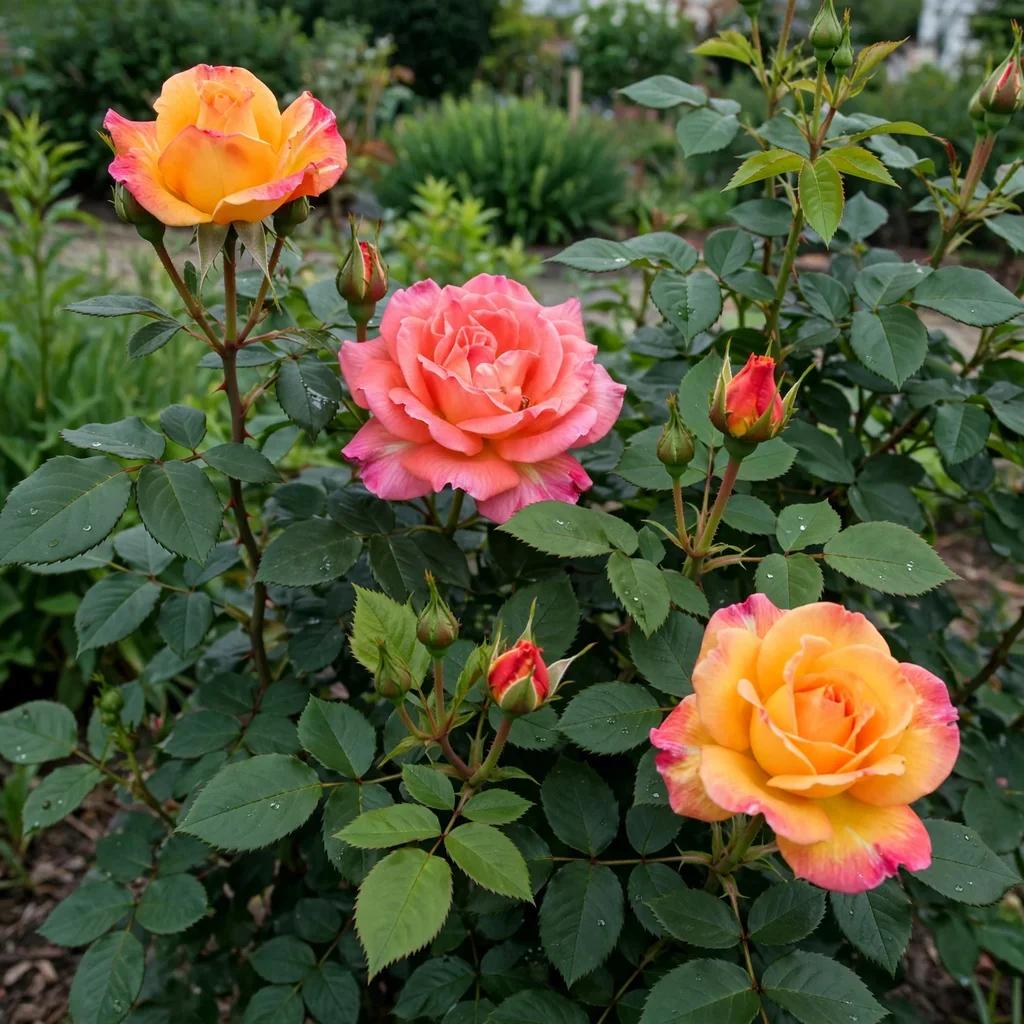 ‘Rio Samba’Rio Samba Rose
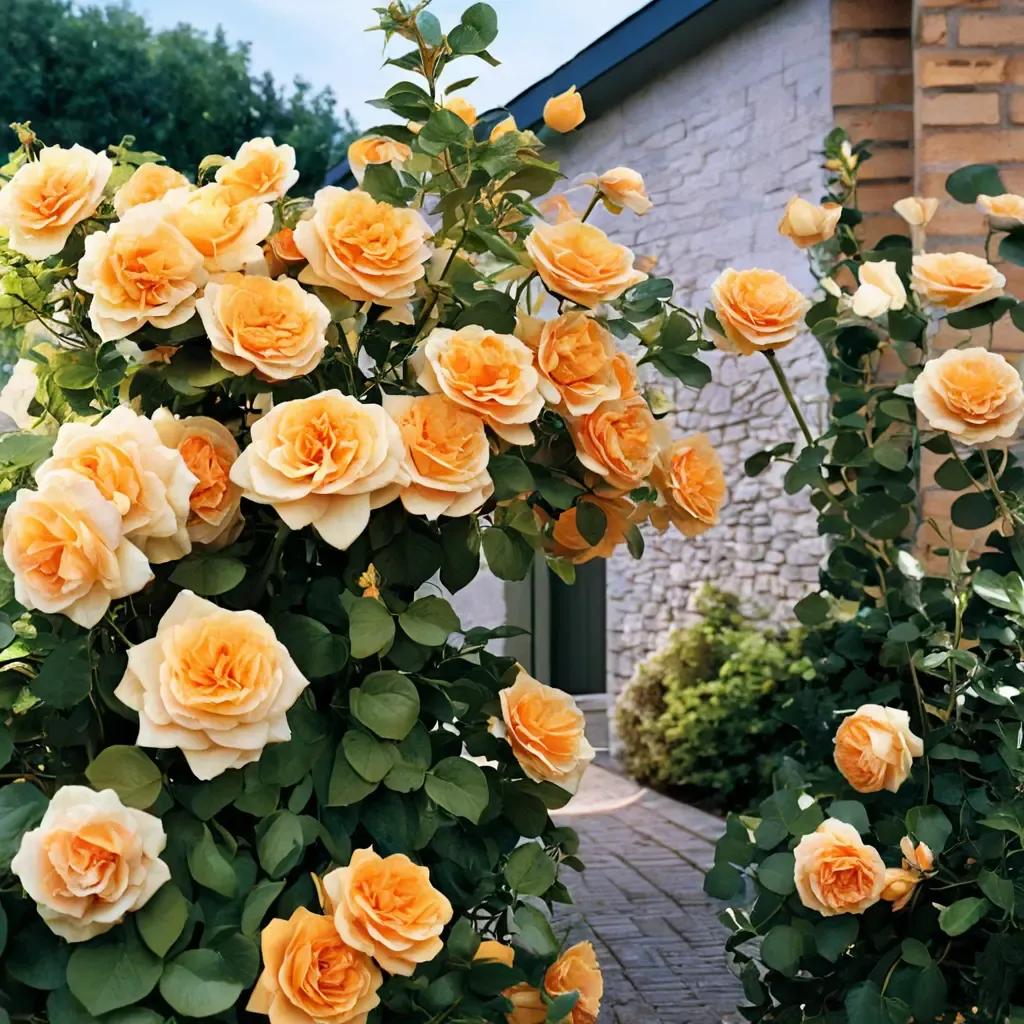 ‘Golden Opportunity’Golden Opportunity Rose
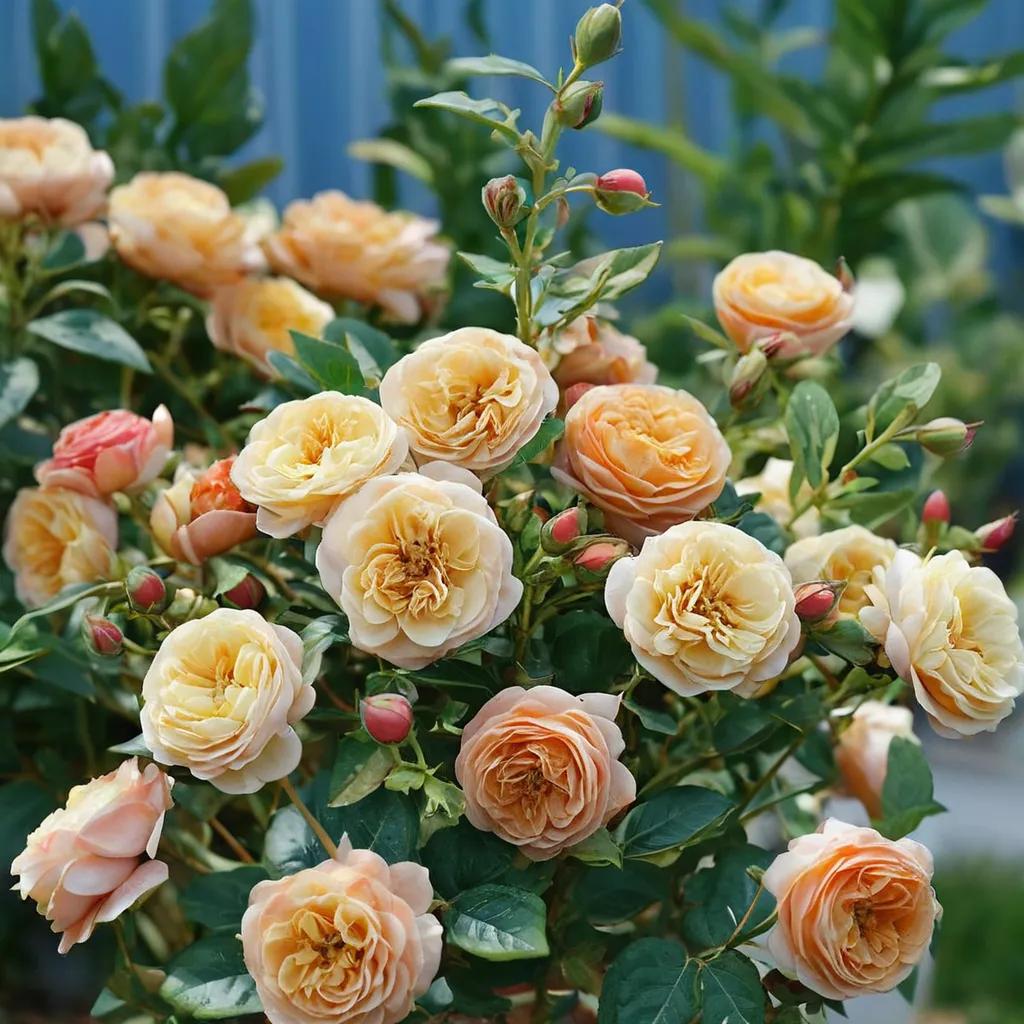 ‘Honey-Apricot Rose’Honey-Apricot Rose
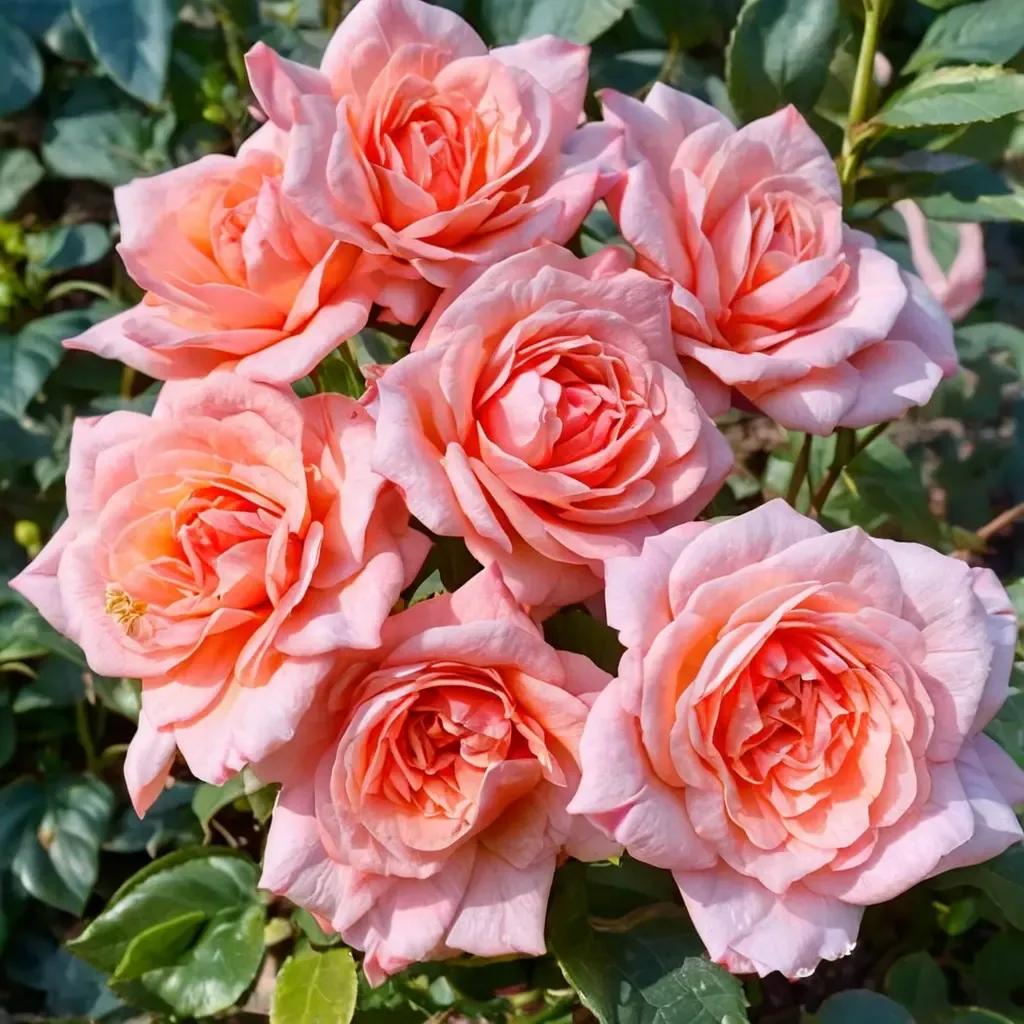 ‘Heavenly Scented’Heavenly Scented Rose
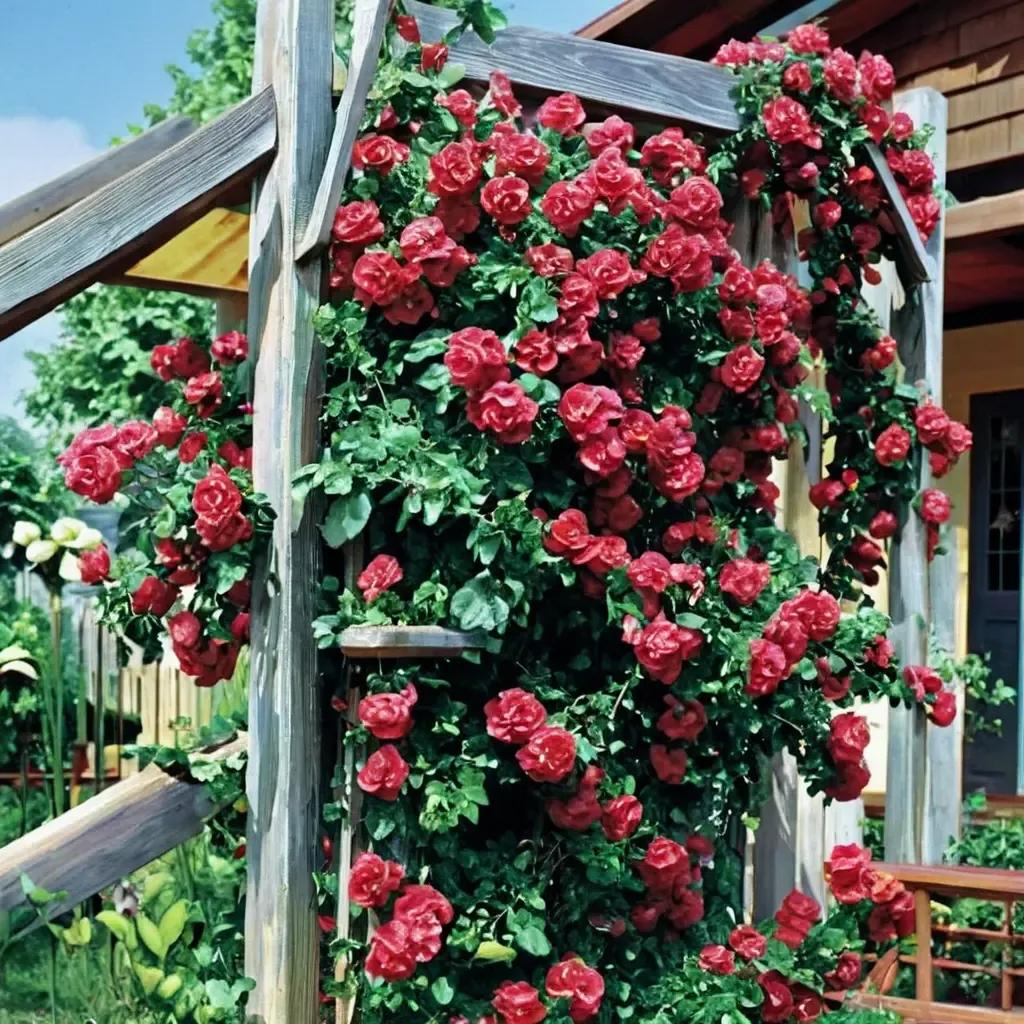 ‘Blaze Improved’Blaze Improved Rose
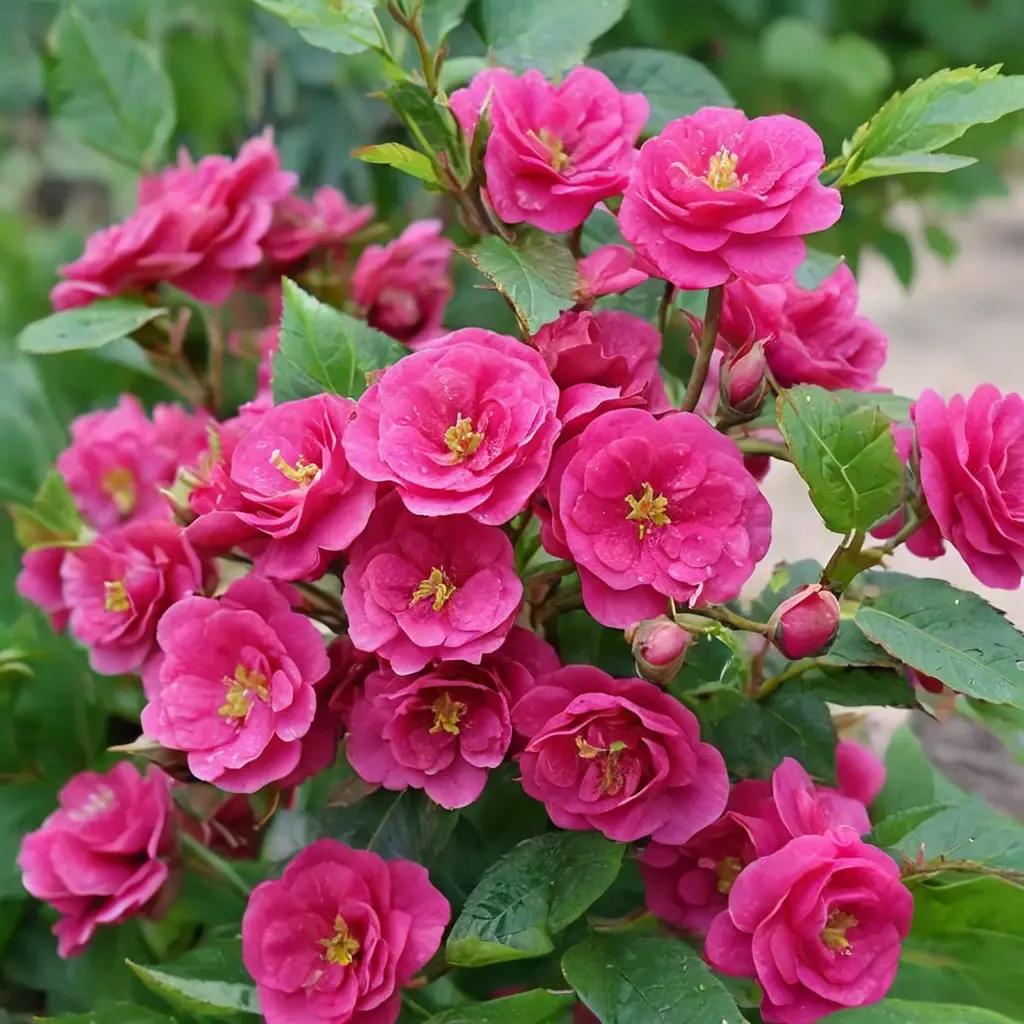 ‘Easy Peasy’Easy Peasy Rose
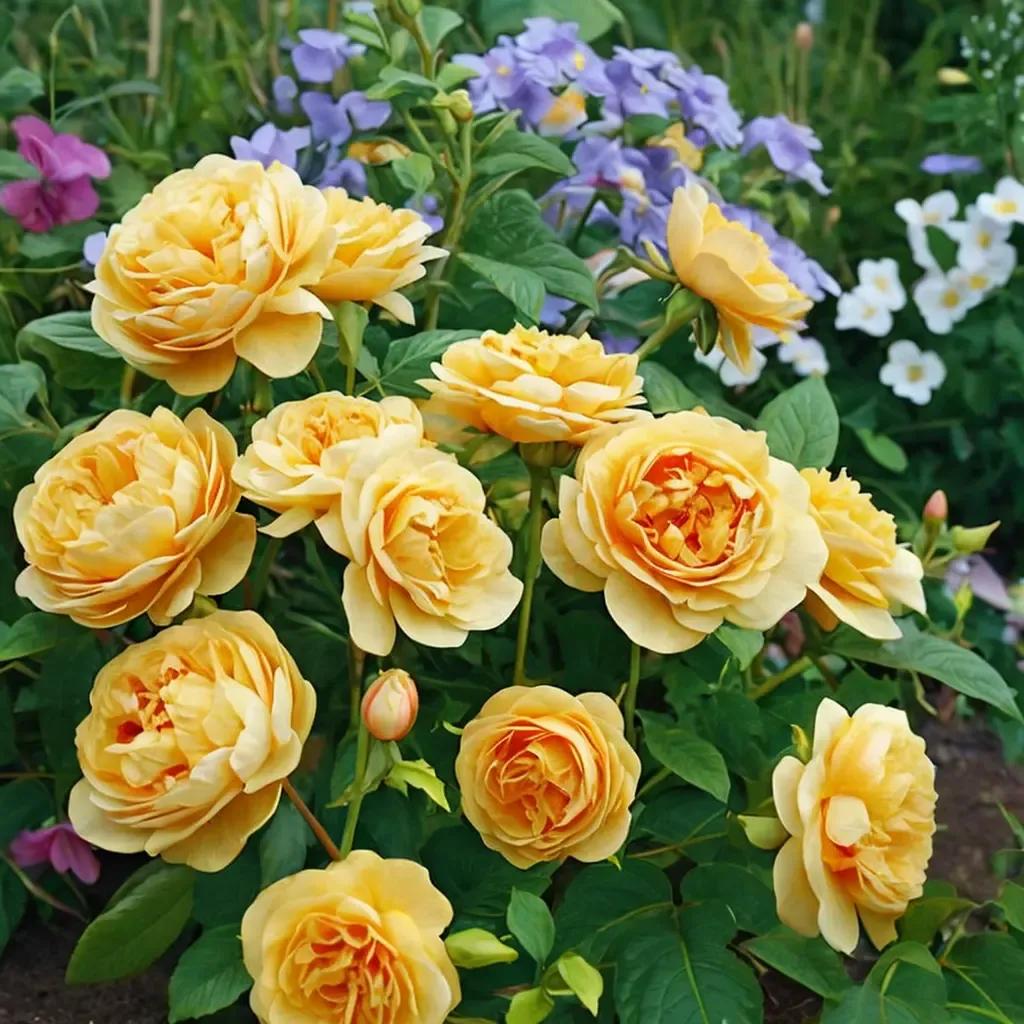 ‘Golden Celebration’Golden Celebration Rose
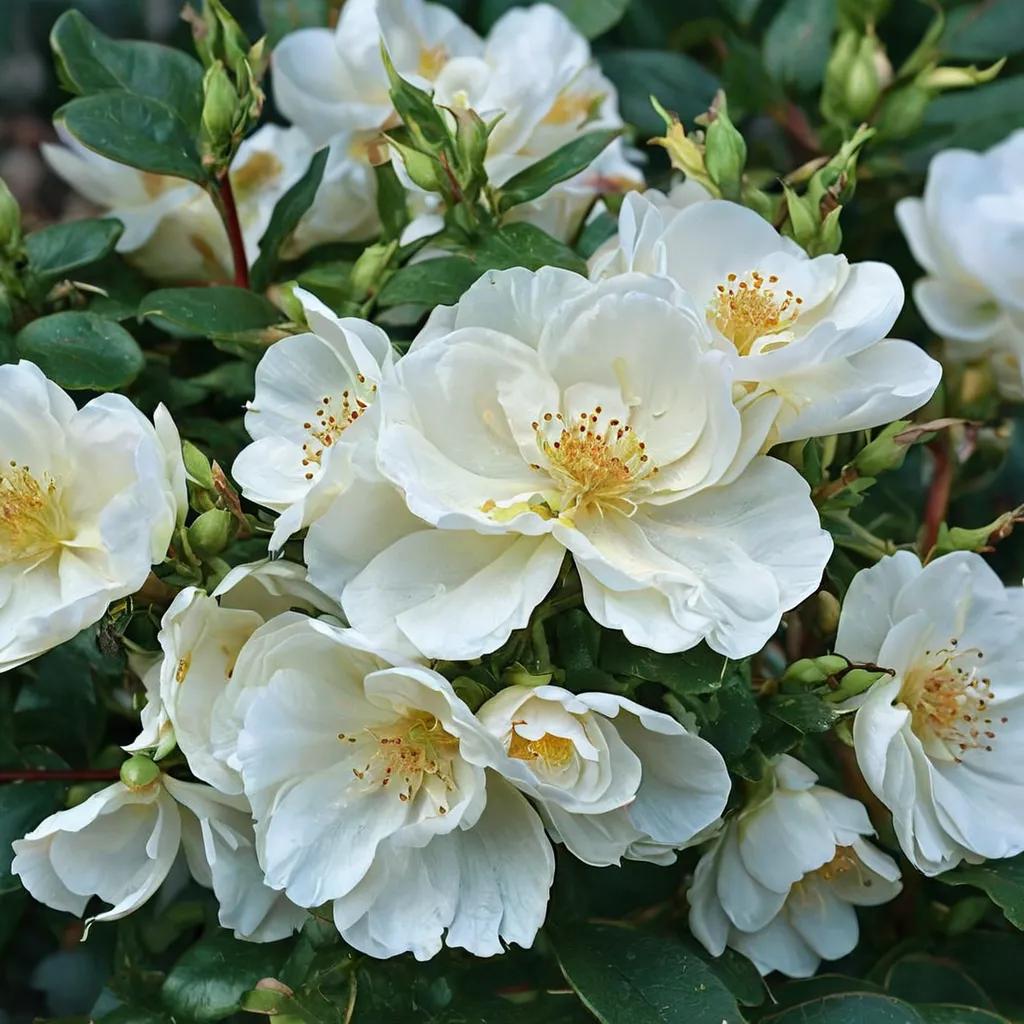 ‘Oso Easy Ice Bay’Ice Bay Rose
 ‘Zéphirine Drouhin’Zephirine Drouhin Rose
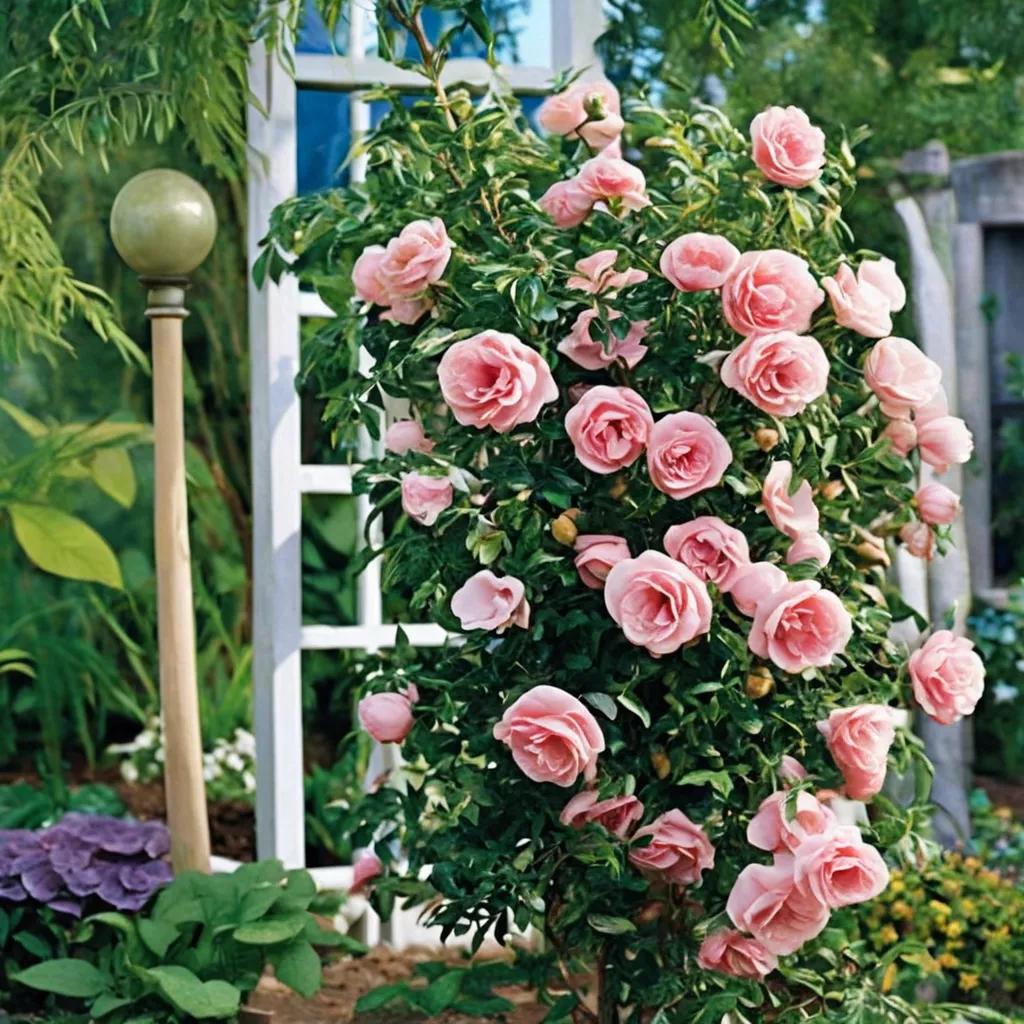 ‘Pearly Gates’Pearly Gates Rose
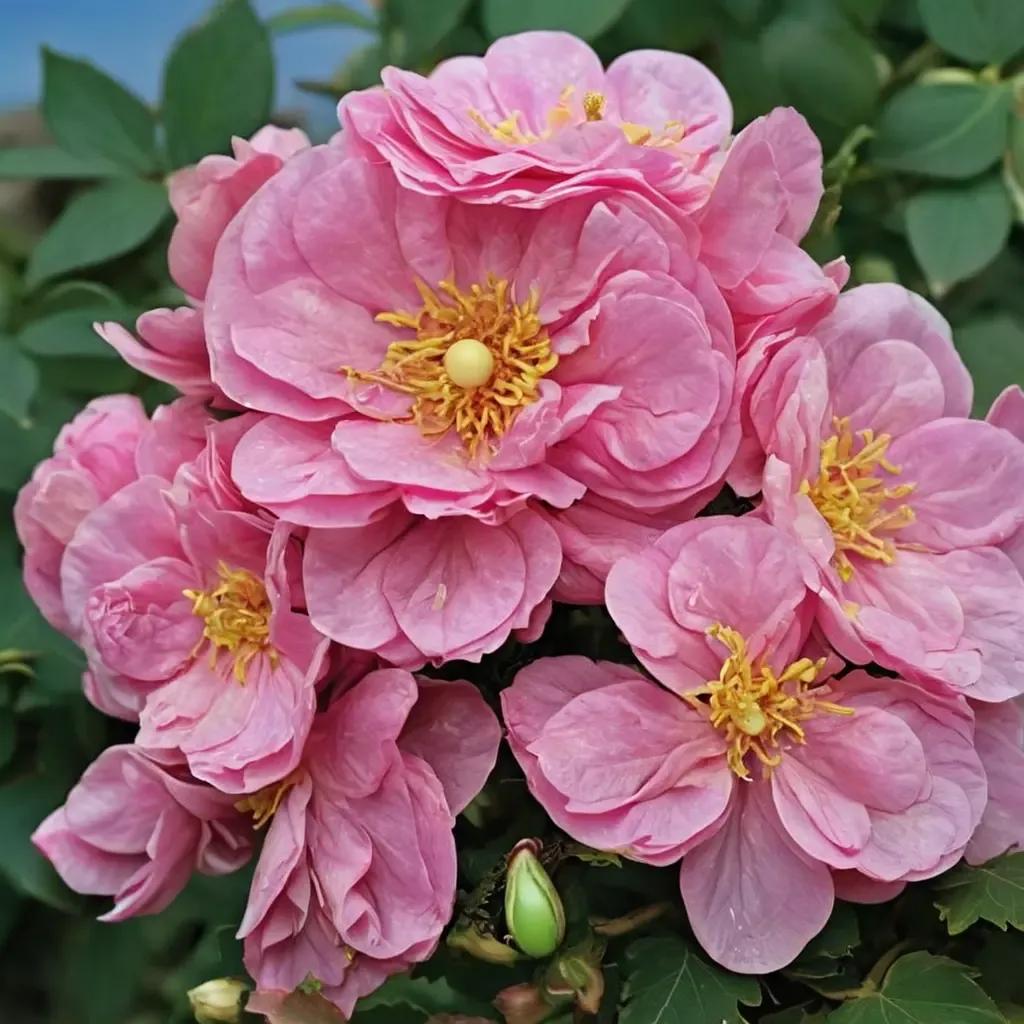 ‘Cape Diamond’Cape Diamond Rose
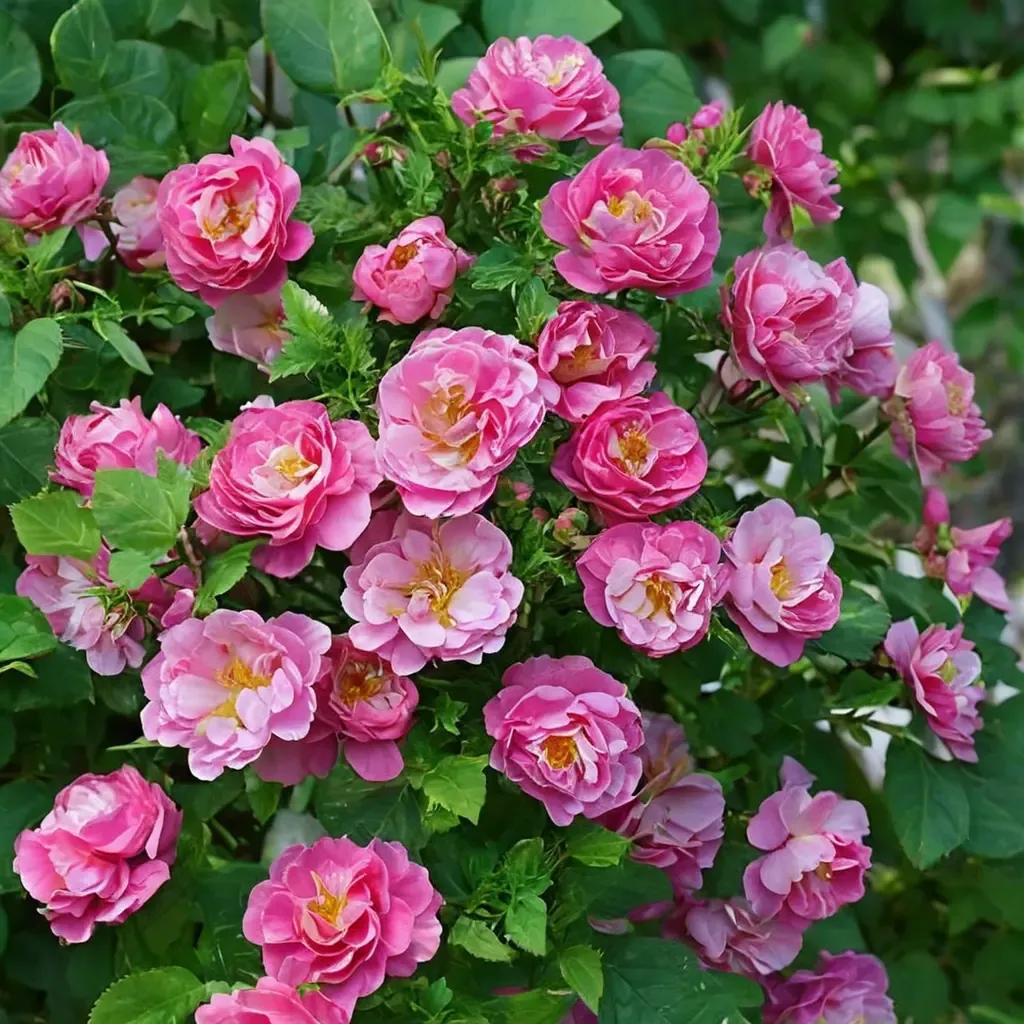 ‘Cupid's Kisses’Cupid's Kisses Rose
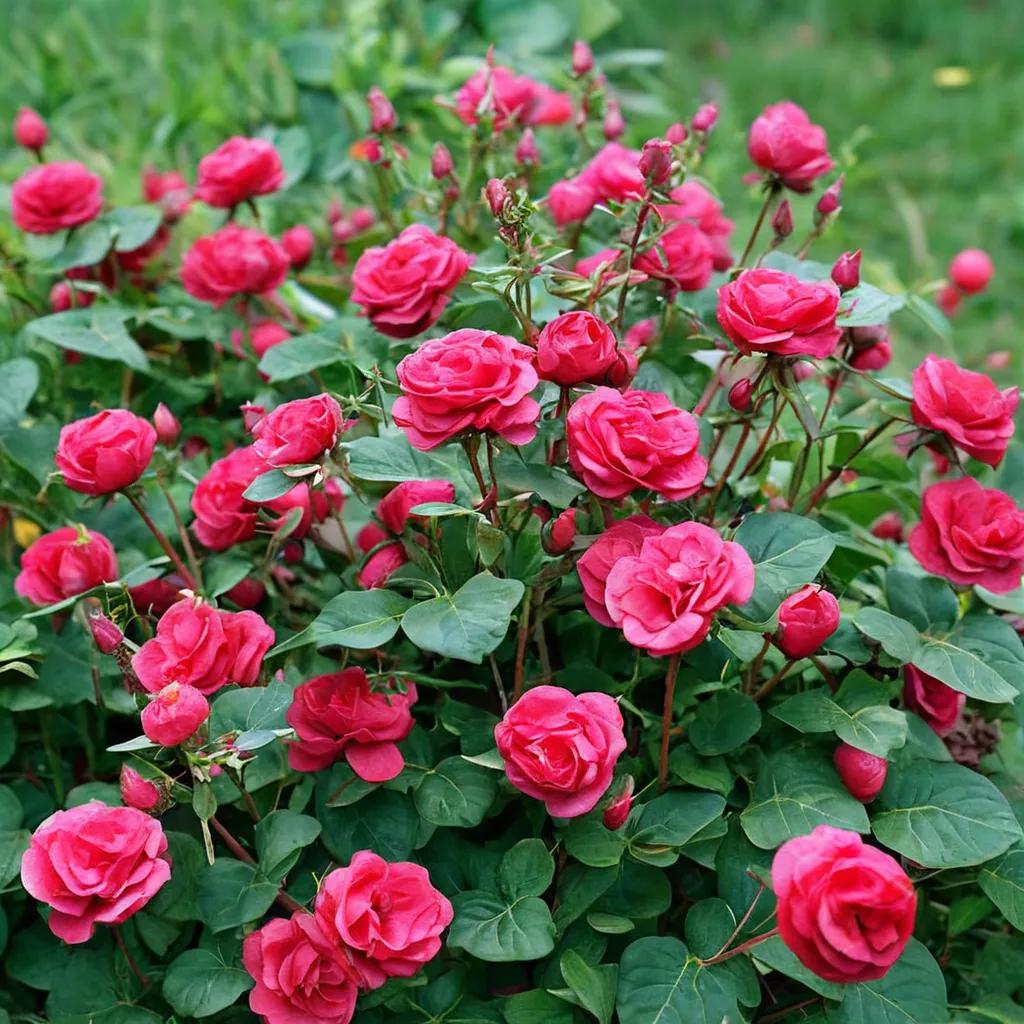 ‘Oso Easy Double Red’Oso Easy Double Red Rose
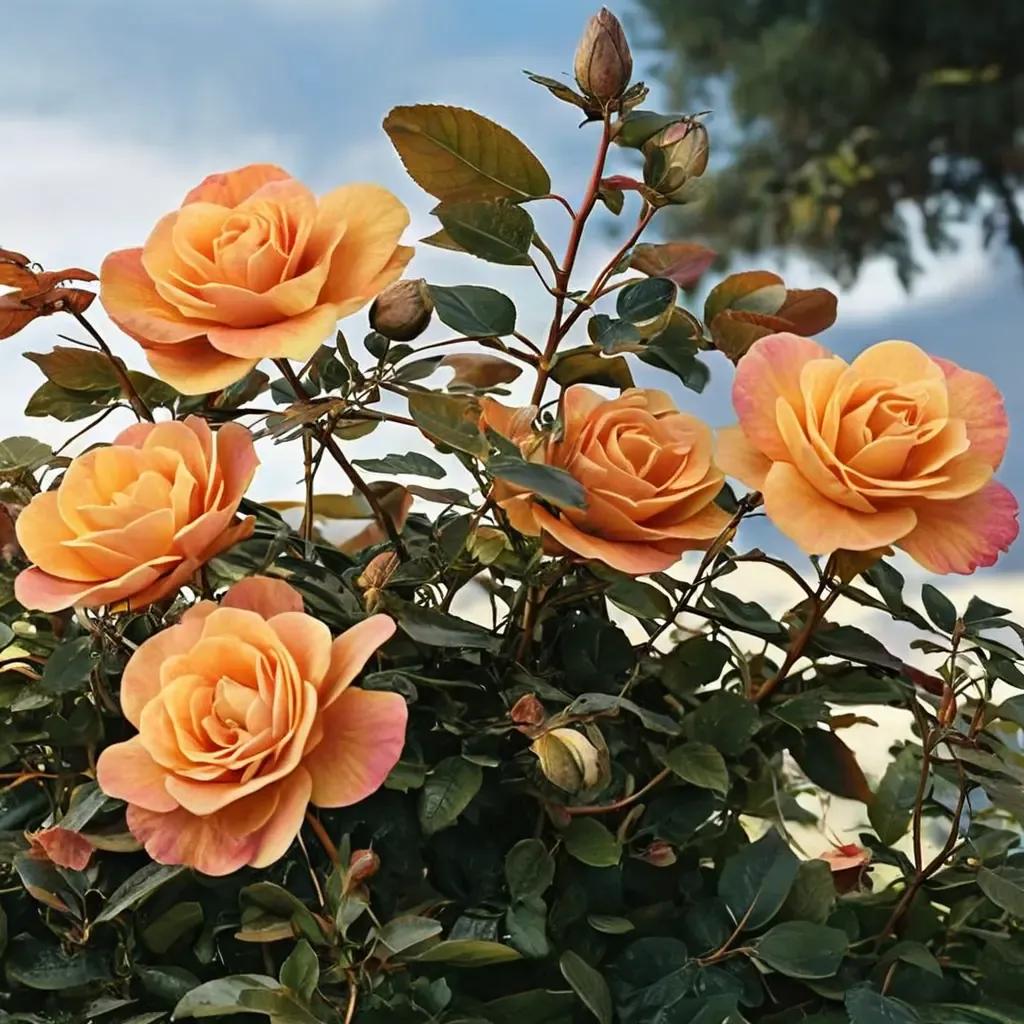 ‘Jumbo Strike It Rich’Jumbo Strike It Rich Rose
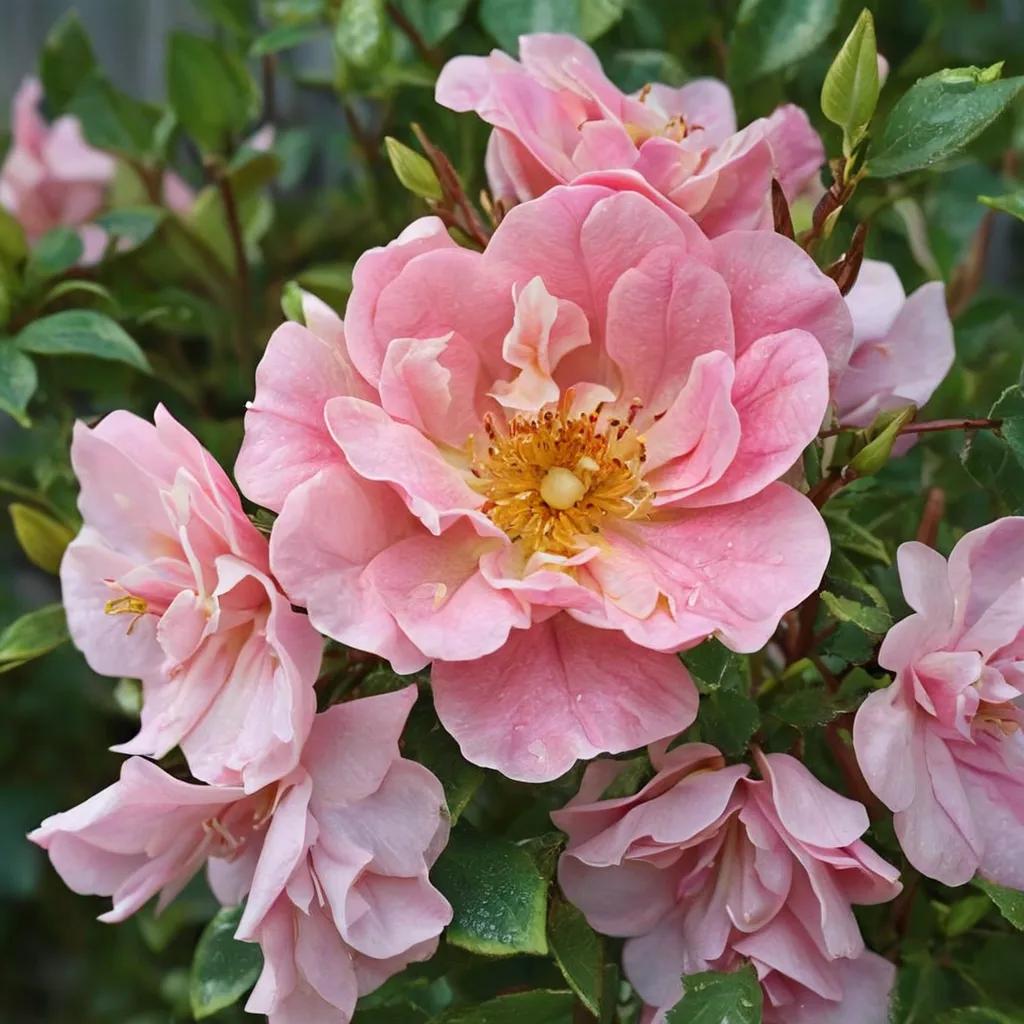 ‘Blushing Drift’Blushing Drift Rose
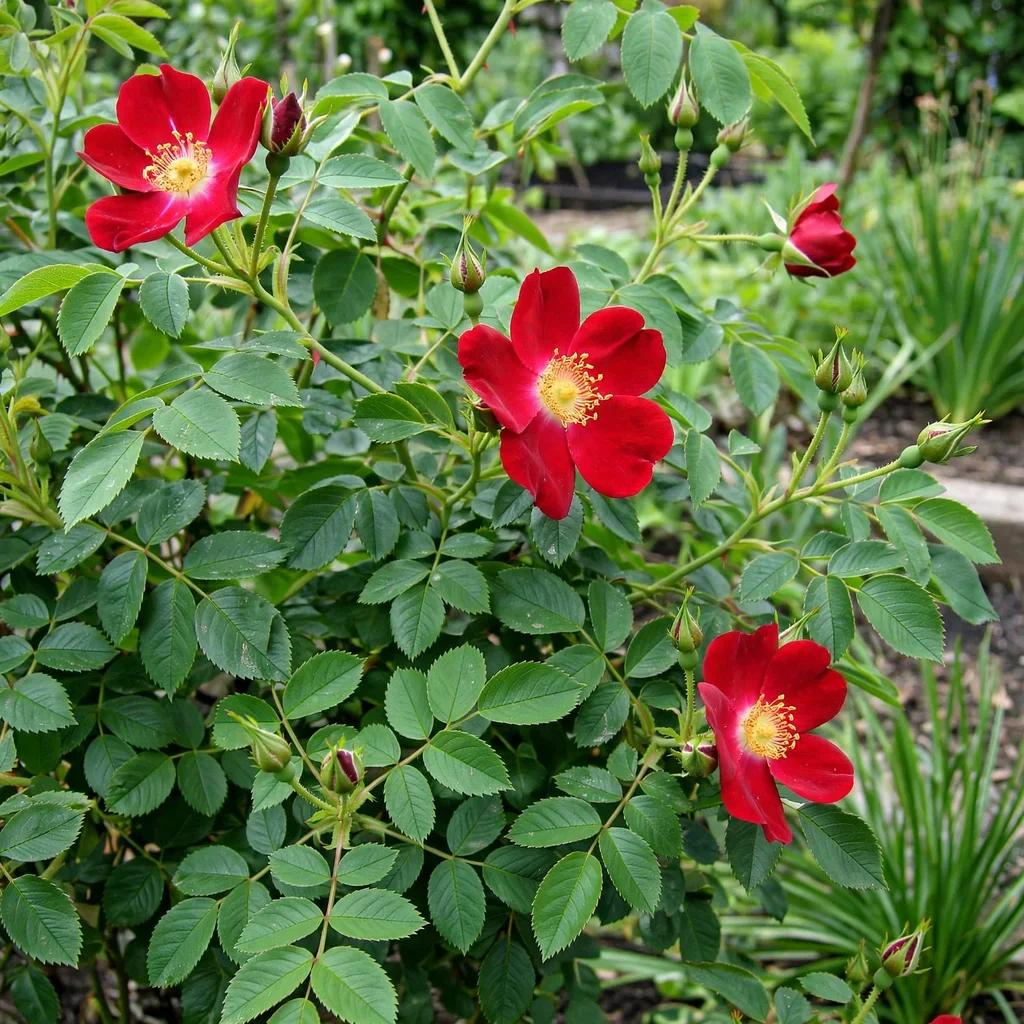 ‘Rockin Red’Rockin Red Rose
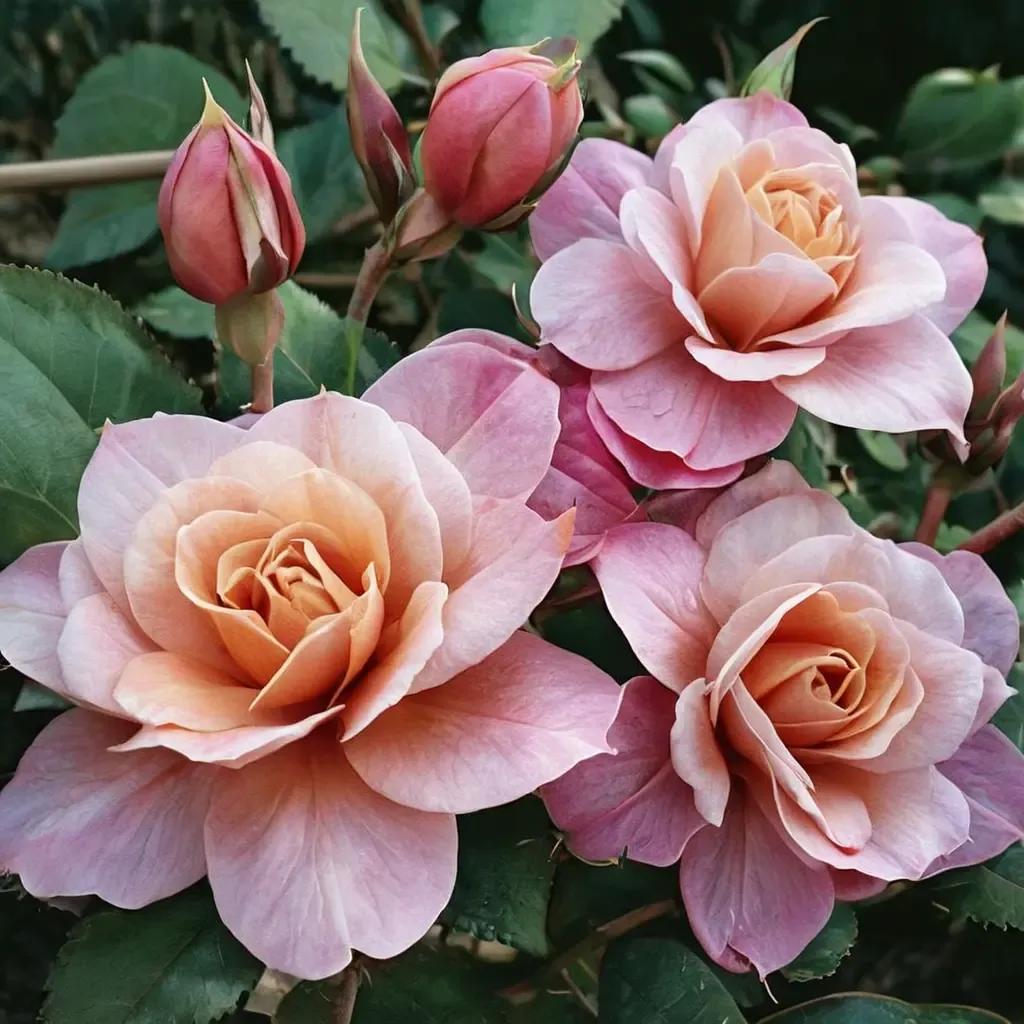 ‘Distant Drums’Distant Drums Rose
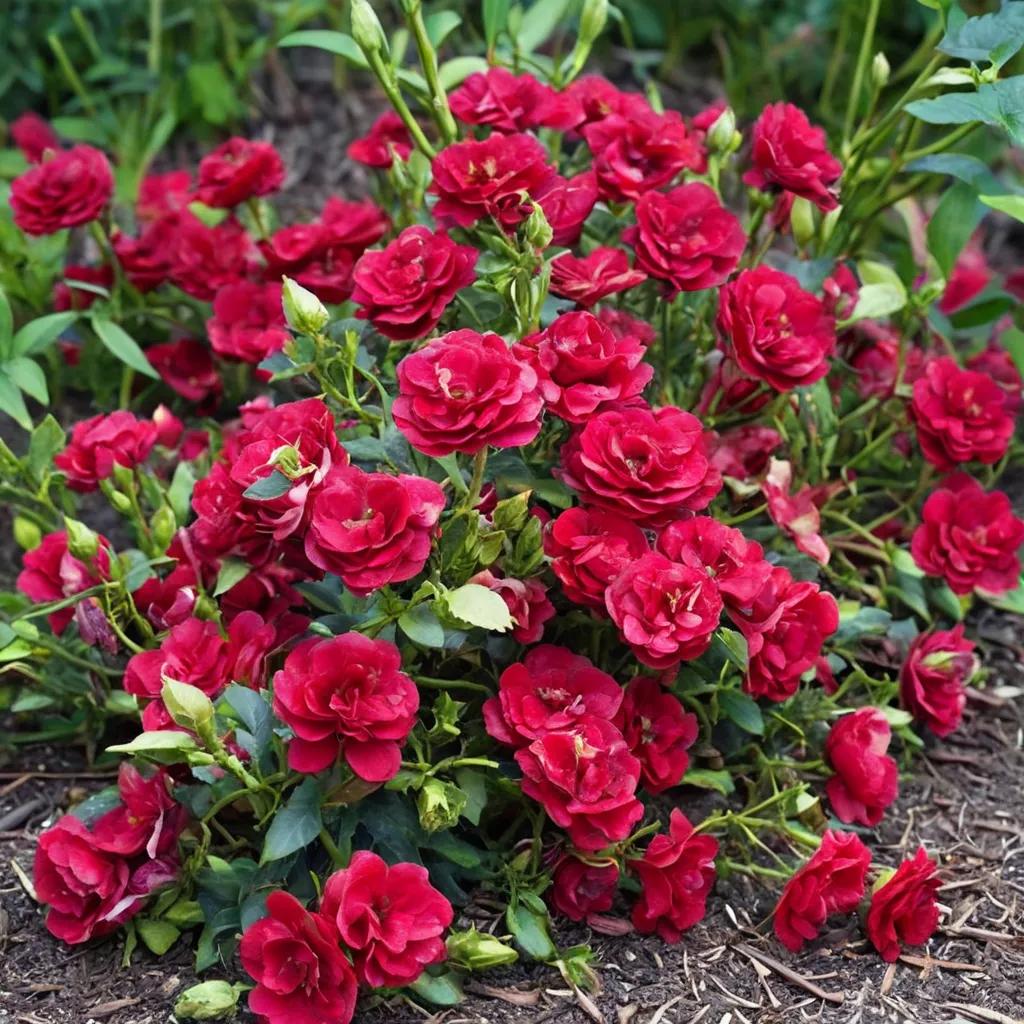 ‘Red Drift’Red Drift Rose
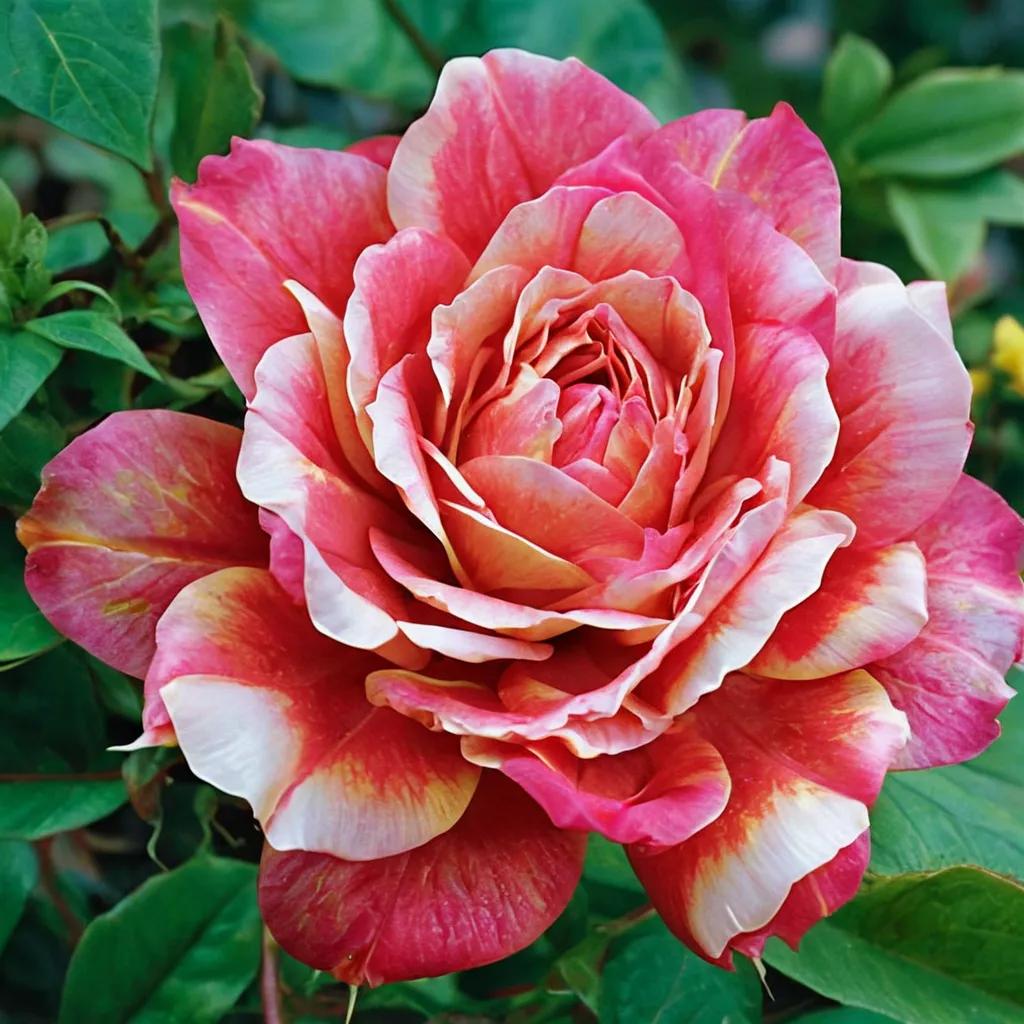 ‘Grandiflora’Grandiflora Rose
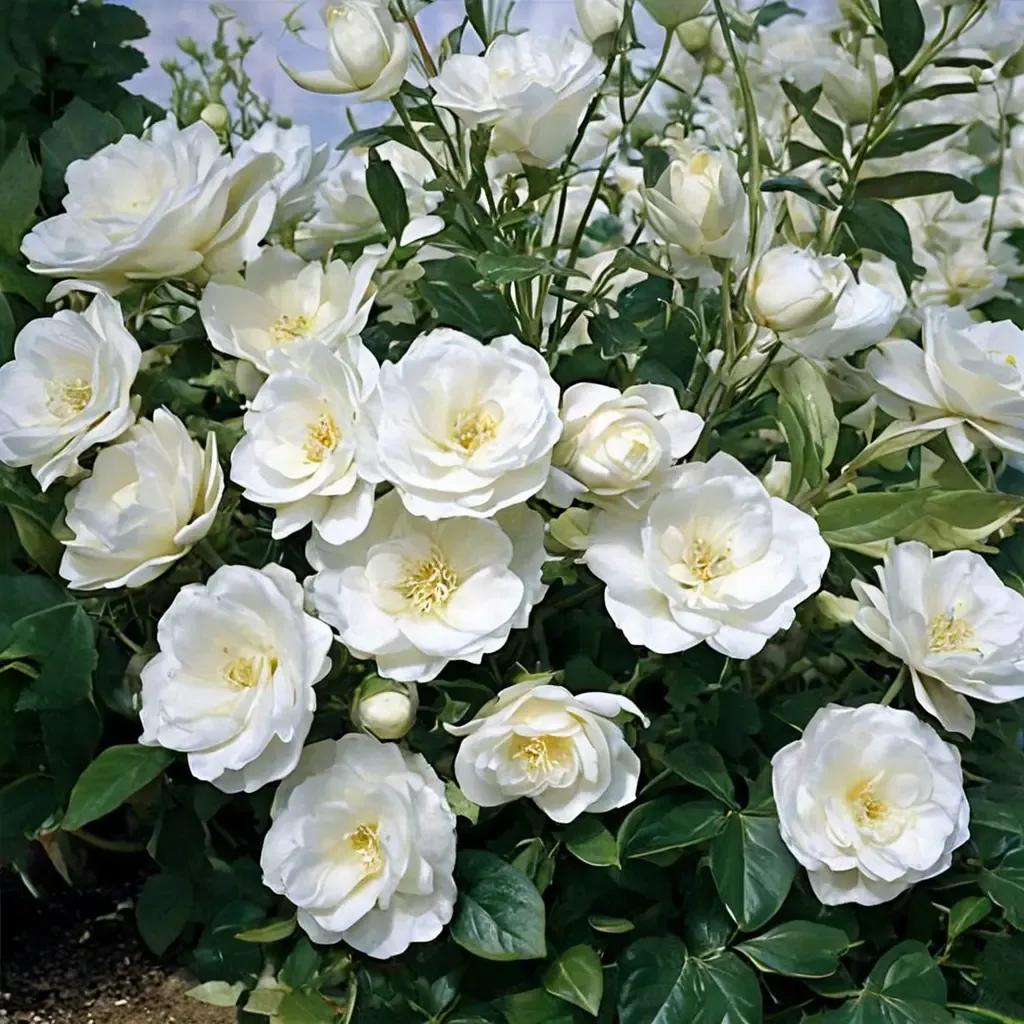 ‘Iceberg’Iceberg Rose
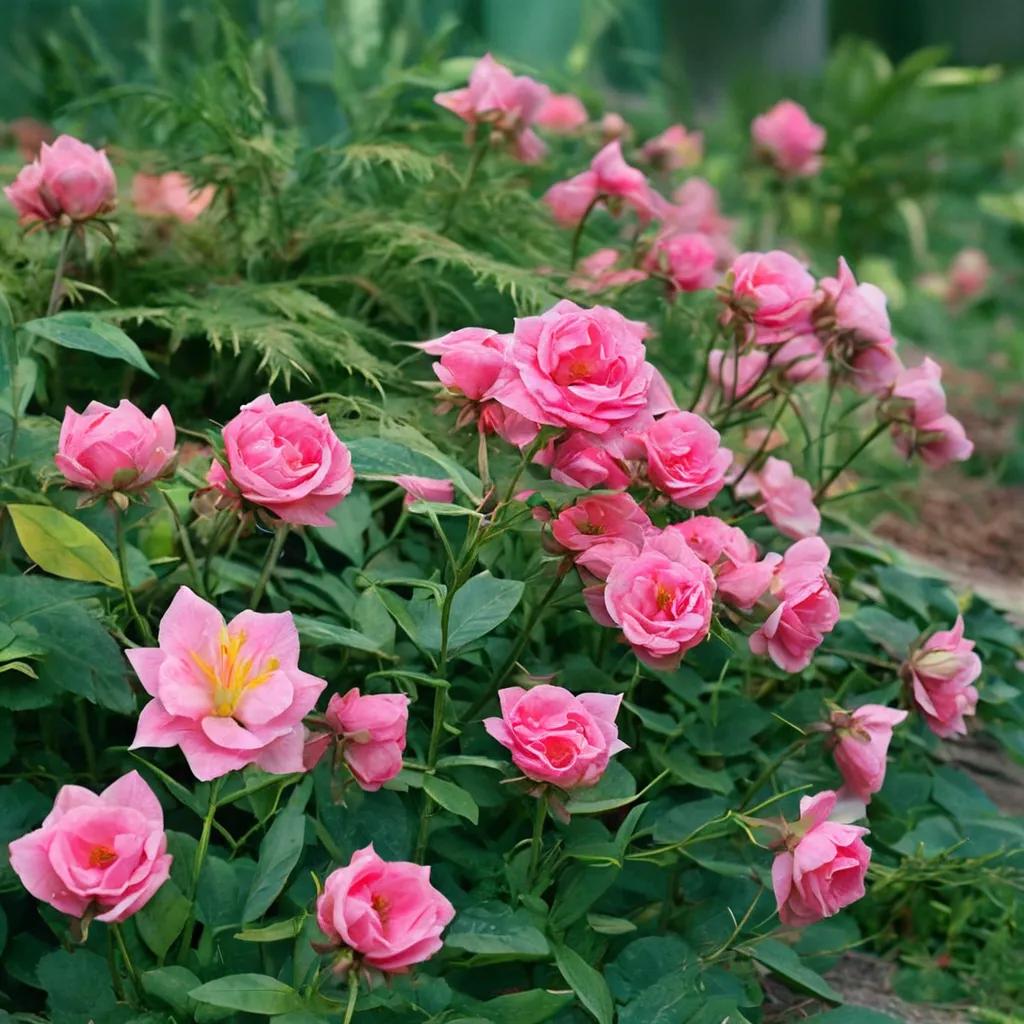 ‘Pink Freedom’Pink Freedom Rose
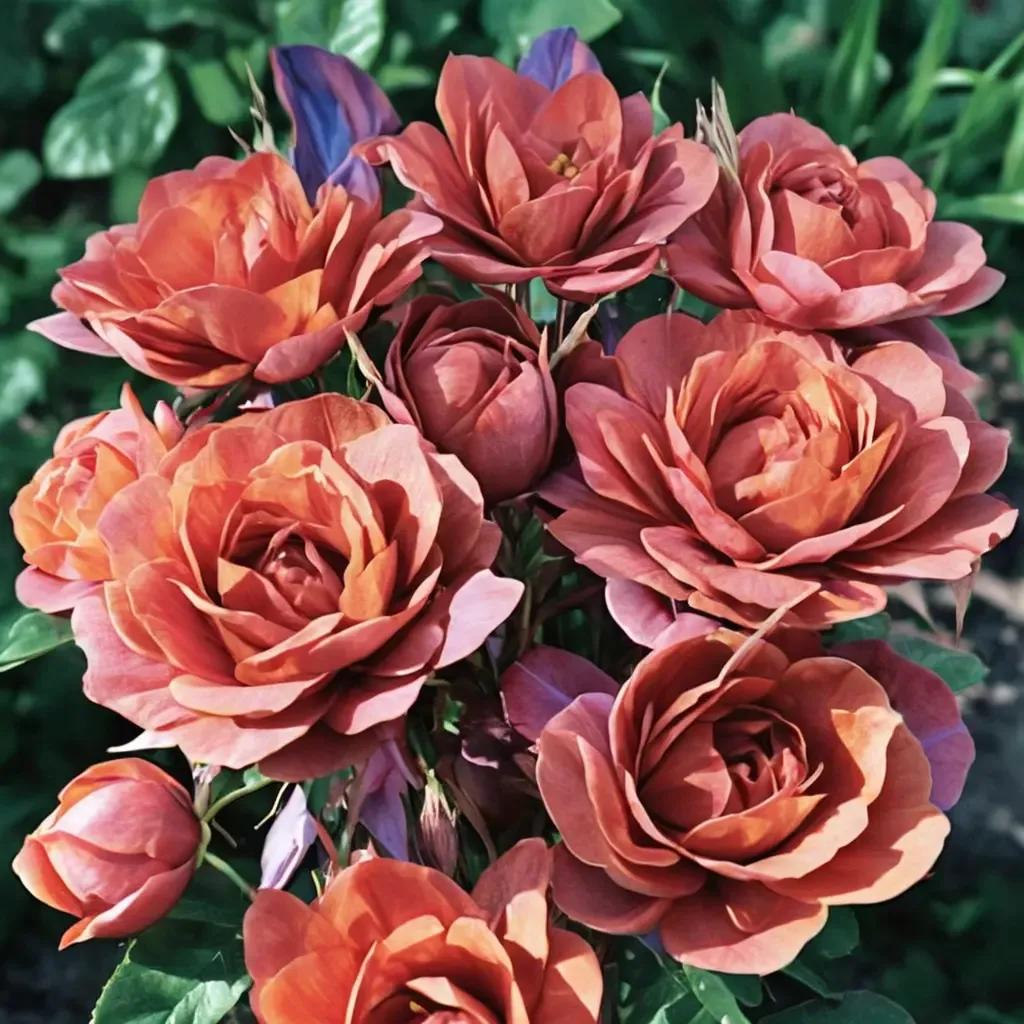 ‘Hot Cocoa’Hot Cocoa Rose
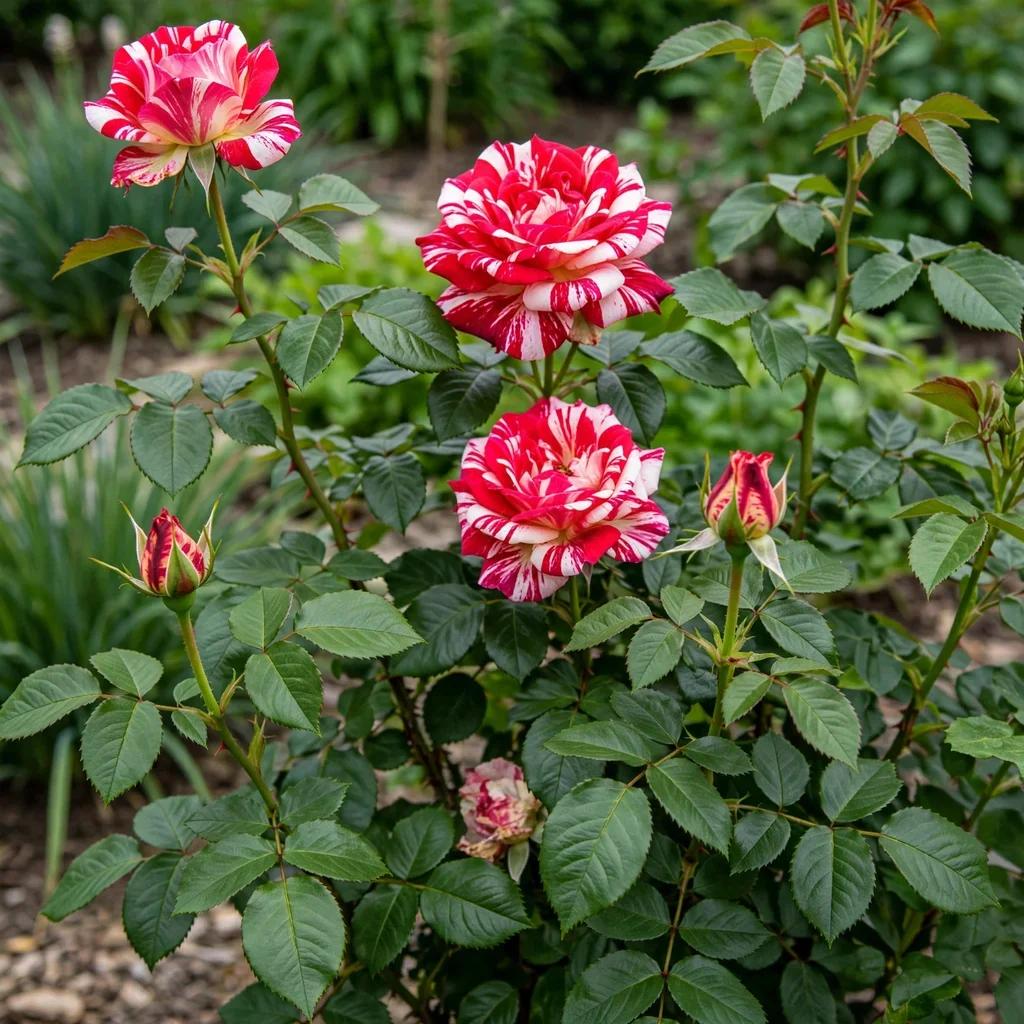 ‘Rock Roll’Rock & Roll Rose
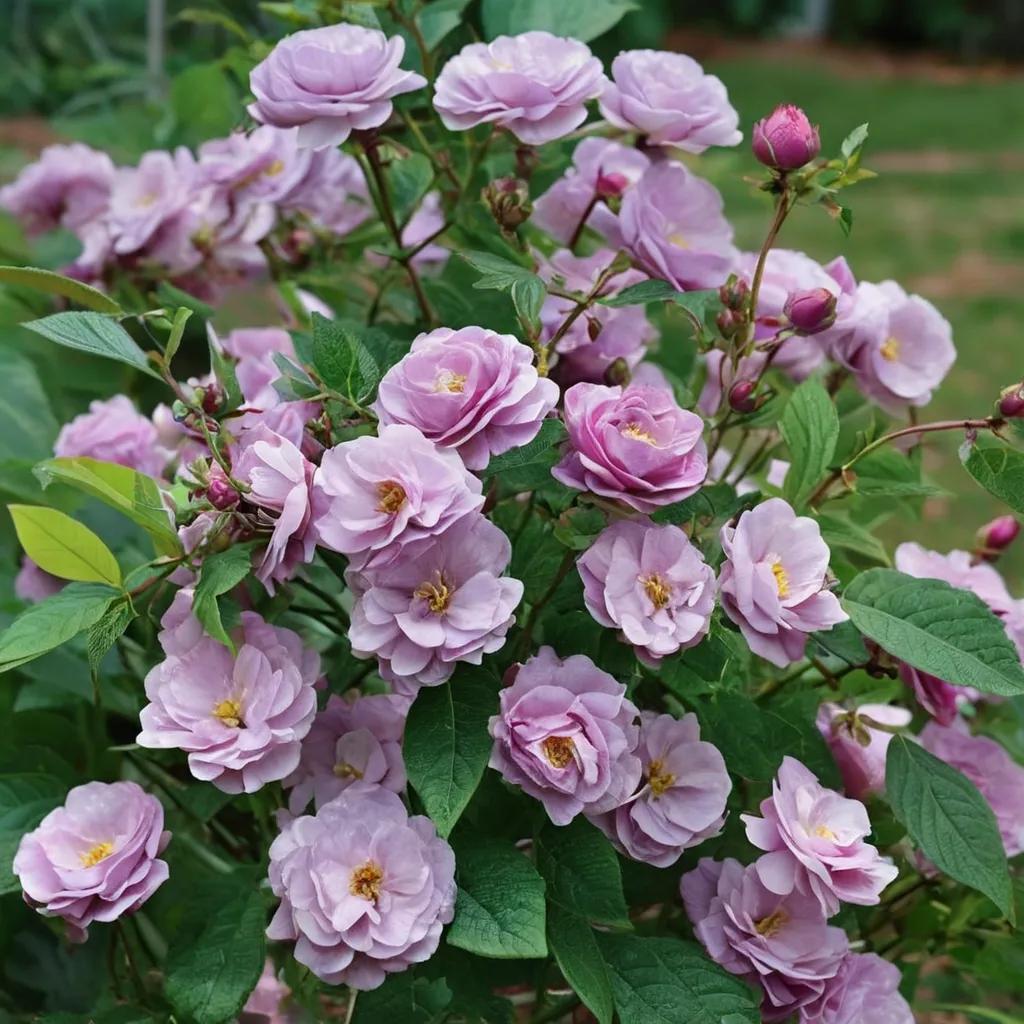 ‘Rise Up Lilac Days’Rise Up Lilac Days Rose
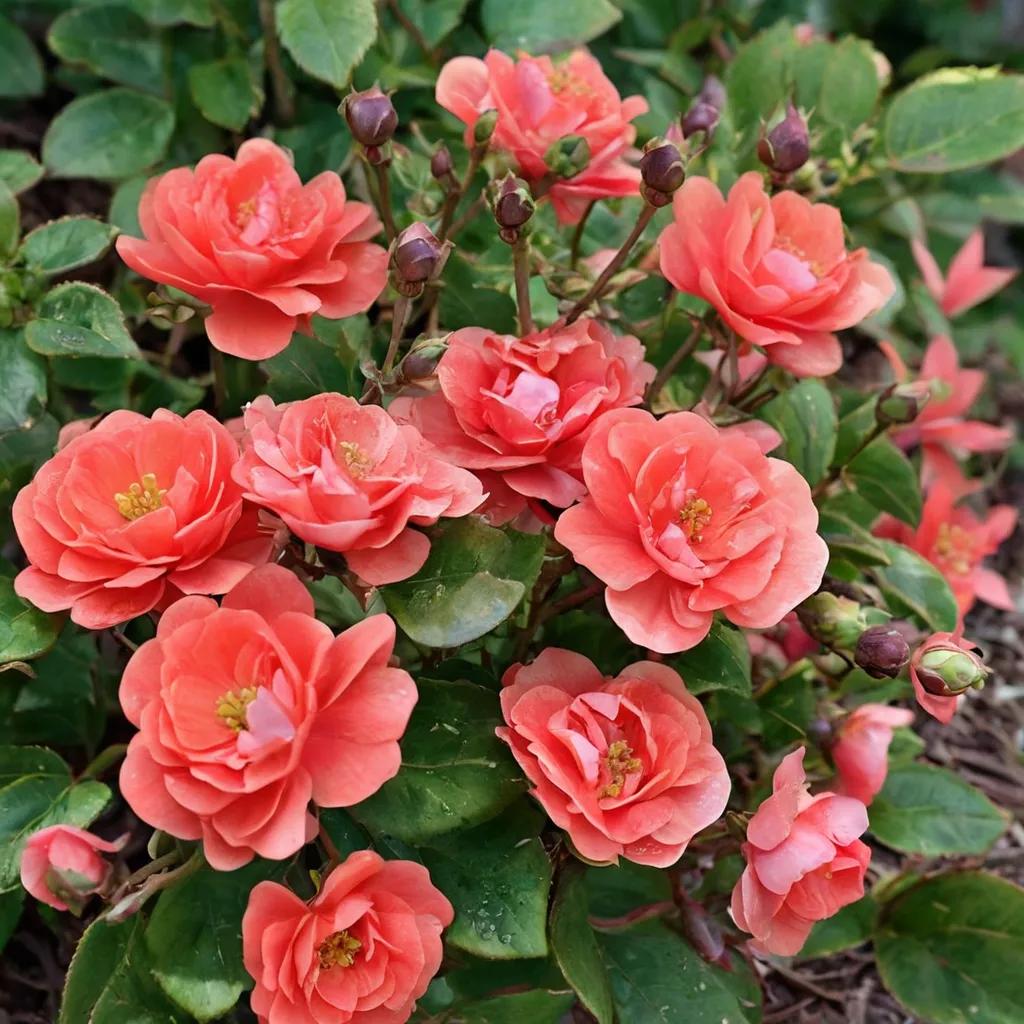 ‘Coral Drift’Coral Drift Rose
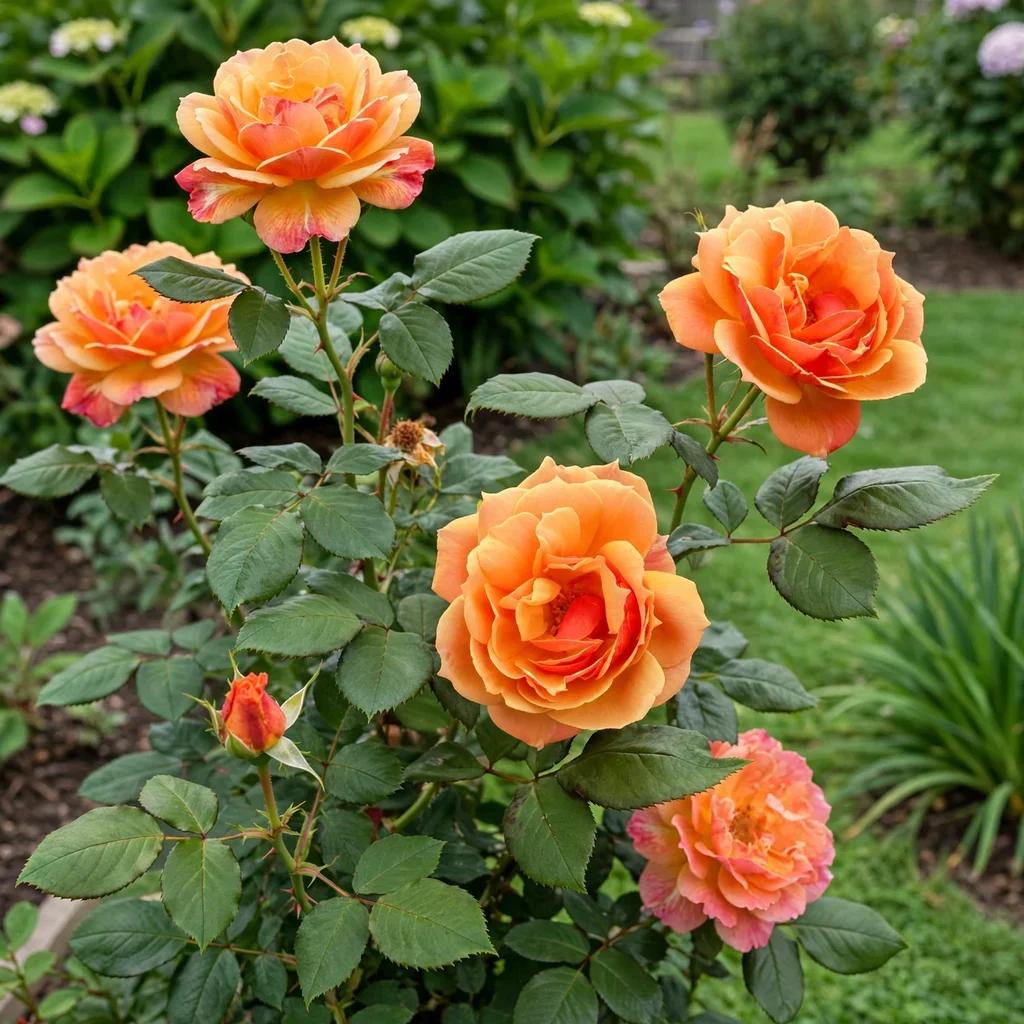 ‘About Face’About Face Rose
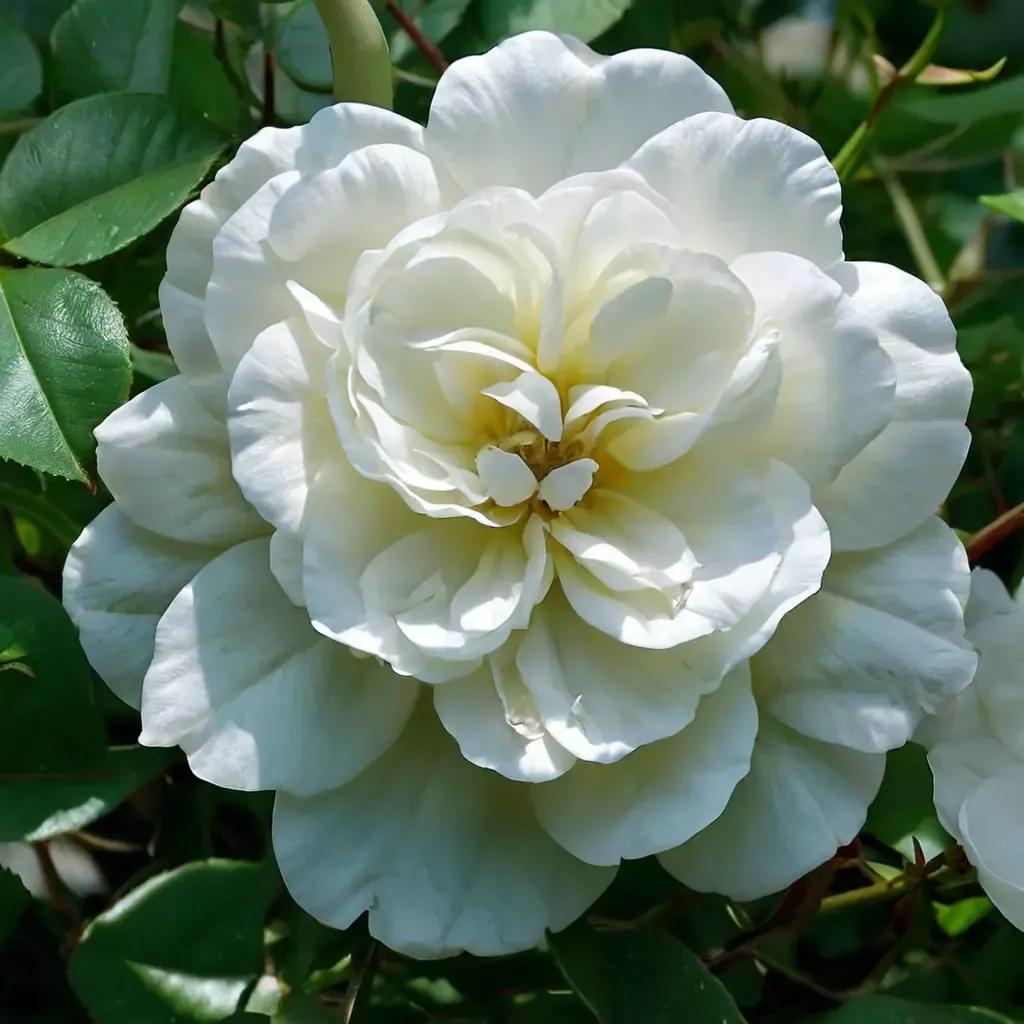 ‘Lace Cascade’Lace Cascade Rose
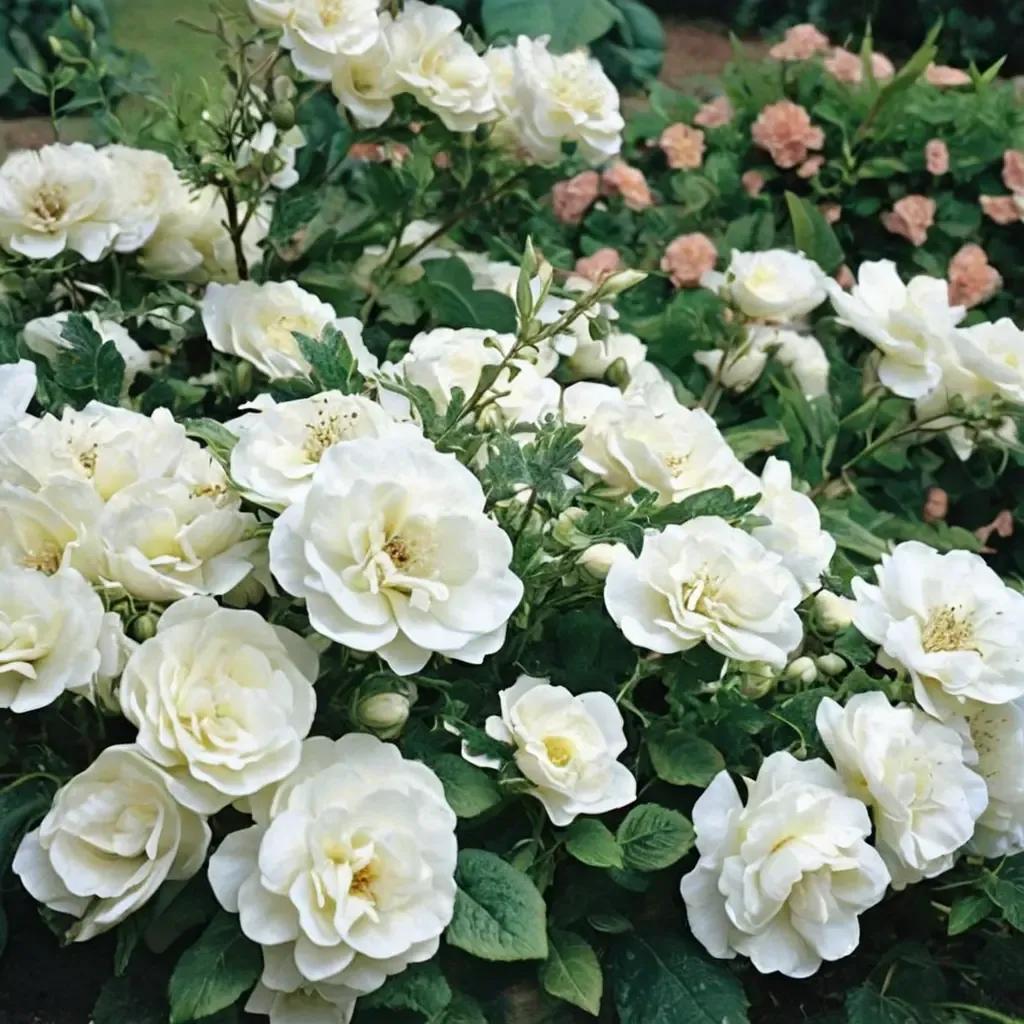 ‘White Meidiland’White Meidiland Rose
 ‘Pretty Lady Rose’Pretty Lady Rose
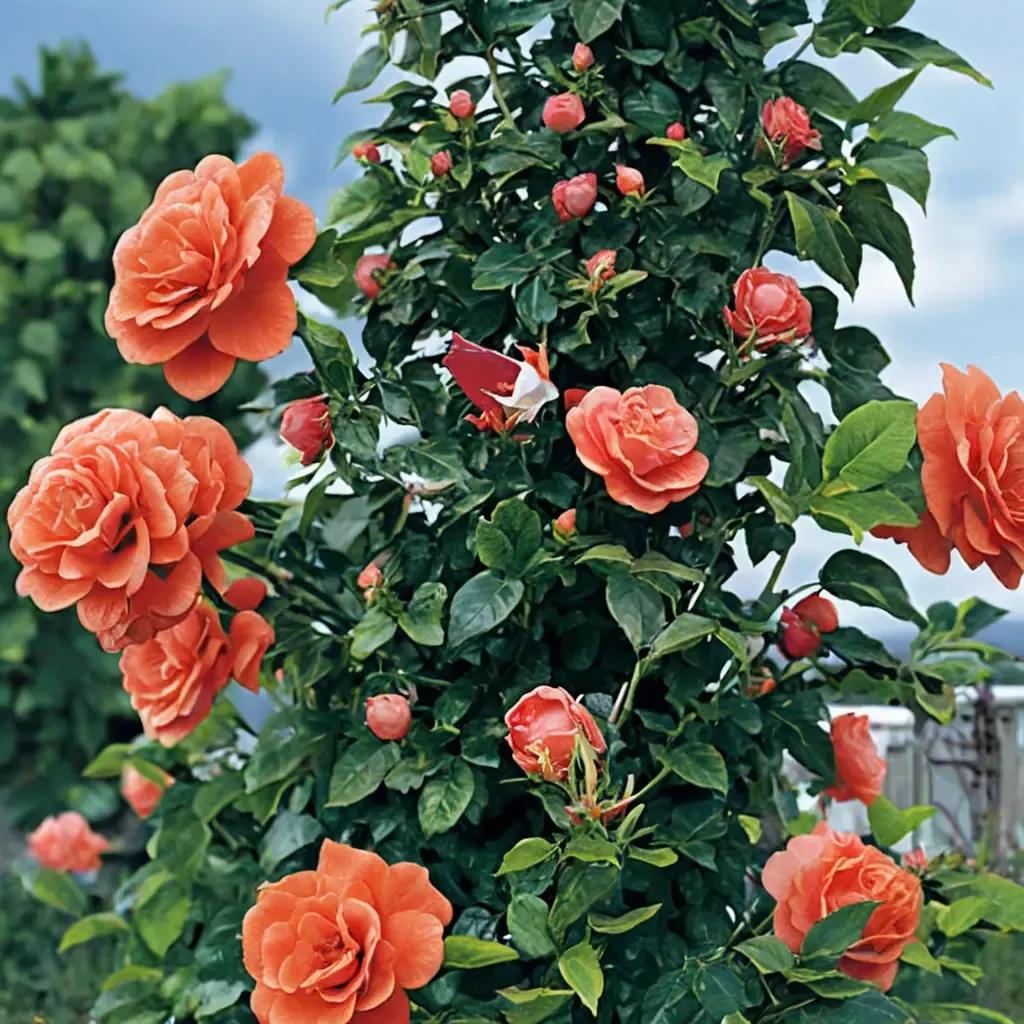 ‘Above All’Above All Rose
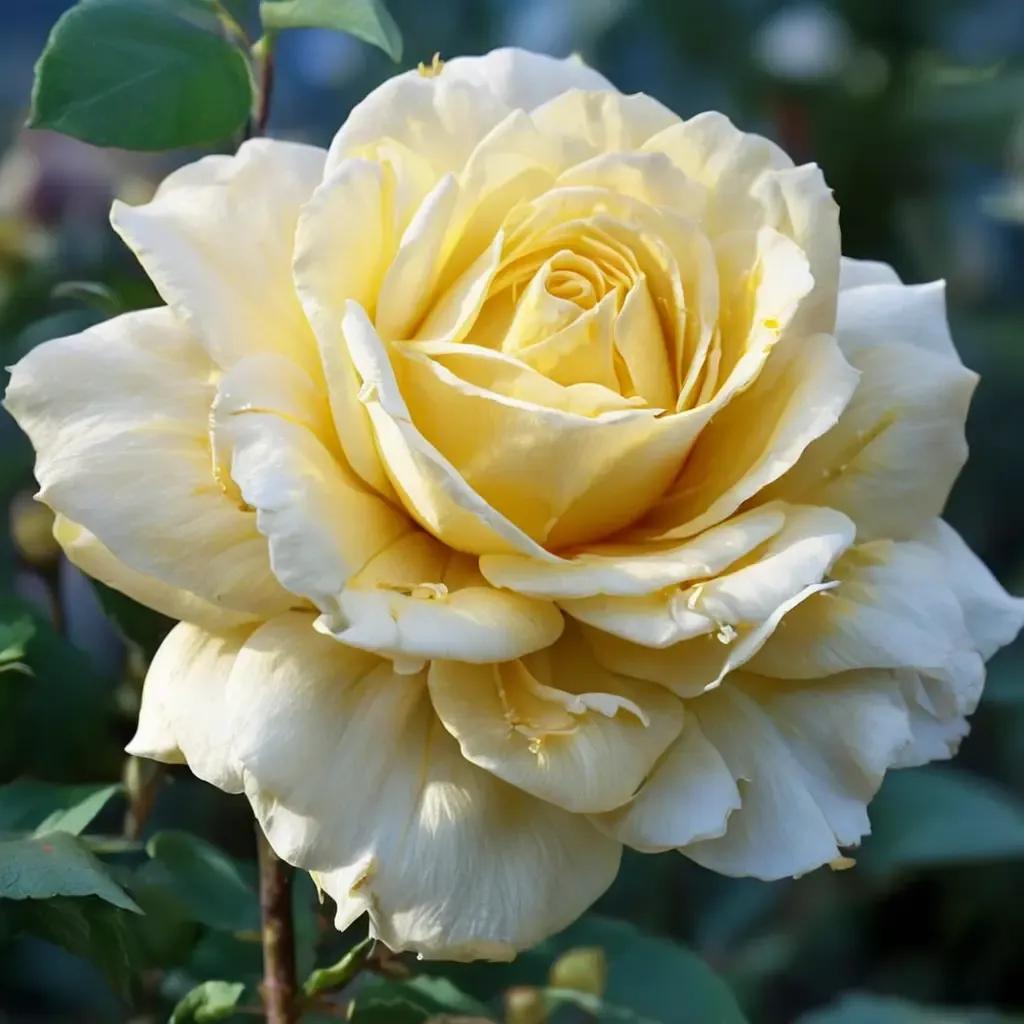 ‘Chantilly Cream’Chantilly Cream
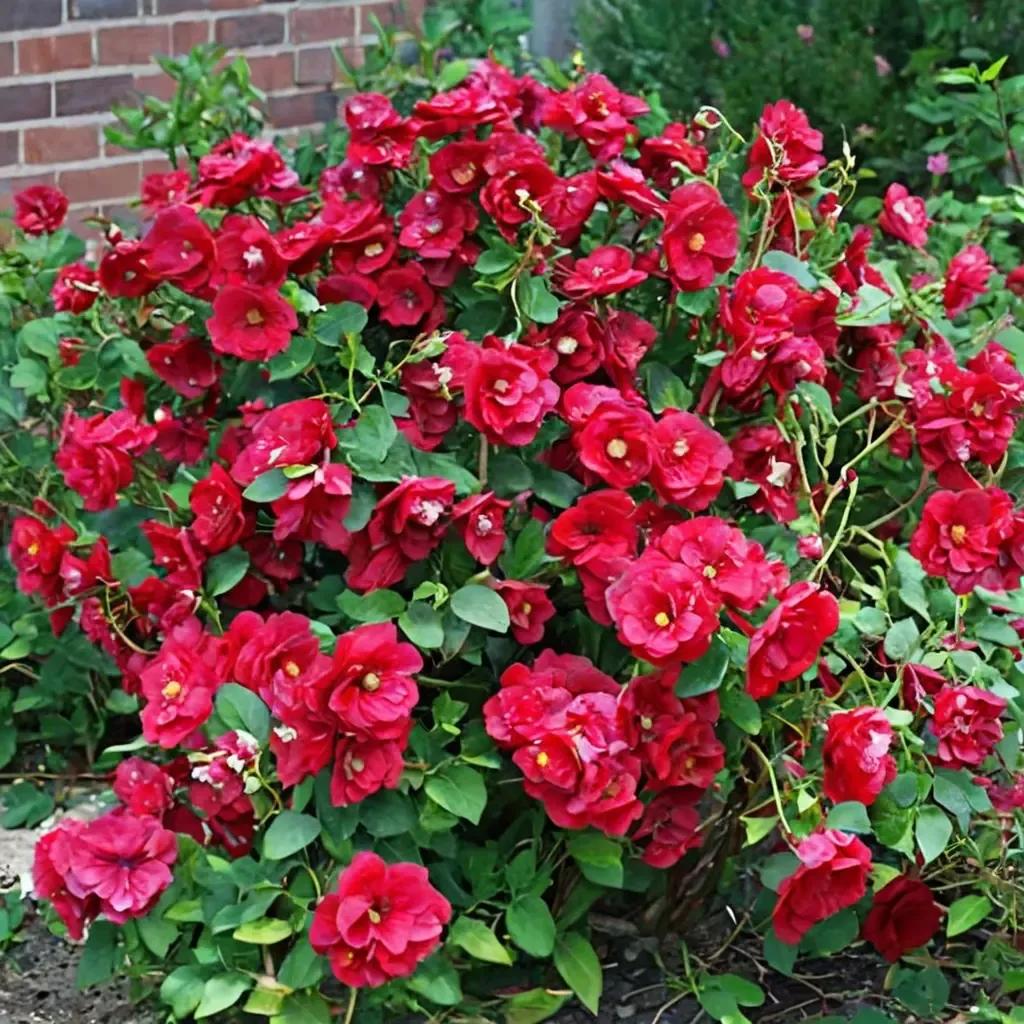 ‘Champlain’Champlain Rose
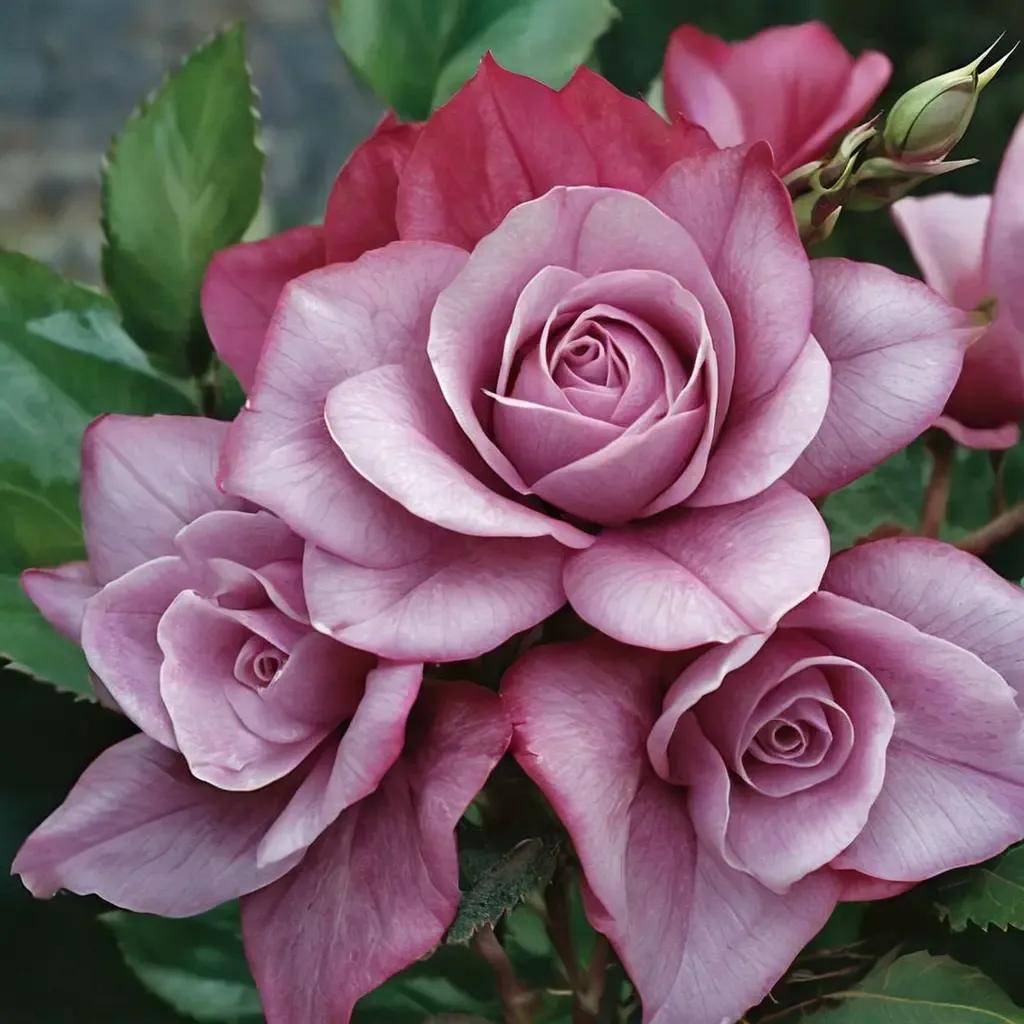 ‘Barbra Streisand’Barbra Streisand Rose
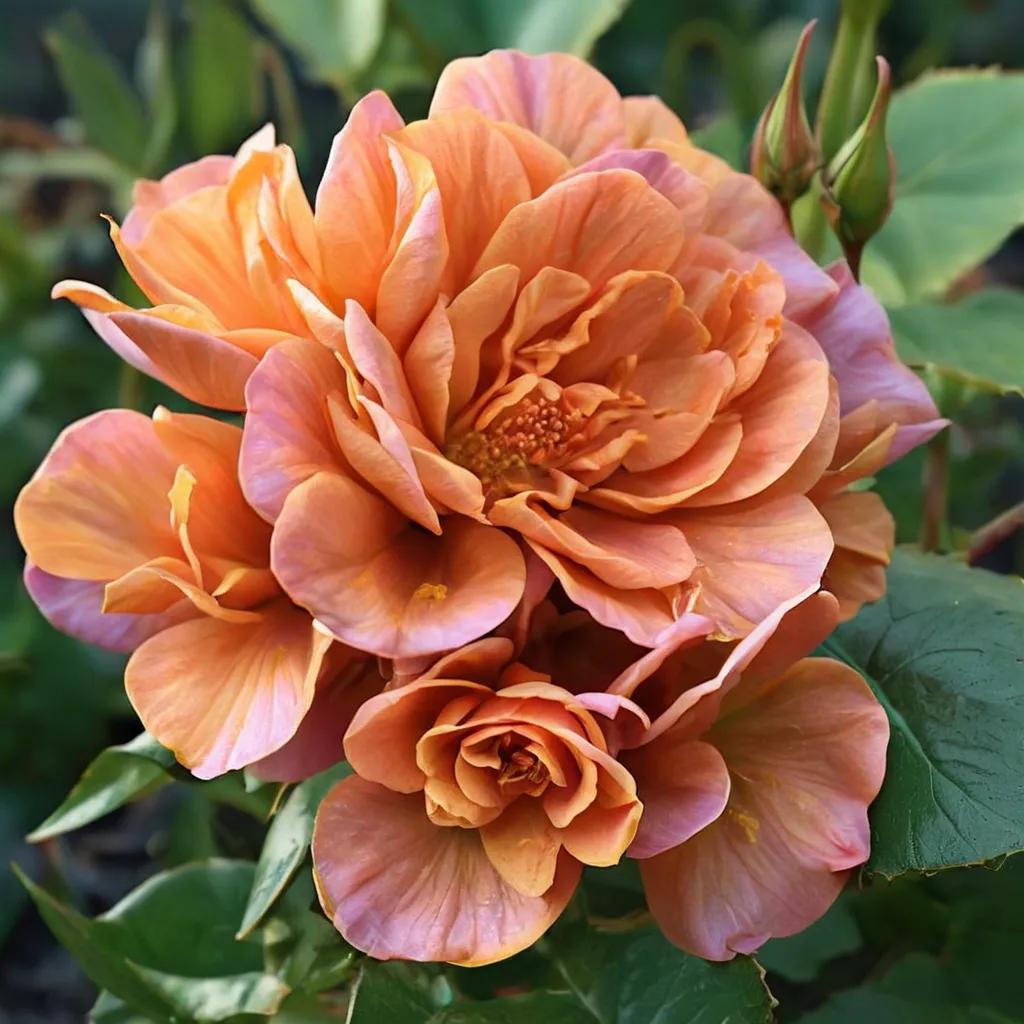 ‘Pumpkin Patch’Pumpkin Patch Rose
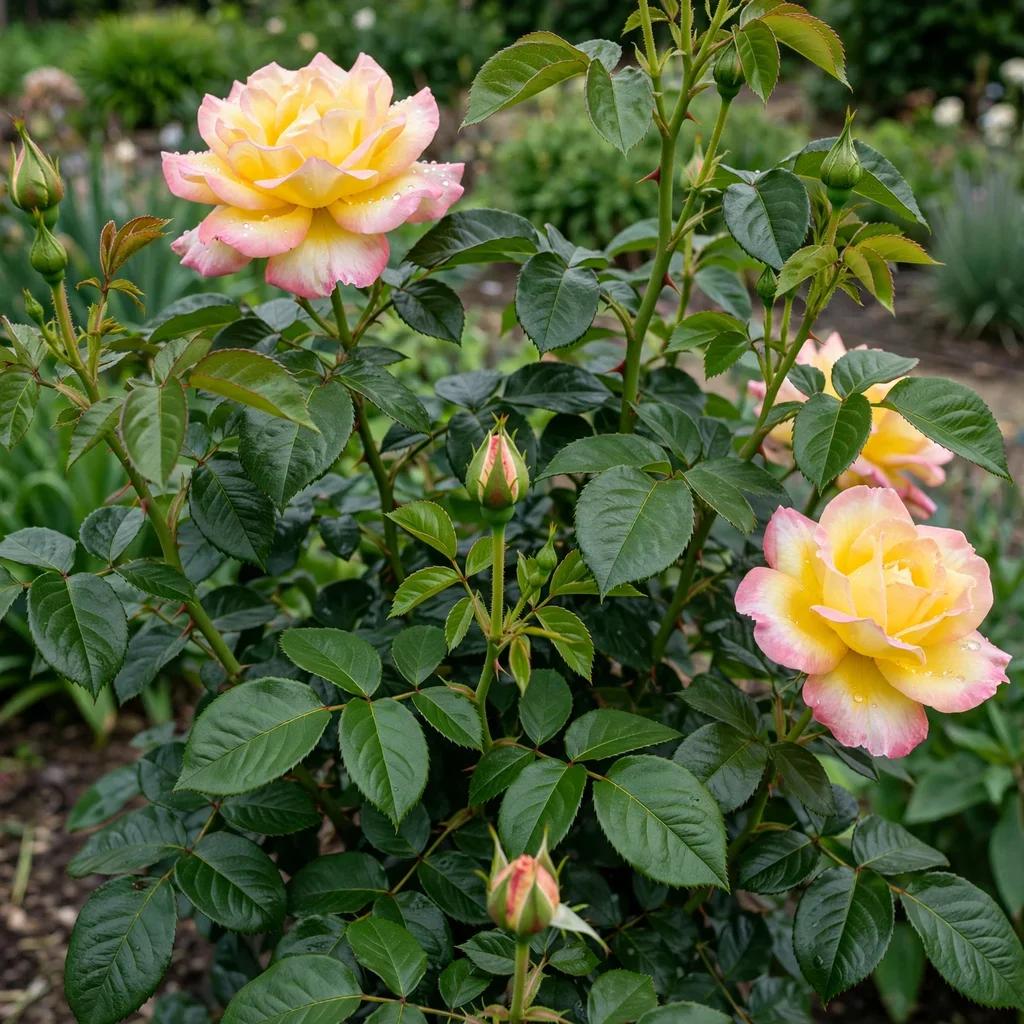 ‘Peace’Peace Rose
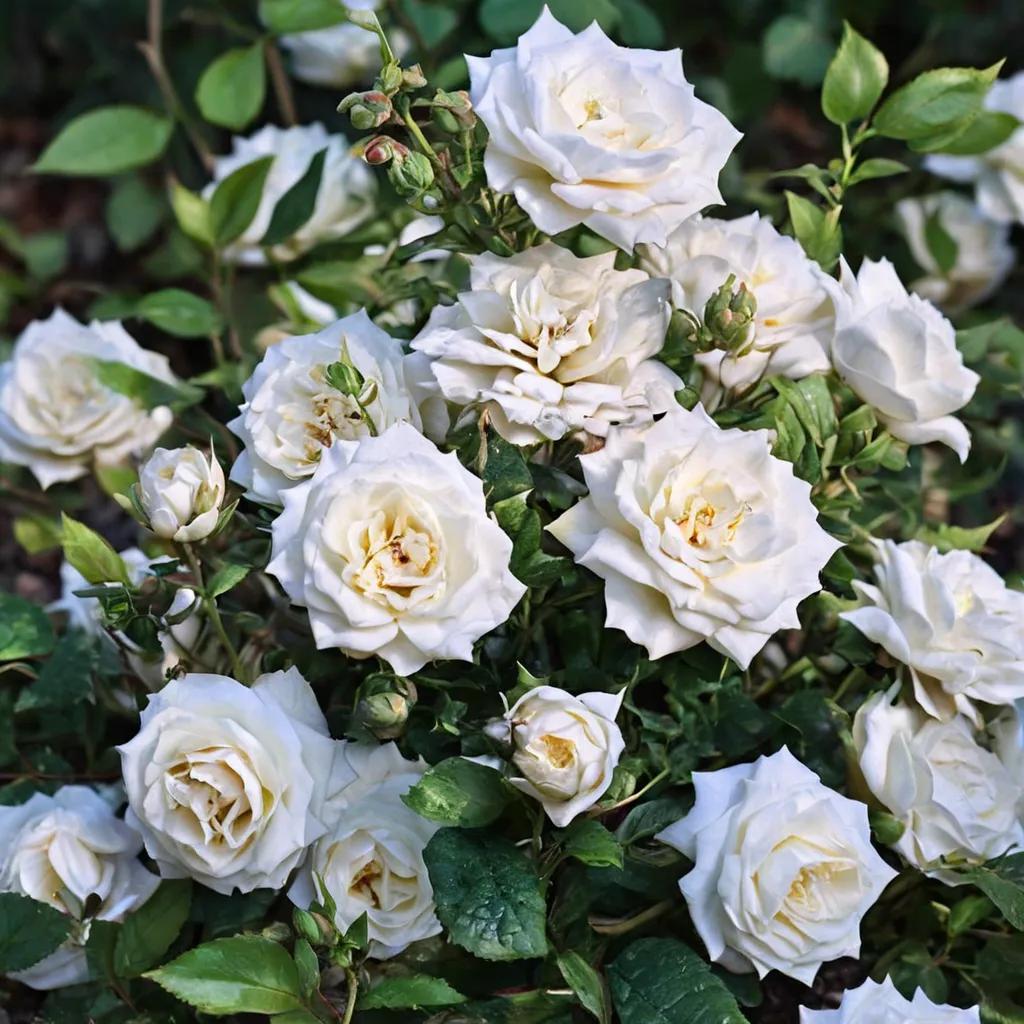 ‘White Drift’White Drift Rose
 ‘State of Grace’State of Grace Rose
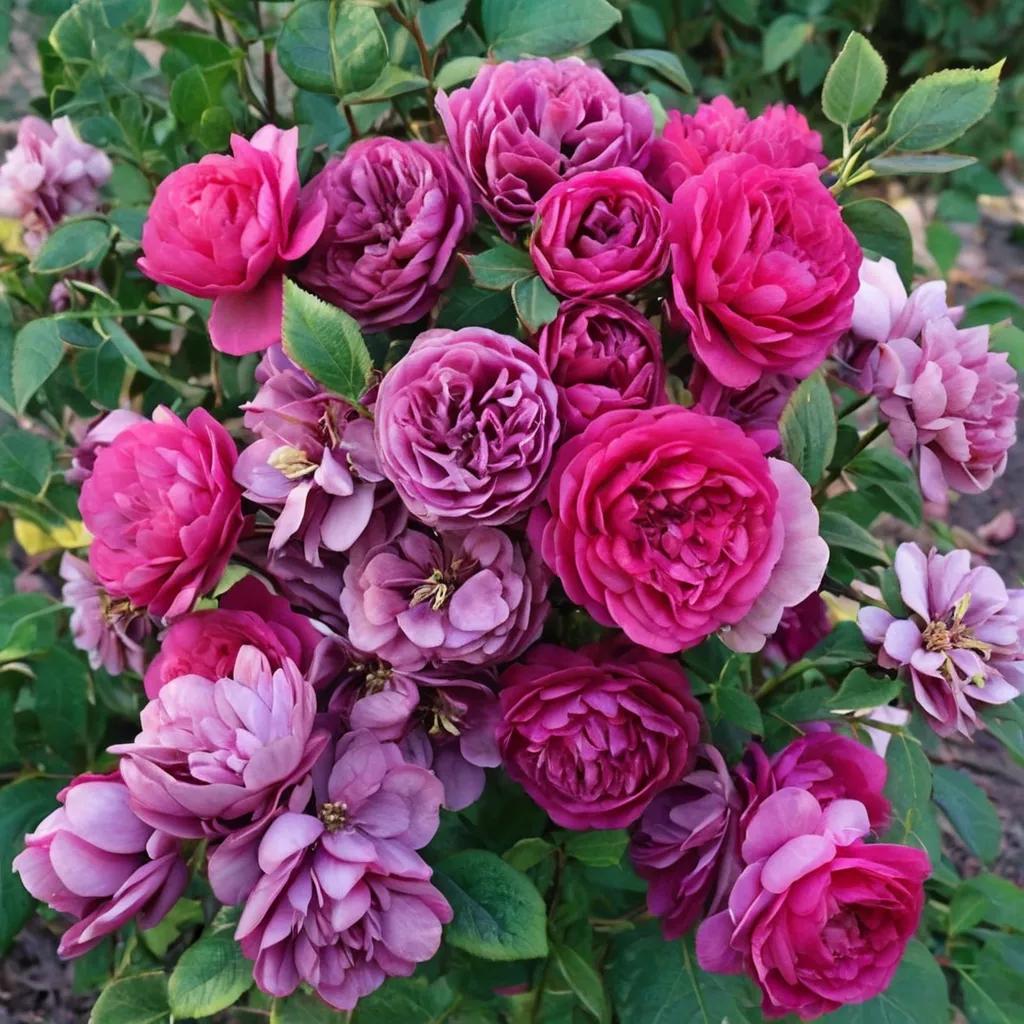 ‘Sultry Night’Sultry Night Rose
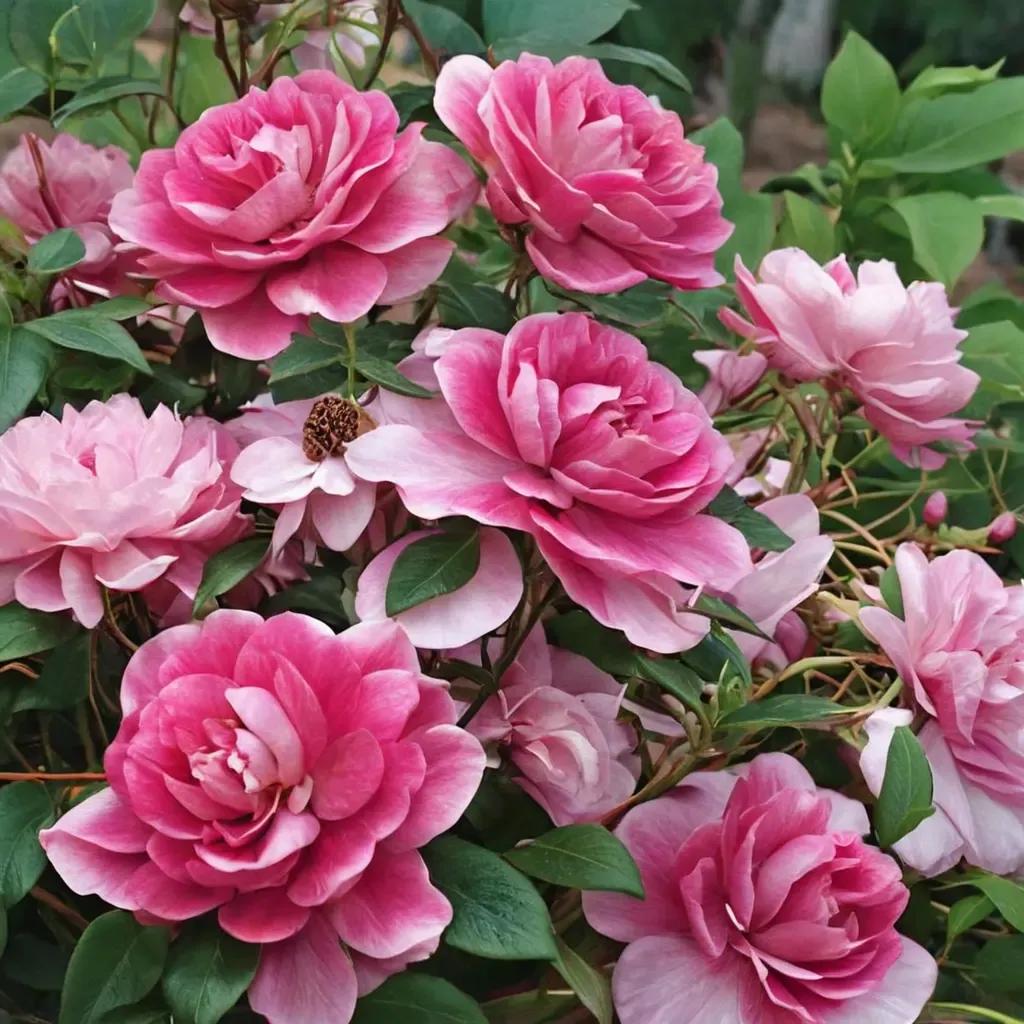 ‘Brilliant Pink Iceberg’Brilliant Pink Iceberg Rose
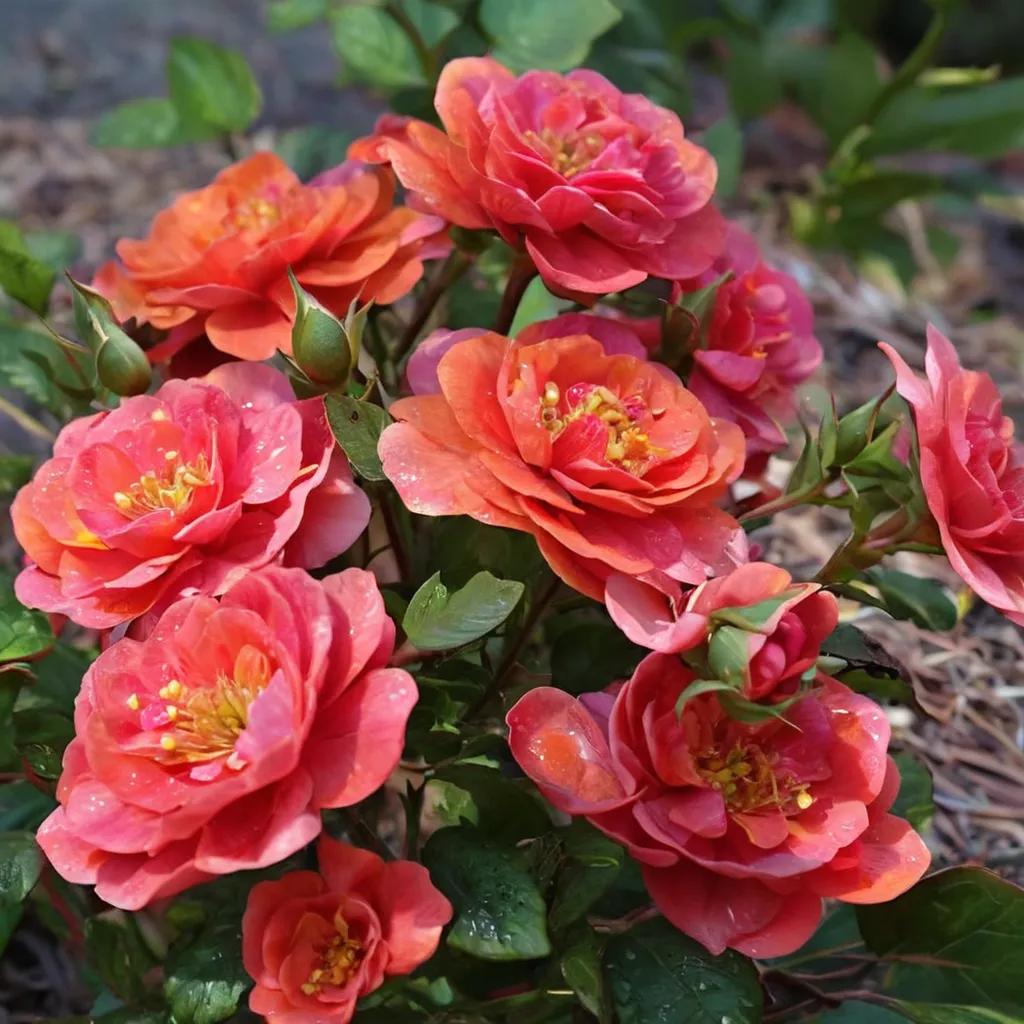 ‘Oso Easy Mango Salsa’Oso Easy Mango Salsa Rose
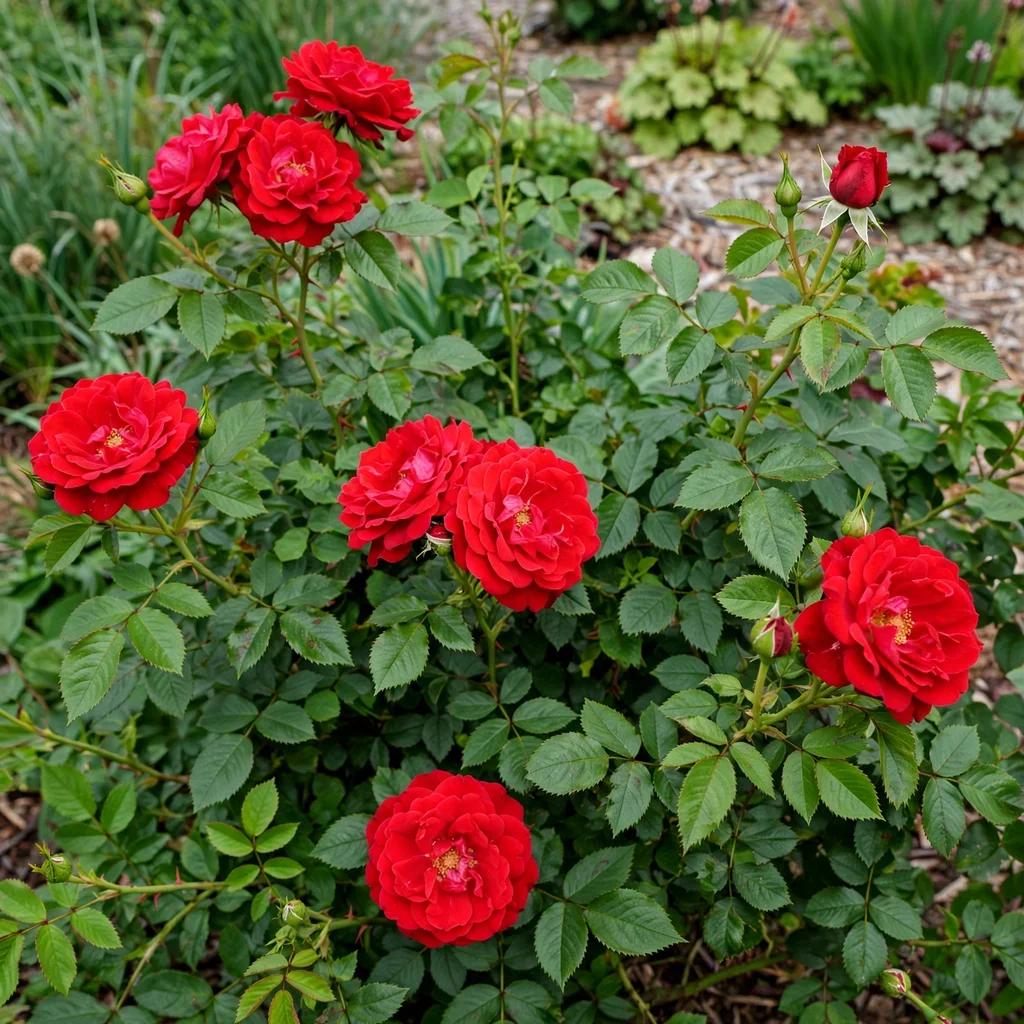 ‘Double Red’Double Red Rose
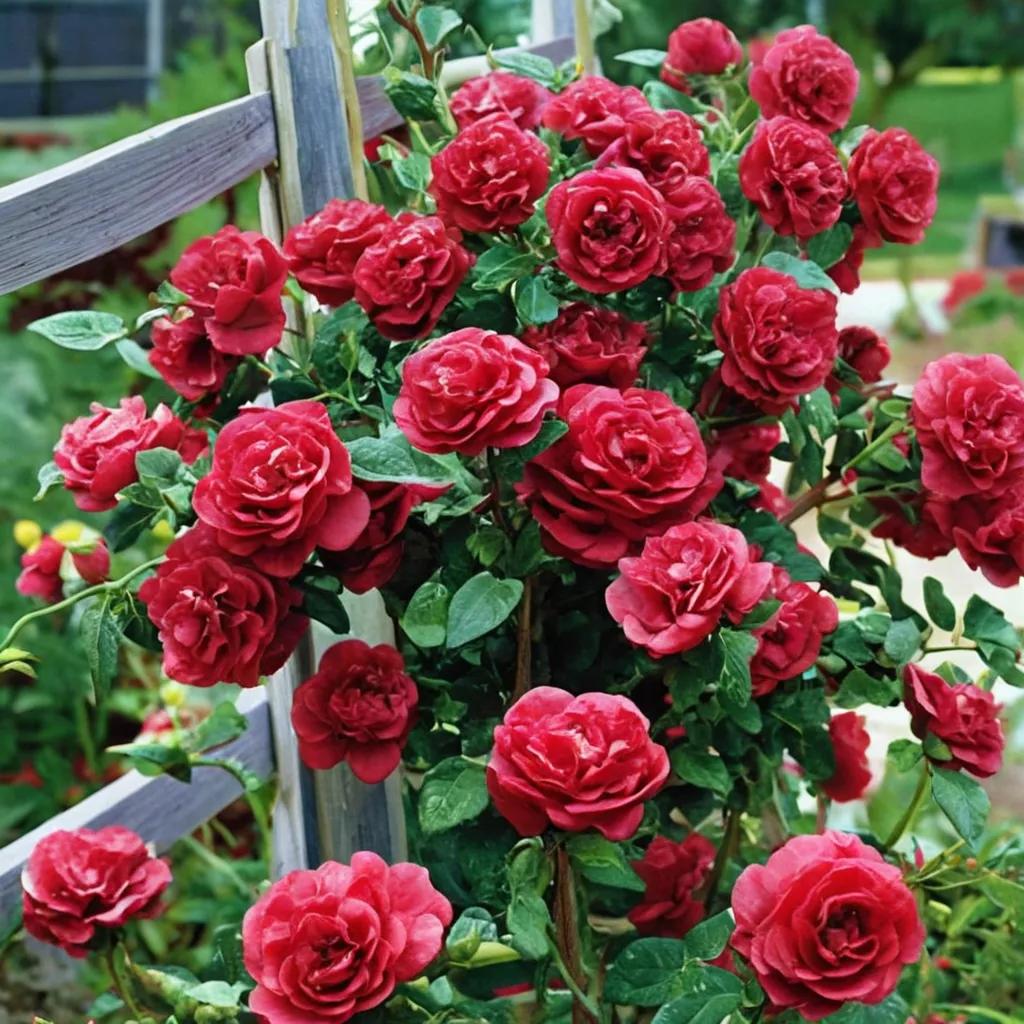 ‘Blaze’Blaze Rose
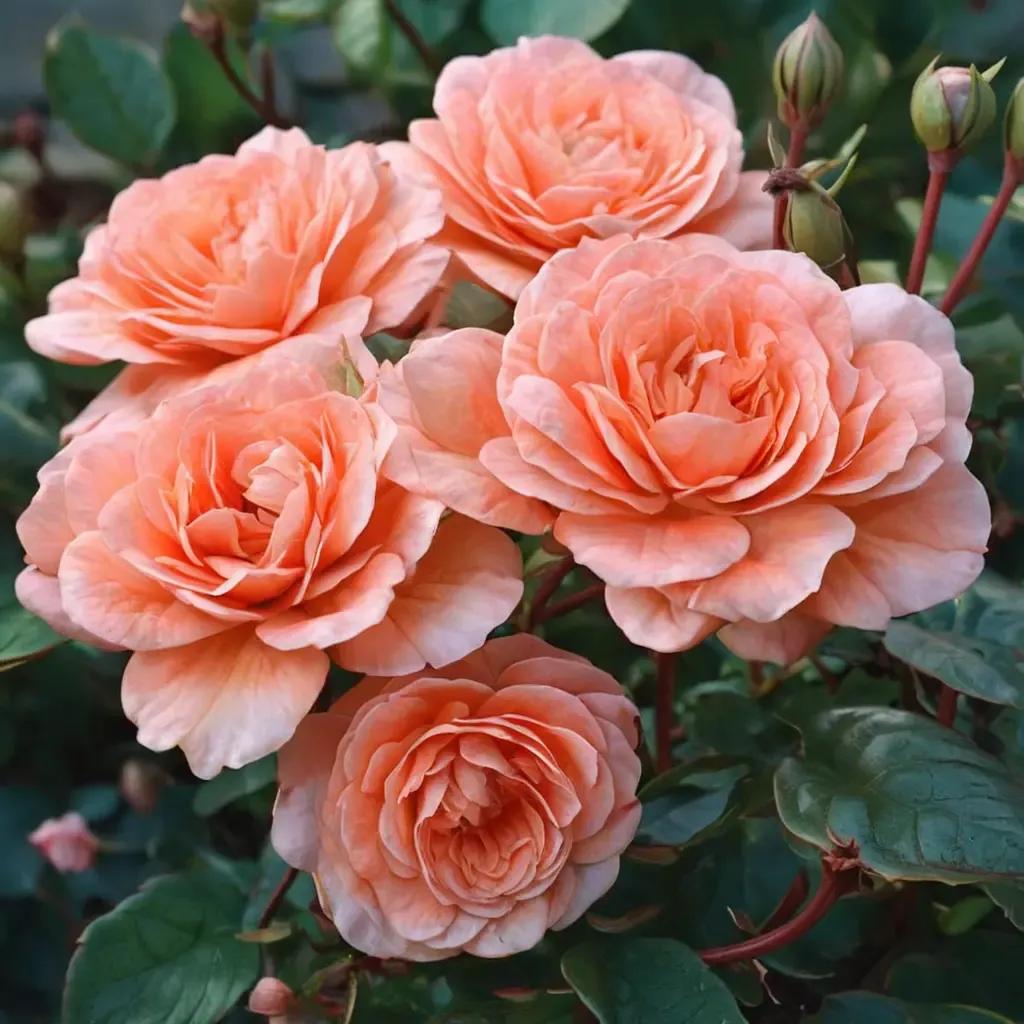 ‘Jump For Joy’'Jump For Joy' Floribunda Rose
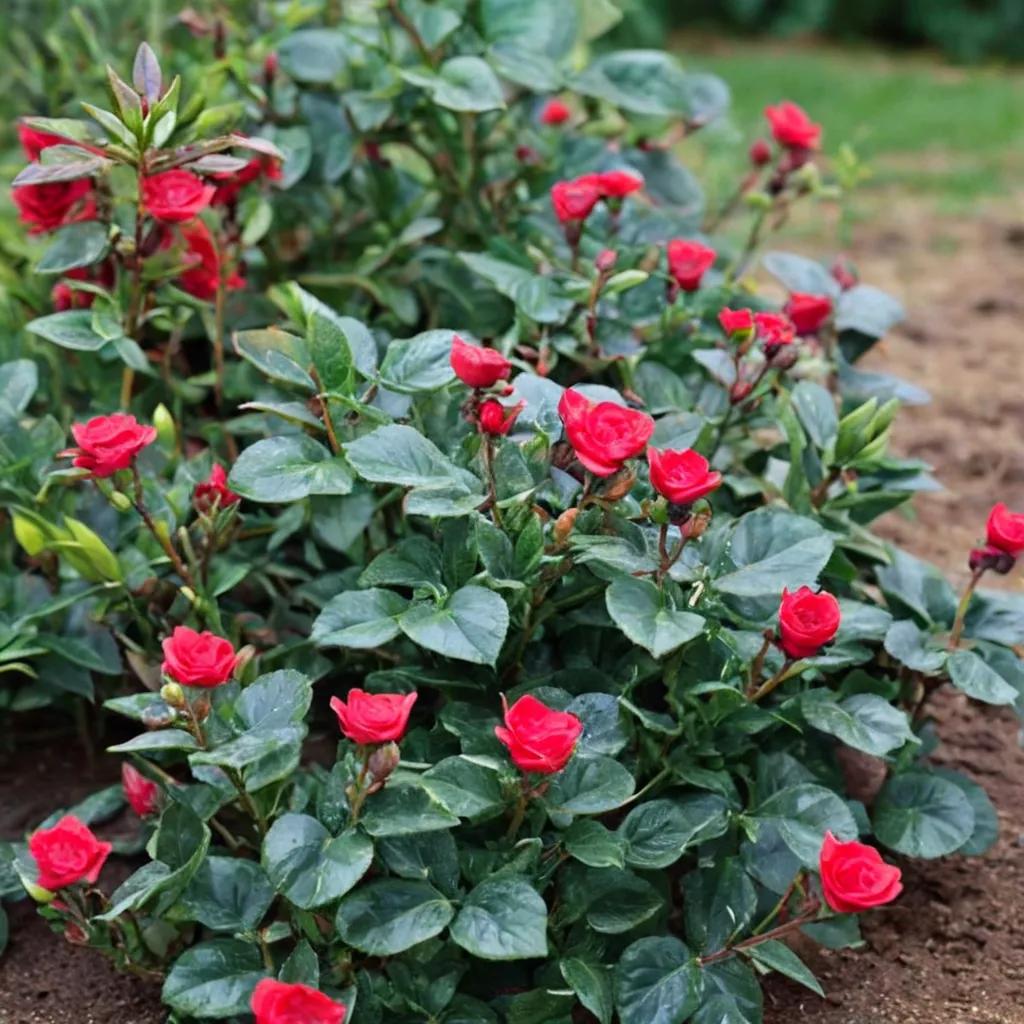 ‘Petite Knock Out’Petite Knock Out Rose
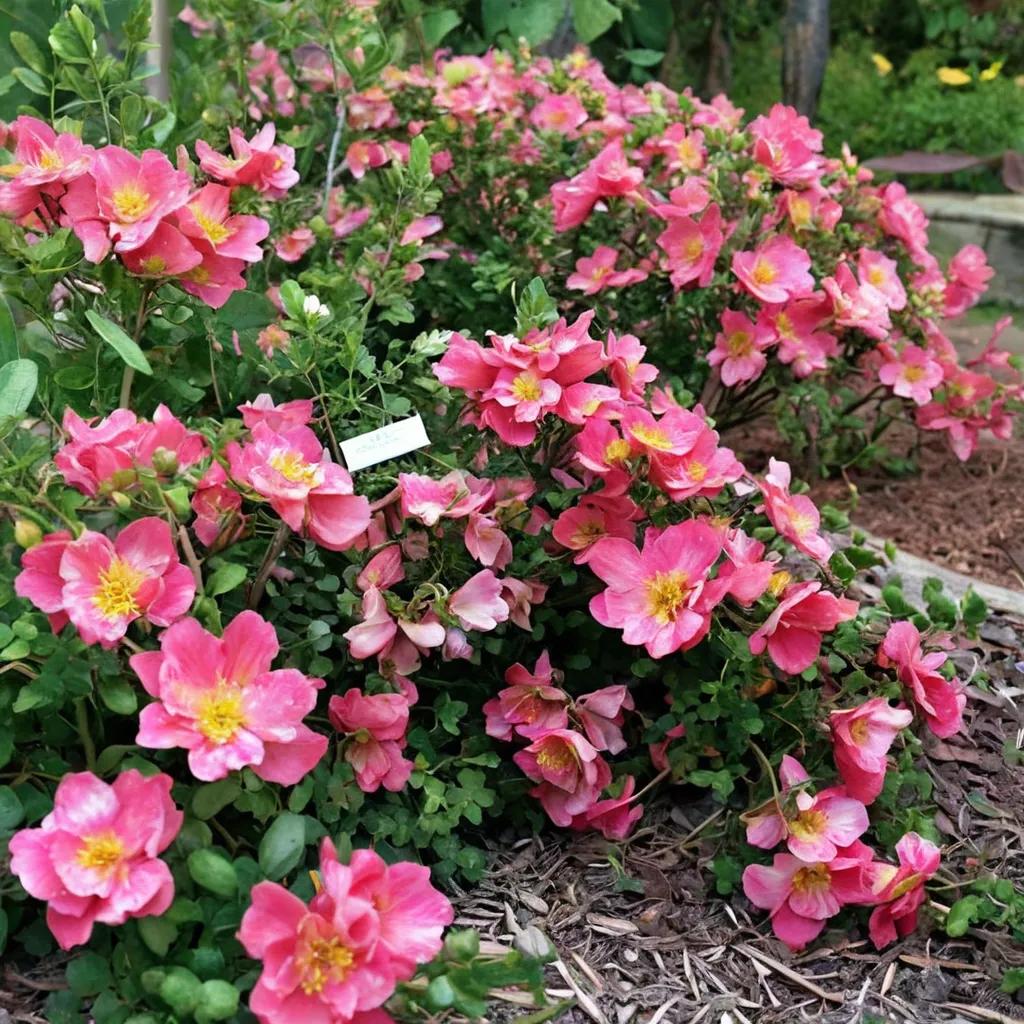 ‘Pink Drift’Pink Drift Rose
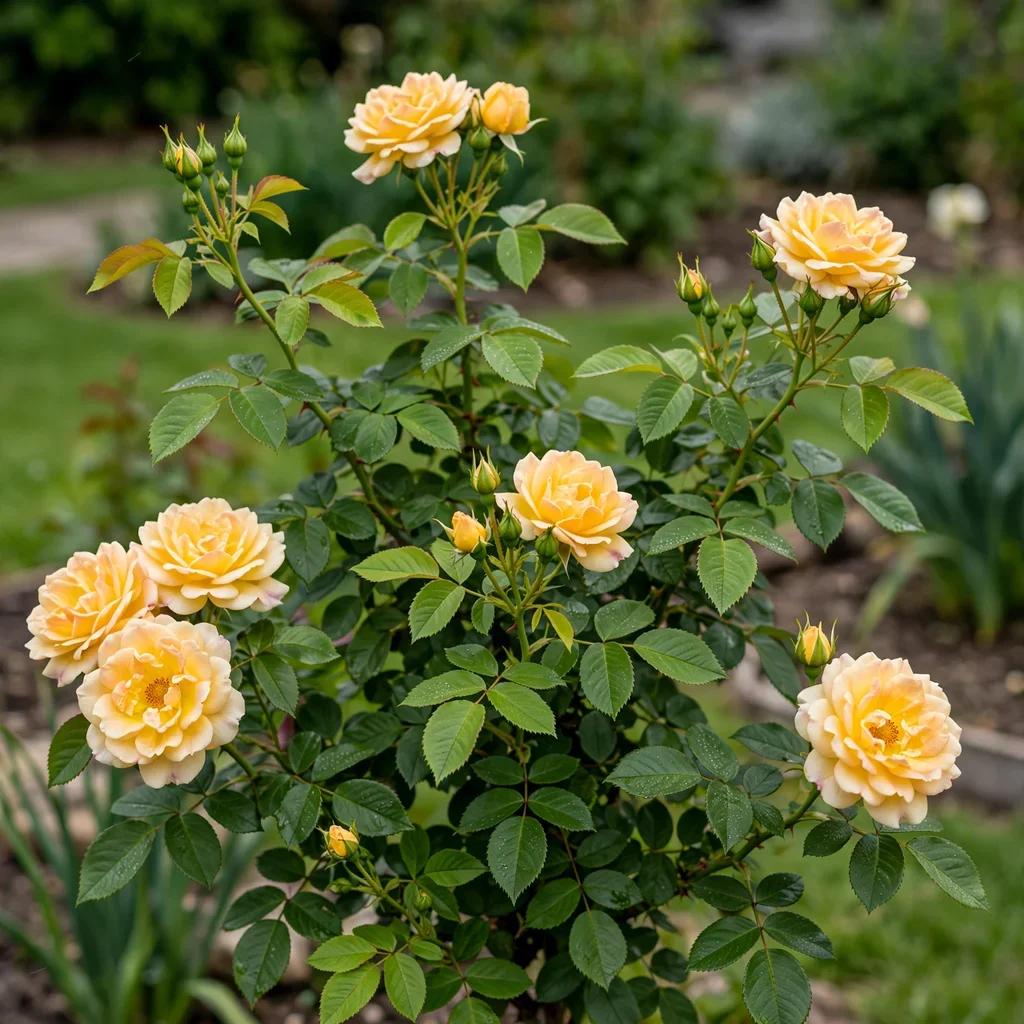 ‘Easy Going Yellow’Easy Going Rose
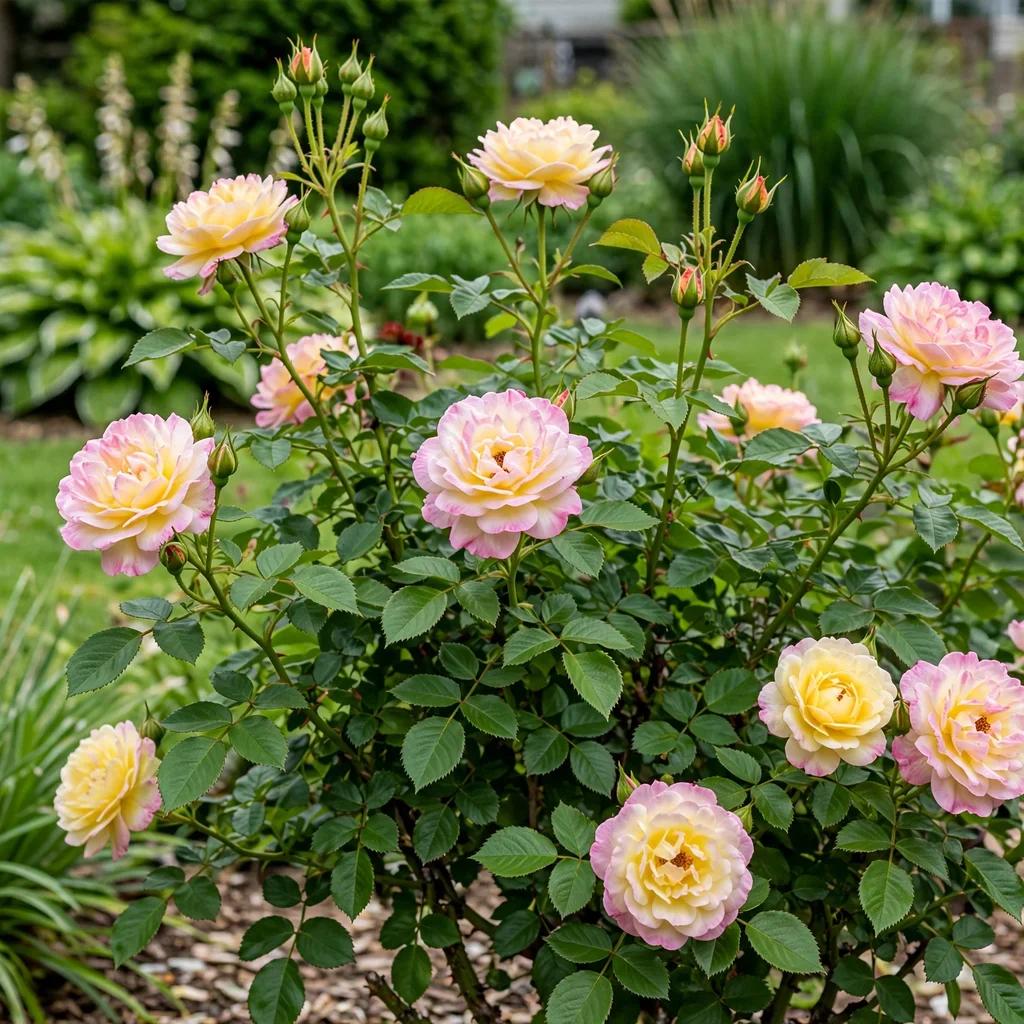 ‘Life Of The Party’Life Of The Party Rose
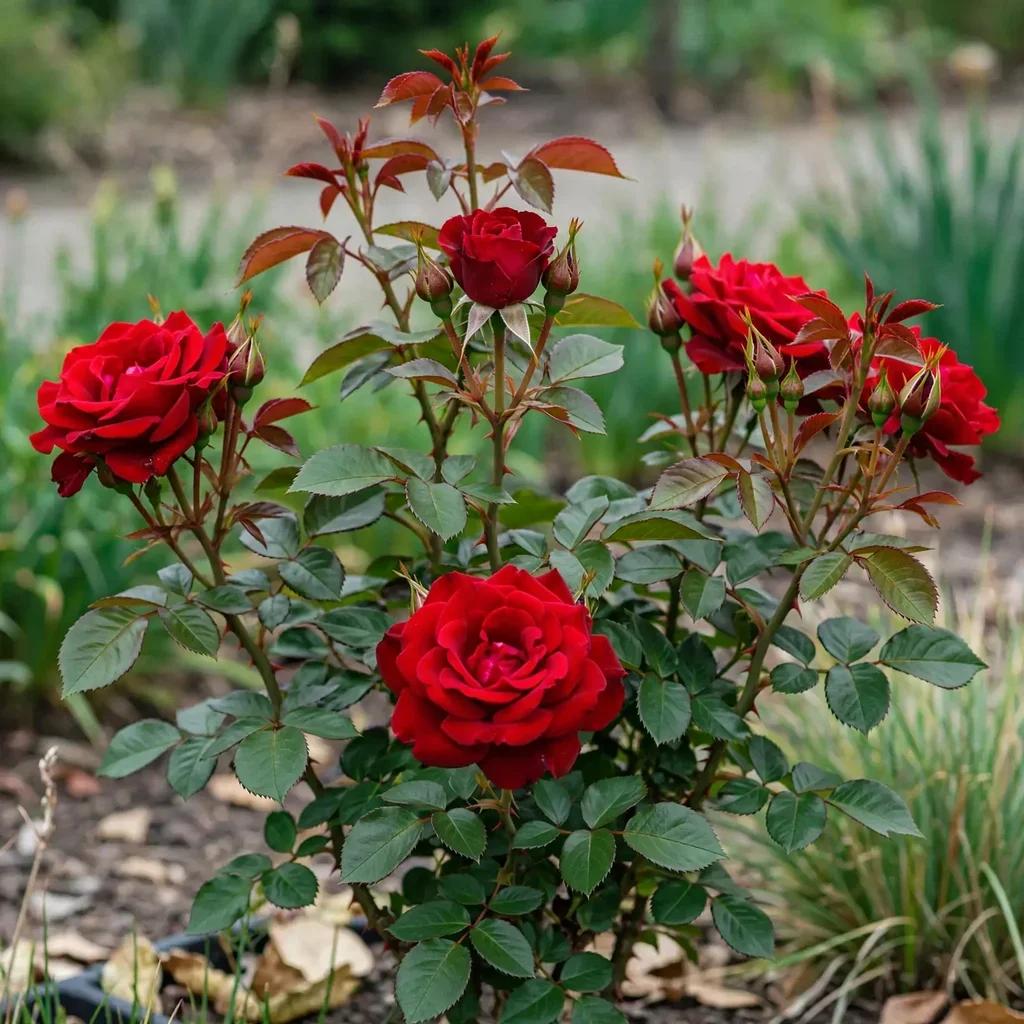 ‘Drop Dead Red’Drop Dead Red Rose
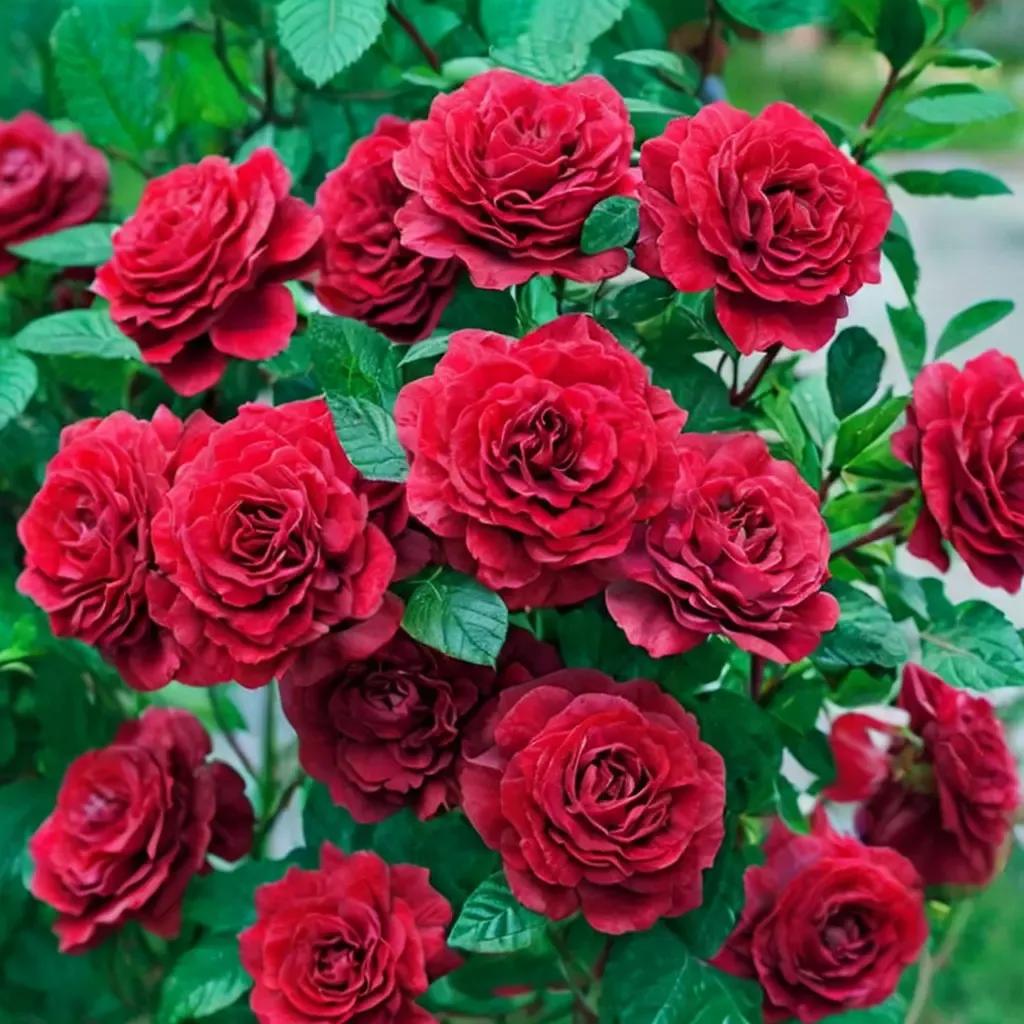 ‘Lady In Red’Lady in Red Climbing Rose
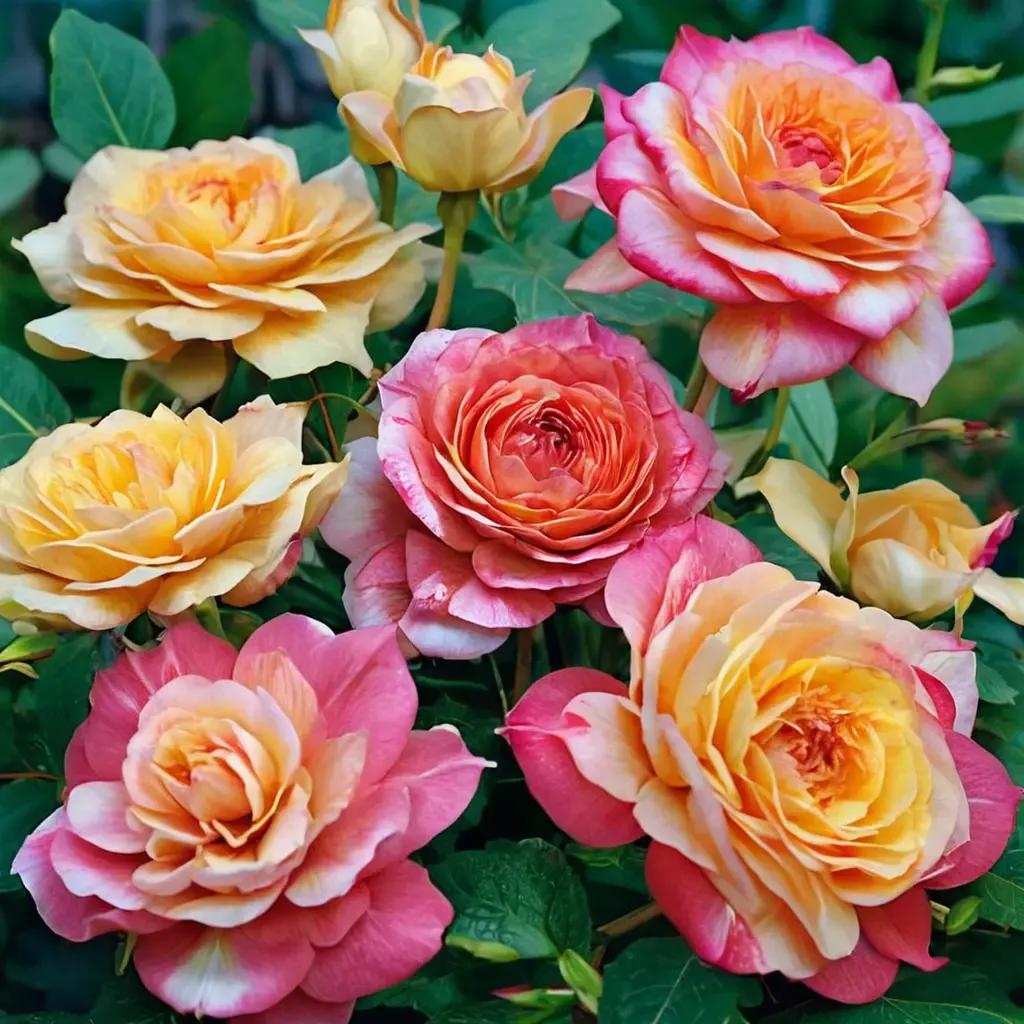 ‘Our Choice Jumbo’Our Choice Jumbo Rose
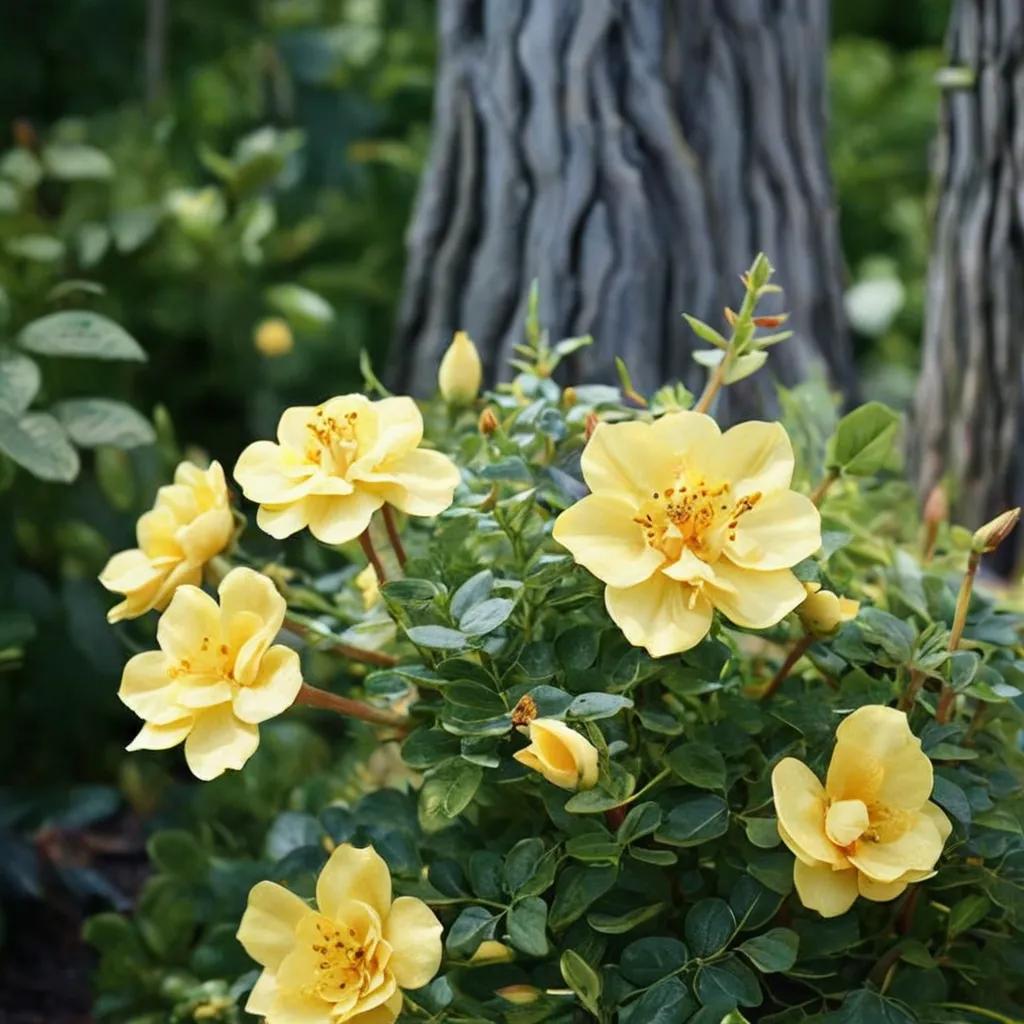 ‘Oso Easy Lemon Zest’Oso Easy Lemon Zest Rose
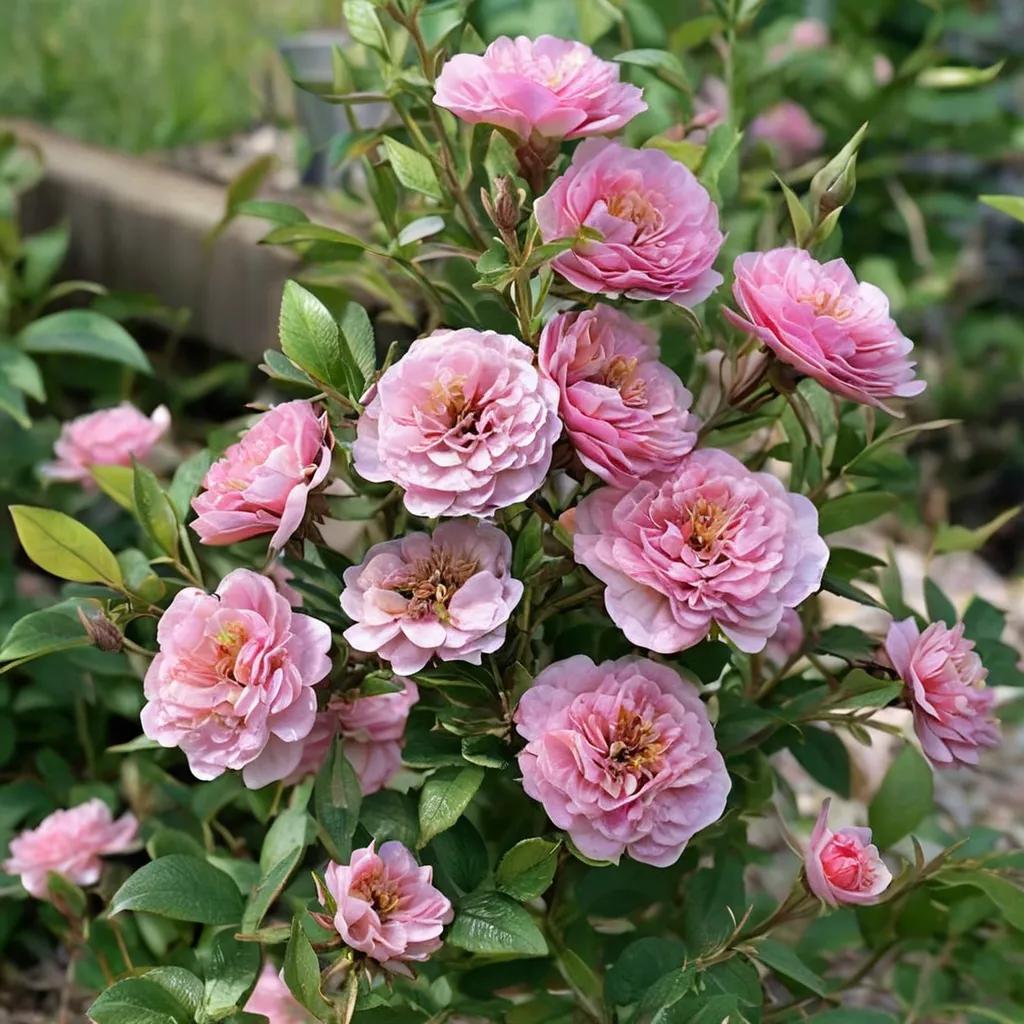 ‘Petit Pink’Petit Pink Rose
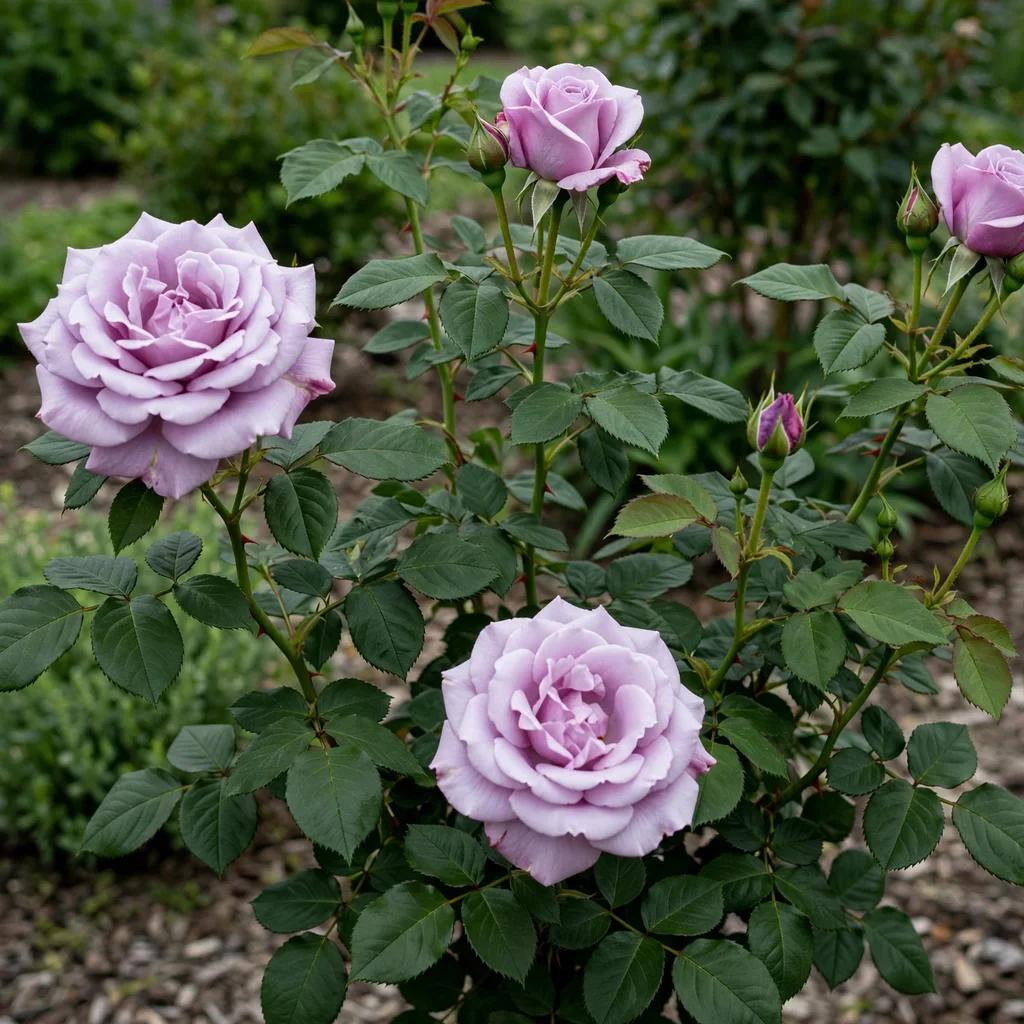 ‘Neptune’Neptune Rose
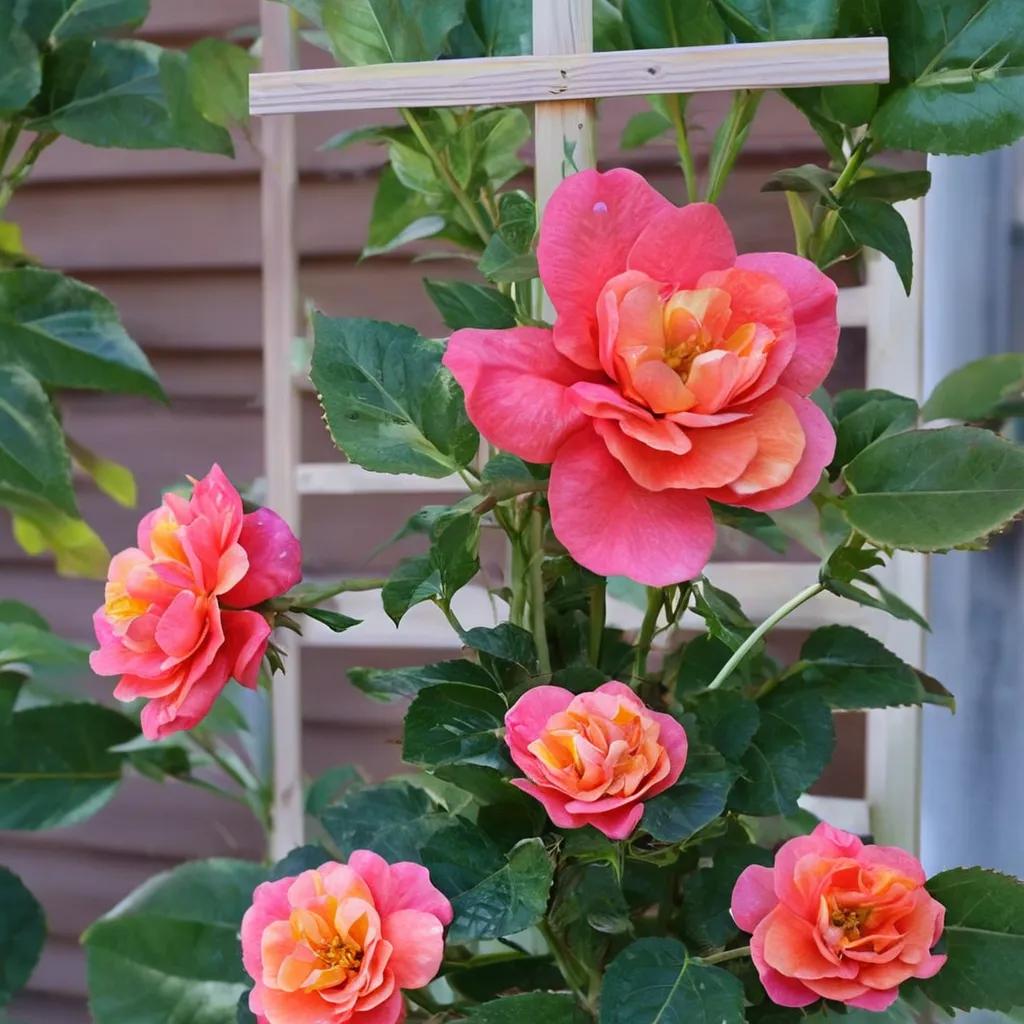 ‘Rise Up Emberays’Rise Up Emberays Rose
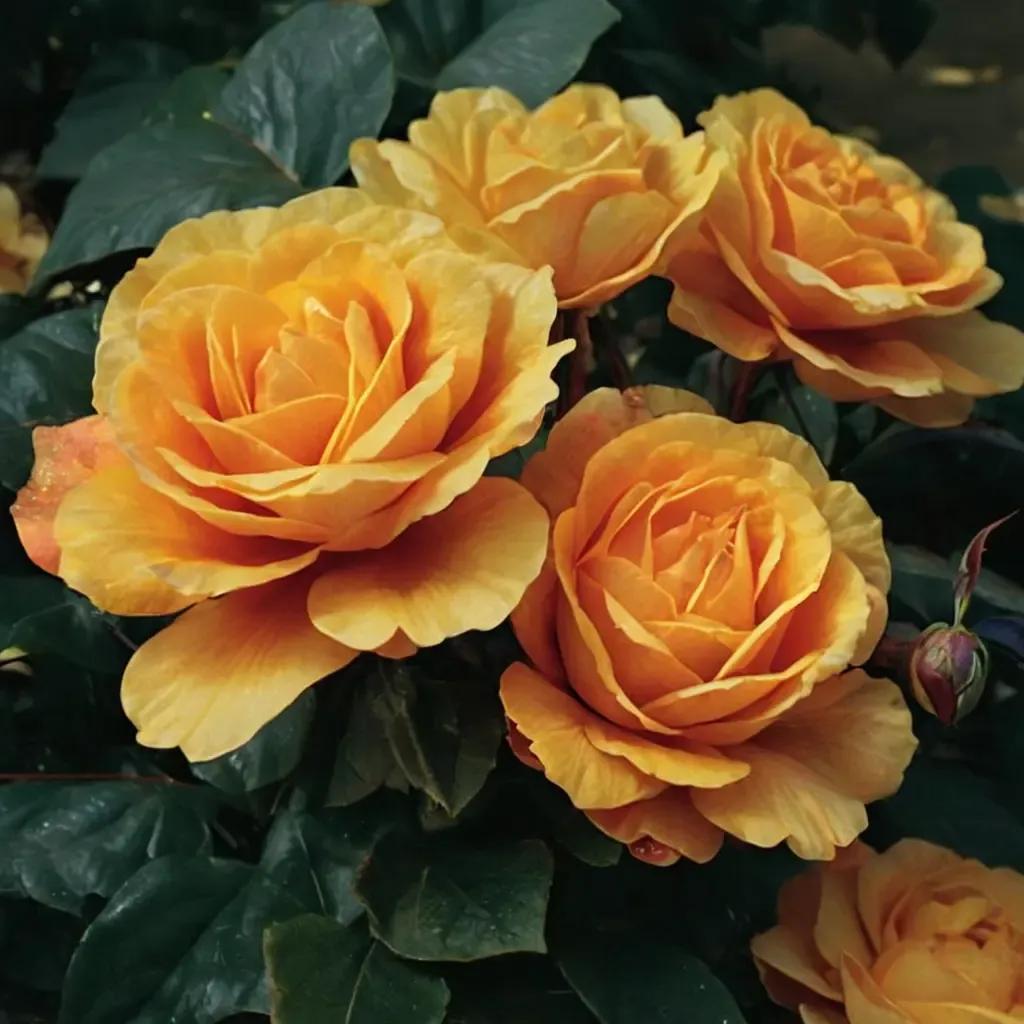 ‘Good as Gold’Good as Gold Rose
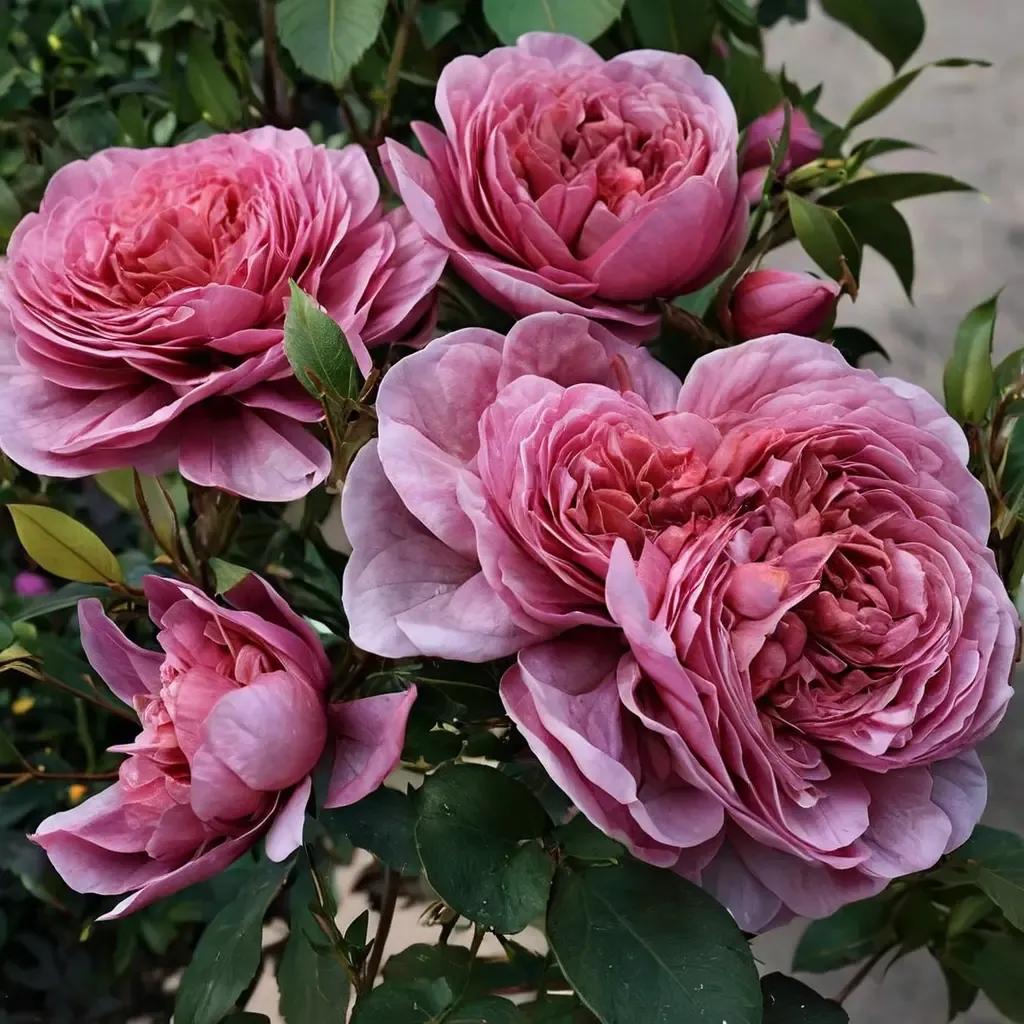 ‘Queen of Elegance’Queen of Elegance Rose
 ‘Parade Day’Parade Day Rose
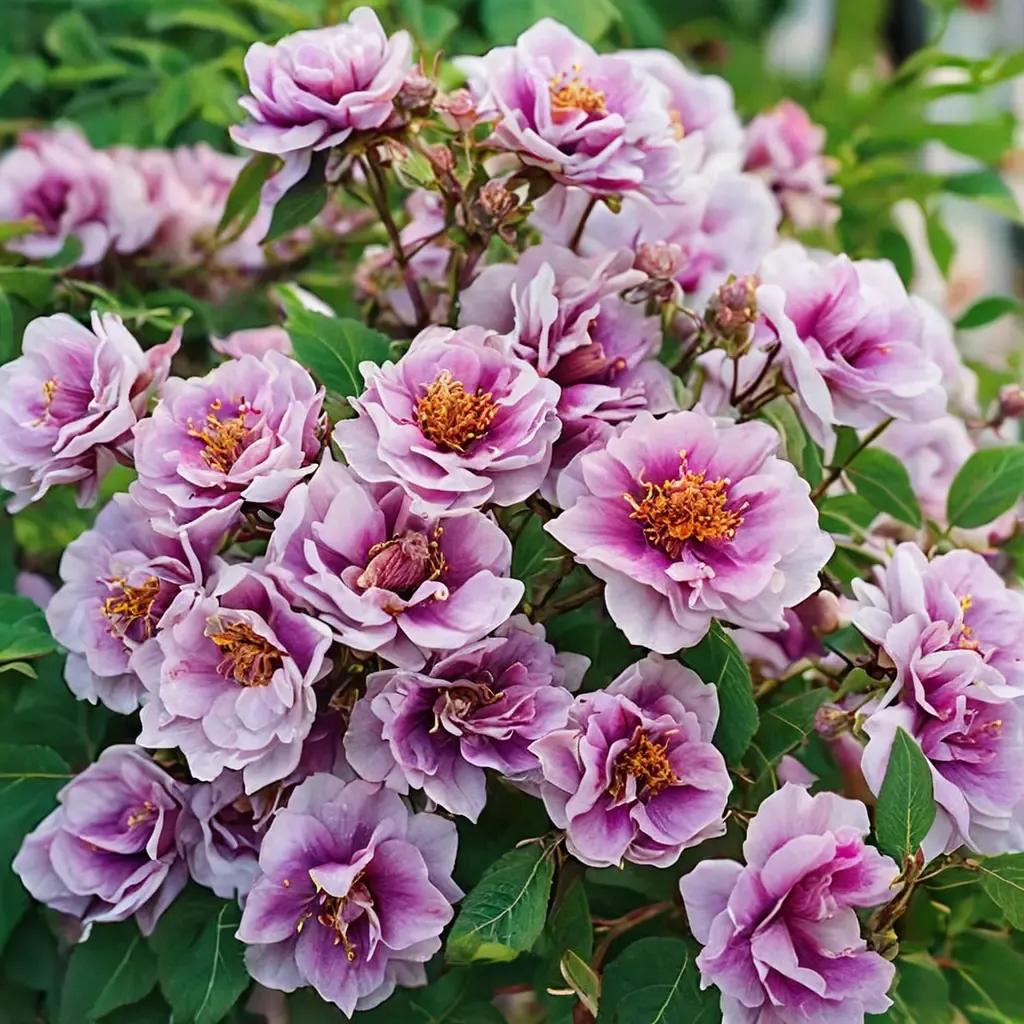 ‘Easy on the Eyes’Easy on the Eyes Rose
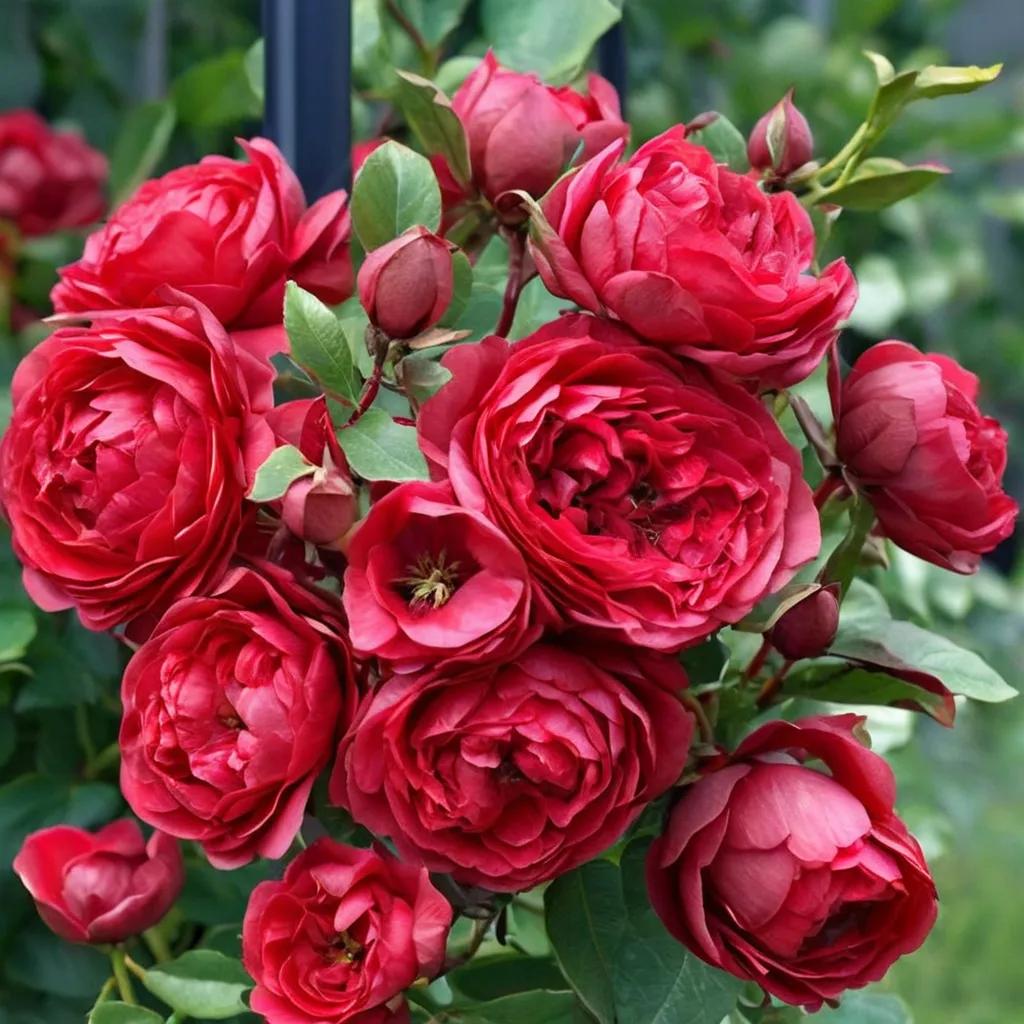 ‘Florentina’Florentina Rose
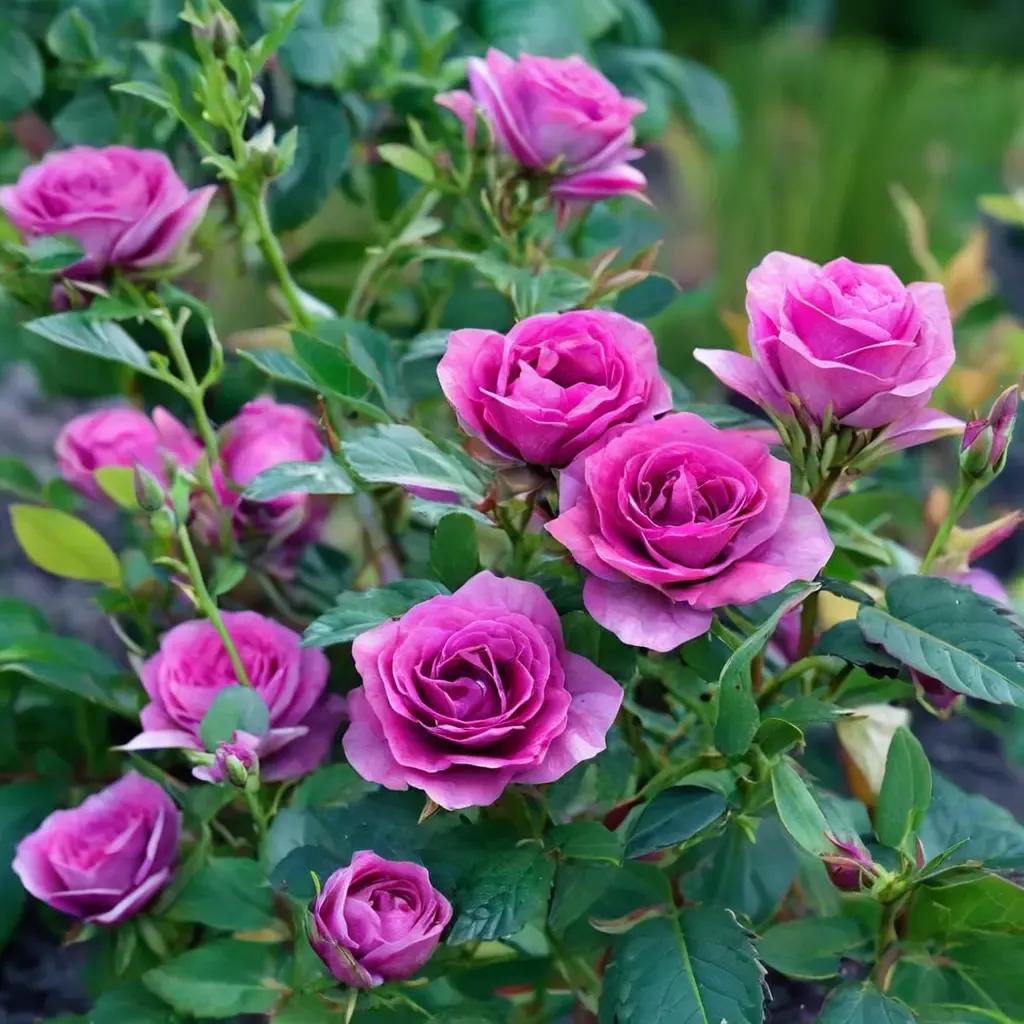 ‘Sweet Madame Blue’Sweet Madame Blue Rose
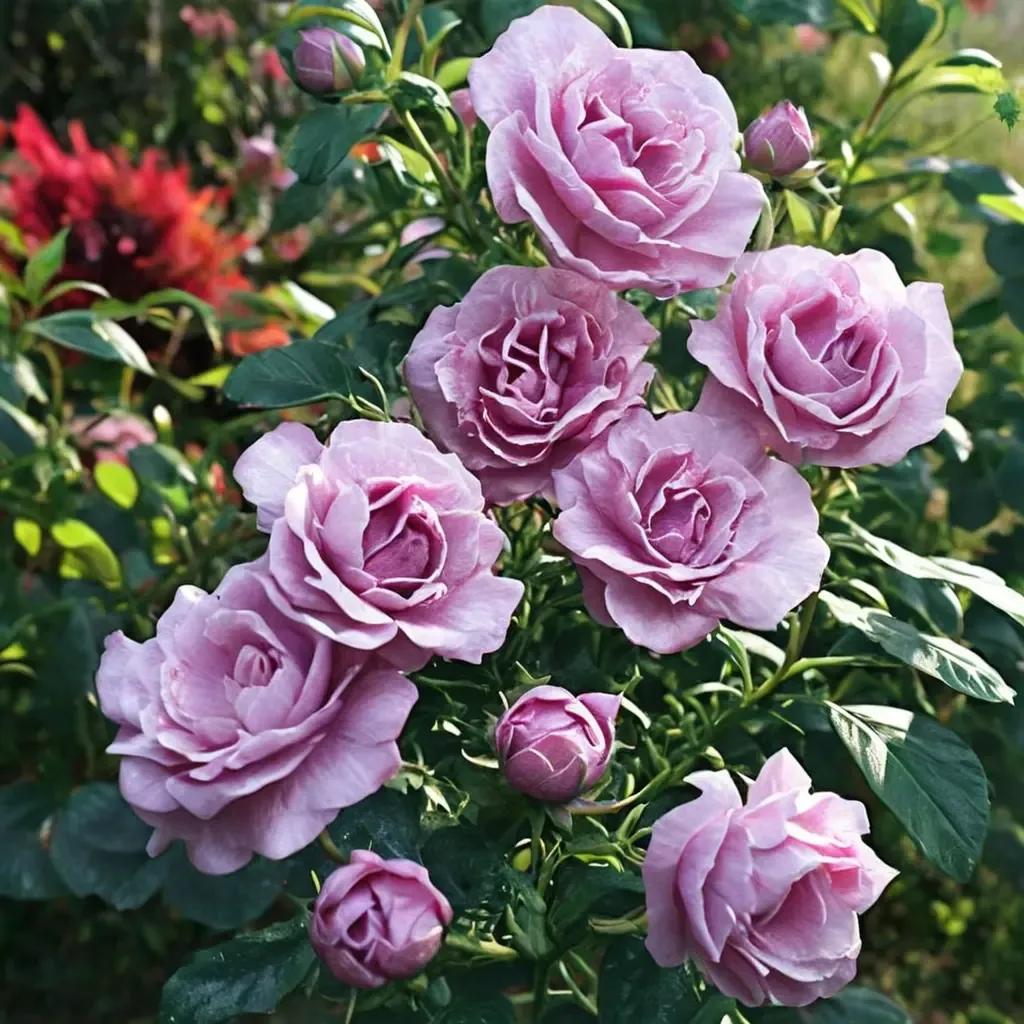 ‘Memorial Day’Memorial Day Rose
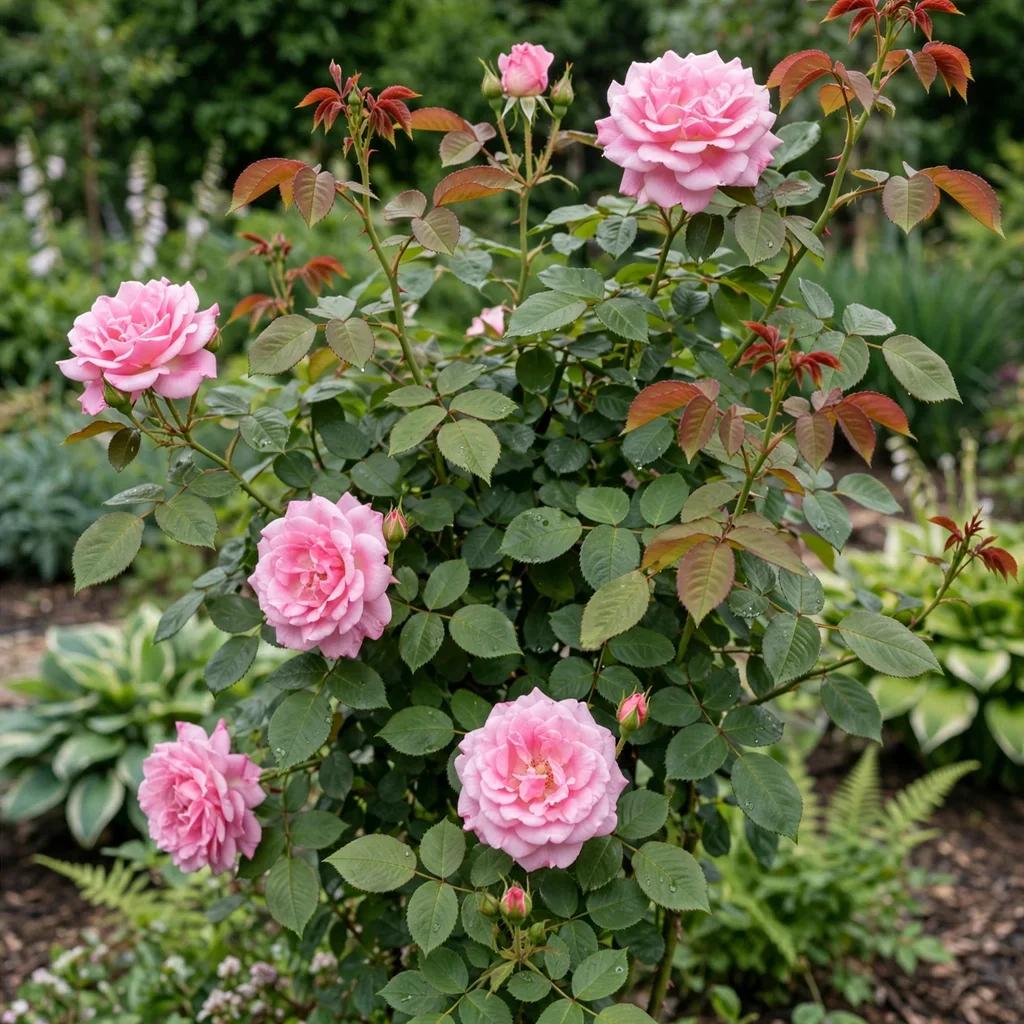 ‘Zephirine Drouhin’Zephirine Drouhin Rose
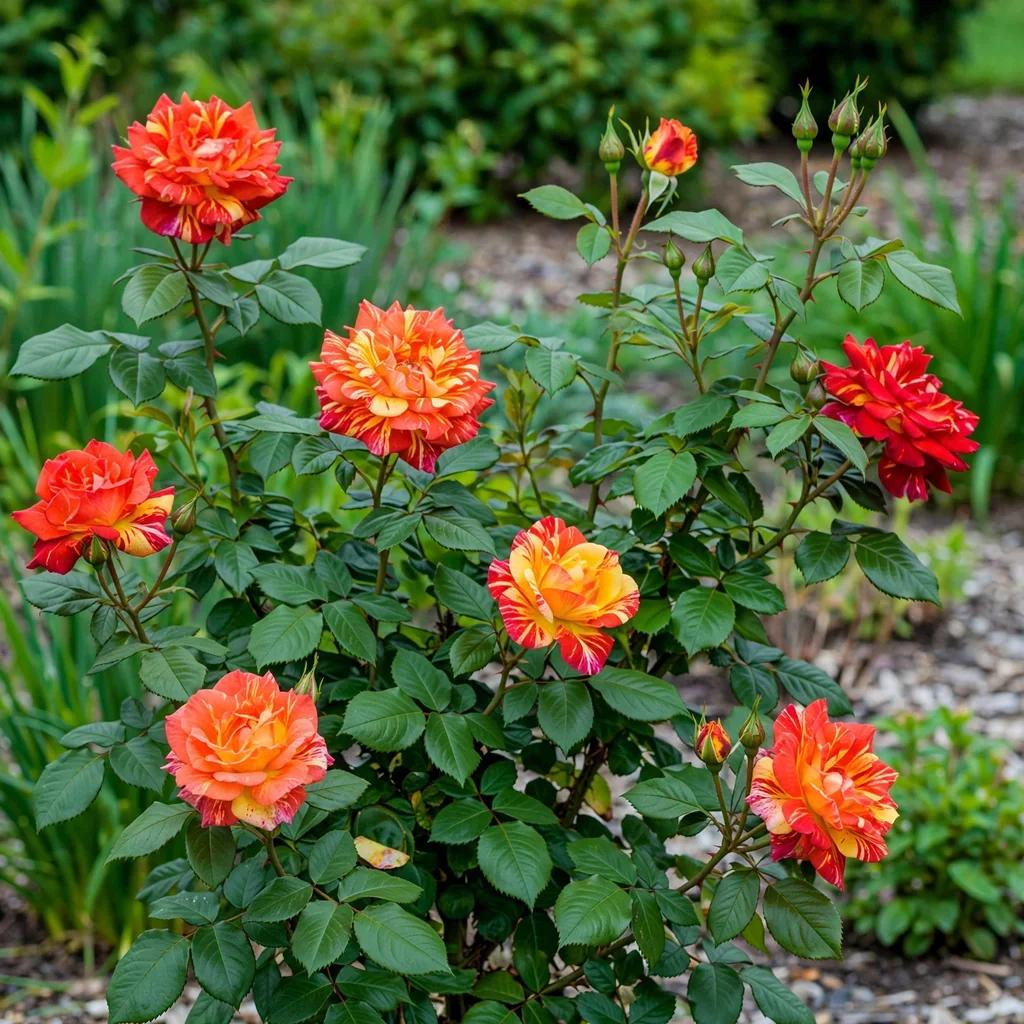 ‘Tropical Lightning’Tropical Lightning Rose
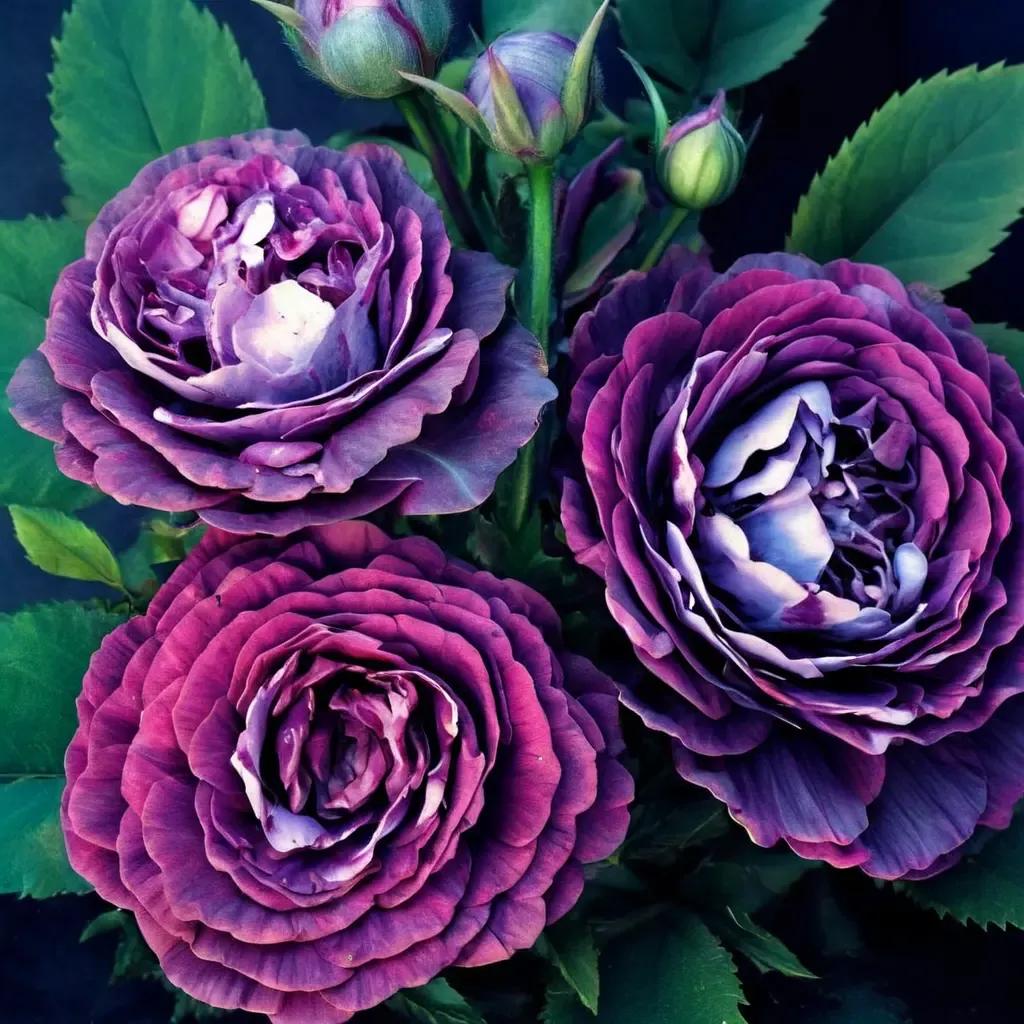 ‘Cosmic Clouds’Cosmic Clouds Rose
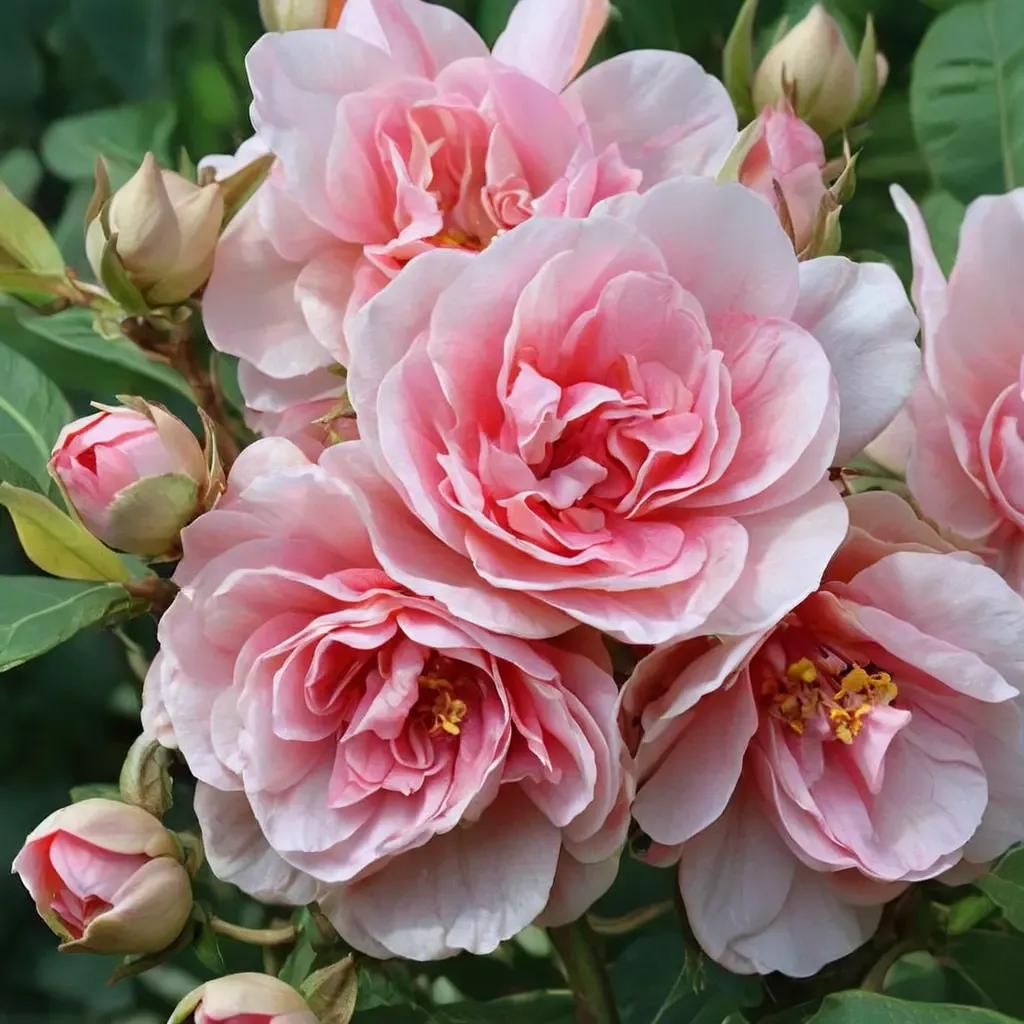 ‘Felicia’Felicia Rose
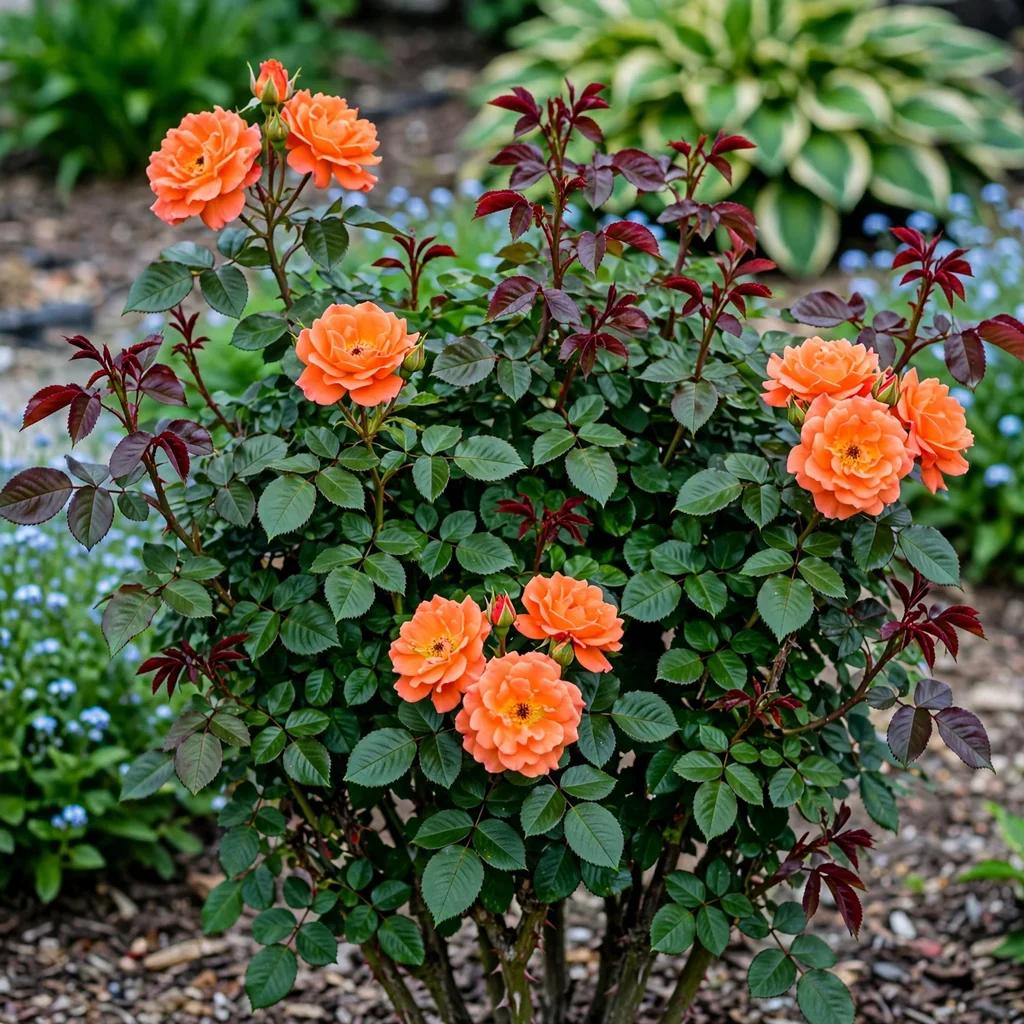 ‘Vavoom’Vavoom Rose
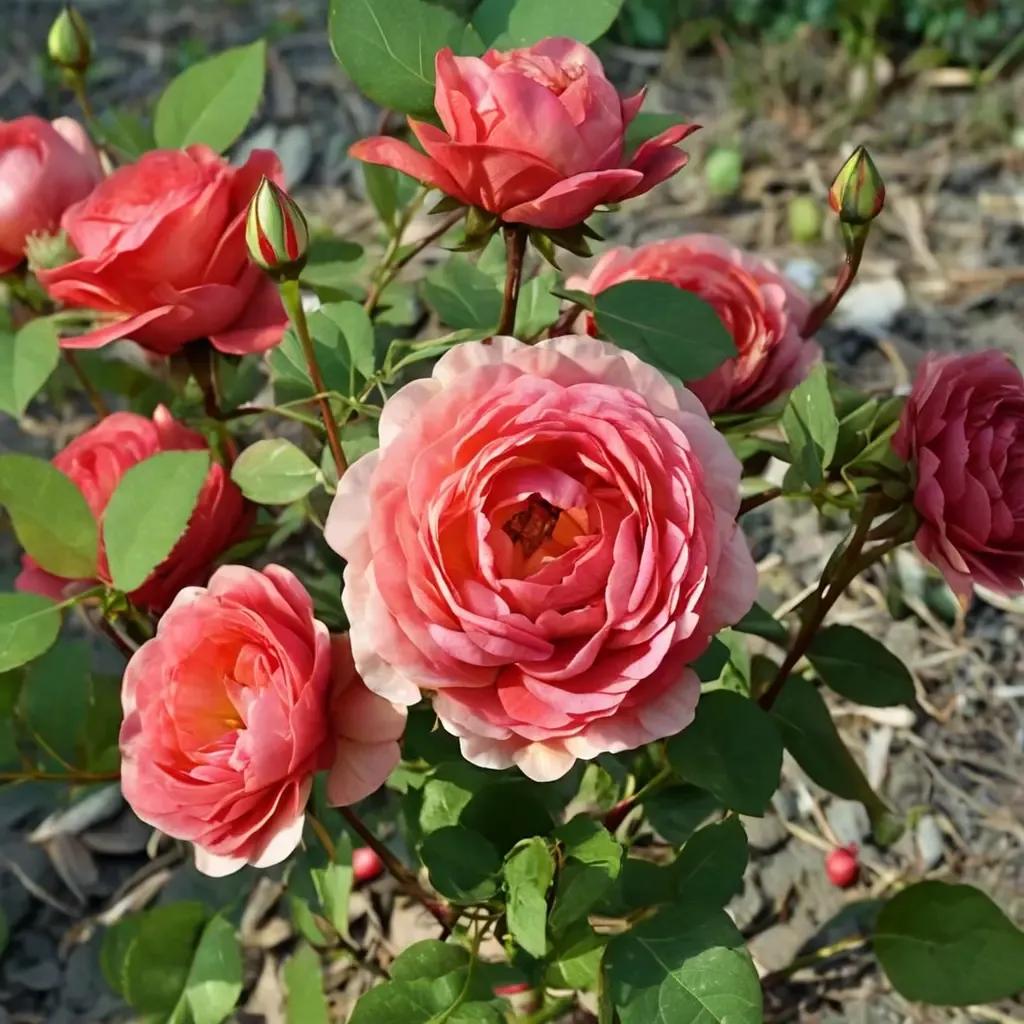 ‘Deep Rose’Deep Rose Hybrid Tea Rose
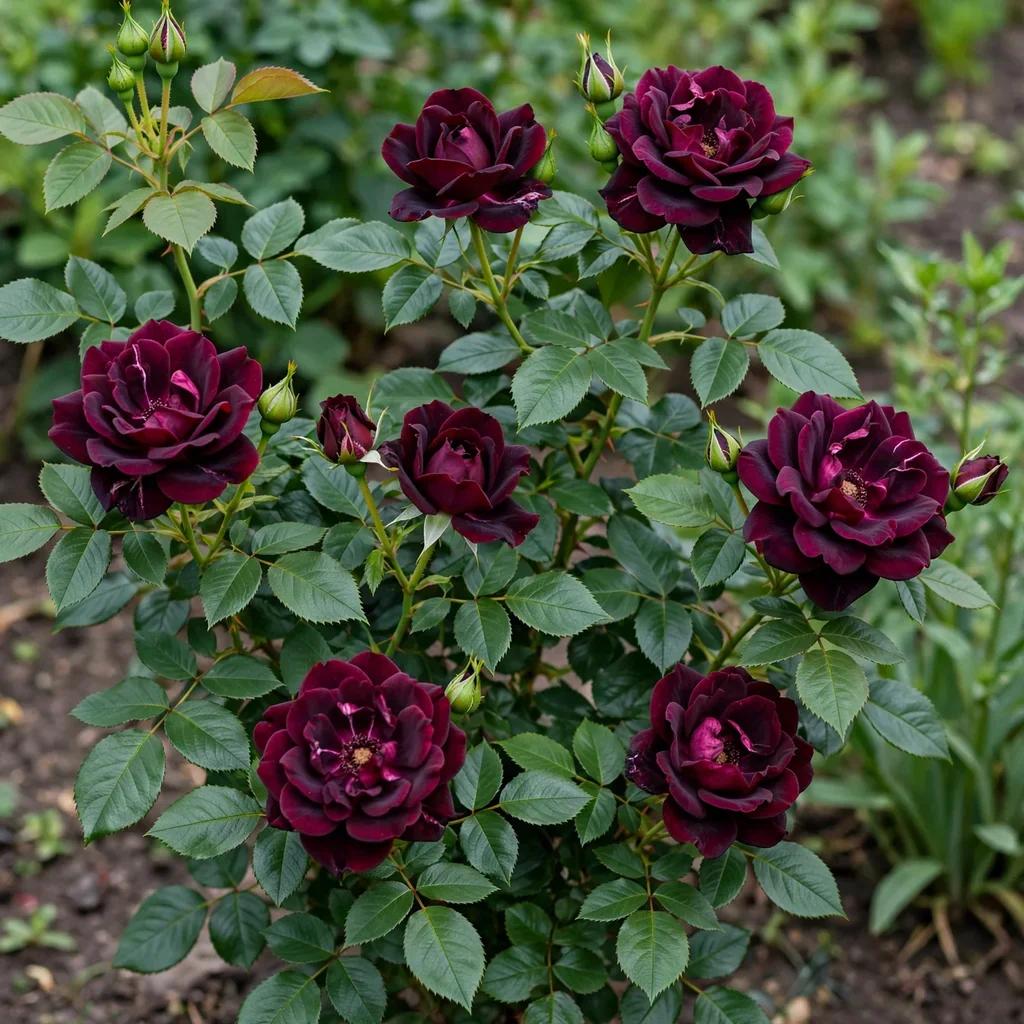 ‘Burgundy Iceberg’Burgundy Iceberg Rose
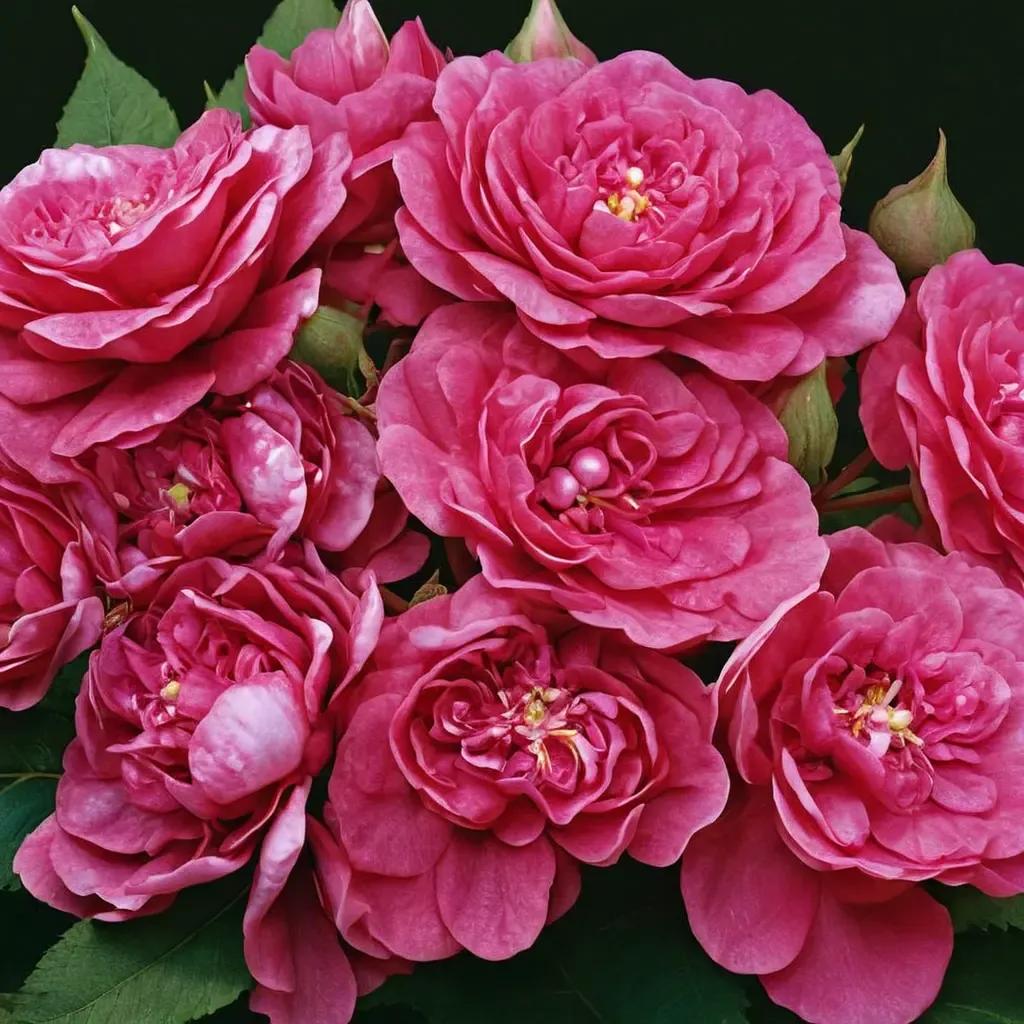 ‘Party Hardy’Party Hardy Rose
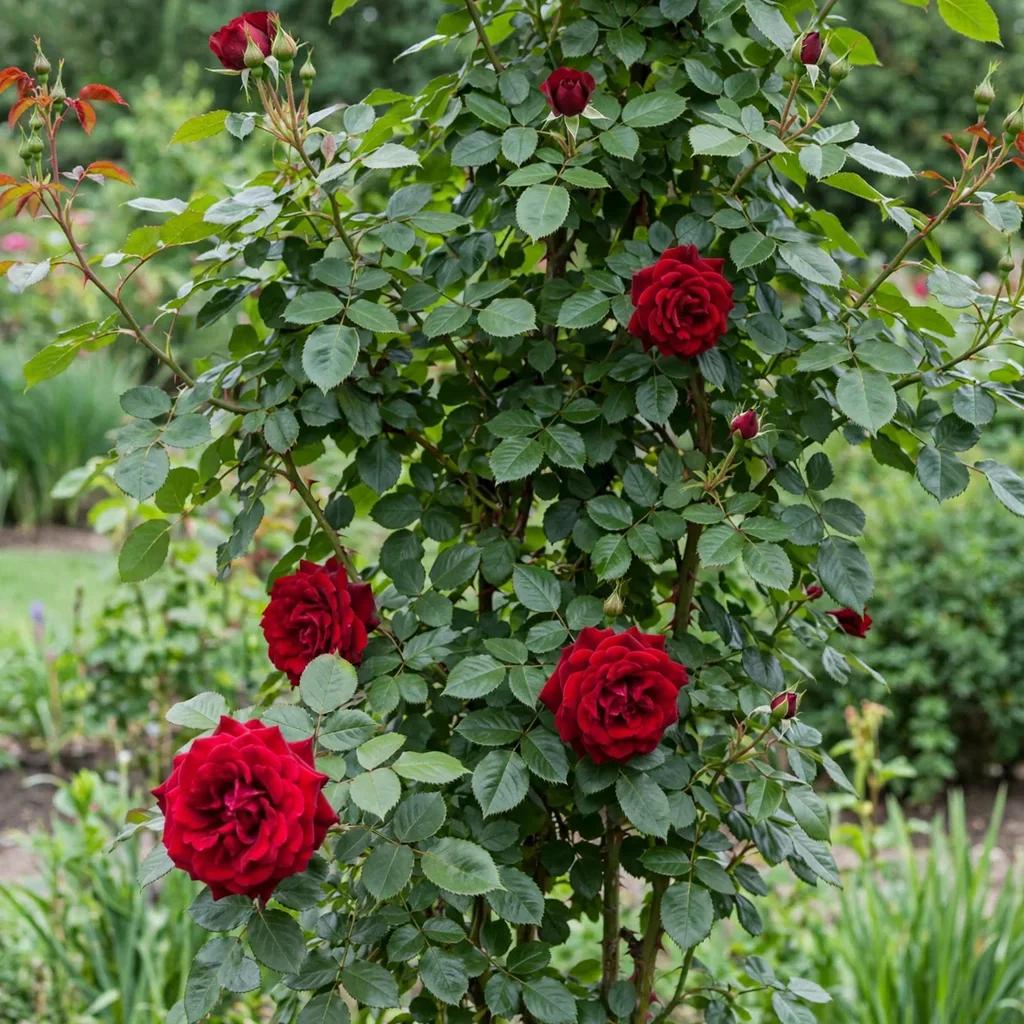 ‘Don Juan’Don Juan Climbing Rose
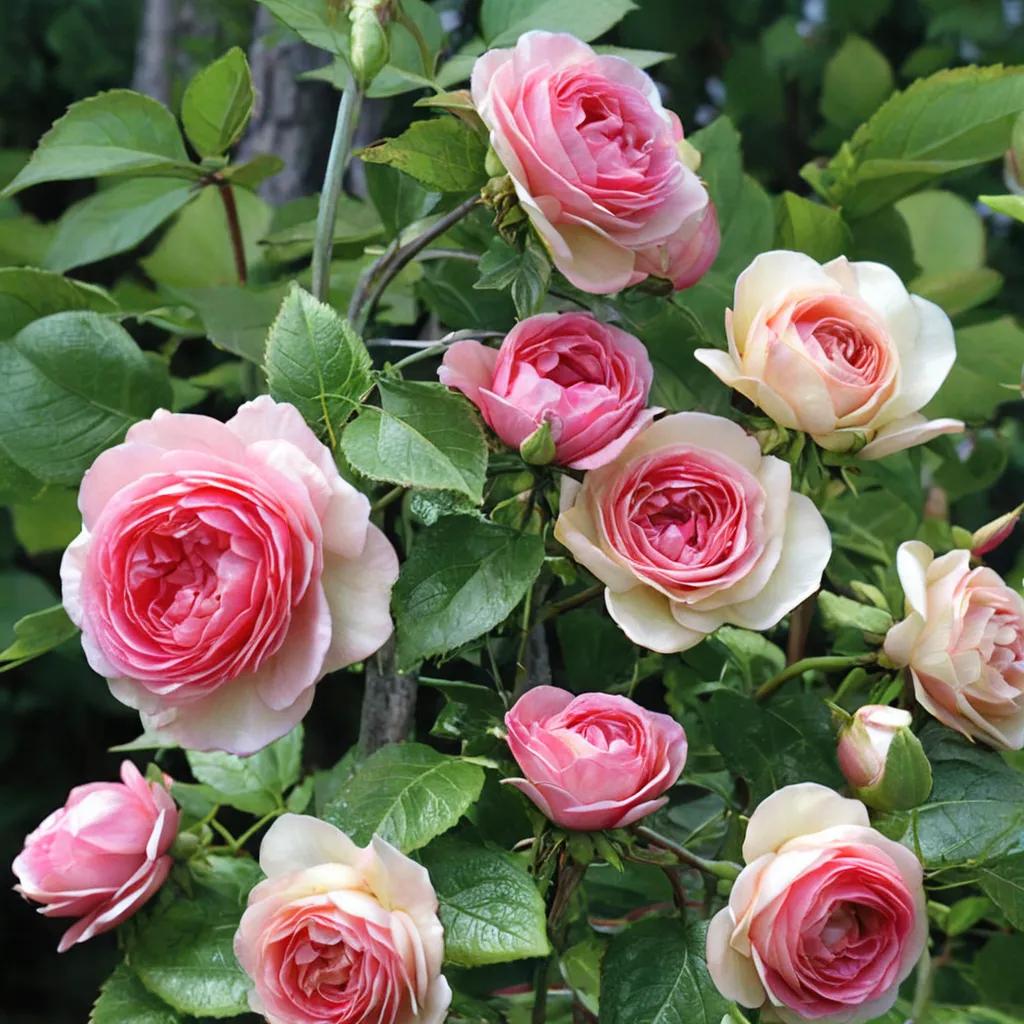 ‘Eden Climber’Eden Rose
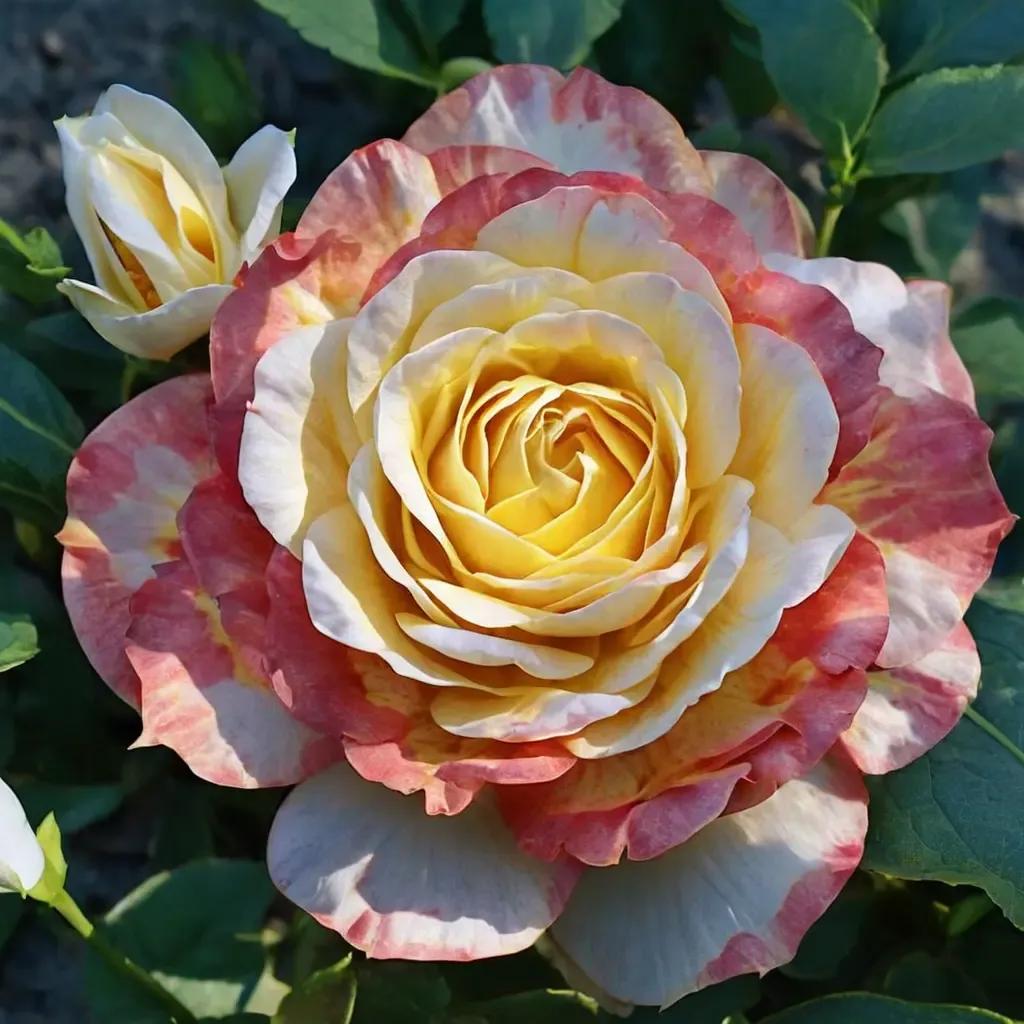 ‘Make Me Blush’Make Me Blush Rose
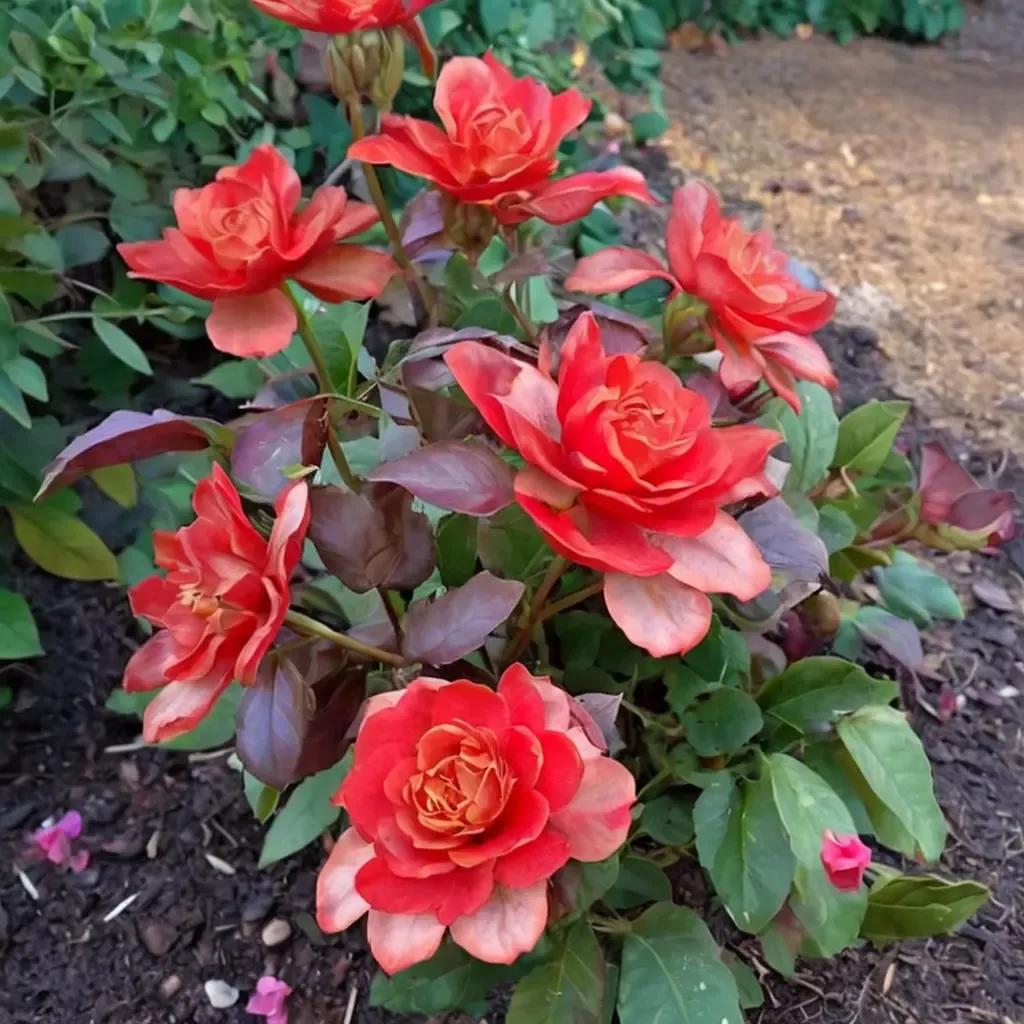 ‘Jumbo Colorific’Jumbo Colorific Rose
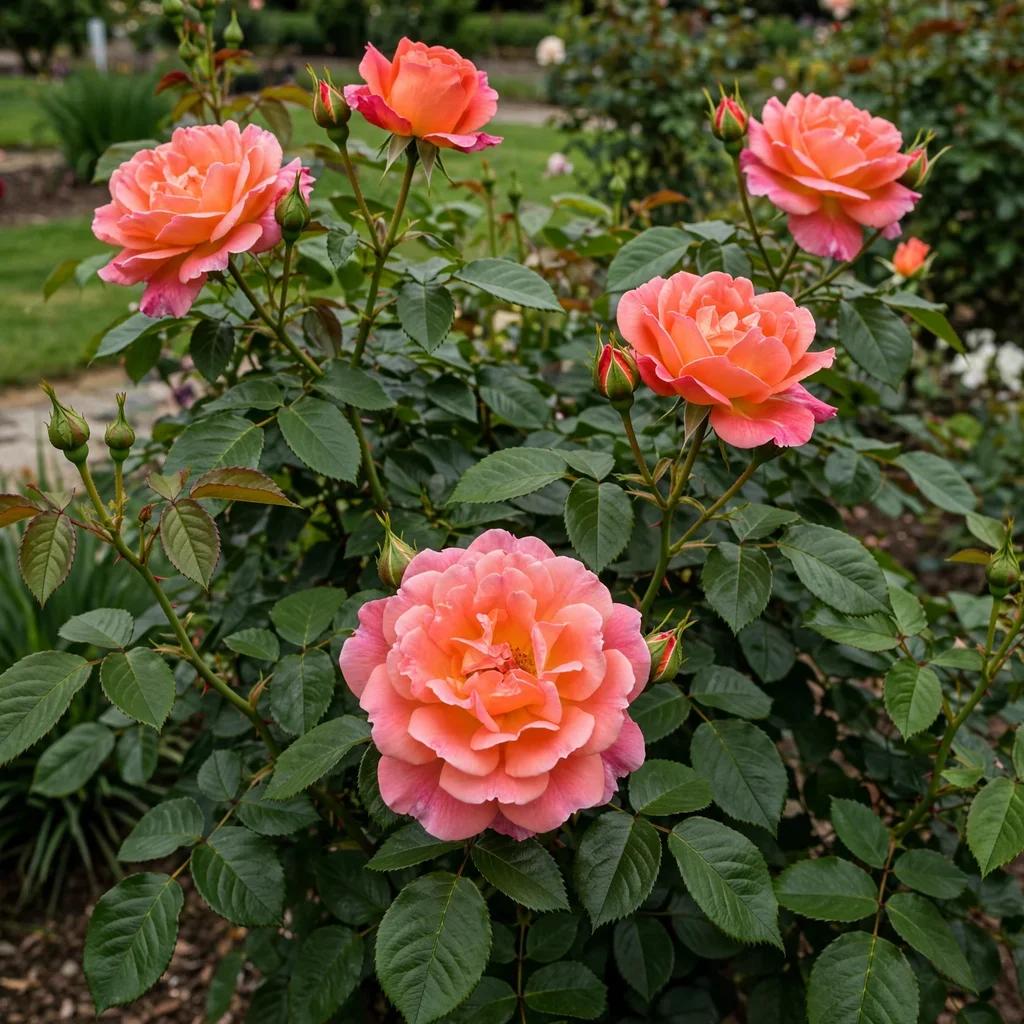 ‘Top Of The World’Top Of The World Rose
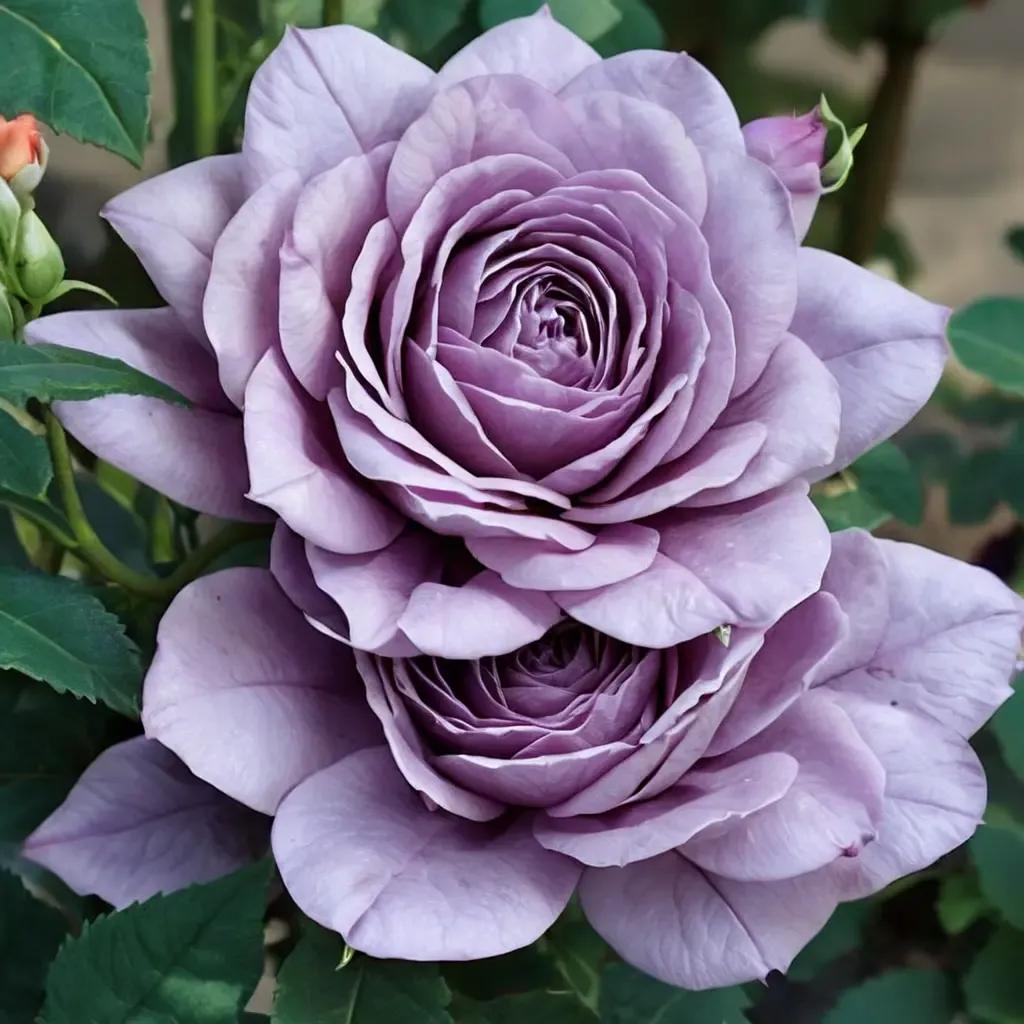 ‘Love Song’Love Song Rose
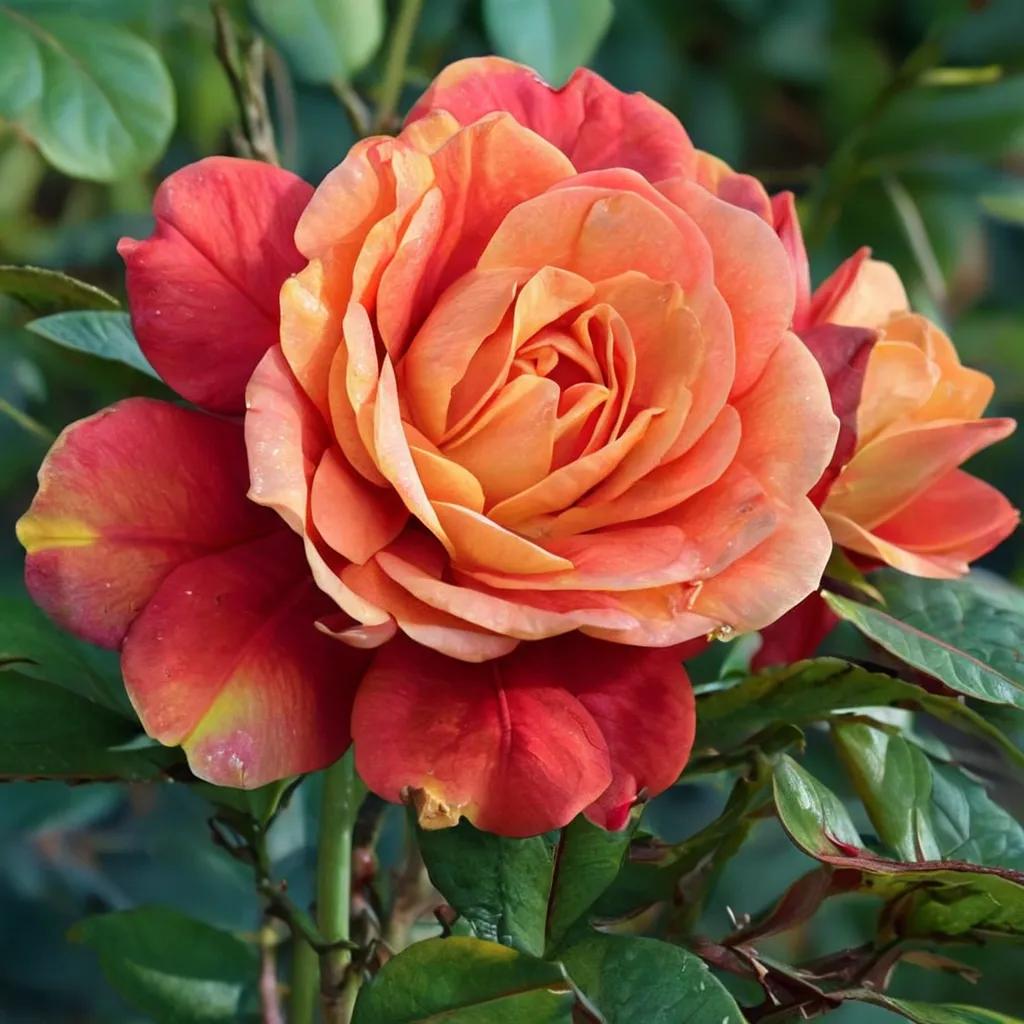 ‘Burst of Joy’Burst of Joy Rose
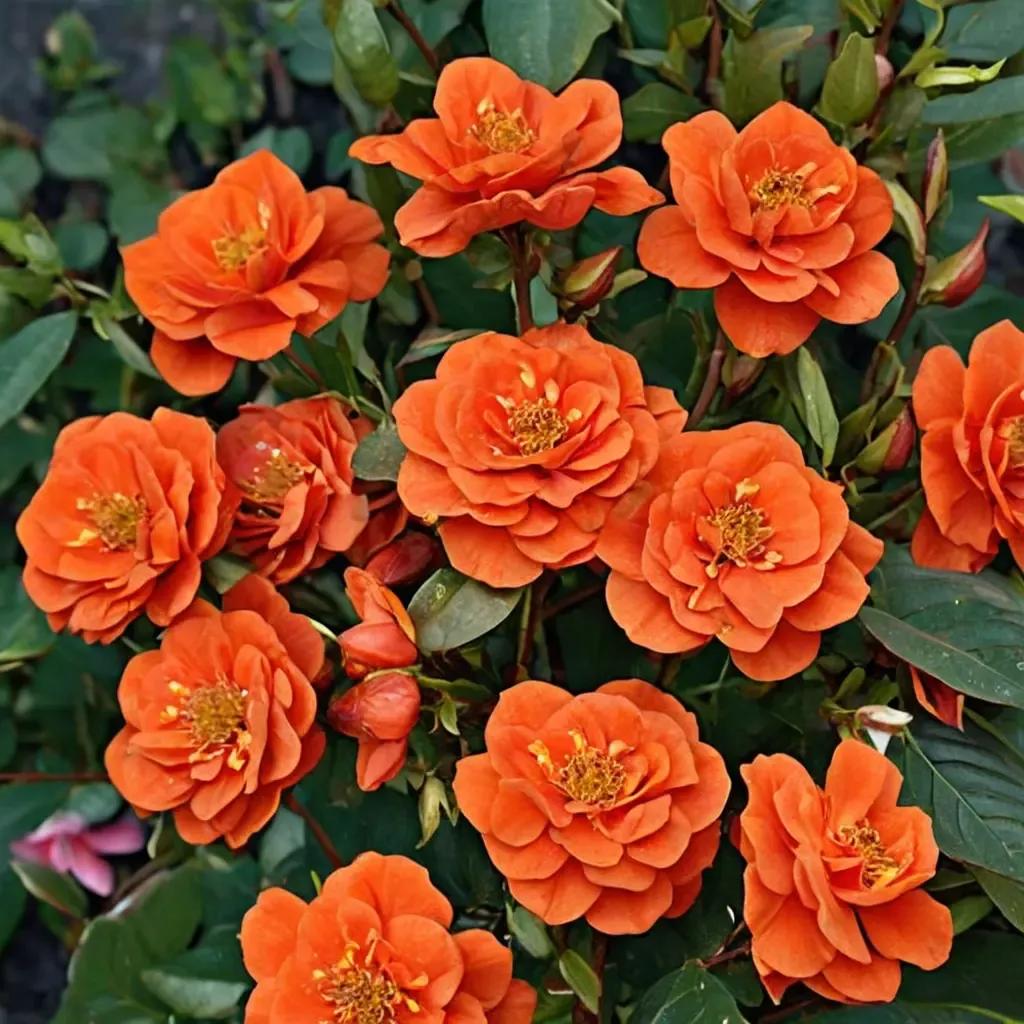 ‘All A'Twitter’All A'Twitter Rose
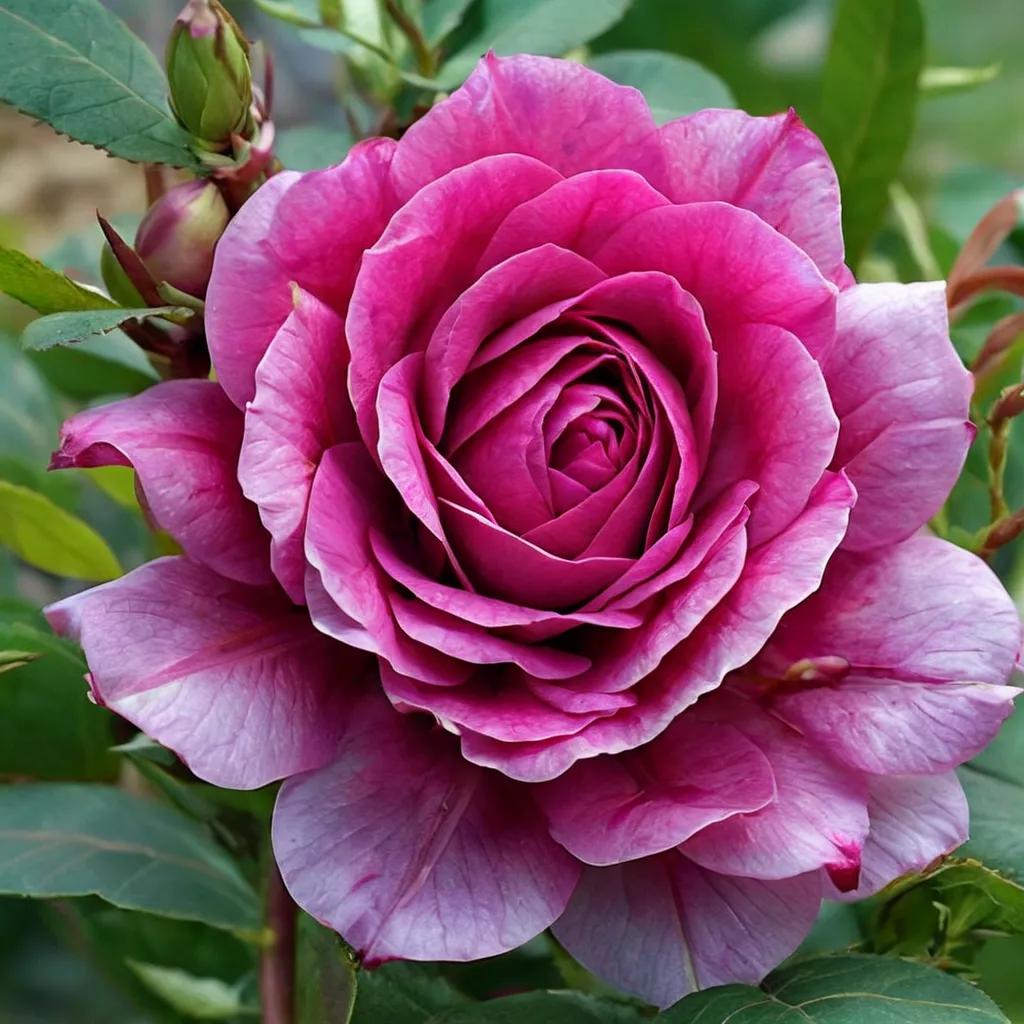 ‘Perfume Factory’Perfume Factory Rose
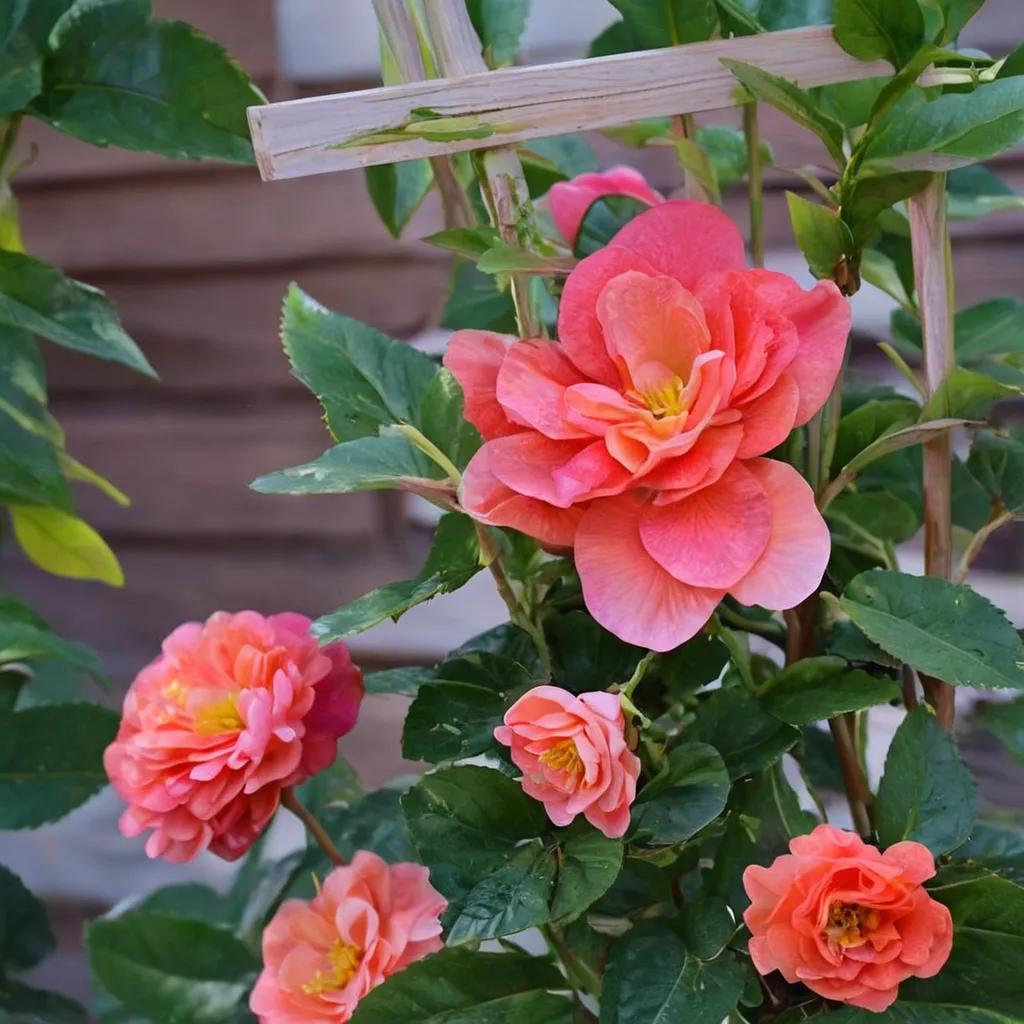 ‘Emberays’Emberays Rose
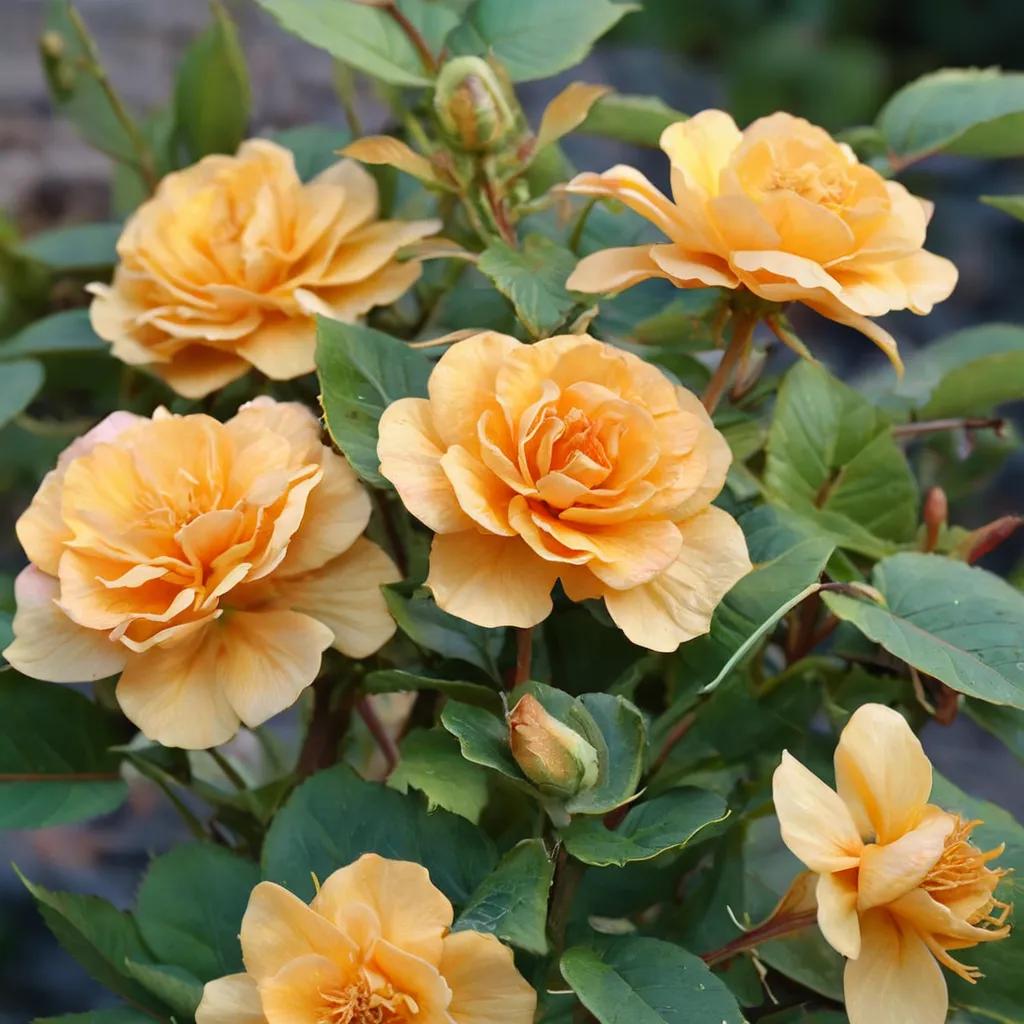 ‘RISE UP AMBERNESS’Rise Up Amberness Rose
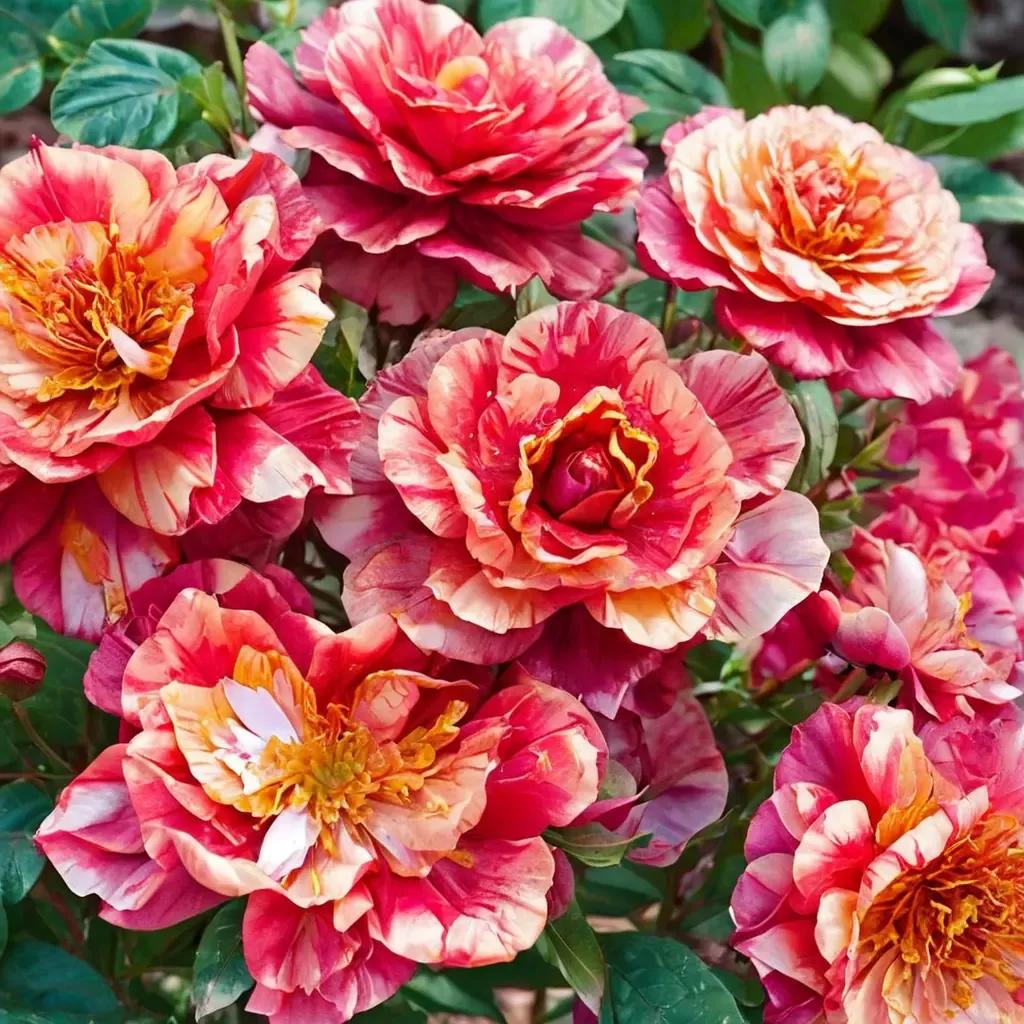 ‘Frida Kahlo’Frida Kahlo Rose
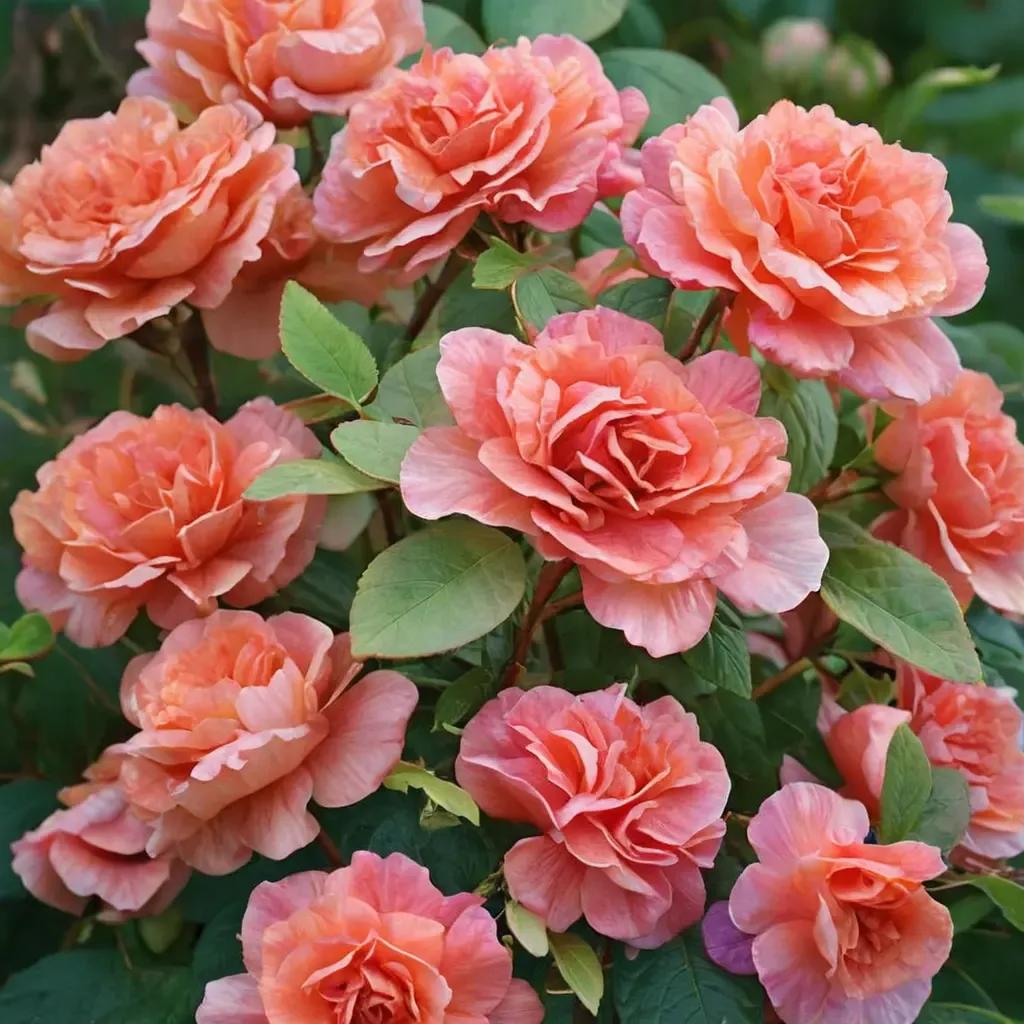 ‘Easy Does It’Easy Does It Rose
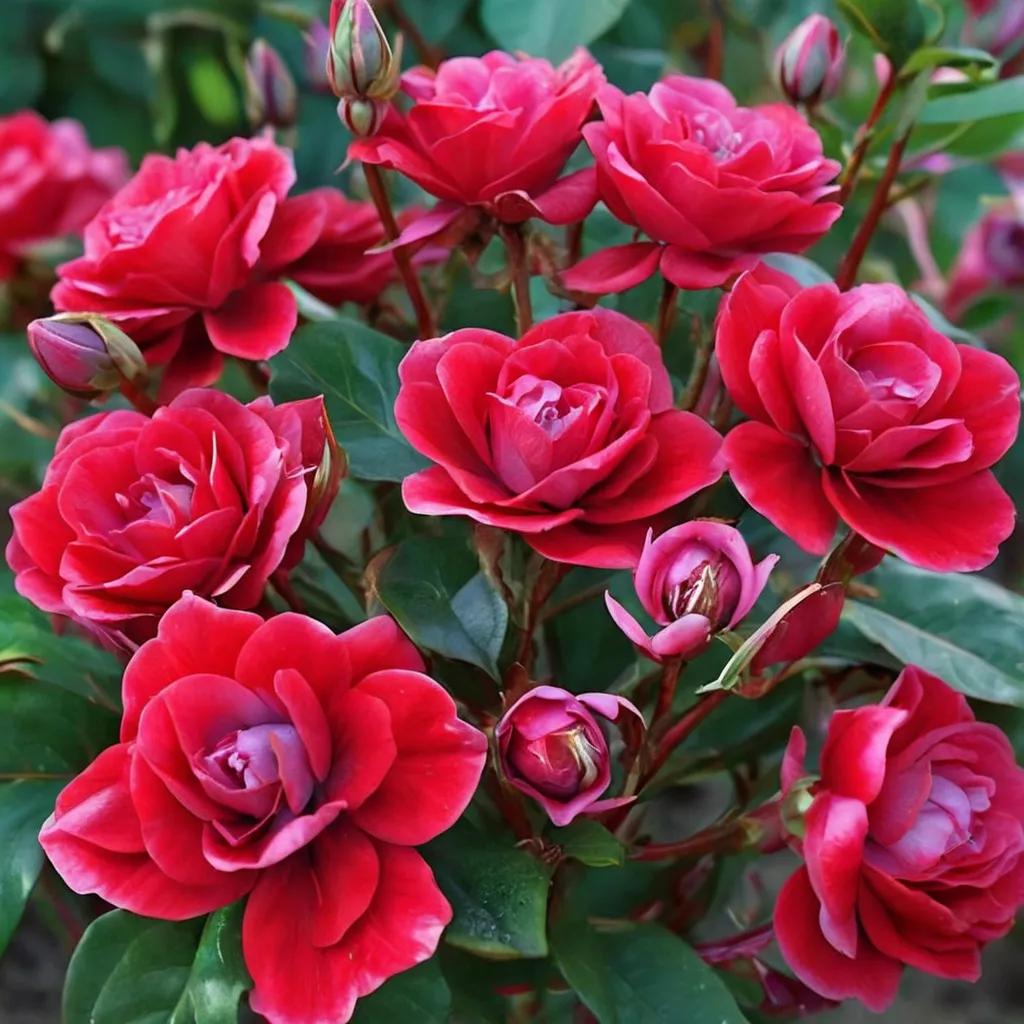 ‘Take It Easy’Take It Easy Rose
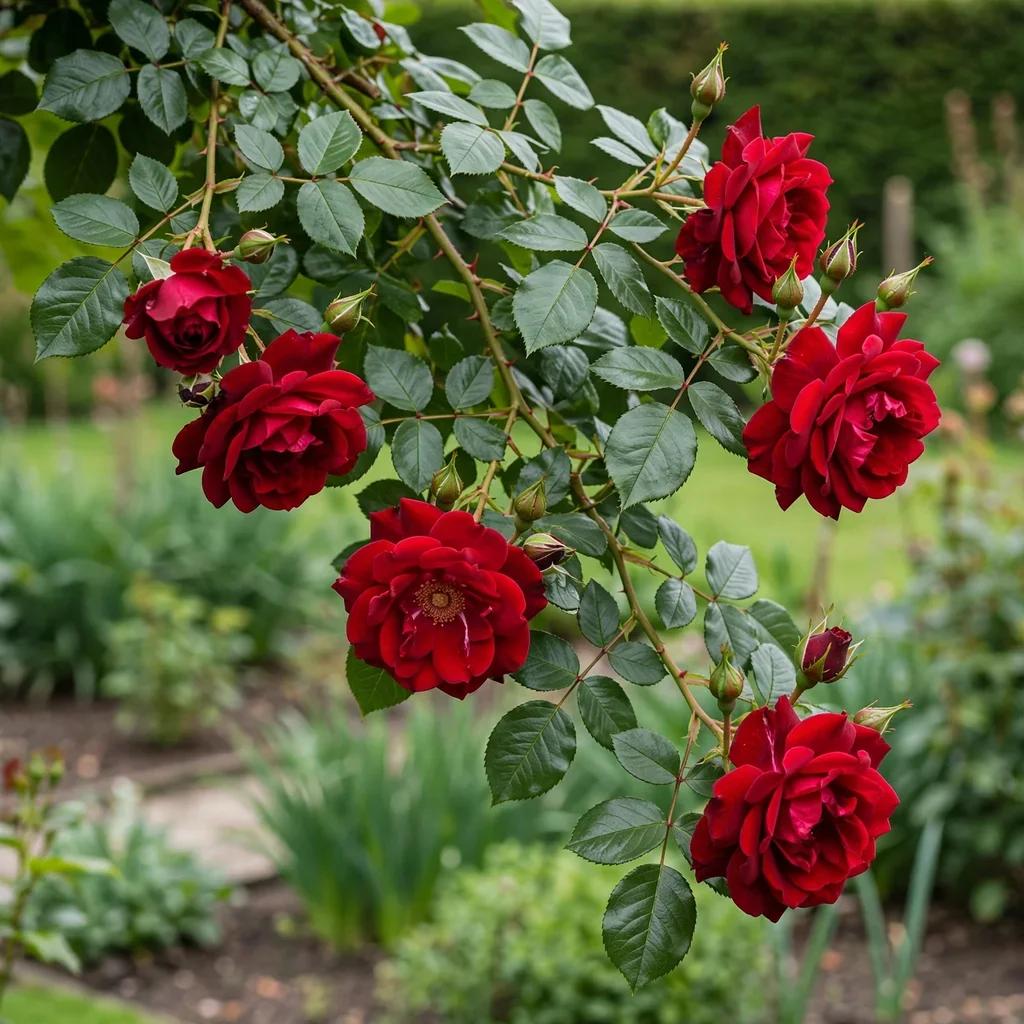 ‘Dublin Bay’Dublin Bay Rose
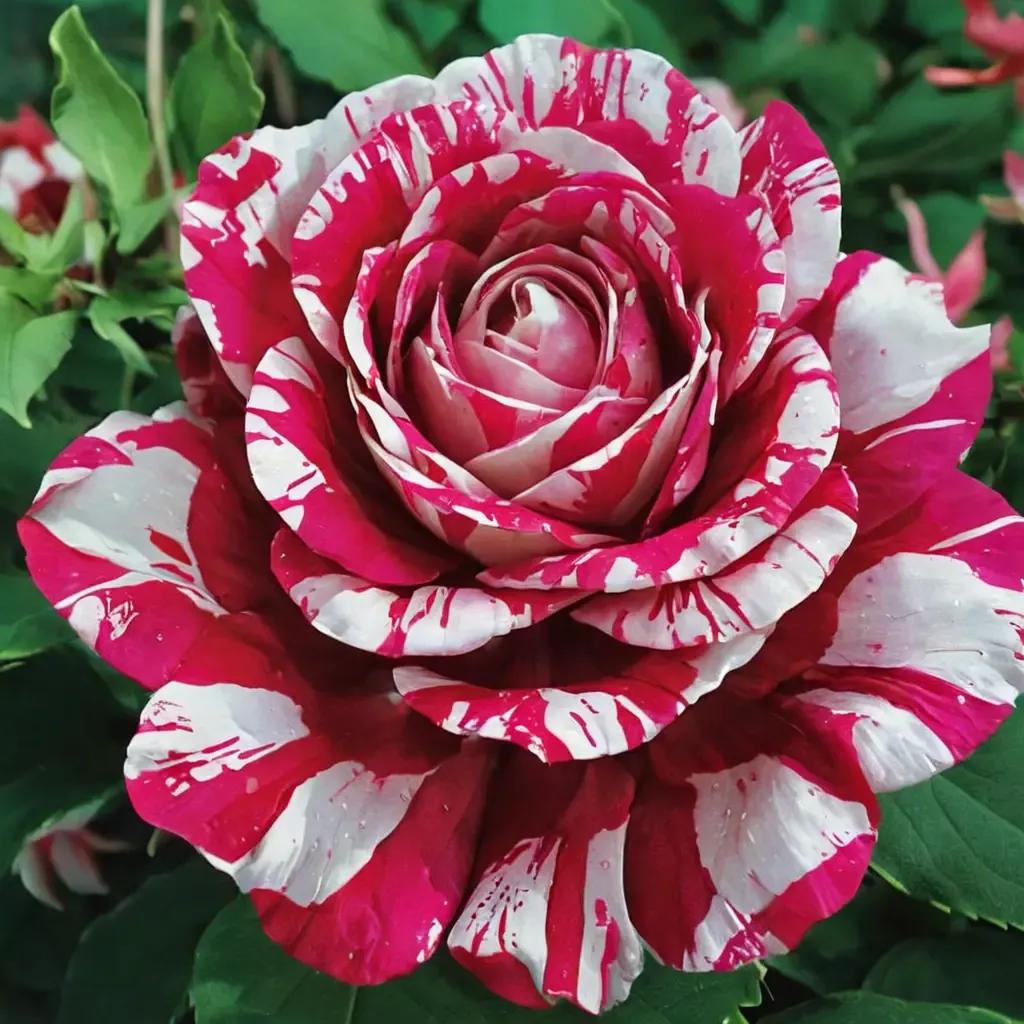 ‘Neil Diamond’Neil Diamond Rose
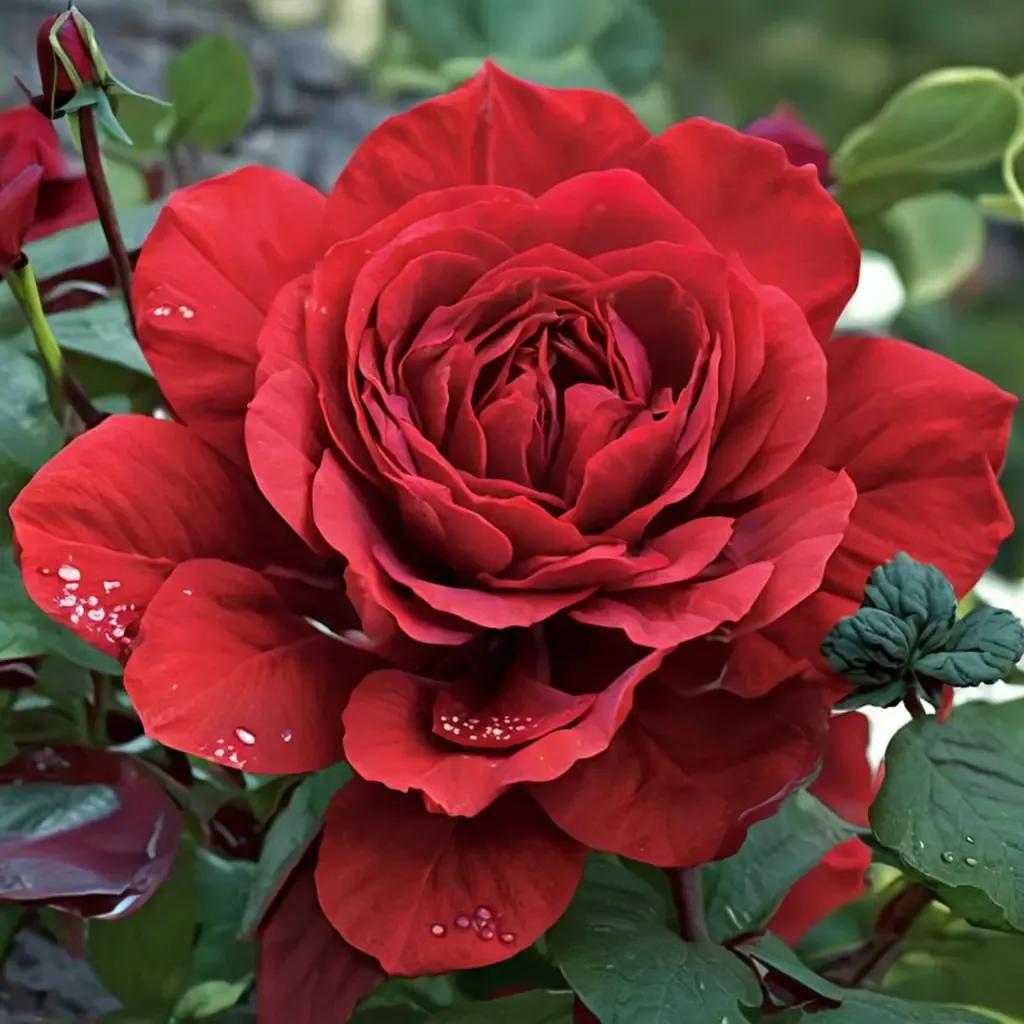 ‘Legends’Legends Rose
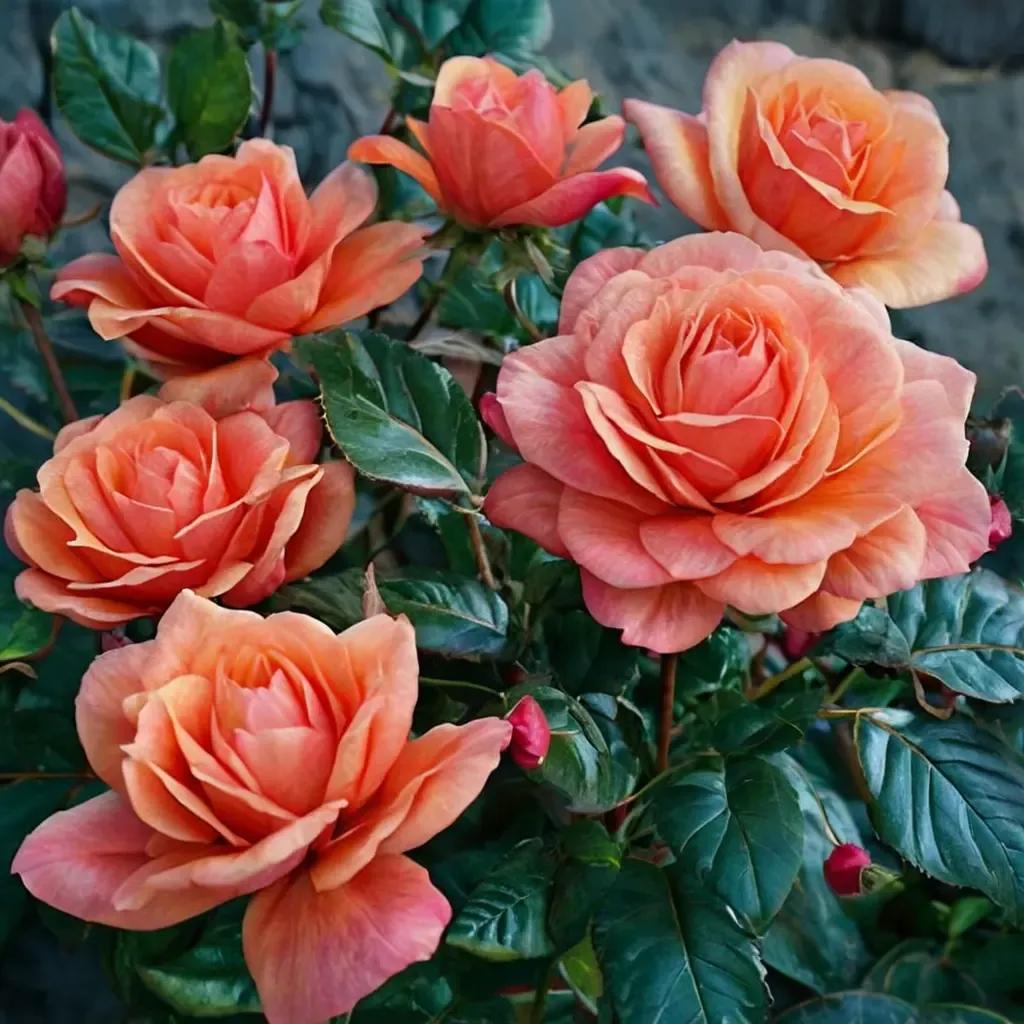 ‘Anna's Promise’Anna's Promise Rose
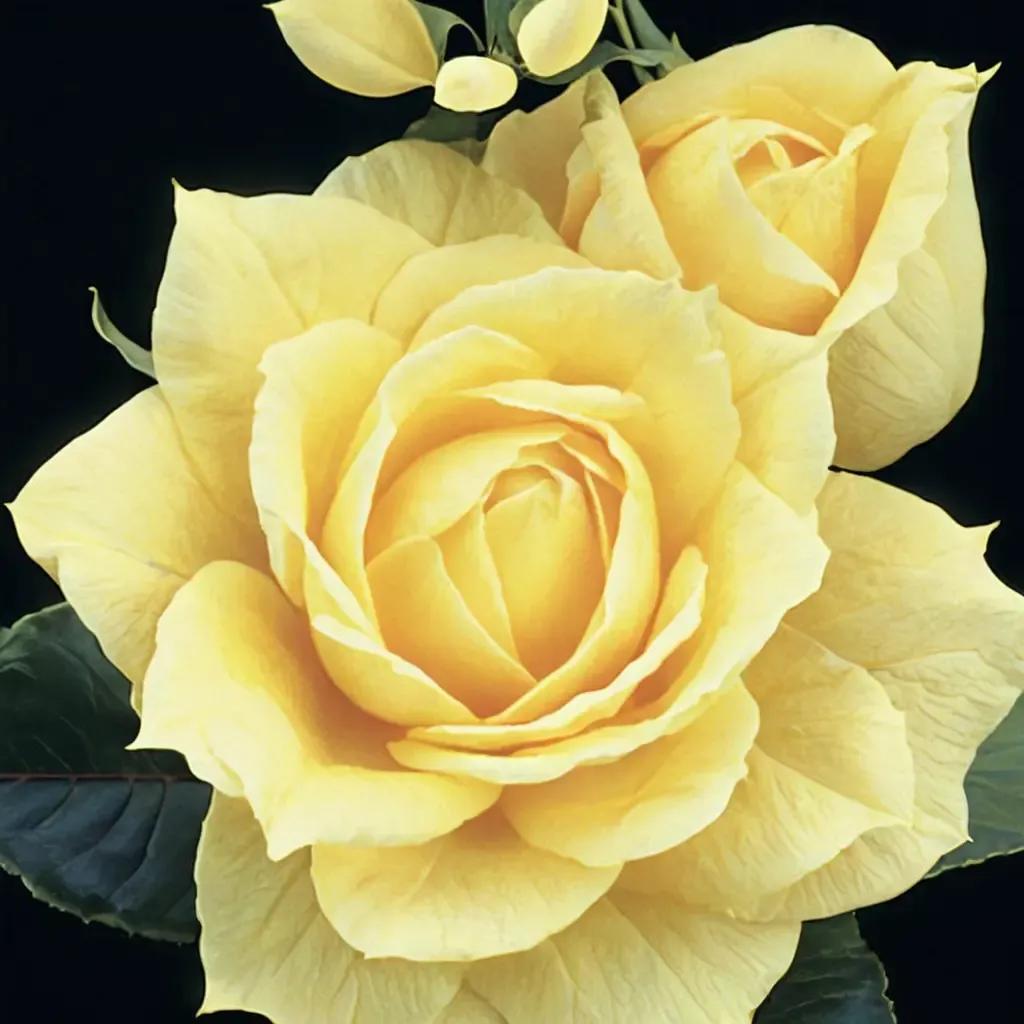 ‘Mellow Yellow’Mellow Yellow Rose
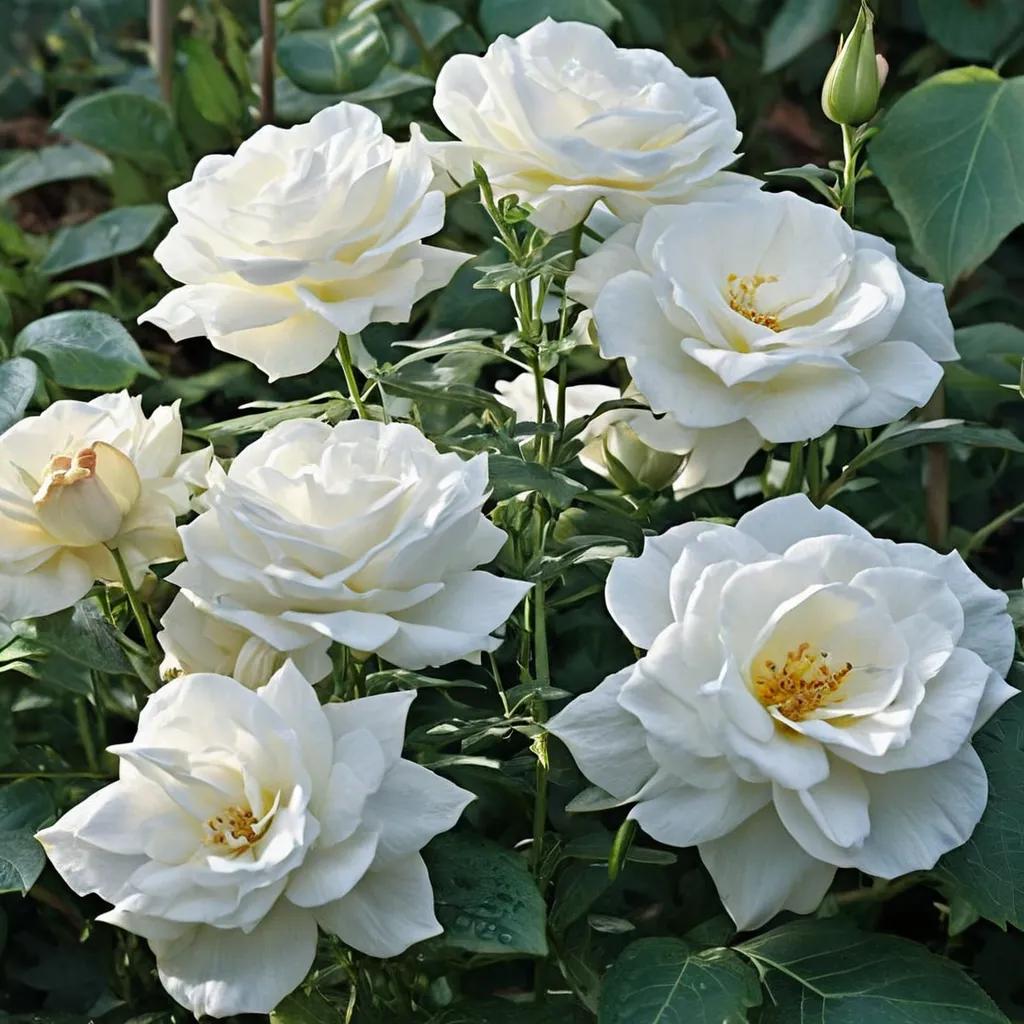 ‘Sugar Moon’Sugar Moon Rose
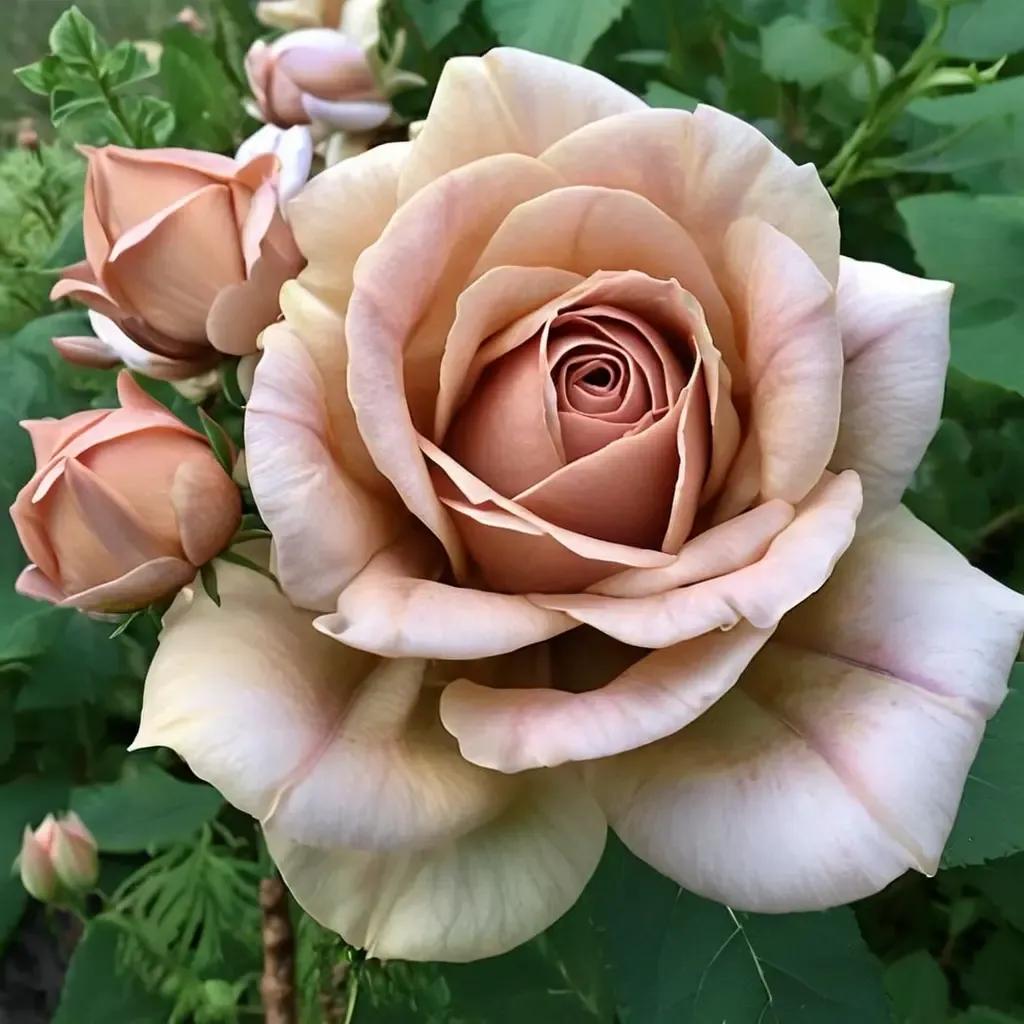 ‘Koko Loko’Koko Loko Rose
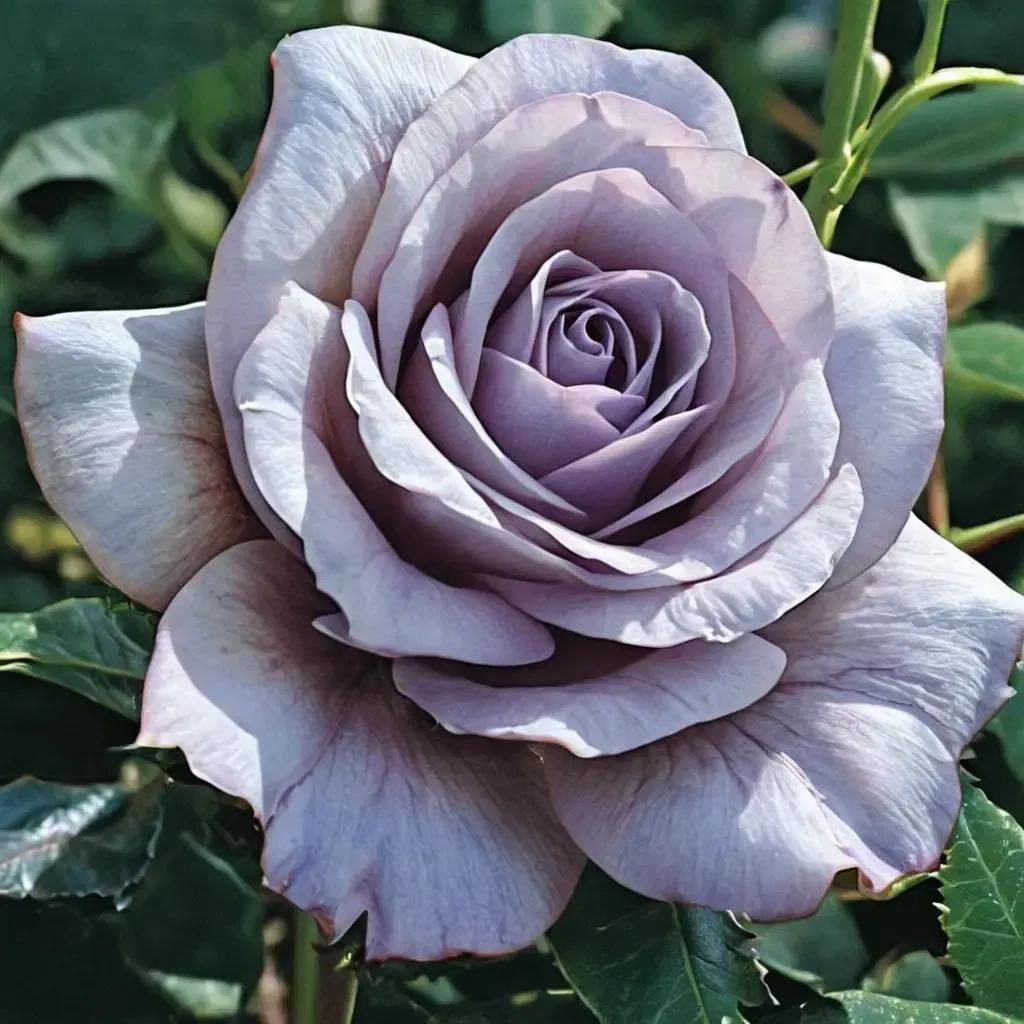 ‘Jumbo Blue Girl’Blue Girl Rose
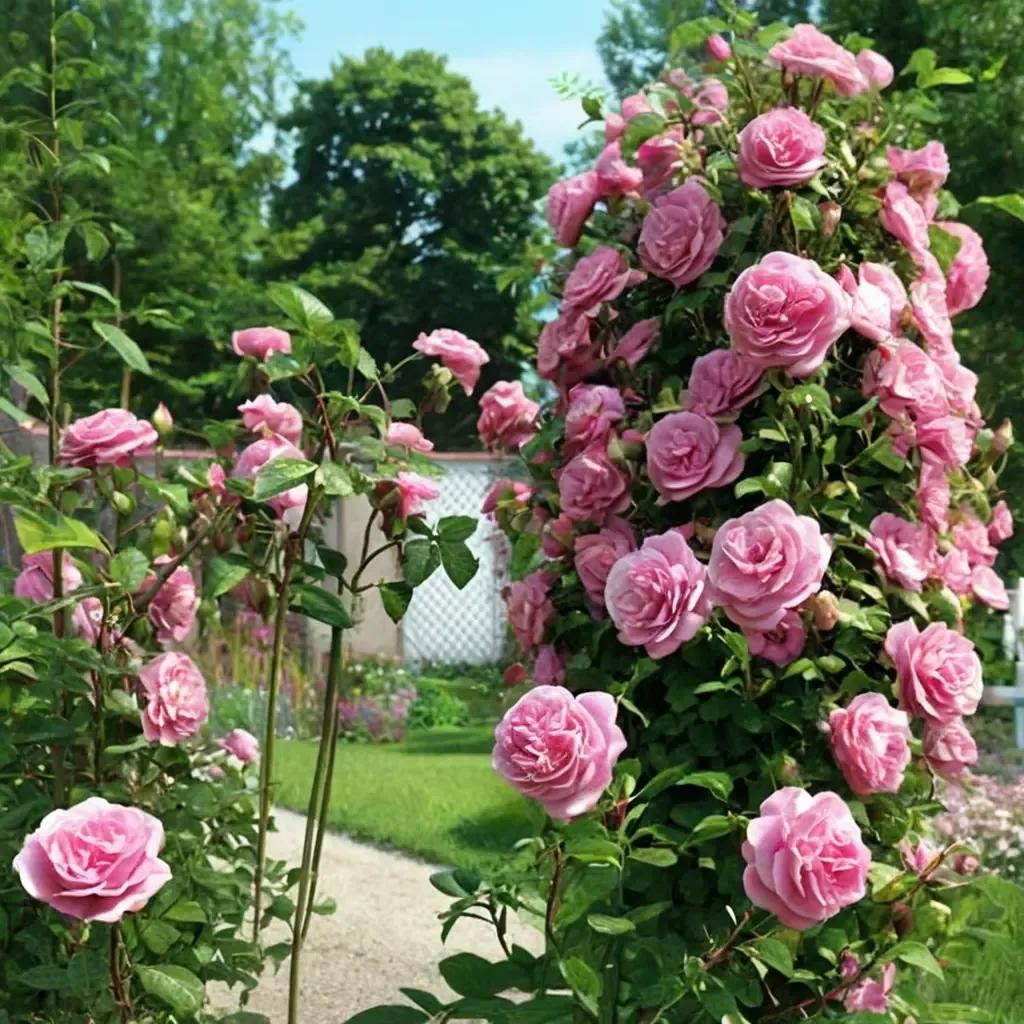 ‘Mrs. F.W. Flight’Mrs. F.W. Flight Rose
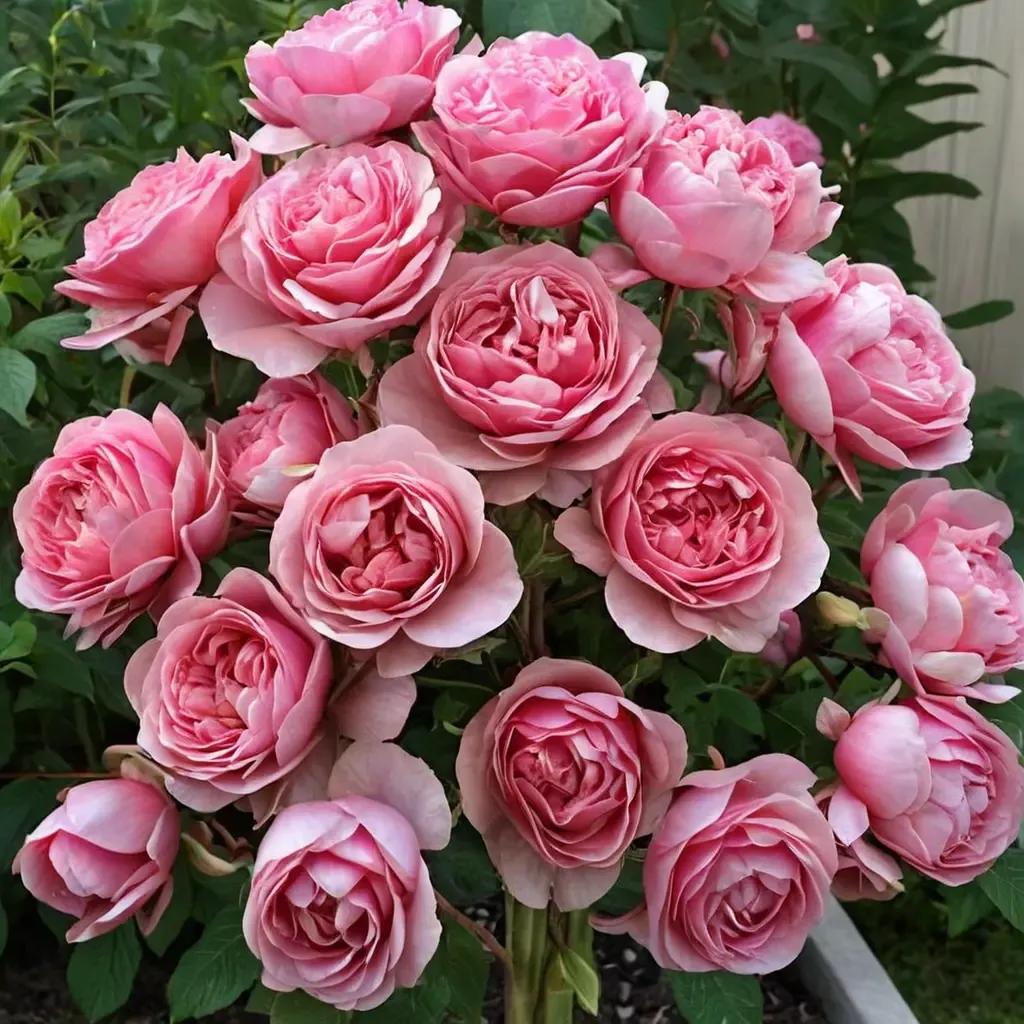 ‘All Dressed Up’All Dressed Up Rose
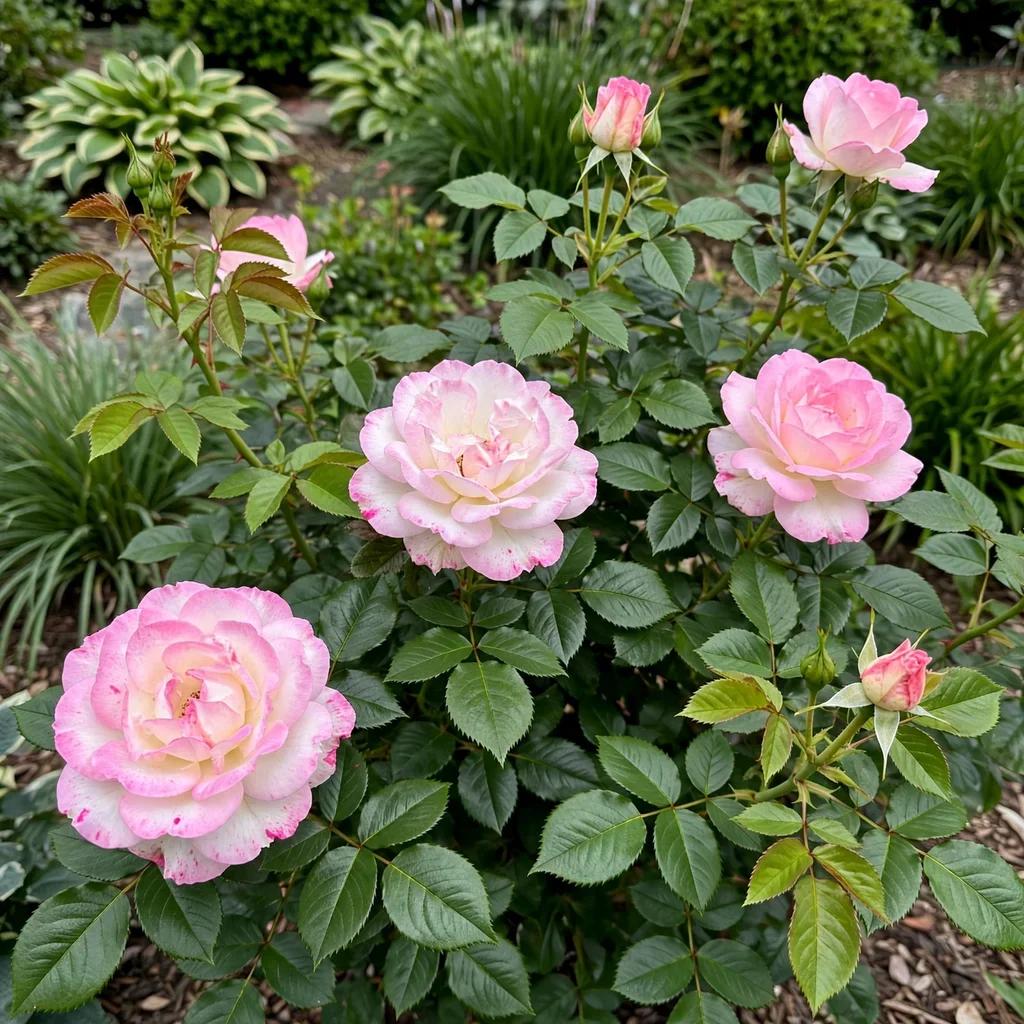 ‘Painted Porcelain’Painted Porcelain Rose
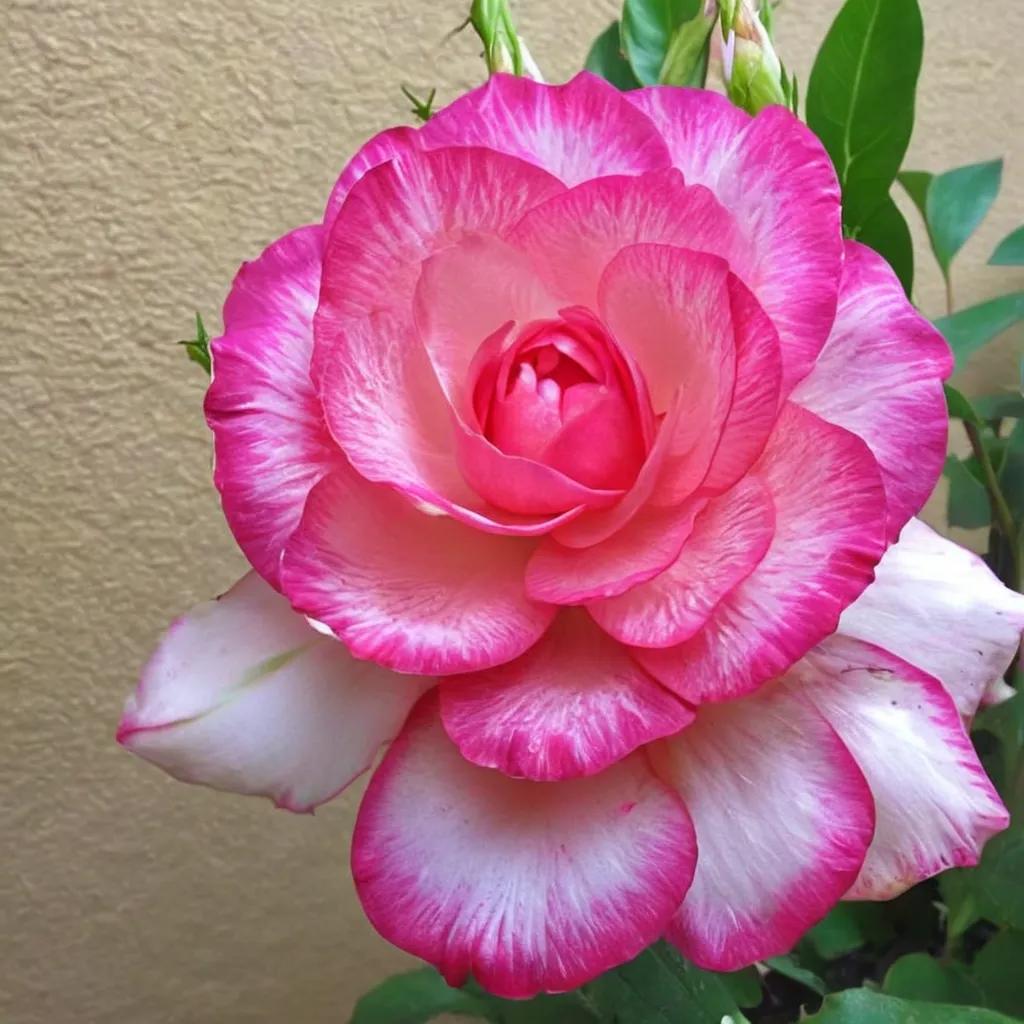 ‘Angelic Veil’Angel's Veil Rose
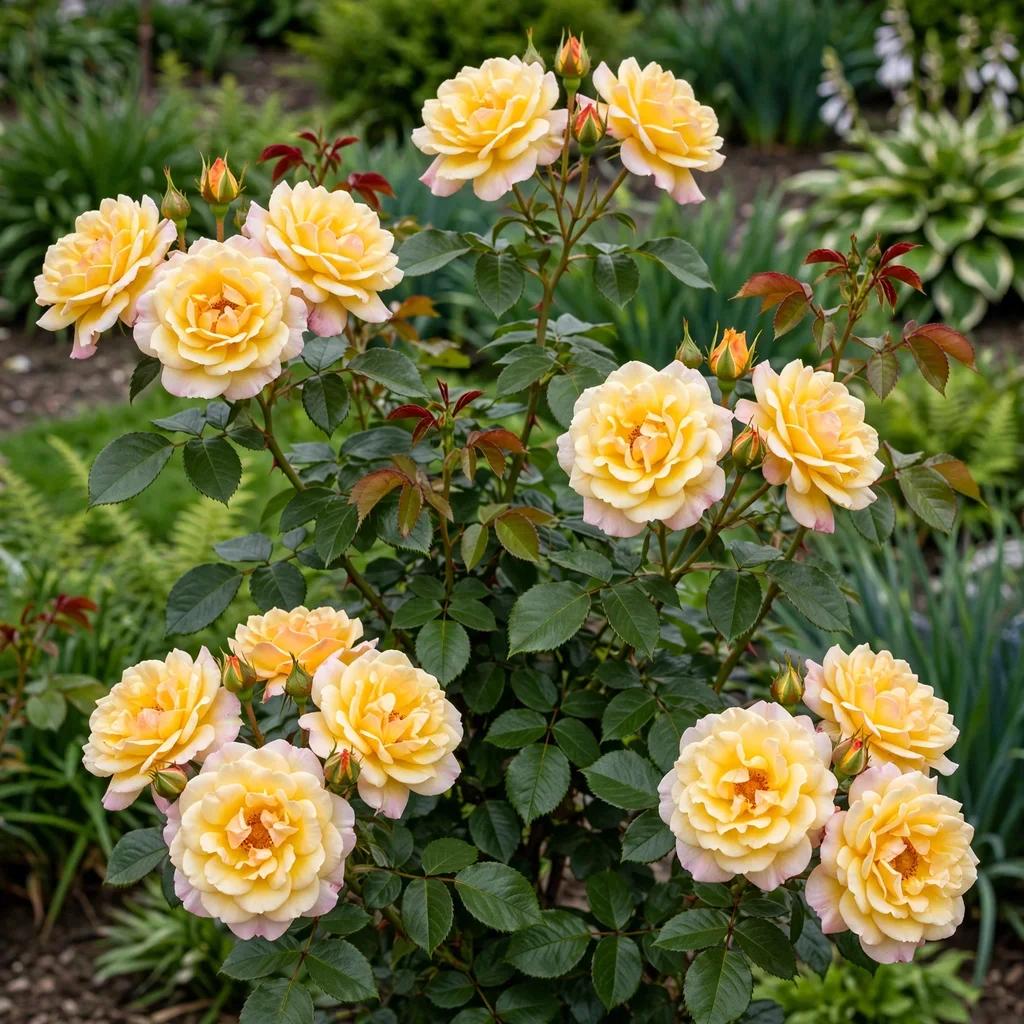 ‘Morning Glow’Morning Glow Rose
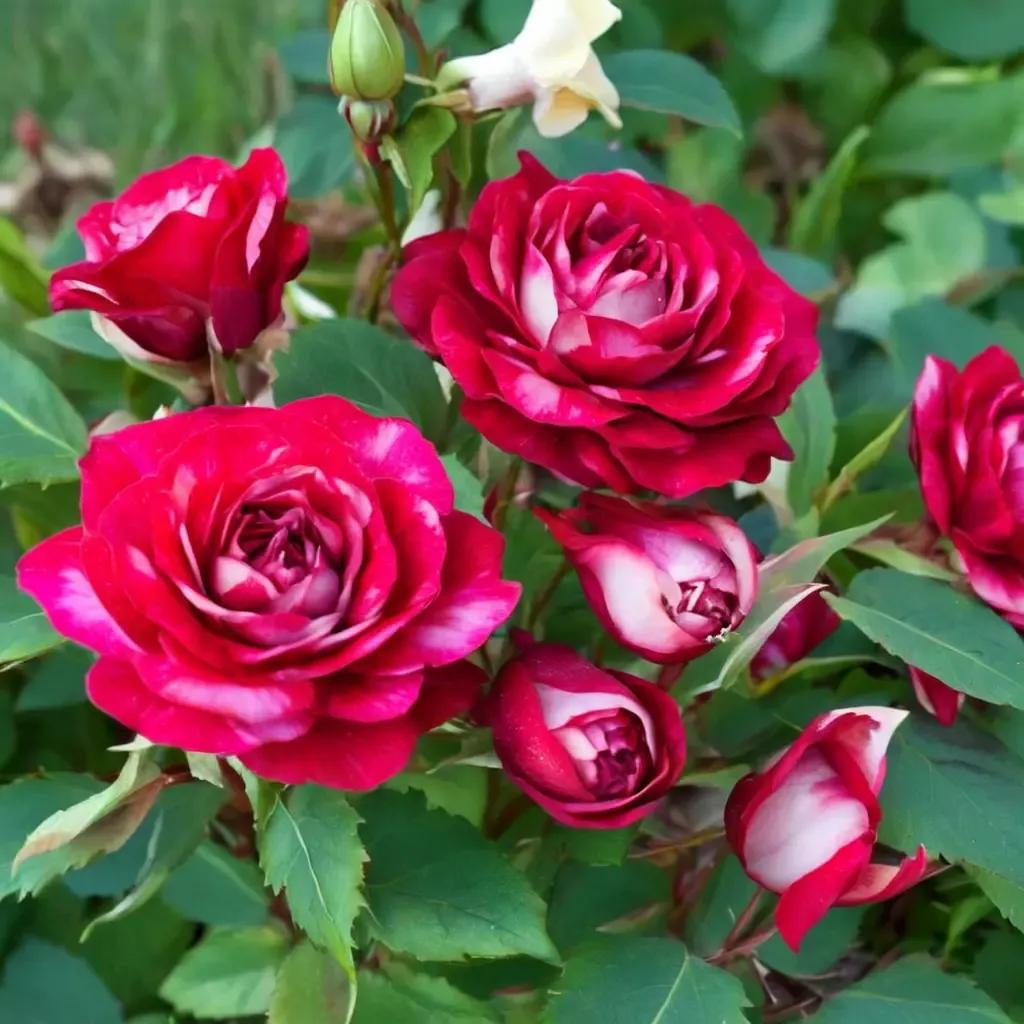 ‘Love at First Sight’Love at First Sight Rose
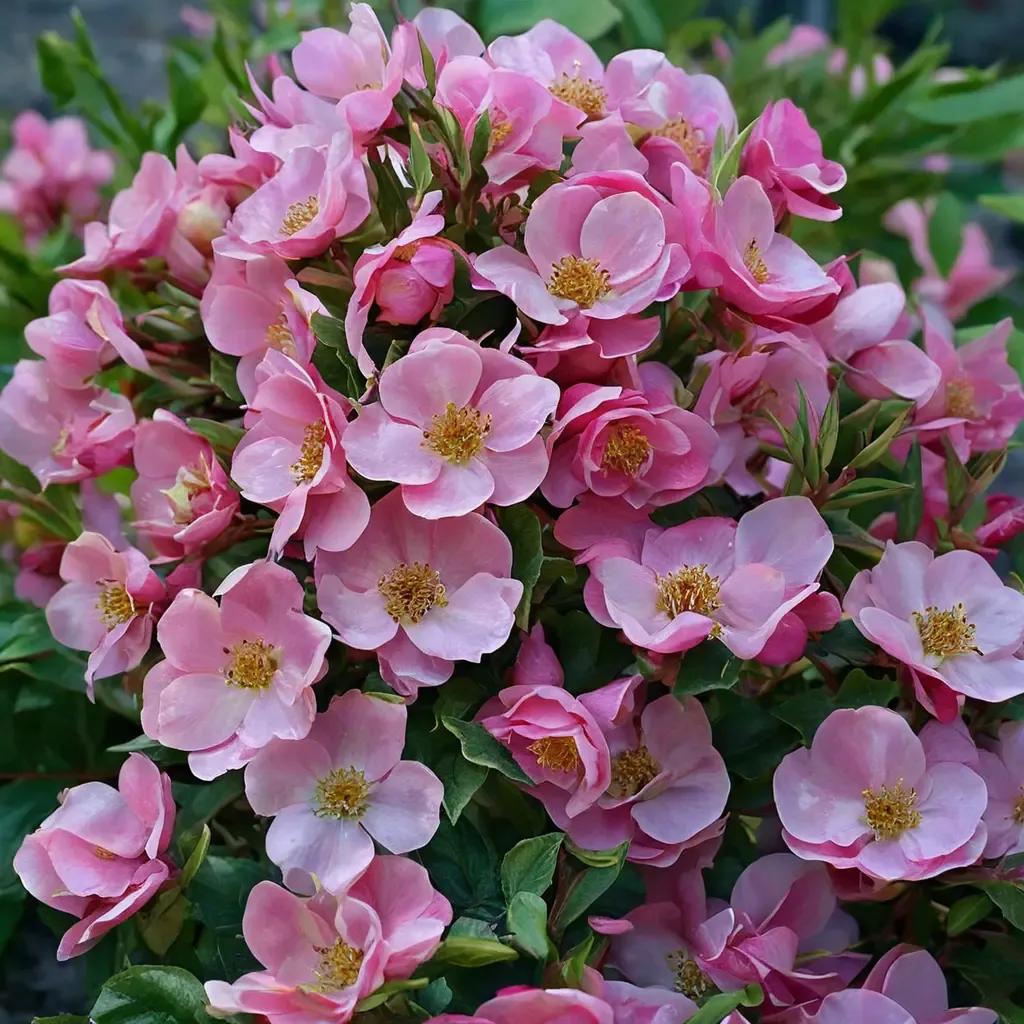 ‘Forever Ever Pink’Forever Ever Pink Rose
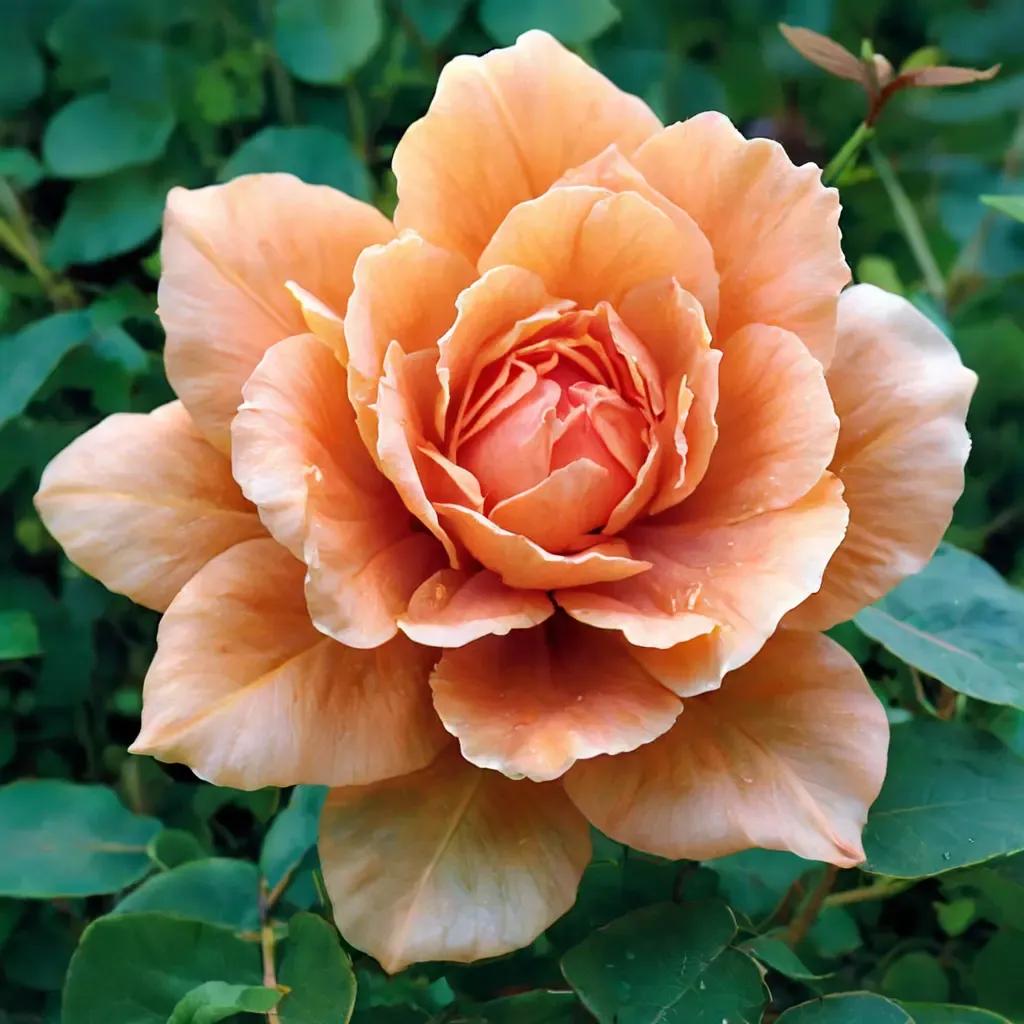 ‘Just Joey’Just Joey Rose
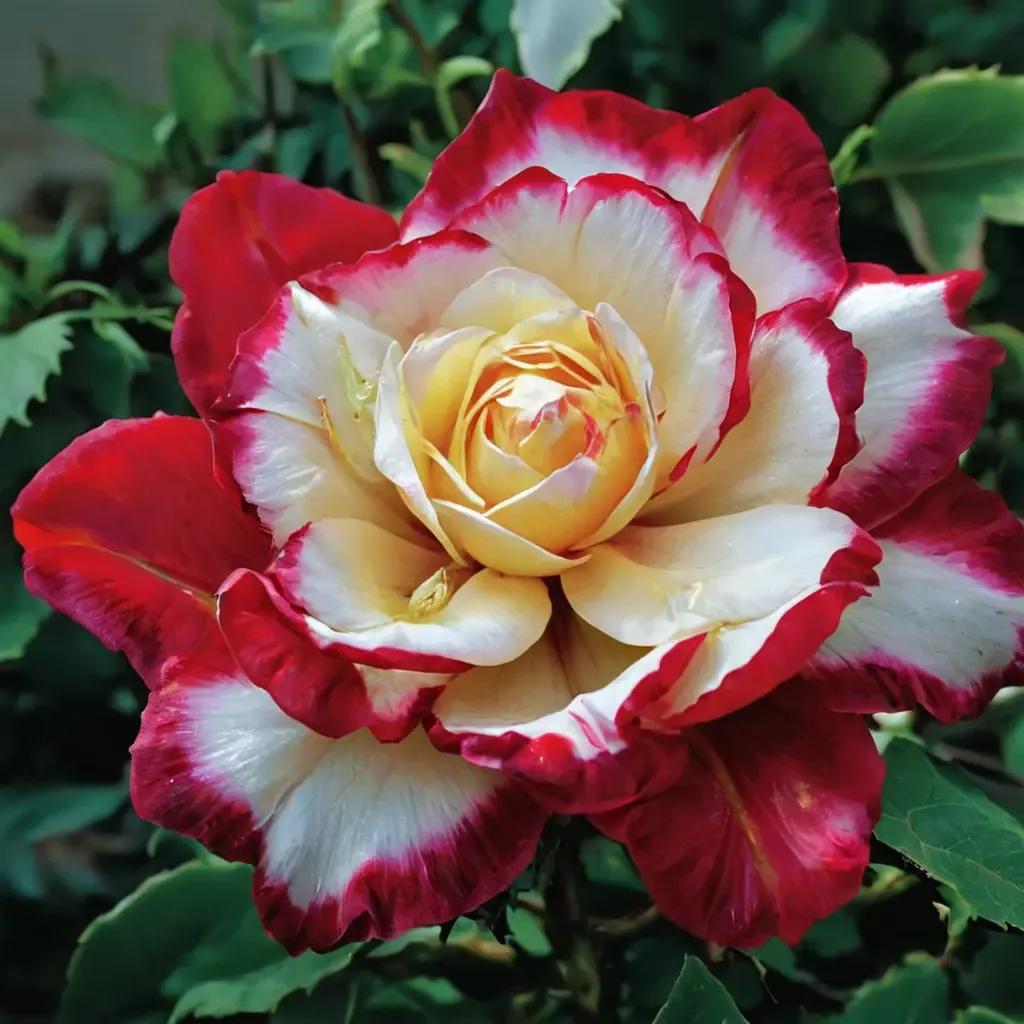 ‘Double Delight’Double Delight Rose
 ‘Mme Caroline Testout’Mme Caroline Testout Rose
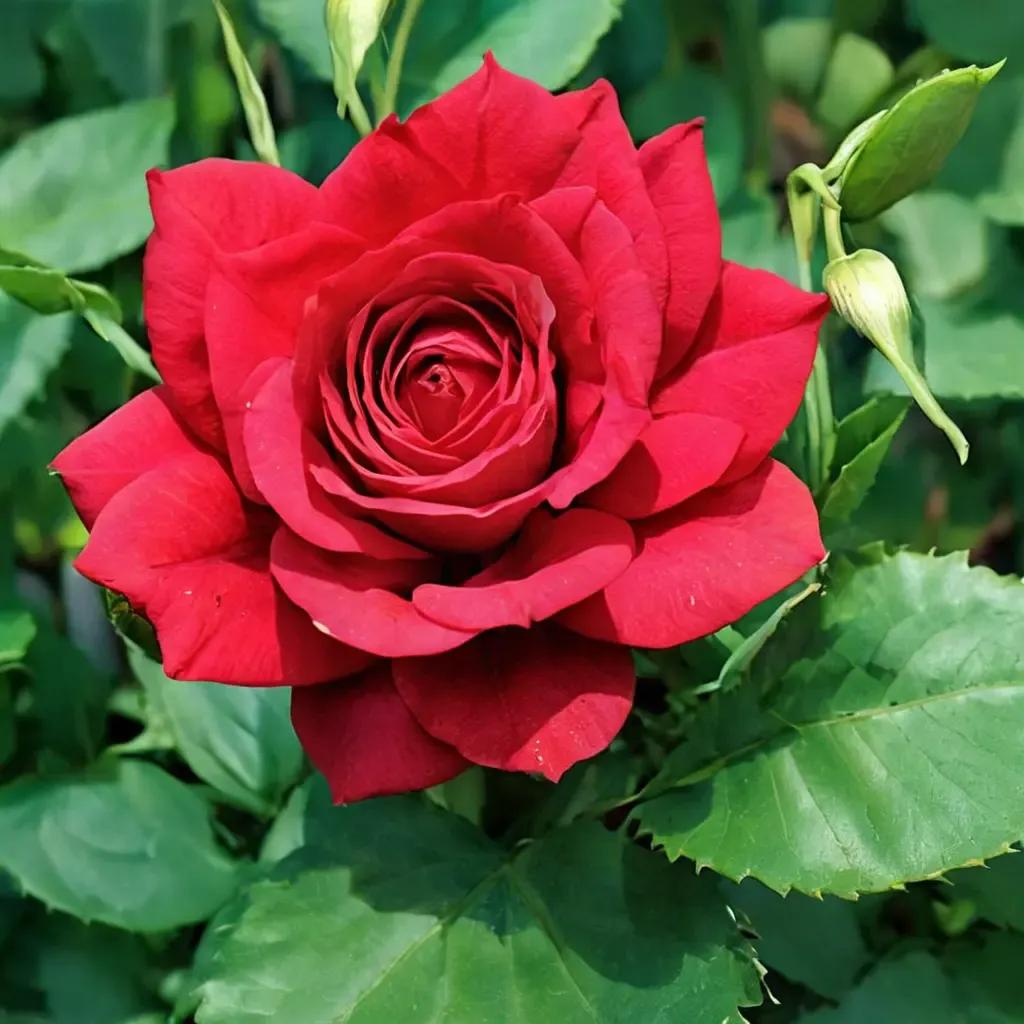 ‘Olympiad’Olympiad Rose
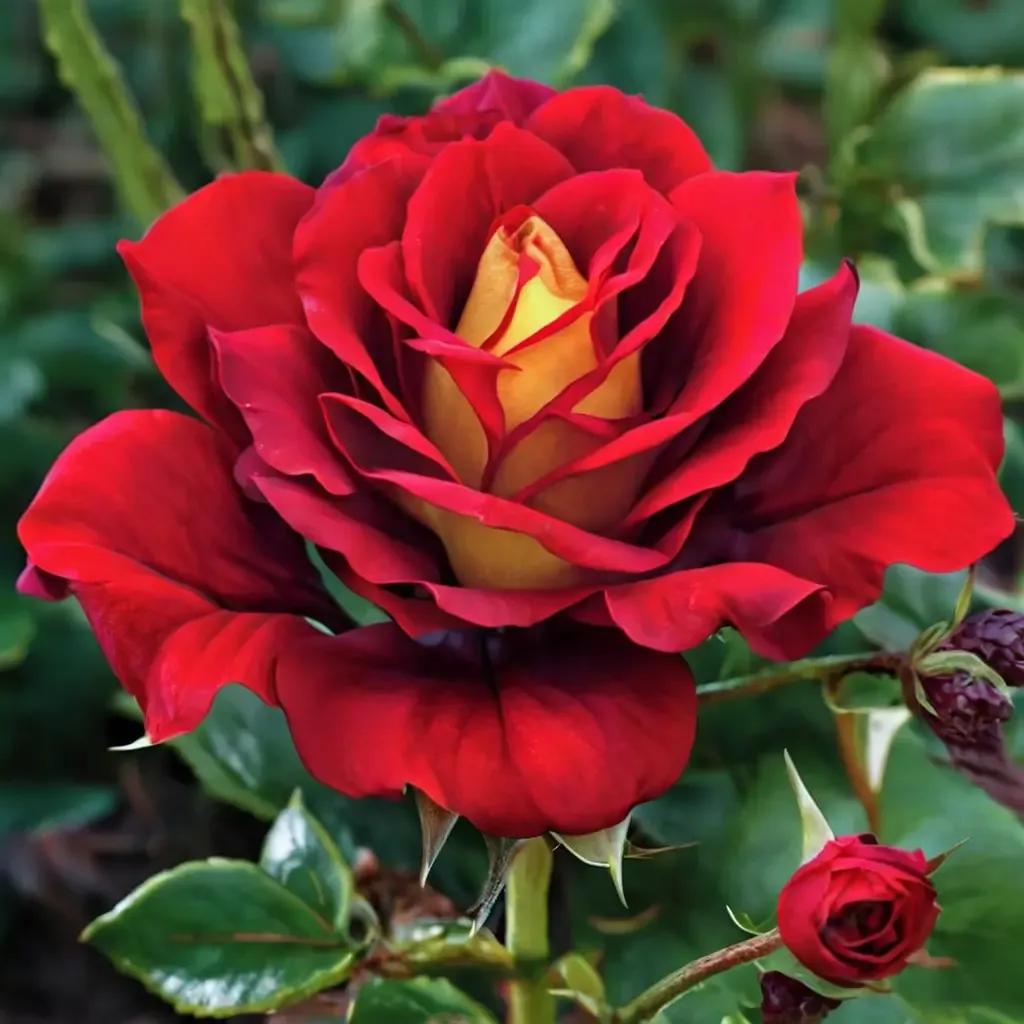 ‘Ketchup And Mustard’Ketchup and Mustard Rose
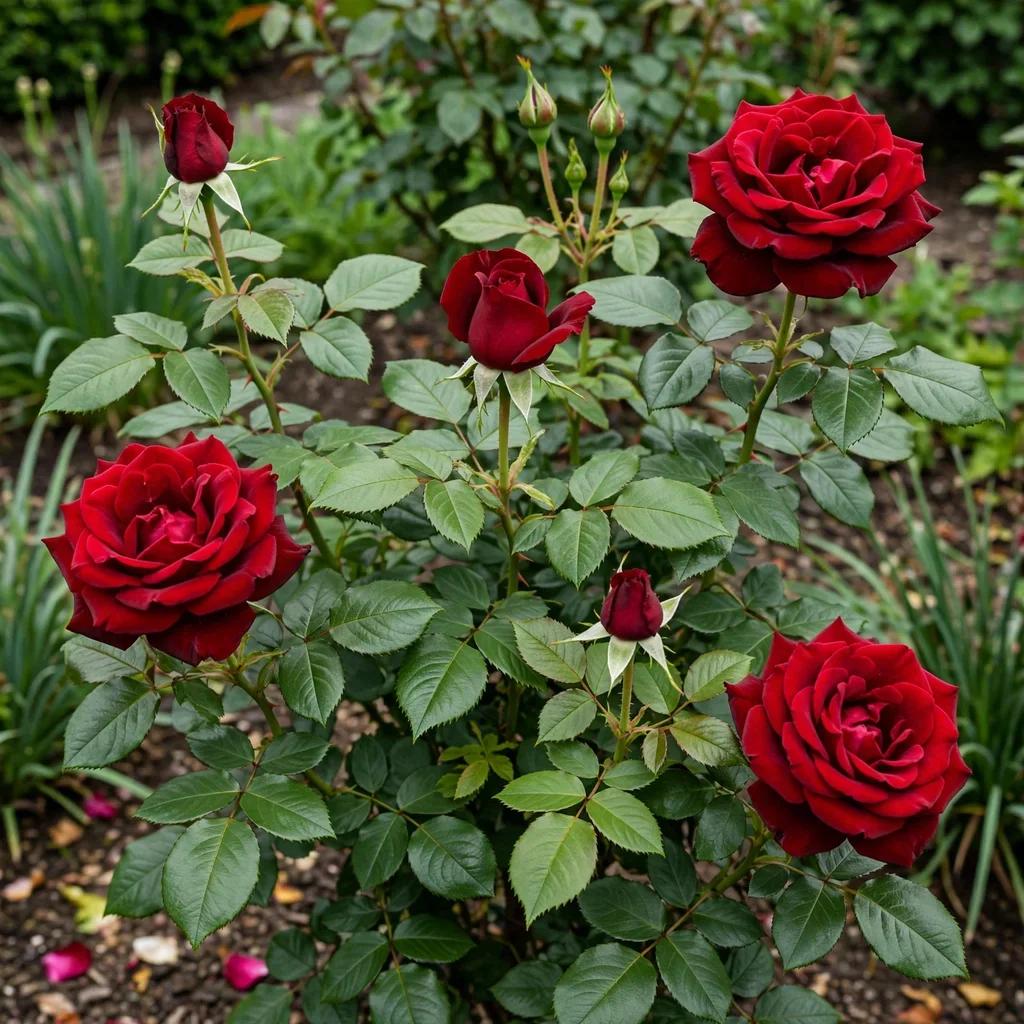 ‘Freedom Rose Sampler’Freedom Rose Sampler
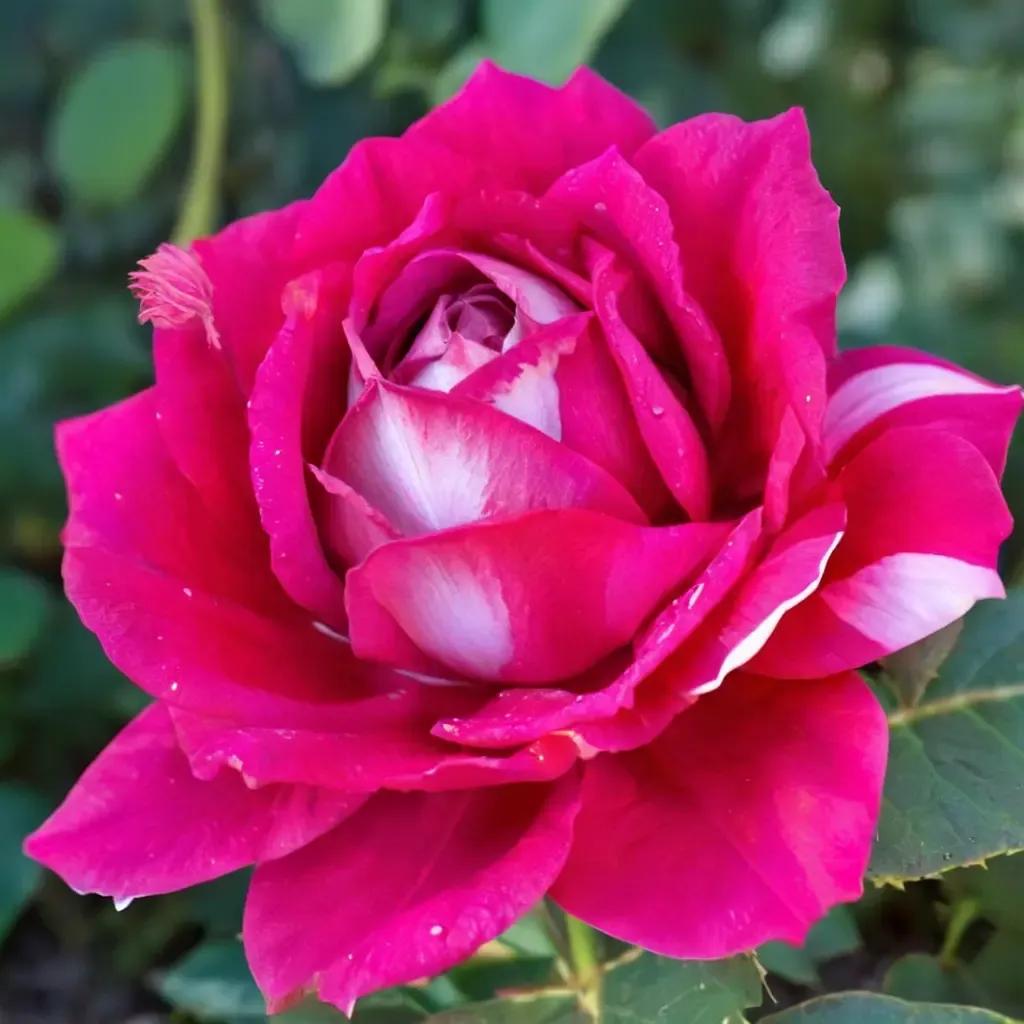 ‘Picture Perfect’Picture Perfect Rose
 ‘Aloha’Aloha Rose
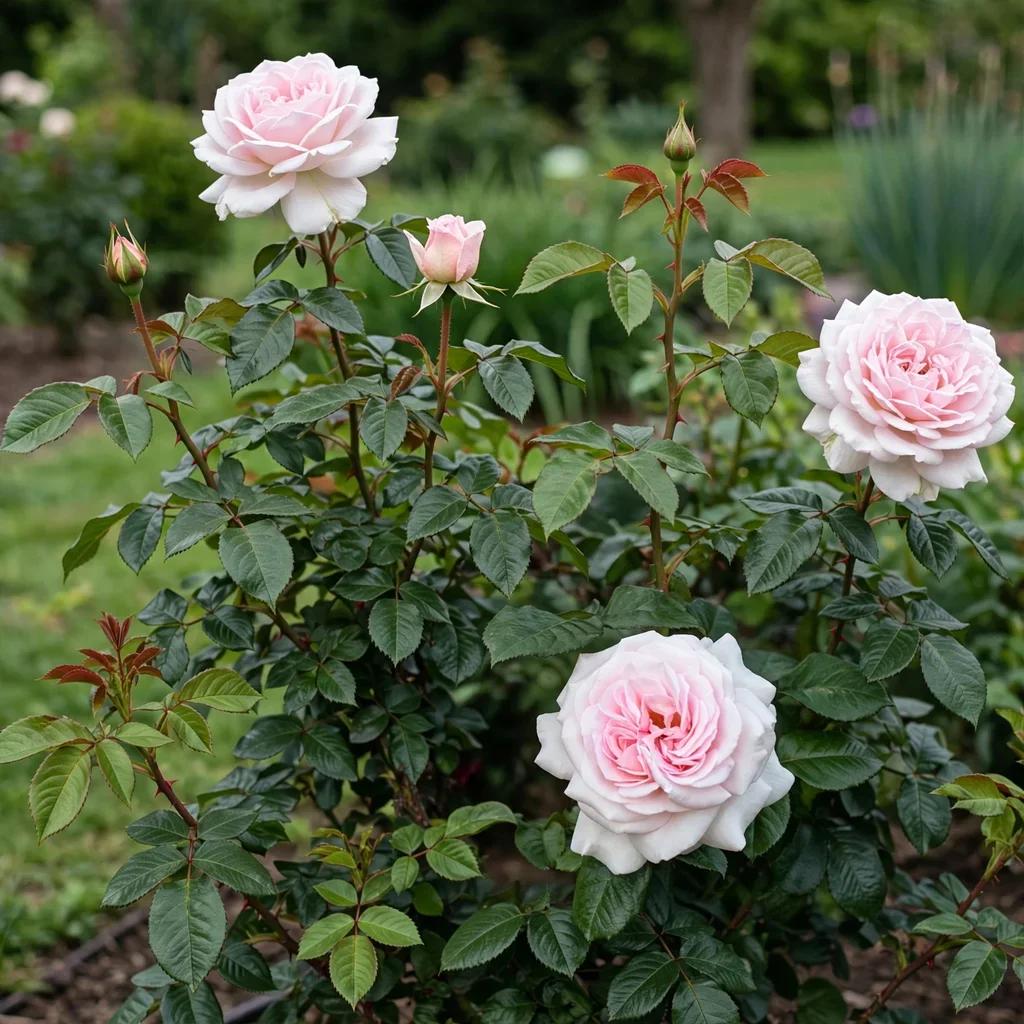 ‘Francis Meilland’Francis Meilland Rose
 ‘Ballerina’Ballerina Rose
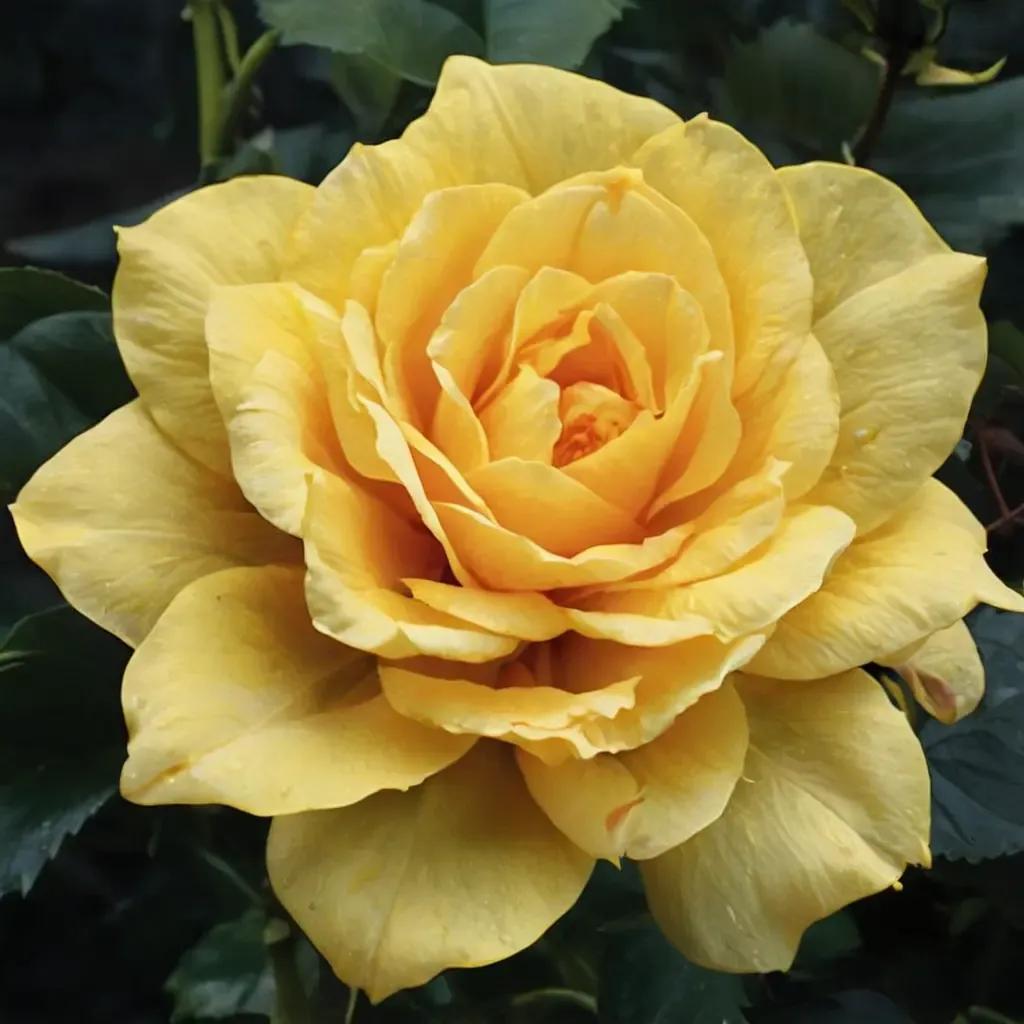 ‘Midas Touch’Midas Touch Rose
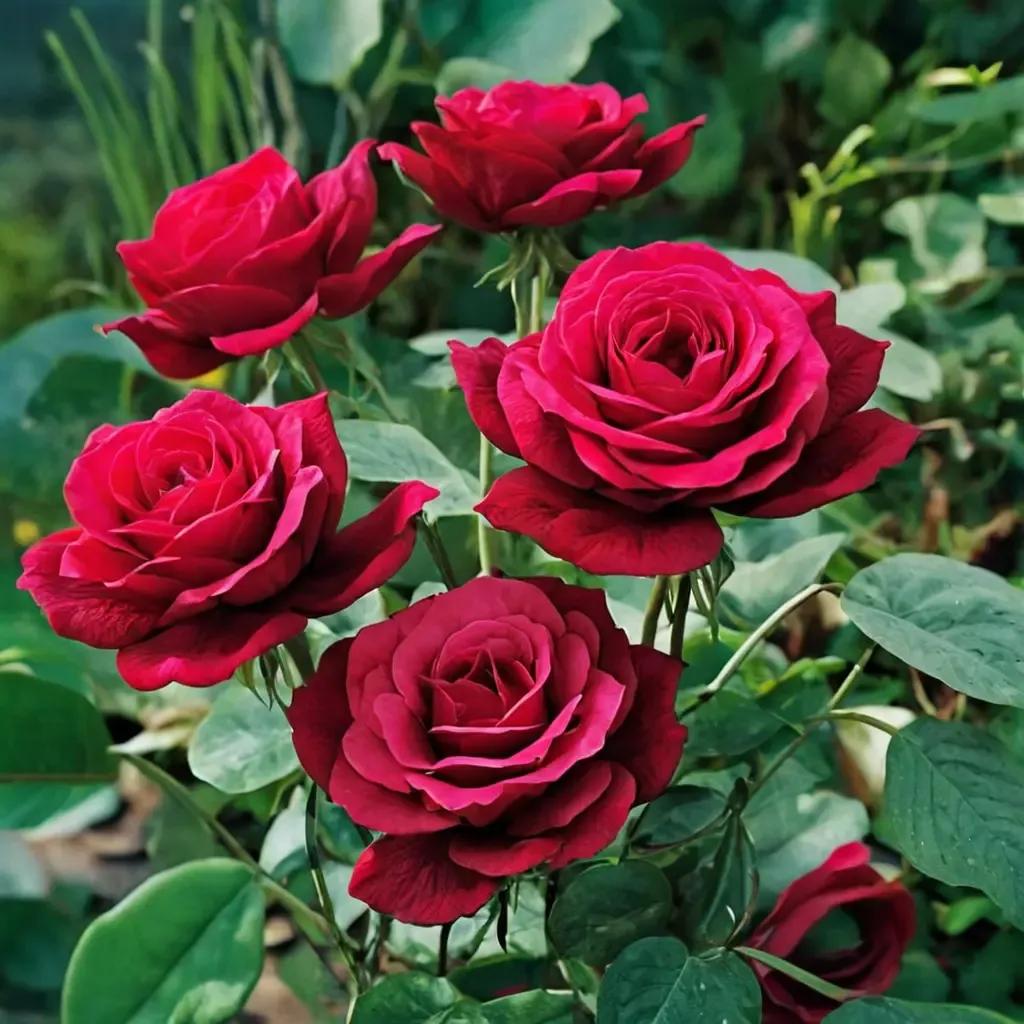 ‘Mister Lincoln’Mister Lincoln Rose
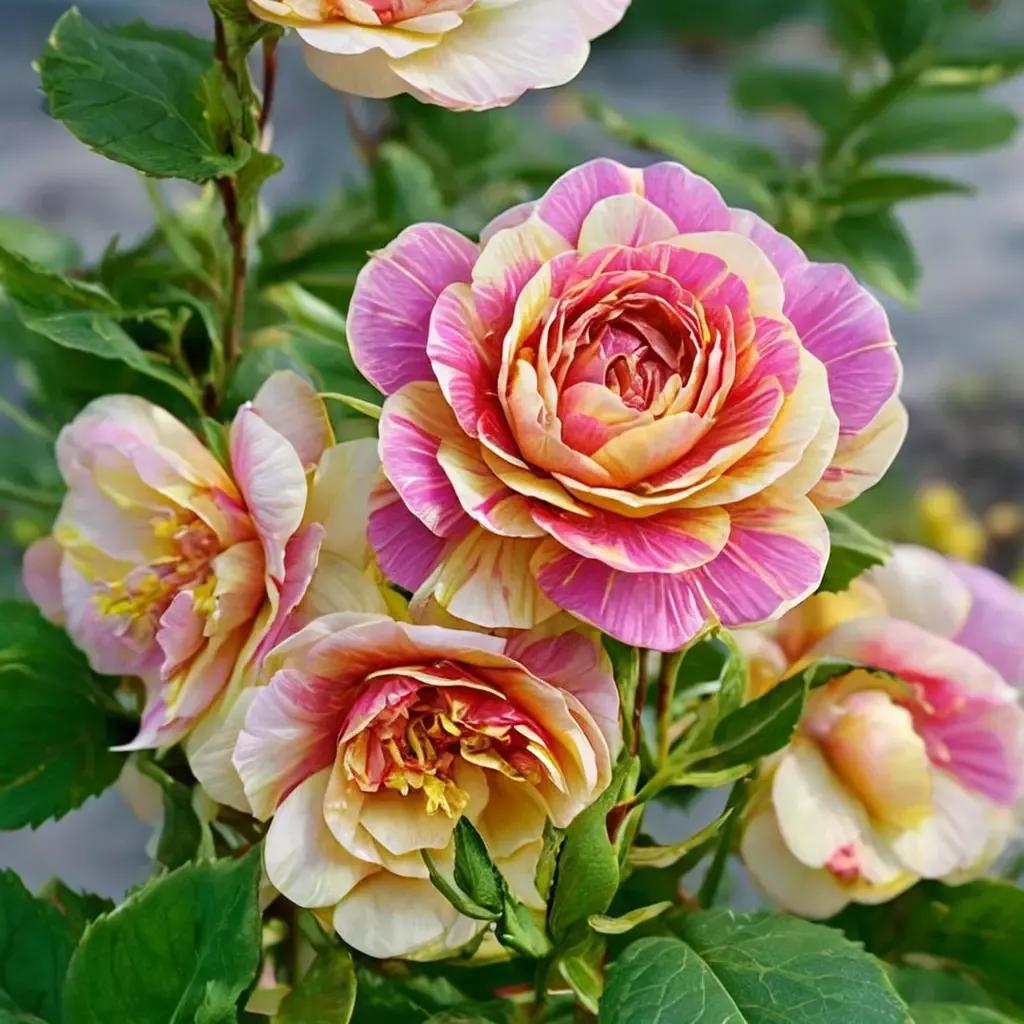 ‘Pop Art Grandiflora’Pop Art Rose
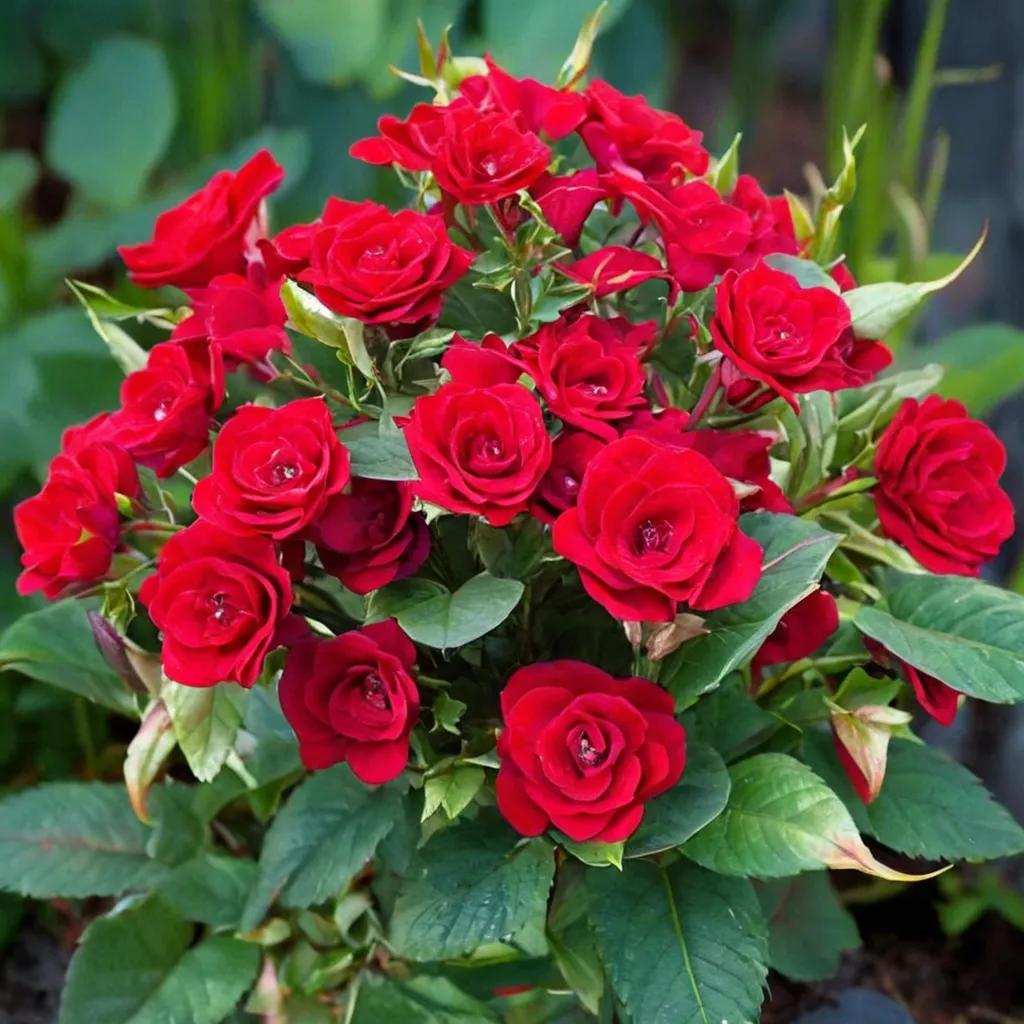 ‘Ruby Ruby’Ruby Ruby Rose
 ‘Radtkopink’Radtkopink Double Knock Out Rose
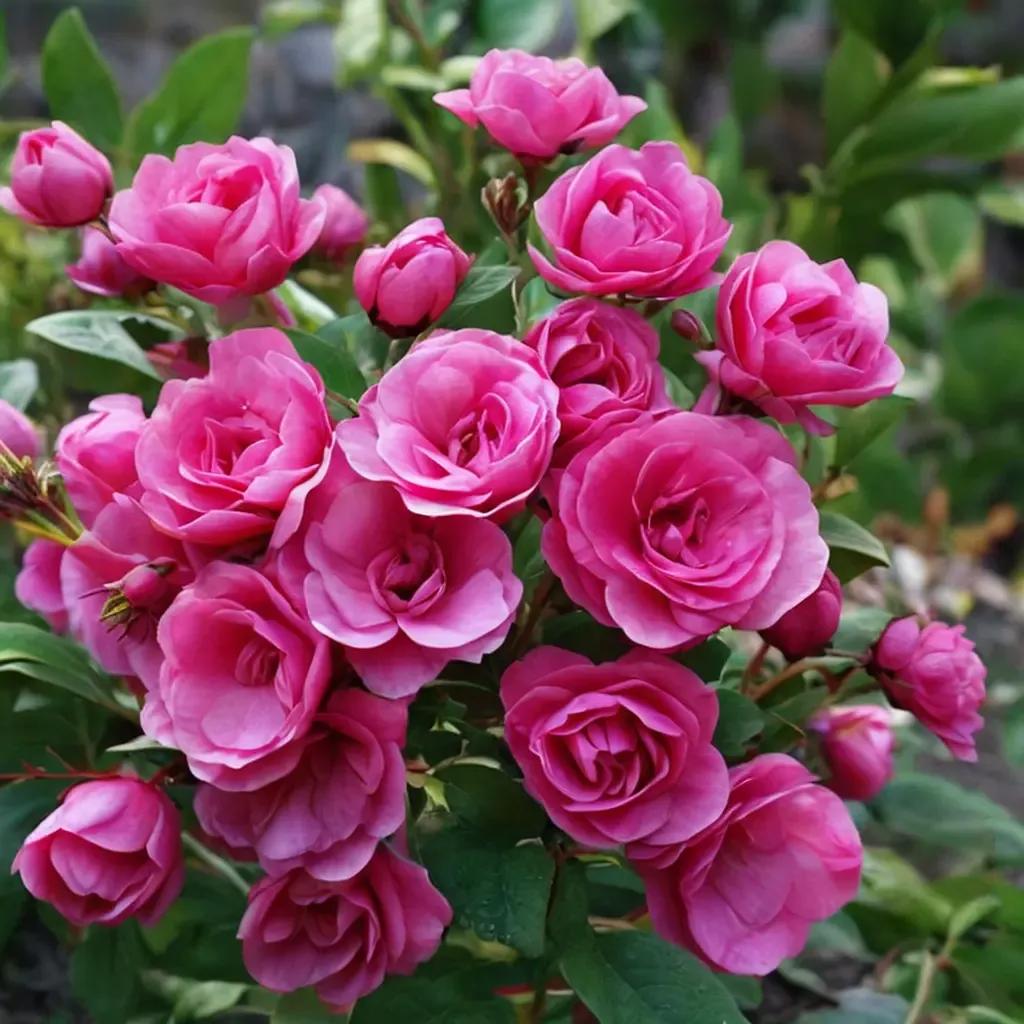 ‘Grande Dame’Grande Dame Rose
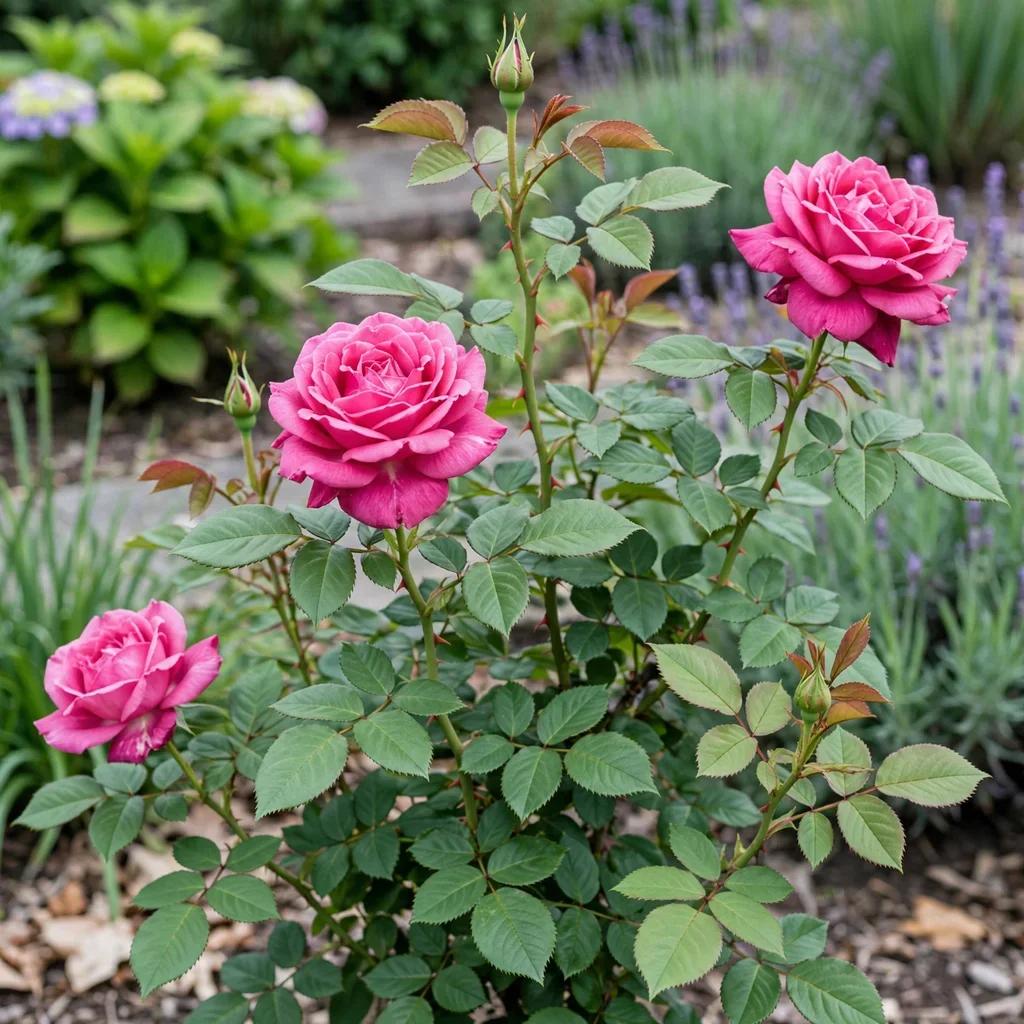 ‘All My Loving’All My Loving Rose
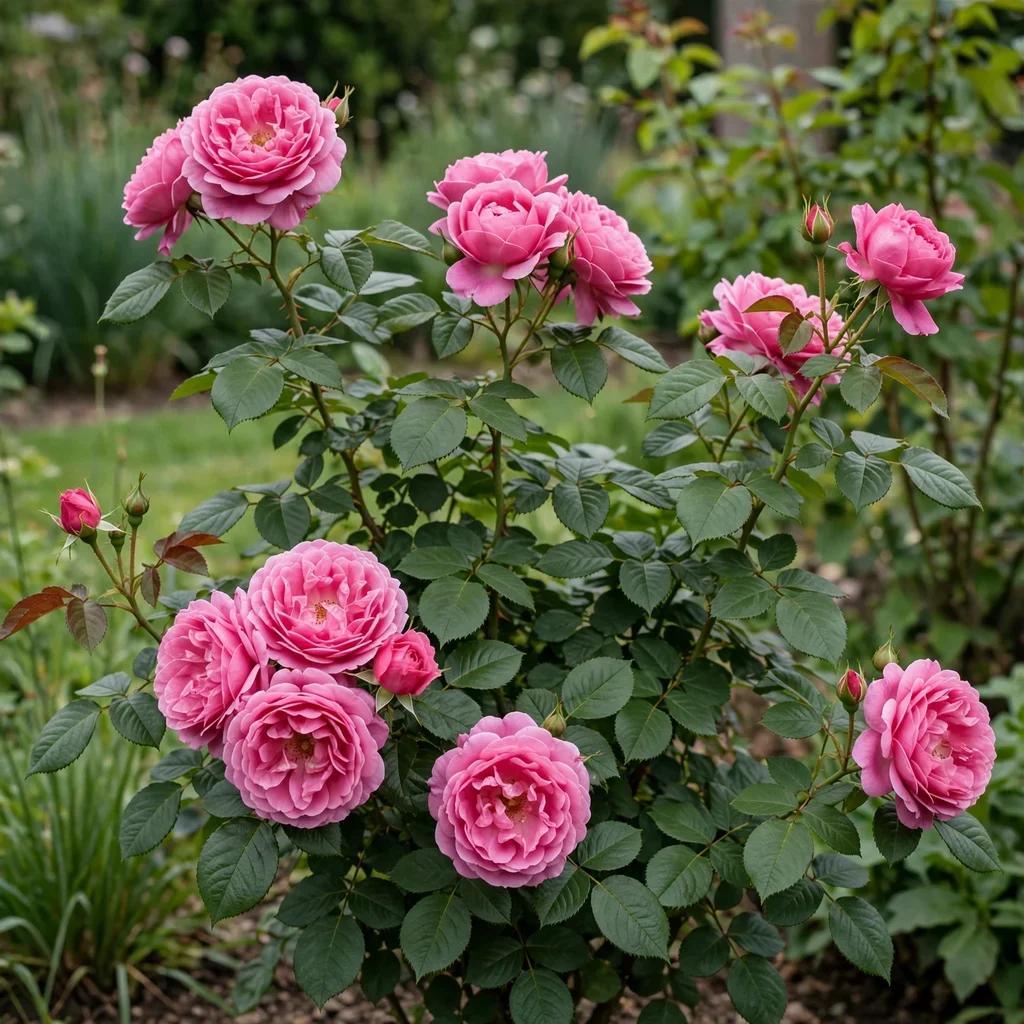 ‘Miss Manners’Miss Manners Rose
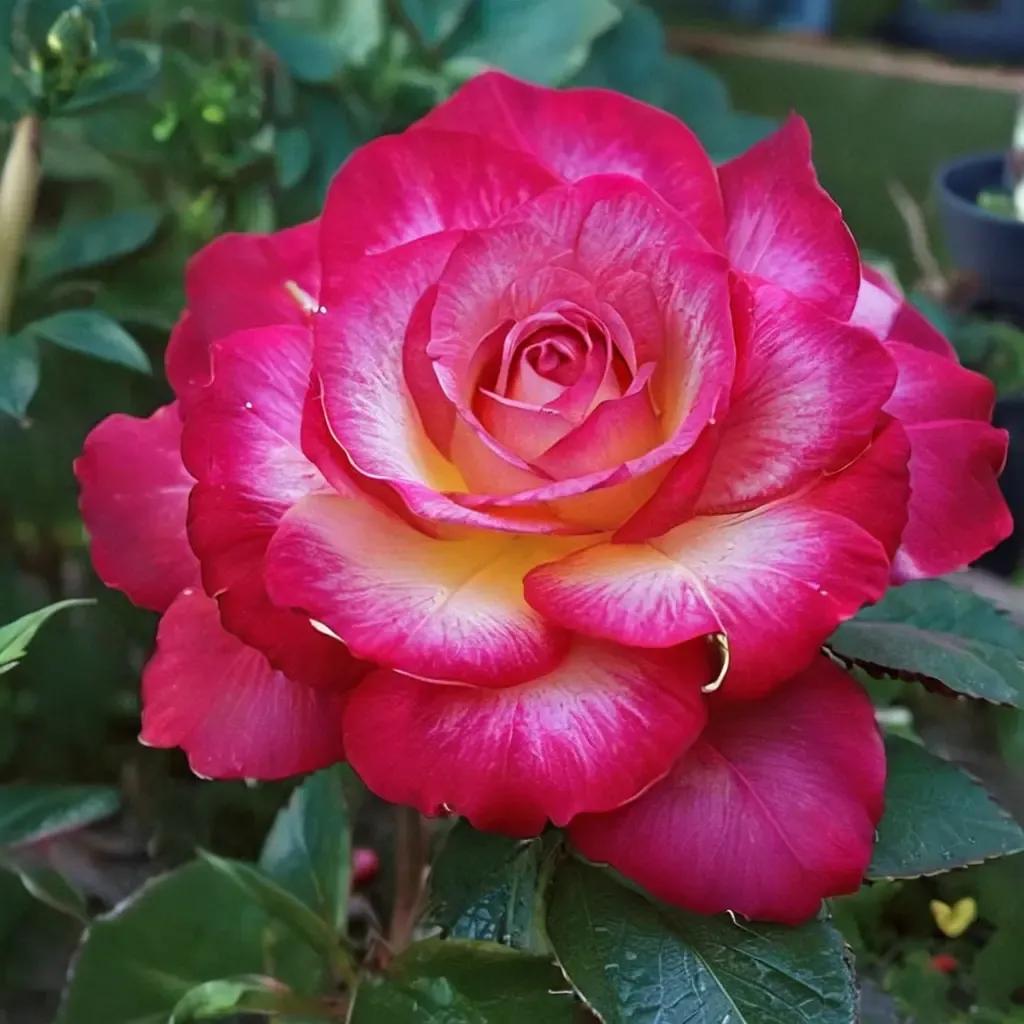 ‘Dick Clark’Dick Clark Rose
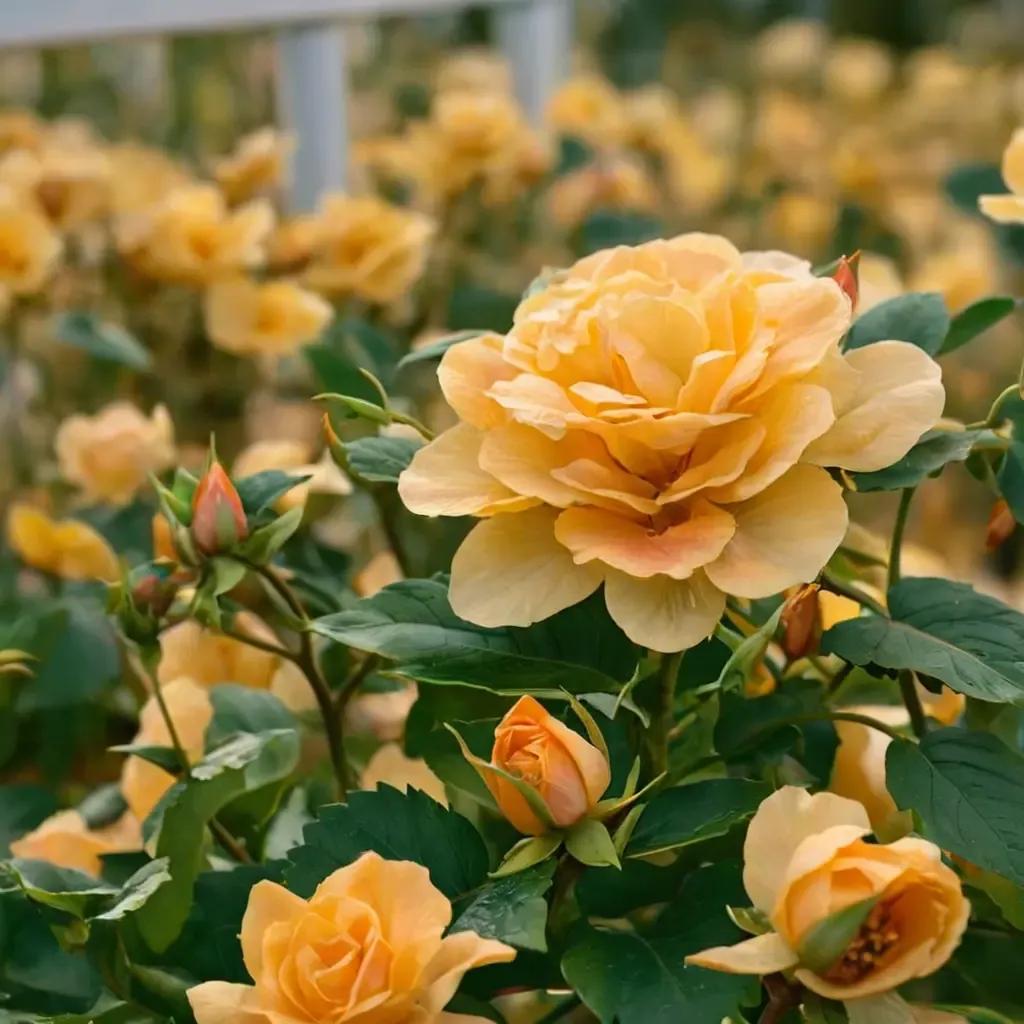 ‘Orange Freedom’Orange Freedom Rose
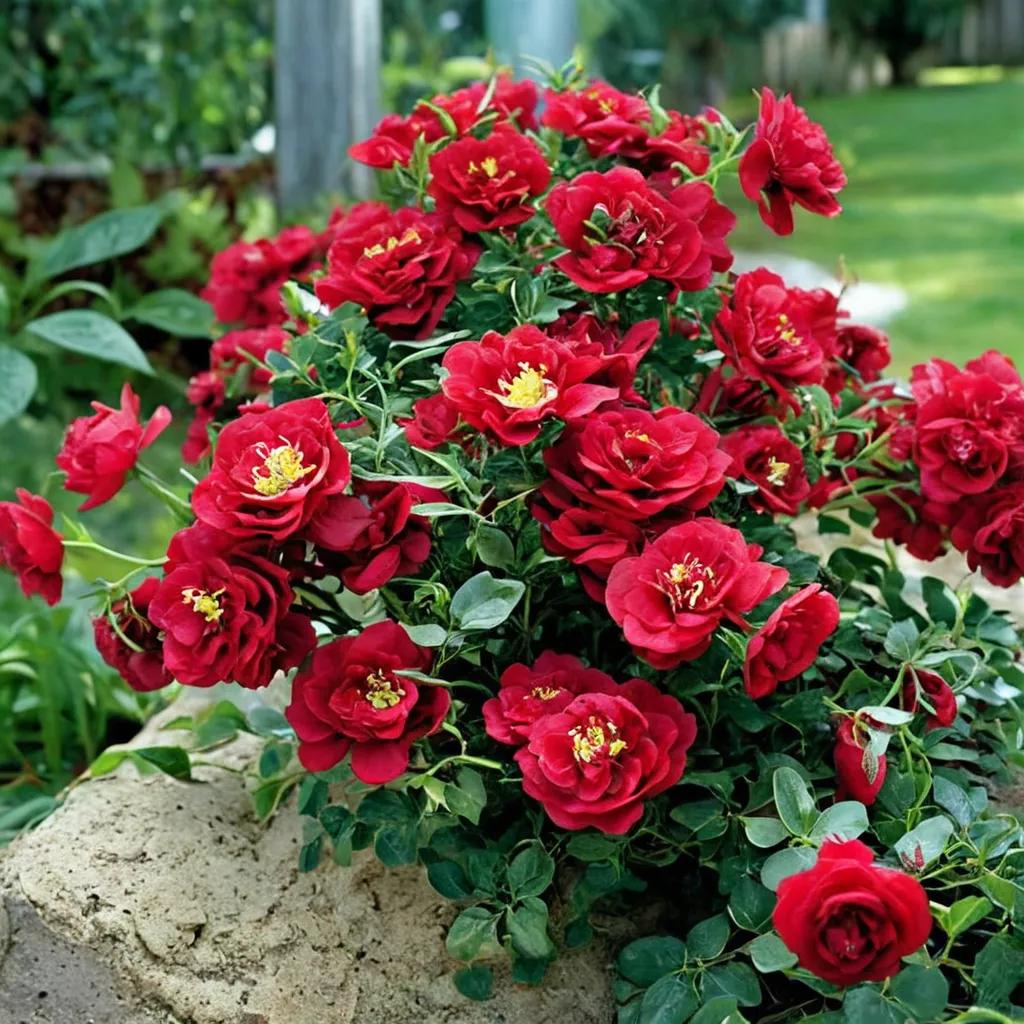 ‘Red Ribbons’Red Ribbons Rose
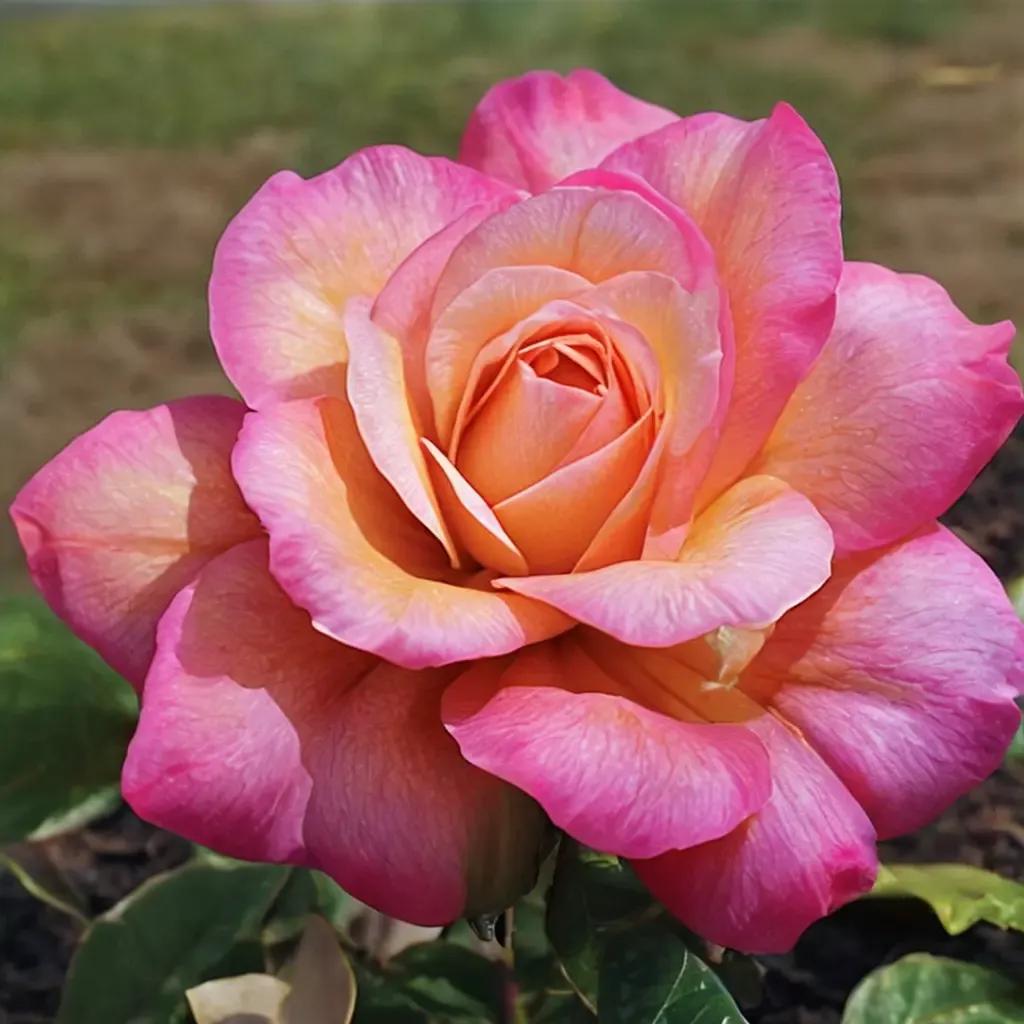 ‘Chicago Peace’Chicago Peace Rose
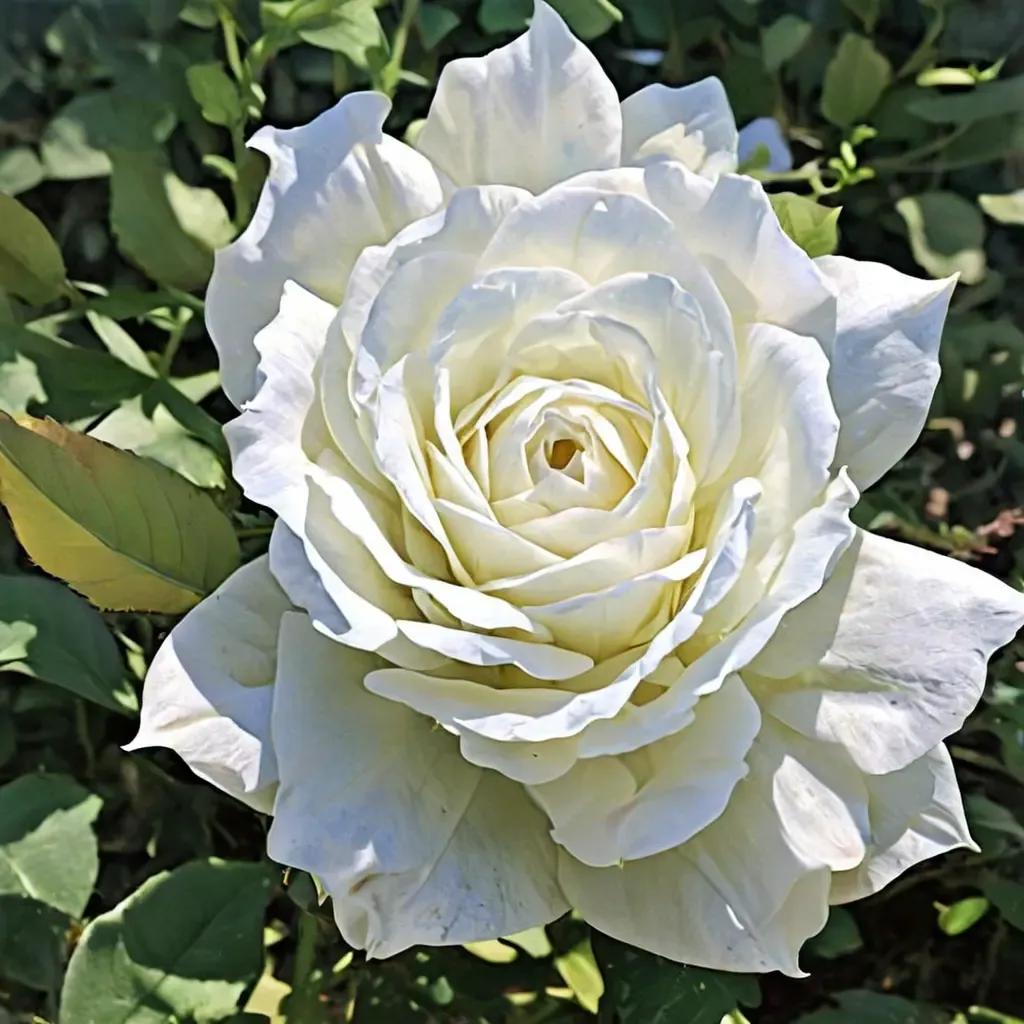 ‘Pope John Paul II’Pope John Paul II rose
 ‘Peggy Martin’Peggy Martin Rose
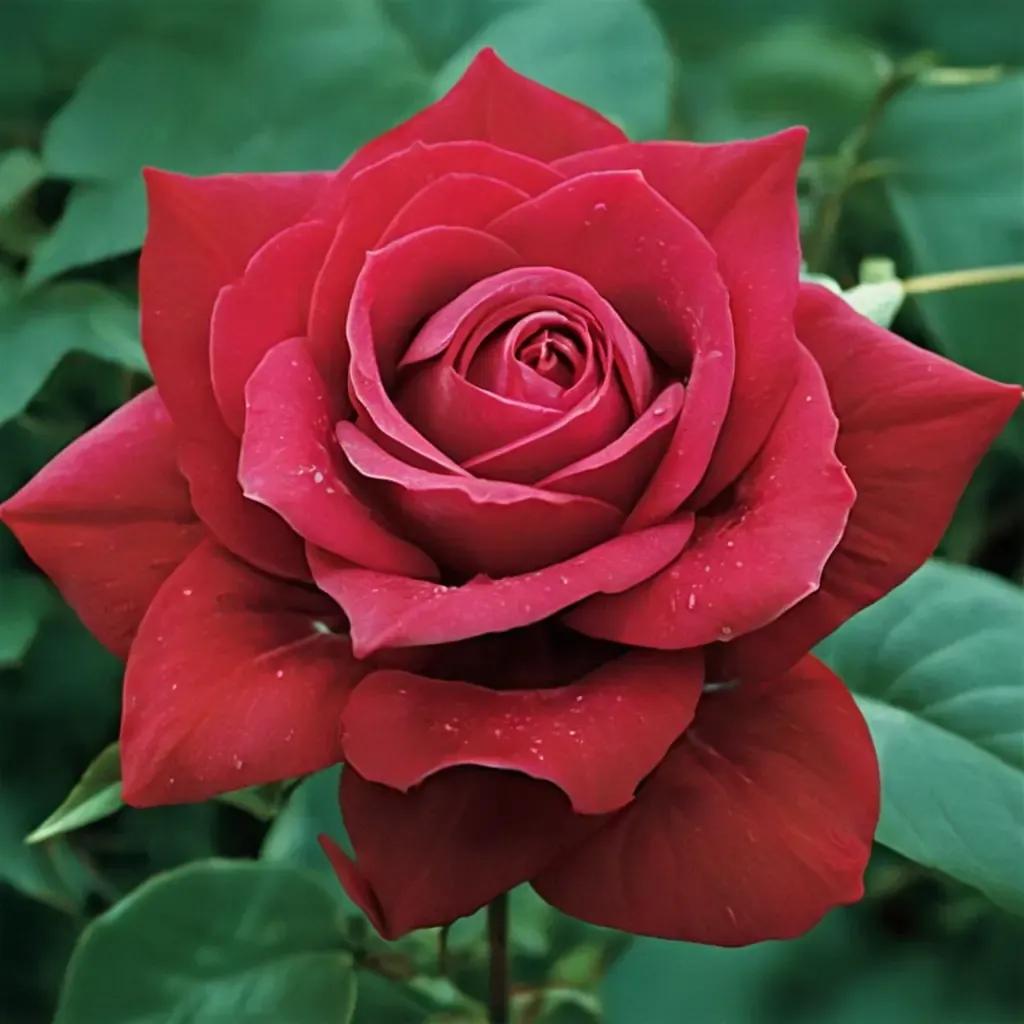 ‘Firefighter’Firefighter Rose
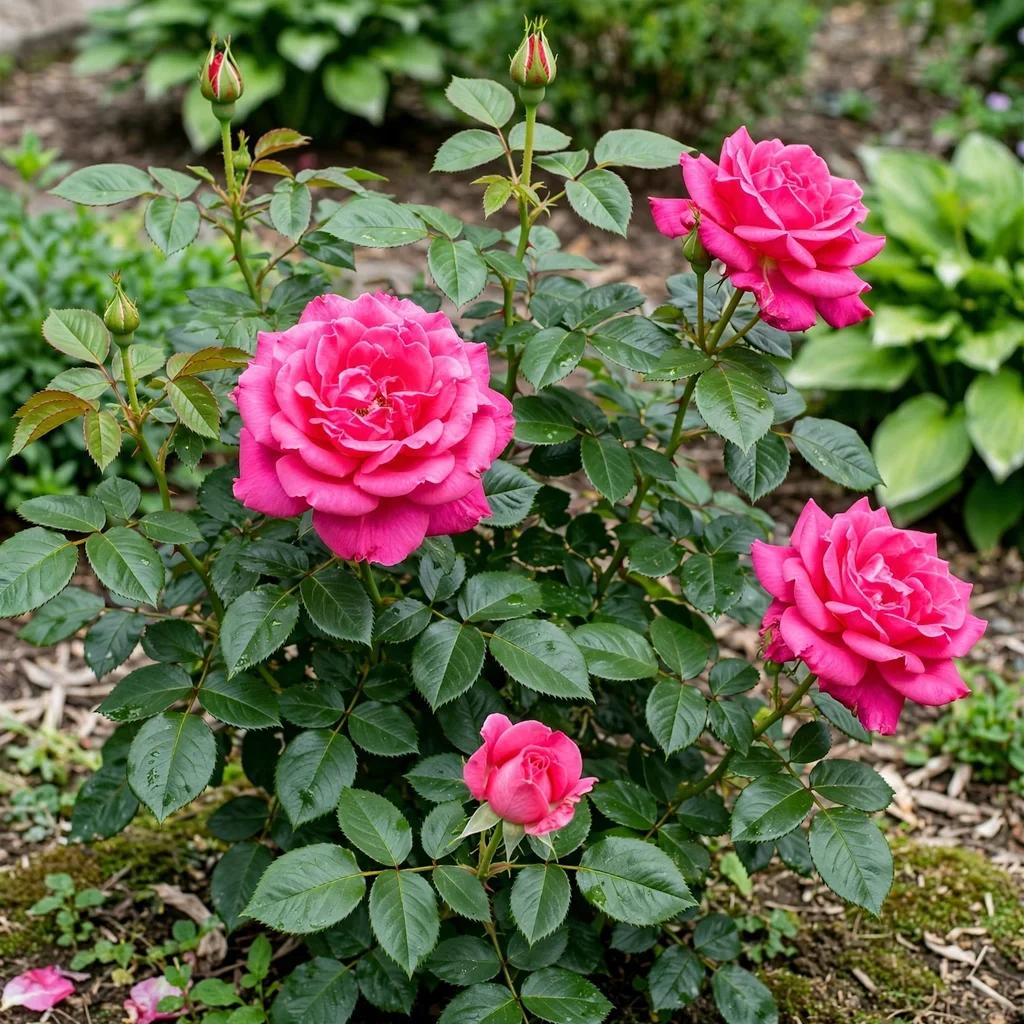 ‘Miss All-American Beauty’Miss All-American Beauty Rose
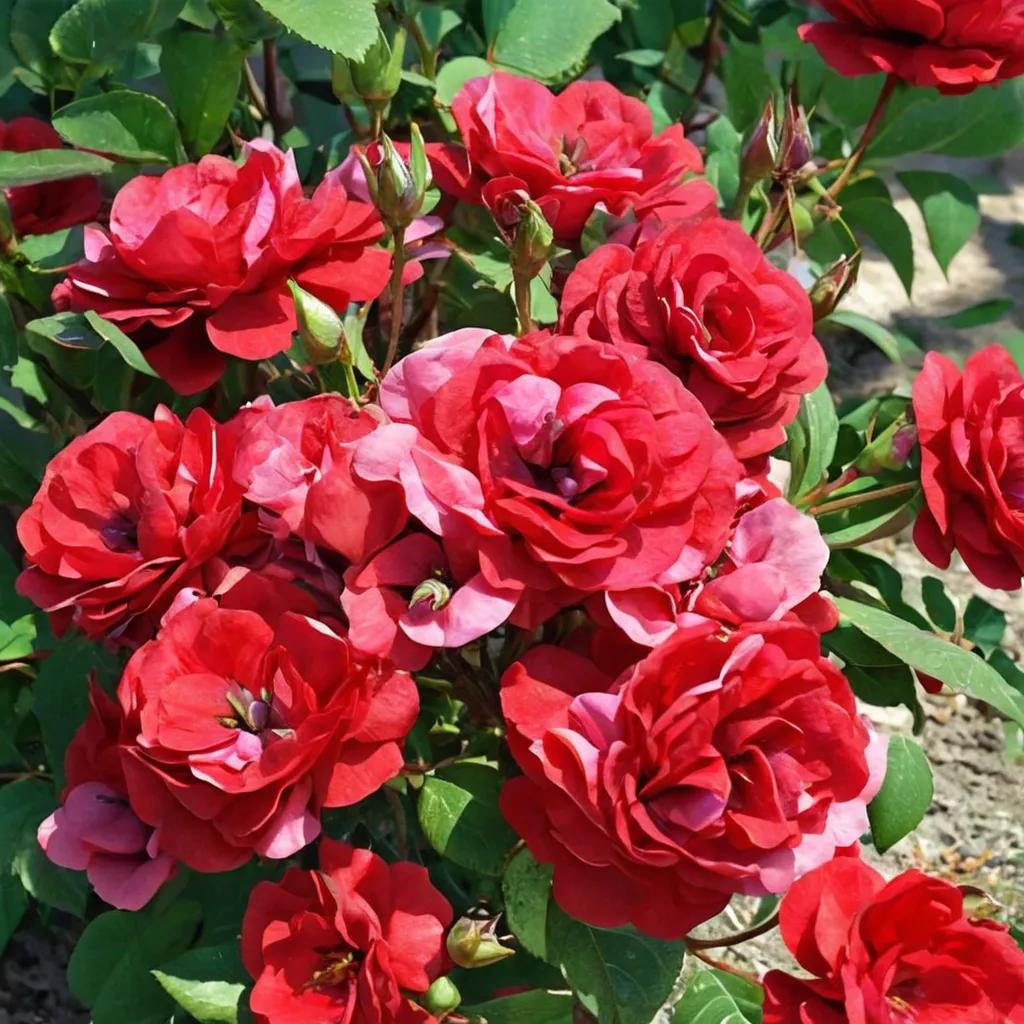 ‘Showbiz’Showbiz Rose
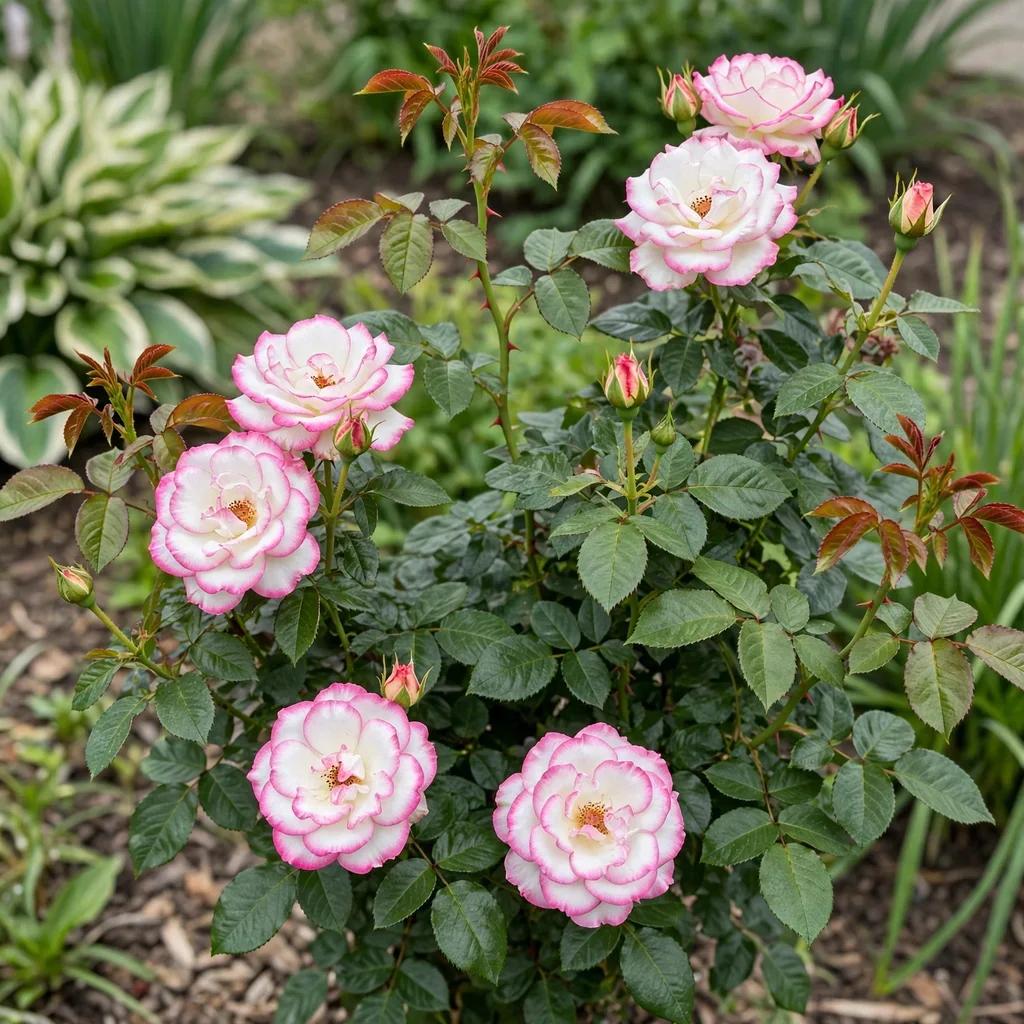 ‘Miss Congeniality’Miss Congeniality Rose
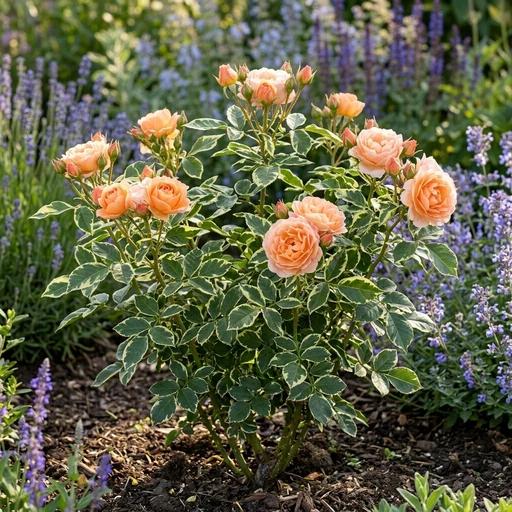 ‘Peach Lemonade’Peach Lemonade Rose
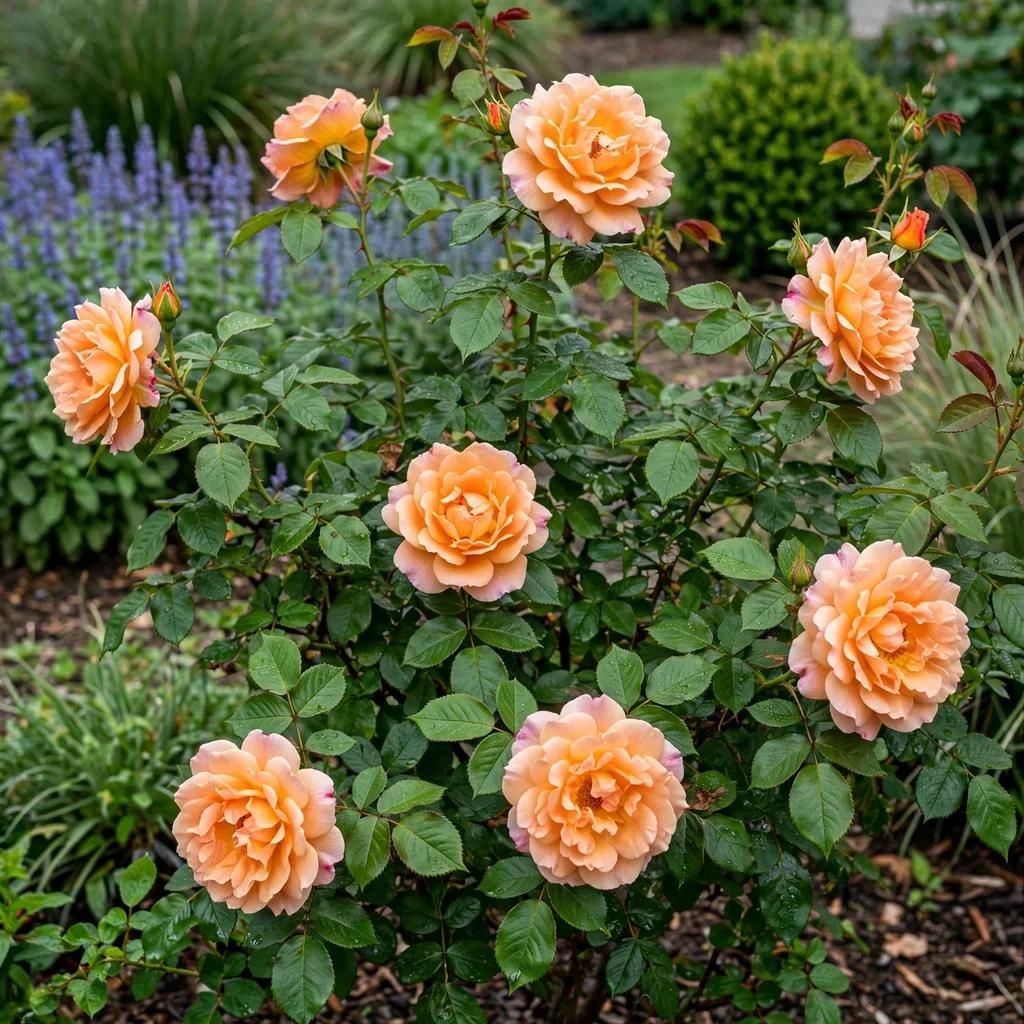 ‘Forever Amber’Forever Amber Rose
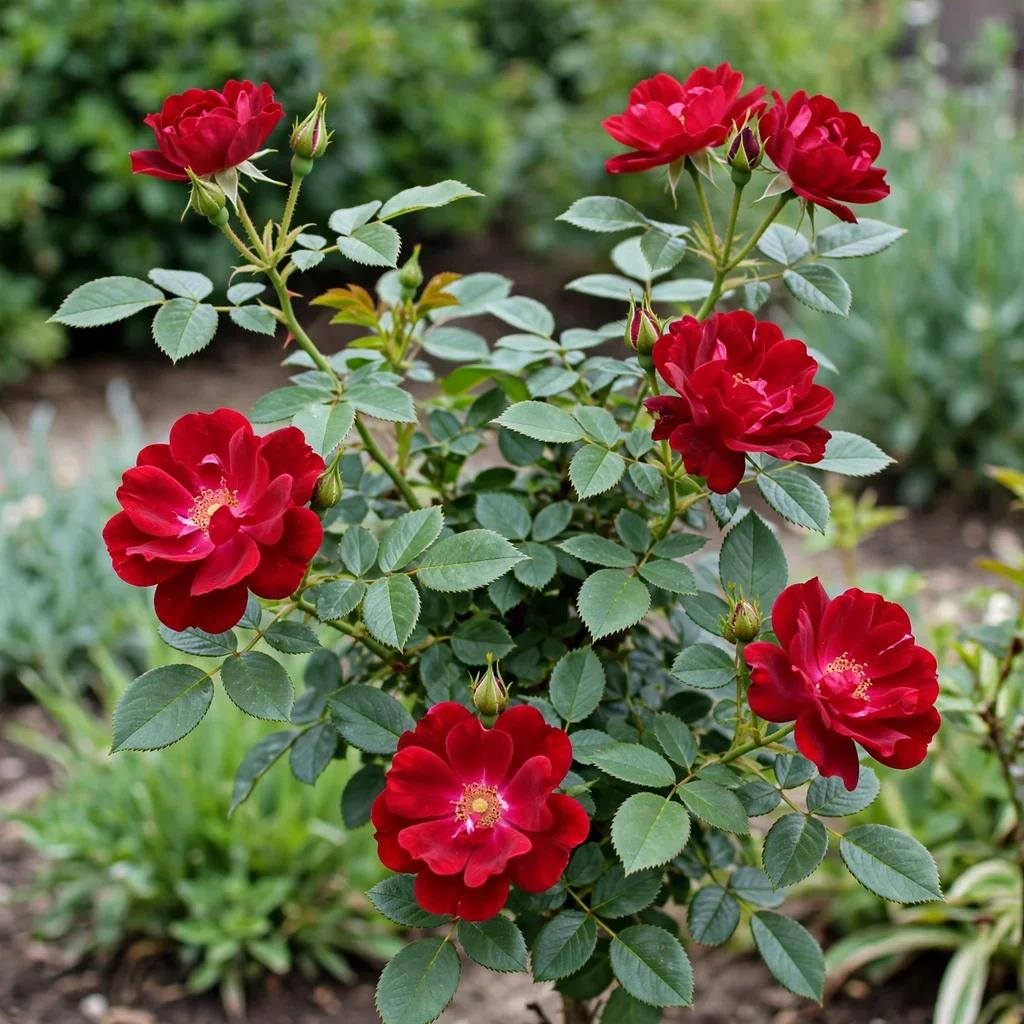 ‘Ruby Ruby Miniature Rose’Miniature Rose
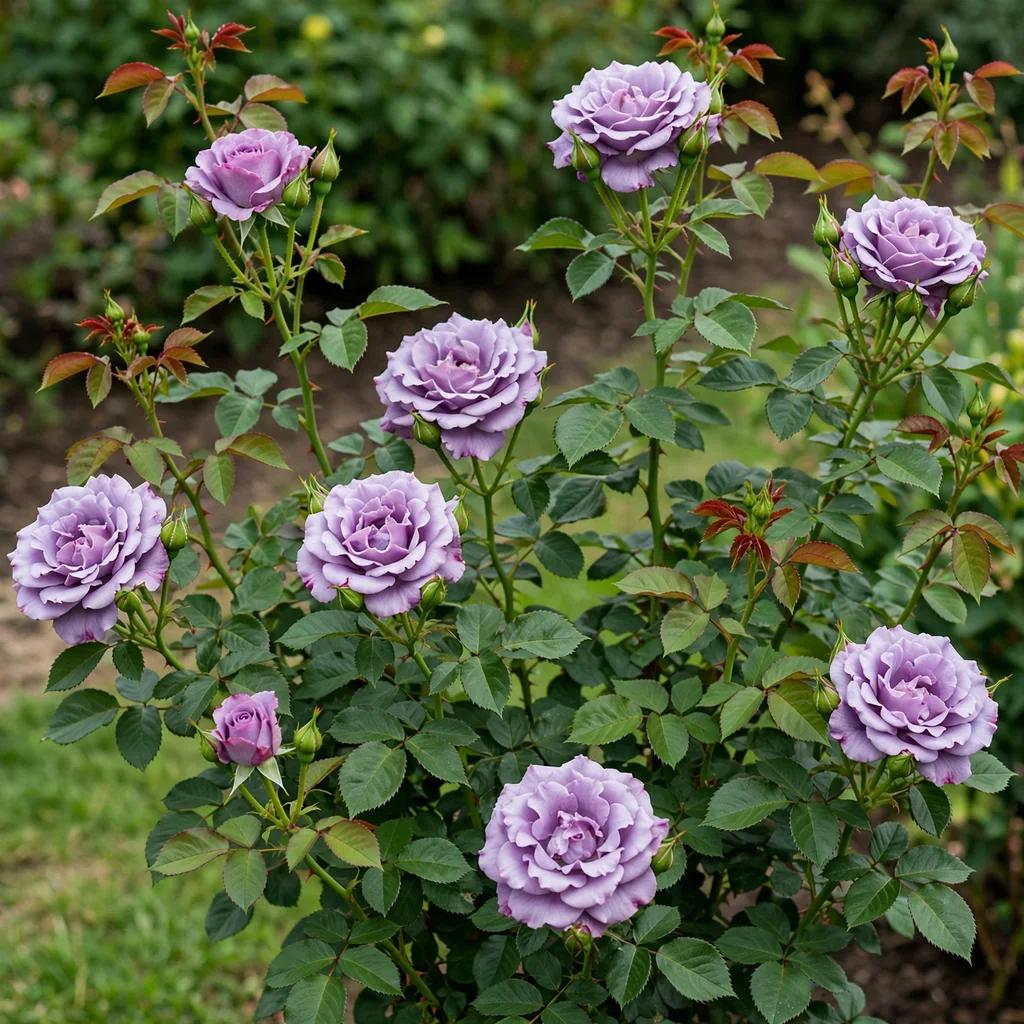 ‘Angel Face’Angel Face Rose
 ‘Meidriflora’Meidriflora Coral Drift Rose
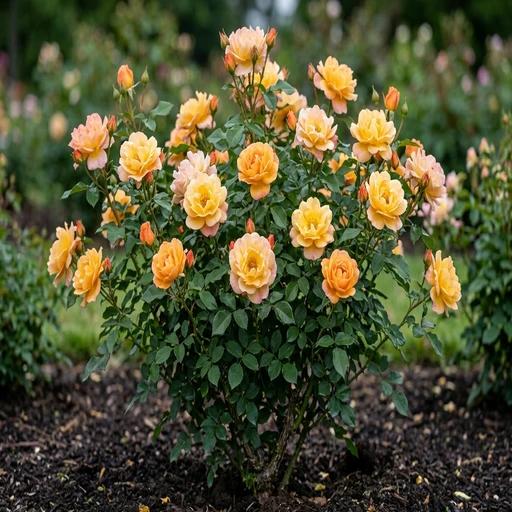 ‘Su Orita Rose’Suñorita Rose
 ‘Radyod’Radyod Rainbow Knock Out Rose
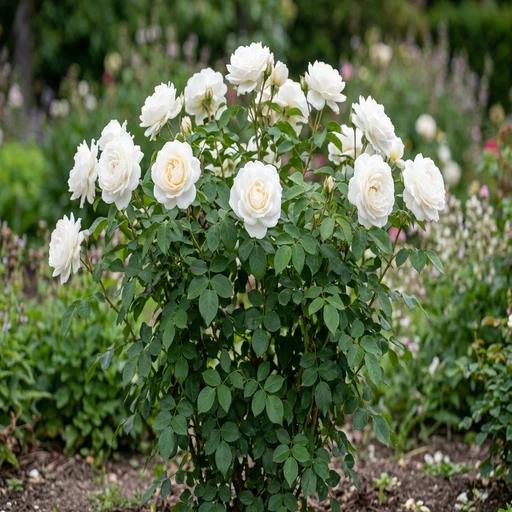 ‘Icecap’Icecap Rose
 ‘Radrazz’Radrazz Knock Out Rose
 ‘Radcon’Radcon Pink Knock Out Rose
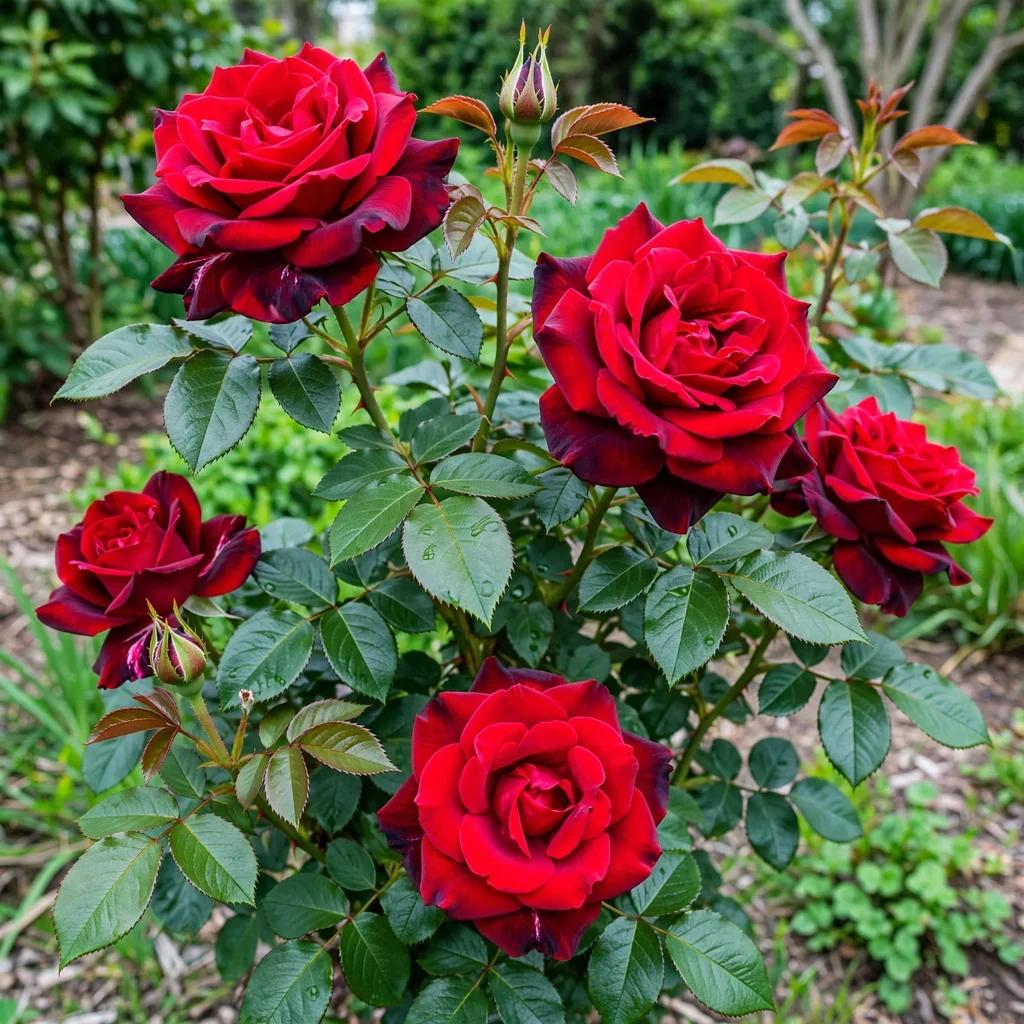 ‘Jumbo Lasting Love’Jumbo Lasting Love Rose
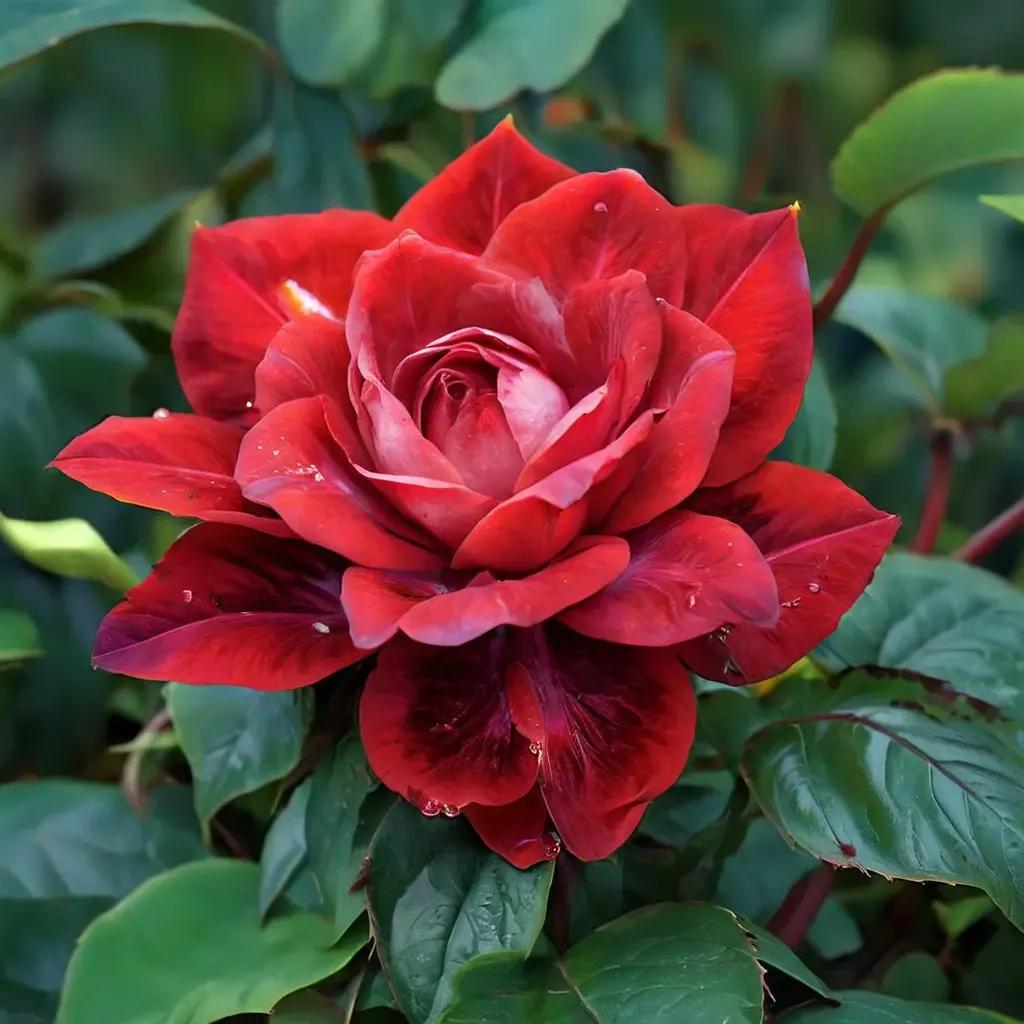 ‘Smokin Hot’Smokin' Hot Rose
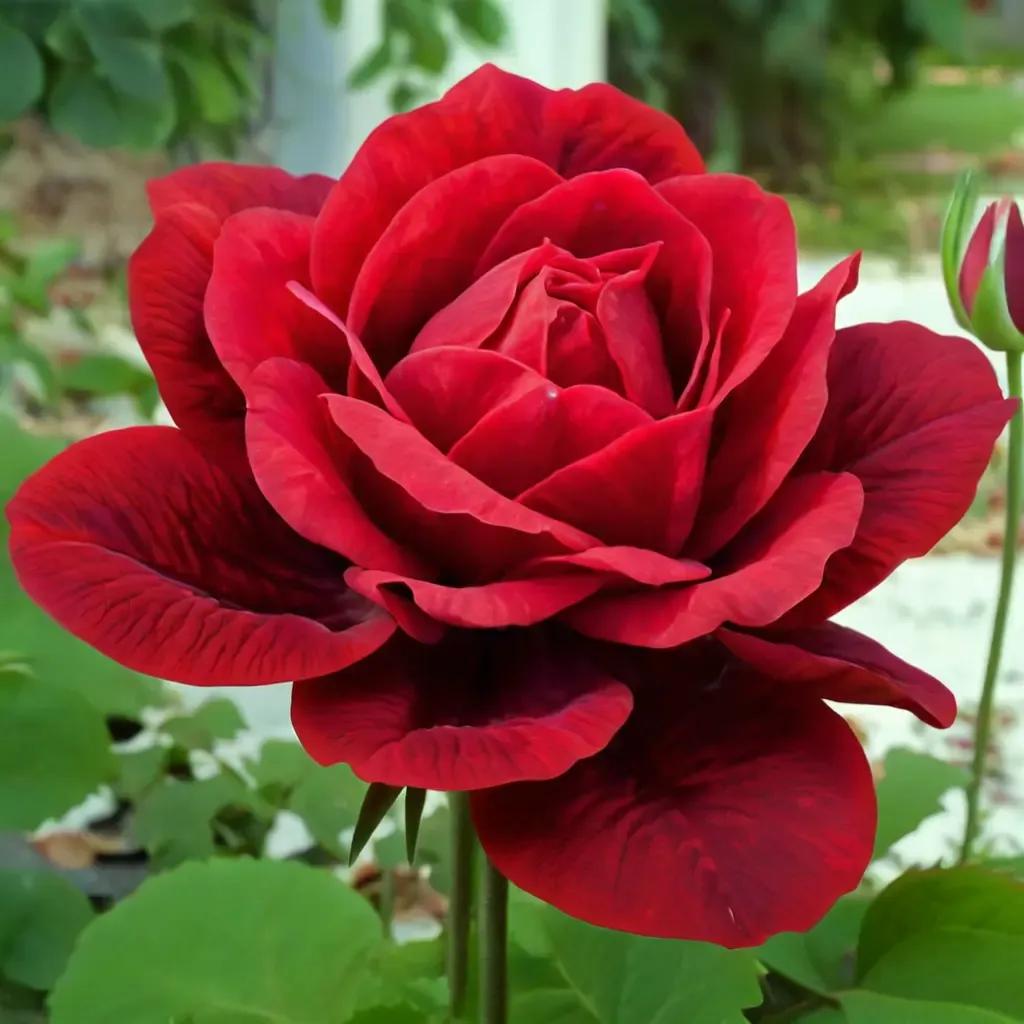 ‘Chrysler Imperial’Chrysler Imperial Rose
 ‘Chewbullseye’Eye of the Tiger Rose
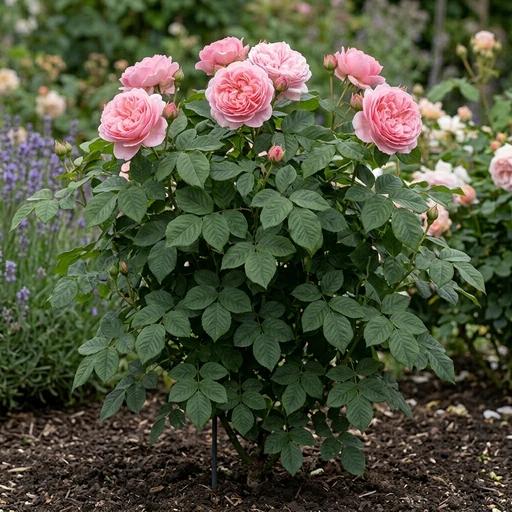 ‘Reminiscent’Reminiscent Pink Rose
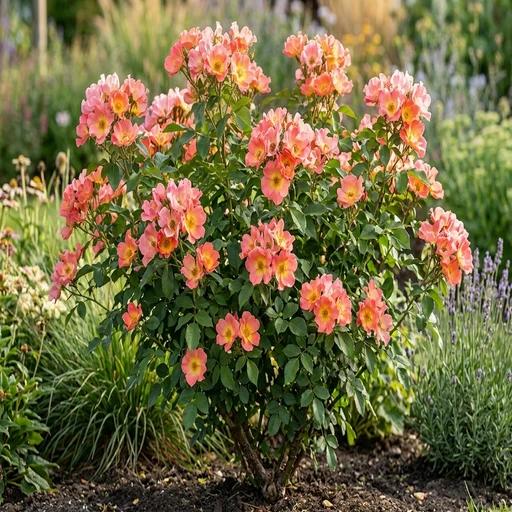 ‘Rainbow Knock Out’Rainbow Knock Out Rose
 ‘Novarospop’Novarospop Popcorn Drift Rose
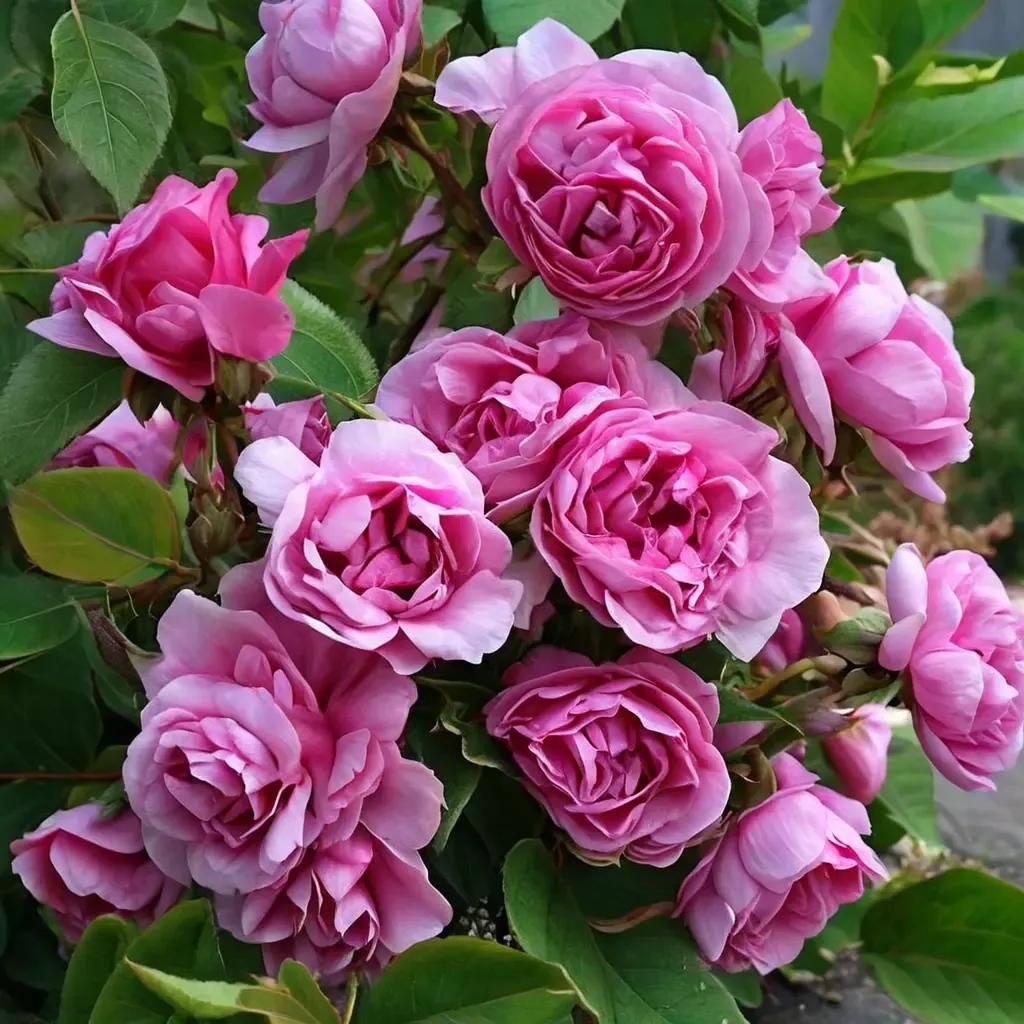 ‘Grandmother's Hat’Grandmother's Hat Rose
 ‘Meiggili’Bonica Rose
 ‘Radtko’Radtko Double Knock Out Rose
 ‘Meidevi’Meidevi Pretty Polly Pink Rose
 ‘Korbin’Korbin Iceberg Rose
 ‘Meidrifora’Coral Drift Rose
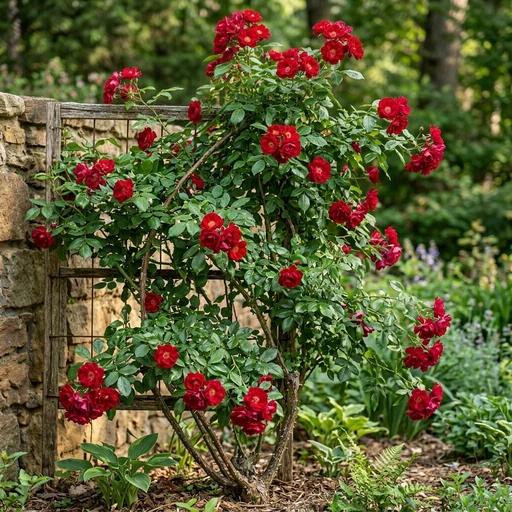 ‘Radwin’Winner's Circle Climbing Rose
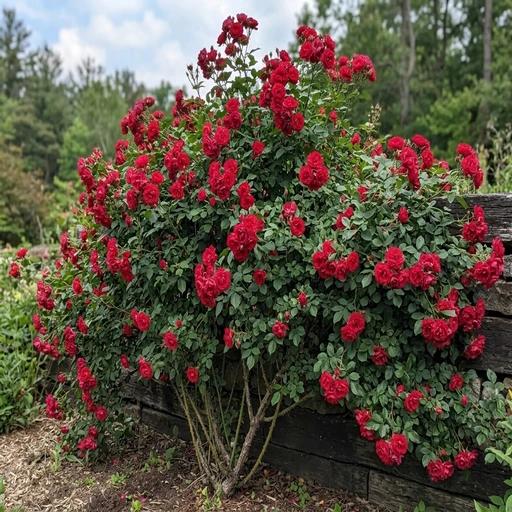 ‘Ramblin' Red’Ramblin' Red Rose
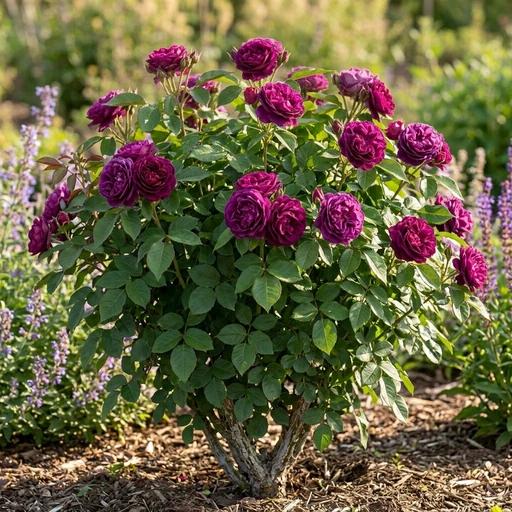 ‘Purple Prince’Brindabella Purple Prince Shrub Rose
 ‘Radgor’Radgor Rainbow Knock Out Rose
 ‘Meimirrote’Meimirrote Red Drift Rose
 ‘Meiswetdom’Meiswetdom Pretty Polly Pink Rose
 ‘Meigalpio’Meigalpio Red Drift Rose
 ‘Meijocos’Meijocos Apricot Drift Rose
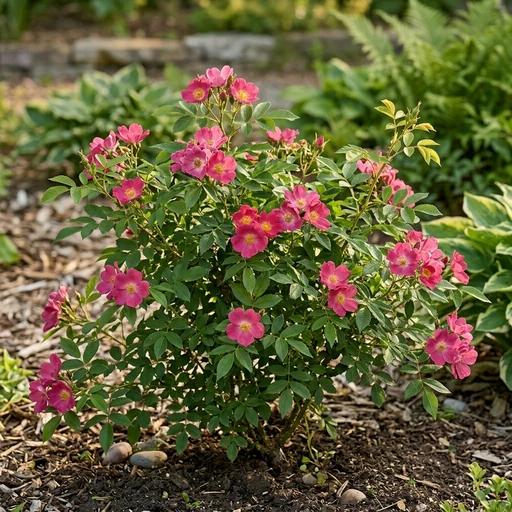 ‘Nearly Wild’Nearly Wild Rose
 ‘Meizorland’Meizorland White Meidiland Rose
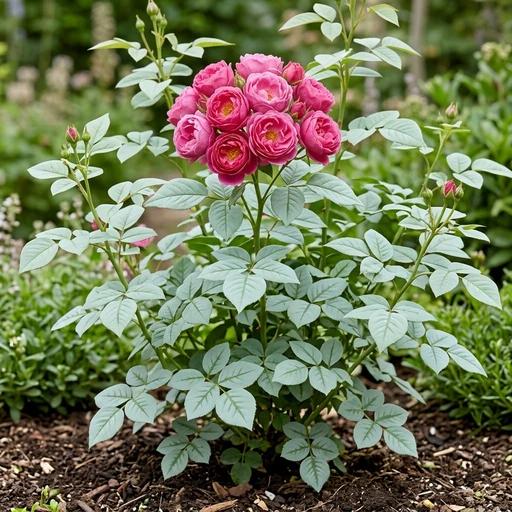 ‘Raspberry Cupcake’Raspberry Cupcake Rose
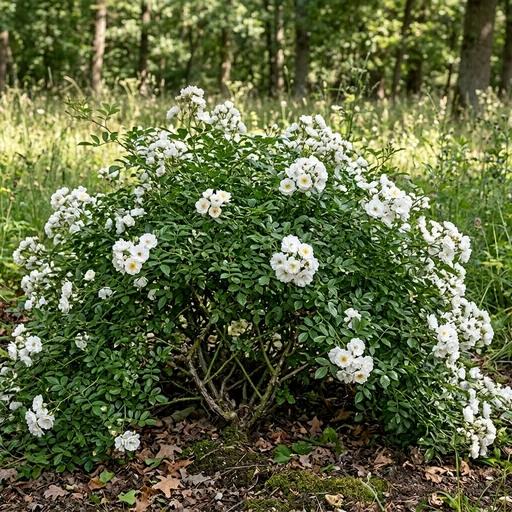 ‘Flower Carpet White’Flower Carpet White Rose
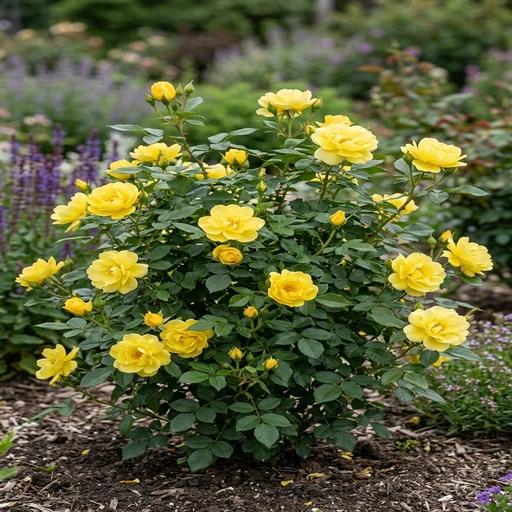 ‘Chewhocan’Chewhocan Oso Easy Lemon Zest Rose
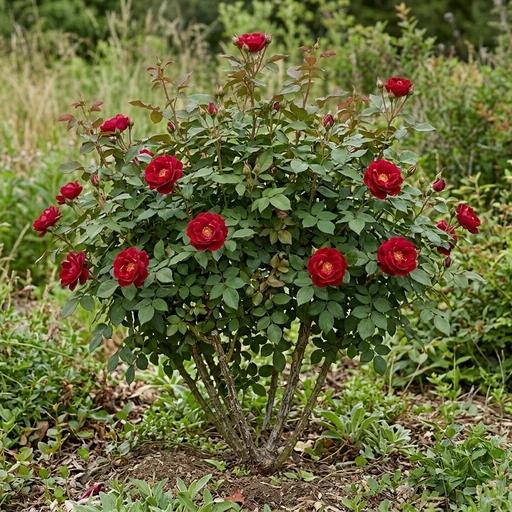 ‘Top Gun’Top Gun Rose
 ‘Radwhite’White Out Rose
 ‘Meisentmil’Meisentmil Francis Meilland Rose
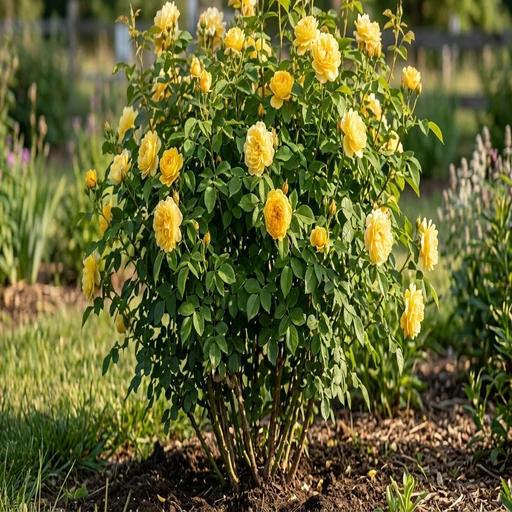 ‘High Voltage’Easy Elegance High Voltage Rose
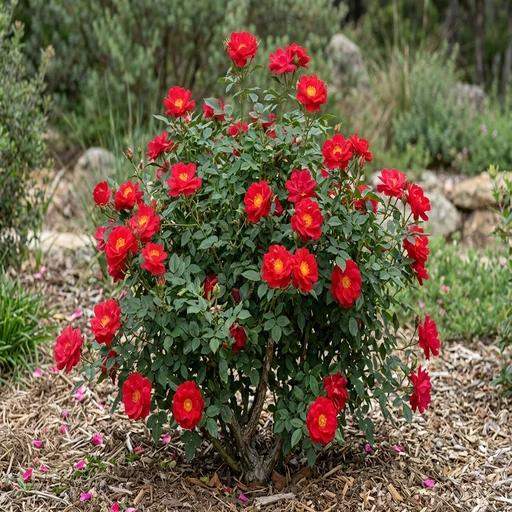 ‘Urban Legend’Urban Legend Rose
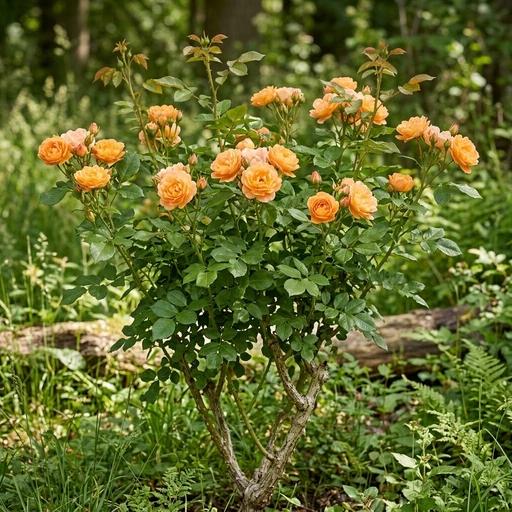 ‘Livin' Easy’Livin' Easy Rose
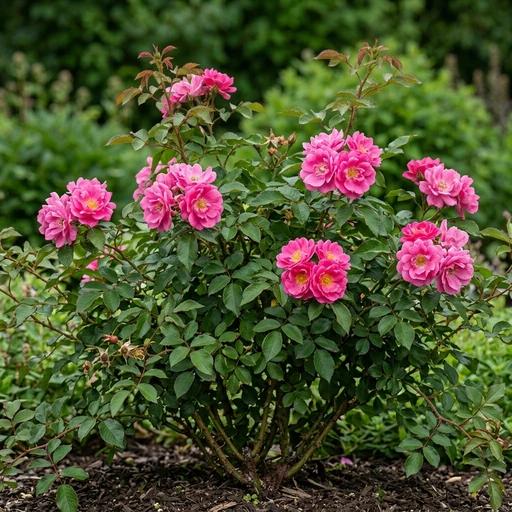 ‘Flower Carpet Pink Supreme’Flower Carpet Pink Supreme Rose
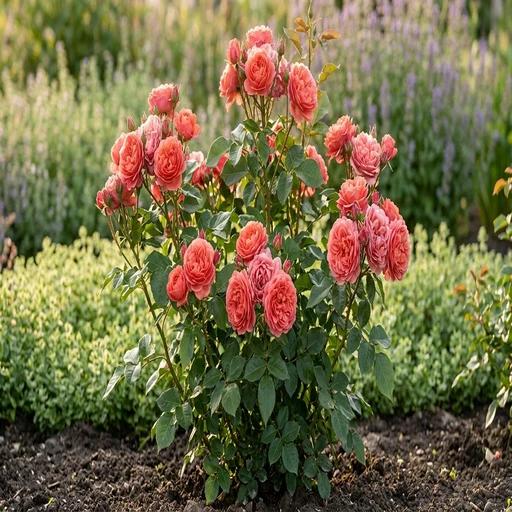 ‘Reminiscent Coral’Reminiscent Coral Rose
 ‘Srpylwko’Gilded Sun Rose
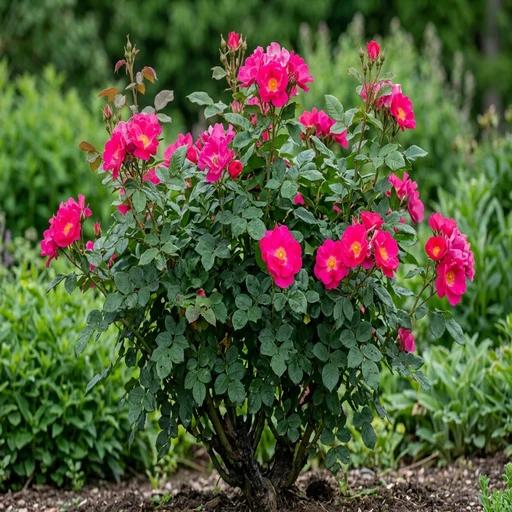 ‘Pink Brick House’Pink Brick House Rose
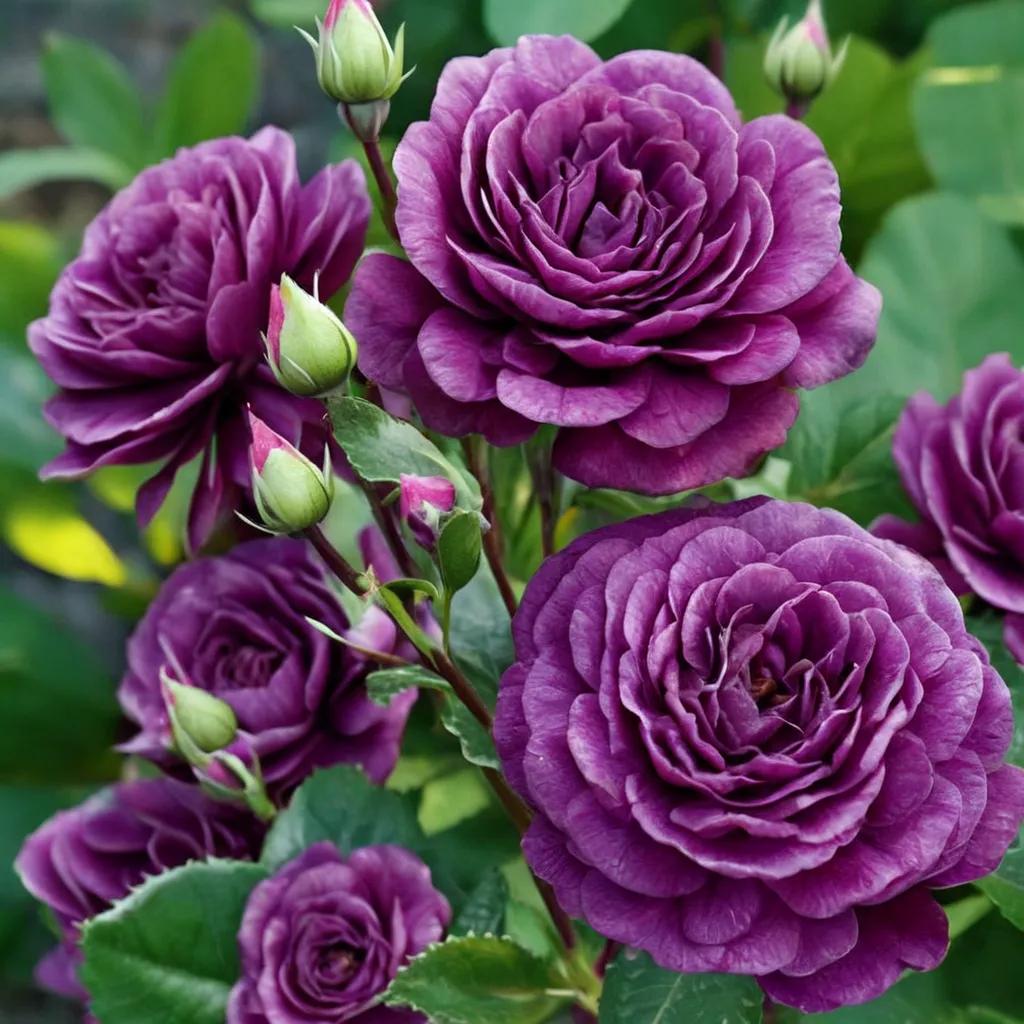 ‘Ebb Tide’Ebb Tide Rose
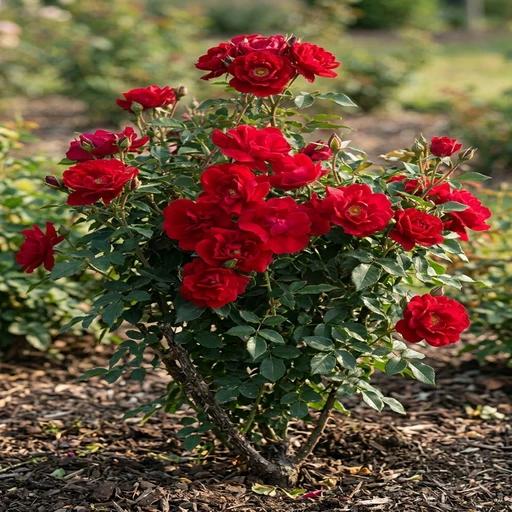 ‘Brick House’Brick House Rose
 ‘Meipeporia’Oso Easy Double Red Rose
 ‘Wekvossutono’Wekvossutono Julia Child Rose
 ‘Radral’Radral Coral Knock Out Rose
 ‘Meizorland’White Drift Rose
 ‘Baimir’Miracle on the Hudson Rose
 ‘Meifranjin’The Pink Traviata Rose
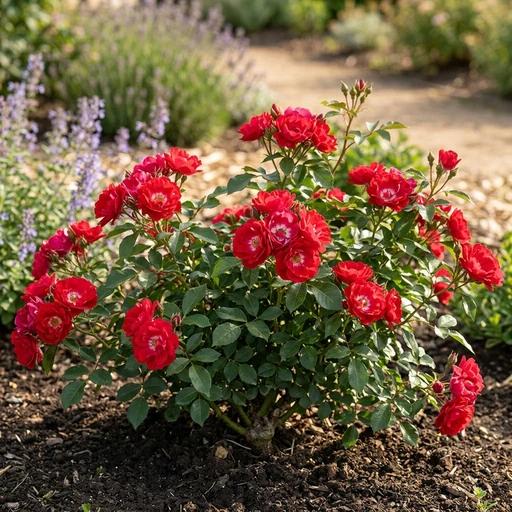 ‘Flower Carpet Scarlet’Flower Carpet Scarlet Rose
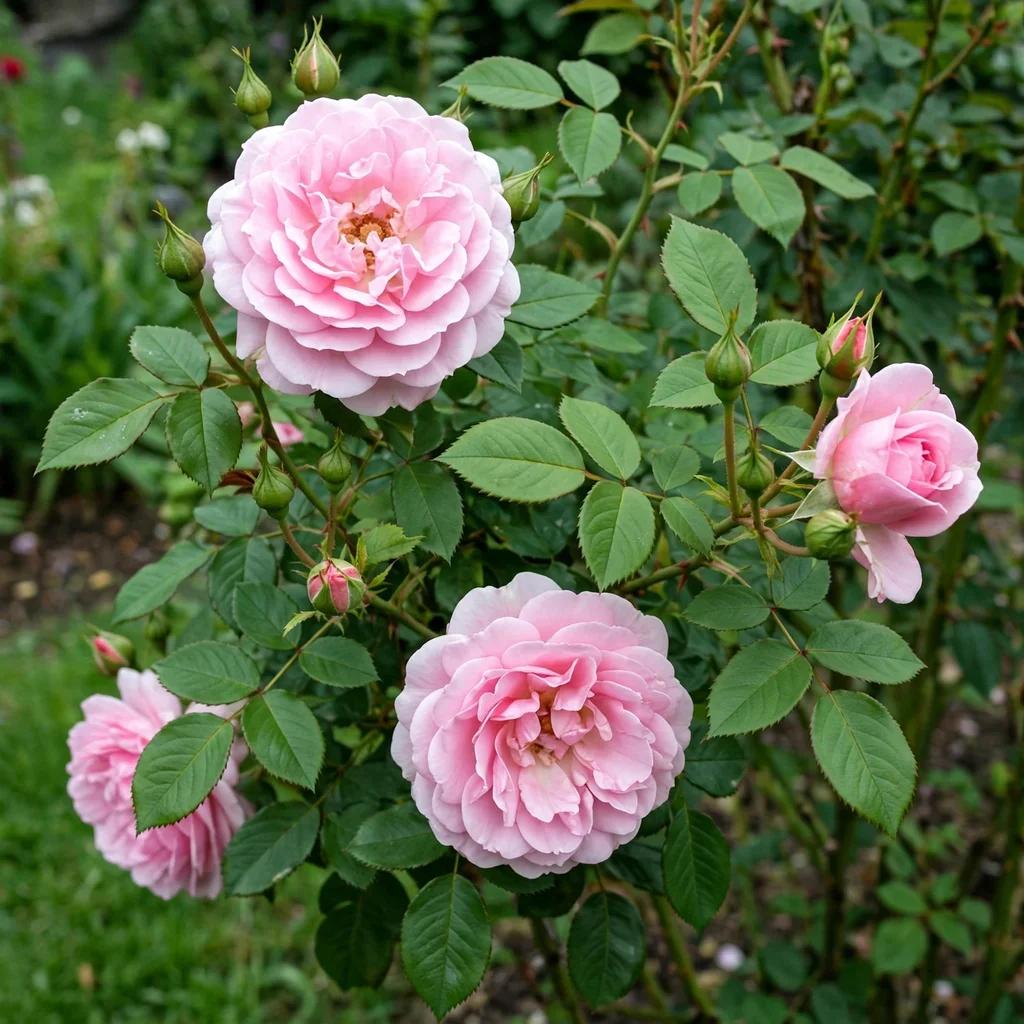 ‘Gay Princess’Gay Princess Rose
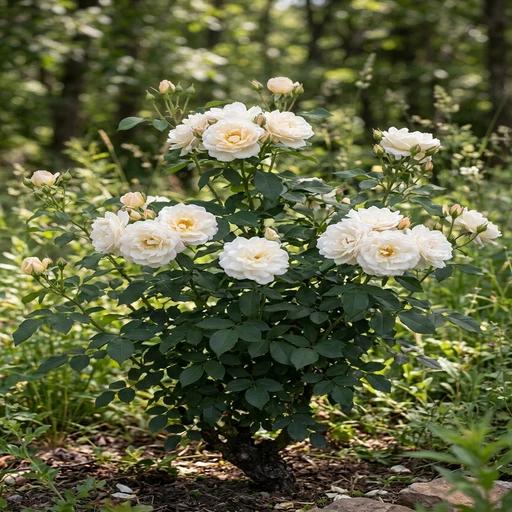 ‘Champagne Wishes’Easy Elegance Champagne Wishes Rose
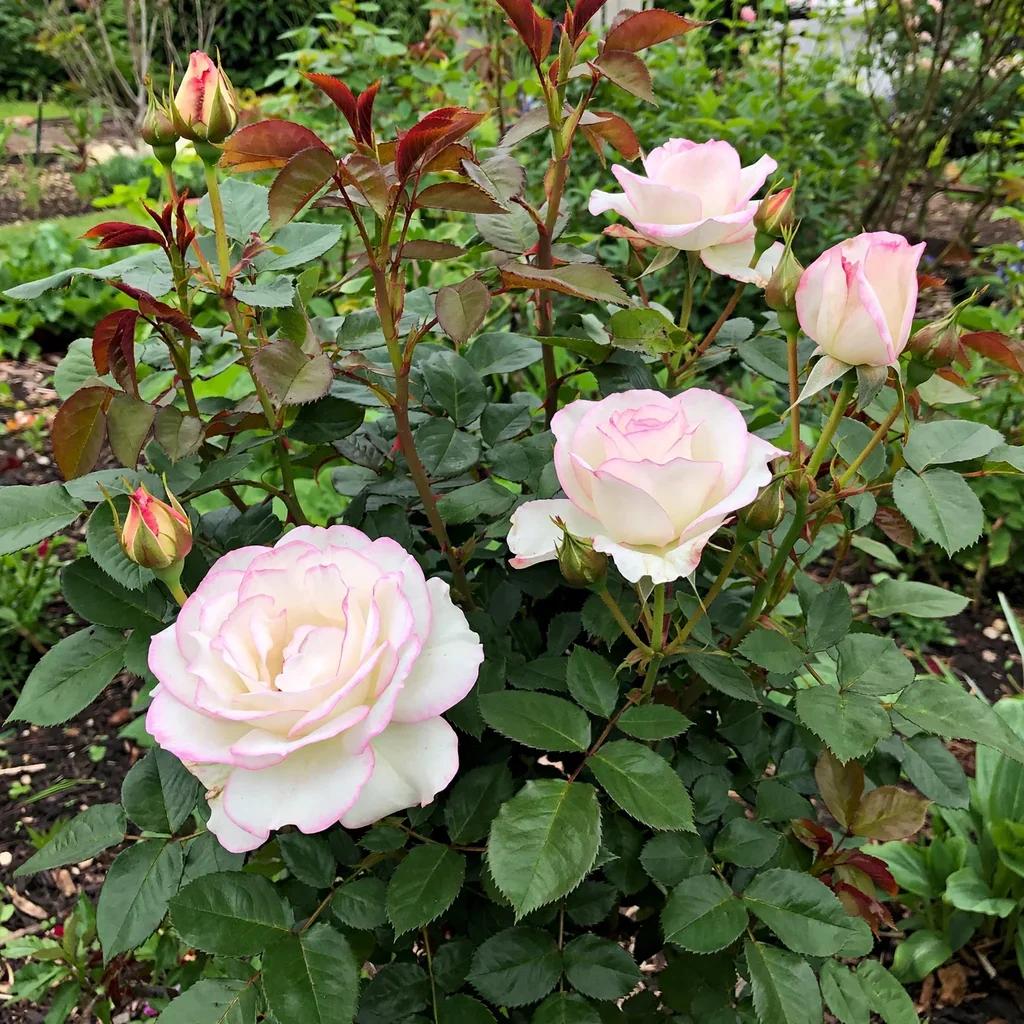 ‘Moonstone’Moonstone Rose
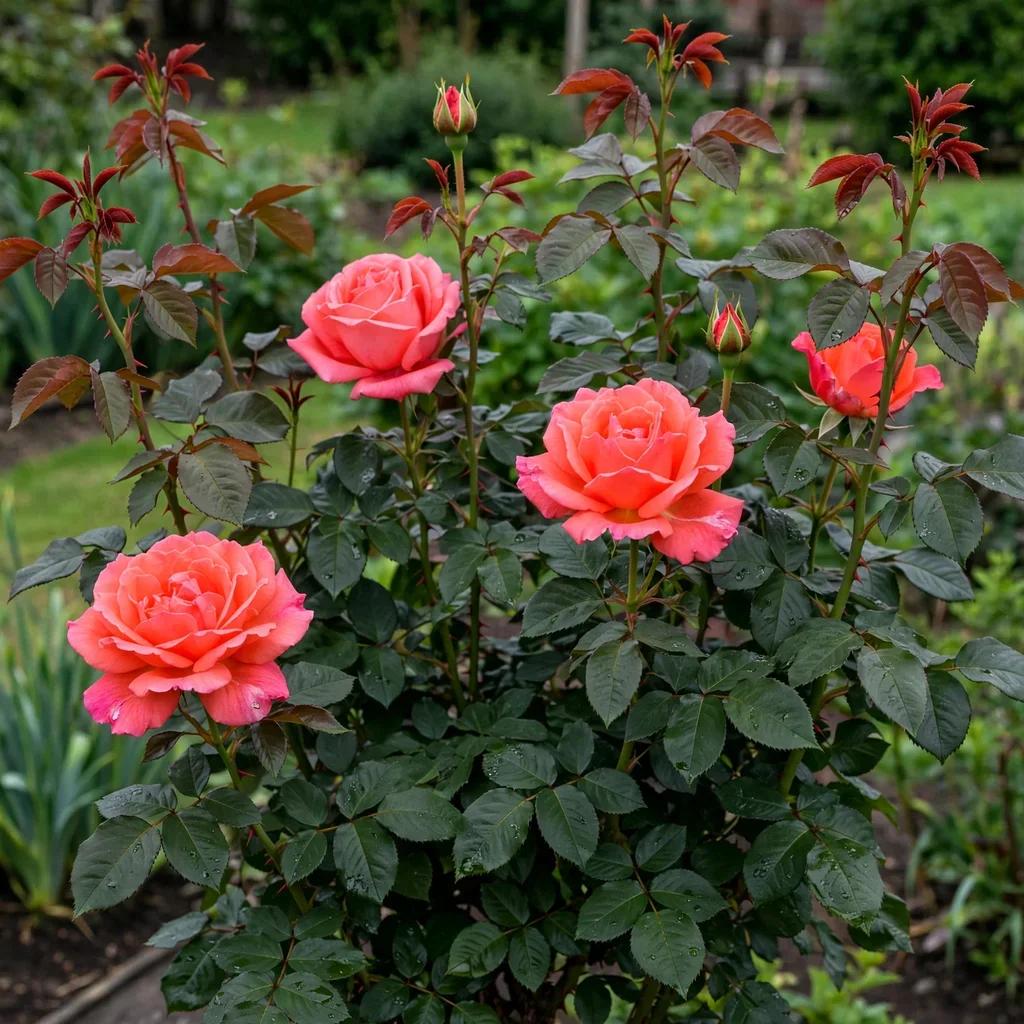 ‘Tropicana’Tropicana Rose
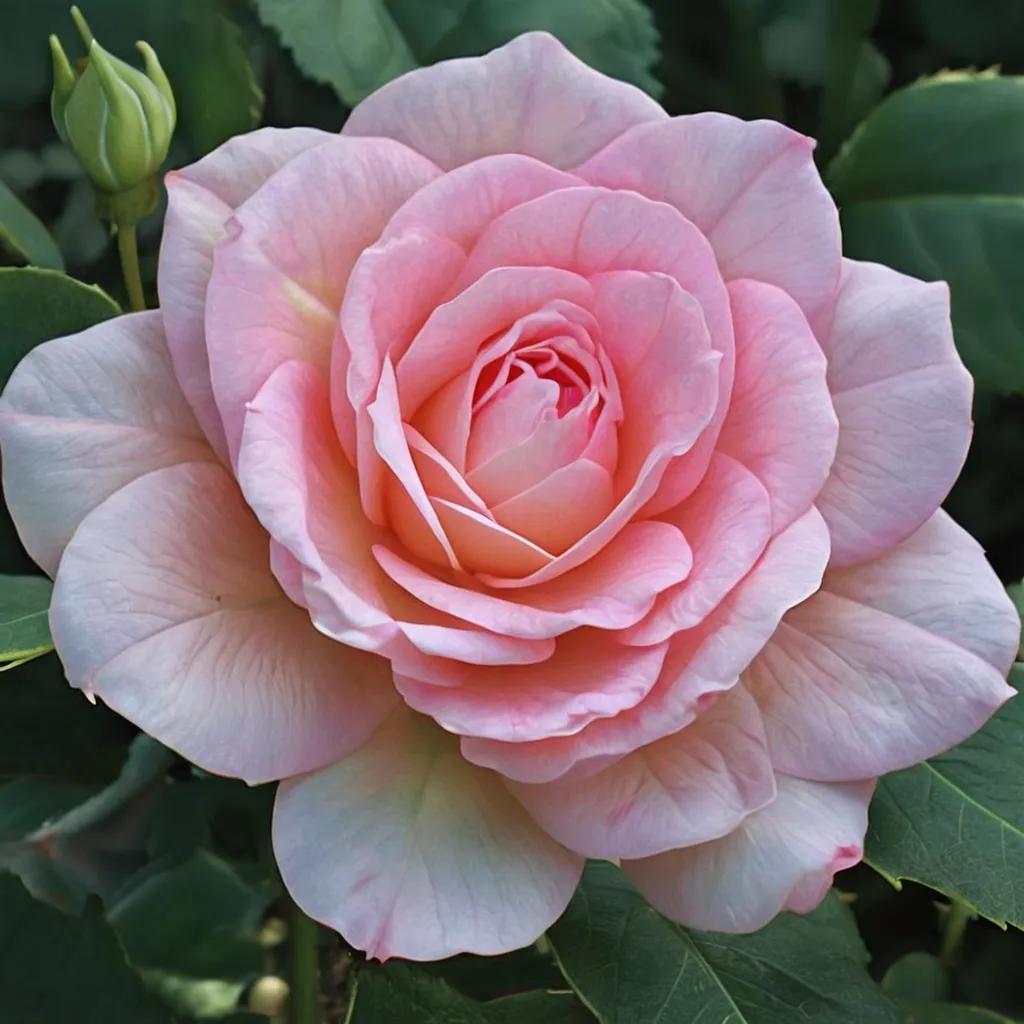 ‘Falling In Love’Falling In Love Rose
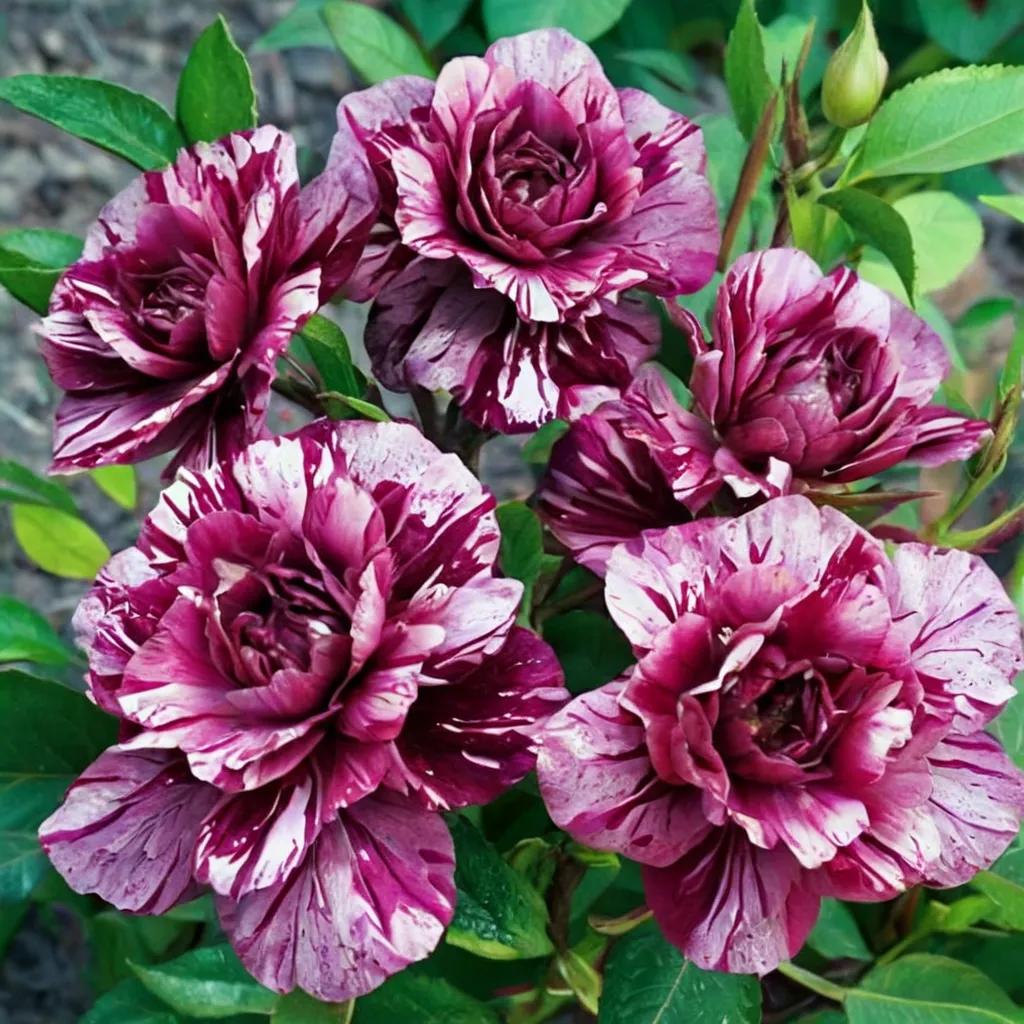 ‘Purple Tiger’Purple Tiger Rose
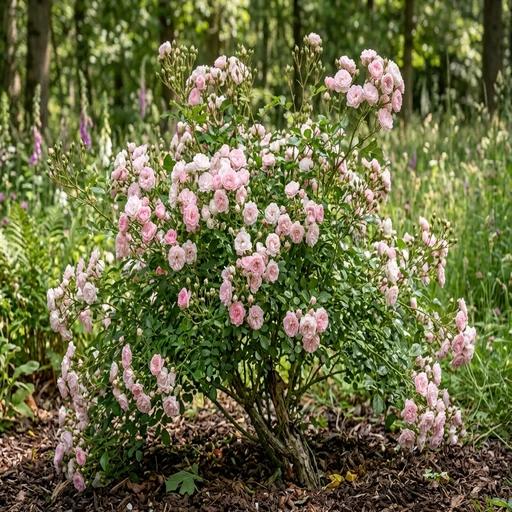 ‘The Fairy’The Fairy Rose
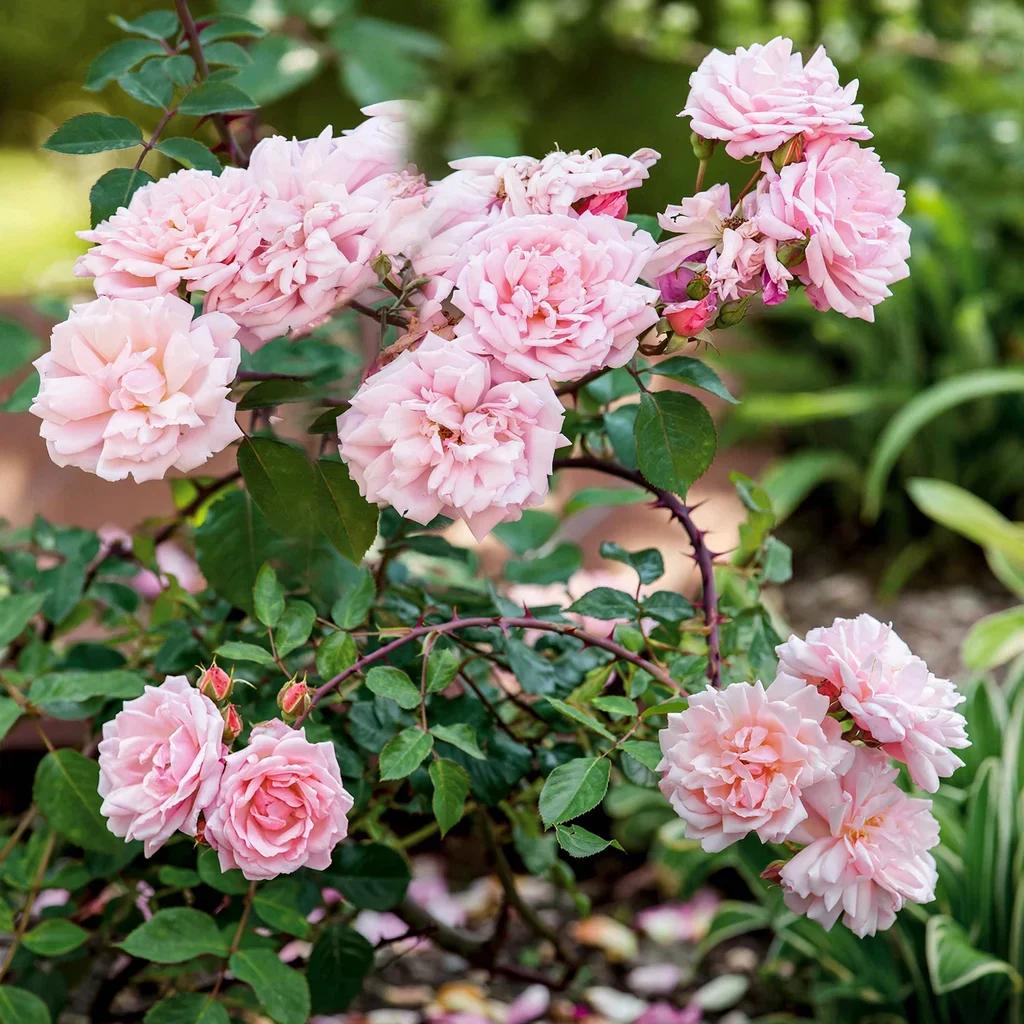 ‘Albertine’Albertine Rose
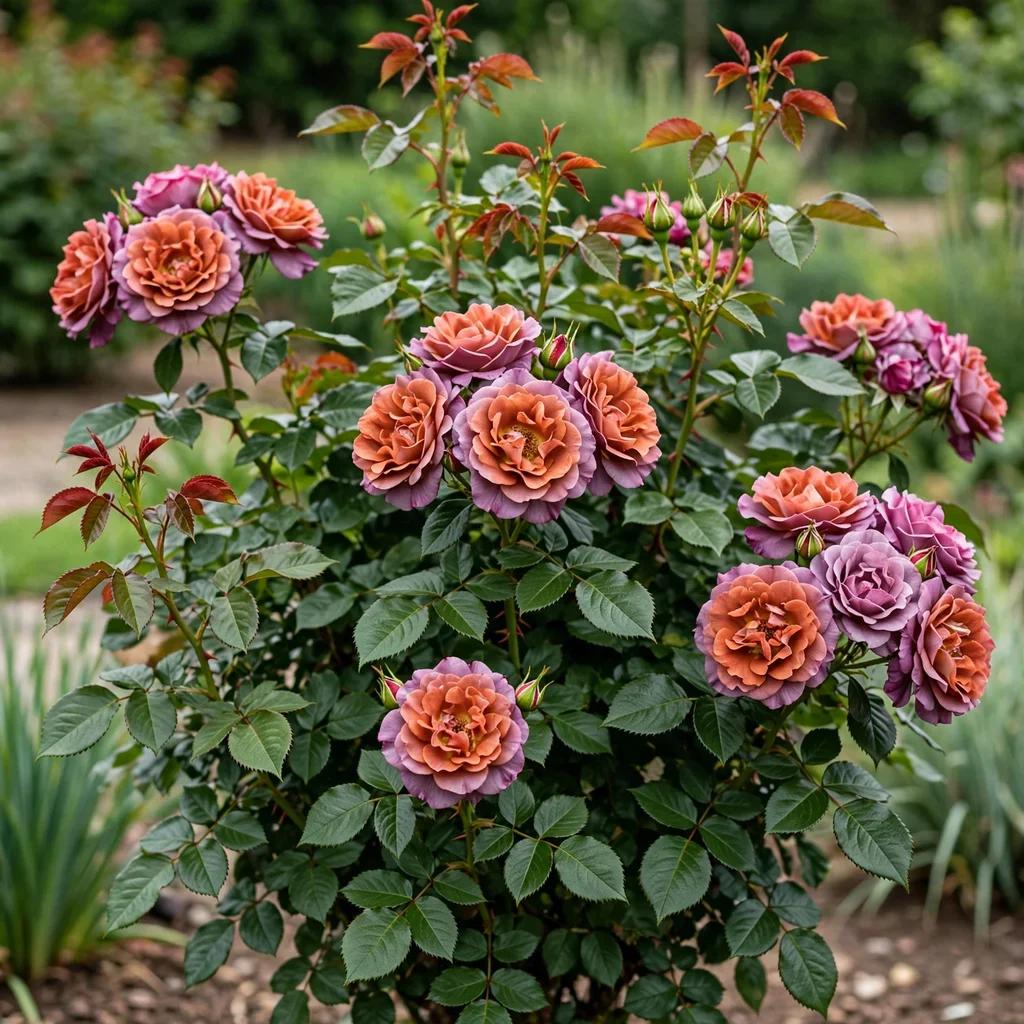 ‘Cinco de Mayo’Cinco de Mayo Rose
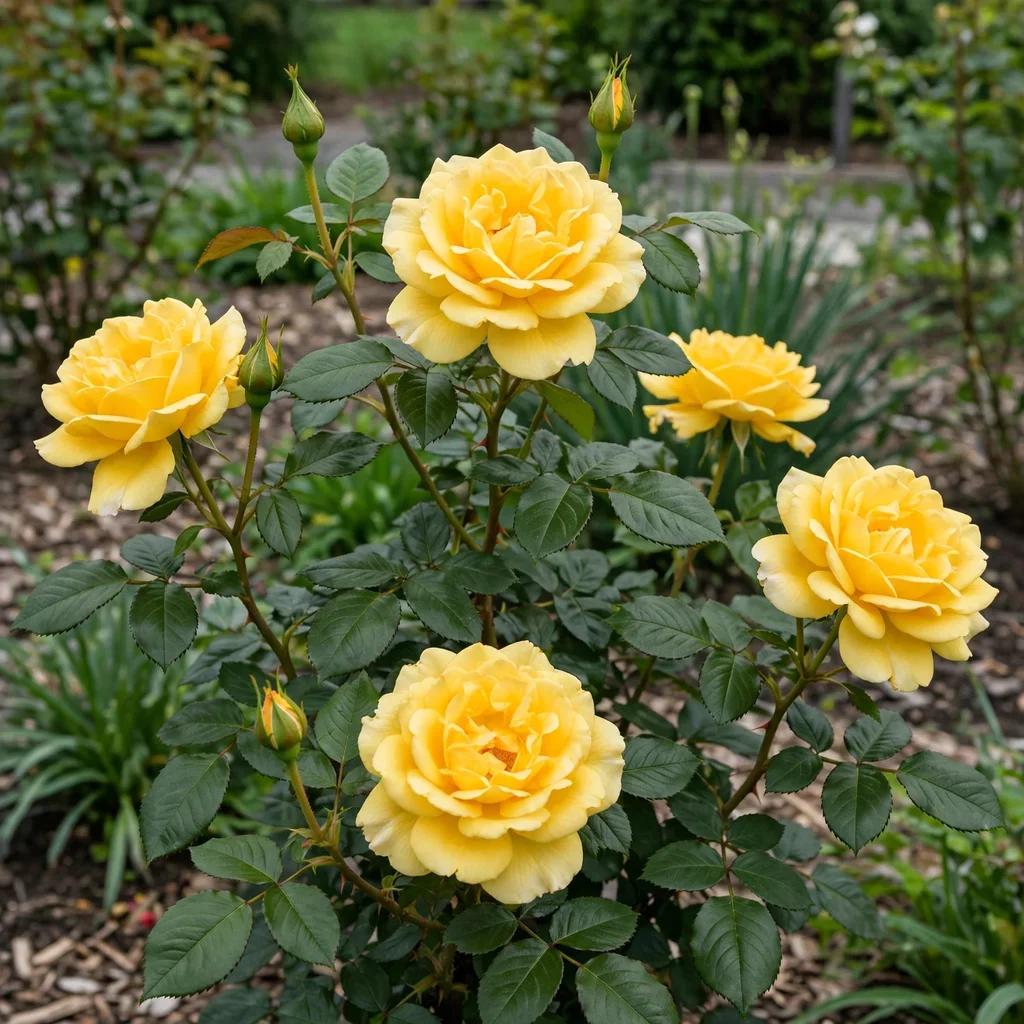 ‘Jumbo Radiant Perfume’Radiant Perfume Rose
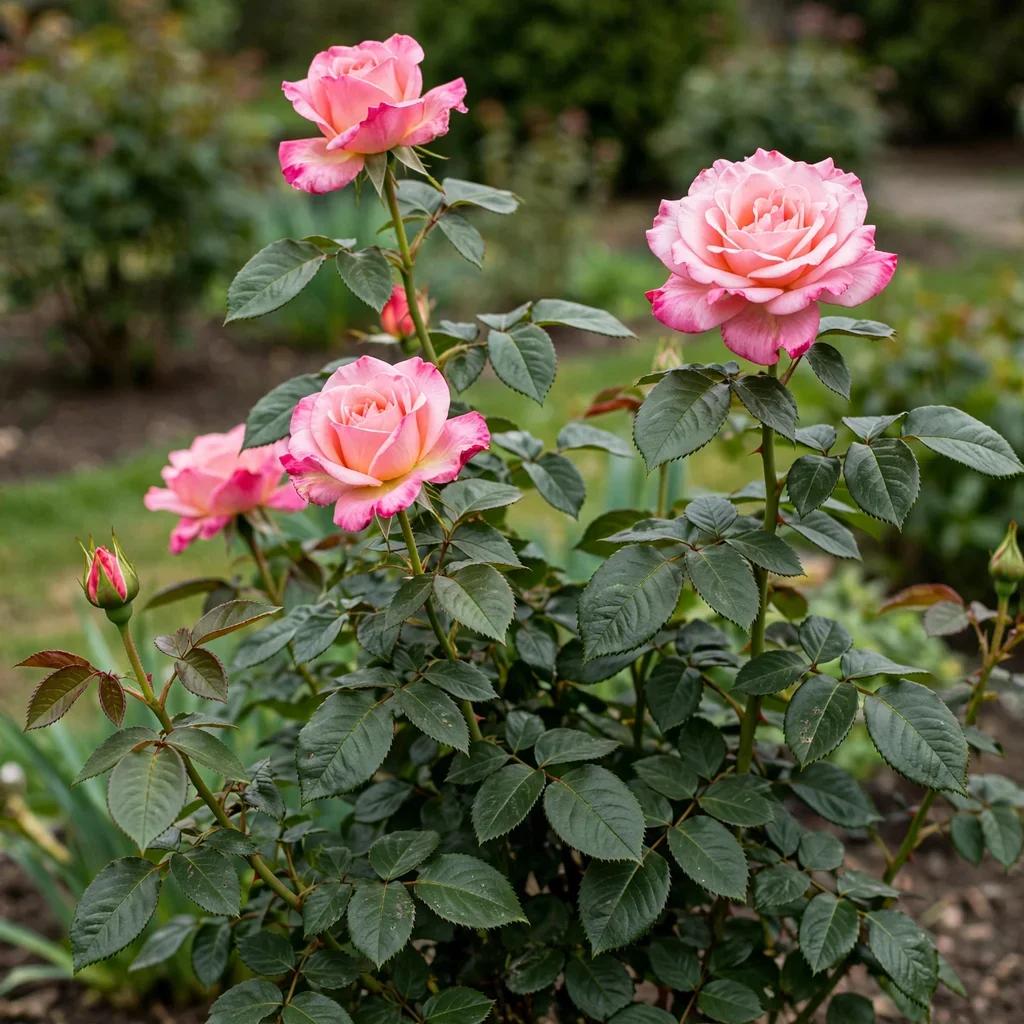 ‘Jumbo First Prize’Jumbo First Prize Rose
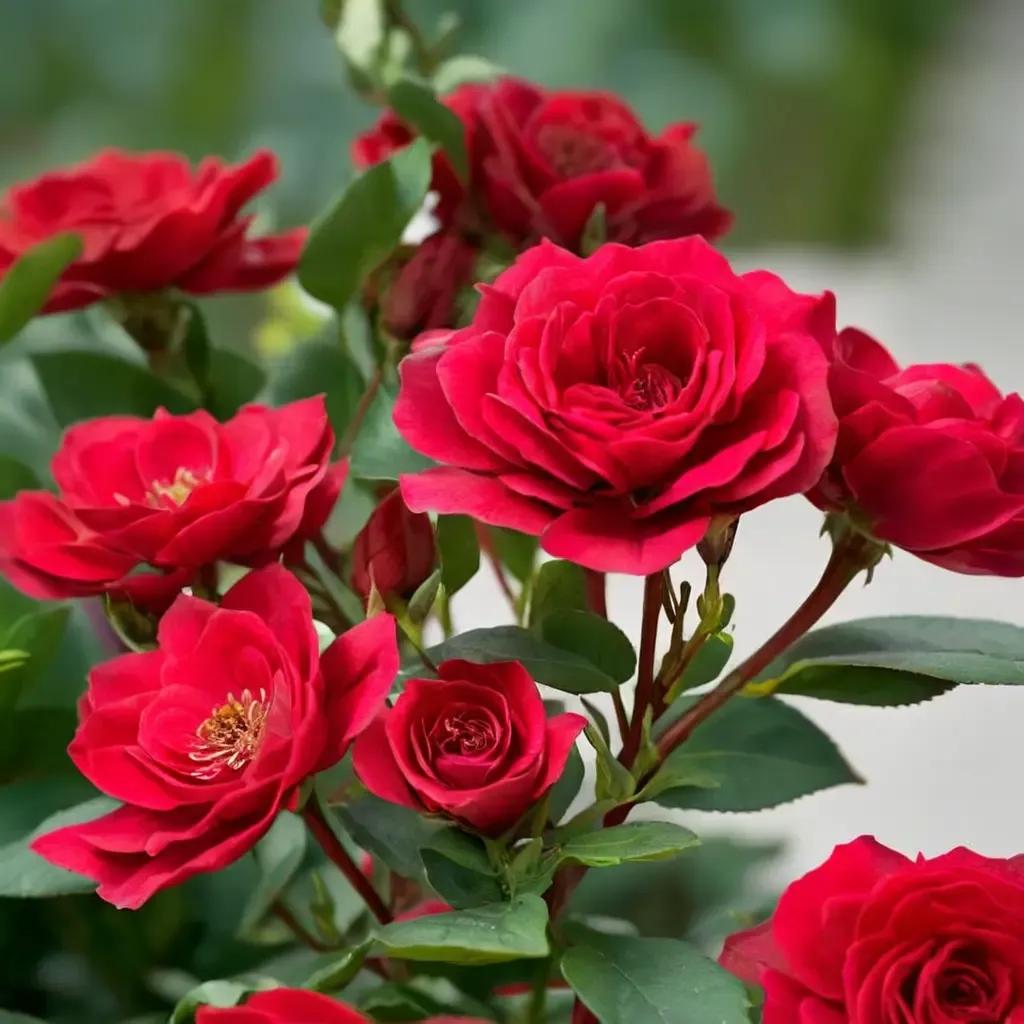 ‘Red Freedom’Red Freedom Rose
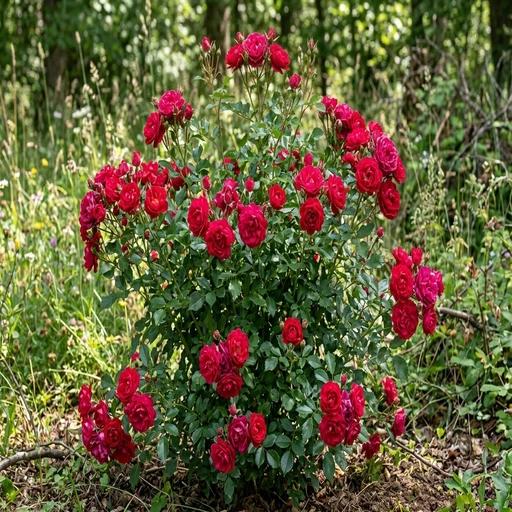 ‘Fire Meidiland’Fire Meidiland Rose
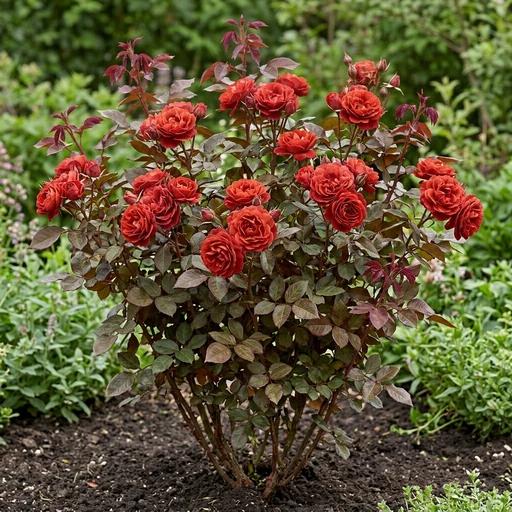 ‘Cinnamon Hearts’Cinnamon Hearts Rose
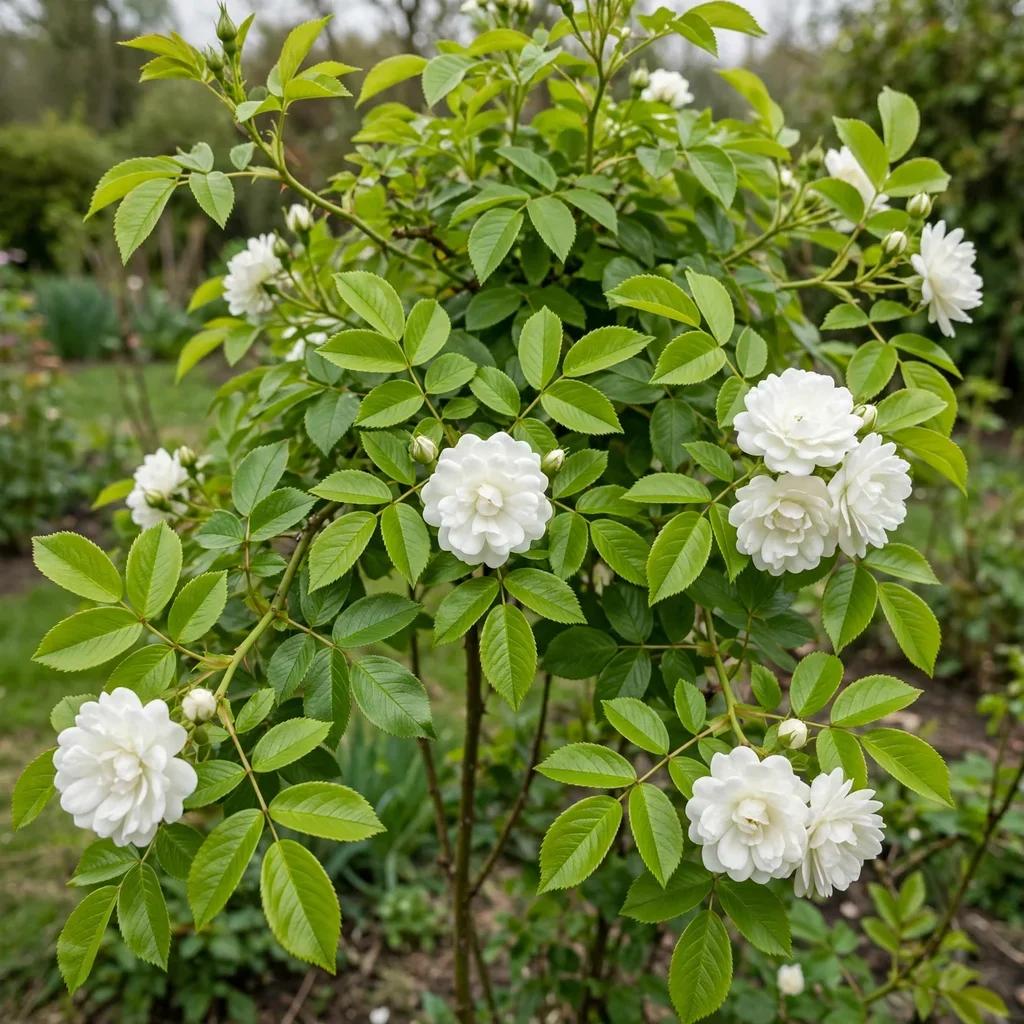 ‘Fortuniana’Fortuniana Rose
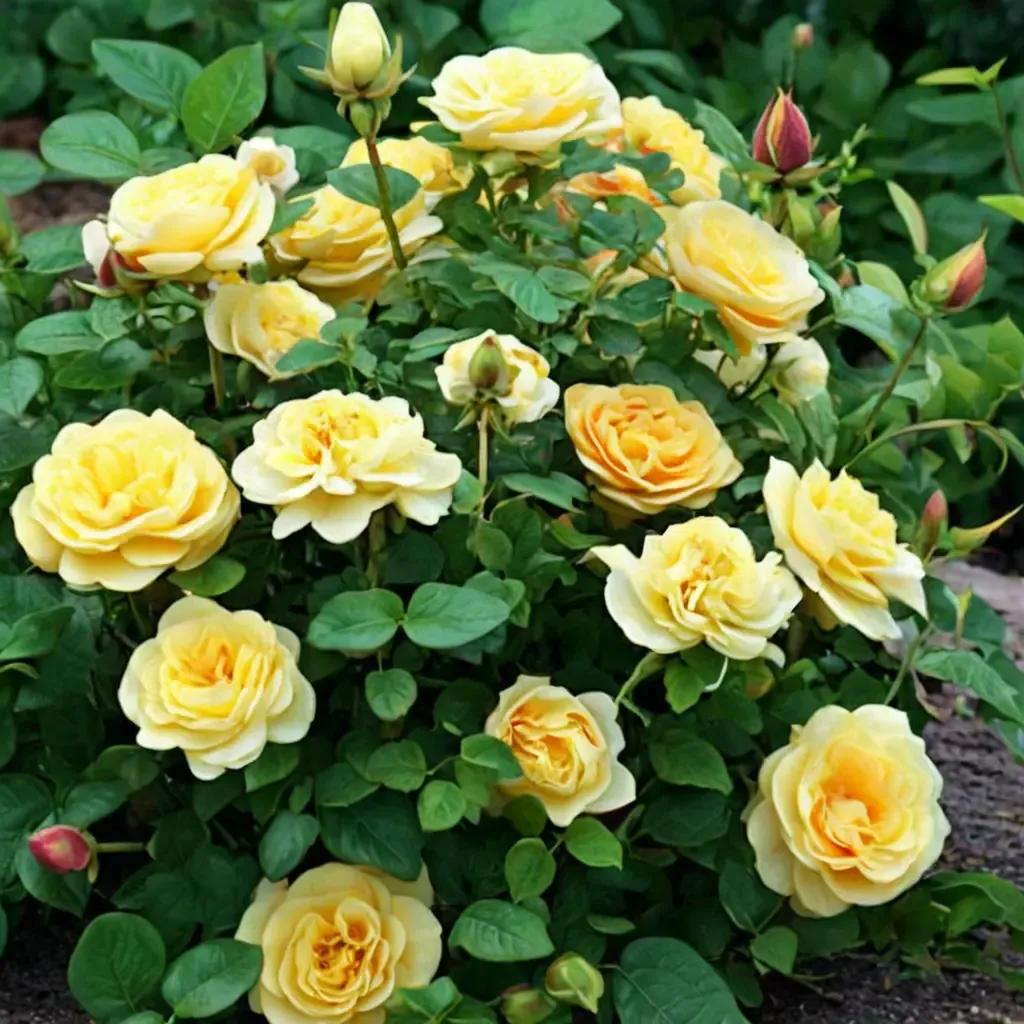 ‘Charles Darwin’Charles Darwin Rose
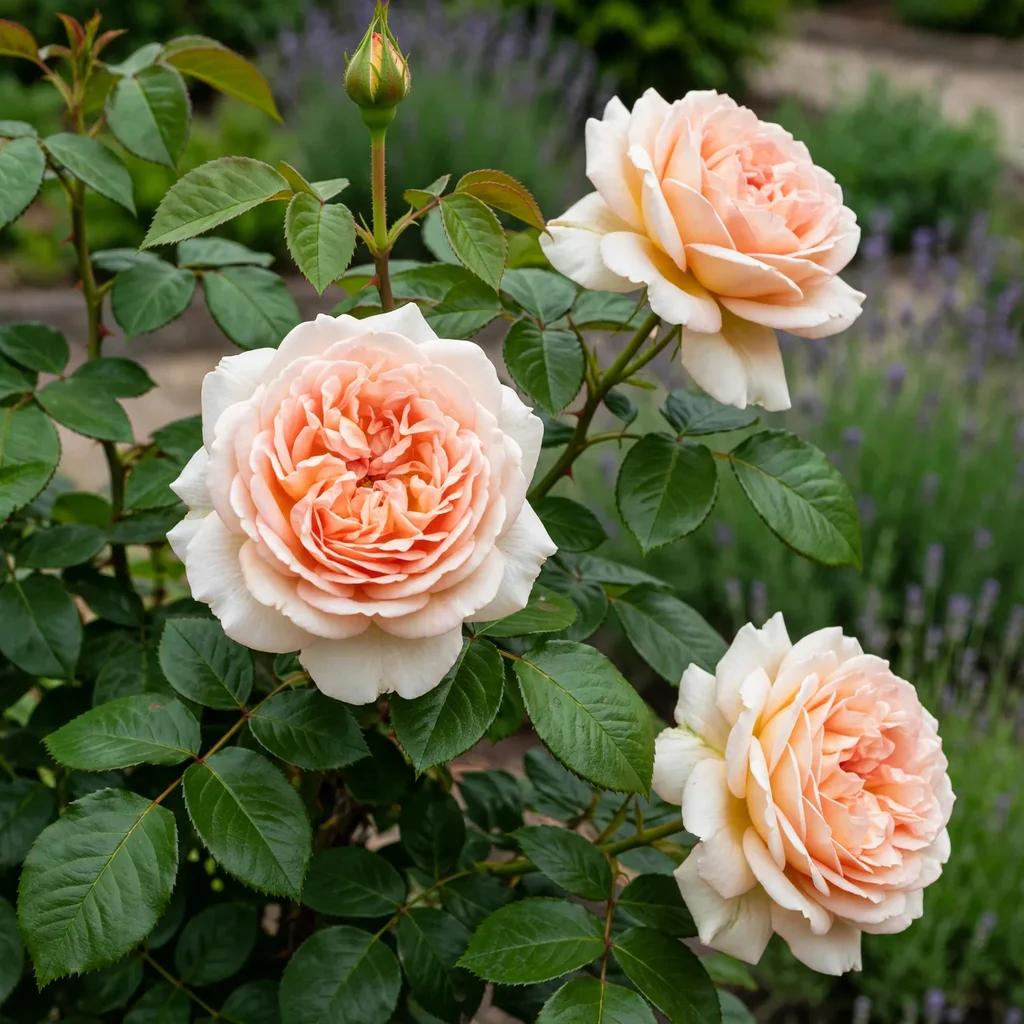 ‘Lady Capri’Lady Capri Hybrid Tea Rose
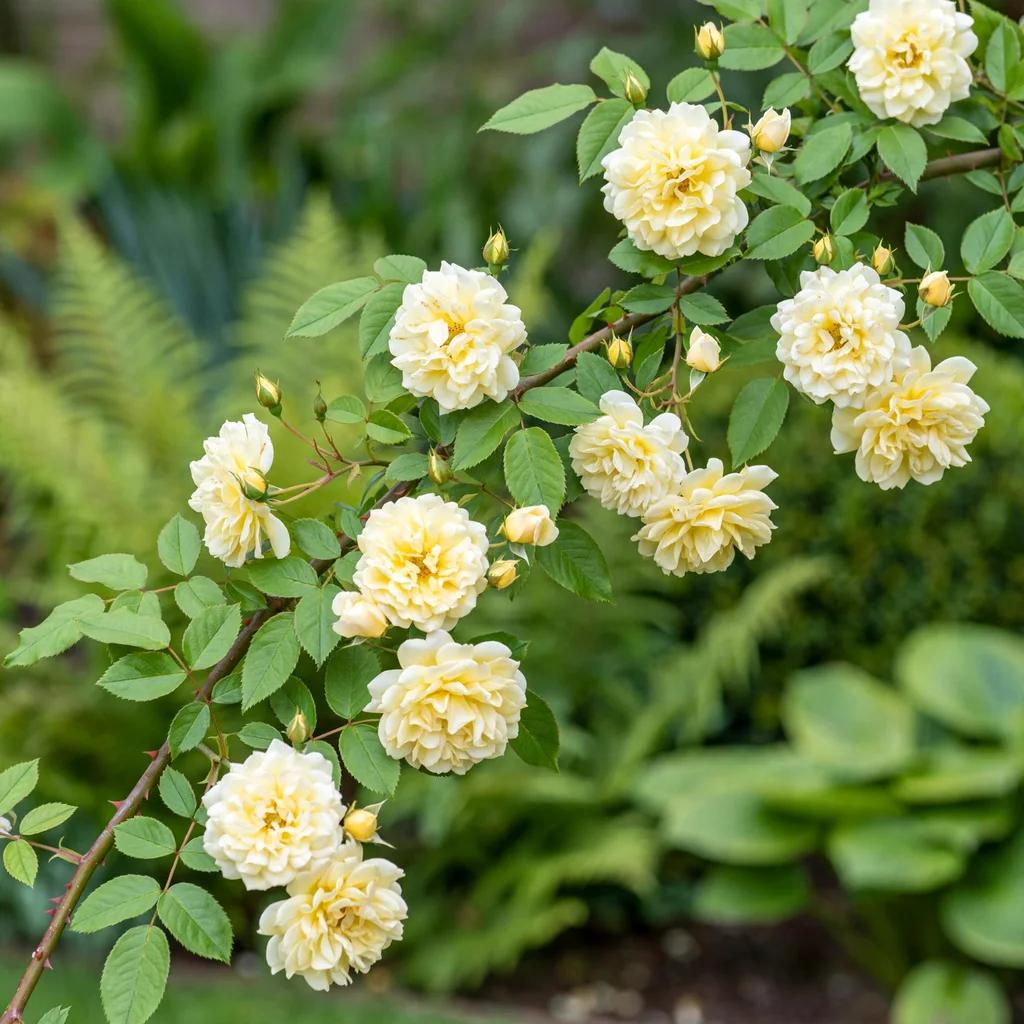 ‘Malvern Hills’Malvern Hills English Rambling Rose
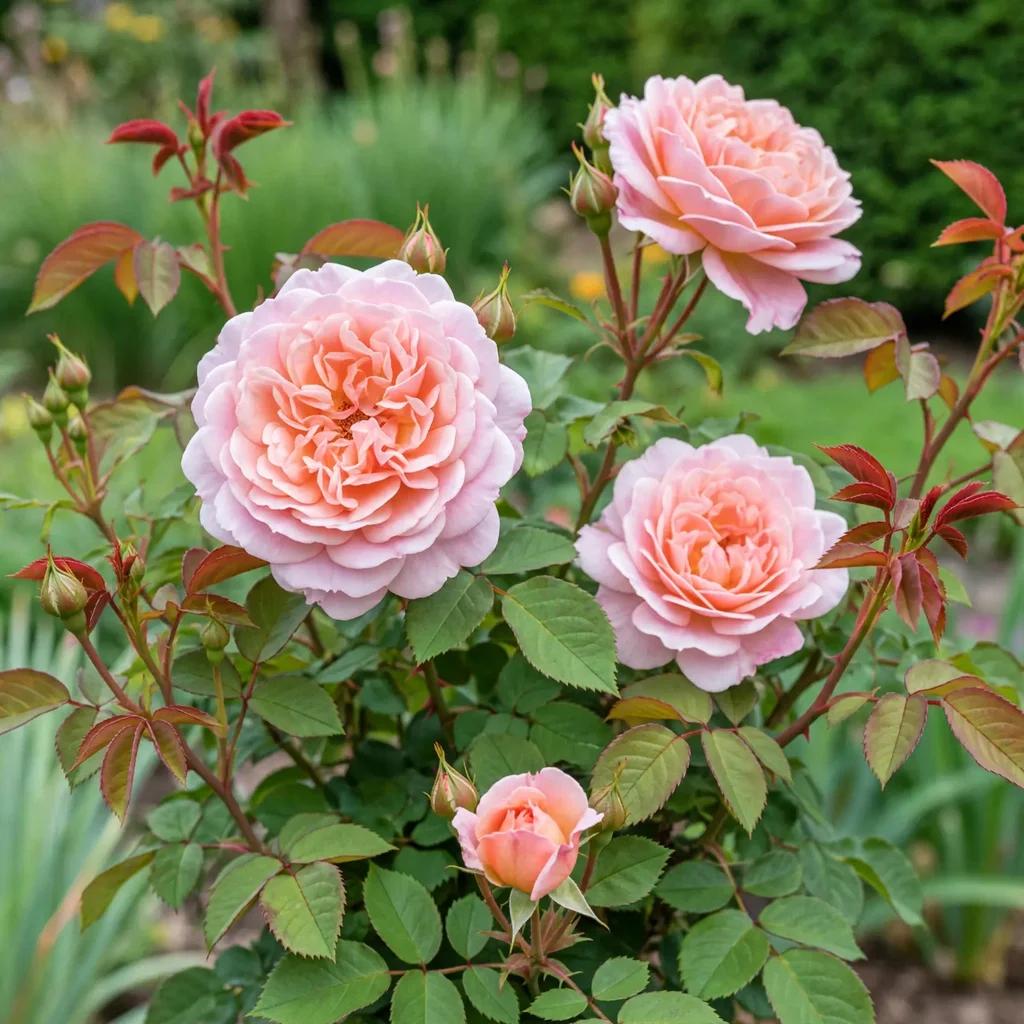 ‘Eustacia Vye’Eustacia Vye English Shrub Rose
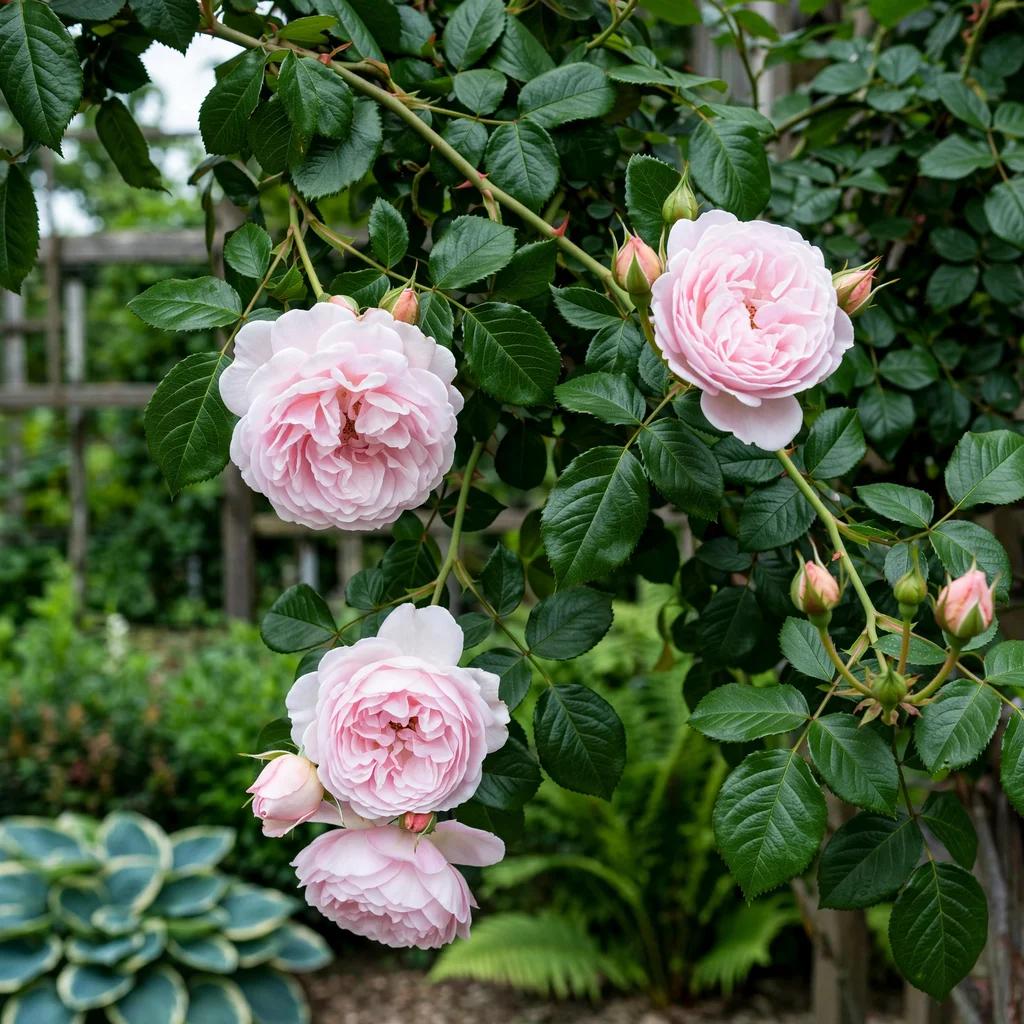 ‘The Generous Gardener’The Generous Gardener English Rose
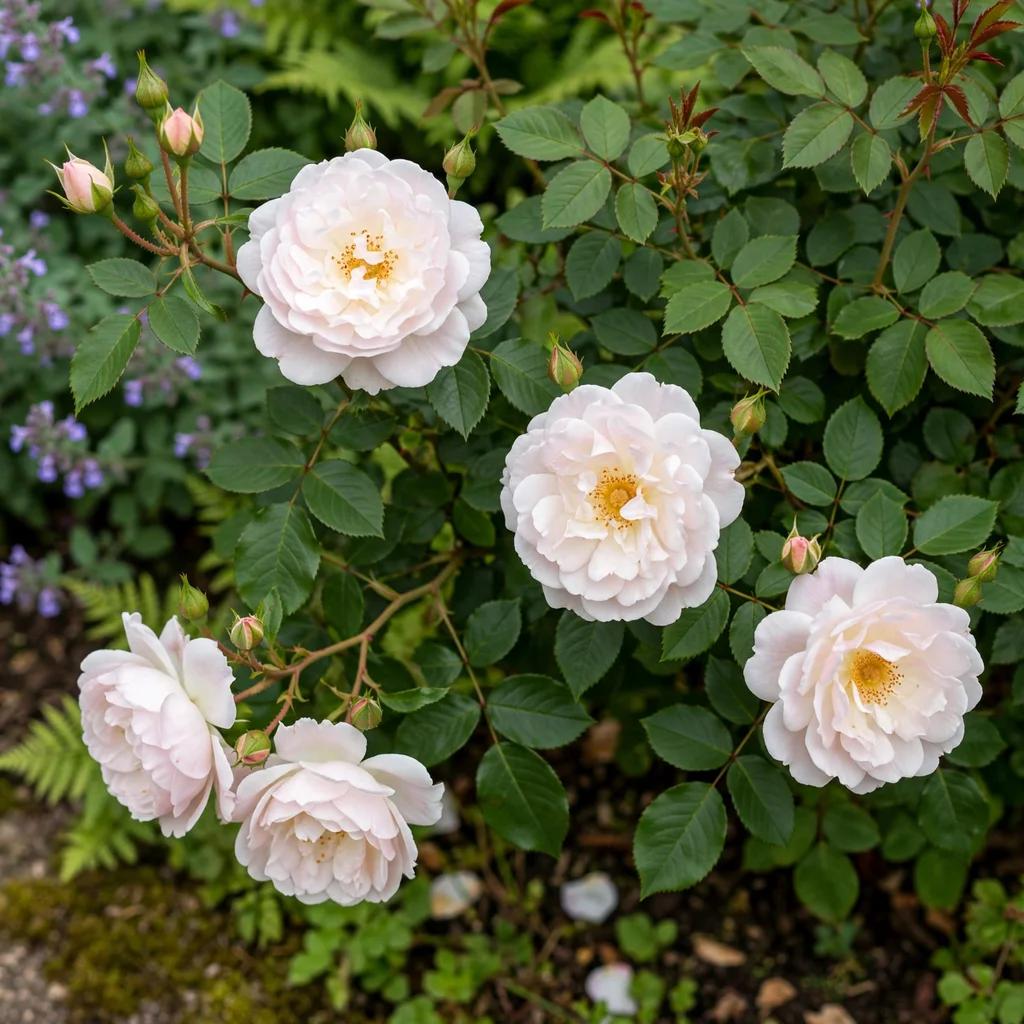 ‘Desdemona’Desdemona Rose
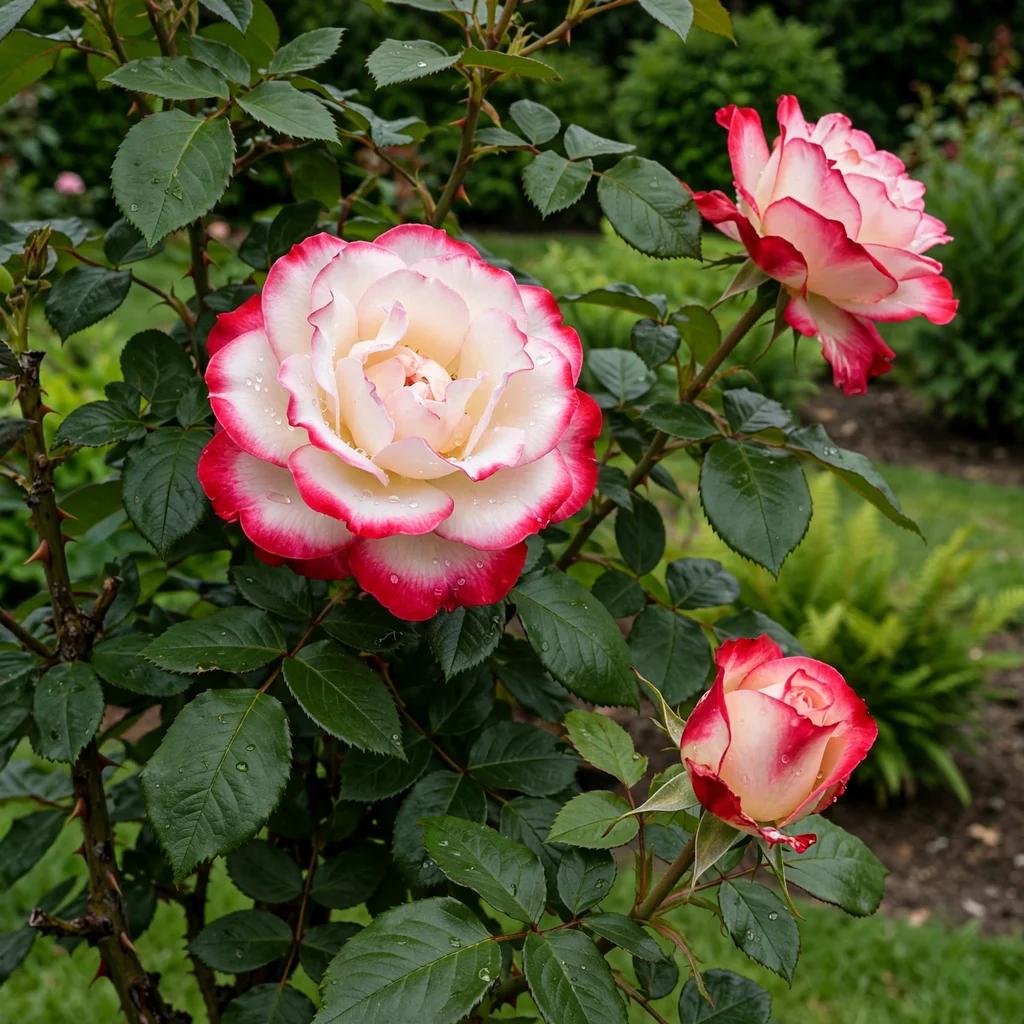 ‘Nostalgie’Nostalgie Rose
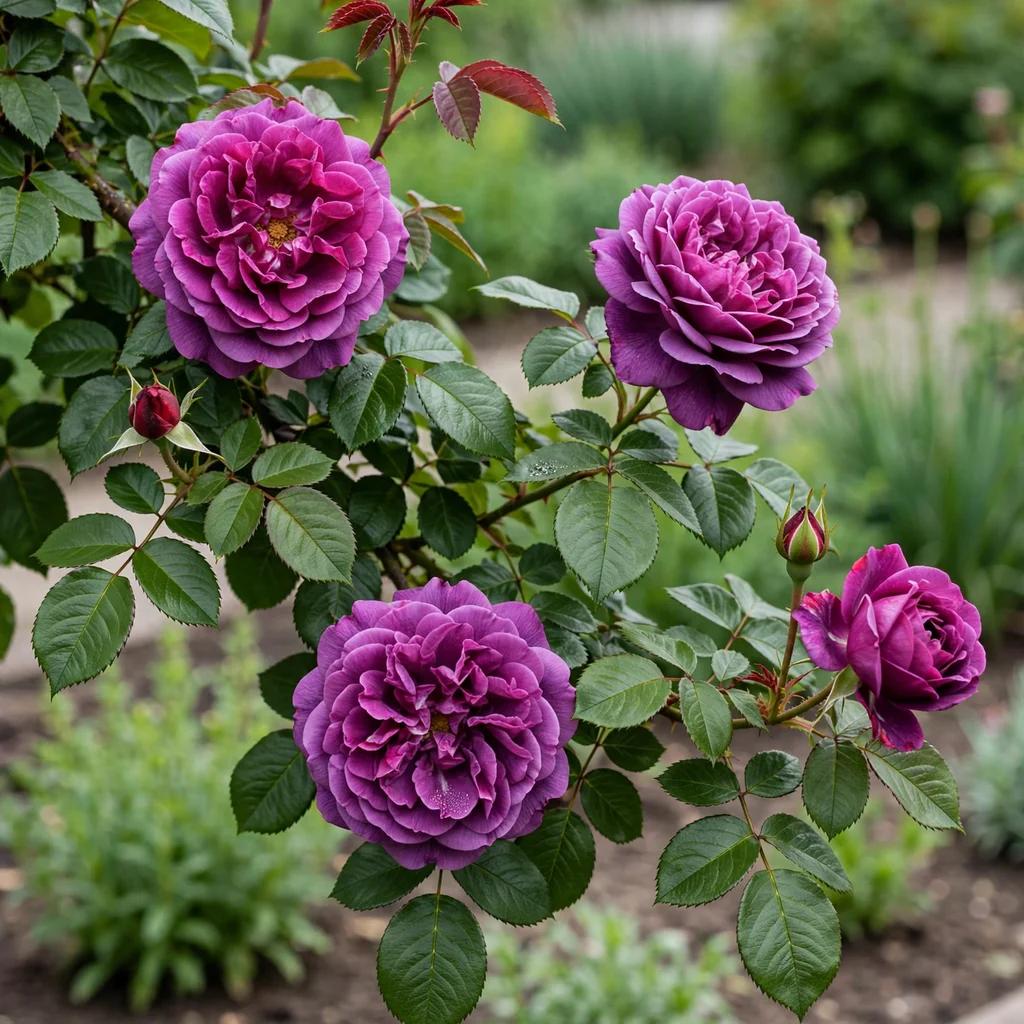 ‘Soul’Soul shrub rose
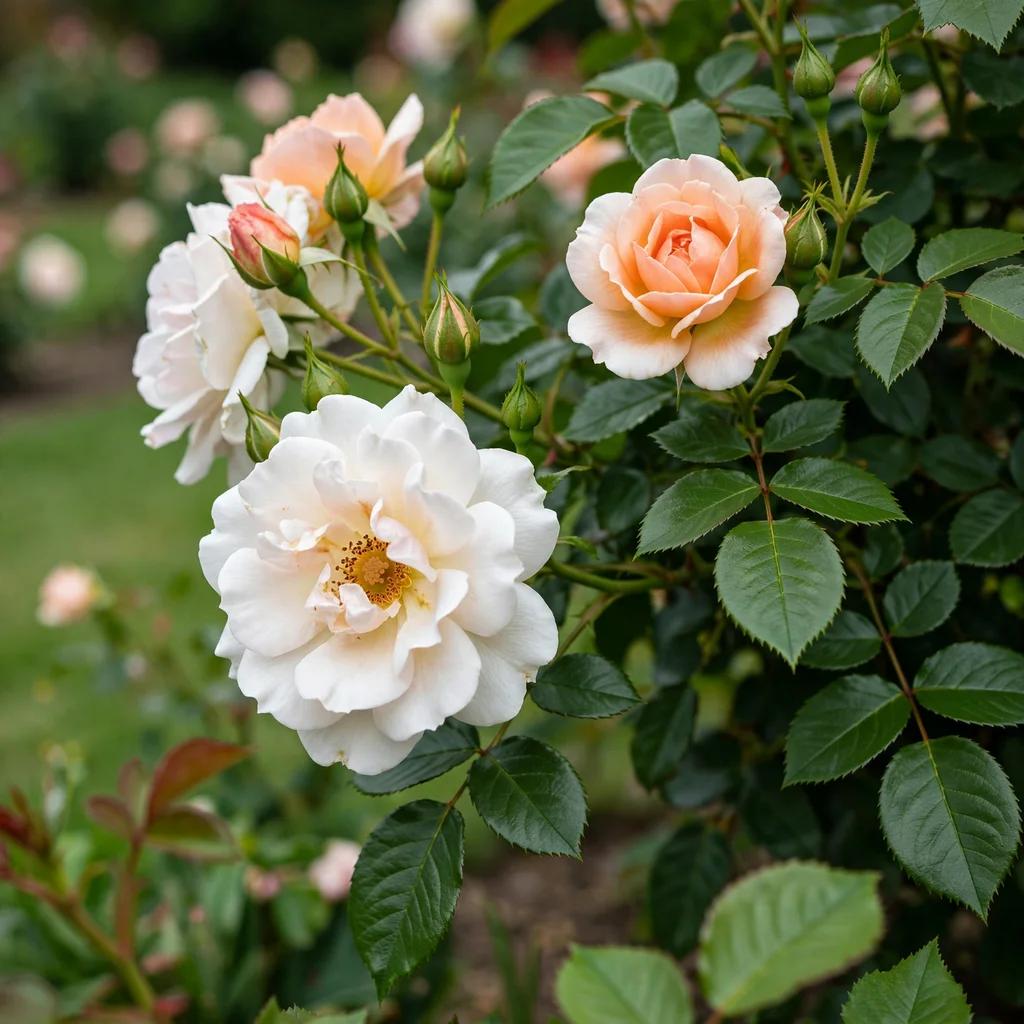 ‘Sirius’Sirius Bedding Rose
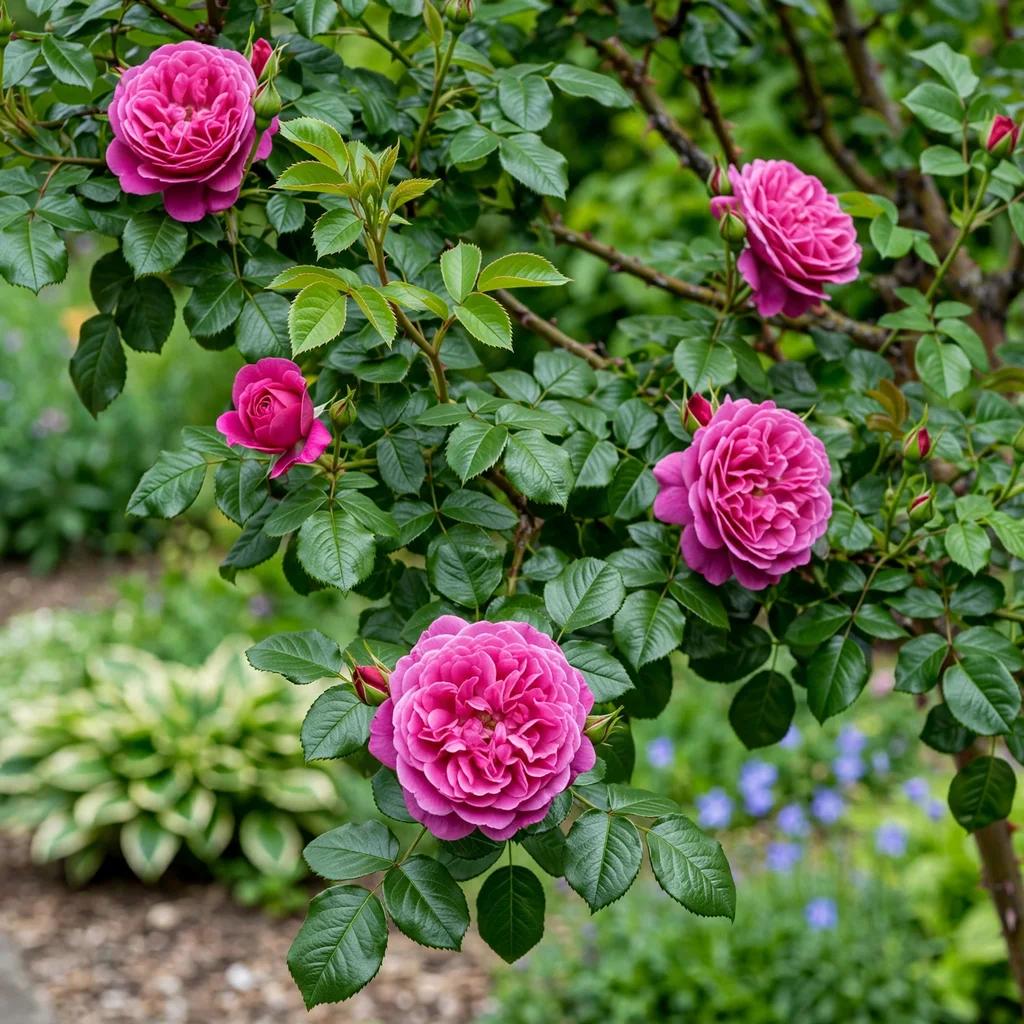 ‘Princess Anne’Princess Anne English Rose
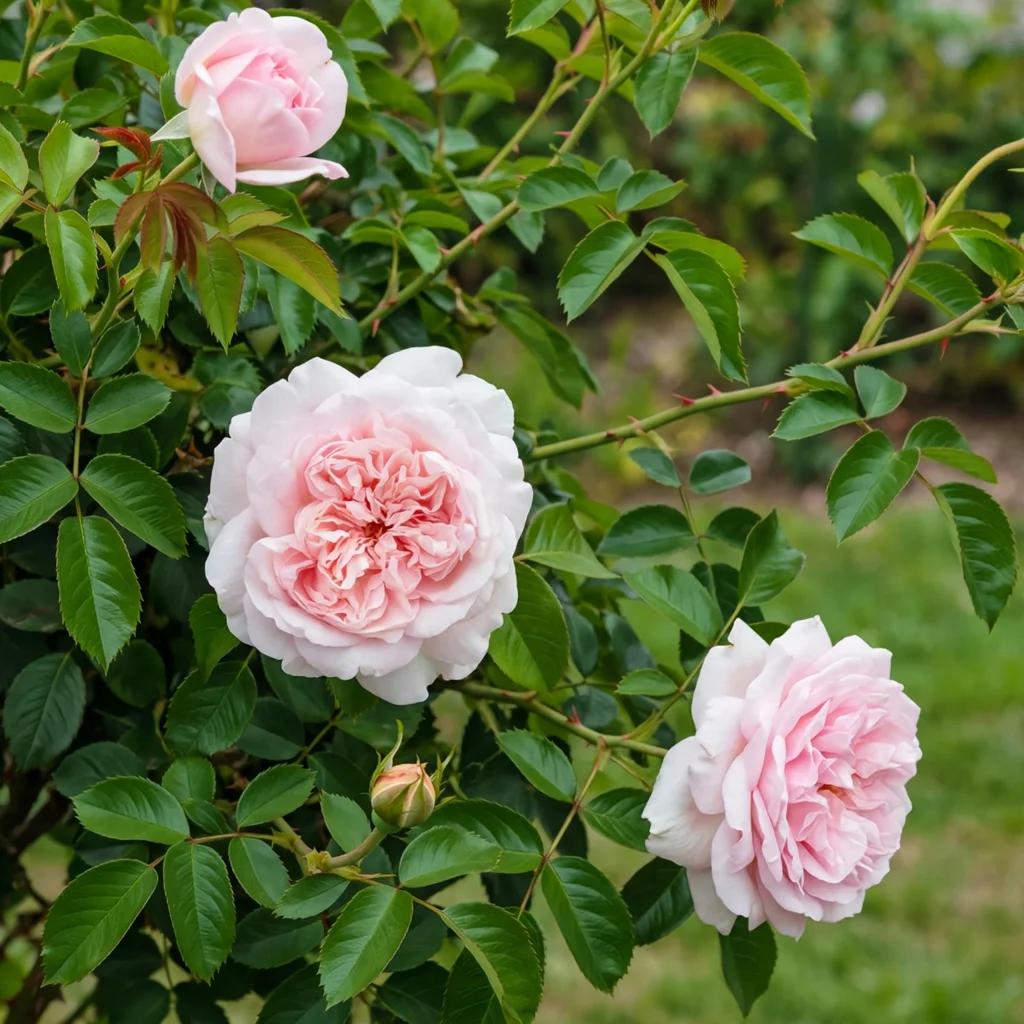 ‘Mauritia’Mauritia Shrub Rose
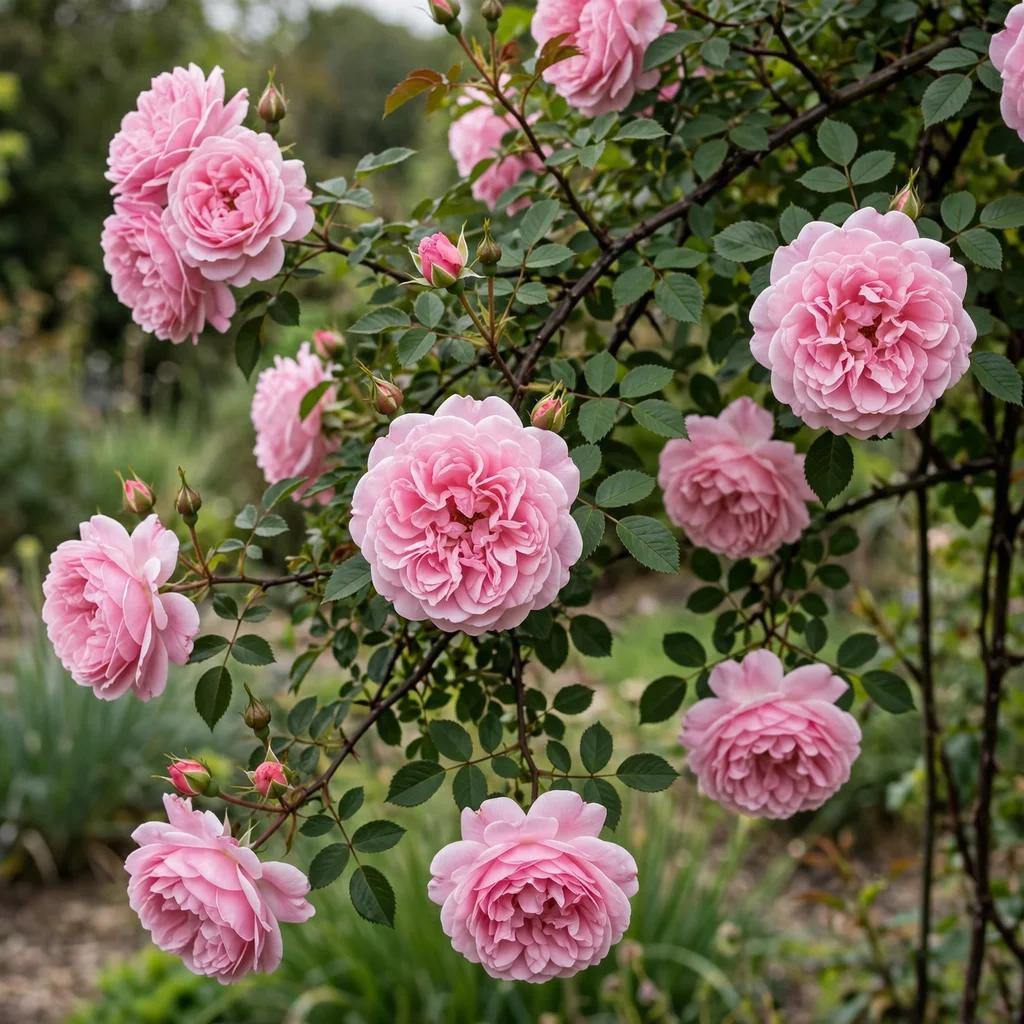 ‘Mary Delany’Mary Delany English Climbing Rose
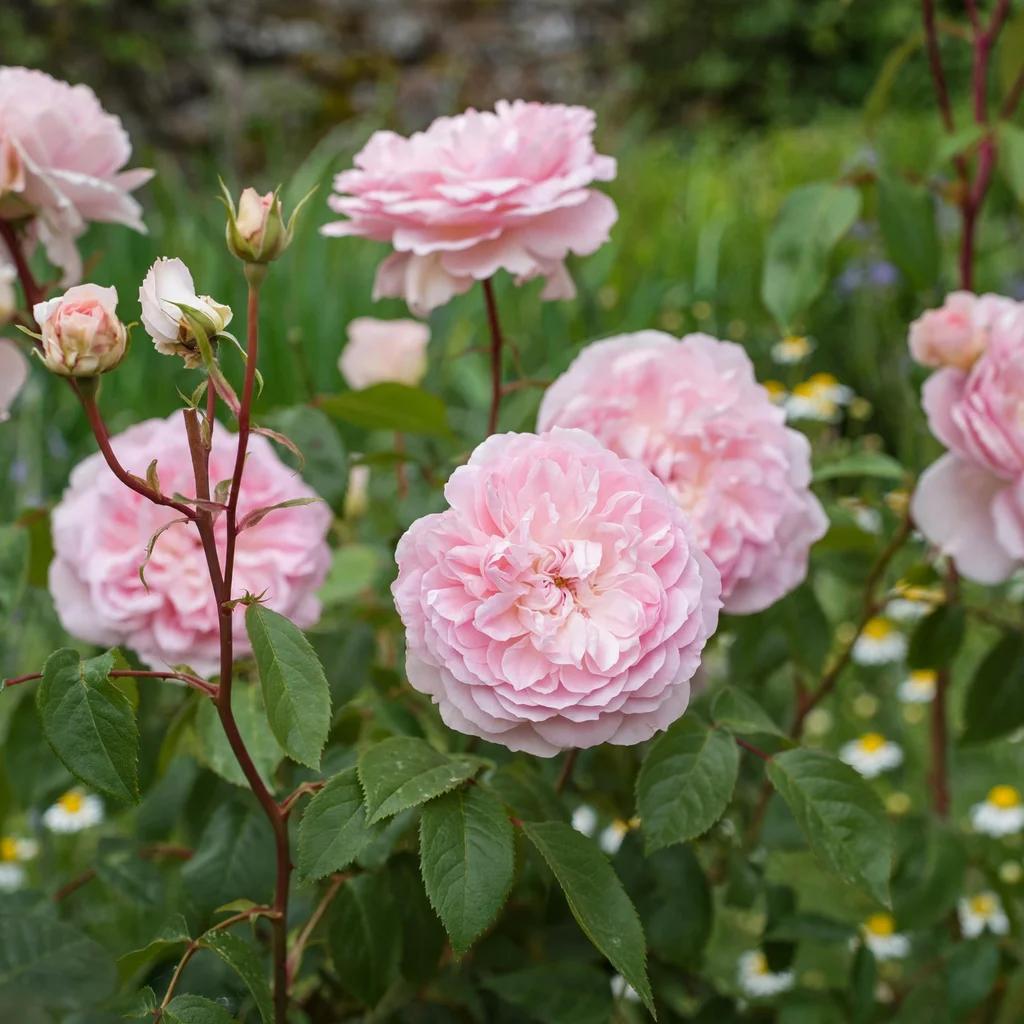 ‘Silas Marner’Silas Marner English Rose
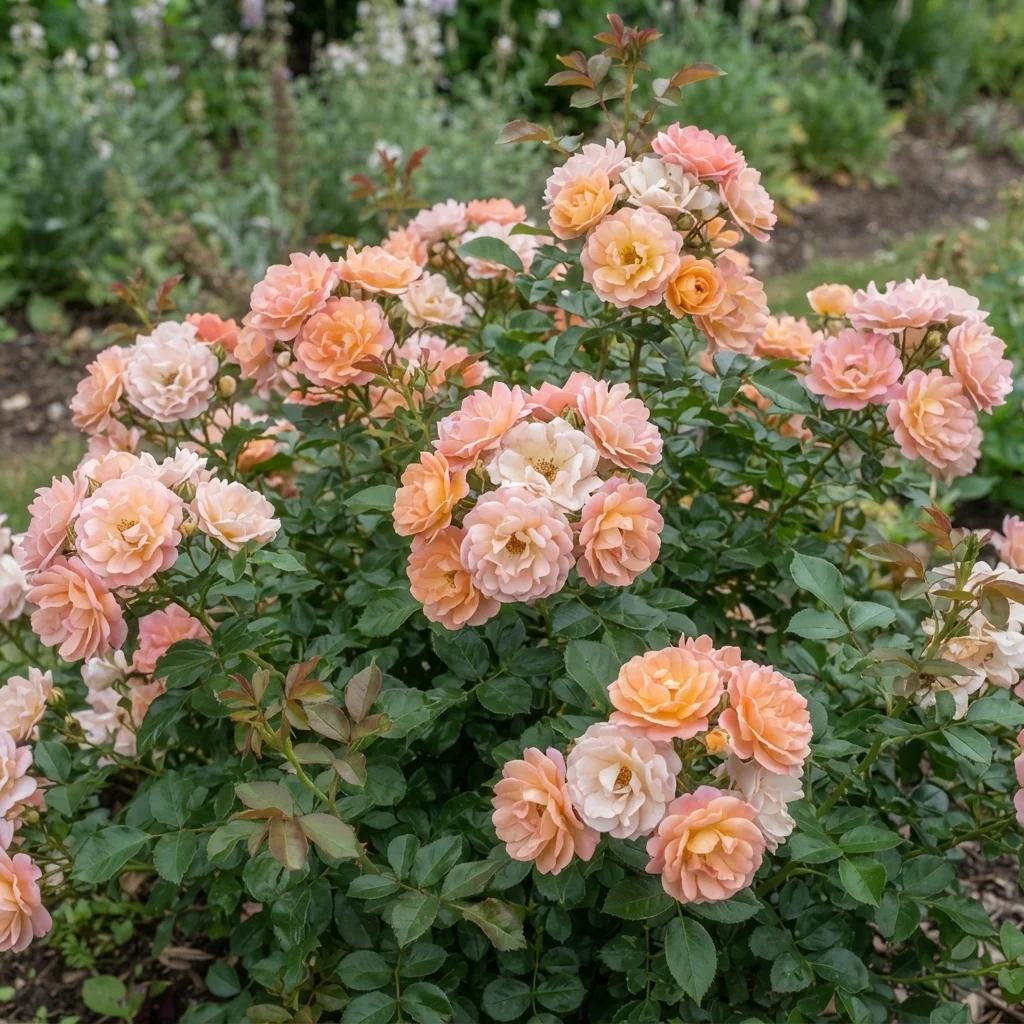 ‘Peach Drift’Peach Drift Rose
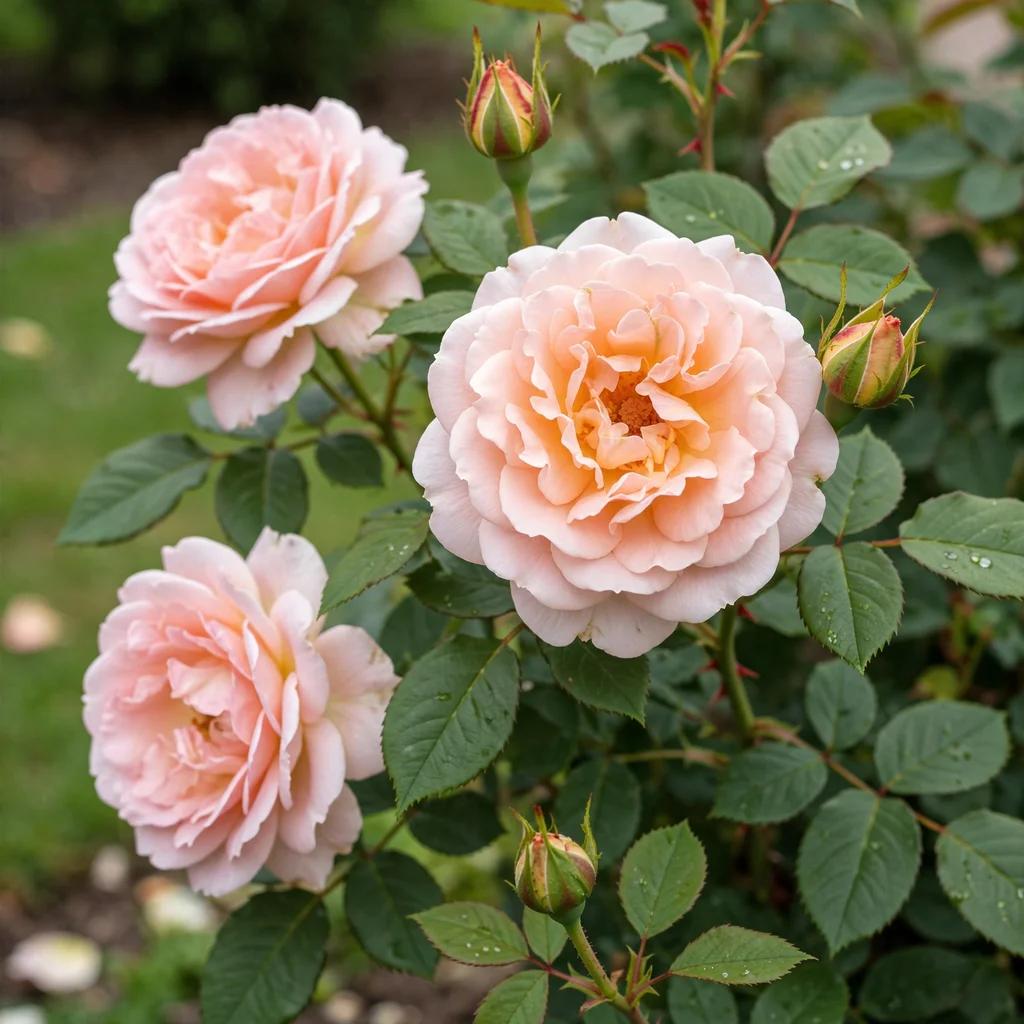 ‘Matthias Claudius Rose’Matthias Claudius Rose
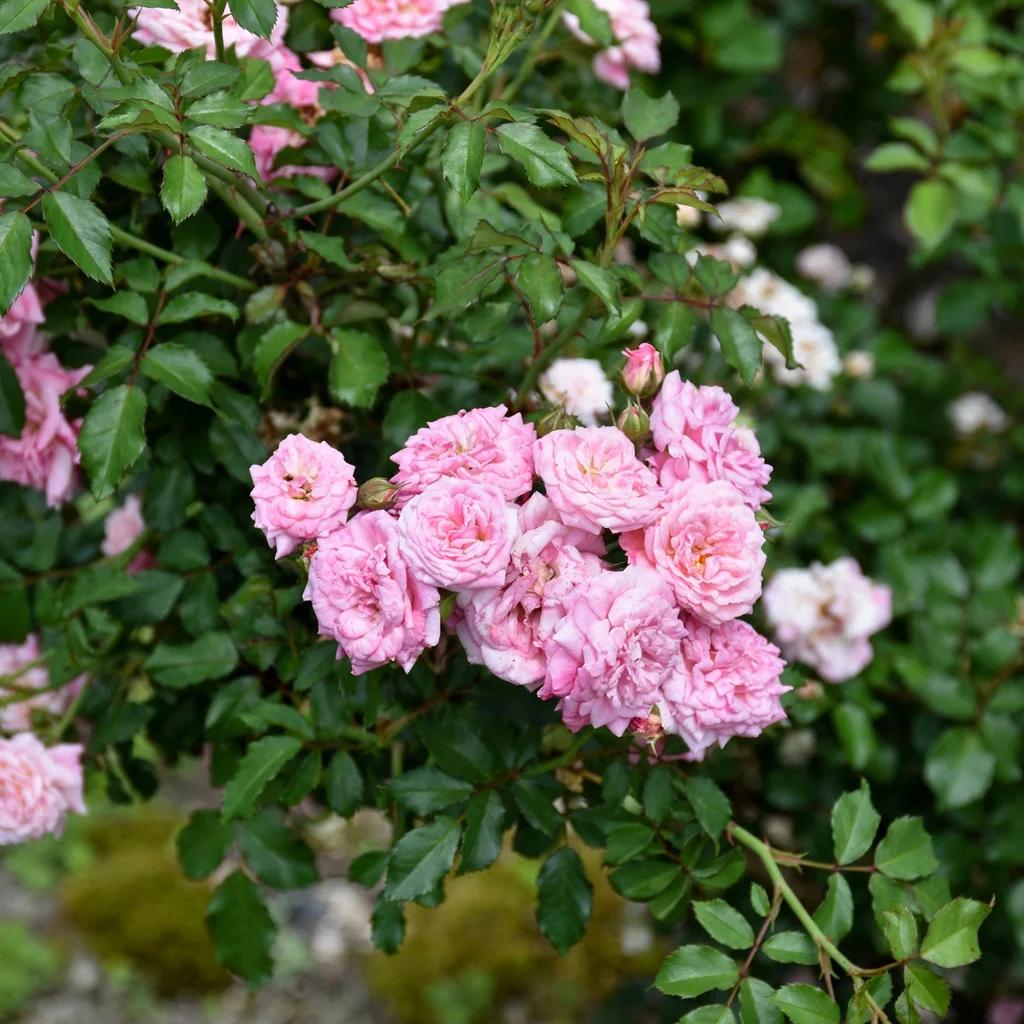 ‘Sweet Drift’Sweet Drift Rose
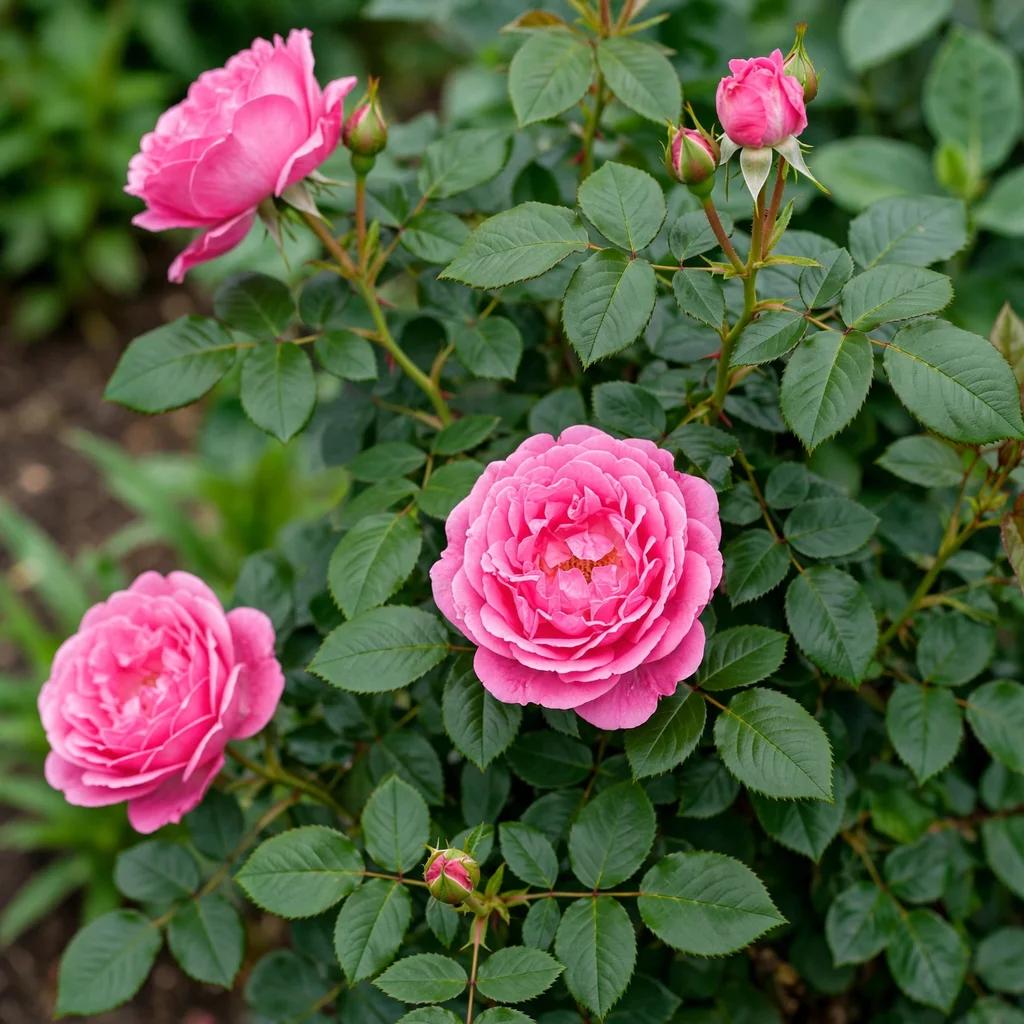 ‘Desirée’Desiree Rose
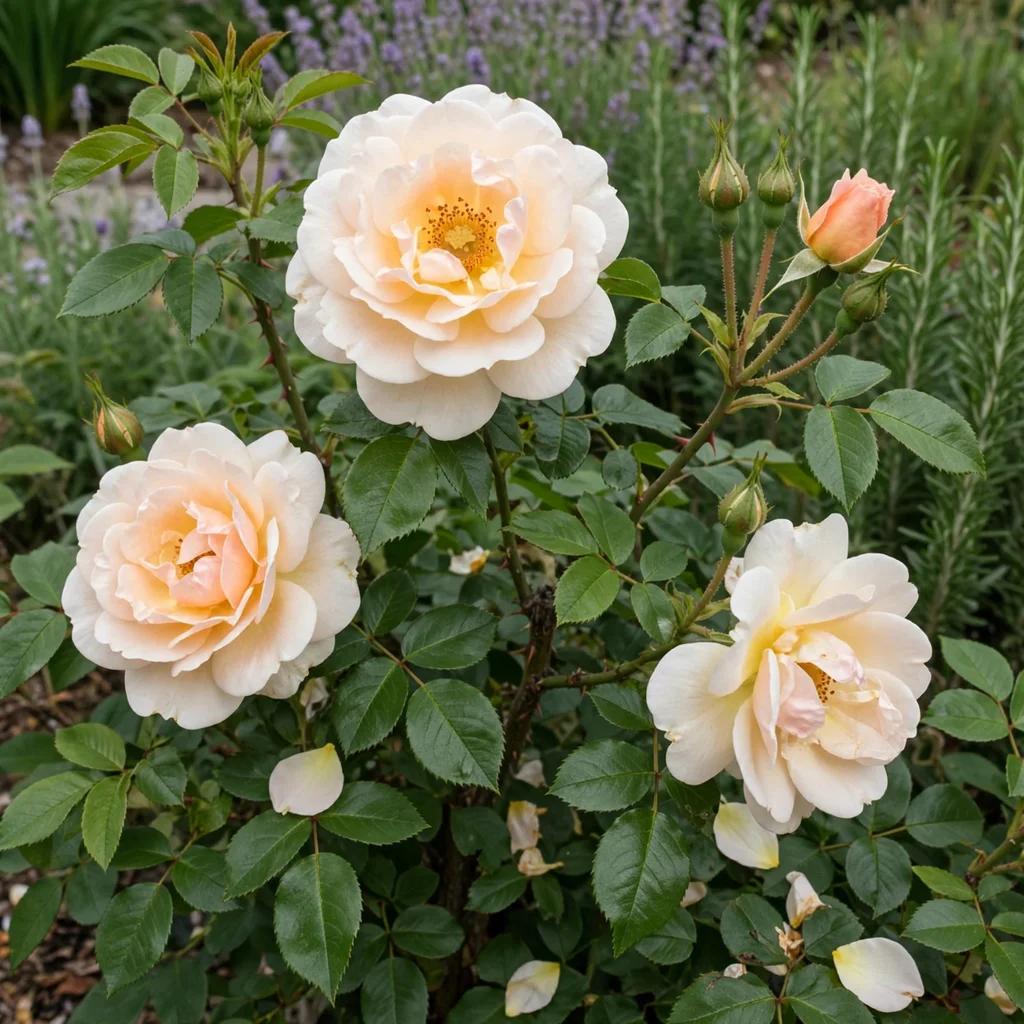 ‘Martin Luther Rose’Martin Luther Rose
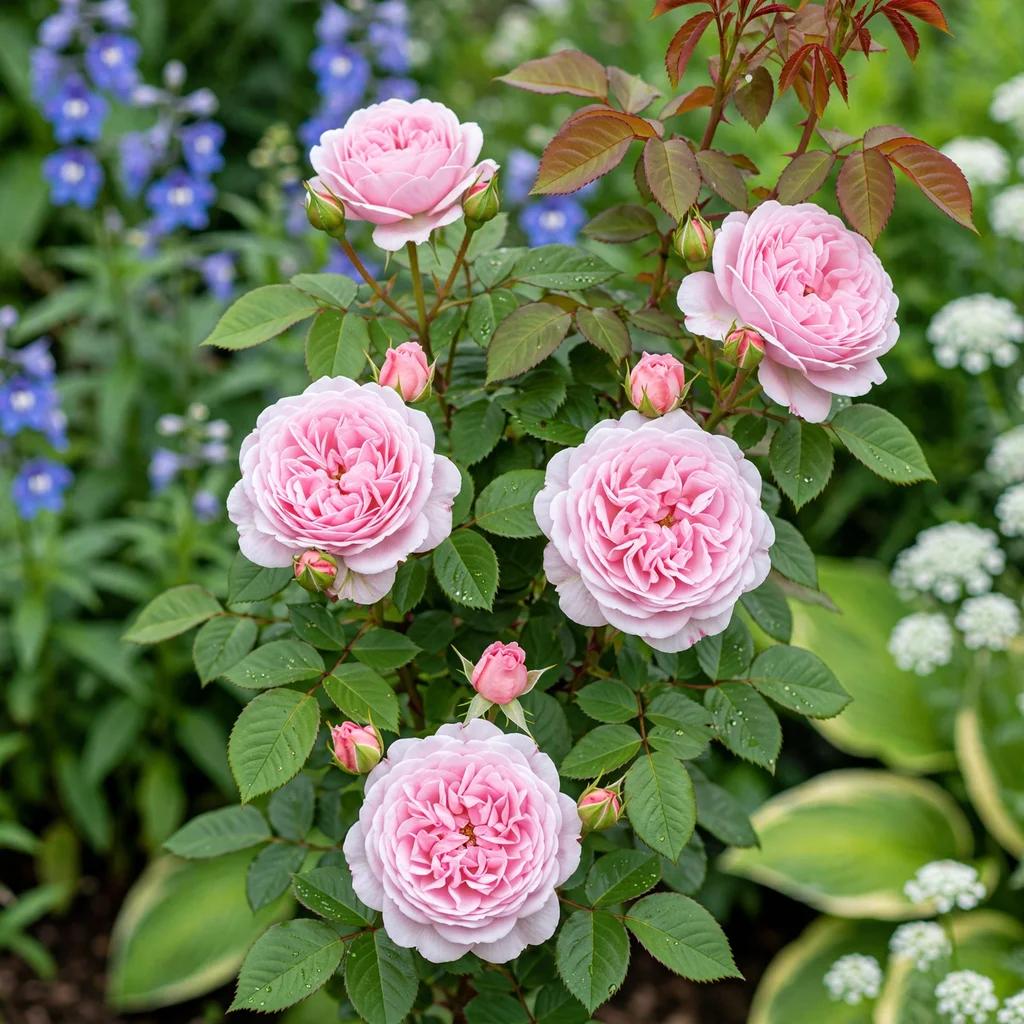 ‘Olivia Rose Austin’Olivia Rose Austin English Rose
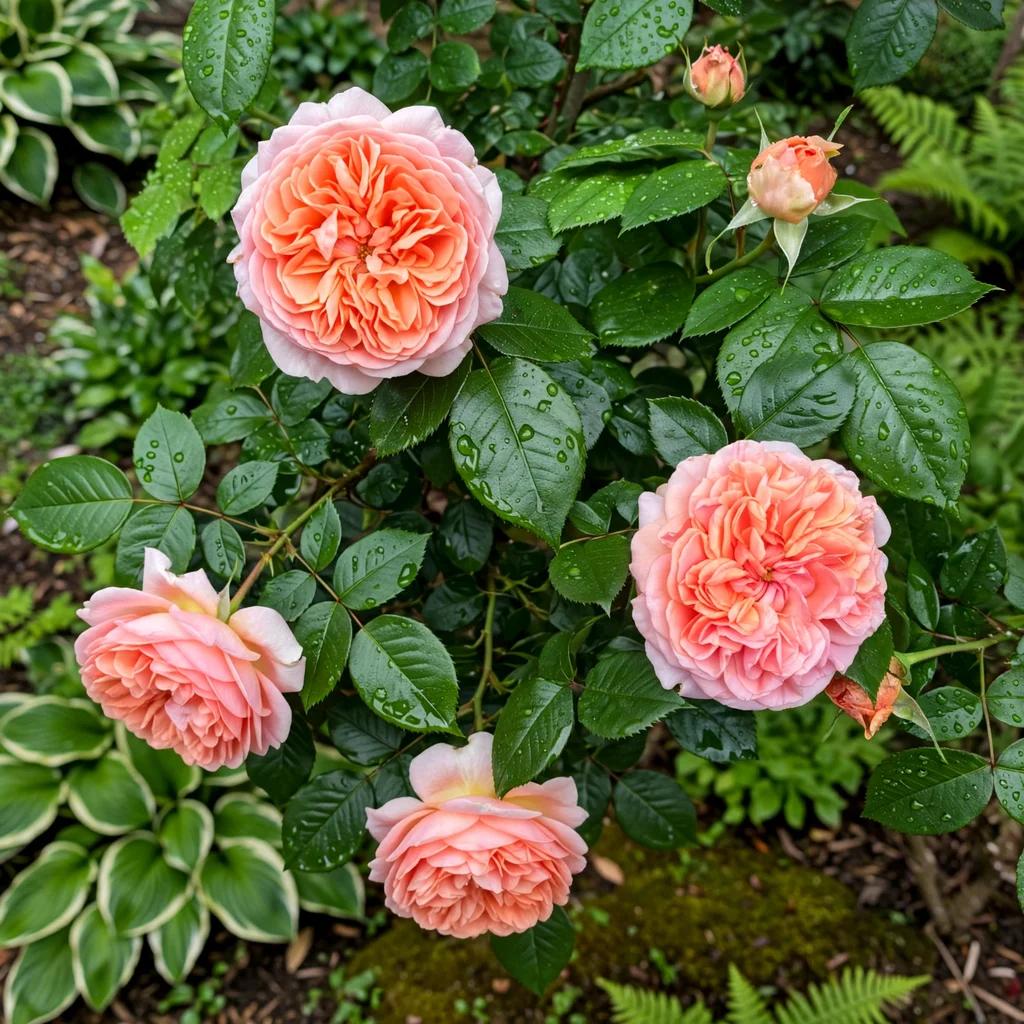 ‘Chippendale’Chippendale Rose
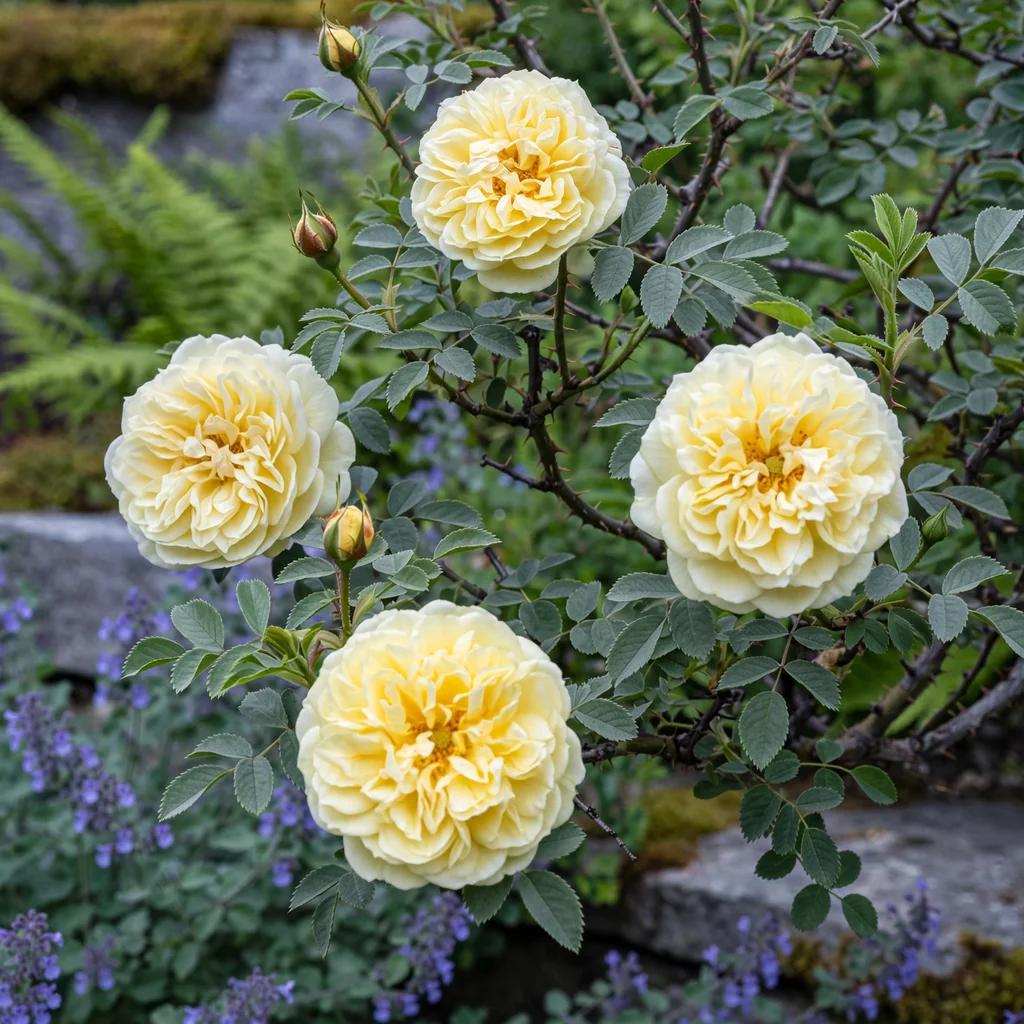 ‘The Country Parson’The Country Parson English Shrub Rose
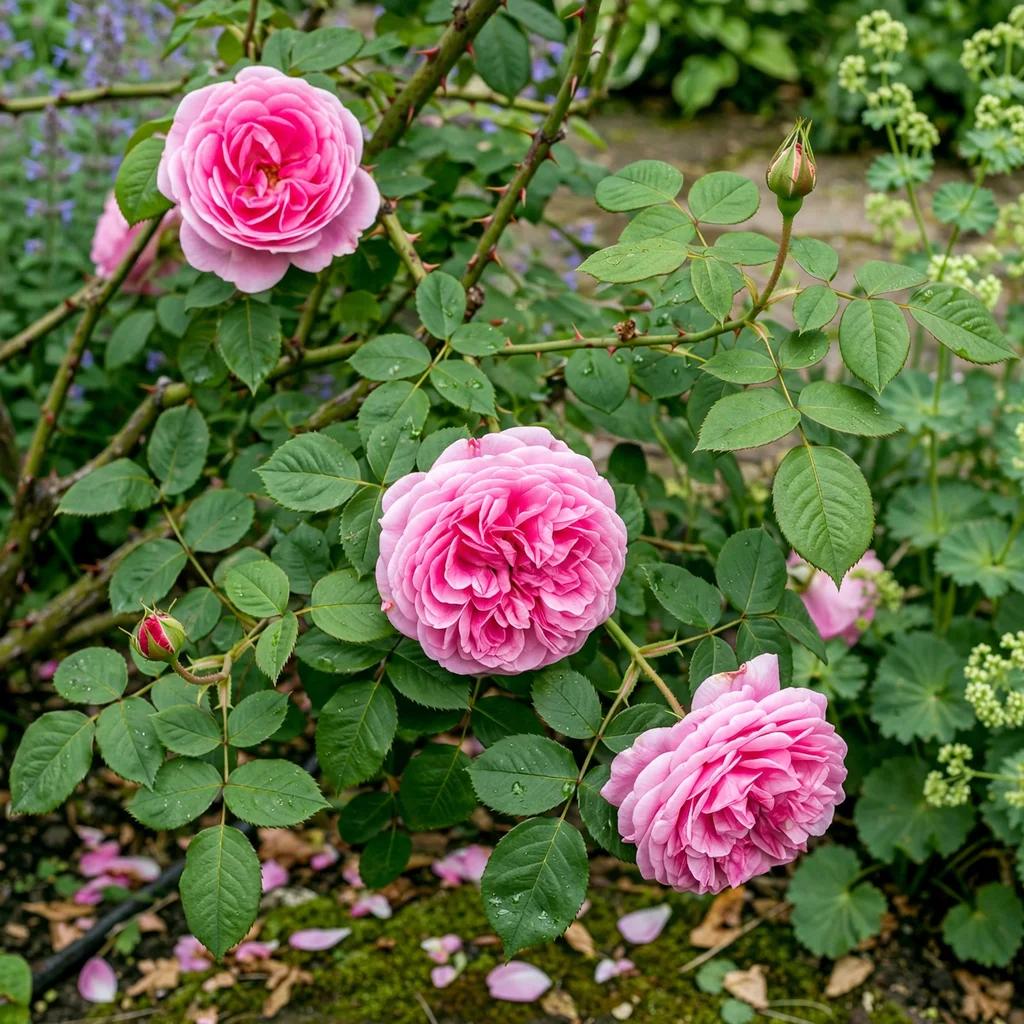 ‘Gertrude Jekyll’Gertrude Jekyll Rose
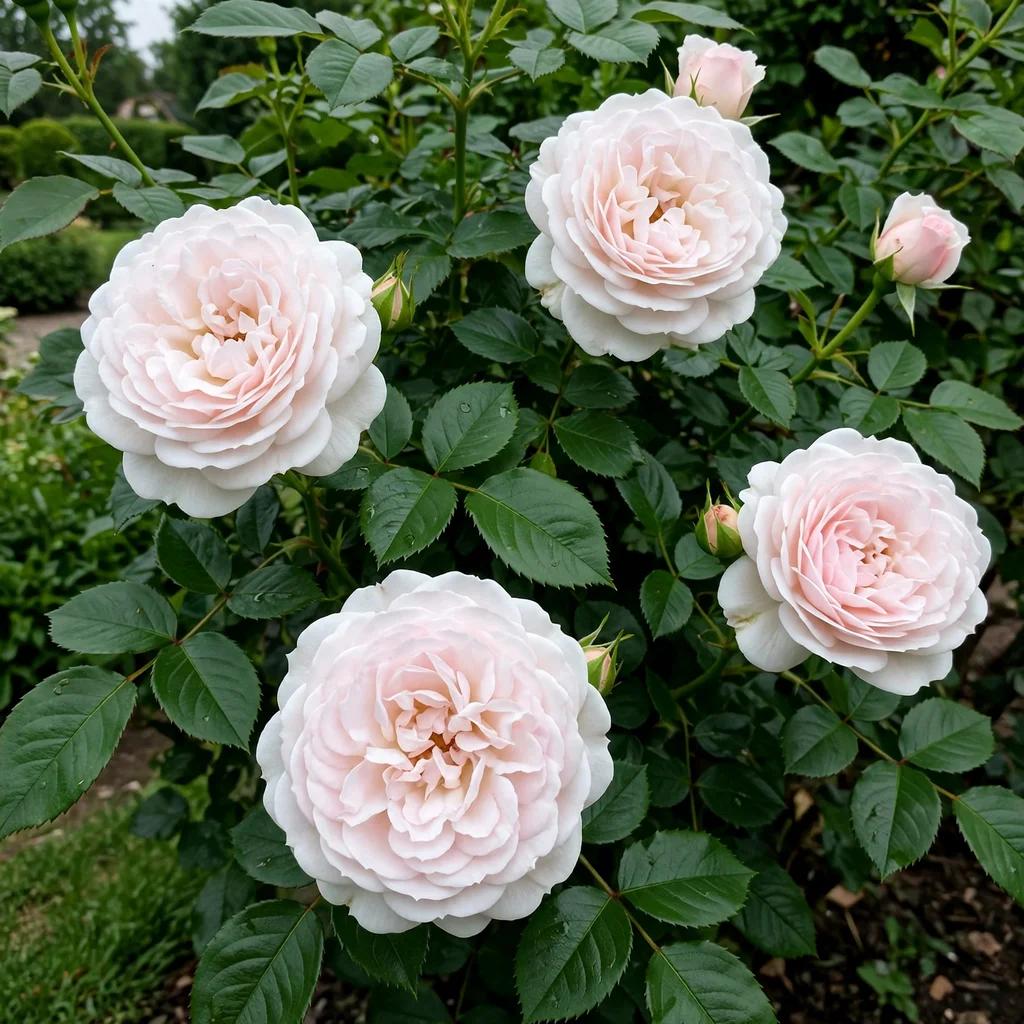 ‘Aspirin Rose’Aspirin Rose
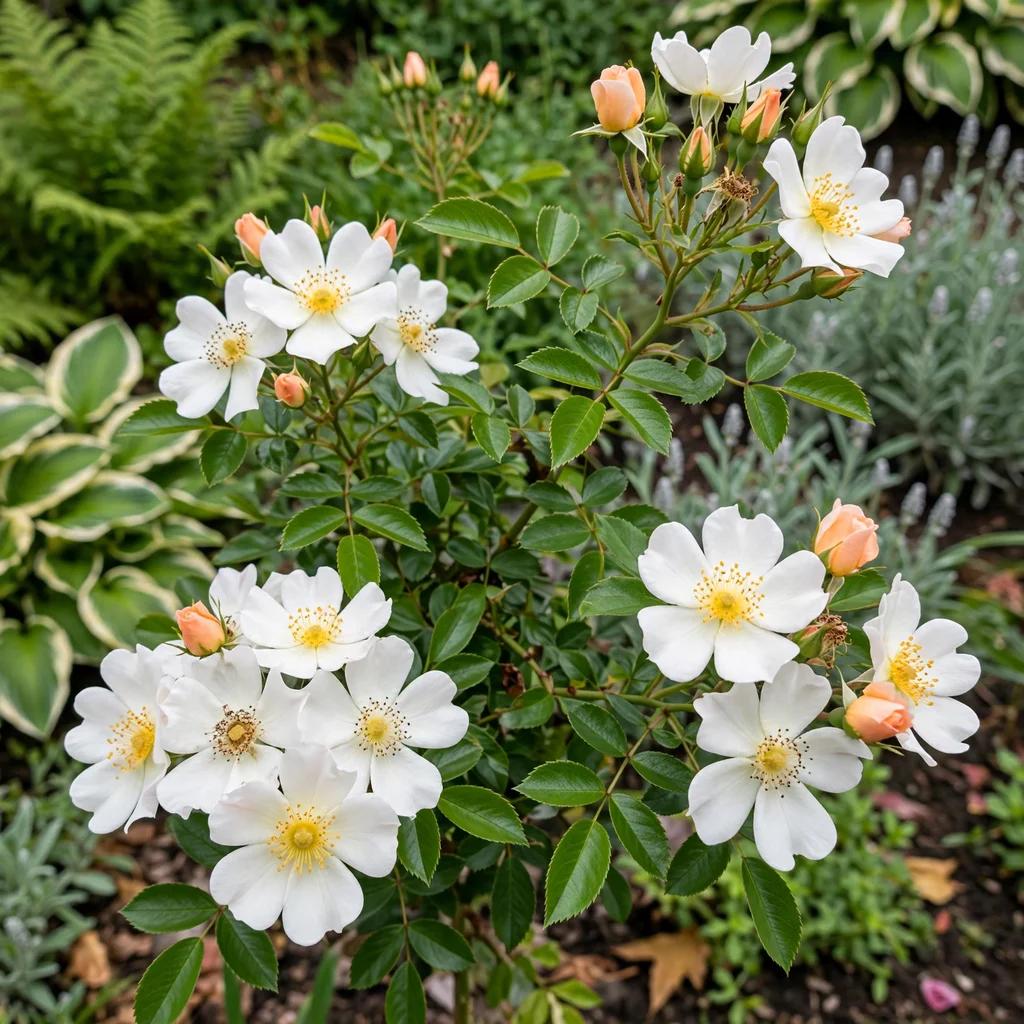 ‘Kew Gardens’Kew Gardens Rose
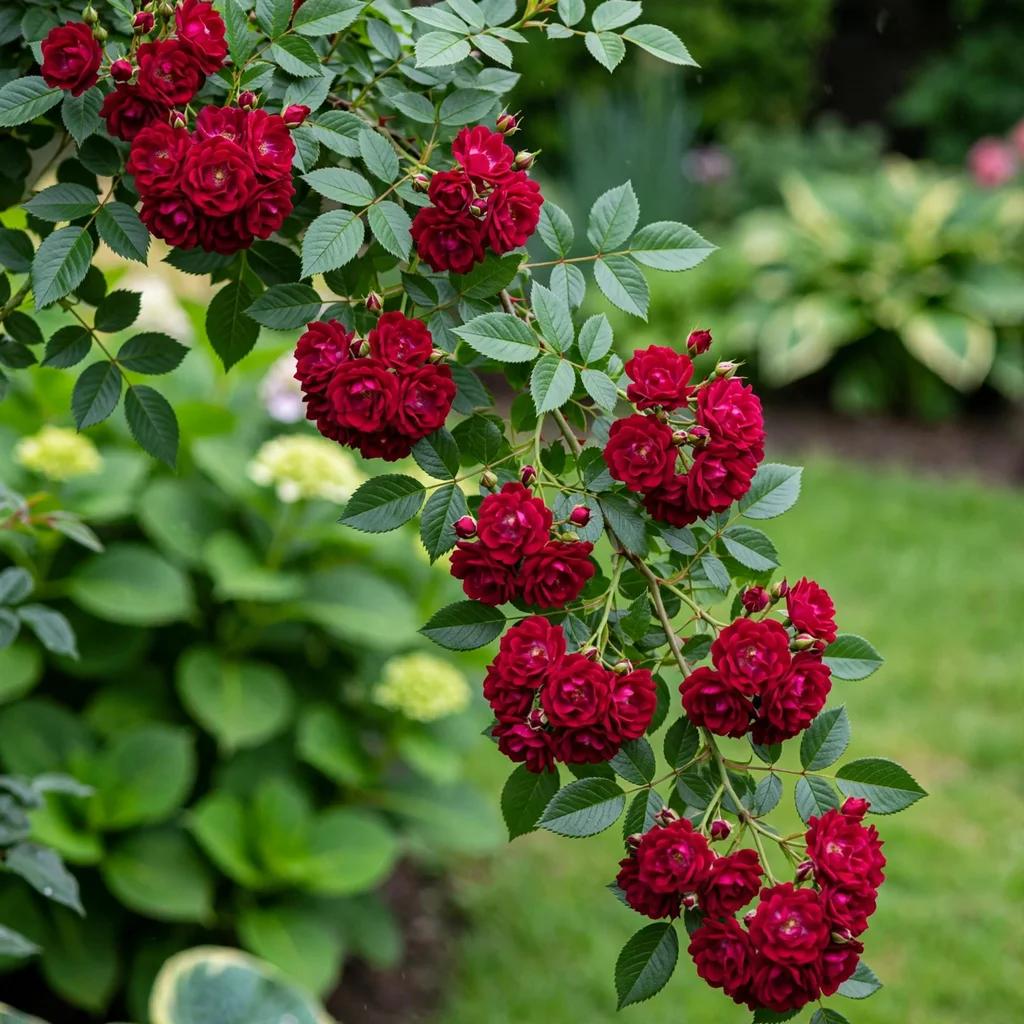 ‘Perennial Domino’Perennial Domino Climbing Rose
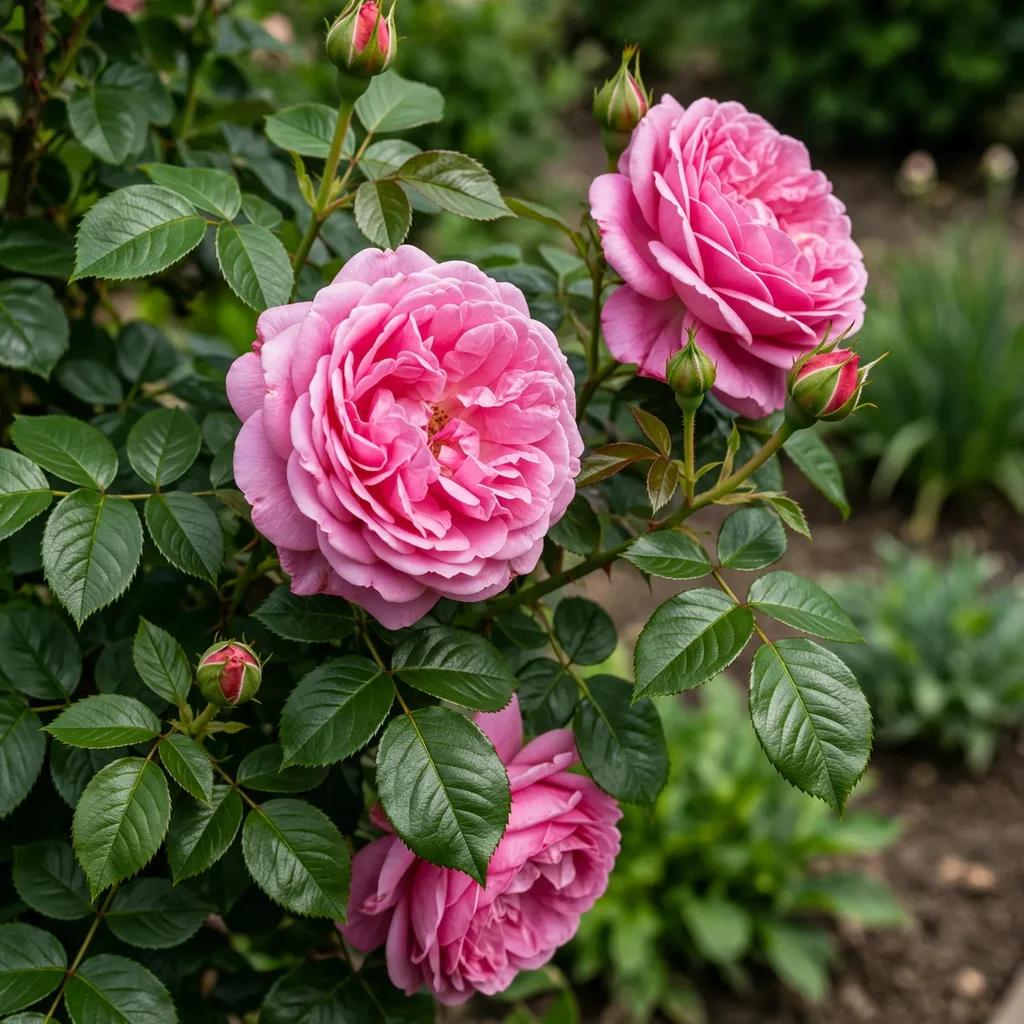 ‘Anuschka’Anuschka Rose
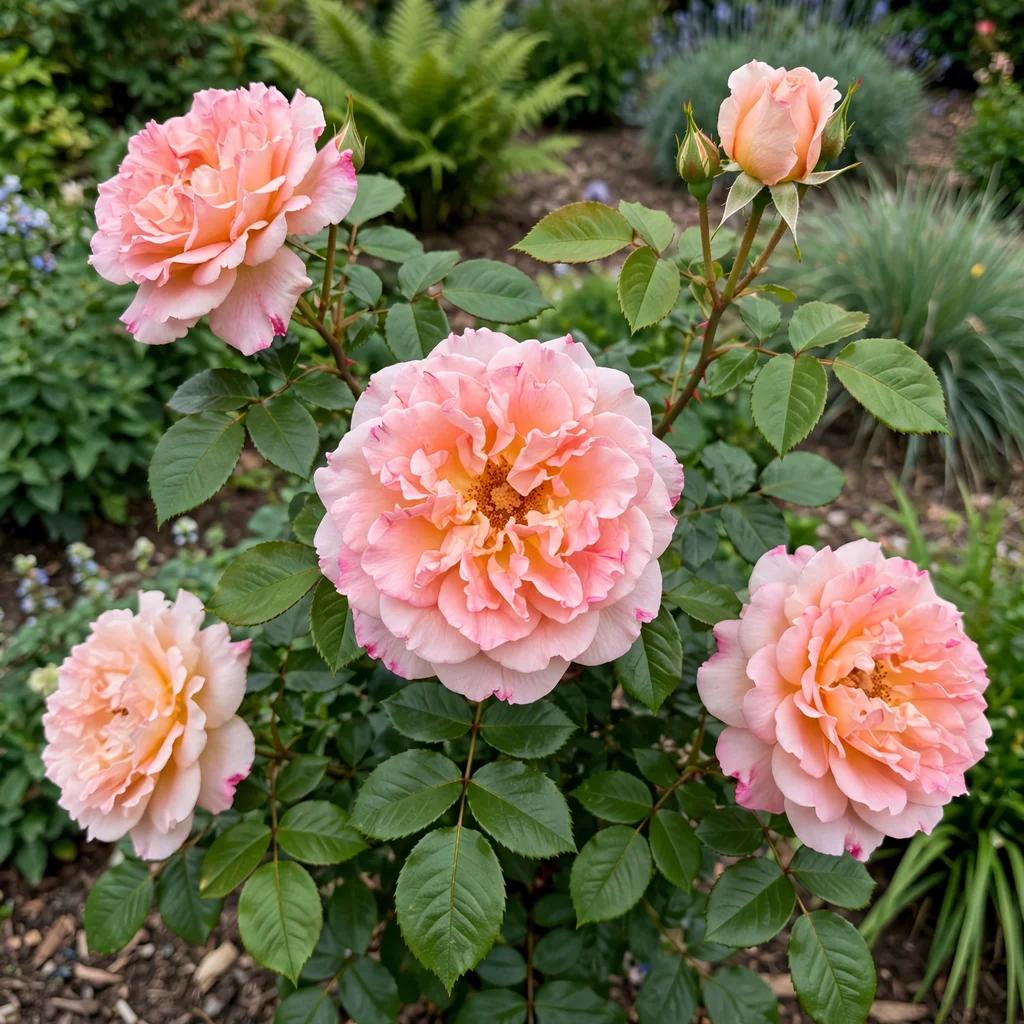 ‘Augusta Luise’Augusta Luise Rose
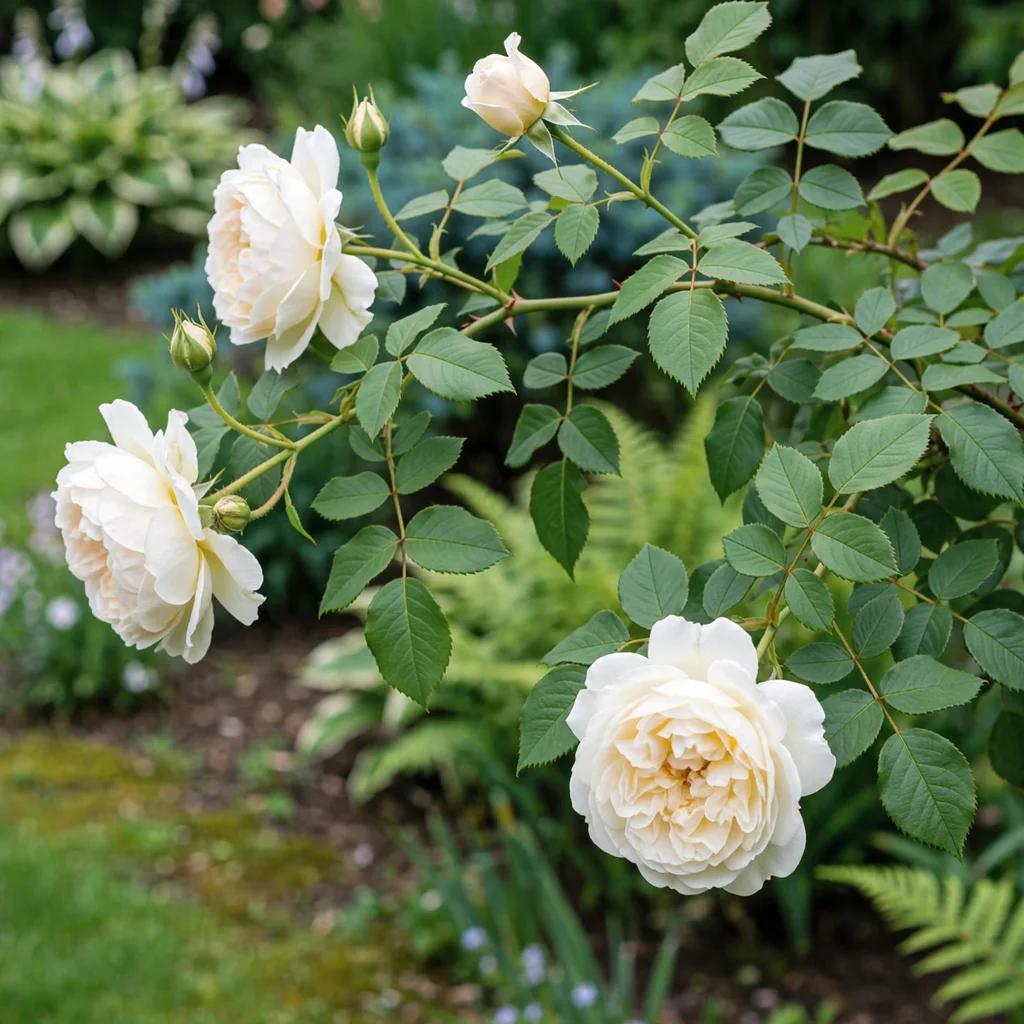 ‘Claire Austin’Claire Austin English Rose
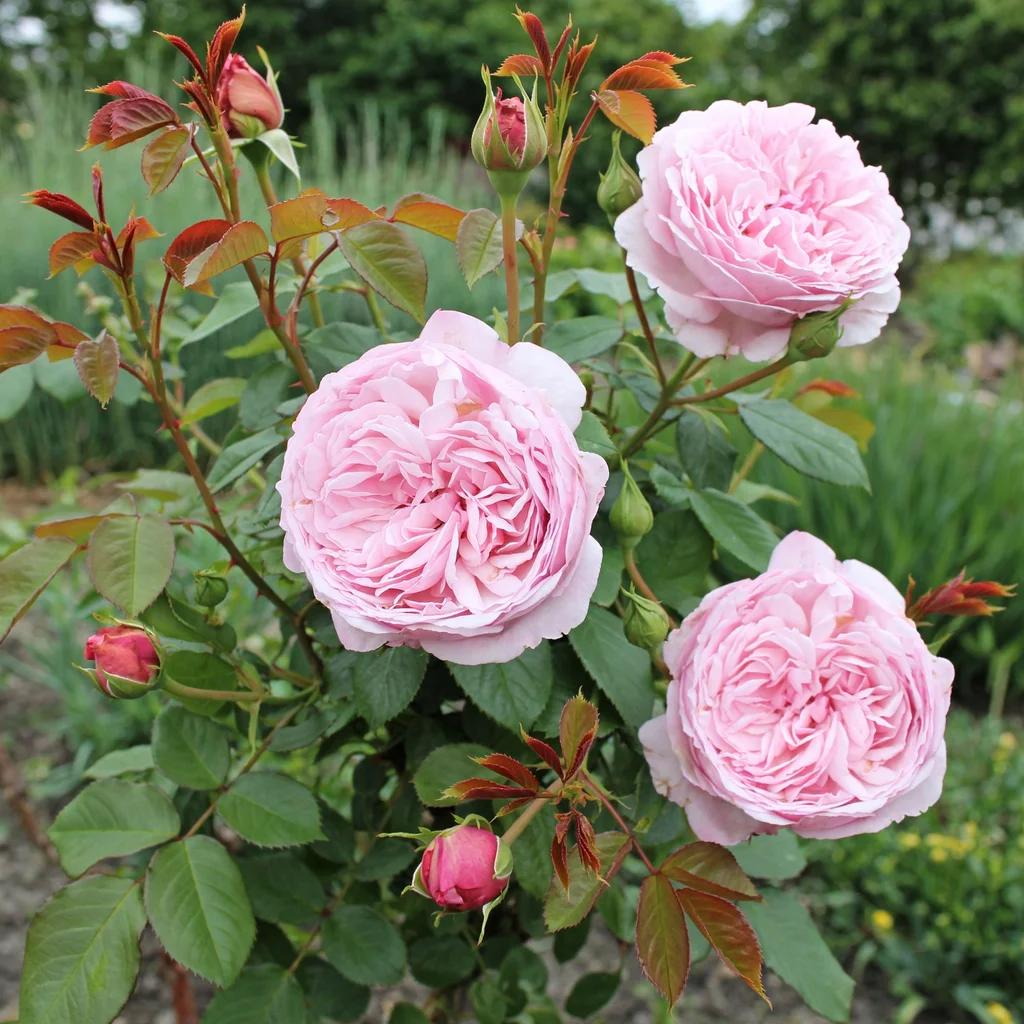 ‘Divina’Rose
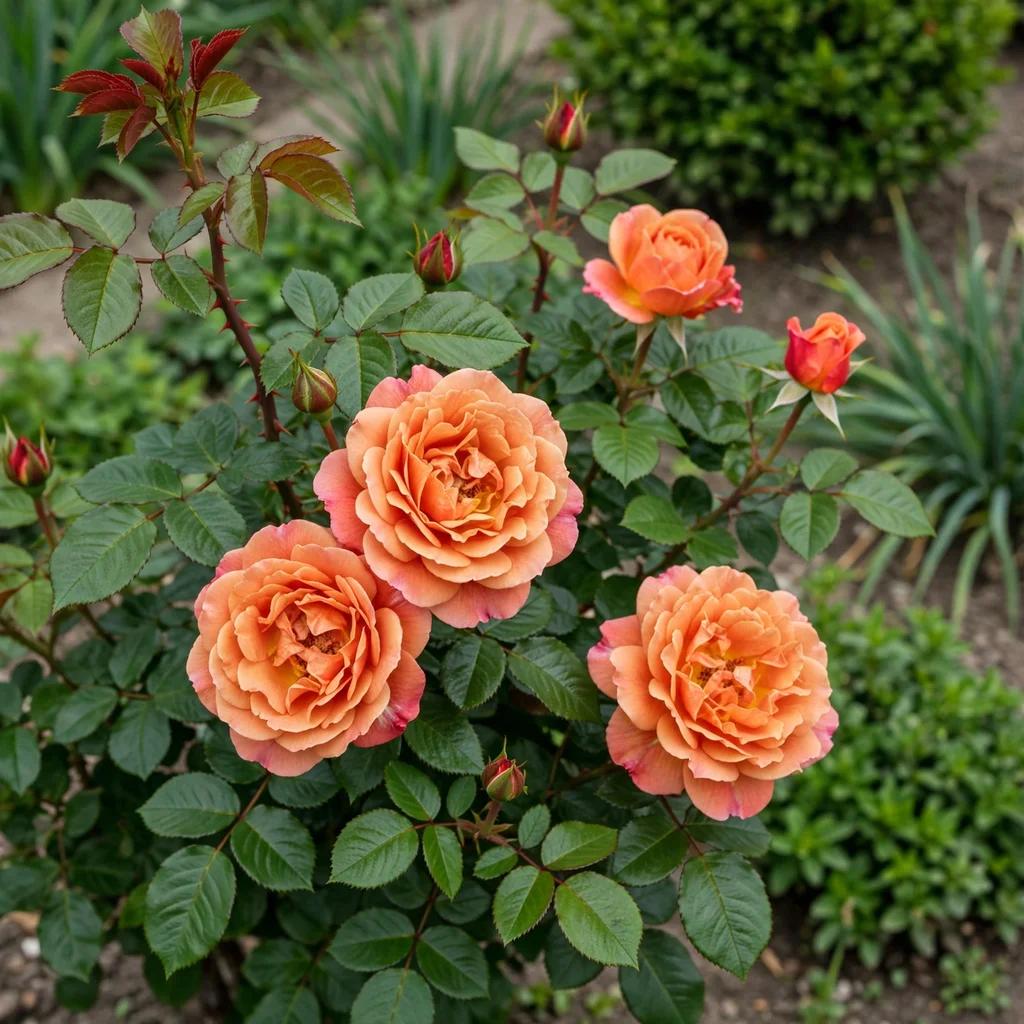 ‘Amber Bay’Amber Bay Rose
 ‘Dornburger Schlossrose’Dornburger Schlossrose Hybrid Tea Rose
The Story
Plant Bio
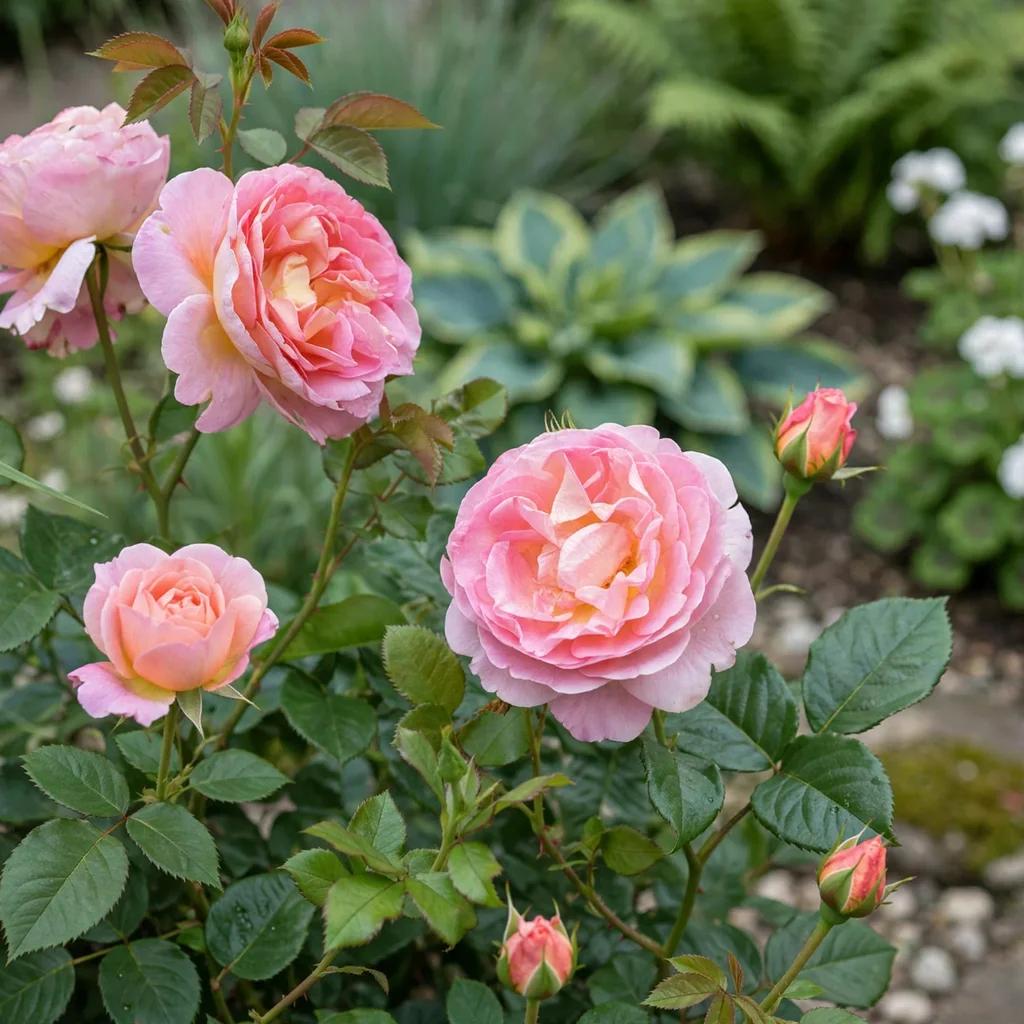
'Rosie the Riveter' is a floribunda rose known for its robust growth, excellent disease resistance, and clusters of old-fashioned, cuplike flowers.
This cultivar features unique blooms that open golden-orange with a pink blush, then finish pink with a golden-orange reverse. It has a moderate fruity and spicy fragrance.
Uses & Benefits:
Bred from more than one wild species, so it has no species page of its own.
Essentials
At a Glance
Plant Type
Shrub
Height
42"
Width
42"
Light
Full Sun, Partial Sun
Zones
5, 6, 7, 8, 9, 10
Water
Moderate
Humidity
Moderate
Lifespan
Perennial shrub
Native To
Hybrid
Toxicity
Non-toxic, but thorns are a physical hazard
Bloom period
Mid-summer – Late summer
In flower about 2 months of the year
Planting
How to Grow
- Select a sunny location with well-drained soil.
- Tuck roots into planting hole, ensuring the graft union is above soil level.
- Water thoroughly after planting to settle the soil.
- Feed with balanced fertilizer in early spring for vigorous growth.
- Prune dead or weak stems in late winter to promote new growth.
- Mulch around base to retain moisture and suppress weeds.
Pro Tip
Use organic compost to improve soil fertility and encourage healthy blooms.
Keep It Thriving
Care Guide
Do
- Water deeply once a week during dry spells 🌱
- Prune in late winter to shape and remove dead wood
- Apply mulch to conserve moisture and regulate soil temperature
- Fertilize with rose-specific fertilizer in spring and mid-summer
Don't
- Avoid overhead watering to prevent fungal diseases ❌
- Don’t prune in late summer or fall to avoid stimulating new growth that can be damaged by cold
- Never plant in poorly drained soil, which can cause root rot
- Don’t ignore pests; inspect regularly for signs of trouble
Seasonal Care Calendar
| Task | Jan | Feb | Mar | Apr | May | Jun | Jul | Aug | Sep | Oct | Nov | Dec |
|---|---|---|---|---|---|---|---|---|---|---|---|---|
| Deadhead | ||||||||||||
| Fertilize | ||||||||||||
| Pest Check | ||||||||||||
| Prune |
Watch Out For
Pests & Diseases
Common Pests
Common Diseases
In the Garden
Landscape Uses & Companions
Landscape Uses
Companion Plants
Multiply
Propagation Methods
Good to Know
Common Questions
'Rosie the Riveter' Rose questions
What zones can 'Rosie the Riveter' Rose grow in?
'Rosie the Riveter' Rose is hardy in USDA Zones 5–10. Inside that range it survives winter in the ground; outside it, grow it as an annual or a container plant you protect.
Is 'Rosie the Riveter' Rose deer resistant?
Not reliably. Deer may browse 'Rosie the Riveter' Rose, especially tender spring growth — plan on repellents or fencing where pressure is high.
When does 'Rosie the Riveter' Rose bloom?
'Rosie the Riveter' Rose typically blooms in mid-summer through late summer. Exact timing shifts a week or two with your zone — Sow's bloom calendar maps it to your garden.
Does 'Rosie the Riveter' Rose need full sun?
'Rosie the Riveter' Rose does best in full sun to part shade. In hot climates, afternoon shade keeps blooms fresher longer.
More Rosa to compare
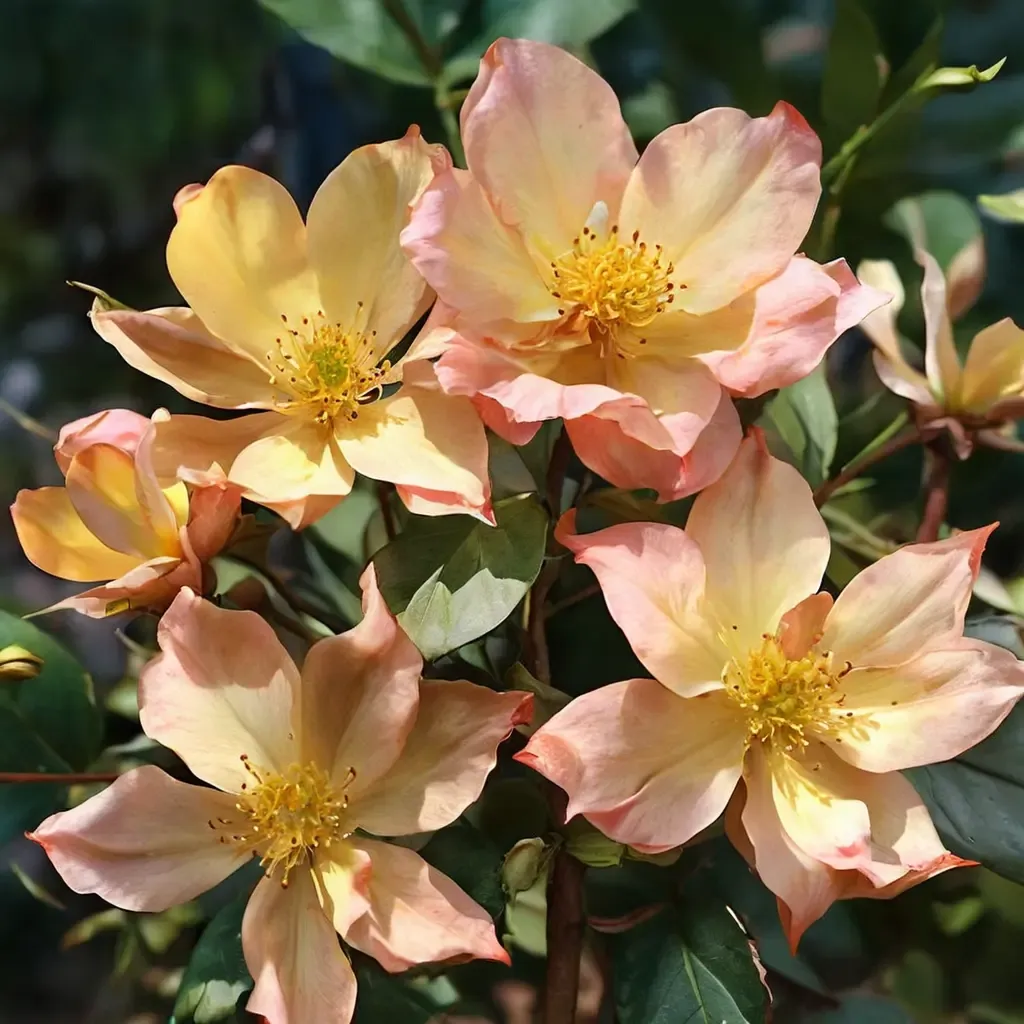
Flutterbye Rose
Rosa x hybrida 'Flutterbye'
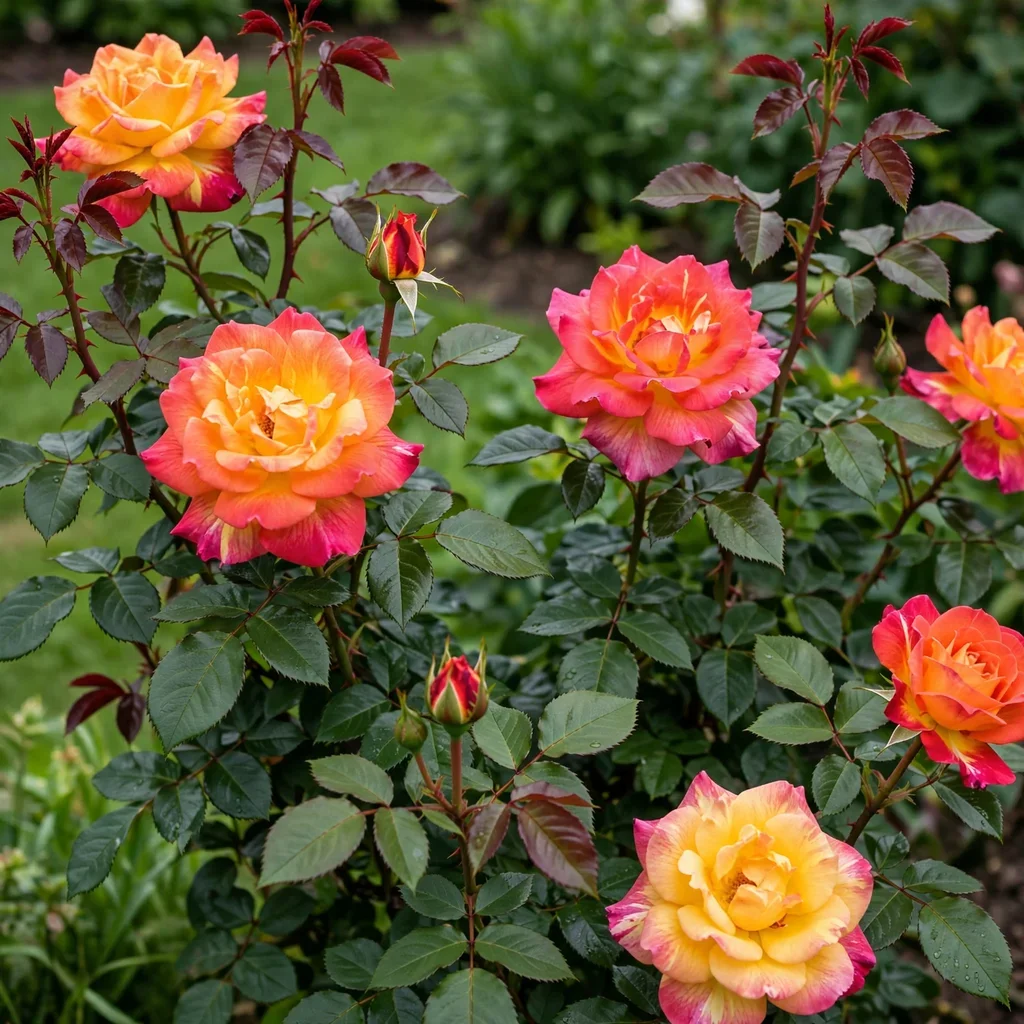
Joseph's Coat Rose
Rosa x hybrida 'Joseph's Coat'
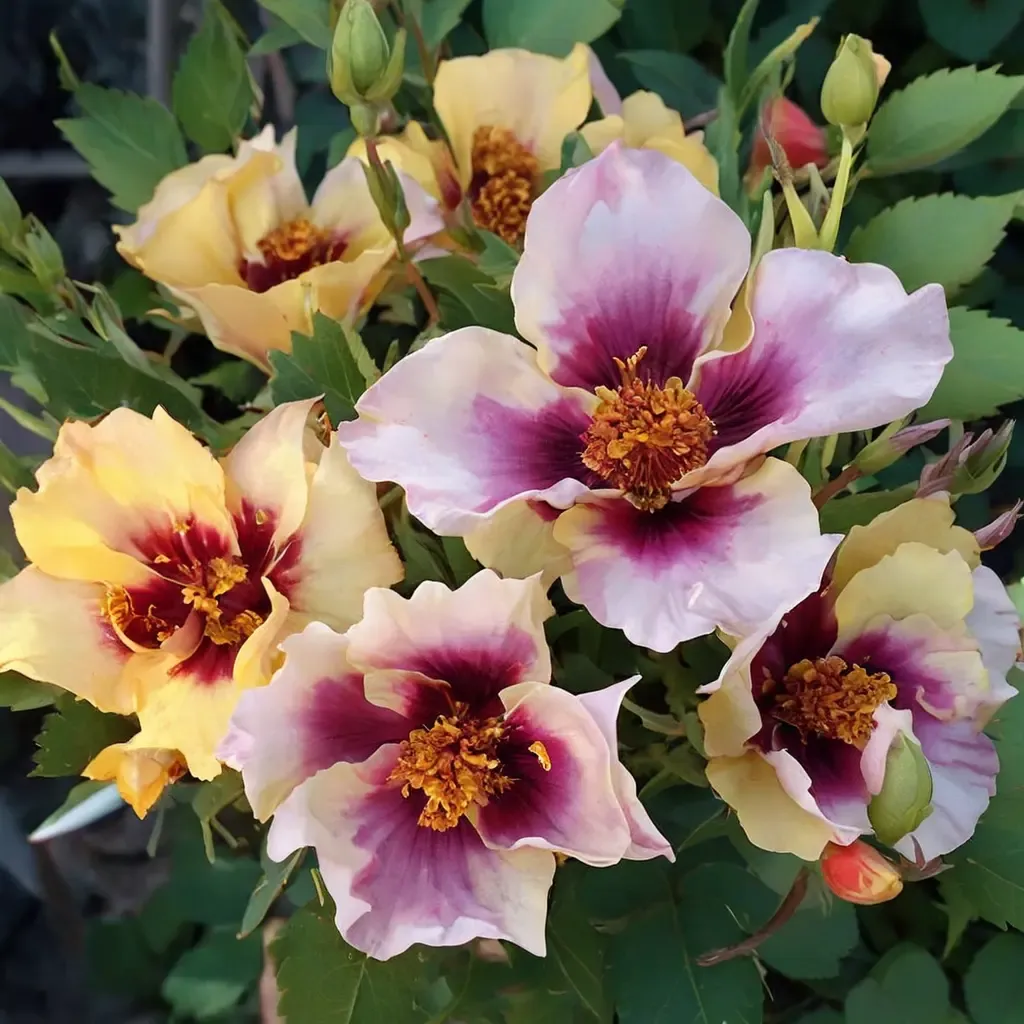
In Your Eyes Rose
Rosa x hybrida 'In Your Eyes'
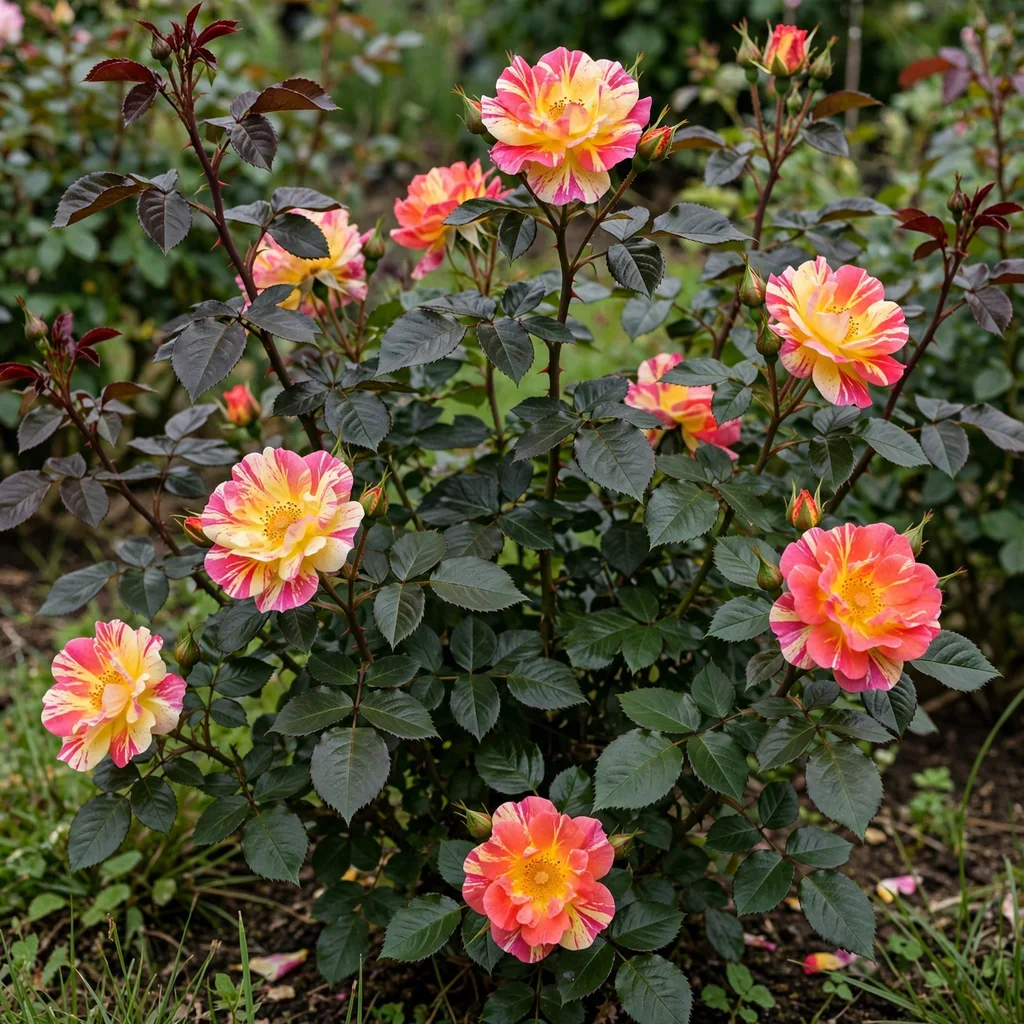
Rainbow Rose
Rosa x hybrida 'Rainbow'
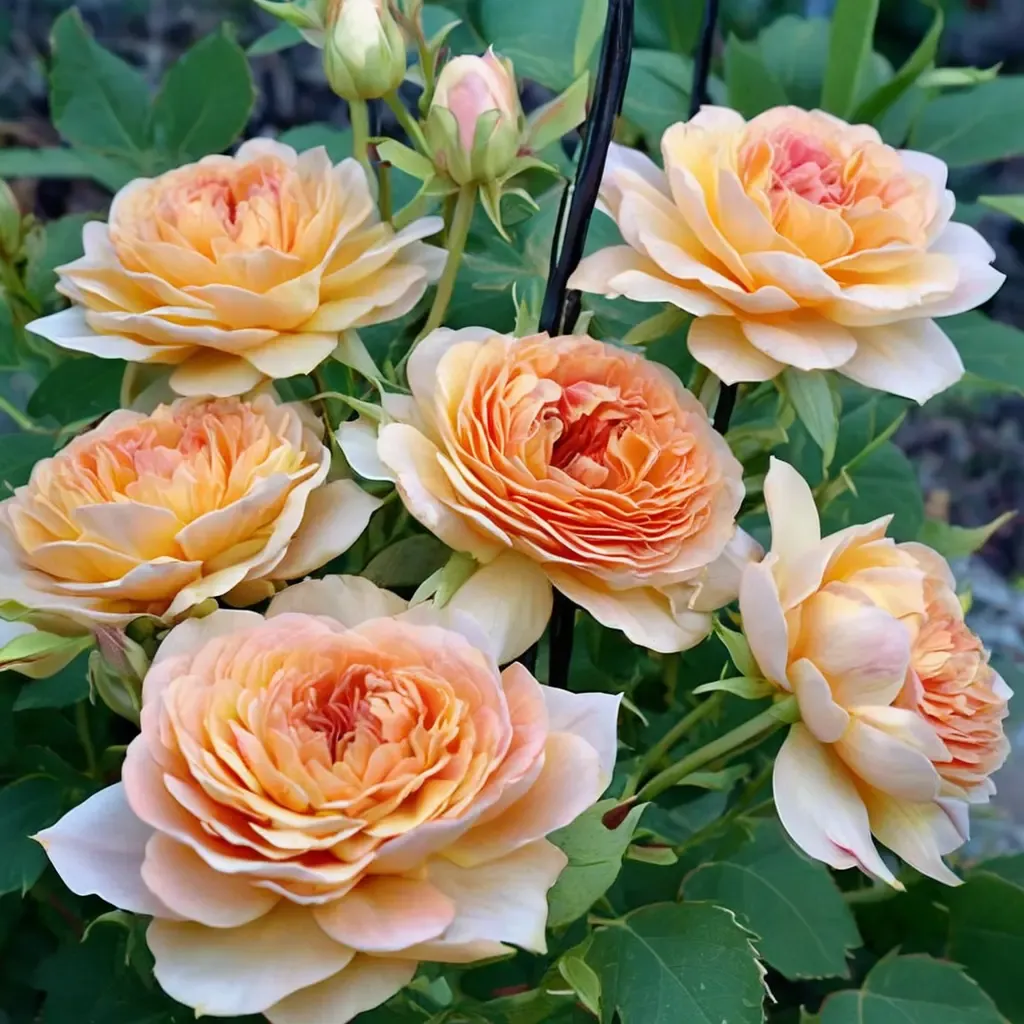
Fun in the Sun Rose
Rosa x hybrida 'Fun in the Sun'
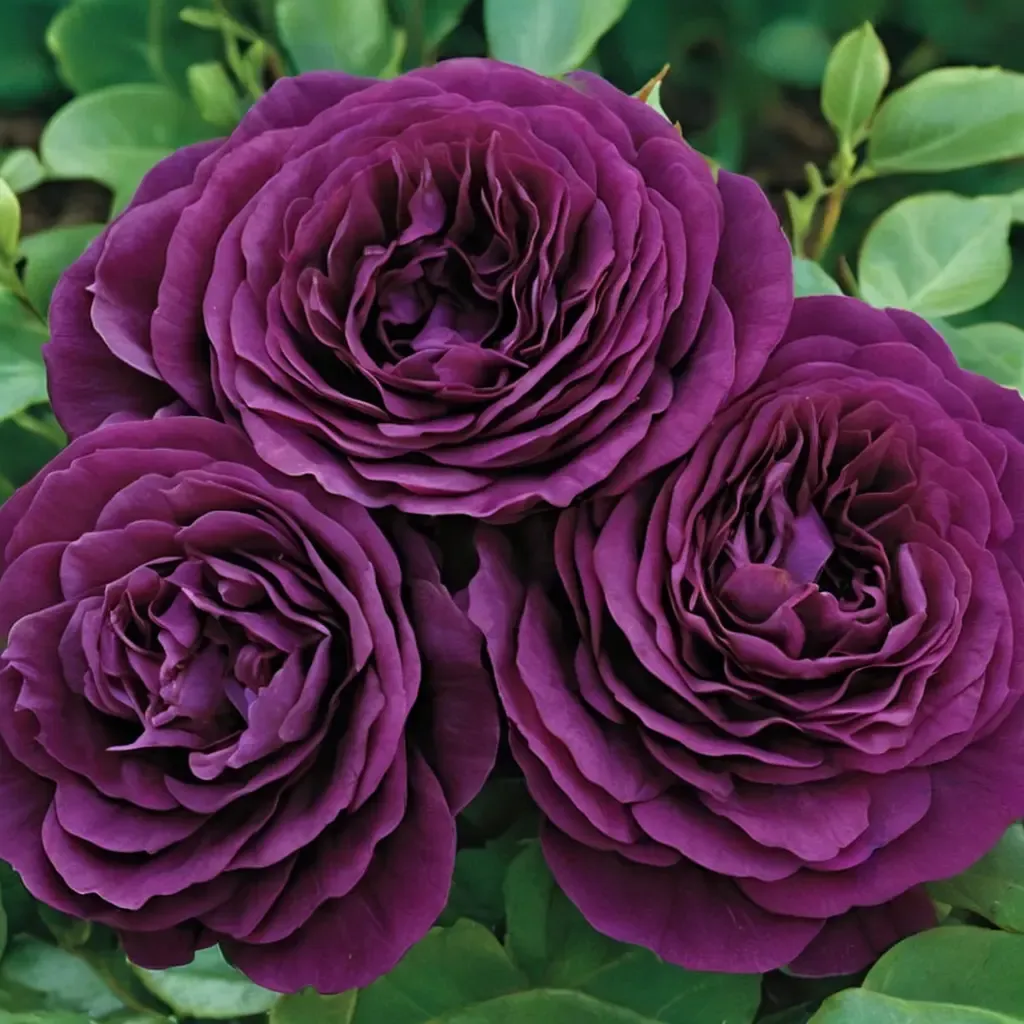
Twilight Zone Rose
Rosa x hybrida 'Twilight Zone'
Keep exploring
Explore the genus
Grow 'Rosie the Riveter' Rose with confidence
See it in a design of your actual yard, get zone-matched care reminders, and track it season by season in your garden journal.