The Story
Plant Bio
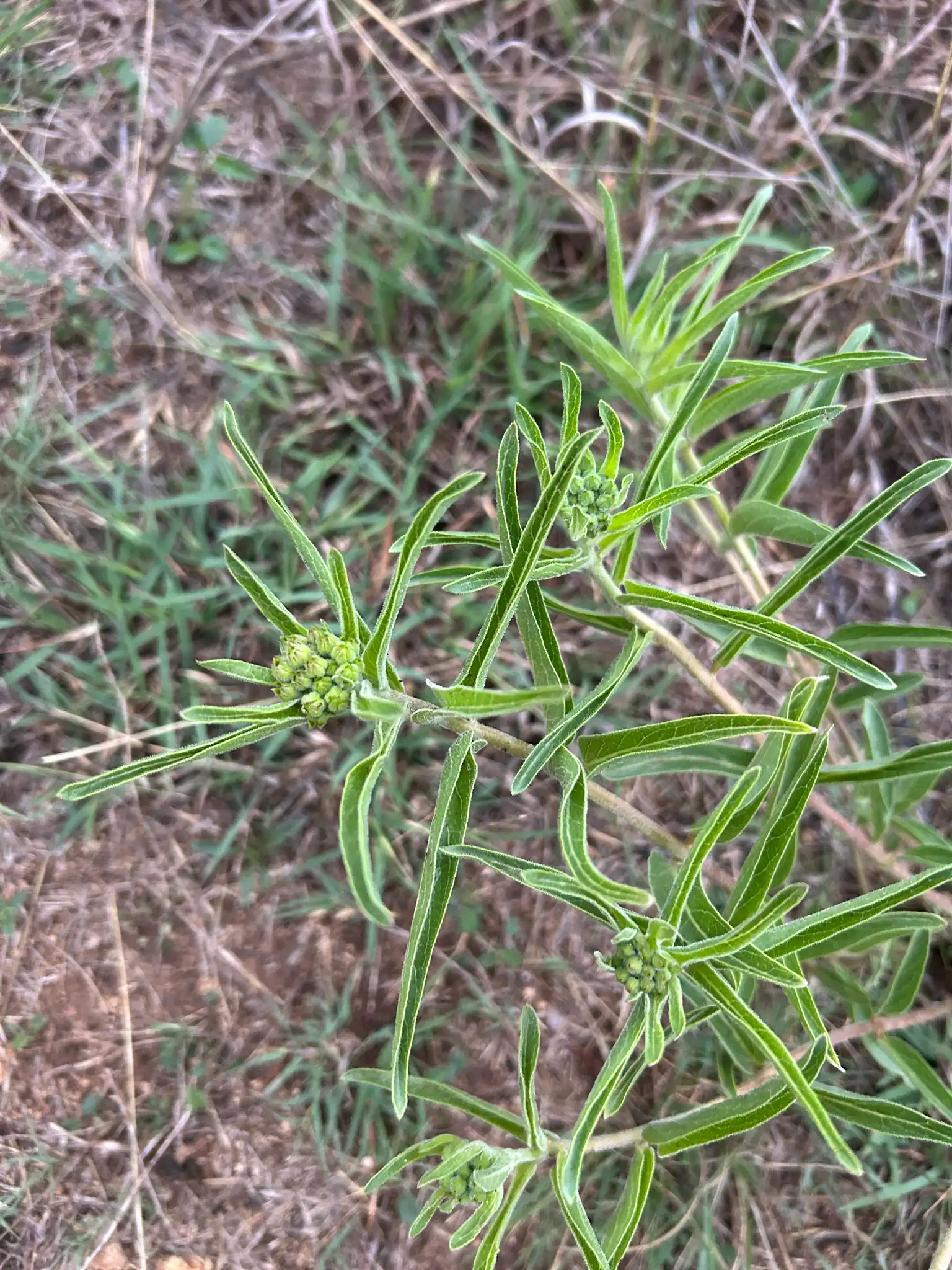
Asclepias asperula, commonly known as antelope-horns, is a clump-forming herbaceous perennial native to dry prairies and desert-edge environments of the southwestern and central United States and northern Mexico. Multiple sprawling to upright stems arise from a stout, deep central taproot, bearing narrow, pubescent leaves that fold upward into a distinct V-shape.
The distinctive terminal flower clusters form globose, pale greenish-yellow wheels highlighted by curved, purplish-maroon hoods resembling antelope horns. These blooms serve as an essential early-season larval host for monarch and queen butterflies while providing abundant nectar for native bees.
Uses & Benefits:
Essentials
At a Glance
Plant Type
Perennial
Height
36"
Width
24"
Light
Full Sun
Zones
7, 8, 9
Water
Low
Humidity
Moderate to low
Lifespan
Perennial
Native To
North America
Toxicity
Toxic if ingested; skin and eye irritant
Bloom period
Spring – Fall
In flower about 9 months of the year
Marketplace
Where to Buy
Shipping costs Year-round shipping Free shipping
Planting
How to Grow
- Select a planting site in full sun with lean, sandy, rocky, or clay-caliche soil that drains rapidly.
- Sow seeds directly in late fall to allow natural cold-moist stratification, or plant small plugs in spring without disturbing their roots.
- Water sparingly during the first growing season to help the deep taproot establish, then cease supplemental irrigation entirely.
- Leave the surrounding soil unmulched or use a thin layer of gravel; organic mulches retain too much moisture around the crown.
Pro Tip
Establish this species from small plugs or direct-sown seeds in lean, gravelly, exceptionally well-drained soil, and leave it entirely undisturbed; attempting to transplant a mature specimen will break its brittle, deep taproot and kill the plant.
Keep It Thriving
Care Guide
Do
- Plant in exceptionally well-drained, lean soil to prevent root rot.
- Prune back dead, dry stems in late winter before new basal growth emerges.
- Monitor new growth in spring for oleander aphids and manage them with a sharp spray of water if colonization is heavy.
Don't
- Do not fertilize, as nutrient-rich soils cause weak, leggy growth and shorten the plant's lifespan.
- Do not attempt to transplant or move established specimens due to their fragile, deep taproot.
- Do not overwater or plant in low-lying areas where water collects.
- Do not cut into the old, leafless woody crown tissue below active growth buds when pruning.
Seasonal Care Calendar
| Task | Jan | Feb | Mar | Apr | May | Jun | Jul | Aug | Sep | Oct | Nov | Dec |
|---|---|---|---|---|---|---|---|---|---|---|---|---|
| Pest Check | ||||||||||||
| Propagate | ||||||||||||
| Spring Cleanup | ||||||||||||
| Winter Prep |
Watch Out For
Pests & Diseases
Common Pests
Common Diseases
In the Garden
Landscape Uses & Companions
Landscape Uses
Companion Plants
Multiply
Propagation Methods
Good to Know
Common Questions
Antelope-horns questions
What zones can Antelope-horns grow in?
Antelope-horns is hardy in USDA Zones 7–9. Inside that range it survives winter in the ground; outside it, grow it as an annual or a container plant you protect.
When does Antelope-horns bloom?
Antelope-horns typically blooms in spring through fall. Exact timing shifts a week or two with your zone — Sow's bloom calendar maps it to your garden.
Does Antelope-horns need full sun?
Antelope-horns does best in full sun (6+ hours).
Is Antelope-horns drought tolerant?
Yes — once established (usually after the first full season), Antelope-horns handles dry spells with minimal watering. Water deeply its first year to build the root system that makes that possible.
More Asclepias to compare
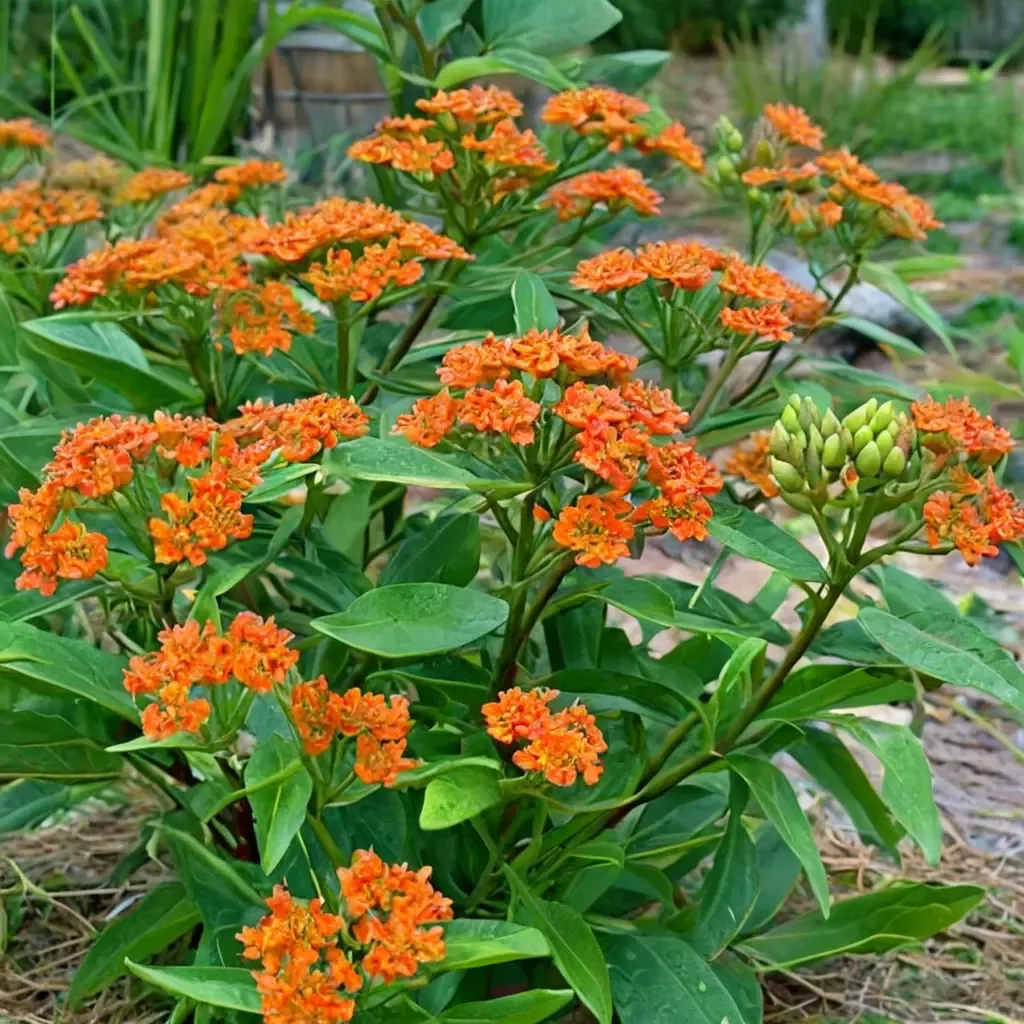
Butterfly Weed
Asclepias tuberosa
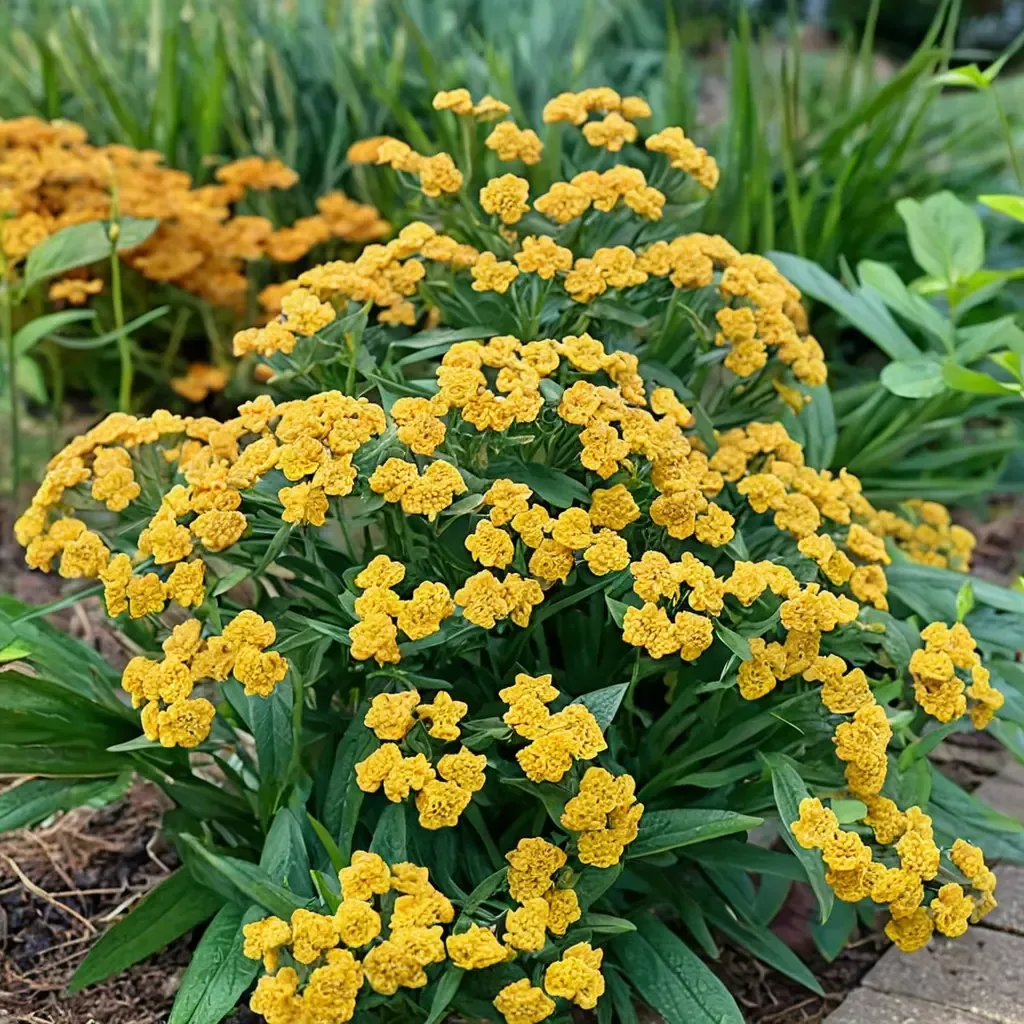
Hello Yellow Butterfly Weed
Asclepias tuberosa 'Hello Yellow'
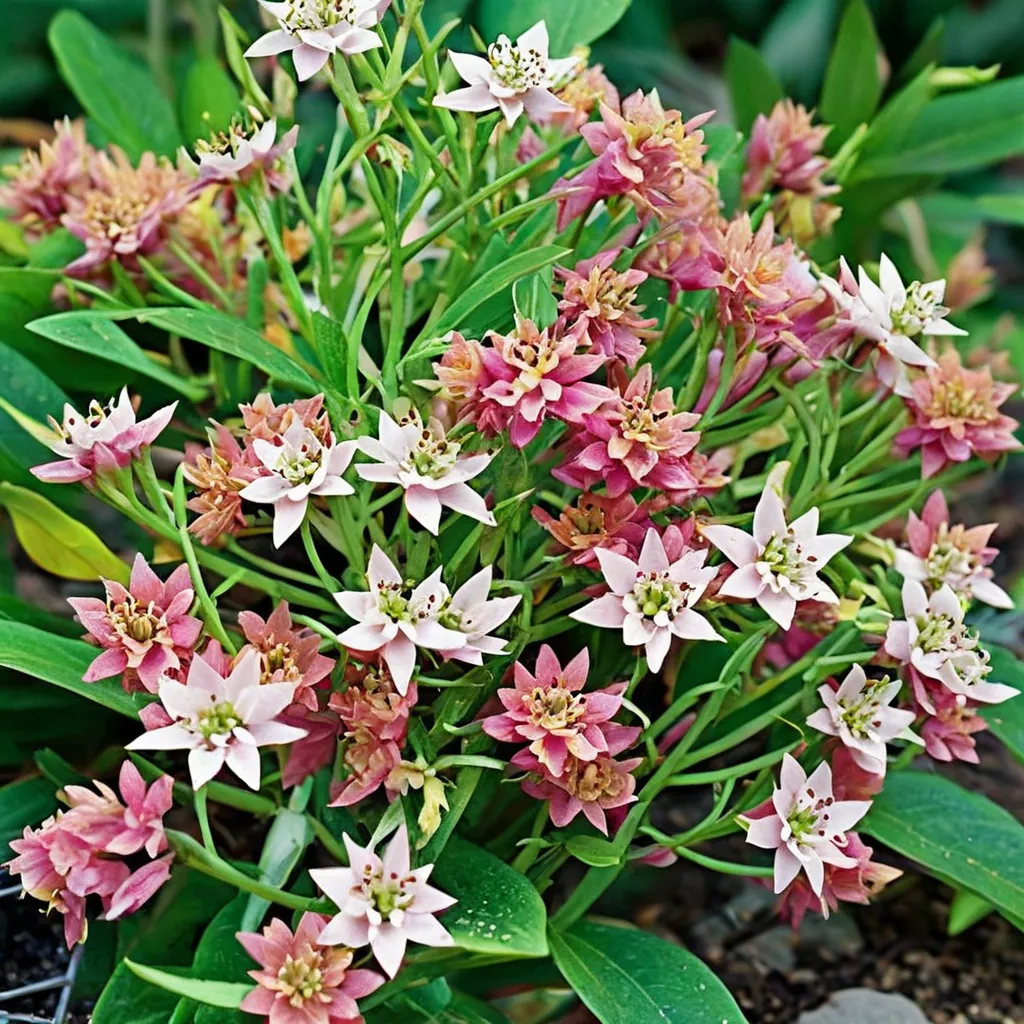
Butterfly Milkweed
Asclepias x hybrida
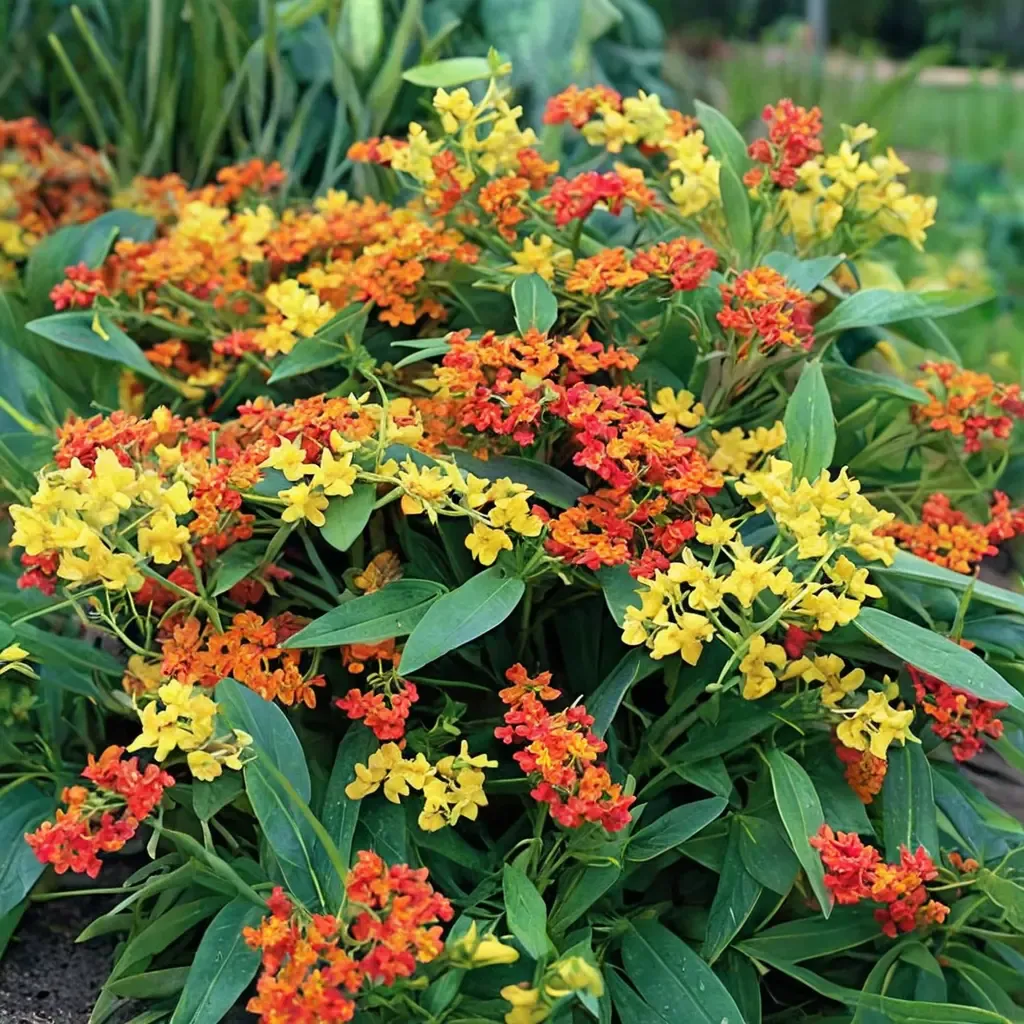
Gay Butterflies Mix Butterfly Weed
Asclepias tuberosa 'Gay Butterflies Mix'
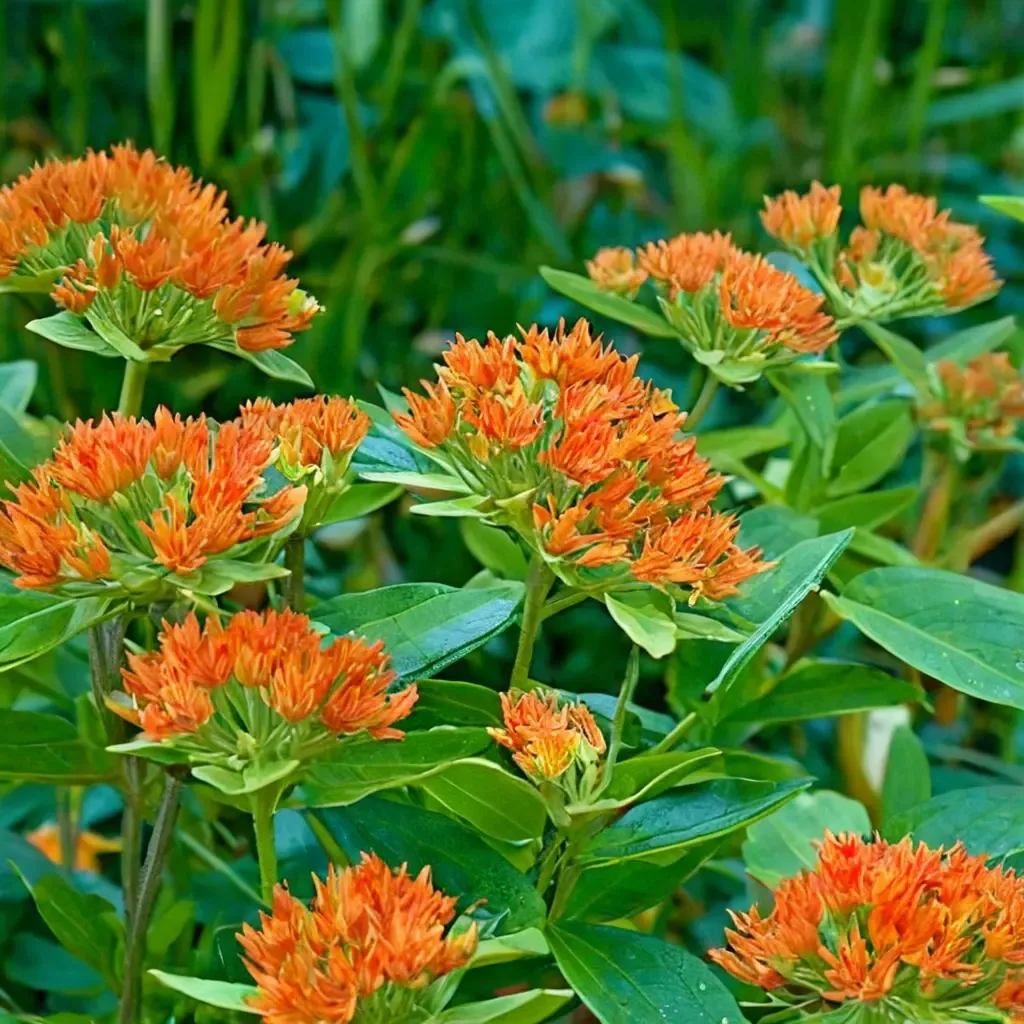
Butterfly Garden Butterfly Weed
Asclepias tuberosa 'Deluxe Butterfly Garden'
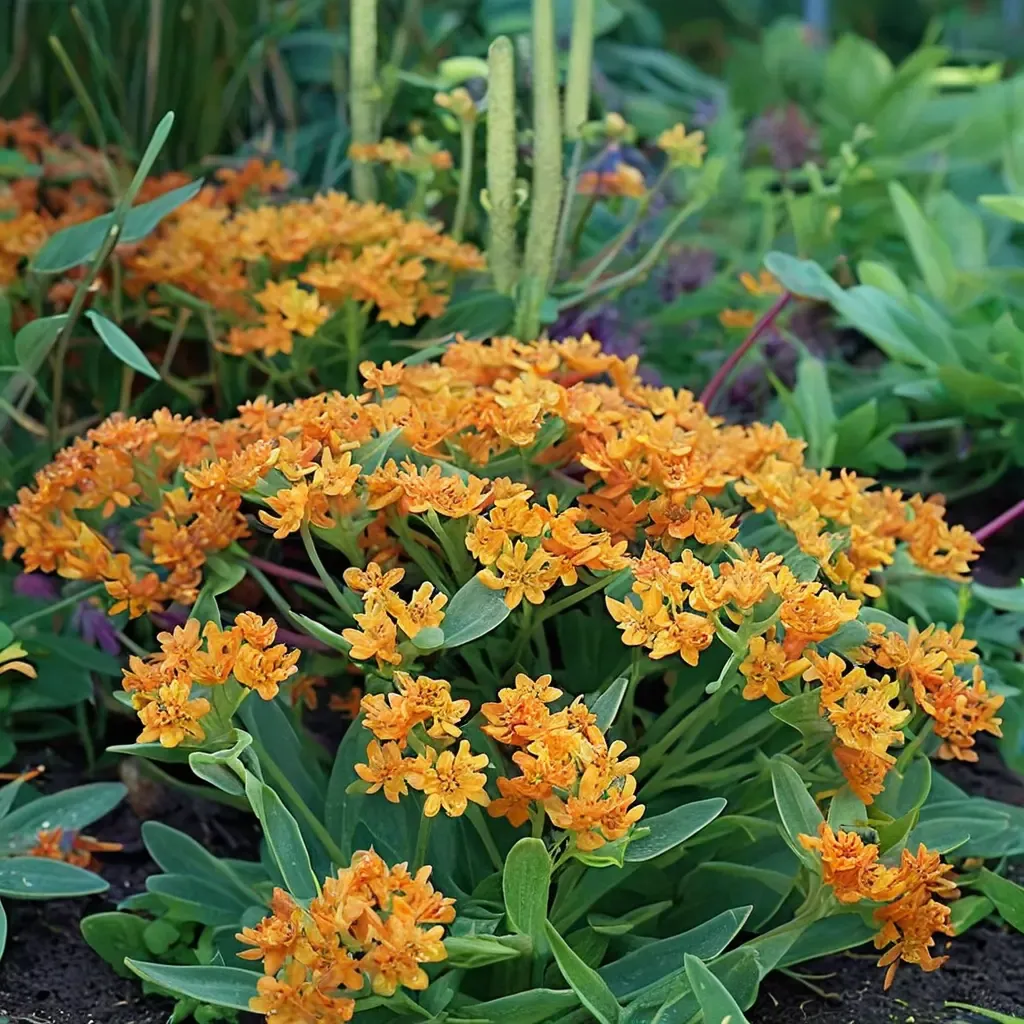
Butterfly Weed Gay Butterflies Milkweed
Asclepias tuberosa 'Gay Butterflies'
Keep exploring
Explore the genus
Hardy in your zone?
Grow Antelope-horns with confidence
See it in a design of your actual yard, get zone-matched care reminders, and track it season by season in your garden journal.