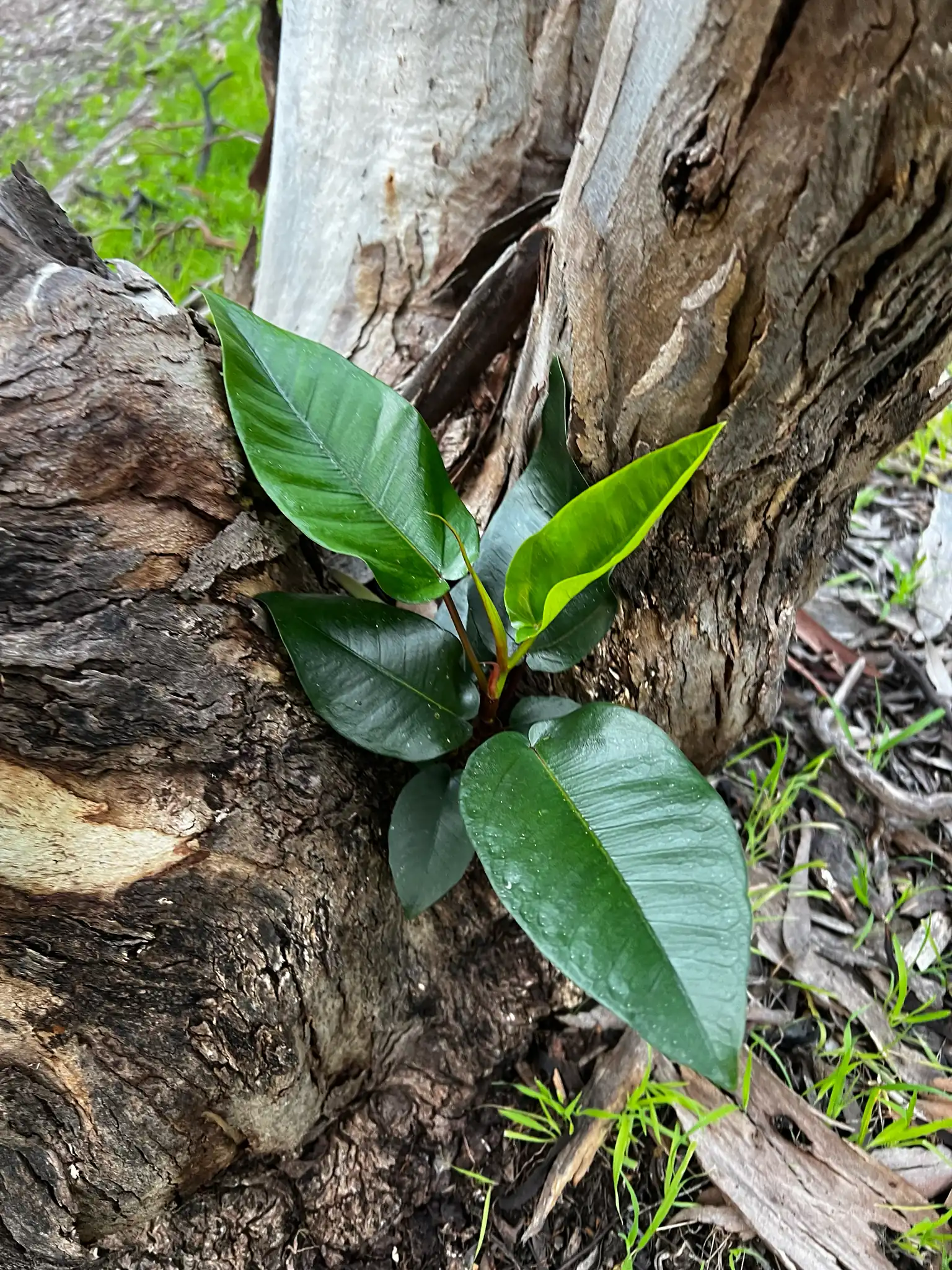
The Story
Plant Bio
Ficus macrophylla, commonly known as Moreton Bay Fig, is a massive evergreen tree with a broad, dense canopy. Mature specimens develop immense buttress root bases and extensive aerial prop roots that anchor wide-spreading branches.
Foliage consists of thick, leathery leaves with dark glossy tops and rusty copper undersides coated in minute scales. Enclosed, spherical fruit-like syconia ripen from yellow-green to purple with pale spots.
Uses & Benefits:
Essentials
At a Glance
Plant Type
Tree
Height
1575"
Width
1378"
Light
Full Sun, Partial Sun
Zones
10
Water
Moderate
Humidity
Moderate to High
Lifespan
Perennial
Native To
Eastern Australia, Lord Howe Island
Toxicity
Caustic sap causes skin irritation; toxic if ingested in large quantities
Bloom period
Spring – Summer
In flower about 6 months of the year
Planting
How to Grow
- Select a planting location in full sun to light shade with well-draining soil and ample room for expansive root growth.
- Dig a planting hole twice as wide as the root ball and equal to its depth.
- Position the tree so the root collar sits flush with the surrounding soil level.
- Backfill with native soil, tamp down gently to remove air pockets, and water thoroughly to settle.
- Apply a 2- to 3-inch layer of organic mulch over the root zone, keeping it clear of the direct trunk base.
Pro Tip
Prune only for corrective shape in late winter; cutting back into old leafless wood yields patchy and slow regrowth.
Keep It Thriving
Care Guide
Do
- Provide well-draining soil to prevent root decay.
- Give young trees supplemental water until their root systems establish.
- Wear protective gloves when trimming to avoid contact with milky sap.
Don't
- Do not plant near concrete foundations, driveways, or underground pipes.
- Do not allow young saplings to experience freezing temperatures below 28 degrees Fahrenheit.
- Do not overwater established trees in slow-draining soils.
Seasonal Care Calendar
| Task | Jan | Feb | Mar | Apr | May | Jun | Jul | Aug | Sep | Oct | Nov | Dec |
|---|---|---|---|---|---|---|---|---|---|---|---|---|
| Fertilize | ||||||||||||
| Mulch | ||||||||||||
| Pest Check | ||||||||||||
| Prune |
Watch Out For
Pests & Diseases
Common Pests
Common Diseases
In the Garden
Landscape Uses & Companions
Landscape Uses
Multiply
Propagation Methods
Good to Know
Common Questions
Moreton Bay Fig questions
What zones can Moreton Bay Fig grow in?
Moreton Bay Fig is hardy in USDA Zone 10: in that range it survives winter in the ground. Colder than Zone 10, winters are too cold for it to survive outdoors.
Is Moreton Bay Fig deer resistant?
Not reliably. Deer may browse Moreton Bay Fig, especially tender spring growth — plan on repellents or fencing where pressure is high.
When does Moreton Bay Fig bloom?
Moreton Bay Fig typically blooms from spring to summer. Exact timing shifts a week or two with your zone — Sow's bloom calendar maps it to your garden.
Does Moreton Bay Fig need full sun?
Moreton Bay Fig does best in full sun to part shade. In hot climates, afternoon shade keeps blooms fresher longer.
Is Moreton Bay Fig drought tolerant?
Yes — once established (usually after the first full season), Moreton Bay Fig handles dry spells with minimal watering. Water deeply its first year to build the root system that makes that possible.
More Ficus to compare
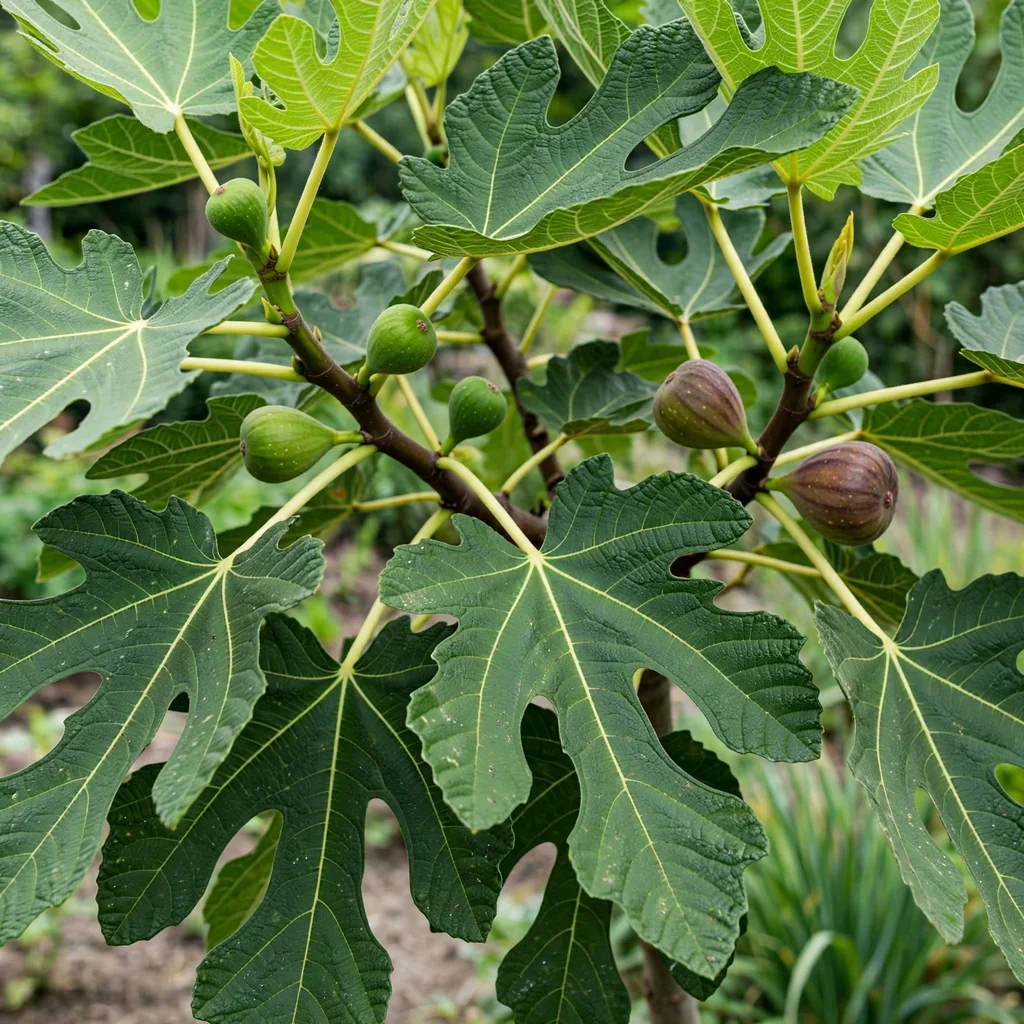
Fig Tree Brown Turkey
Ficus carica 'Brown Turkey'
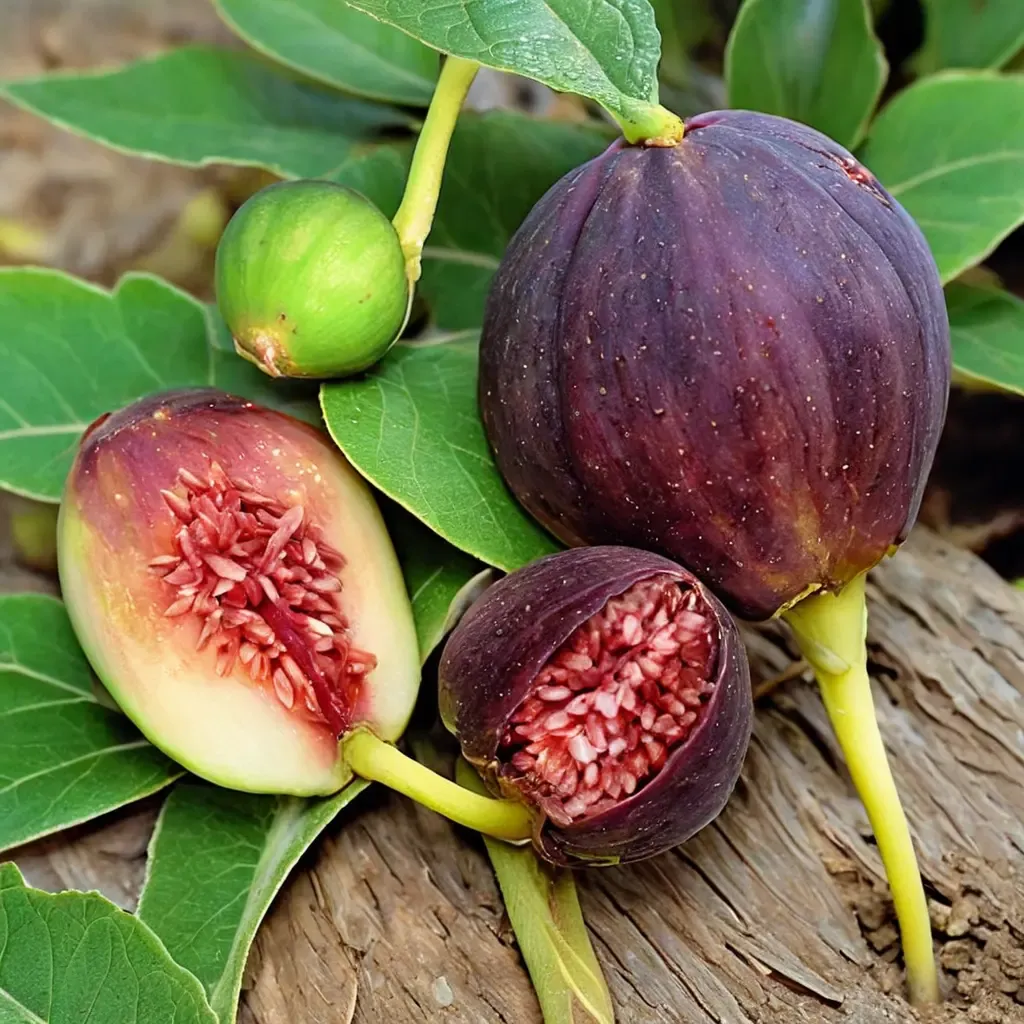
Improved Brown Turkey Fig
Ficus carica 'Improved Brown Turkey'
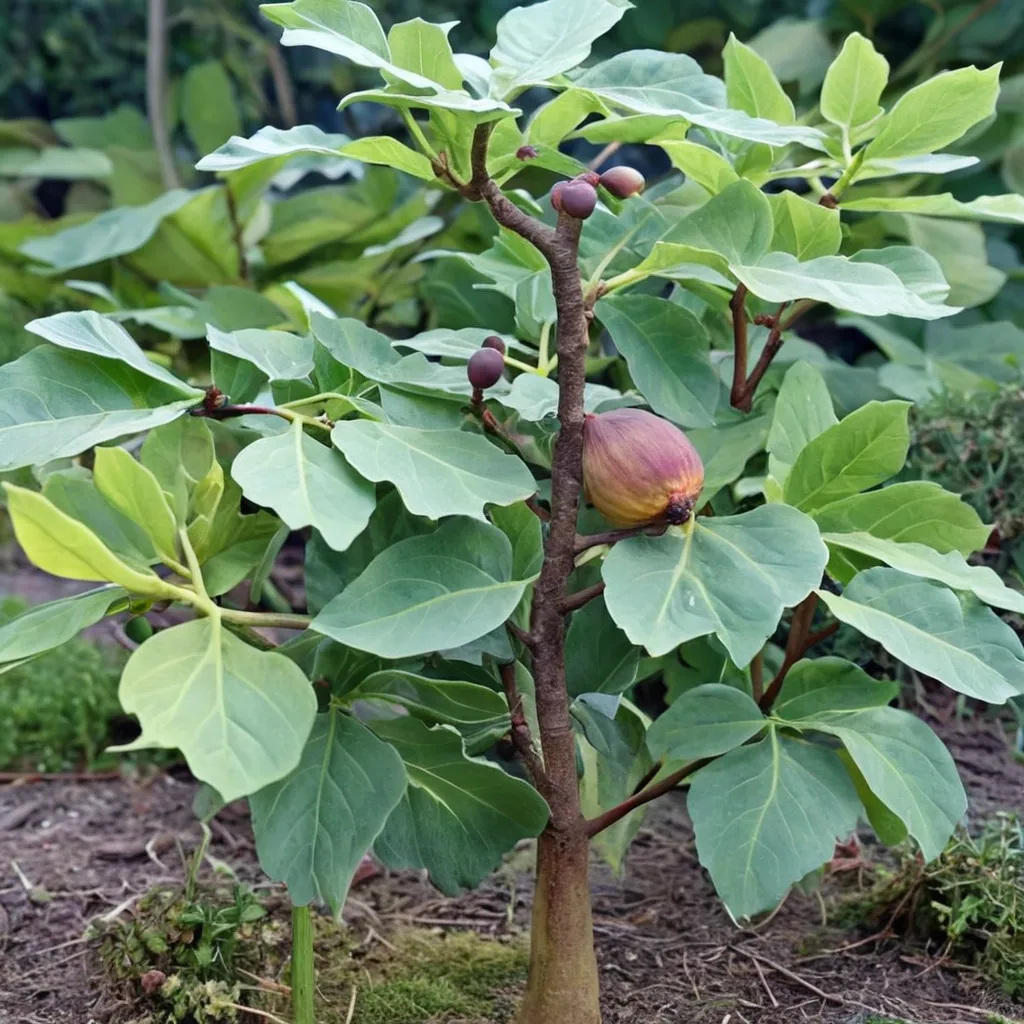
Chicago Hardy Fig
Ficus carica 'Chicago Hardy'
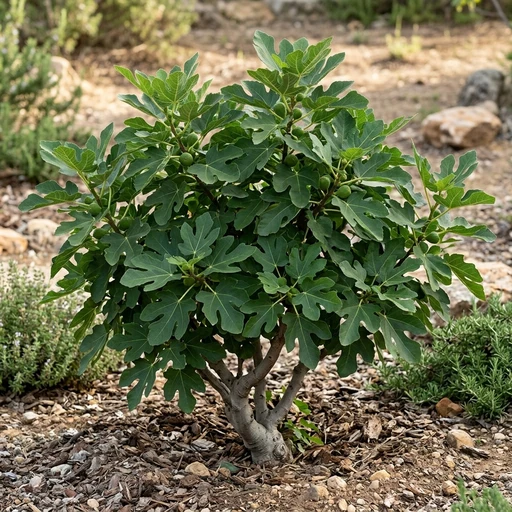
Little Miss Figgy Dwarf Fig
Ficus carica 'Little Miss Figgy'
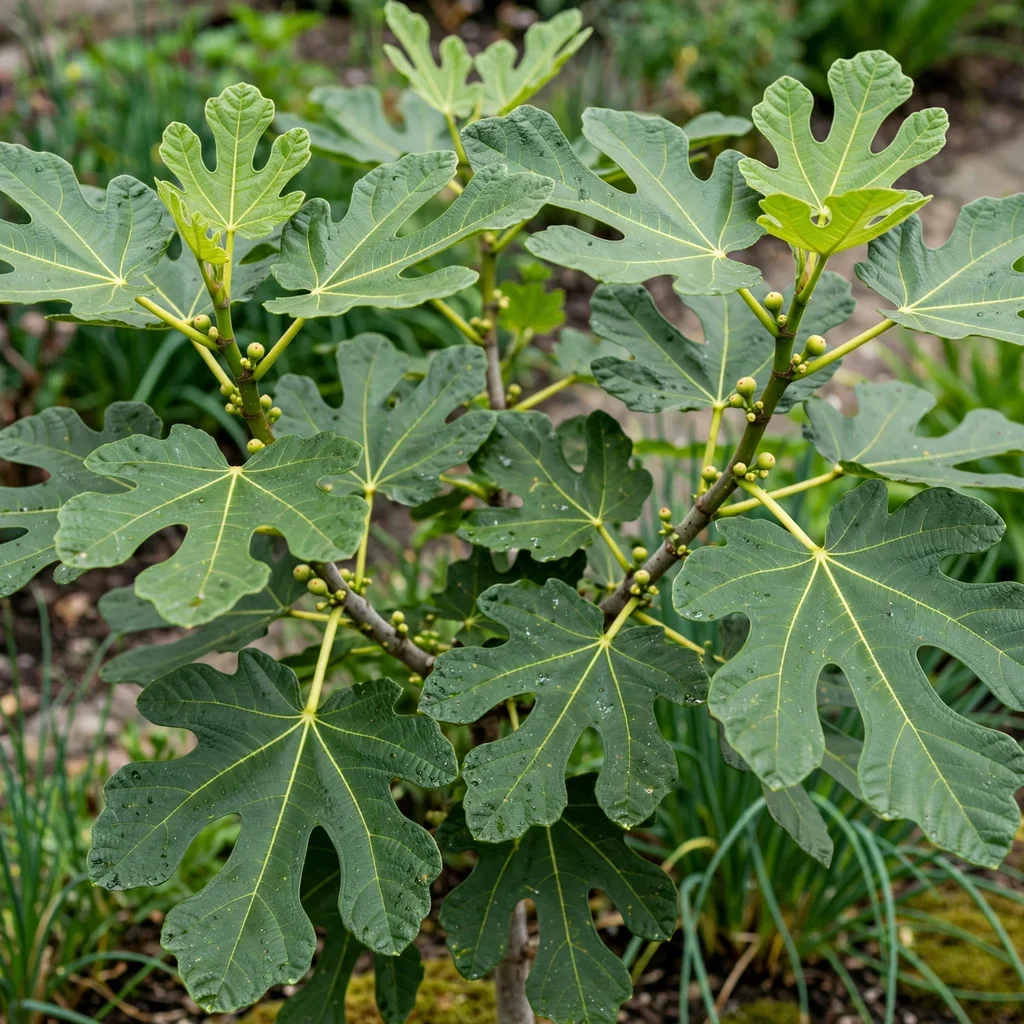
Champagne Fig
Ficus carica 'Champagne'
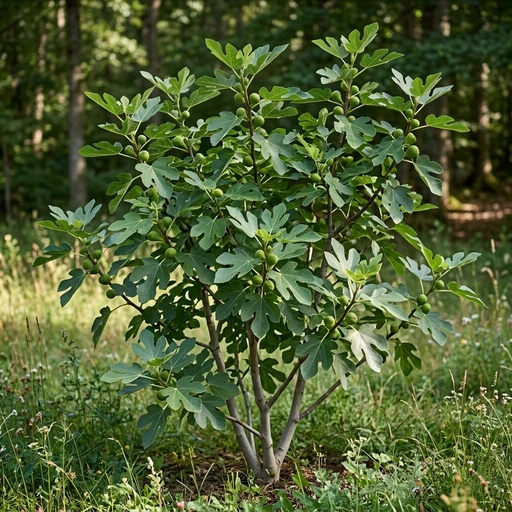
Celeste Fig
Ficus carica 'Celeste'
Keep exploring
Explore the genus
Hardy in your zone?
Grow Moreton Bay Fig with confidence
See it in a design of your actual yard, get zone-matched care reminders, and track it season by season in your garden journal.