
The Story
Plant Bio
Carex tenuiculmis is an evergreen, tussock-forming sedge that builds a dense mound of narrow, arching leaves on slender stems. The foliage emerges reddish-green and ripens to bronze-orange in fall, with wiry 3- to 5-inch brown spikelets held above the leaves in late spring.
Unlike the coarse, trunk-forming Carex secta, this species stays stemless in a tight clump with fine leaves 10 to 31 inches long and olive-green bases shading to coppery tips. It is often sold incorrectly as Carex ternaria, which it does not resemble; the name tenuiculmis refers to its distinctly slender flowering stems.
Uses & Benefits:
Essentials
At a Glance
Plant Type
Grass
Height
24"
Width
35"
Light
Full Sun, Partial Sun
Zones
6, 7, 8, 9
Water
Evenly moist to wet
Humidity
Tolerant of humidity
Lifespan
Perennial
Native To
New Zealand
Toxicity
Unknown
Bloom period
Late spring – Early summer
In flower about 2 months of the year
Planting
How to Grow
- Plant in full sun to part shade in spring after last frost, setting the crown level with the soil.
- Dig into moist, well-draining loam and firm plants 18 to 24 inches apart for edging.
- Water deeply at planting and keep soil evenly moist through the first summer.
- Mulch 2 inches in zone 6 before winter and grow in a container brought under cover where colder.
Pro Tip
Give it full sun and soil that stays evenly moist for the deepest bronze color; plants left dry stay green and stop bulking up.
Keep It Thriving
Care Guide
Do
- Grow in 6 or more hours of sun for bronze-orange fall color.
- Keep soil evenly moist to wet during heat.
- Divide congested clumps every 3 to 4 years.
Don't
- Do not let new plantings dry out completely.
- Do not cut back into leafless old crowns.
- Do not plant in dry shade and expect good color.
Seasonal Care Calendar
| Task | Jan | Feb | Mar | Apr | May | Jun | Jul | Aug | Sep | Oct | Nov | Dec |
|---|---|---|---|---|---|---|---|---|---|---|---|---|
| Divide | ||||||||||||
| Mulch | ||||||||||||
| Pest Check | ||||||||||||
| Plant | ||||||||||||
| Spring Cleanup |
Watch Out For
Pests & Diseases
Common Pests
Common Diseases
In the Garden
Landscape Uses & Companions
Landscape Uses
Companion Plants
Multiply
Propagation Methods
Good to Know
Common Questions
Slender Wine Sedge questions
What zones can Slender Wine Sedge grow in?
Slender Wine Sedge is hardy in USDA Zones 6–9: in that range it survives winter in the ground. Colder than Zone 6, grow it in a container you can move to shelter for the winter, or as an annual. Warmer than Zone 9, winter isn't the problem: it prefers colder winters, and summer heat can shorten its life.
When does Slender Wine Sedge bloom?
Slender Wine Sedge typically blooms from late spring to early summer. Exact timing shifts a week or two with your zone — Sow's bloom calendar maps it to your garden.
Does Slender Wine Sedge need full sun?
Slender Wine Sedge does best in full sun to part shade. In hot climates, afternoon shade keeps blooms fresher longer.
Is Slender Wine Sedge drought tolerant?
Yes — once established (usually after the first full season), Slender Wine Sedge handles dry spells with minimal watering. Water deeply its first year to build the root system that makes that possible.
More Carex to compare
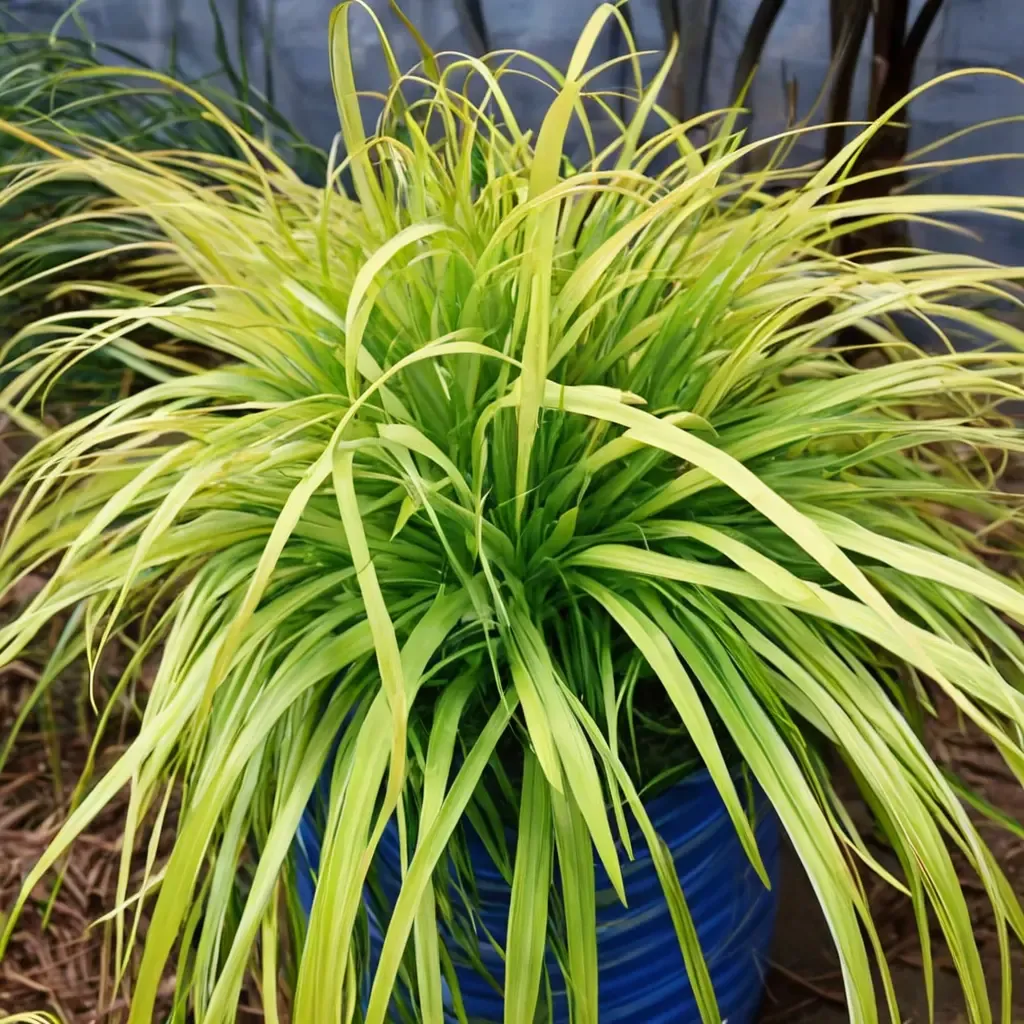
Everillo Sedge
Carex oshimensis 'Everillo'
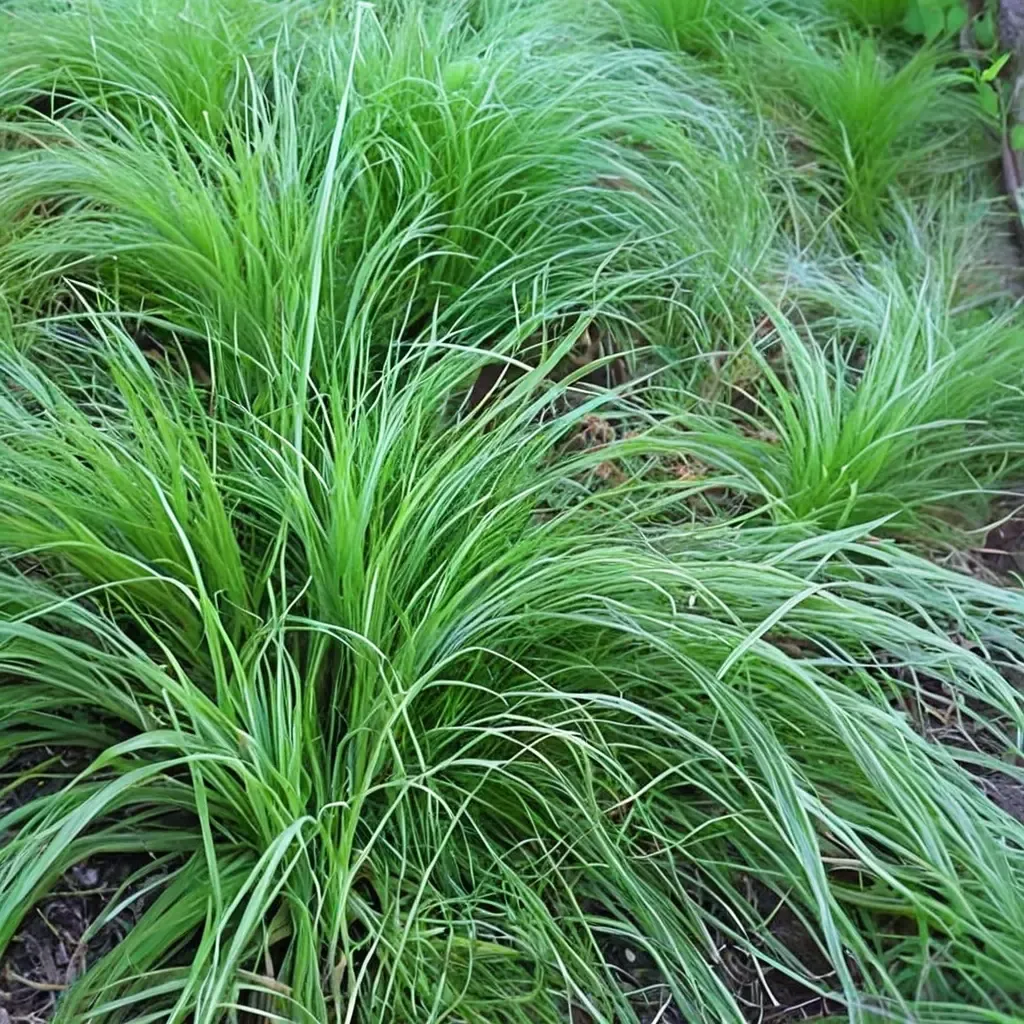
Pennsylvania Sedge
Carex pensylvanica
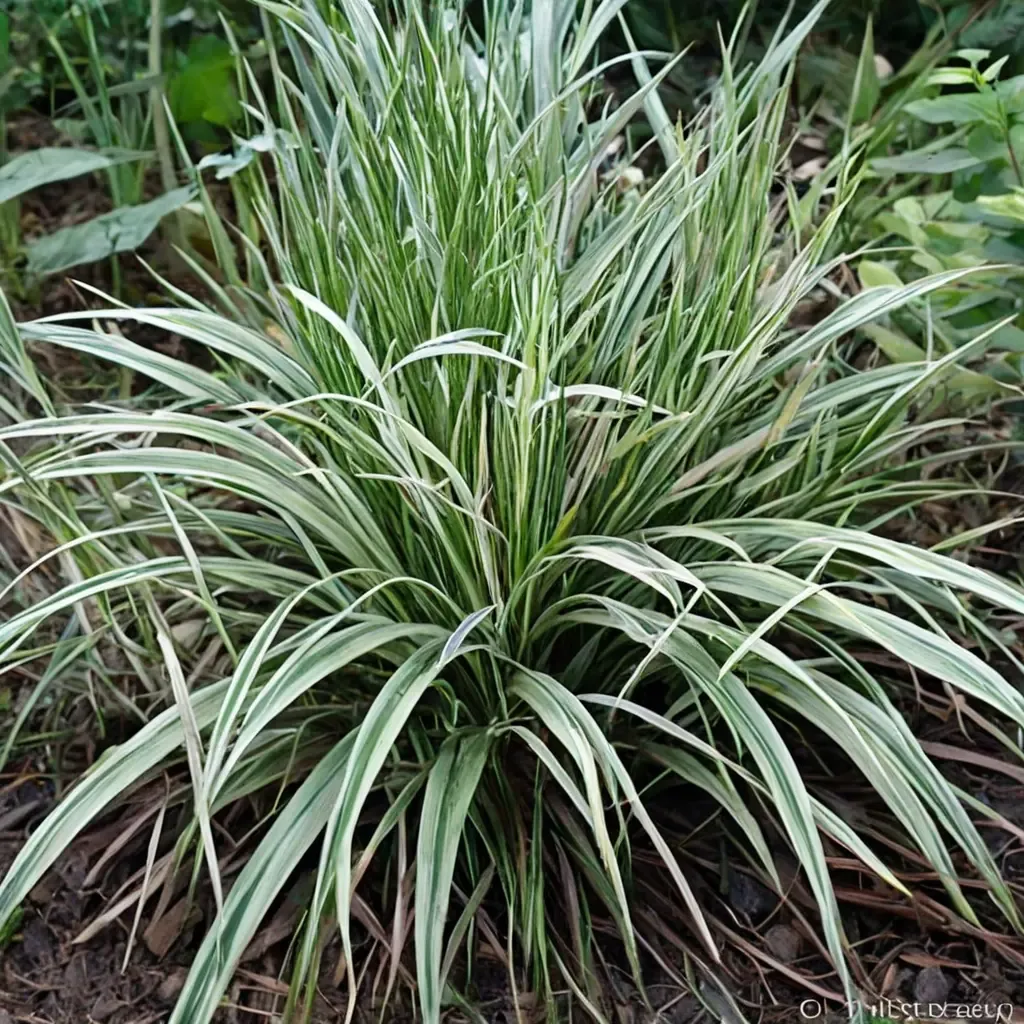
Japanese Sedge
Carex morrowii
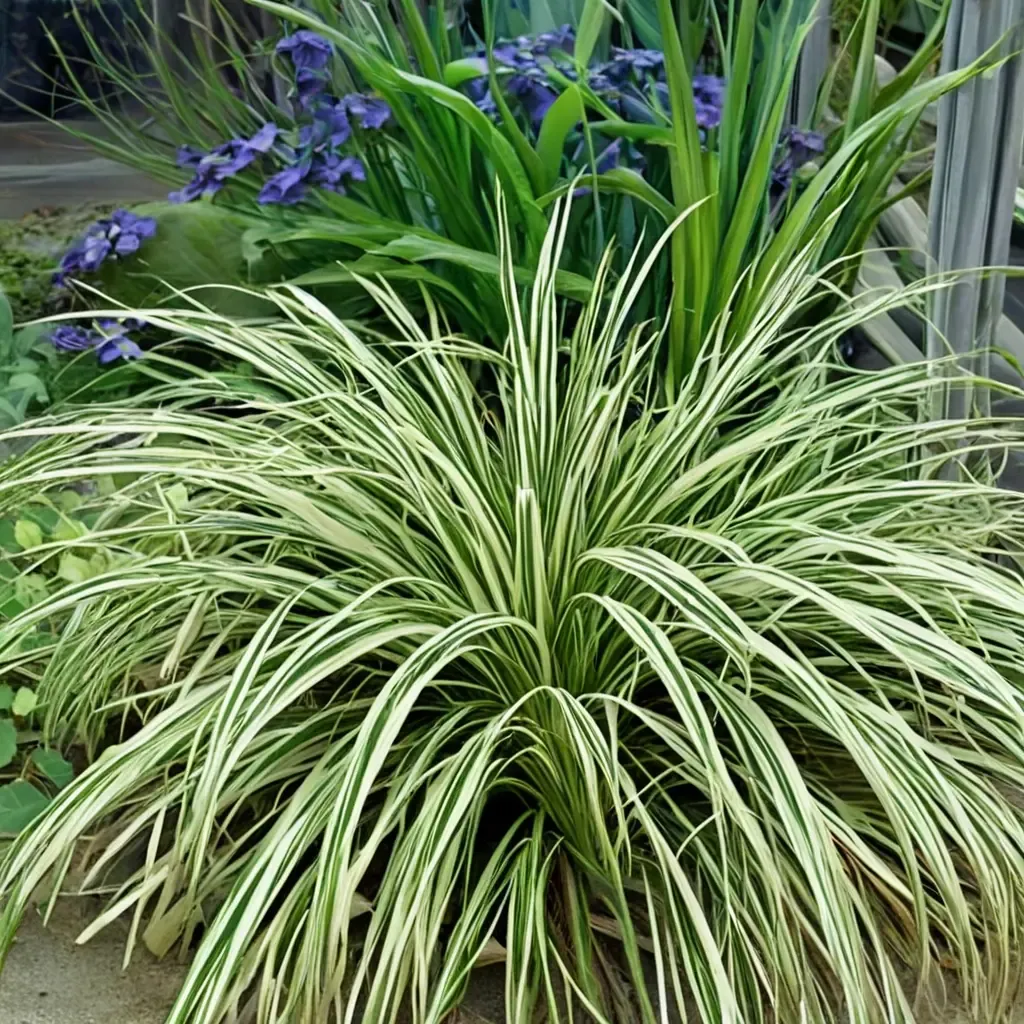
Evergold Japanese Sedge
Carex oshimensis 'Evergold'
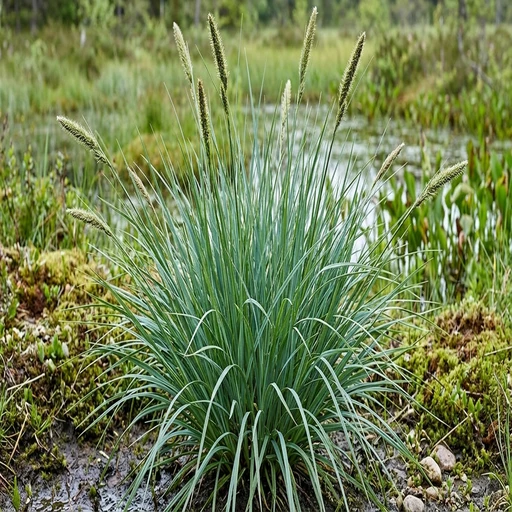
Comosa Sedge
Carex comosa
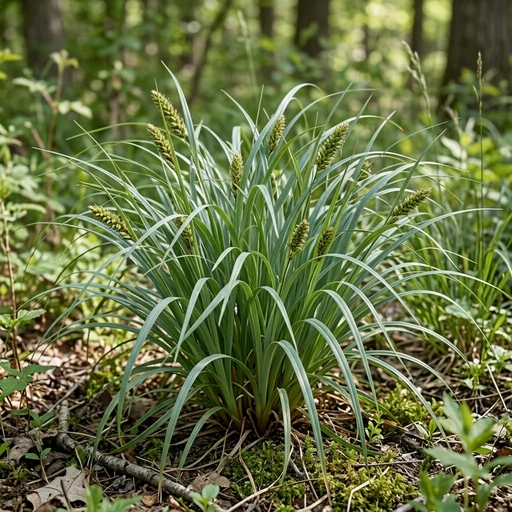
Shortbeak Sedge
Carex brevior
Keep exploring
Explore the genus
Hardy in your zone?
Grow Slender Wine Sedge with confidence
See it in a design of your actual yard, get zone-matched care reminders, and track it season by season in your garden journal.