The Story
Plant Bio
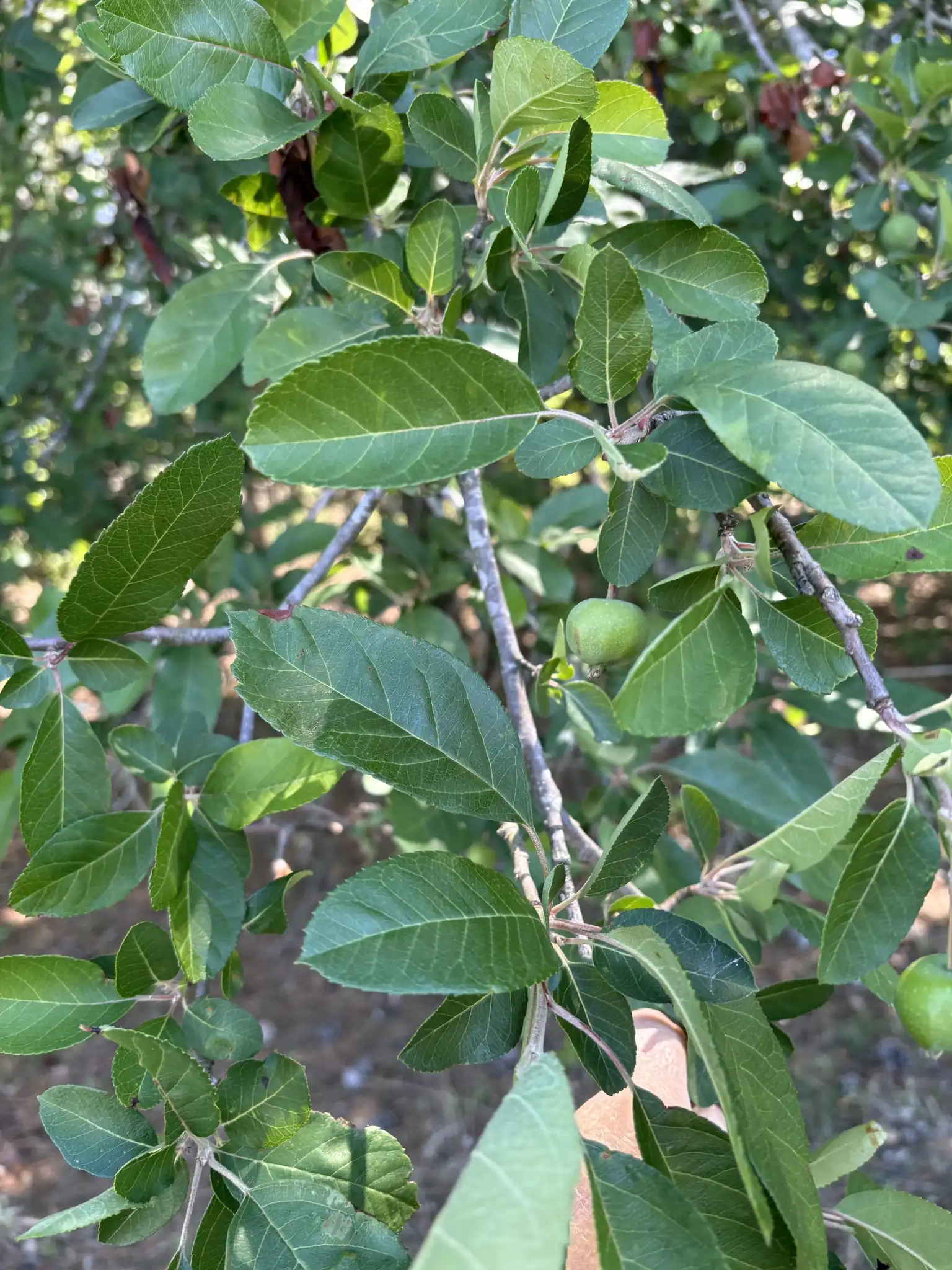
Malus angustifolia is a deciduous small tree to 30 feet with spreading branches forming a broad open rounded crown. Leaves are alternate and elliptic to elliptic-lanceolate, 2.5 to 8 cm long, with fragrant pink flowers borne in loose clusters in spring followed by small yellow-green pomes.
New growth emerges red in early spring and mature bark turns scaly and colored, while the narrow leaves run mostly more than twice as long as wide. It suckers freely from the roots to form thickets and holds leaves late in mild winters in the South.
Uses & Benefits:
Essentials
At a Glance
Plant Type
Tree
Height
360"
Width
240"
Light
Full Sun, Partial Sun
Zones
4, 5, 6, 7, 8
Water
Medium - prefers moist, tolerates brief dry
Humidity
Poor in crowded humid sites; tolerates salt spray
Lifespan
Woody tree that persists by root suckers
Native To
N. Central and E. U.S.A.
Toxicity
Unknown - no species-specific report
Bloom period
Early spring – Spring
In flower about 3 months of the year
Planting
How to Grow
- Plant in full sun to part shade in moist, well-drained, well-limed loam, sand or clay with room for a 20-foot crown and suckers.
- Set the root flare at grade, water in deeply, and mulch 2 to 3 inches wide of the trunk to hold moisture.
- Allow air movement around the crown and avoid crowding in humid sites where disease pressure is high.
- Thin root suckers in late winter to contain the thicket and leave the upper branches unheaded.
Pro Tip
Give it full sun, limed well-drained soil and room to sucker, and remove excess suckers in late winter instead of shearing the crown.
Keep It Thriving
Care Guide
Do
- Provide ample space, good drainage and limed soil.
- Allow suckering where a thicket is wanted.
- Water through establishment to keep soil evenly moist.
Don't
- Do not crowd trees in humid airless sites.
- Do not shear the crown annually.
- Do not plant in soggy ground without drainage.
Seasonal Care Calendar
| Task | Jan | Feb | Mar | Apr | May | Jun | Jul | Aug | Sep | Oct | Nov | Dec |
|---|---|---|---|---|---|---|---|---|---|---|---|---|
| Mulch | ||||||||||||
| Pest Check | ||||||||||||
| Plant | ||||||||||||
| Prune |
Watch Out For
Pests & Diseases
Common Pests
Common Diseases
In the Garden
Landscape Uses & Companions
Landscape Uses
Multiply
Propagation Methods
Good to Know
Common Questions
Southern Crabapple questions
What zones can Southern Crabapple grow in?
Southern Crabapple is hardy in USDA Zones 4–8: in that range it survives winter in the ground. Warmer than Zone 8, winter isn't the problem: it prefers colder winters, and summer heat can shorten its life.
Is Southern Crabapple deer resistant?
Not reliably. Deer may browse Southern Crabapple, especially tender spring growth — plan on repellents or fencing where pressure is high.
When does Southern Crabapple bloom?
Southern Crabapple typically blooms in spring. Exact timing shifts a week or two with your zone — Sow's bloom calendar maps it to your garden.
Does Southern Crabapple need full sun?
Southern Crabapple does best in full sun to part shade. In hot climates, afternoon shade keeps blooms fresher longer.
More Malus to compare
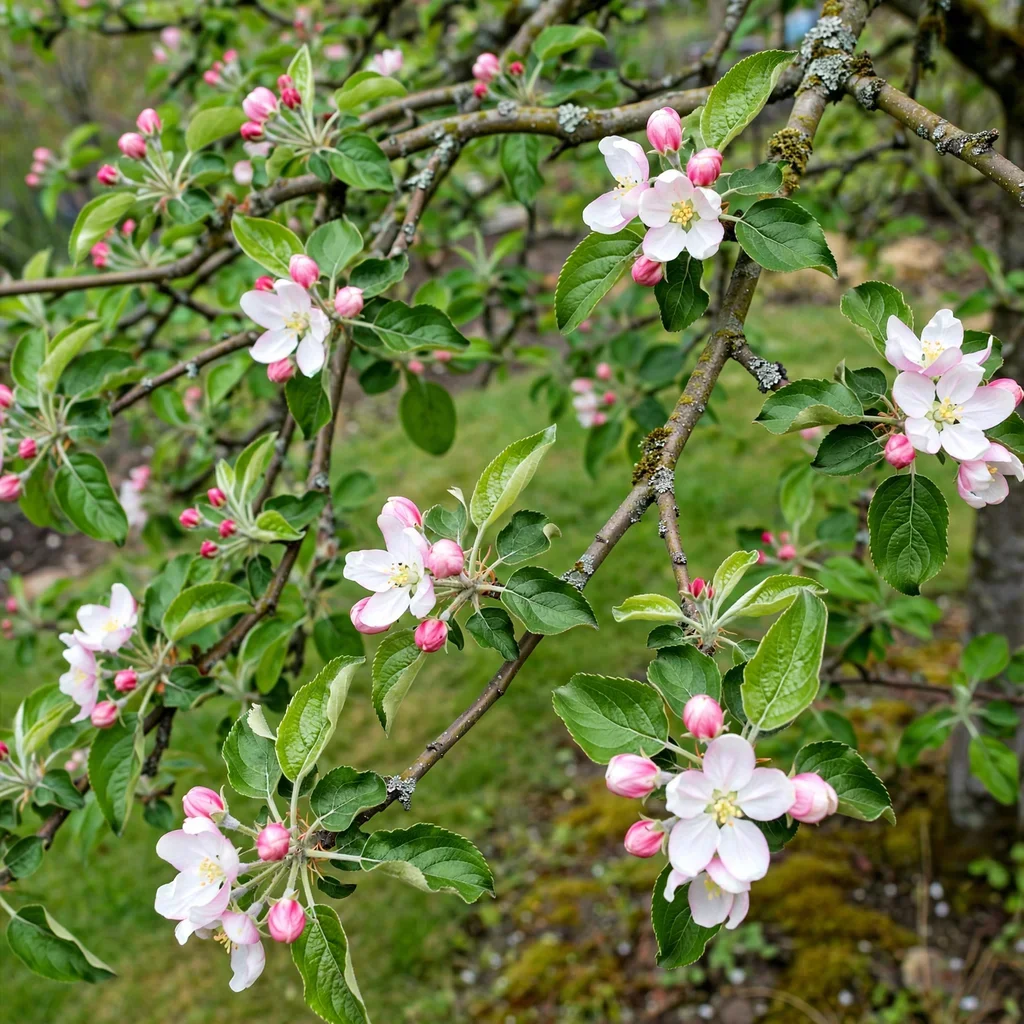
Honeycrisp Apple
Malus domestica 'Honeycrisp'
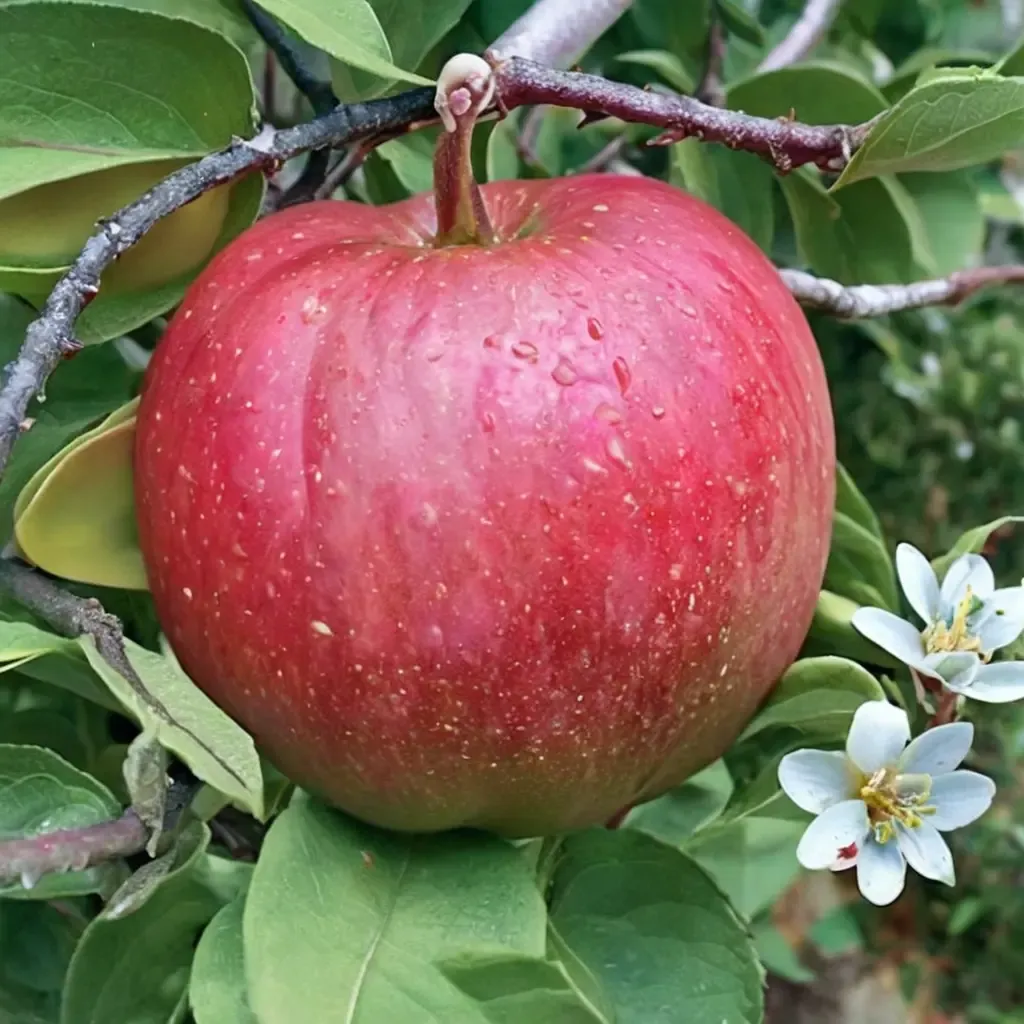
Pixie Crunch Apple
Malus domestica 'Pixie Crunch'
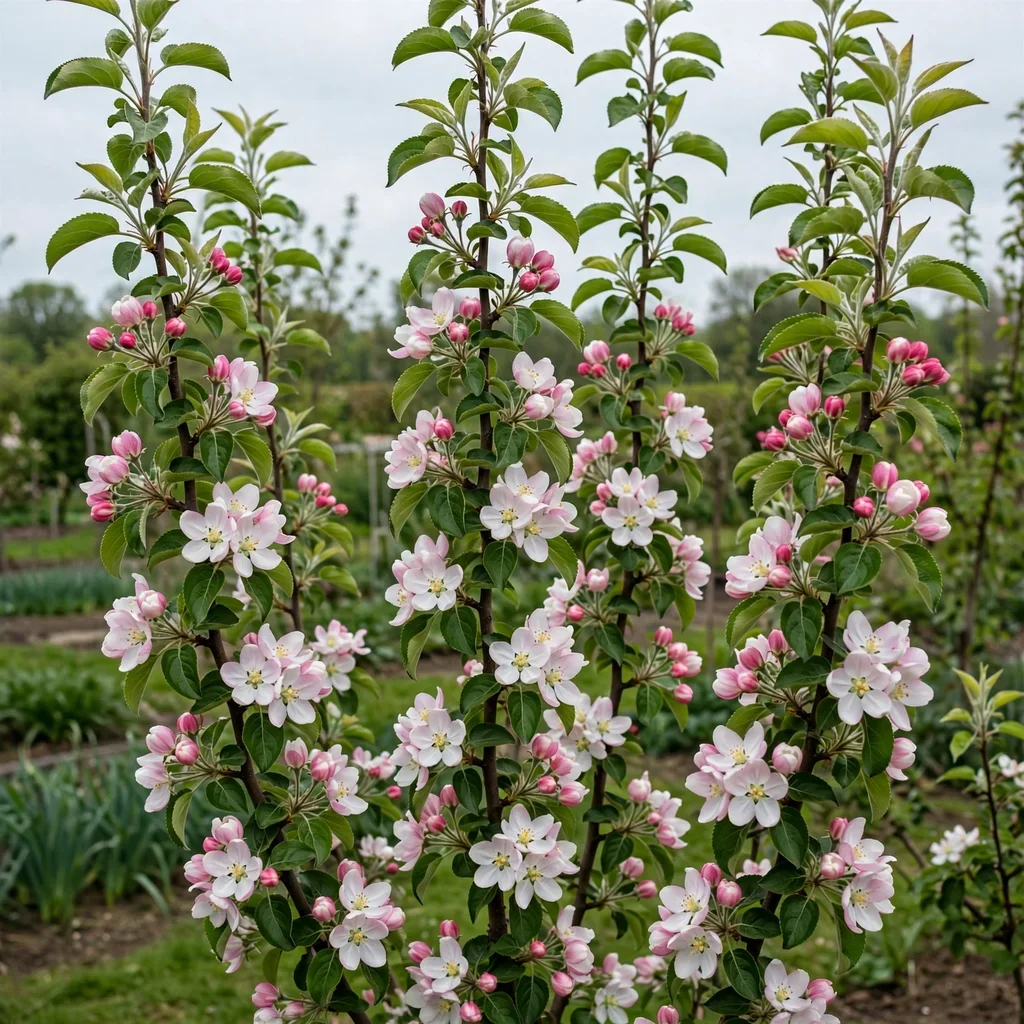
Golden Treat Apple
Malus domestica 'Golden Treat'
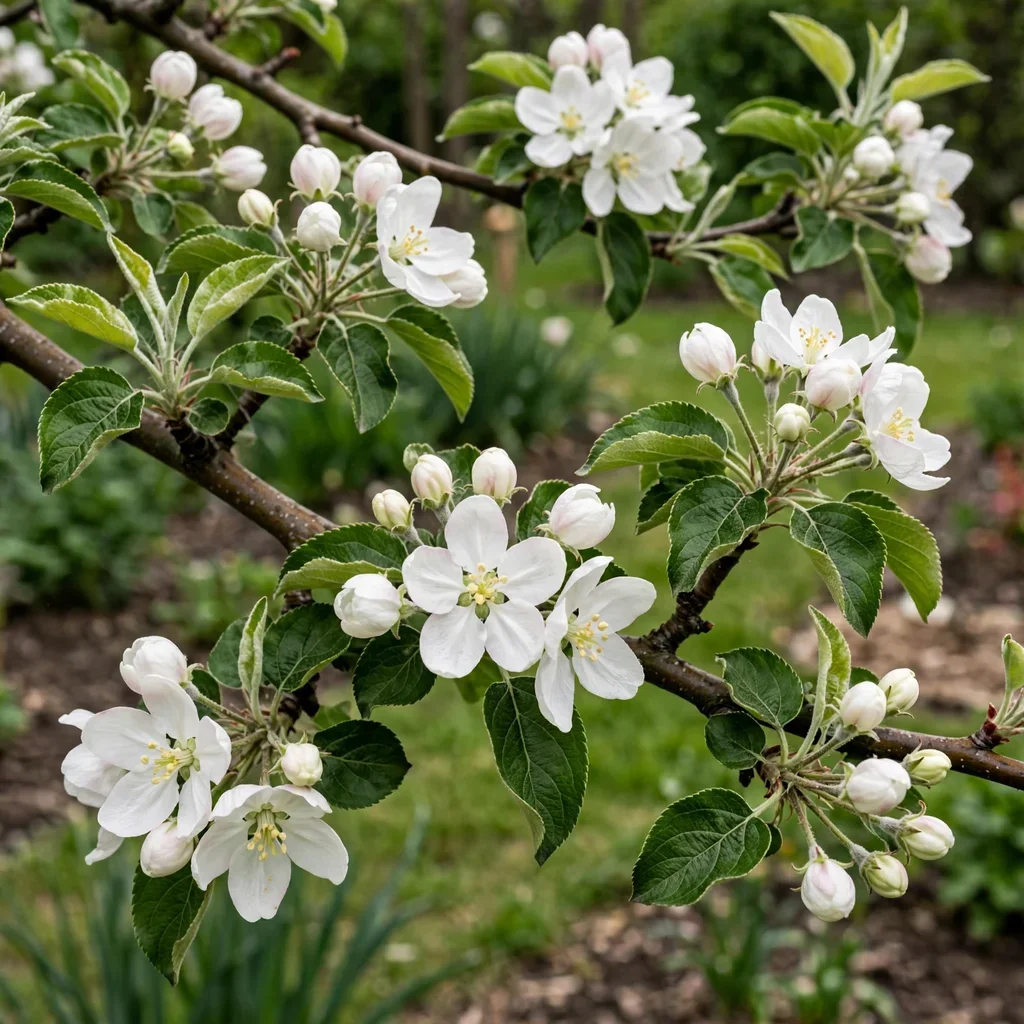
Apple
Malus domestica
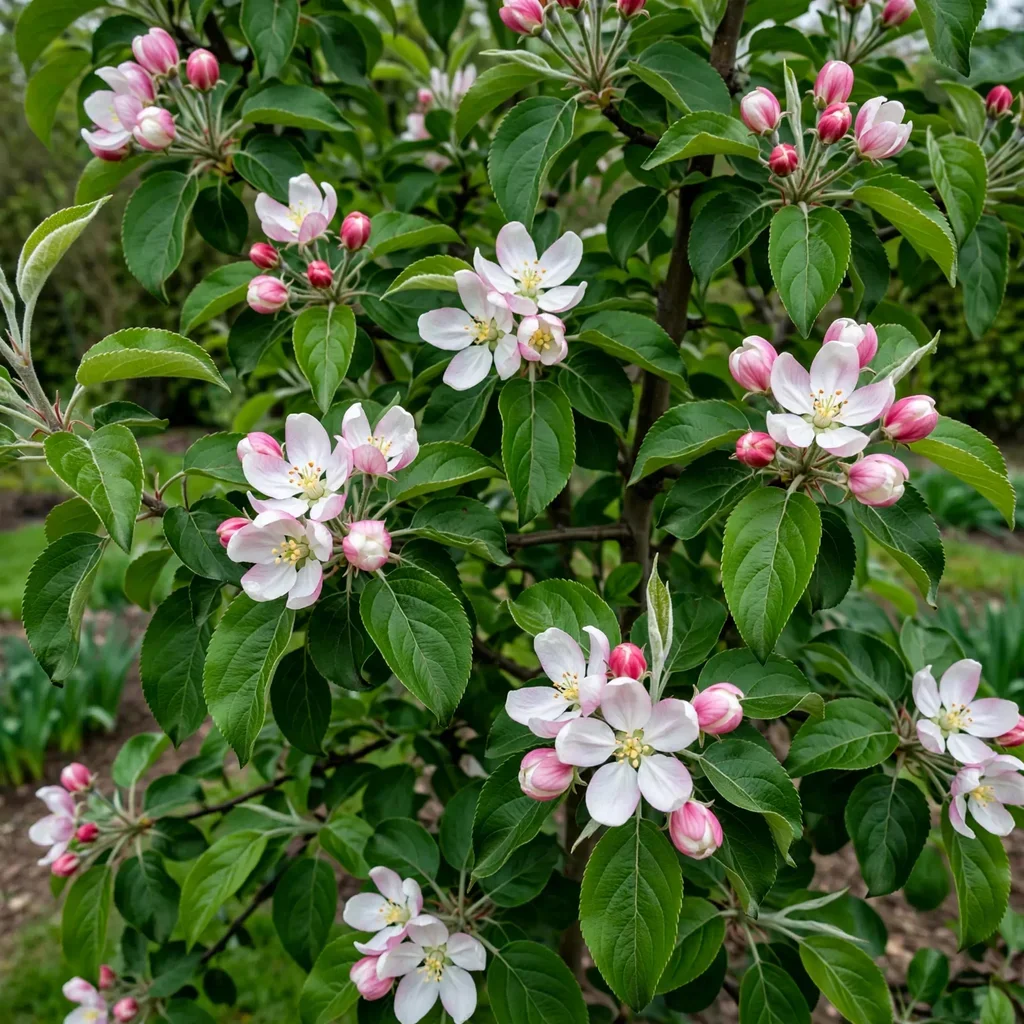
Blushing Delight Apple
Malus domestica 'Blushing Delight'
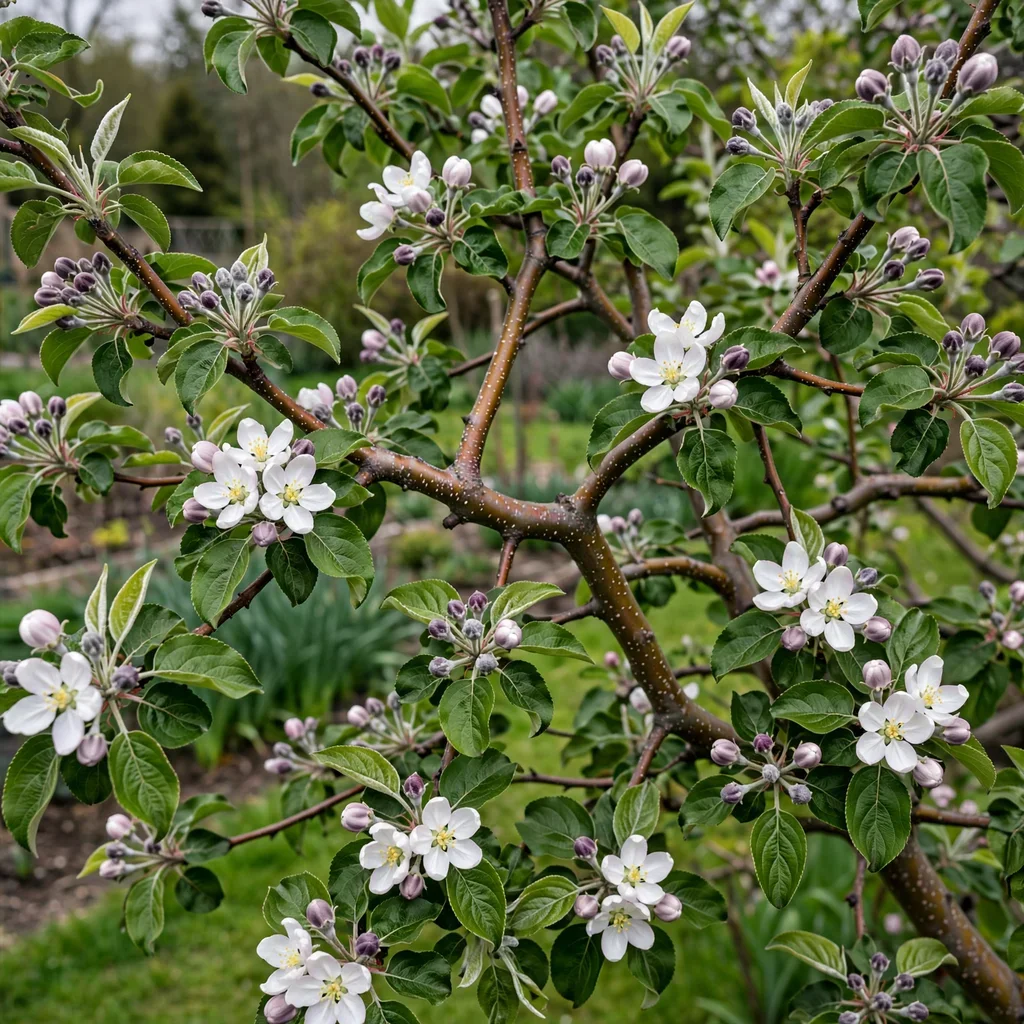
Reachable Apple
Malus domestica 'Reachables'
Keep exploring
Explore the genus
Hardy in your zone?
Grow Southern Crabapple with confidence
See it in a design of your actual yard, get zone-matched care reminders, and track it season by season in your garden journal.