The Story
Plant Bio
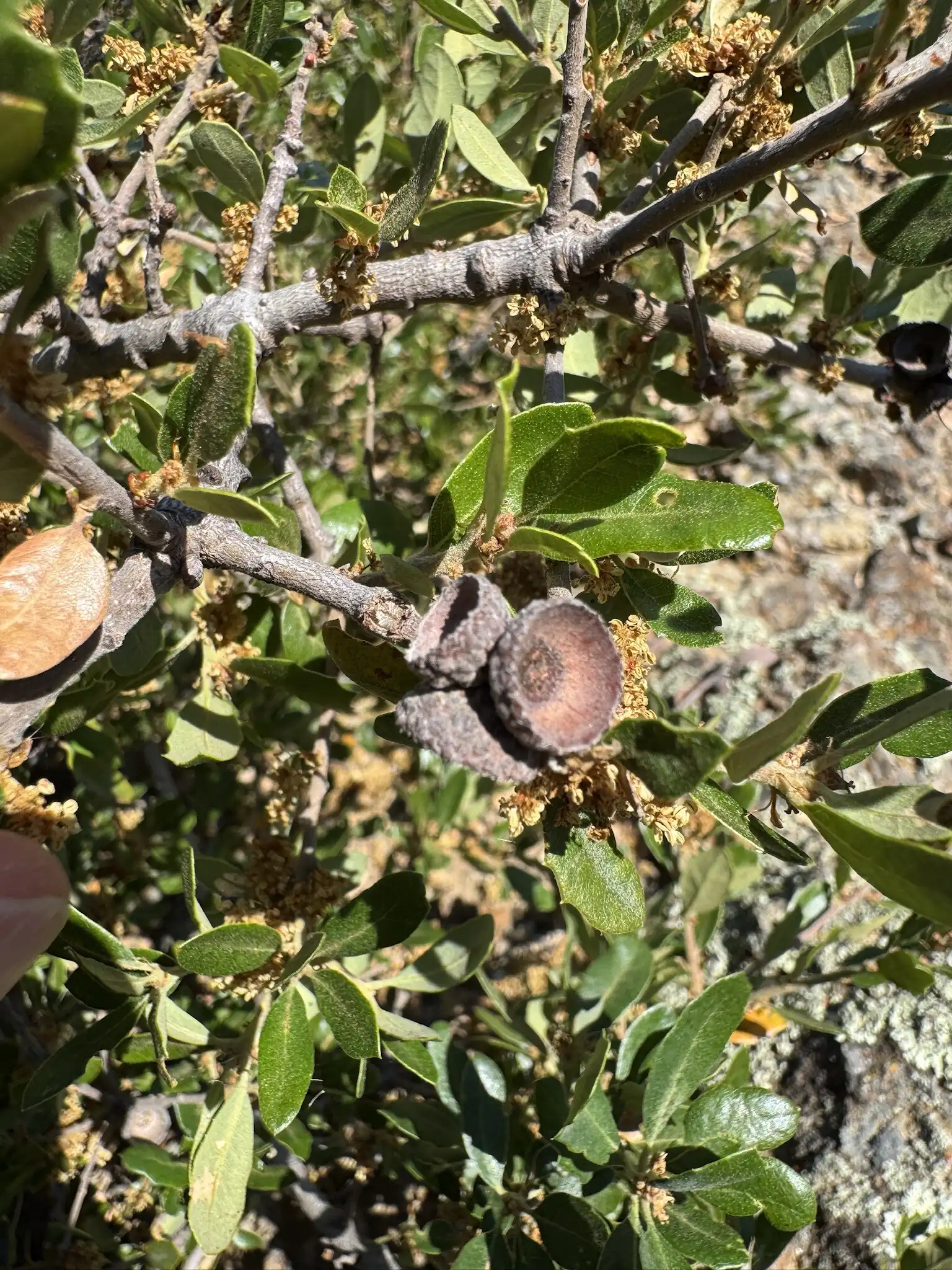
Quercus pacifica, commonly known as island scrub oak, is an evergreen shrub or small multistemmed tree endemic to California's Channel Islands that grows six to sixteen feet tall. Its small leathery leaves are glossy green above with a waxy, hairy underside, accompanied in spring by subtle wind-pollinated catkins.
Distinguished by its compact maritime form, this species features scaly mature bark and leaf margins ranging from smooth to tooth-edged. It produces acorns that provide critical shelter and forage for island wildlife while maintaining exceptional tolerance to ocean salt spray and dry Mediterranean summers.
Uses & Benefits:
Essentials
At a Glance
Plant Type
Shrub
Height
197"
Width
157"
Light
Full Sun, Partial Sun
Zones
9, 10
Water
Low
Humidity
Tolerant of coastal maritime salt air
Lifespan
Perennial
Native To
North America (California Channel Islands)
Toxicity
Toxic to pets and livestock if large quantities of acorns or leaves are ingested
Bloom period
Spring – Late spring
In flower about 3 months of the year
Planting
How to Grow
- Select a full sun or light partial shade site with rocky, sandy, or sharply drained soil.
- Plant in late autumn or early winter to leverage natural rainfall during root establishment.
- Water at planting to settle the soil, then irrigate sparingly during the first summer only.
- Apply a thin layer of organic mulch around the dripline, keeping it clear of the trunk.
- Refrain from applying fertilizer, as nutrient-rich soils promote weak growth susceptible to disease.
Pro Tip
Avoid summer irrigation once established; warm, wet soil around the root collar readily triggers fatal root rot.
Keep It Thriving
Care Guide
Do
- Provide sharp drainage and full sunshine.
- Plant in late autumn to establish roots during winter rains.
- Prune exclusively during winter dormancy.
Don't
- Do not water established plants during hot summer months.
- Do not cut back into old bare wood lacking foliage.
- Do not plant in heavy, wet clay soils.
Seasonal Care Calendar
| Task | Jan | Feb | Mar | Apr | May | Jun | Jul | Aug | Sep | Oct | Nov | Dec |
|---|---|---|---|---|---|---|---|---|---|---|---|---|
| Pest Check | ||||||||||||
| Plant | ||||||||||||
| Propagate | ||||||||||||
| Prune |
Watch Out For
Pests & Diseases
Common Pests
Common Diseases
In the Garden
Landscape Uses & Companions
Landscape Uses
Multiply
Propagation Methods
Good to Know
Common Questions
Island Scrub Oak questions
What zones can Island Scrub Oak grow in?
Island Scrub Oak is hardy in USDA Zones 9–10: in that range it survives winter in the ground. Colder than Zone 9, grow it in a container you can move to shelter for the winter.
Is Island Scrub Oak deer resistant?
Not reliably. Deer may browse Island Scrub Oak, especially tender spring growth — plan on repellents or fencing where pressure is high.
When does Island Scrub Oak bloom?
Island Scrub Oak typically blooms in spring. Exact timing shifts a week or two with your zone — Sow's bloom calendar maps it to your garden.
Does Island Scrub Oak need full sun?
Island Scrub Oak does best in full sun to part shade. In hot climates, afternoon shade keeps blooms fresher longer.
Is Island Scrub Oak drought tolerant?
Yes — once established (usually after the first full season), Island Scrub Oak handles dry spells with minimal watering. Water deeply its first year to build the root system that makes that possible.
More Quercus to compare
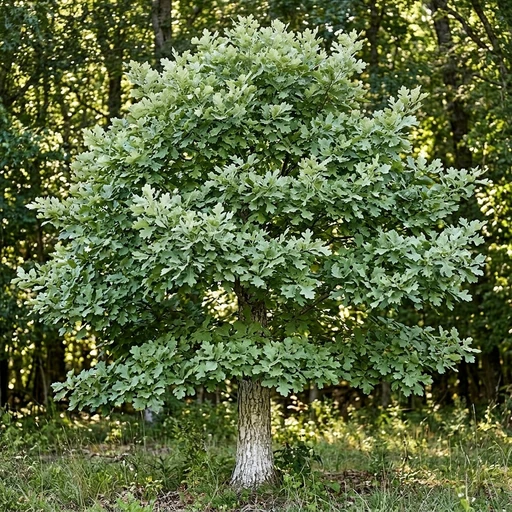
White Oak
Quercus alba
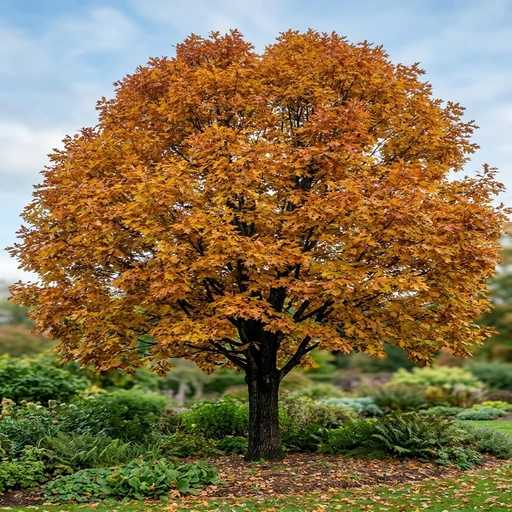
Black Oak
Quercus velutina
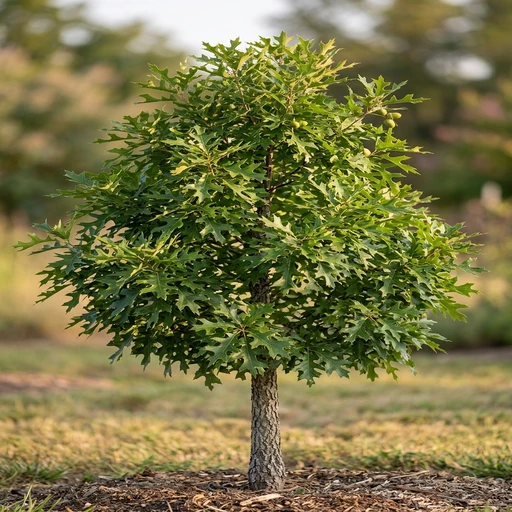
Nuttall Oak
Quercus texana
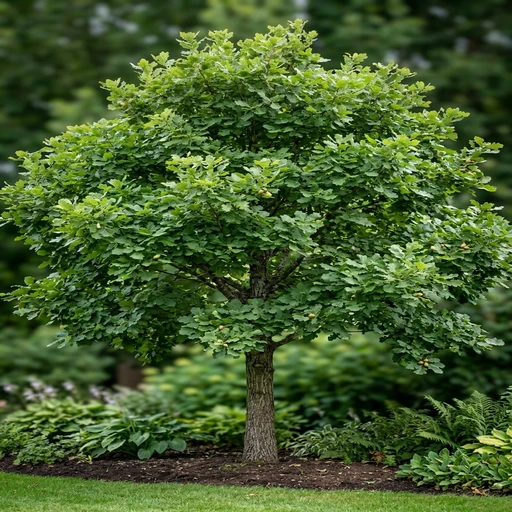
English Oak
Quercus robur
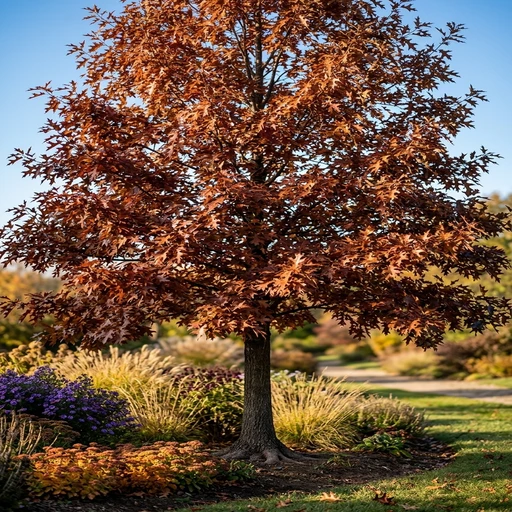
Pin Oak
Quercus palustris
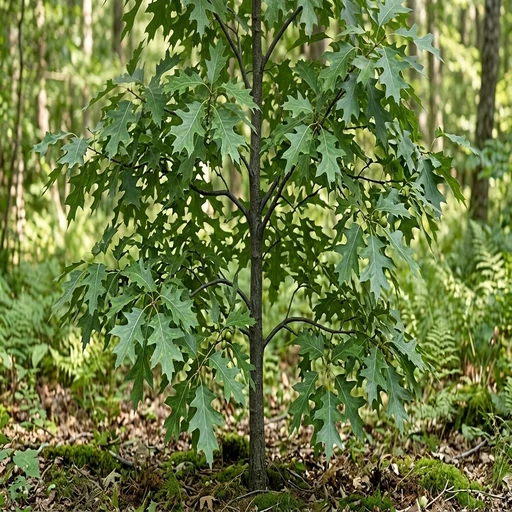
Scarlet Oak
Quercus coccinea
Keep exploring
Explore the genus
Hardy in your zone?
Grow Island Scrub Oak with confidence
See it in a design of your actual yard, get zone-matched care reminders, and track it season by season in your garden journal.