
The Story
Plant Bio
Euphorbia triangularis is a succulent tree from eastern South Africa to southern Mozambique, forming one or several cylindrical trunks topped by a crown of ascending segmented branches. The branches are light green to yellowish-green, three- to five-angled and lined with paired spines, carrying narrow green leaves at the tips that drop with age and leave the stems naked.
It is distinguished by stout branches to 12 inches long by 4 inches thick that run three-angled in Eastern Cape forms and five-angled in KwaZulu-Natal forms, a character that separates most plants from the commonly confused Euphorbia trigona. Mature stems bear clusters of two to three greenish-yellow cyathia just above the spines, followed by red three-lobed capsules.
Uses & Benefits:
Essentials
At a Glance
Plant Type
Cactus Succulent
Height
360"
Width
180"
Light
Full Sun, Partial Sun
Zones
9, 10
Water
Low
Humidity
Unknown
Lifespan
Perennial, decades where frost-free
Native To
Eastern South Africa to southern Mozambique
Toxicity
Highly toxic, skin-irritant latex
Bloom period
Late summer – Autumn
In flower about 4 months of the year
Planting
How to Grow
- Pot in a gritty commercial cactus mix in a container with drainage holes; add extra pumice or coarse sand if the mix stays wet.
- Set in full sun to bright partial shade, moving indoor plants to a sunny window and acclimating gradually to outdoor sun in spring.
- Water deeply when the top 1 inch is dry from spring through fall, then reduce in winter to just enough to prevent shriveling.
- Feed potted plants only in active growth with balanced 10-10-10 fertilizer at one-quarter strength weekly; stop in fall.
- Bring containers indoors before frost and keep above 50F in winter in a bright, dry spot with excellent air flow.
Pro Tip
Water only when the top inch is dry in growth and keep it almost dry in winter; cold wet mix rots the roots faster than drought ever will.
Keep It Thriving
Care Guide
Do
- Do give maximum light and heat with sharp drainage.
- Do wear gloves and eye protection when handling or pruning because the white latex burns skin and eyes.
- Do let cuttings callus before potting to prevent rot.
- Do repot only when rootbound, preferably in early spring.
Don't
- Do not overwater or leave the pot standing in water.
- Do not expose to frost; damage starts near 25F.
- Do not prune into old leafless trunk wood unless needed to control size.
- Do not place where children or pets can chew spiny, poisonous stems.
Seasonal Care Calendar
| Task | Jan | Feb | Mar | Apr | May | Jun | Jul | Aug | Sep | Oct | Nov | Dec |
|---|---|---|---|---|---|---|---|---|---|---|---|---|
| Fertilize | ||||||||||||
| Pest Check | ||||||||||||
| Plant | ||||||||||||
| Propagate | ||||||||||||
| Winter Prep |
Watch Out For
Pests & Diseases
Common Pests
Common Diseases
In the Garden
Landscape Uses & Companions
Landscape Uses
Companion Plants
Multiply
Propagation Methods
Good to Know
Common Questions
River Euphorbia questions
What zones can River Euphorbia grow in?
River Euphorbia is hardy in USDA Zones 9–10: in that range it survives winter in the ground. Colder than Zone 9, grow it in a container you can move to shelter for the winter, or as an annual.
When does River Euphorbia bloom?
River Euphorbia typically blooms from late summer to late fall. Exact timing shifts a week or two with your zone — Sow's bloom calendar maps it to your garden.
Does River Euphorbia need full sun?
River Euphorbia does best in full sun to part shade. In hot climates, afternoon shade keeps blooms fresher longer.
Is River Euphorbia drought tolerant?
Yes — once established (usually after the first full season), River Euphorbia handles dry spells with minimal watering. Water deeply its first year to build the root system that makes that possible.
More Euphorbia to compare
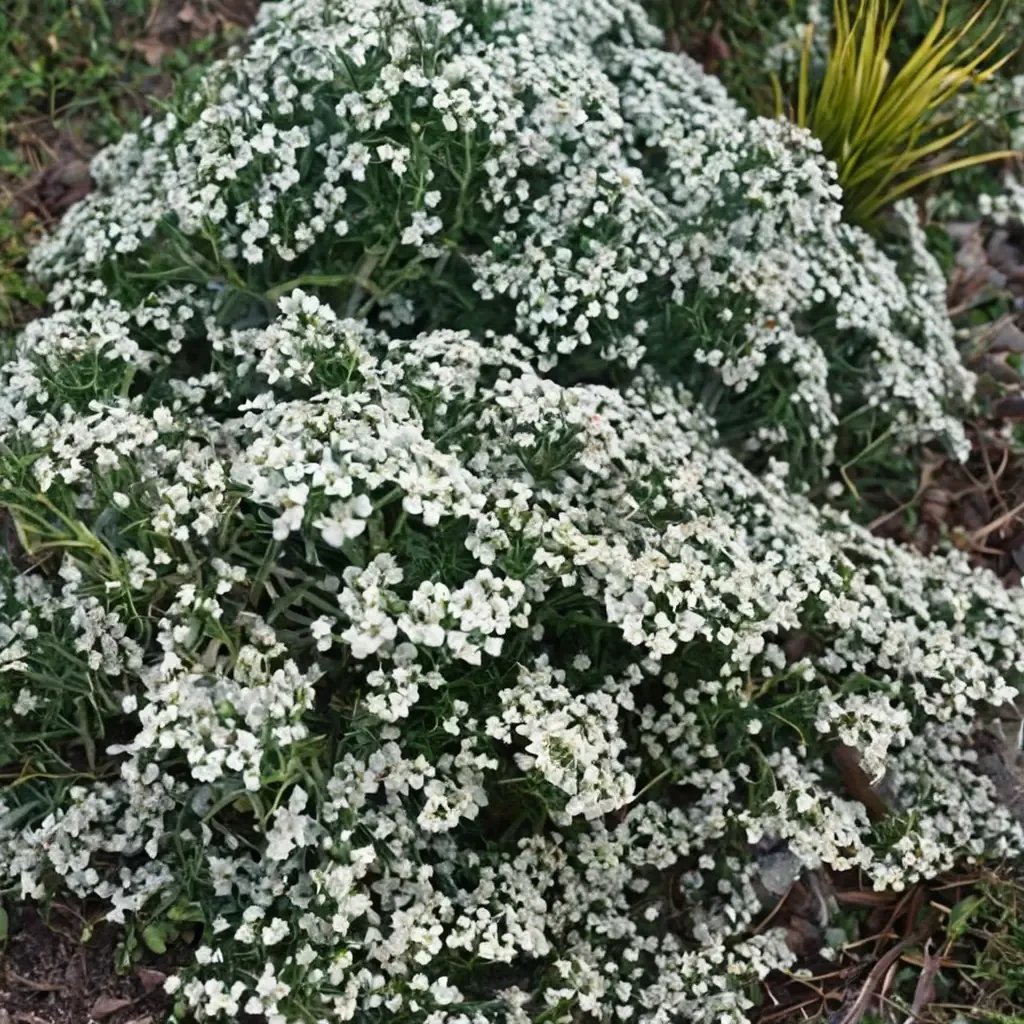
Carolina Snow Flowering Spurge
Euphorbia corollata 'Carolina Snow'
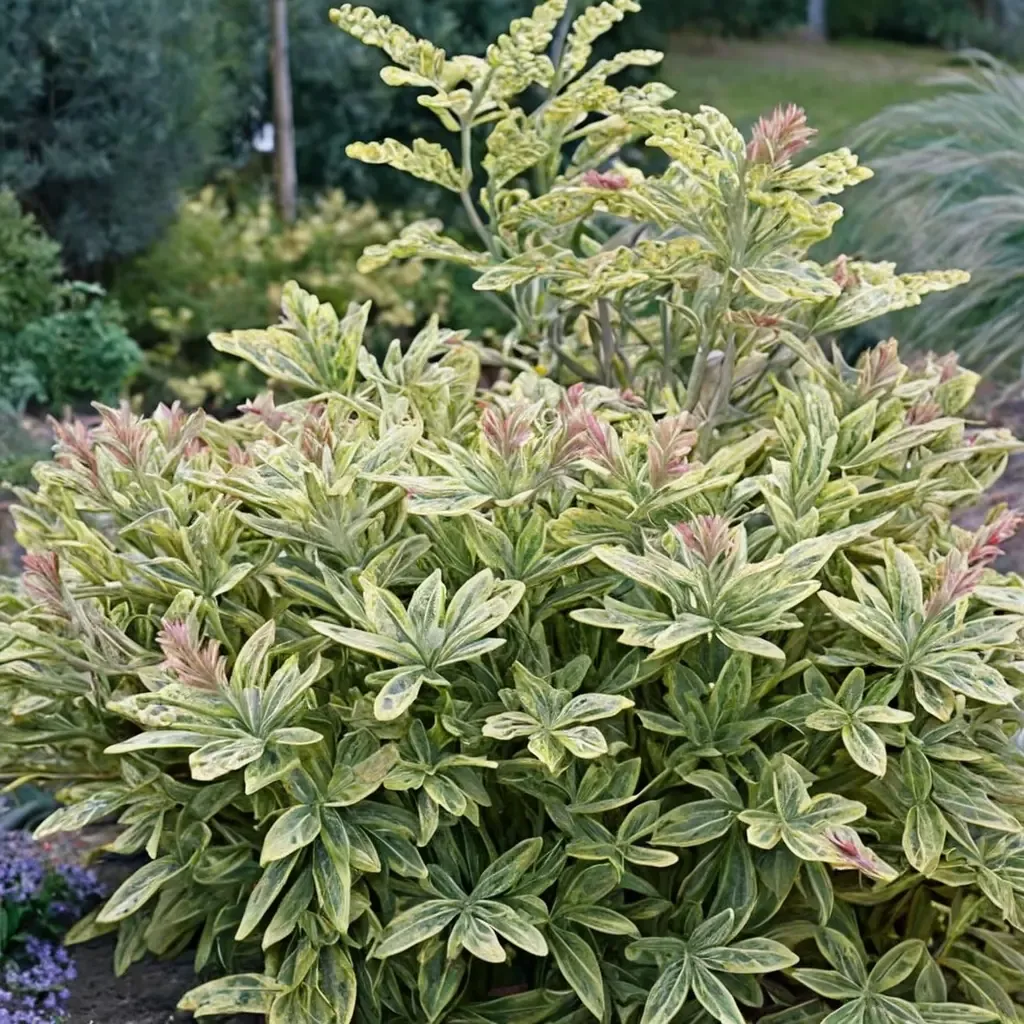
Ascot Rainbow Spurge
Euphorbia x hybrida 'Ascot Rainbow'
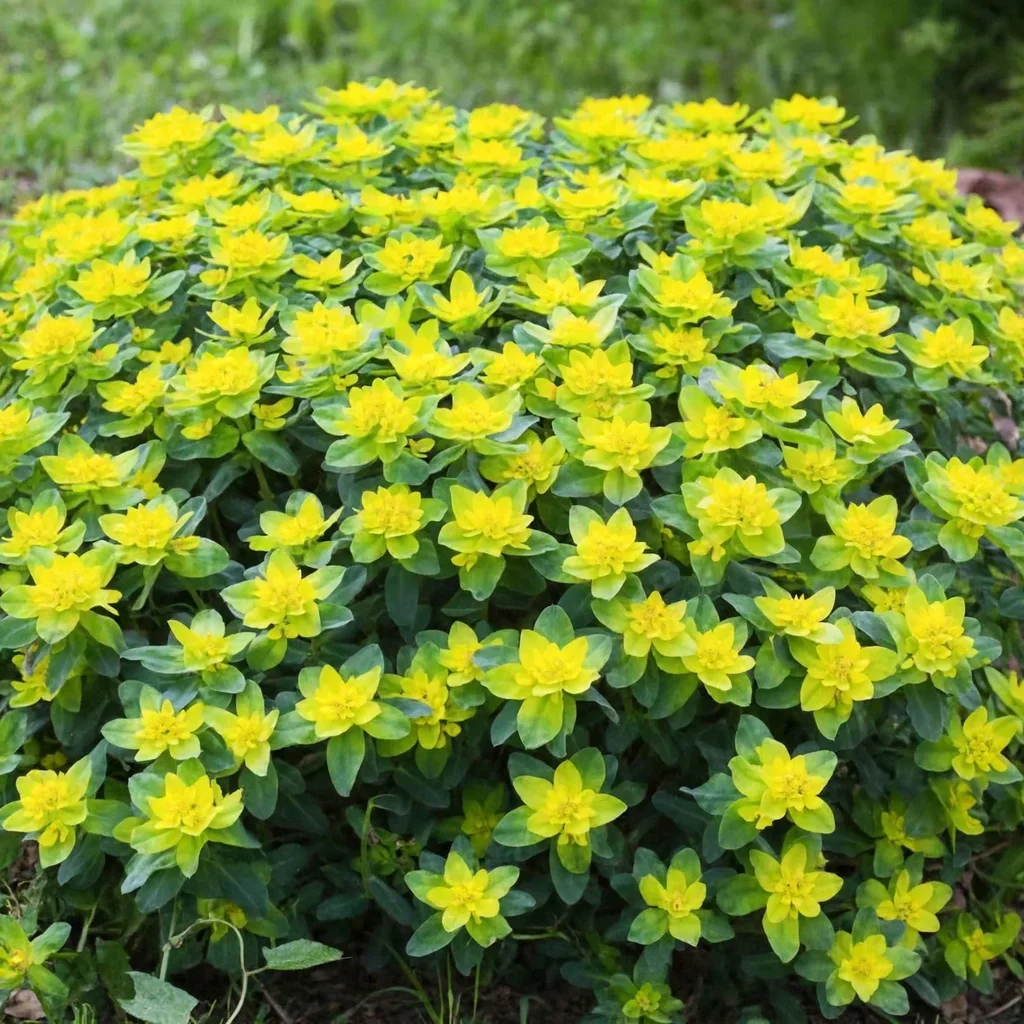
Mediterranean Spurge
Euphorbia polychroma
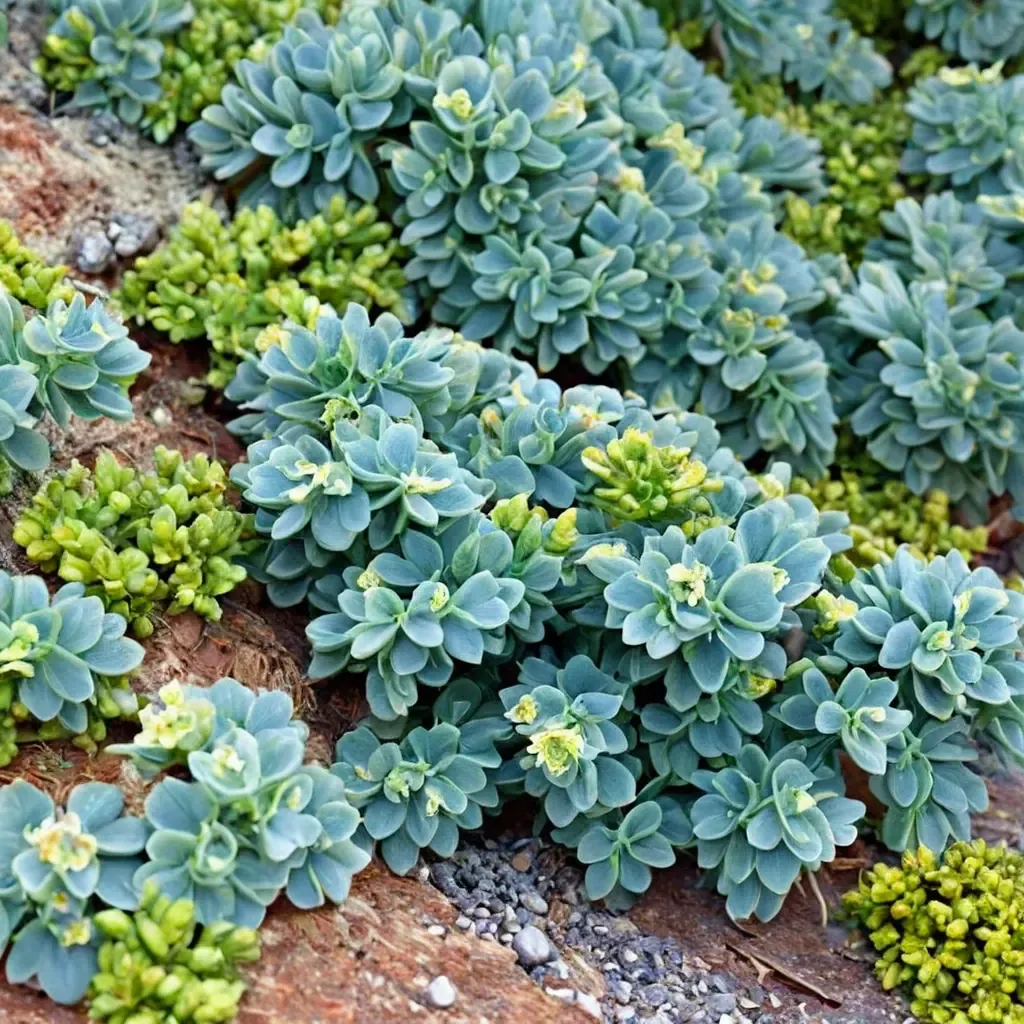
Myrtle Spurge
Euphorbia myrsinites
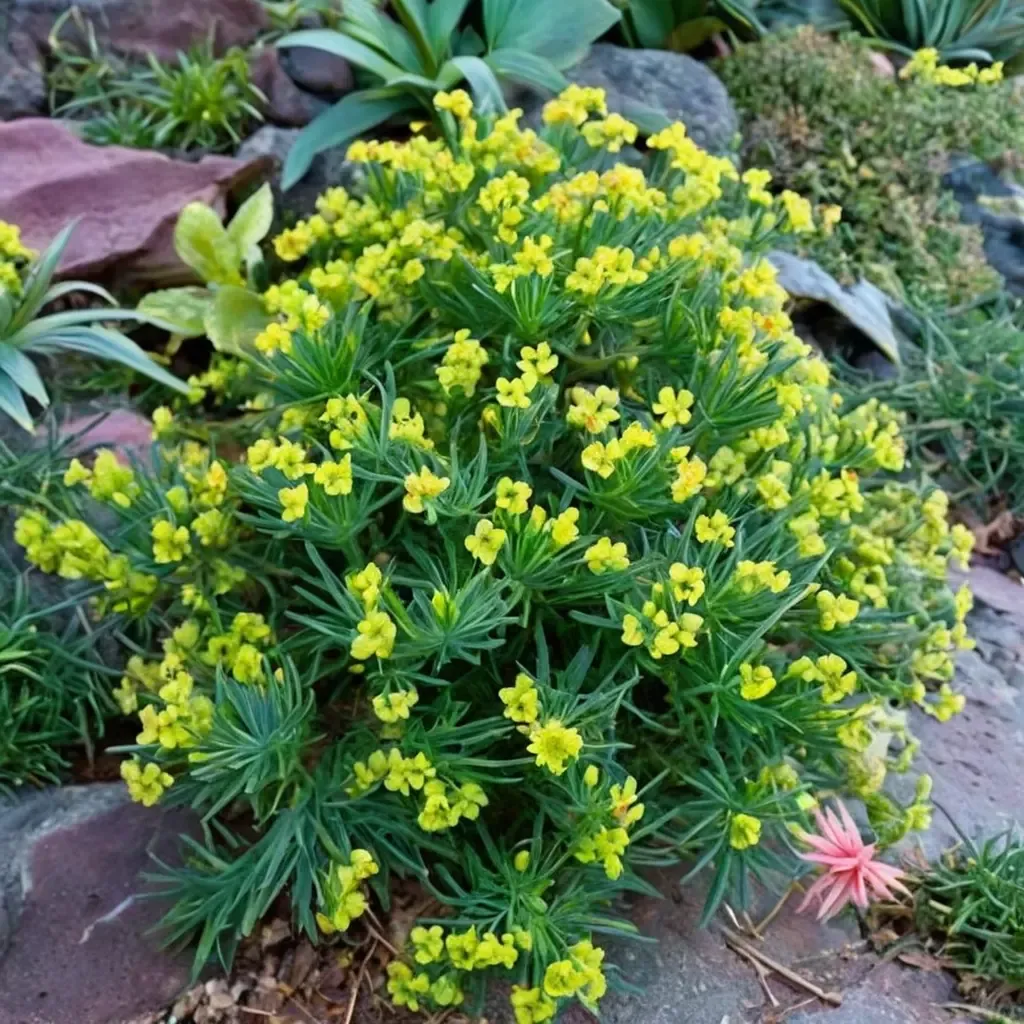
Ruby Spurge
Euphorbia cyparissias 'Fens Ruby'
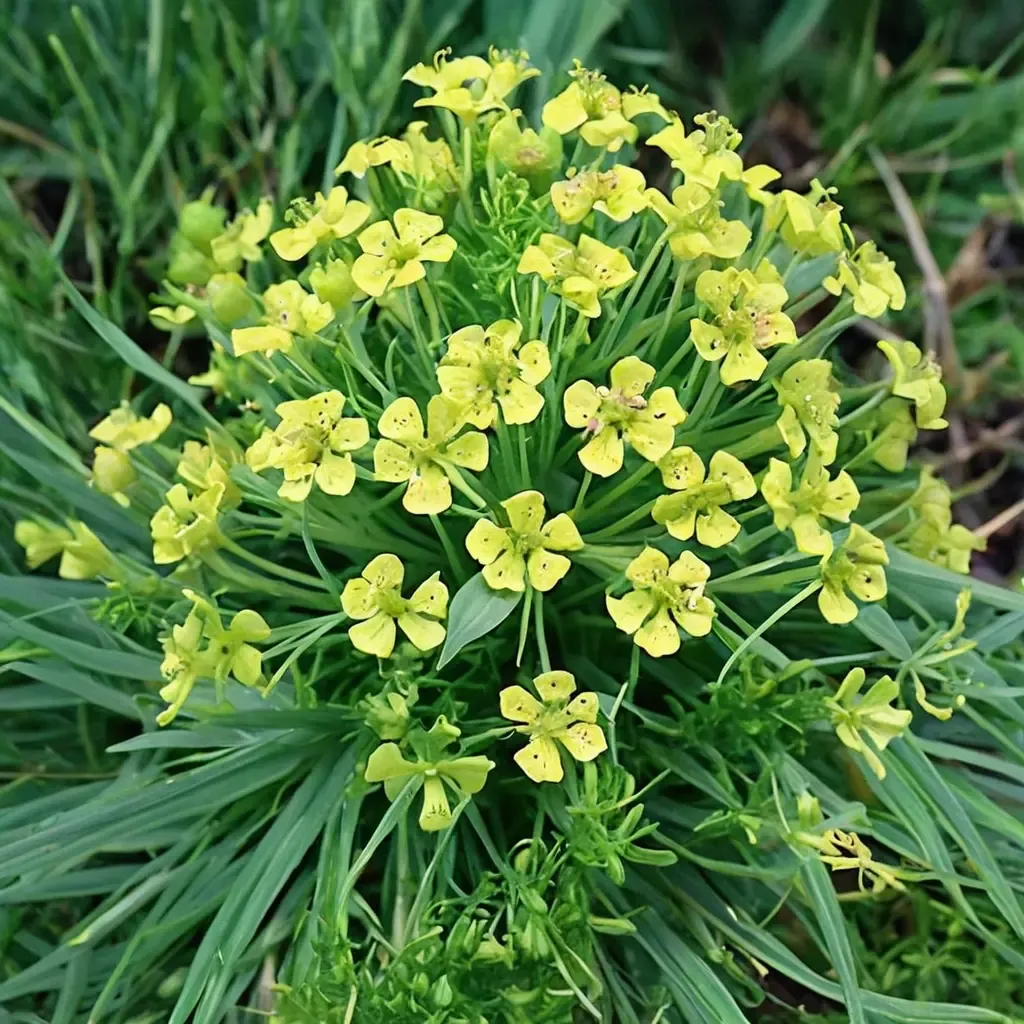
Cypress Spurge
Euphorbia cyparissias
Keep exploring
Explore the genus
Hardy in your zone?
Grow River Euphorbia with confidence
See it in a design of your actual yard, get zone-matched care reminders, and track it season by season in your garden journal.