
The Story
Plant Bio
Carex trifida is an evergreen, clump-forming sedge that builds a dense arching tussock 2 to 3 feet tall and wide, with double-folded straps 6 to 15 mm wide in light green to glaucous blue-green with slightly rough margins. The flowers are wind-pollinated brown spikes; 6 to 15 stout chestnut-brown spikes 35 to 110 mm long rise among leaf-like bracts in summer and ripen to straw-colored utricles that read as fluffy seedheads.
What sets it apart is a strictly coastal wild habit with tolerance for exposed wind and salt spray, paired with a requirement for consistently moist but well-drained soil and no tolerance for arid ground. Nursery stock sold under this name is often variegated green-yellow flushed bronze, while the wild species is plain light green to dark glaucous blue-green and holds through severe frost.
Uses & Benefits:
Essentials
At a Glance
Plant Type
Grass
Height
32"
Width
36"
Light
Full Sun, Partial Sun
Water
Medium - evenly moist
Humidity
Unknown
Lifespan
Perennial
Native To
Subantarctic Oceania and South America
Toxicity
Unknown - no toxicity reported
Bloom period
Summer
In flower about 3 months of the year
Planting
How to Grow
- Plant in spring in full sun to partial shade in moist but well-drained loam, sand, clay, or chalk.
- Set the crown at soil level, backfill, and water deeply to settle out air pockets.
- Mulch 2 inches with composted bark to hold moisture, keeping mulch off the crown.
- Water to keep soil evenly moist through summer; do not let tussocks dry out.
- Top-dress with composted manure in spring; no hard annual cut is needed.
Pro Tip
If tidying is needed, cut the foliage back by half in spring only and never cut into the old leafless base; fall or winter shearing removes evergreen cover and kills tillers.
Keep It Thriving
Care Guide
Do
- Keep soil evenly moist but drained, especially in sun and wind.
- Grow in full sun to partial shade; avoid deep shade.
- Divide congested tussocks in spring to renew vigor.
Don't
- Do not cut into the old leafless base; cut tillers die instead of resprouting.
- Do not shear in fall or winter when evergreen cover is needed.
- Do not treat the variegated retail selection as the species for size and color.
Seasonal Care Calendar
| Task | Jan | Feb | Mar | Apr | May | Jun | Jul | Aug | Sep | Oct | Nov | Dec |
|---|---|---|---|---|---|---|---|---|---|---|---|---|
| Divide | ||||||||||||
| Fertilize | ||||||||||||
| Mulch | ||||||||||||
| Plant | ||||||||||||
| Prune |
Watch Out For
Pests & Diseases
Common Pests
Common Diseases
In the Garden
Landscape Uses & Companions
Landscape Uses
Companion Plants
Multiply
Propagation Methods
Good to Know
Common Questions
Mutton-Bird Sedge questions
When does Mutton-Bird Sedge bloom?
Mutton-Bird Sedge typically blooms in summer. Exact timing shifts a week or two with your zone — Sow's bloom calendar maps it to your garden.
Does Mutton-Bird Sedge need full sun?
Mutton-Bird Sedge does best in full sun to part shade. In hot climates, afternoon shade keeps blooms fresher longer.
More Carex to compare
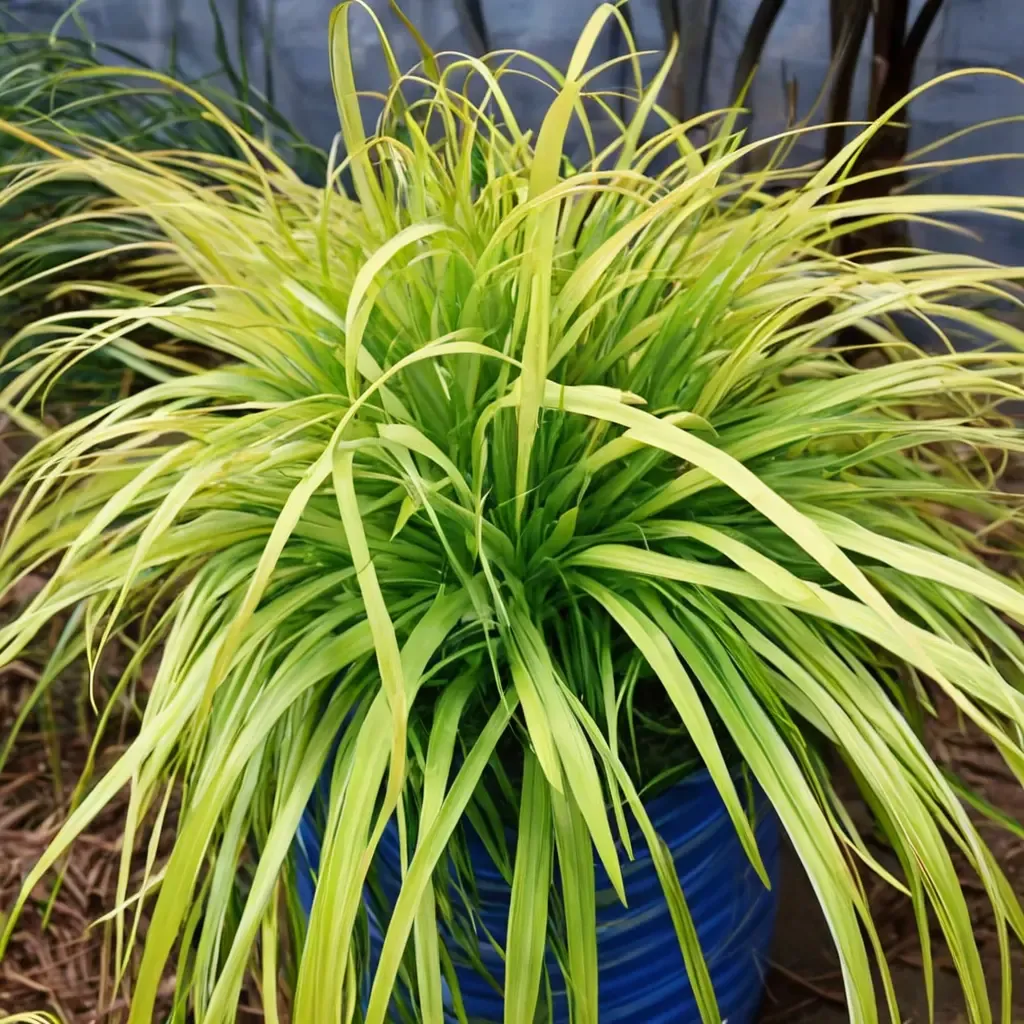
Everillo Sedge
Carex oshimensis 'Everillo'
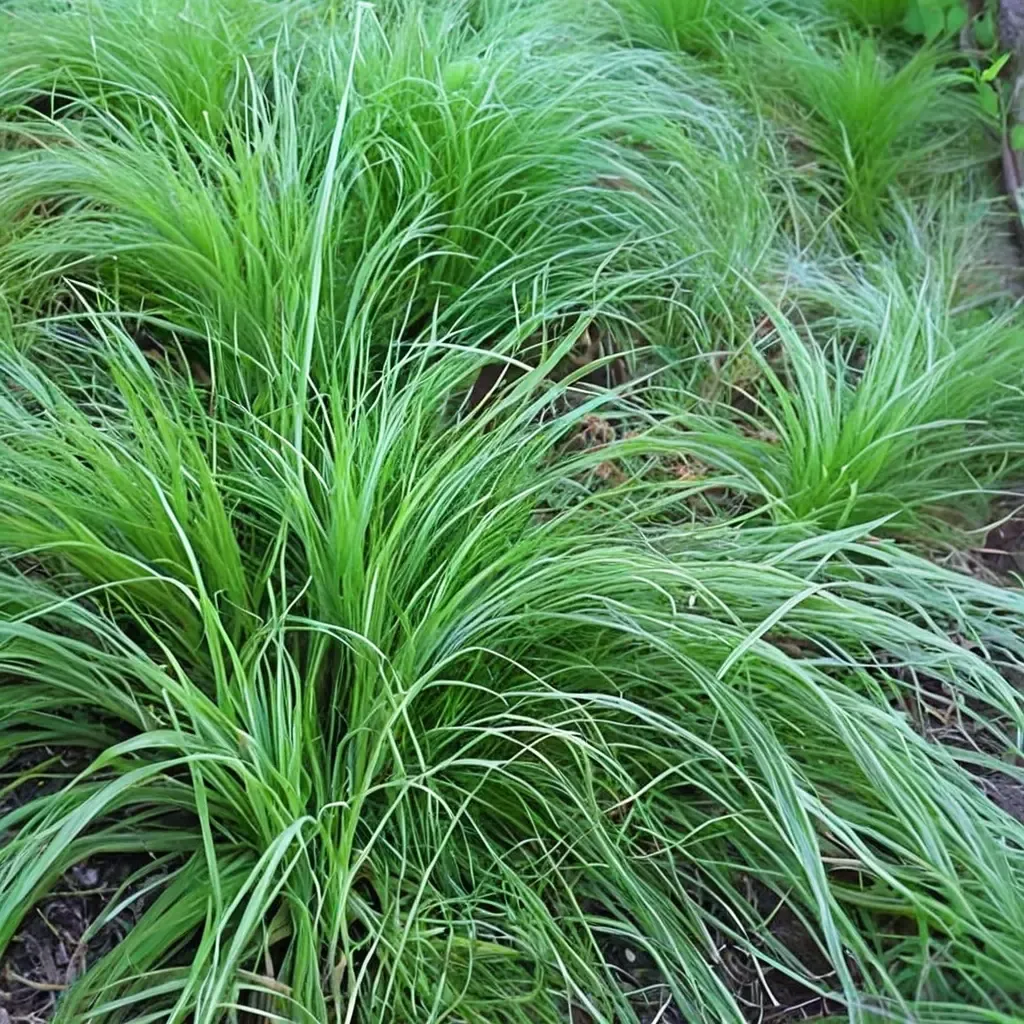
Pennsylvania Sedge
Carex pensylvanica
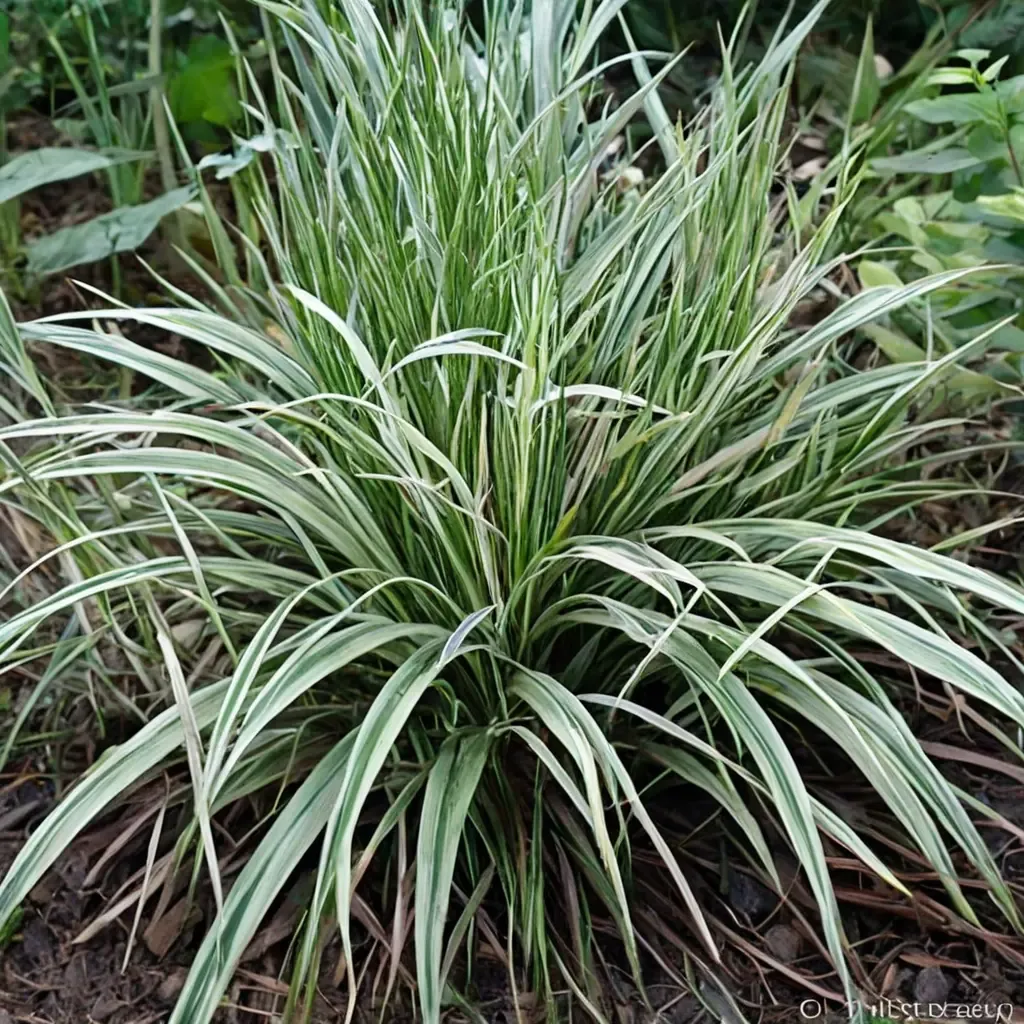
Japanese Sedge
Carex morrowii
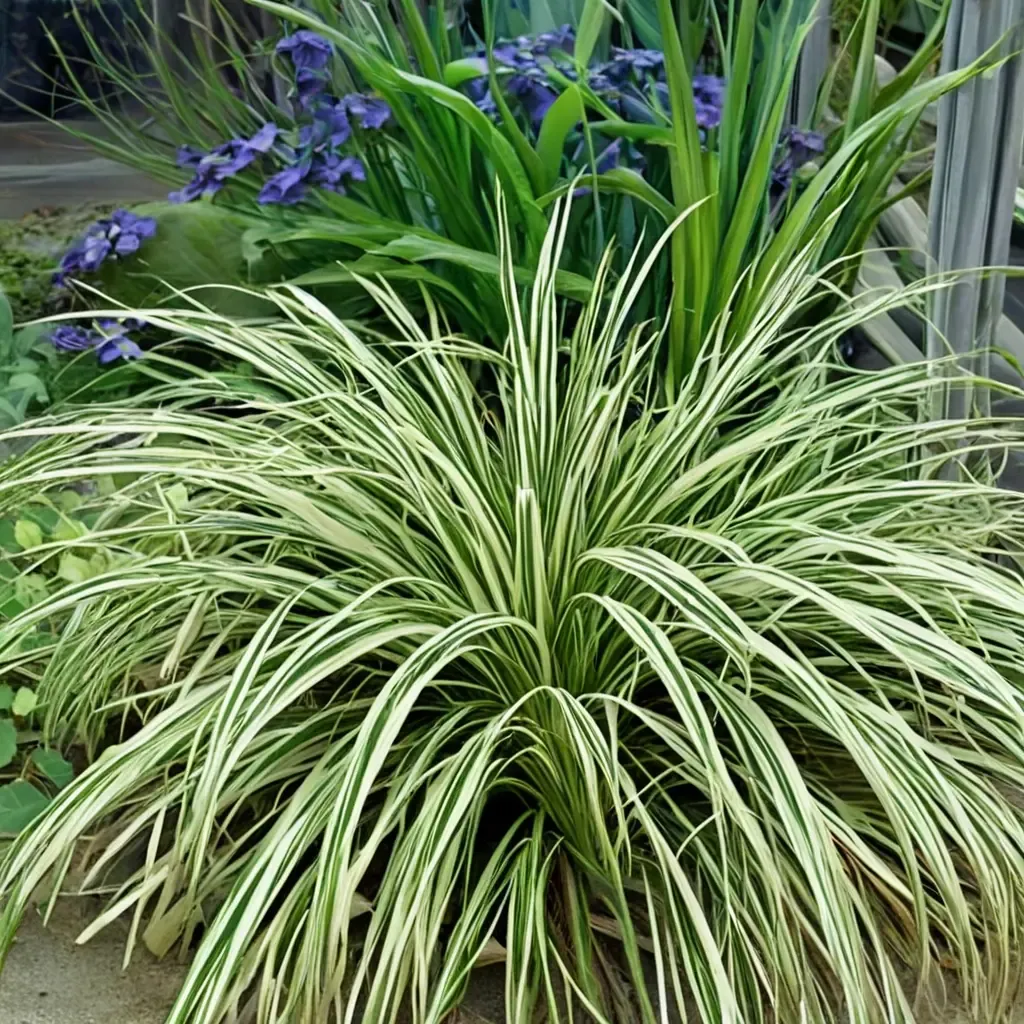
Evergold Japanese Sedge
Carex oshimensis 'Evergold'
Comosa Sedge
Carex comosa
Shortbeak Sedge
Carex brevior
Keep exploring
Explore the genus
Grow Mutton-Bird Sedge with confidence
See it in a design of your actual yard, get zone-matched care reminders, and track it season by season in your garden journal.