The Story
Plant Bio
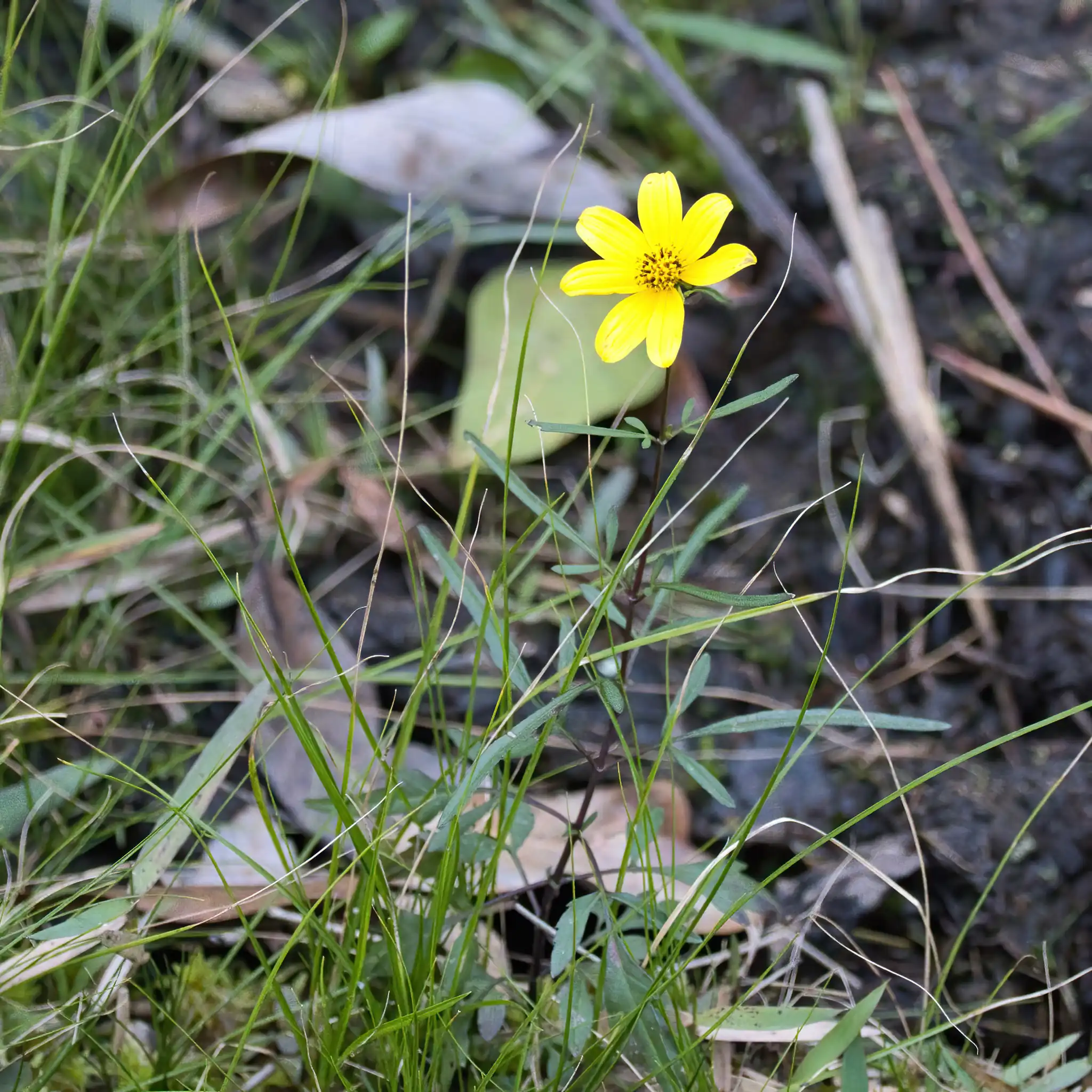
Bidens mitis, the smallfruit beggarticks, is an annual wetland herb reaching two to three feet in cultivation, with opposite lance-shaped toothed leaves on smooth branched stems. The display comes from composite heads one to two inches across, each with eight to thirteen yellow rays around a center of twenty-five to fifty fertile yellow disks.
It differs from common weedy beggarticks by its obligate wetland habit and its dark achenes under one-fifth inch long with smooth unbarbed margins. Plants behave as annuals in most gardens yet persist as short-lived perennials where soil stays saturated and seed falls.
Uses & Benefits:
Essentials
At a Glance
Plant Type
Annual
Height
36"
Width
12"
Light
Full Sun, Partial Sun
Zones
6, 7, 8, 9, 10
Water
High - moist to wet
Humidity
Tolerant
Lifespan
Annual, sometimes short-lived perennial
Native To
Southeastern U.S.
Toxicity
Unknown
Bloom period
Summer – Fall
In flower about 6 months of the year
Planting
How to Grow
- Plant in full sun to light shade in moist loam or sand at pond edge, swale, or rain garden.
- Set crowns level and water deep to saturate the root zone; do not let soil dry out.
- Surface-sow seed on moist soil in light and keep aerated and wet until sprouted.
- Leave late heads standing for seed-eating birds and self-sowing.
Pro Tip
Hold soil saturated through bloom and surface-sow seed in light; buried seed fails for lack of light and air.
Keep It Thriving
Care Guide
Do
- Keep soil consistently moist to wet through summer and fall bloom.
- Give full sun with room for tall, sprawling stems.
- Leave some late seed heads for birds and self-sowing.
Don't
- Do not let the root zone dry out.
- Do not bury seed; it needs light and air to germinate.
- Do not deadhead every head if you want birds and return plants.
Seasonal Care Calendar
| Task | Jan | Feb | Mar | Apr | May | Jun | Jul | Aug | Sep | Oct | Nov | Dec |
|---|---|---|---|---|---|---|---|---|---|---|---|---|
| Deadhead | ||||||||||||
| Plant | ||||||||||||
| Propagate | ||||||||||||
| Winter Prep |
Watch Out For
Pests & Diseases
Common Pests
Common Diseases
In the Garden
Landscape Uses & Companions
Landscape Uses
Multiply
Propagation Methods
Good to Know
Common Questions
Smallfruit Beggarticks questions
What zones can Smallfruit Beggarticks grow in?
Smallfruit Beggarticks is an annual: it grows, flowers and sets seed in one season, so winter cold doesn't limit where it grows. Gardeners in any zone can grow it by planting at the right time, usually after the last spring frost.
When does Smallfruit Beggarticks bloom?
Smallfruit Beggarticks typically blooms from summer to fall. Exact timing shifts a week or two with your zone — Sow's bloom calendar maps it to your garden.
Does Smallfruit Beggarticks need full sun?
Smallfruit Beggarticks does best in full sun to part shade. In hot climates, afternoon shade keeps blooms fresher longer.
More Bidens to compare
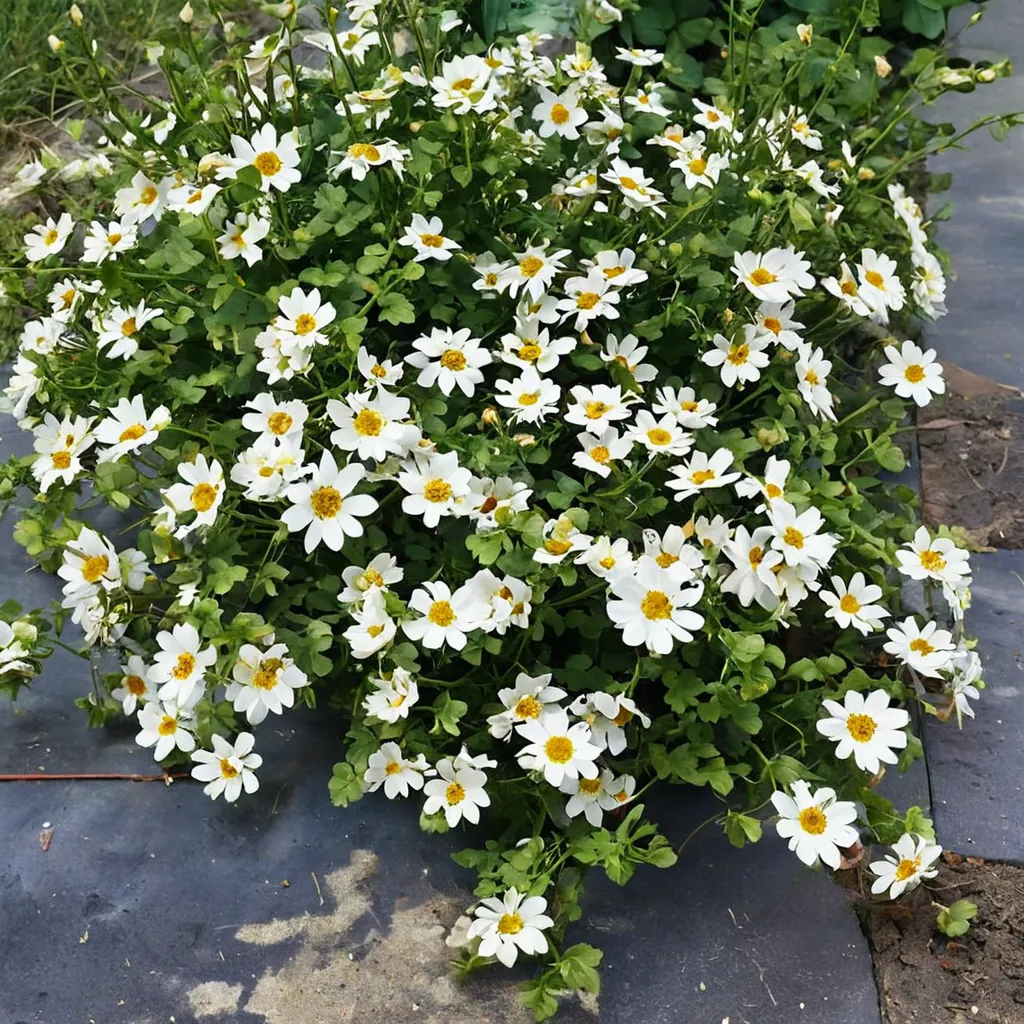
Bidens Hybrid Campfire Marshmallow
Bidens x hybrida 'Campfire Marshmallow'
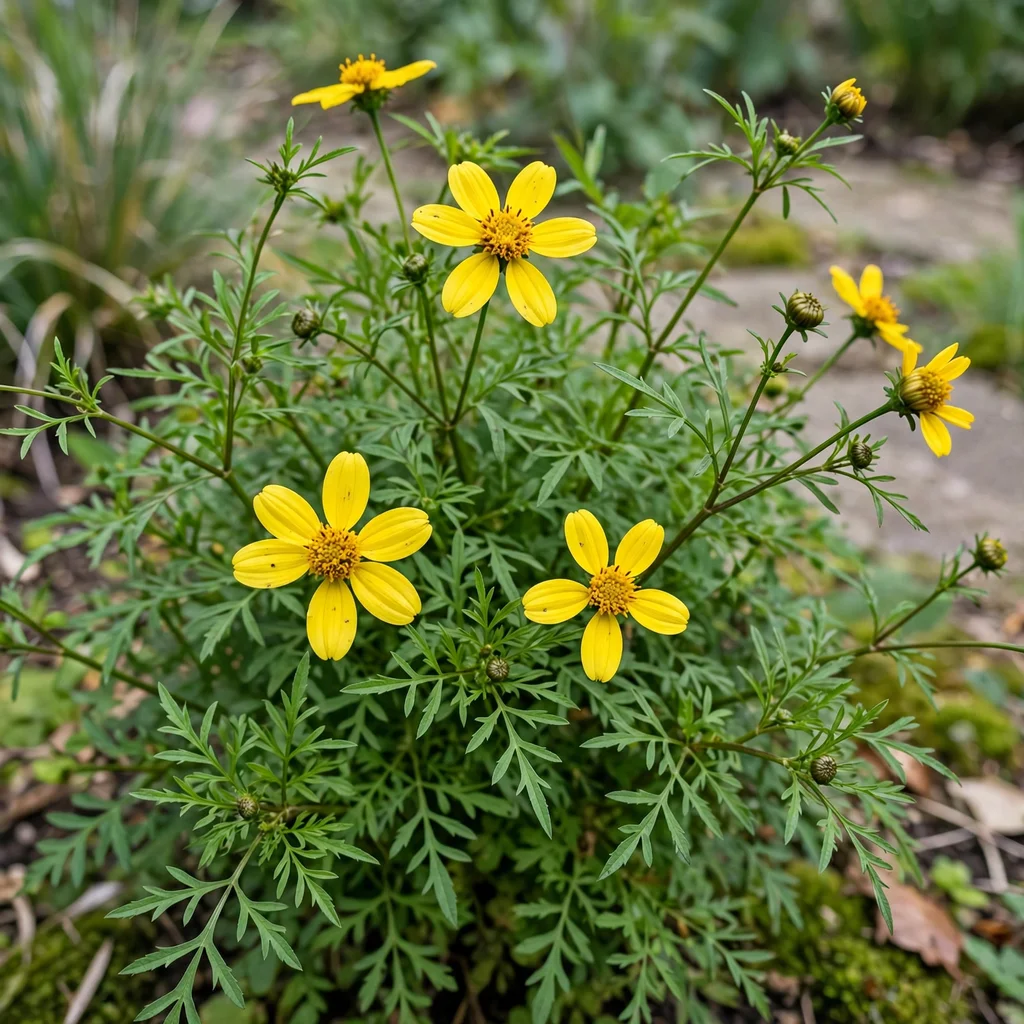
Fern-Leaved Beggarticks
Bidens ferulifolia
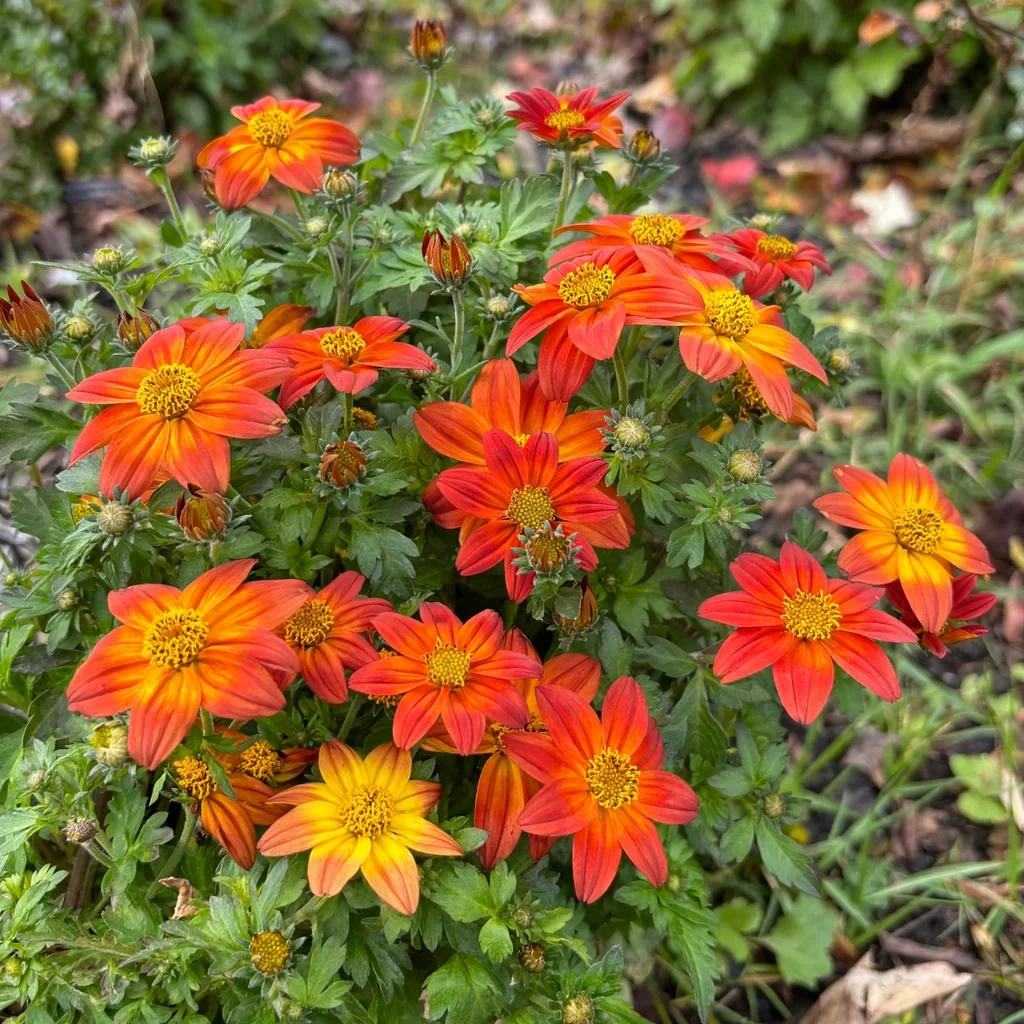
Bidens Campfire Flame
Bidens x hybrida 'Campfire Flame'
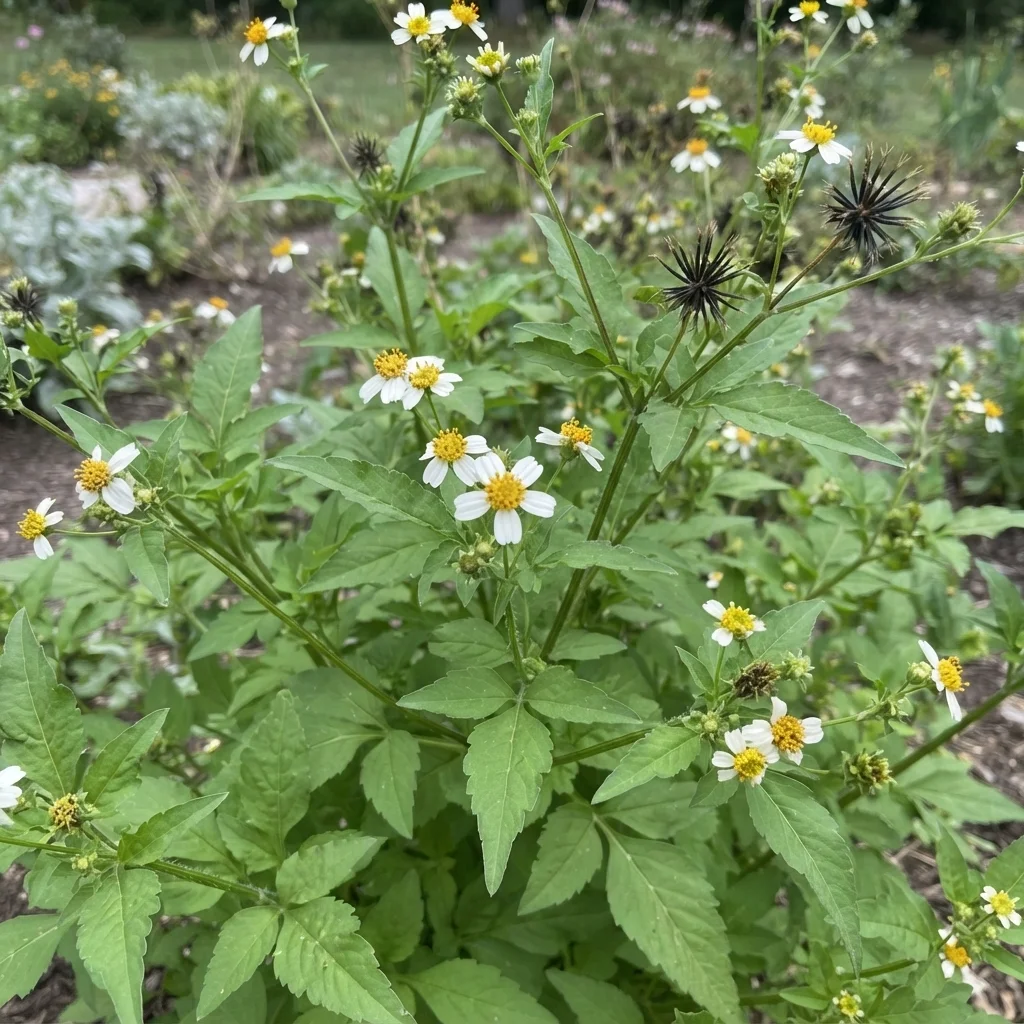
Hairy Beggar-Ticks
Bidens pilosa
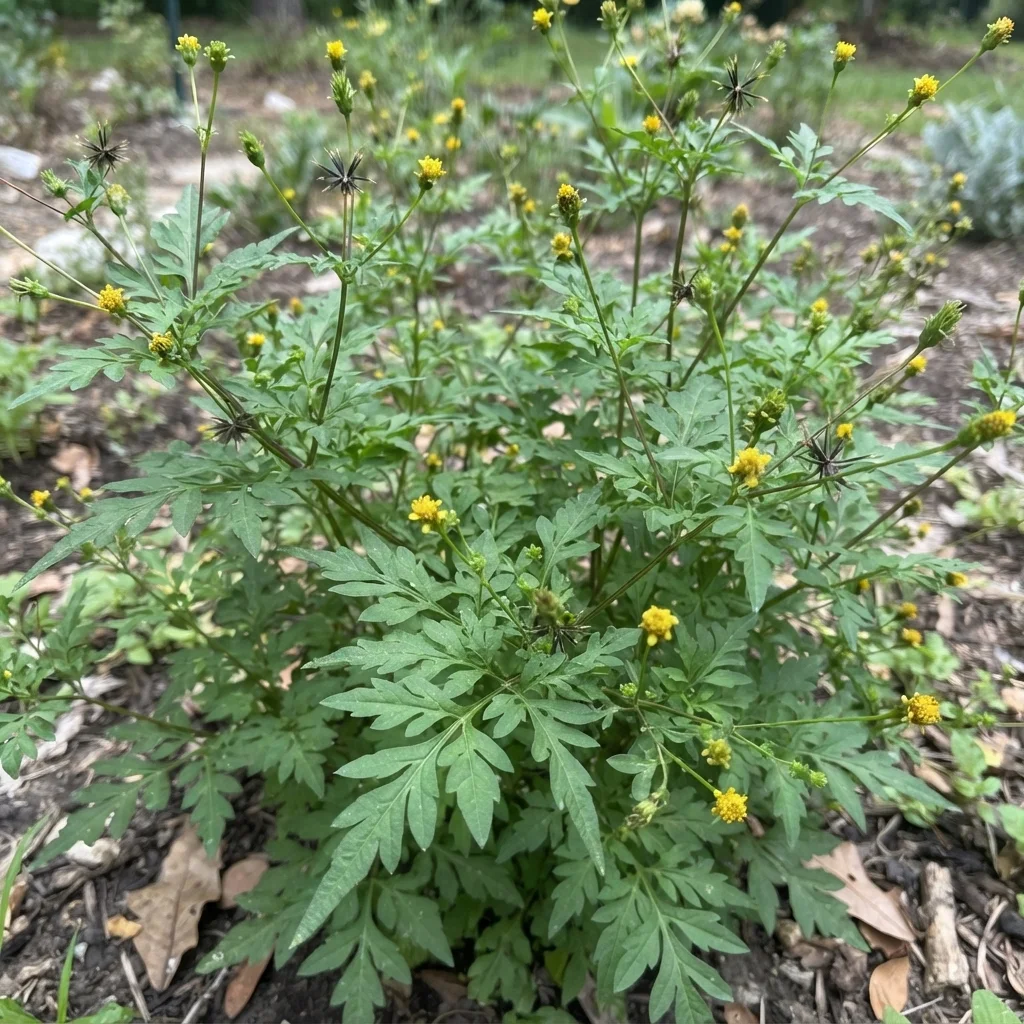
Spanish Needles
Bidens bipinnata
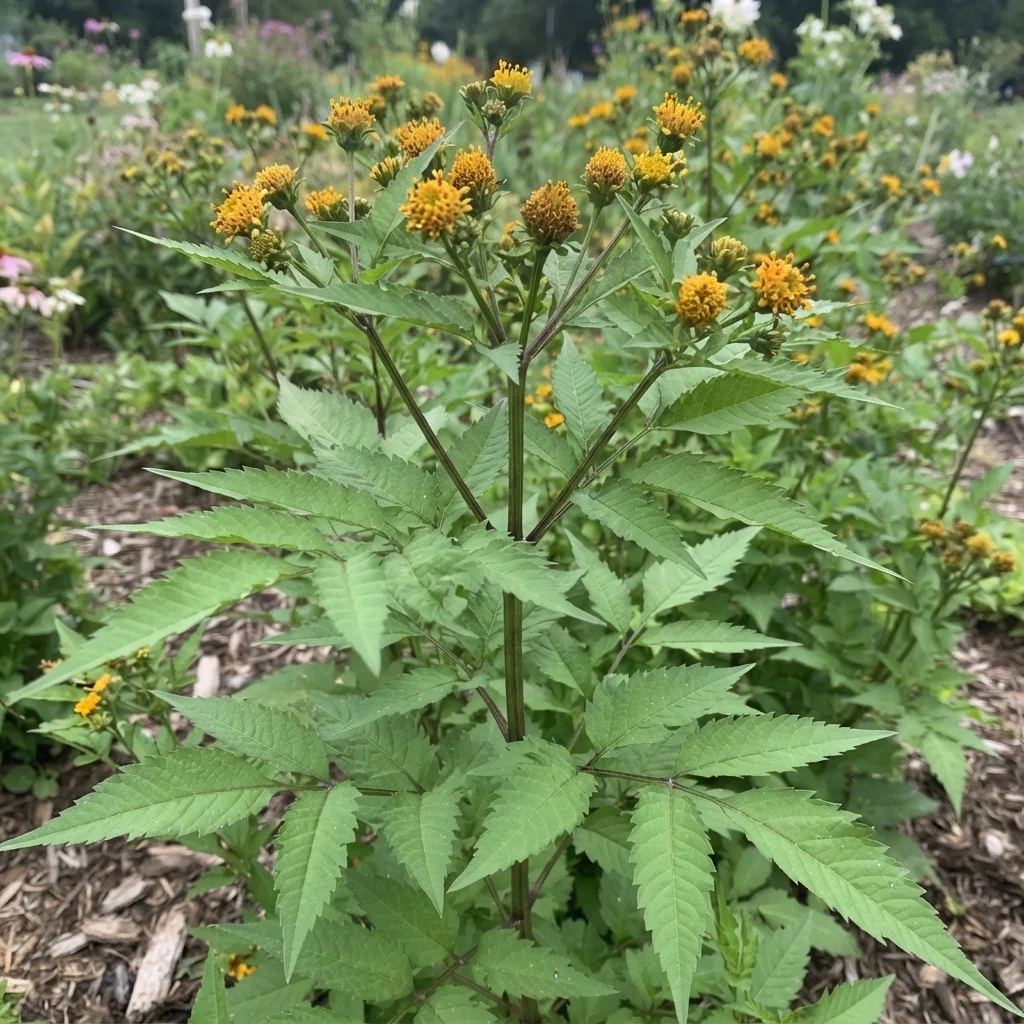
Devil's Beggarticks
Bidens frondosa
Keep exploring
Explore the genus
Hardy in your zone?
Grow Smallfruit Beggarticks with confidence
See it in a design of your actual yard, get zone-matched care reminders, and track it season by season in your garden journal.