
The Story
Plant Bio
Bidens ferulifolia is a much-branched, mounded to trailing member of the daisy family from Texas, Arizona and Mexico, grown as a warm-season annual except where winters stay frost-free. It carries opposite, pinnately divided fern-like green leaves and bright yellow daisy heads about three inches across on wiry stems from late spring to fall.
The finely cut foliage stays open and airy in heat and distinguishes it from broader-leaved beggarticks even out of flower. Most plants sold under this name are garden hybrids selected for self-cleaning habit and for orange, red, gold and bicolour heads beyond the wild yellow.
Uses & Benefits:
Essentials
At a Glance
Plant Type
Annual
Height
18"
Width
24"
Light
Full Sun, Partial Sun
Zones
8, 9, 10
Water
Medium
Humidity
Average
Lifespan
Annual
Native To
Texas, Arizona, Mexico
Toxicity
Non-toxic
Bloom period
Late spring – Fall
In flower about 7 months of the year
Planting
How to Grow
- Set out after last frost in full sun, spacing 12 to 18 inches for airflow.
- Plant in humus-rich, well-drained soil at the same depth as the nursery pot.
- Water to settle in and keep even moisture, watering when the top inch is dry.
- Feed lightly every two to three weeks with a balanced fertilizer during bloom.
- Shear lightly or deadhead older types to keep new buds coming until frost.
Pro Tip
Plant in full sun after frost has passed and shear lightly if bloom stalls in high heat; cutting back into old leafless stems does not produce new growth.
Keep It Thriving
Care Guide
Do
- Give full sun with open airflow in humid summers.
- Water consistently in heat; containers may need daily watering.
- Feed lightly to sustain continuous bloom.
Don't
- Do not let pots sit waterlogged or dry to wilting repeatedly.
- Do not cut hard into old bare stems to rejuvenate.
- Do not overwinter outdoors where hard frost occurs.
Seasonal Care Calendar
| Task | Jan | Feb | Mar | Apr | May | Jun | Jul | Aug | Sep | Oct | Nov | Dec |
|---|---|---|---|---|---|---|---|---|---|---|---|---|
| Deadhead | ||||||||||||
| Fertilize | ||||||||||||
| Pest Check | ||||||||||||
| Plant | ||||||||||||
| Winter Prep |
Watch Out For
Pests & Diseases
Common Pests
Common Diseases
In the Garden
Landscape Uses & Companions
Landscape Uses
Companion Plants
Multiply
Propagation Methods
Good to Know
Common Questions
Fern-Leaved Beggarticks questions
What zones can Fern-Leaved Beggarticks grow in?
Fern-Leaved Beggarticks is an annual: it grows, flowers and sets seed in one season, so winter cold doesn't limit where it grows. Gardeners in any zone can grow it by planting at the right time, usually after the last spring frost.
Is Fern-Leaved Beggarticks deer resistant?
Yes — Fern-Leaved Beggarticks is rated deer-resistant. Deer typically pass it over, though extreme hunger can override any plant's defenses.
When does Fern-Leaved Beggarticks bloom?
Fern-Leaved Beggarticks typically blooms from late spring to late fall. Exact timing shifts a week or two with your zone — Sow's bloom calendar maps it to your garden.
Does Fern-Leaved Beggarticks need full sun?
Fern-Leaved Beggarticks does best in full sun to part shade. In hot climates, afternoon shade keeps blooms fresher longer.
Is Fern-Leaved Beggarticks drought tolerant?
Yes — once established (usually after the first full season), Fern-Leaved Beggarticks handles dry spells with minimal watering. Water deeply its first year to build the root system that makes that possible.
More Bidens to compare
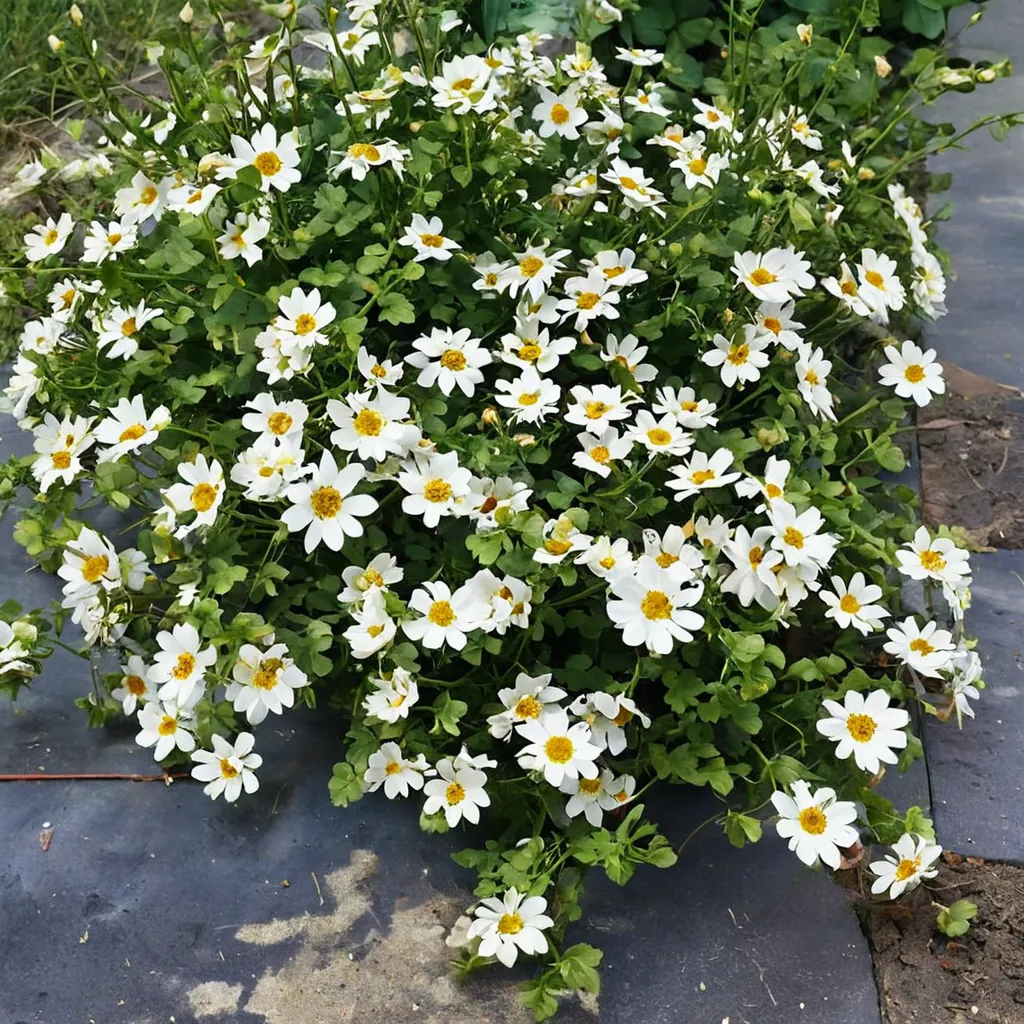
Bidens Hybrid Campfire Marshmallow
Bidens x hybrida 'Campfire Marshmallow'
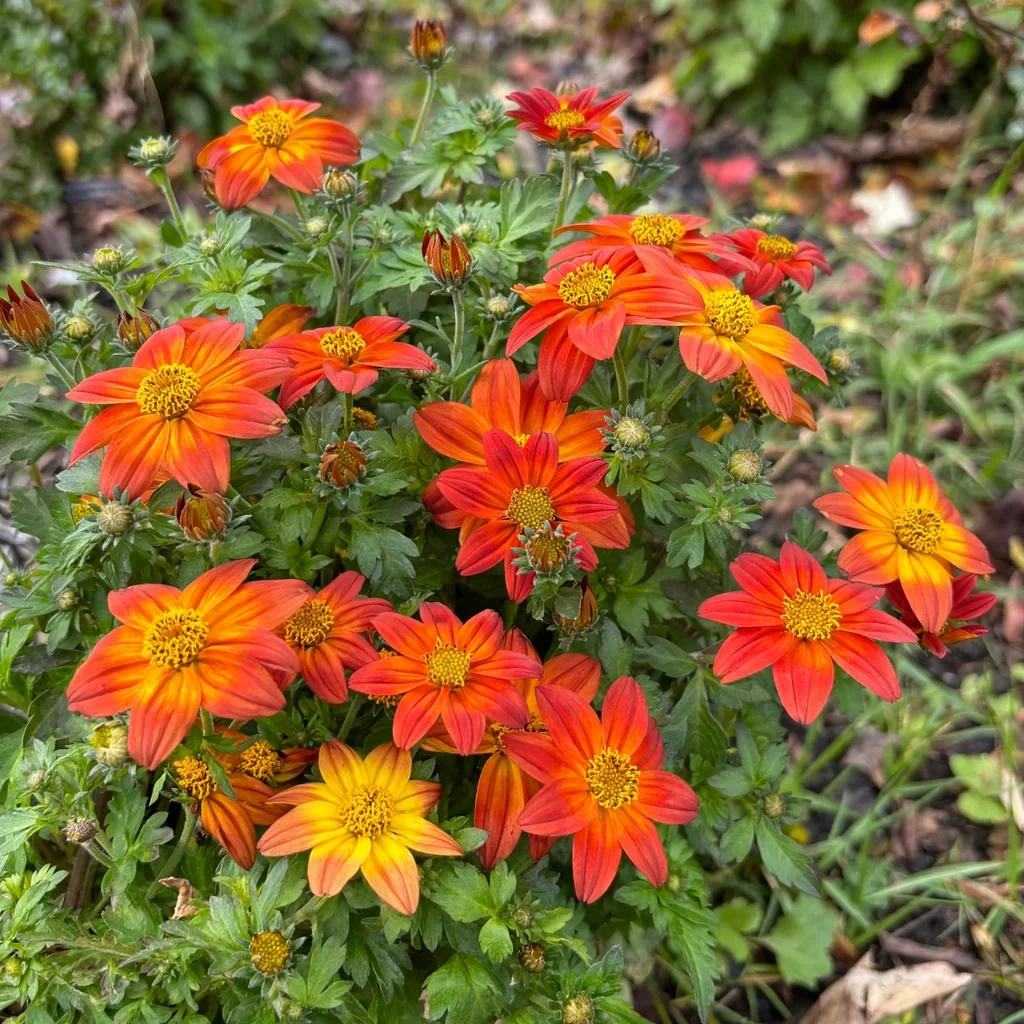
Bidens Campfire Flame
Bidens x hybrida 'Campfire Flame'
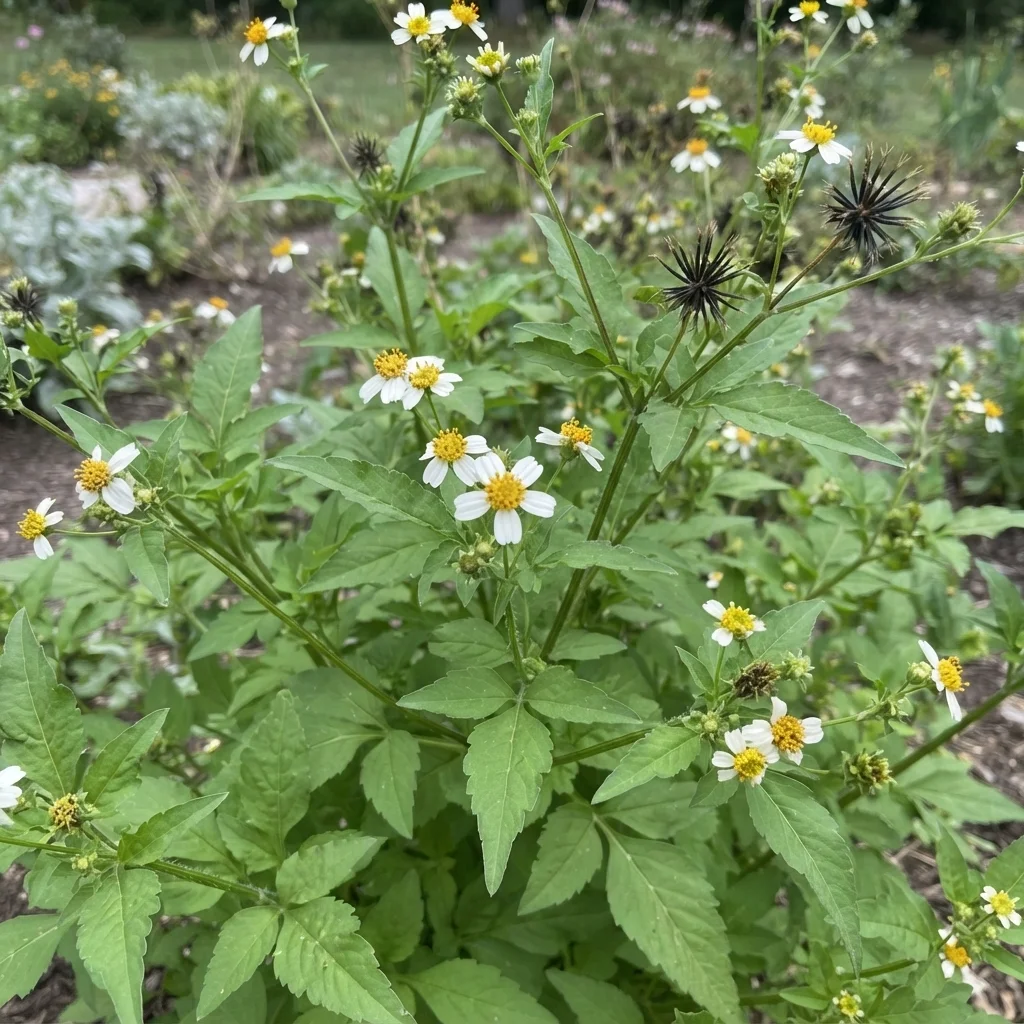
Hairy Beggar-Ticks
Bidens pilosa
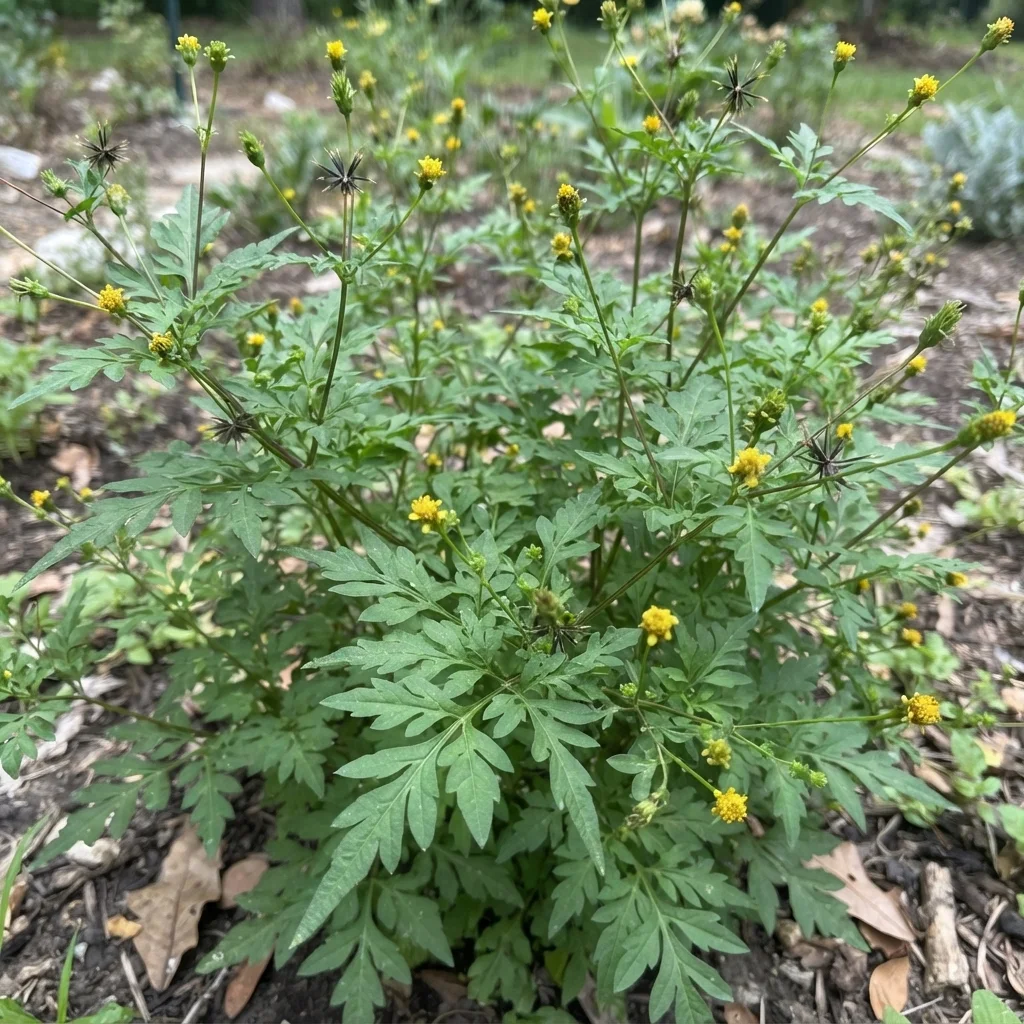
Spanish Needles
Bidens bipinnata
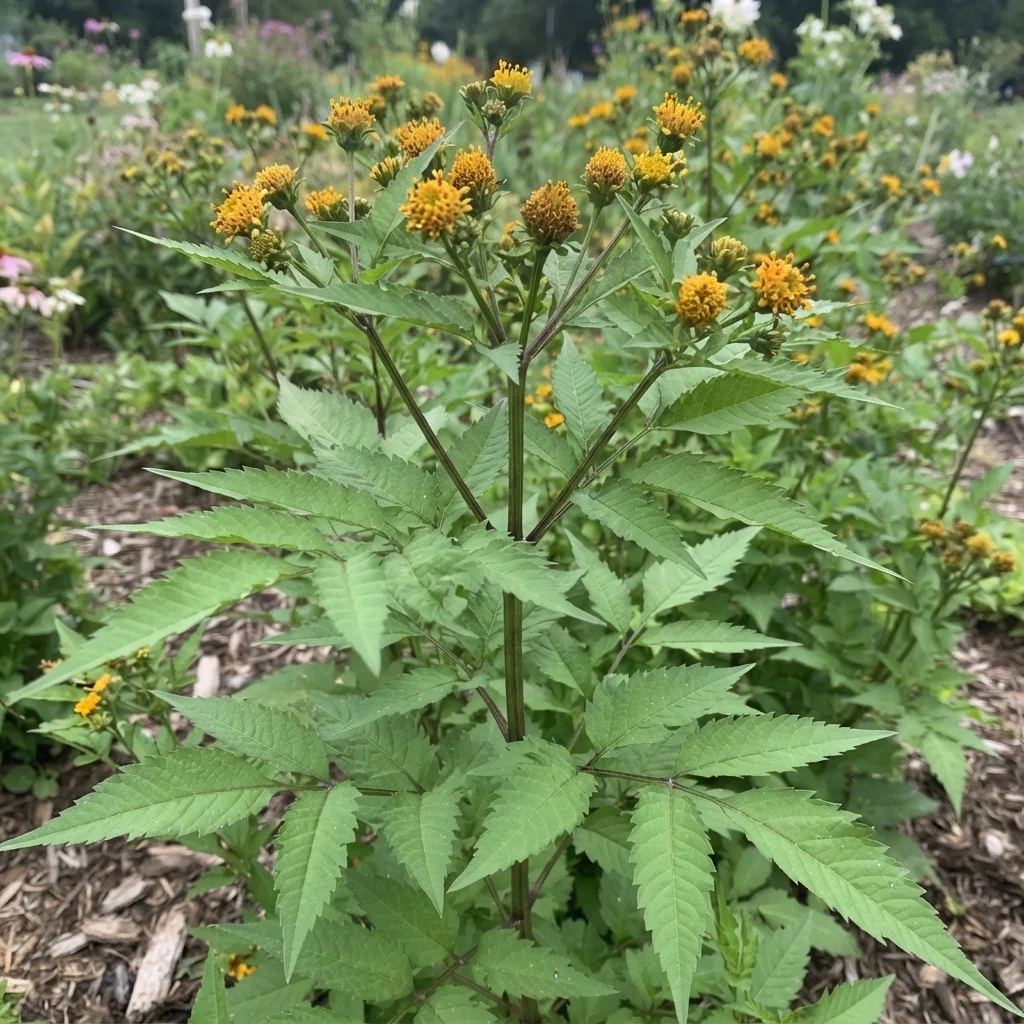
Devil's Beggarticks
Bidens frondosa
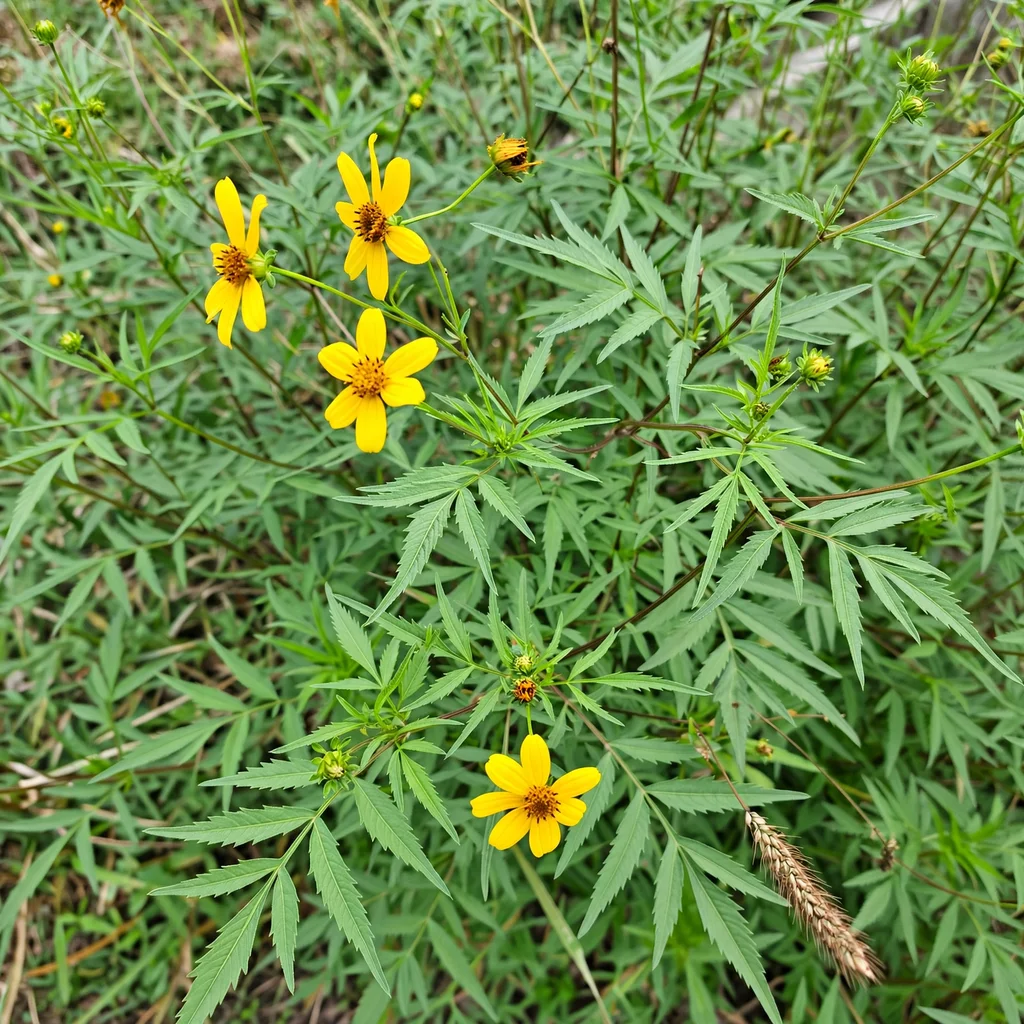
Swamp Marigold
Bidens aristosa
Keep exploring
Explore the genus
Hardy in your zone?
Grow Fern-Leaved Beggarticks with confidence
See it in a design of your actual yard, get zone-matched care reminders, and track it season by season in your garden journal.