The Story
Plant Bio
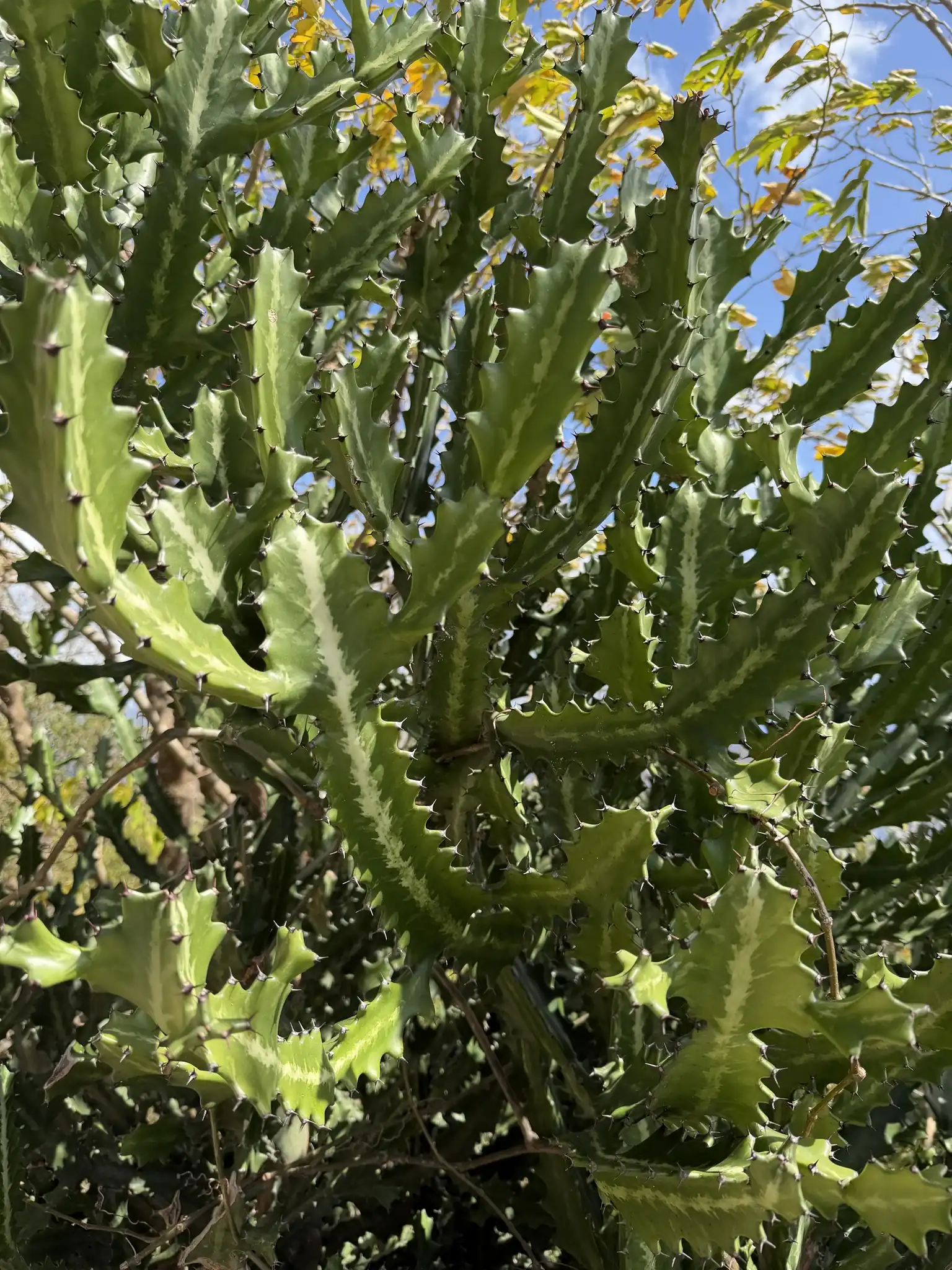
Euphorbia lactea is a deciduous spiny succulent shrub to small tree from dry tropical Asia, reaching 5 to 15 feet outdoors with upright 3- to 4-angled green stems mottled white. True leaves emerge in summer and drop within weeks, leaving the ridged stems armed with paired black thorns to carry on photosynthesis.
It is not a true cactus; cut or broken stems exude a milky latex that is poisonous if eaten and causes skin blisters and severe eye injury. Flowering is rare in cultivation, limited to paired yellow-tinged cyathia at the stem tips, while crested and variegated grafts sold as Coral Cactus stay compact and never come true from seed.
Uses & Benefits:
Essentials
At a Glance
Plant Type
Cactus Succulent
Height
180"
Width
48"
Light
Full Sun, Partial Sun
Zones
10
Water
Low
Humidity
Low
Lifespan
Long-lived perennial
Native To
Sri Lanka
Toxicity
Toxic if ingested, skin irritant
Bloom period
Summer
In flower about 3 months of the year
Planting
How to Grow
- Grow outdoors only in zones 10-11 in full sun to part shade; keep as an indoor pot plant elsewhere.
- Pot in a fast-draining cactus mix in a container with drainage holes.
- Water deeply in summer and let the mix dry through before watering again; keep almost dry in winter.
- Bring pots indoors before first frost and hold above 50F in bright light.
- Wear gloves and eye protection for all handling and pruning.
Pro Tip
Allow cut stems to callus in a dry shaded spot for several days before potting, then water only after the mix has dried through.
Keep It Thriving
Care Guide
Do
- Plant in fast-draining cactus mix and let the mix dry between waterings.
- Give bright light and summer warmth, with winter rest almost dry.
- Wear gloves and eye protection and keep plants away from children and pets.
Don't
- Do not plant in wet soil or leave pots standing in water.
- Do not cut into stems without protection from thorns and milky sap.
- Do not leave outdoors through frost or expect seed from crested grafts.
Seasonal Care Calendar
| Task | Jan | Feb | Mar | Apr | May | Jun | Jul | Aug | Sep | Oct | Nov | Dec |
|---|---|---|---|---|---|---|---|---|---|---|---|---|
| Fertilize | ||||||||||||
| Pest Check | ||||||||||||
| Plant | ||||||||||||
| Propagate | ||||||||||||
| Winter Prep |
Watch Out For
Pests & Diseases
Common Pests
Common Diseases
In the Garden
Landscape Uses & Companions
Landscape Uses
Companion Plants
Multiply
Propagation Methods
Good to Know
Common Questions
Mottled Spurge questions
What zones can Mottled Spurge grow in?
Mottled Spurge is hardy in USDA Zone 10: in that range it survives winter in the ground. Colder than Zone 10, grow it in a container you can move to shelter for the winter, or as an annual.
Is Mottled Spurge deer resistant?
Yes — Mottled Spurge is rated deer-resistant. Deer typically pass it over, though extreme hunger can override any plant's defenses.
When does Mottled Spurge bloom?
Mottled Spurge typically blooms in summer. Exact timing shifts a week or two with your zone — Sow's bloom calendar maps it to your garden.
Does Mottled Spurge need full sun?
Mottled Spurge does best in full sun to part shade. In hot climates, afternoon shade keeps blooms fresher longer.
Is Mottled Spurge drought tolerant?
Yes — once established (usually after the first full season), Mottled Spurge handles dry spells with minimal watering. Water deeply its first year to build the root system that makes that possible.
More Euphorbia to compare
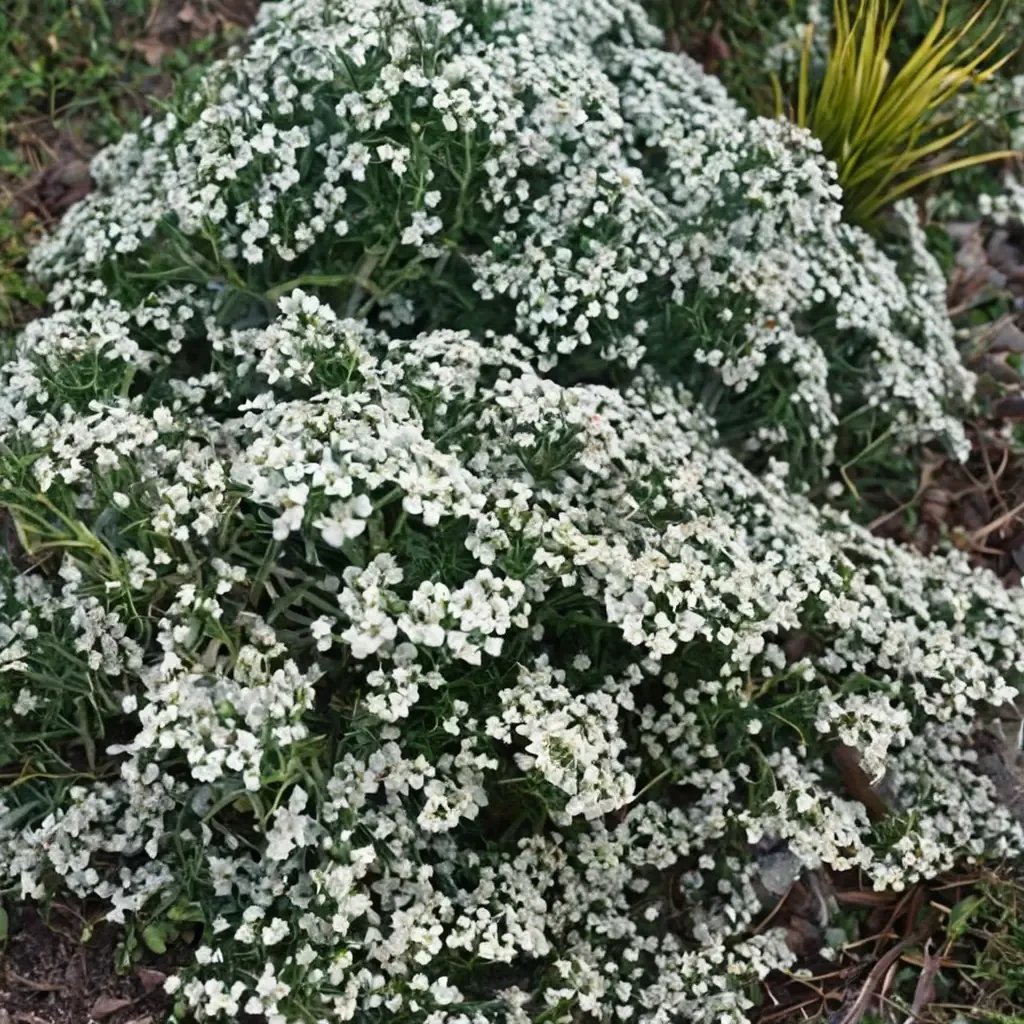
Carolina Snow Flowering Spurge
Euphorbia corollata 'Carolina Snow'
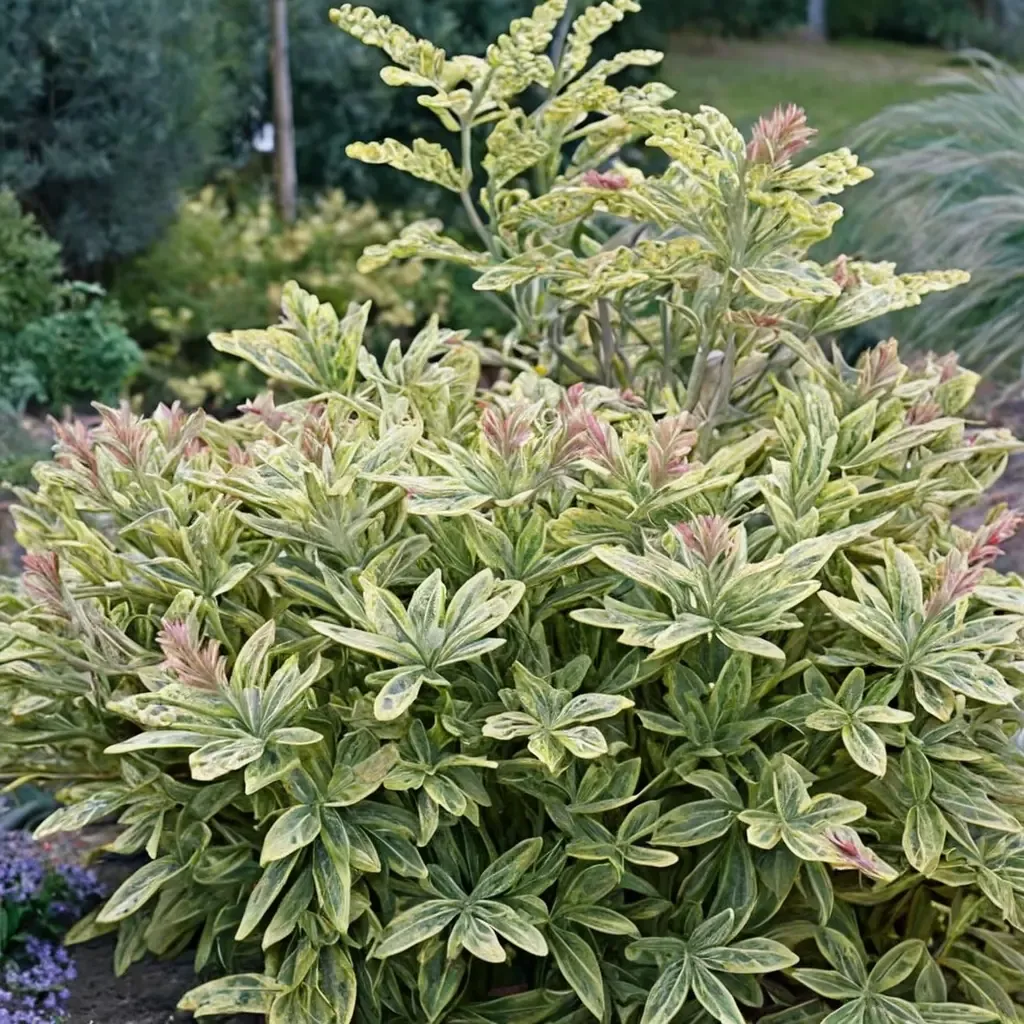
Ascot Rainbow Spurge
Euphorbia x hybrida 'Ascot Rainbow'
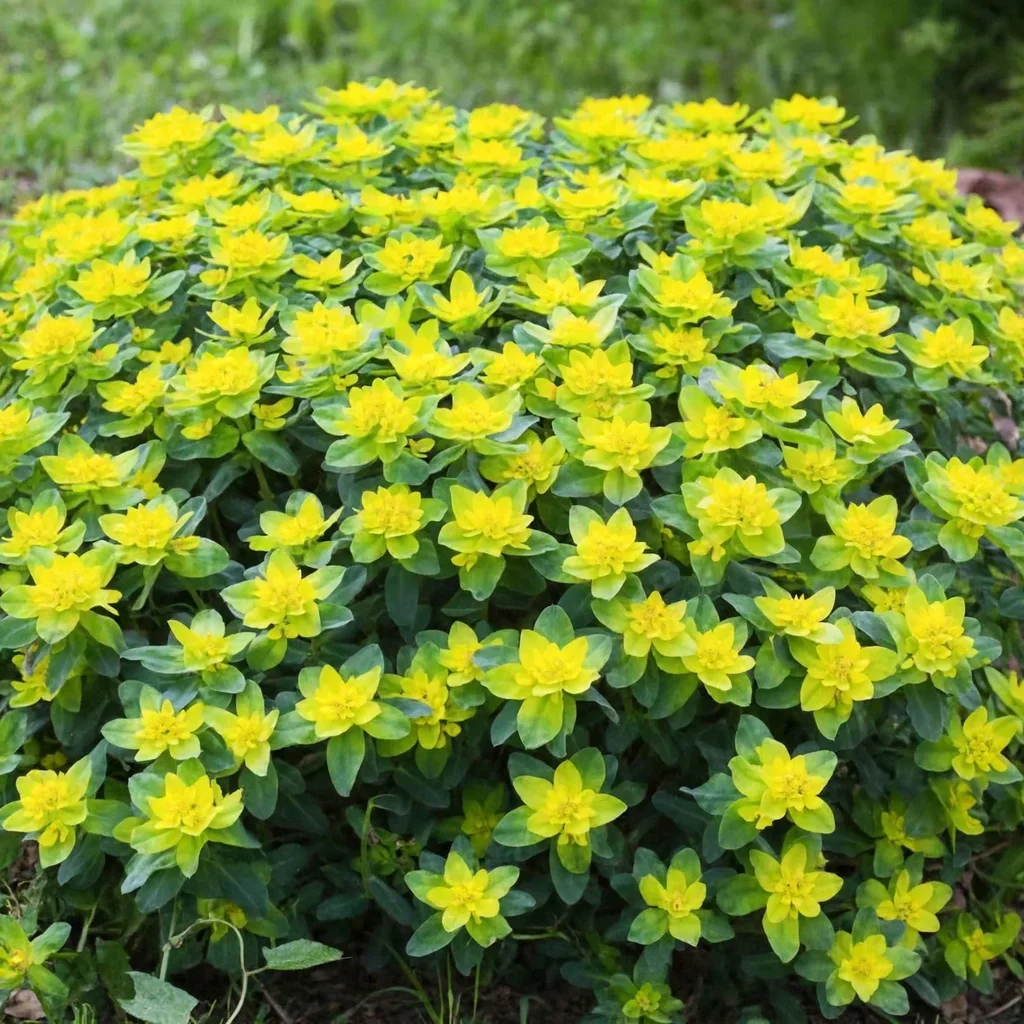
Mediterranean Spurge
Euphorbia polychroma
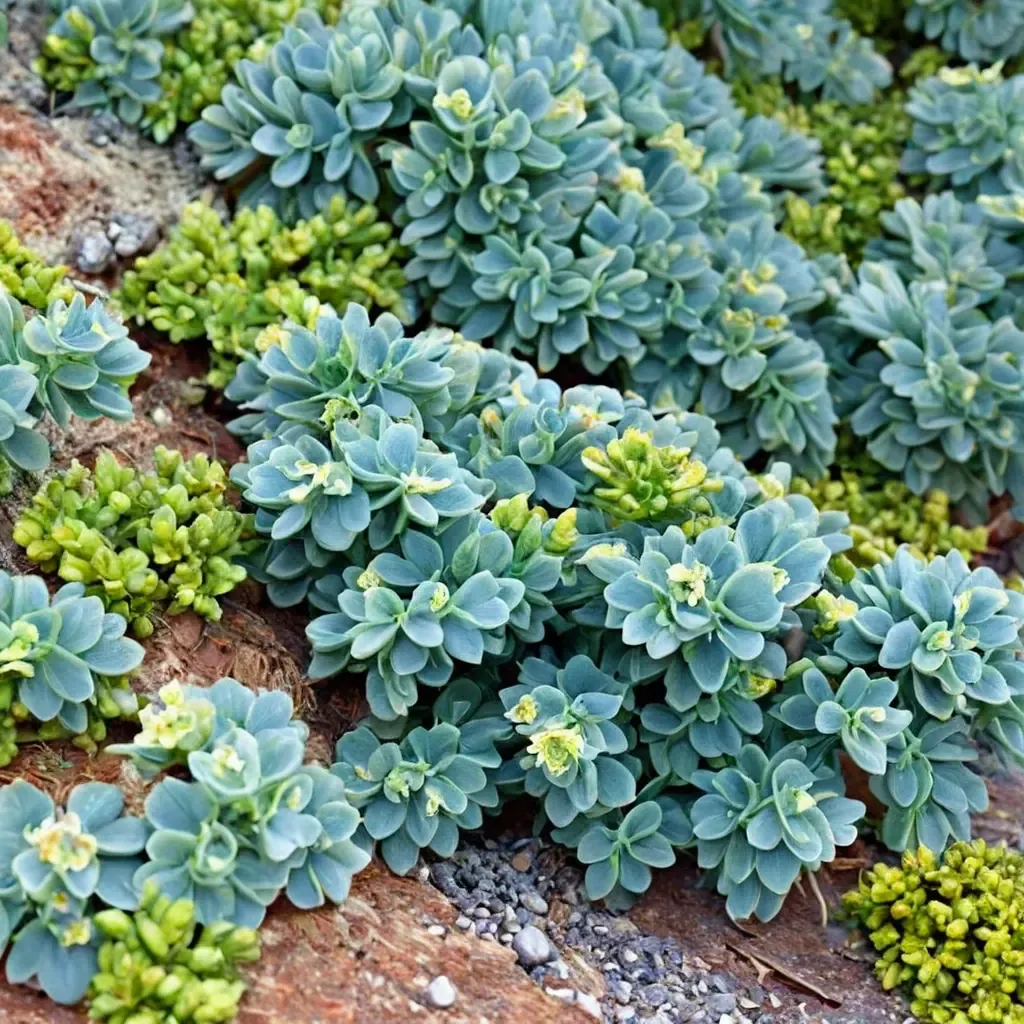
Myrtle Spurge
Euphorbia myrsinites
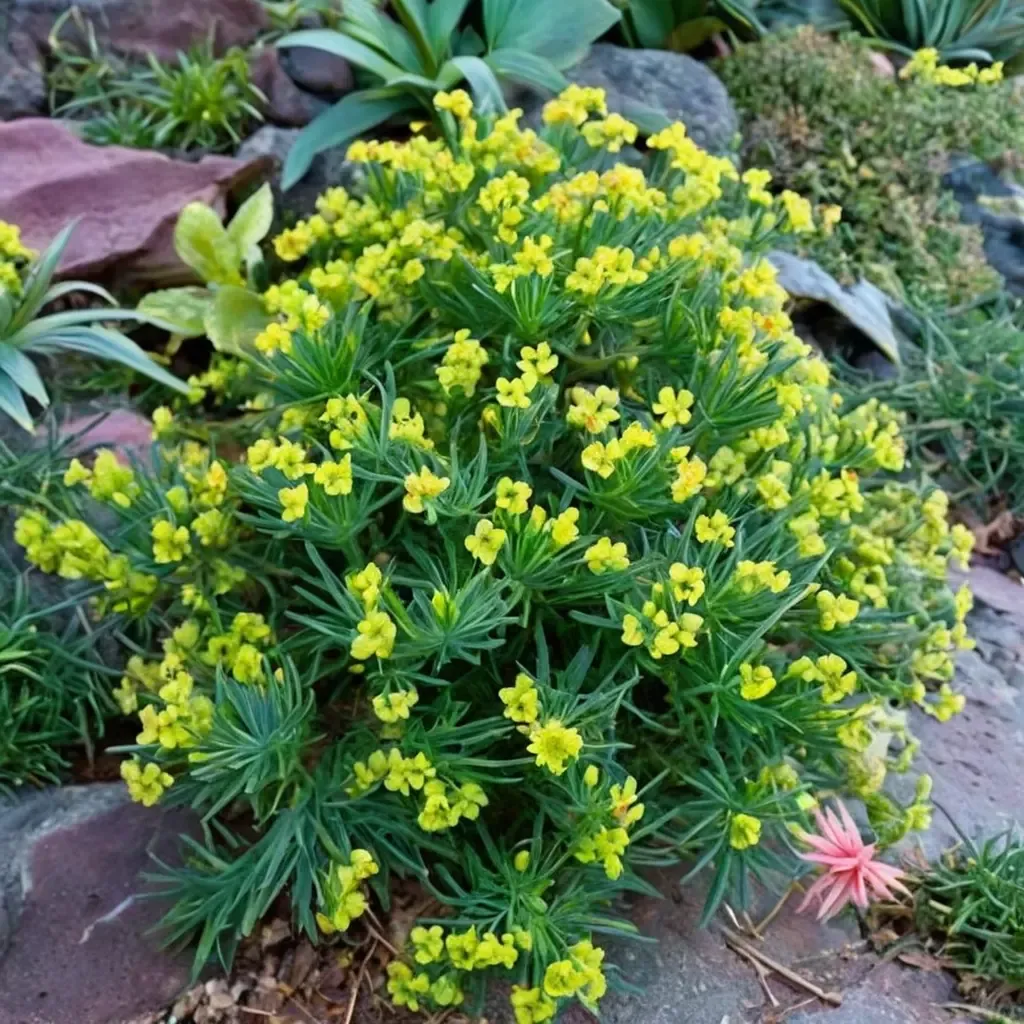
Ruby Spurge
Euphorbia cyparissias 'Fens Ruby'
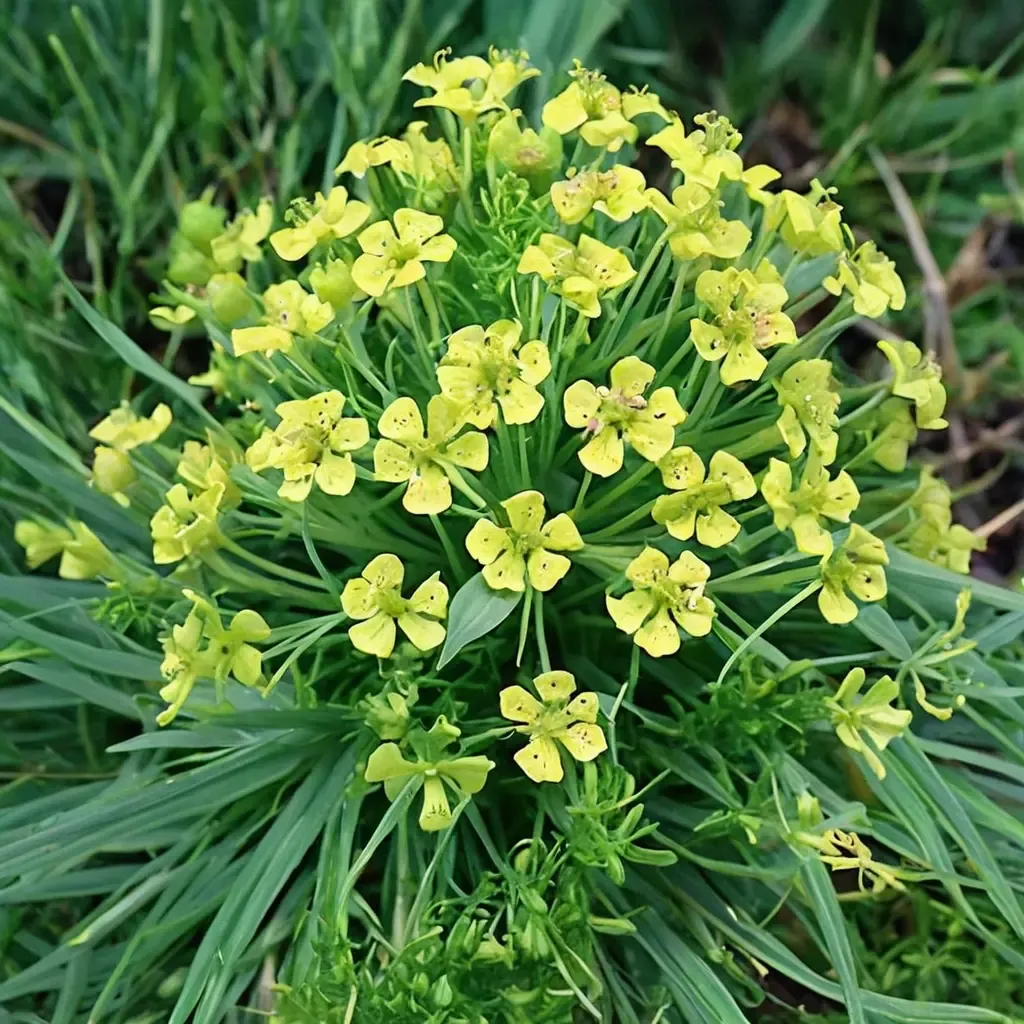
Cypress Spurge
Euphorbia cyparissias
Keep exploring
Explore the genus
Hardy in your zone?
Grow Mottled Spurge with confidence
See it in a design of your actual yard, get zone-matched care reminders, and track it season by season in your garden journal.