The Story
Plant Bio
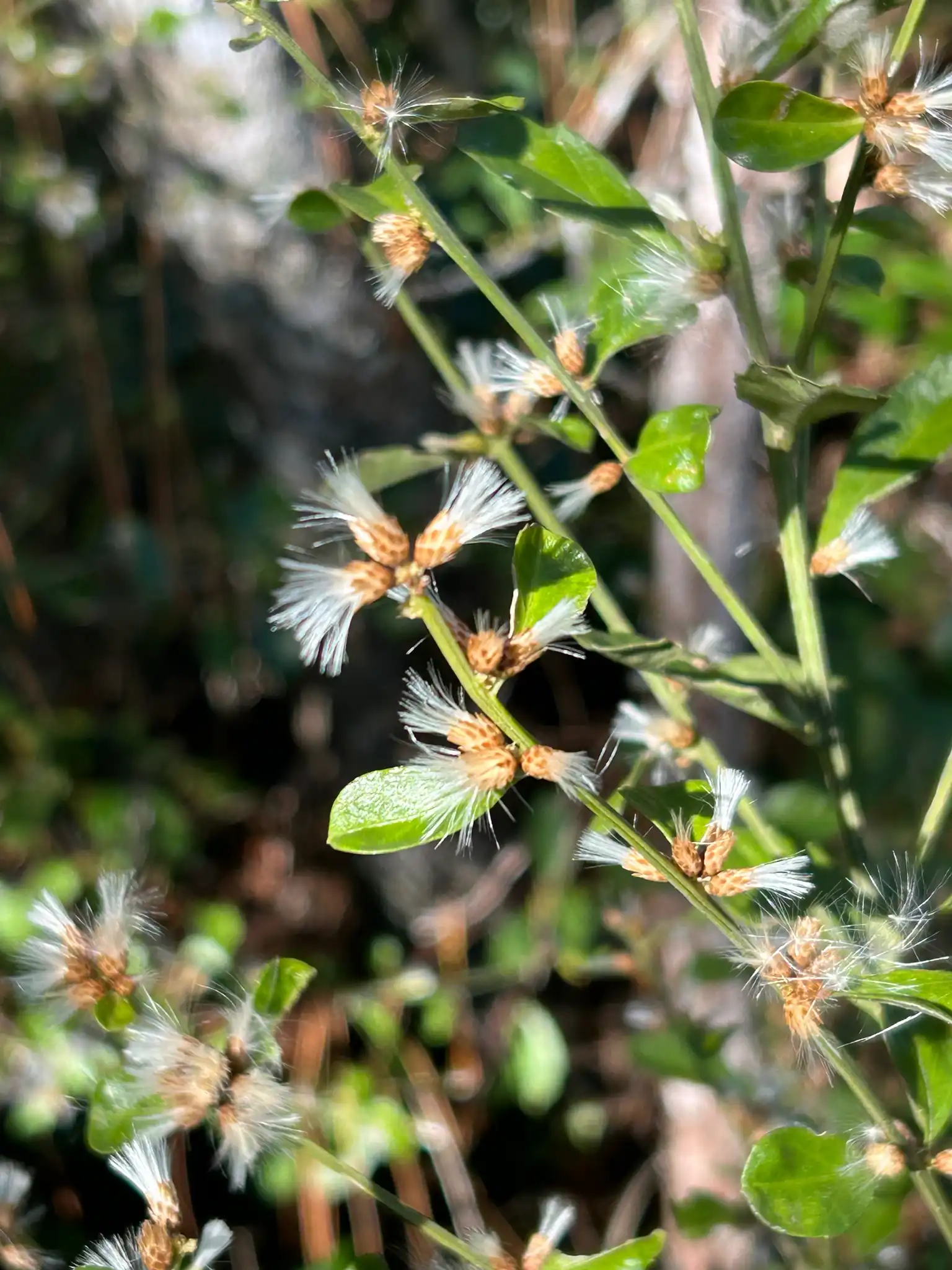
Baccharis glomeruliflora, commonly called silverling, is an evergreen shrub of the southeastern coastal plain reaching three to ten feet tall, with erect striate-angled stems and leathery alternate leaves. Male and female flowers grow on separate plants, with small whitish to yellowish-green heads clustered in sessile axillary glomerules that open in fall.
It is separated from groundsel-tree by its smaller obovate to rhombic leaves, one to two inches long, with one to three broad teeth above the middle and black gland dots on the lower surface. The one to four heads sit directly in the leaf axils without stalks, forming tight clusters scattered along the branch rather than a terminal panicle.
Uses & Benefits:
Essentials
At a Glance
Plant Type
Shrub
Height
118"
Width
72"
Light
Full Sun, Partial Sun
Zones
8, 9, 10
Water
Medium to wet
Humidity
Tolerates high humidity
Lifespan
Long-lived woody shrub
Native To
Southeastern U.S. coastal plain
Toxicity
Non-toxic; male pollen may trigger allergies
Bloom period
Fall
In flower about 3 months of the year
Planting
How to Grow
- Set plants in full sun to part sun in moist, sandy or loamy soil near a swale, rain garden, or dune ditch.
- Dig a hole as deep as the container and twice as wide, set the crown level, backfill and water deeply.
- Mulch two to three inches deep, keeping mulch off the stems, to hold moisture.
- Water regularly the first season, then reduce; established plants take wet soil and low to medium moisture.
- Tip-prune in late winter to shape as a hedge or specimen.
Pro Tip
Shape lightly in late winter and never cut back into old leafless wood, which resprouts slowly if at all.
Keep It Thriving
Care Guide
Do
- Do plant in sites with reliable moisture and good air flow.
- Do leave female seed heads standing for birds through winter.
- Do prune lightly after flowering or in late winter to keep form dense.
Don't
- Don't shear heavily into old leafless stems.
- Don't let new transplants dry out completely in the first summer.
- Don't fertilize heavily; this shrub needs little supplemental feeding.
Seasonal Care Calendar
| Task | Jan | Feb | Mar | Apr | May | Jun | Jul | Aug | Sep | Oct | Nov | Dec |
|---|---|---|---|---|---|---|---|---|---|---|---|---|
| Mulch | ||||||||||||
| Pest Check | ||||||||||||
| Plant | ||||||||||||
| Propagate | ||||||||||||
| Prune |
Watch Out For
Pests & Diseases
Common Pests
Common Diseases
In the Garden
Landscape Uses & Companions
Landscape Uses
Multiply
Propagation Methods
Good to Know
Common Questions
Silverling questions
What zones can Silverling grow in?
Silverling is hardy in USDA Zones 8–10: in that range it survives winter in the ground. Colder than Zone 8, grow it in a container you can move to shelter for the winter.
Is Silverling deer resistant?
Not reliably. Deer may browse Silverling, especially tender spring growth — plan on repellents or fencing where pressure is high.
When does Silverling bloom?
Silverling typically blooms in fall. Exact timing shifts a week or two with your zone — Sow's bloom calendar maps it to your garden.
Does Silverling need full sun?
Silverling does best in full sun to part shade. In hot climates, afternoon shade keeps blooms fresher longer.
More Baccharis to compare
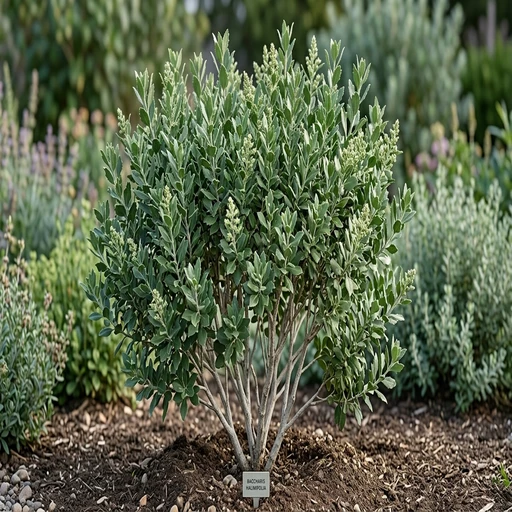
Sea Myrtle
Baccharis halimifolia
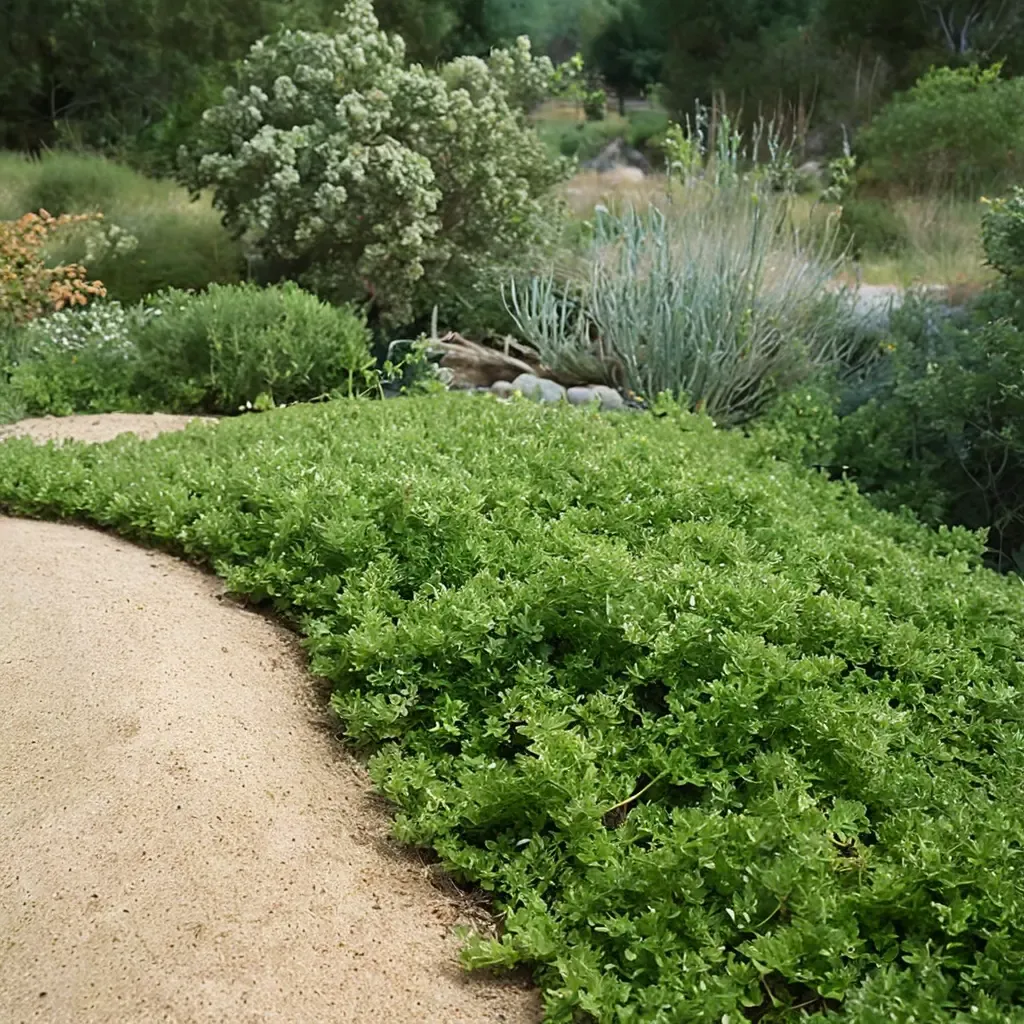
Pigeon Point Dwarf Coyote Bush
Baccharis pilularis 'Pigeon Point'
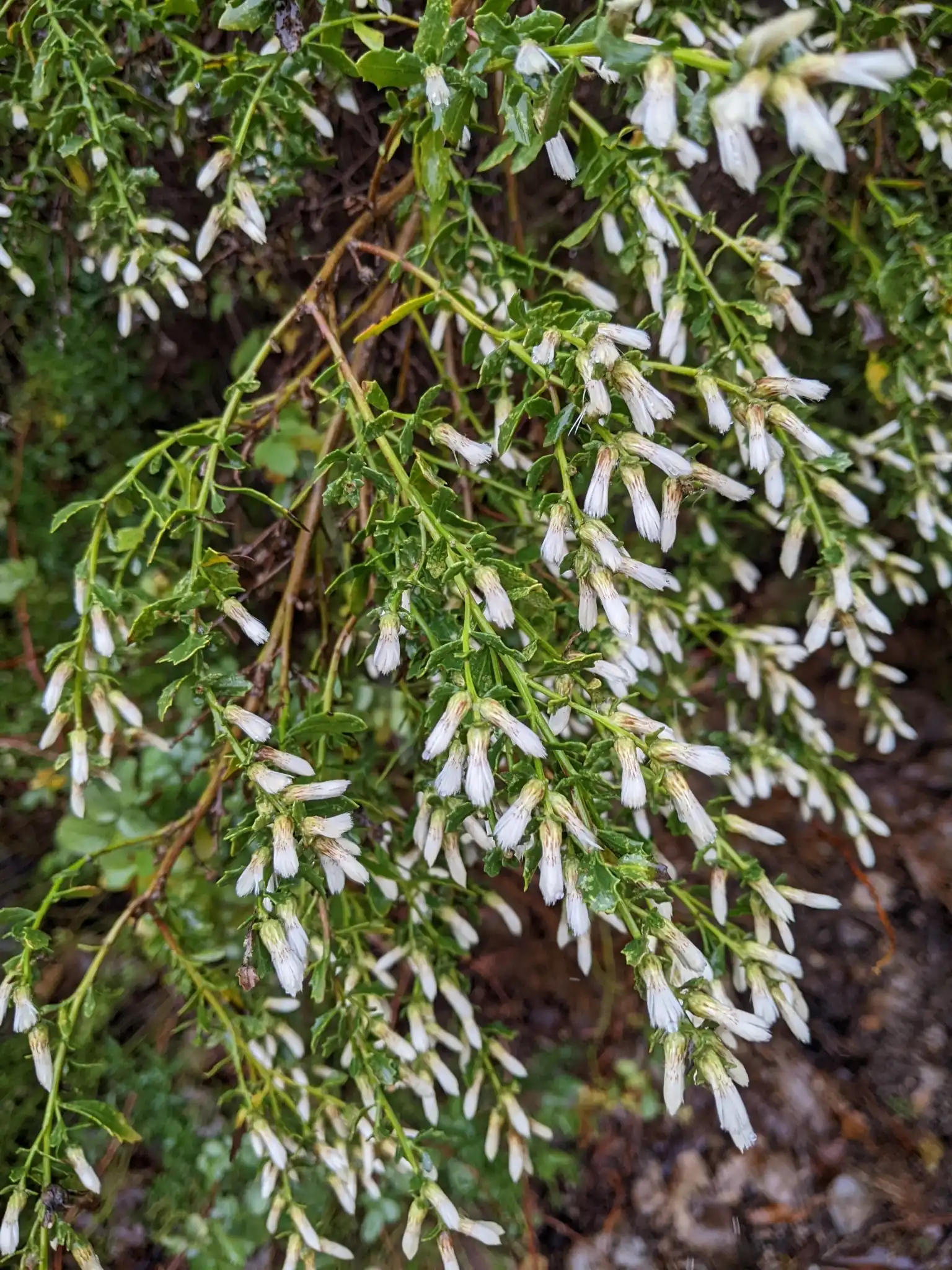
Dwarf Coyote Bush
Baccharis pilularis
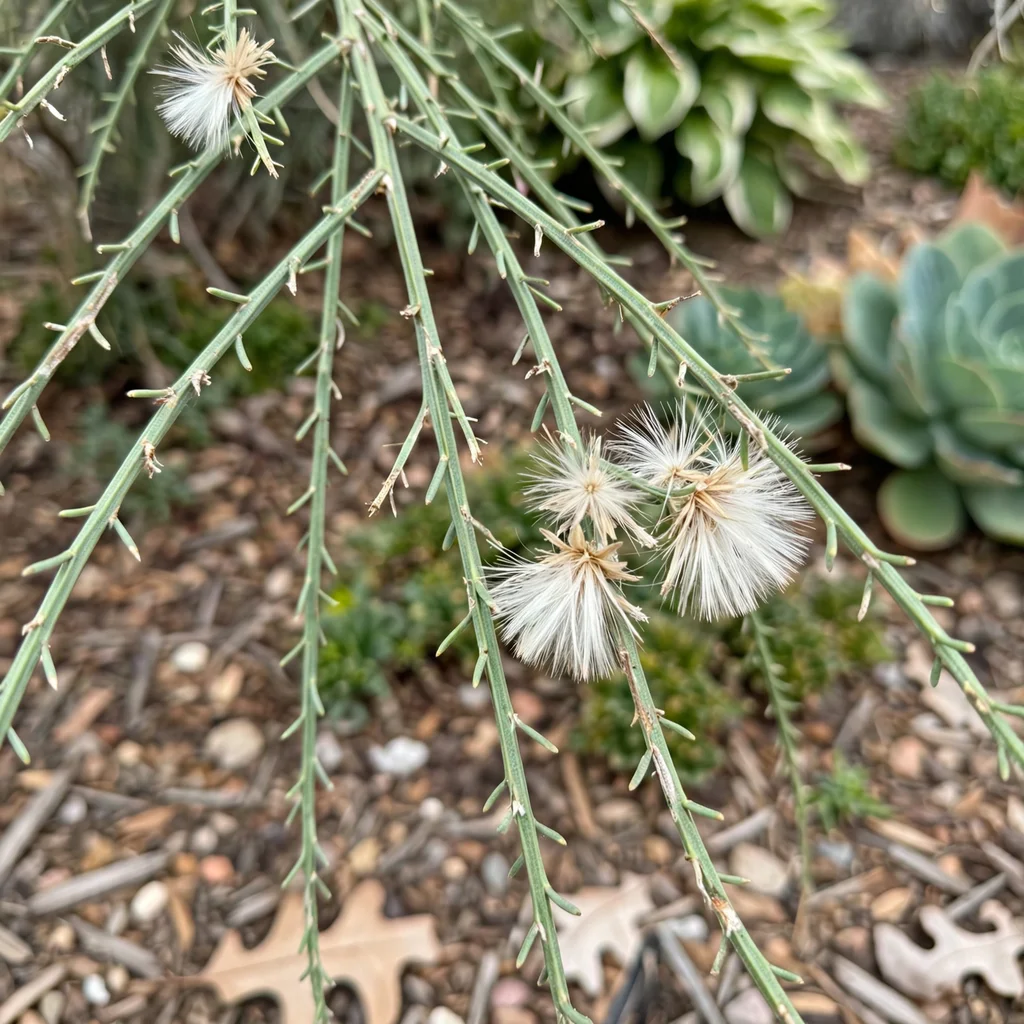
Desert Broom
Baccharis sarothroides
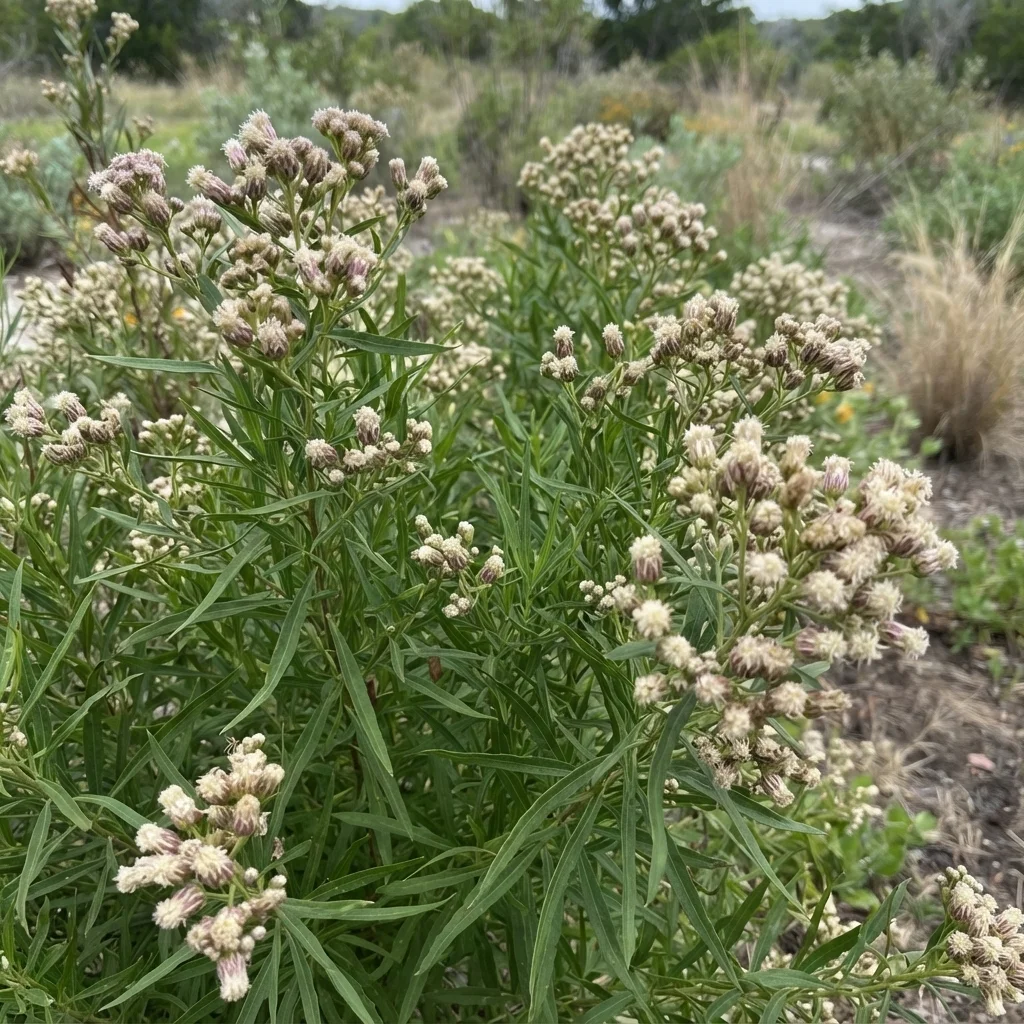
Mule Fat
Baccharis salicifolia
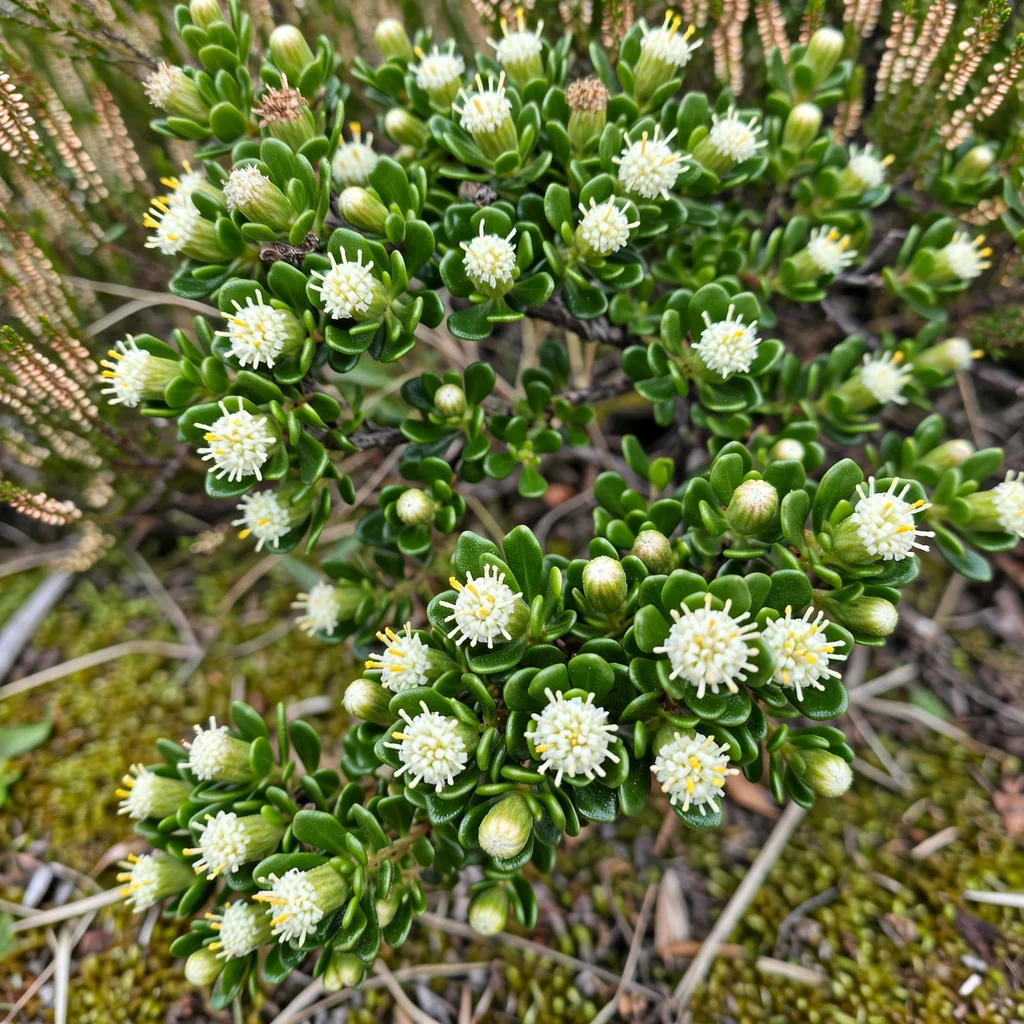
Christmas Bush
Baccharis magellanica
Keep exploring
Explore the genus
Hardy in your zone?
Grow Silverling with confidence
See it in a design of your actual yard, get zone-matched care reminders, and track it season by season in your garden journal.