The Story
Plant Bio
Ulmus rubra is a medium-sized deciduous tree native to eastern North America, forming an upright vase-shaped crown with branches ascending higher than American elm. The broad foliage emerges with a red tinge before turning dark green and rough above, finishing dull yellow in fall.
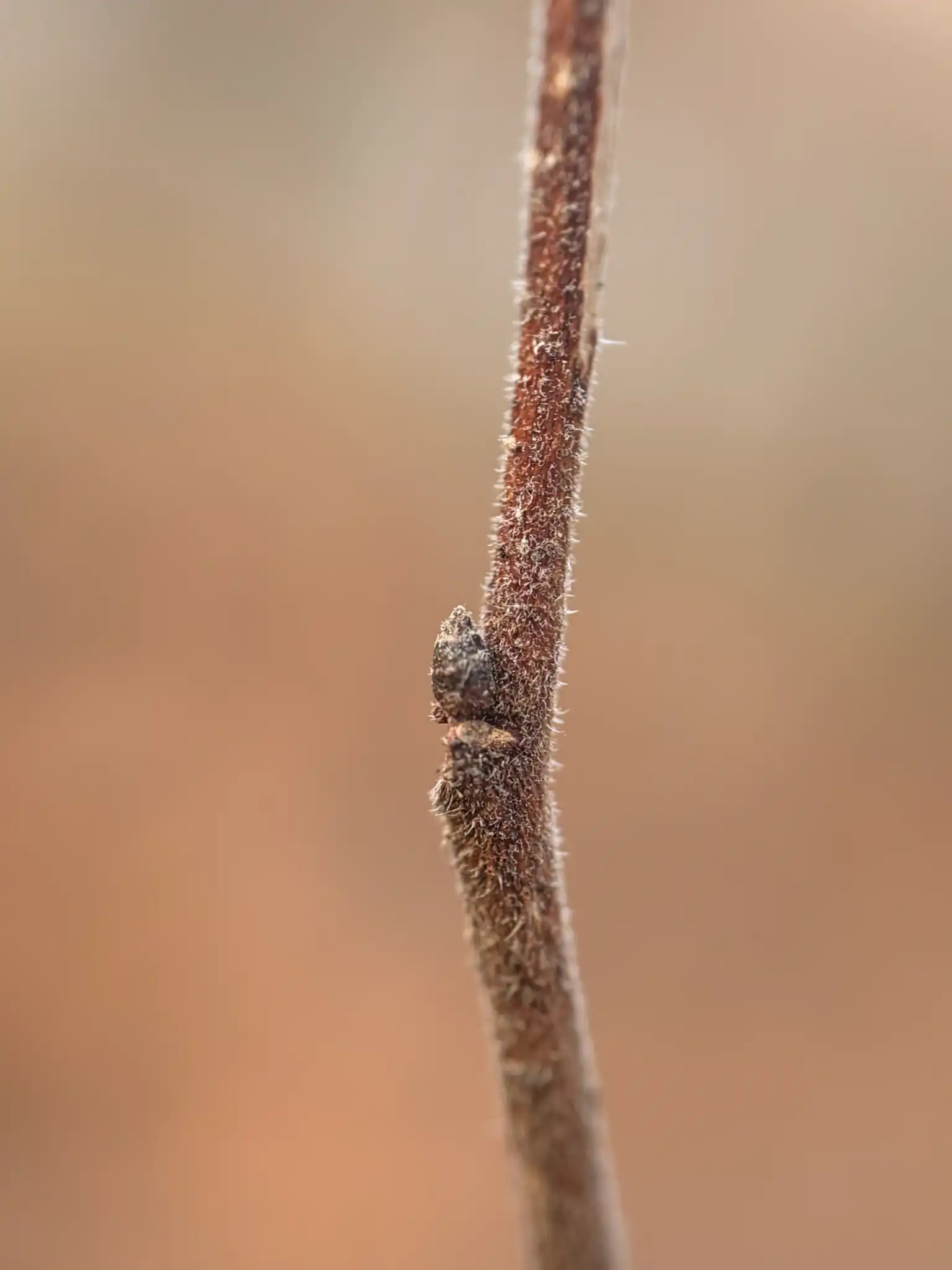
Distinguished from American elm by its sandpapery leaf upper surfaces, rusty red-hairy winter buds, and slippery mucilaginous inner bark. Small apetalous green to reddish flowers bloom in dense clusters in early spring before leaves expand.
Uses & Benefits:
Essentials
At a Glance
Plant Type
Tree
Height
748"
Width
590"
Light
Full Sun, Partial Sun
Zones
4, 5, 6, 7, 8, 9
Water
Moderate
Humidity
High
Lifespan
Long-lived
Native To
North America
Toxicity
Non-toxic
Bloom period
Spring
In flower about 3 months of the year
Planting
How to Grow
- Select a site in full sun or partial shade with deep, rich, well-draining moist loam or alluvial soil.
- Plant bare-root whips or container stock in early spring, keeping the root flare level with the soil surface.
- Water deeply through the first two growing seasons until a robust root network establishes.
- Apply a 3-inch ring of organic mulch over the root zone while keeping it away from direct contact with the bark.
Pro Tip
Prune strictly during late winter dormancy; pruning cuts made during warm weather emit sap that attracts bark beetles transmitting Dutch elm disease.
Keep It Thriving
Care Guide
Do
- Prune only in late winter while the tree is fully dormant.
- Inspect foliage regularly for signs of beetle feeding or leaf miner damage.
- Plant in moist, rich bottomlands or adaptable upland soils with good drainage.
Don't
- Do not prune during spring or summer when beetle vectors are active.
- Do not over-fertilize; apply nutrients only if a soil test confirms a clear deficiency.
- Do not pile mulch against the trunk tissue.
Seasonal Care Calendar
| Task | Jan | Feb | Mar | Apr | May | Jun | Jul | Aug | Sep | Oct | Nov | Dec |
|---|---|---|---|---|---|---|---|---|---|---|---|---|
| Fertilize | ||||||||||||
| Mulch | ||||||||||||
| Pest Check | ||||||||||||
| Prune |
Watch Out For
Pests & Diseases
Common Pests
Common Diseases
In the Garden
Landscape Uses & Companions
Landscape Uses
Multiply
Propagation Methods
Good to Know
Common Questions
Slippery Elm questions
What zones can Slippery Elm grow in?
Slippery Elm is hardy in USDA Zones 4–9: in that range it survives winter in the ground. Warmer than Zone 9, winter isn't the problem: it prefers colder winters, and summer heat can shorten its life.
When does Slippery Elm bloom?
Slippery Elm typically blooms in spring. Exact timing shifts a week or two with your zone — Sow's bloom calendar maps it to your garden.
Does Slippery Elm need full sun?
Slippery Elm does best in full sun to part shade. In hot climates, afternoon shade keeps blooms fresher longer.
Is Slippery Elm drought tolerant?
Yes — once established (usually after the first full season), Slippery Elm handles dry spells with minimal watering. Water deeply its first year to build the root system that makes that possible.
More Ulmus to compare
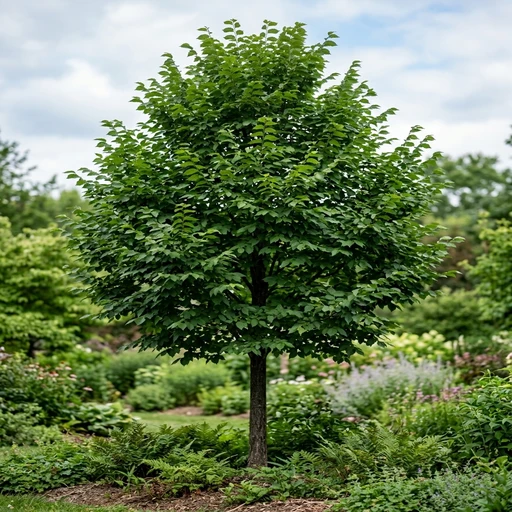
Princeton Elm
Ulmus americana 'Princeton'
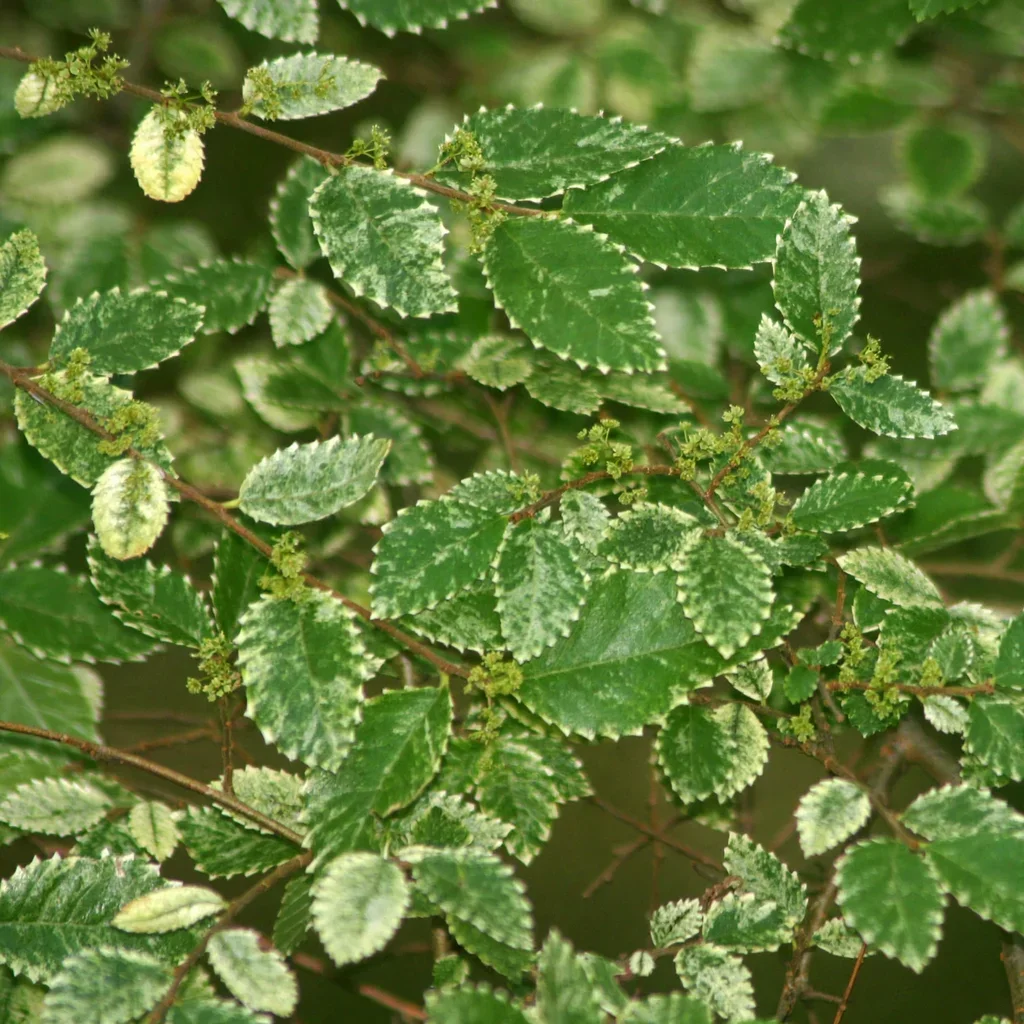
Variegated Chinese Elm
Ulmus parvifolia 'Variegata'
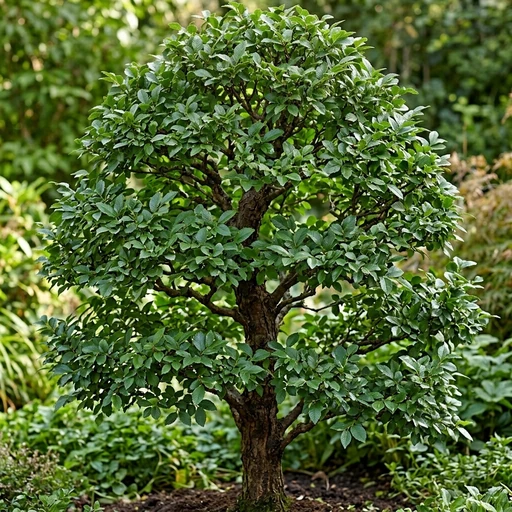
Cedar Elm
Ulmus crassifolia
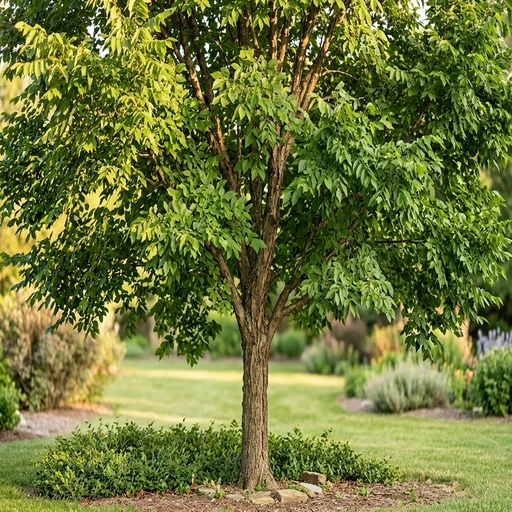
Winged Elm
Ulmus alata
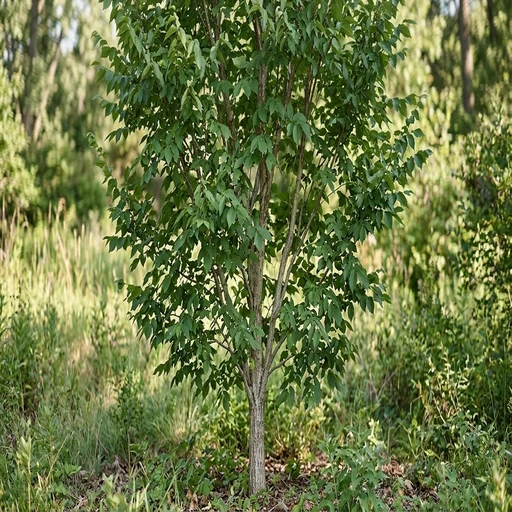
Colonial Spirit American Elm
Ulmus americana 'Colonial Spirit'
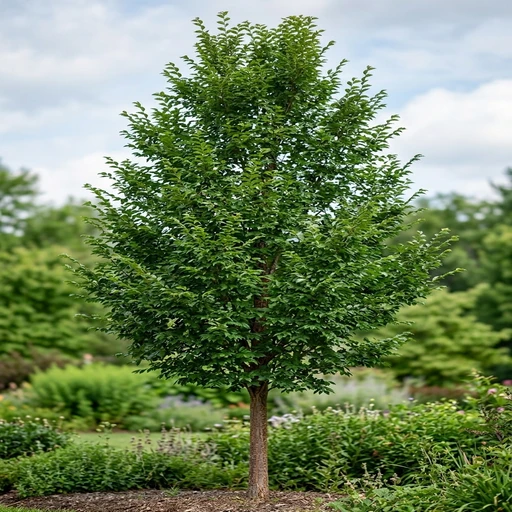
Everclear Lacebark Elm
Ulmus parvifolia 'Everclear'
Keep exploring
Explore the genus
Grow Slippery Elm with confidence
See it in a design of your actual yard, get zone-matched care reminders, and track it season by season in your garden journal.