The Story
Plant Bio
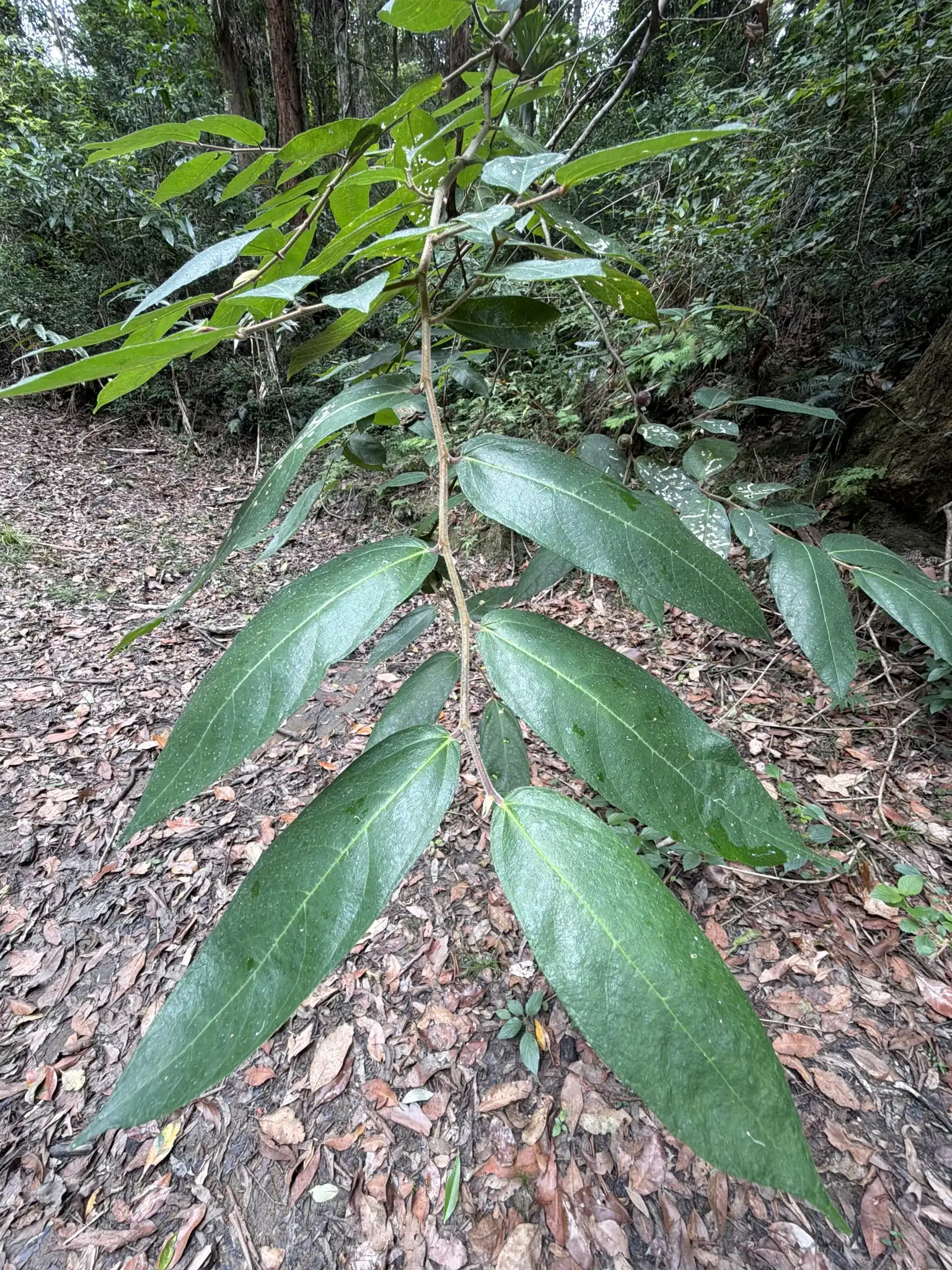
Ficus coronata, known as the sandpaper fig, is an evergreen Australian shrub or small tree growing up to twenty feet in garden settings, with rough, sandpapery leaves and densely hairy branchlets. The pale white to cream flowers are enclosed internally within fleshy receptacles borne directly on the trunk, older branches, or leaf axils.
The upper surface of the leaves features stiff, abrasive hairs historically used like sandpaper, while the lower surface is softly pubescent. Its cauliflorous fruiting habit produces syconia that mature into dark purple-black, sweet edible fruits once the rough skin and outer hairs are removed.
Uses & Benefits:
Essentials
At a Glance
Plant Type
Tree
Height
591"
Width
236"
Light
Full Sun, Partial Sun
Zones
9, 10
Water
Moderate
Humidity
High
Lifespan
Perennial
Native To
Australia
Toxicity
Sap causes skin irritation; peel fruit skin before eating
Bloom period
Summer – Fall
In flower about 6 months of the year
Planting
How to Grow
- Select a bright location receiving full sun to partial shade in deep, moist, well-draining soil.
- Water regularly during initial establishment, allowing the top inch of soil to dry slightly between irrigation.
- Apply a light application of balanced general-purpose fertilizer during the active spring growing period.
- Prune tip growth annually after fruiting to control size and encourage dense branching.
Pro Tip
Prune lightly after main fruiting flushes to maintain a dense habit; cutting back severely into old wood lacking active nodes causes slow, irregular foliage recovery.
Keep It Thriving
Care Guide
Do
- Wear gloves when pruning to avoid skin contact with the irritating milky sap.
- Protect young plants from frost exposure during winter months.
- Maintain high ambient humidity for indoor or glasshouse container plants.
Don't
- Do not prune harshly into bare, old wood without visible bud nodes.
- Do not overwater or leave container saucers sitting in stagnant water.
- Do not eat raw fruit without peeling the scabrous outer skin and hairs.
Seasonal Care Calendar
| Task | Jan | Feb | Mar | Apr | May | Jun | Jul | Aug | Sep | Oct | Nov | Dec |
|---|---|---|---|---|---|---|---|---|---|---|---|---|
| Fertilize | ||||||||||||
| Harvest | ||||||||||||
| Pest Check | ||||||||||||
| Prune |
Watch Out For
Pests & Diseases
Common Pests
Common Diseases
In the Garden
Landscape Uses & Companions
Landscape Uses
Multiply
Propagation Methods
Good to Know
Common Questions
Sandpaper Fig questions
What zones can Sandpaper Fig grow in?
Sandpaper Fig is hardy in USDA Zones 9–10: in that range it survives winter in the ground. Colder than Zone 9, winters are too cold for it to survive outdoors.
When does Sandpaper Fig bloom?
Sandpaper Fig typically blooms from summer to fall. Exact timing shifts a week or two with your zone — Sow's bloom calendar maps it to your garden.
Does Sandpaper Fig need full sun?
Sandpaper Fig does best in full sun to part shade. In hot climates, afternoon shade keeps blooms fresher longer.
Is Sandpaper Fig drought tolerant?
Yes — once established (usually after the first full season), Sandpaper Fig handles dry spells with minimal watering. Water deeply its first year to build the root system that makes that possible.
More Ficus to compare
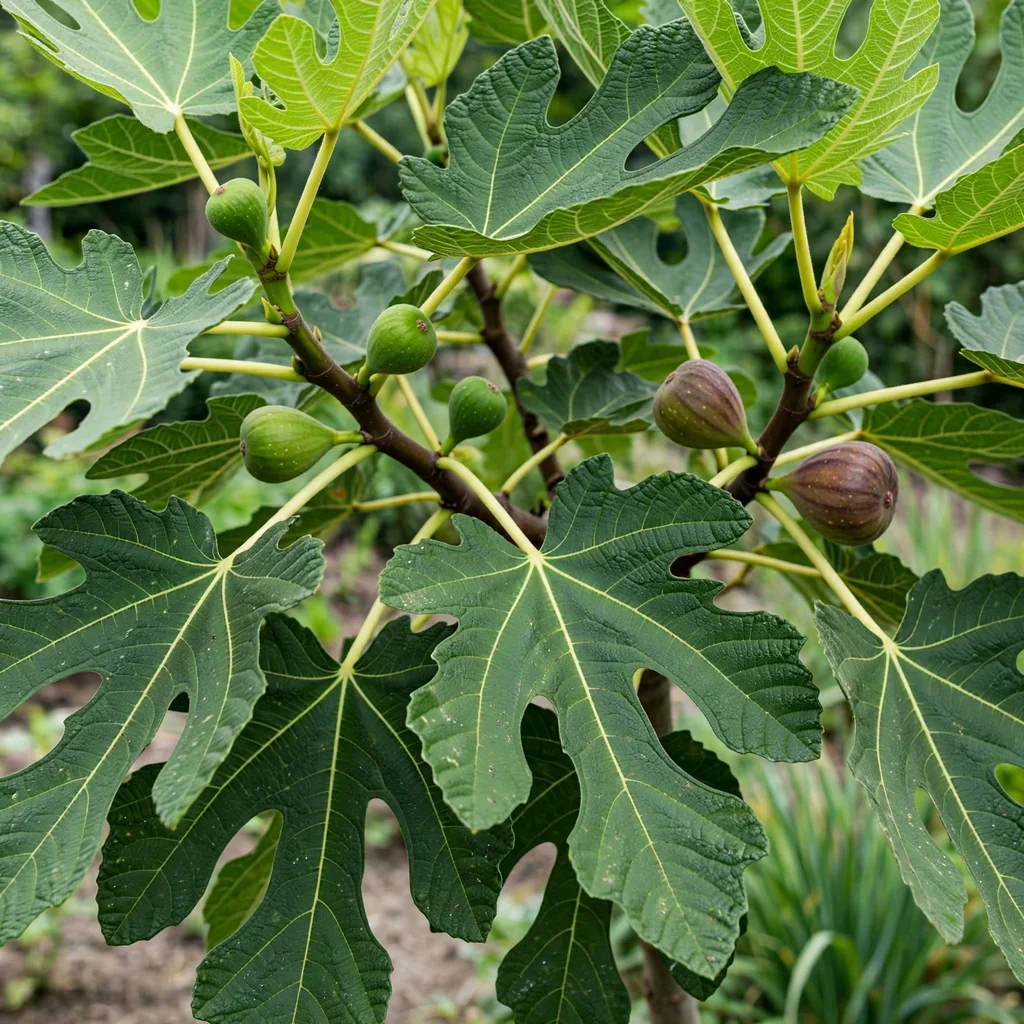
Fig Tree Brown Turkey
Ficus carica 'Brown Turkey'
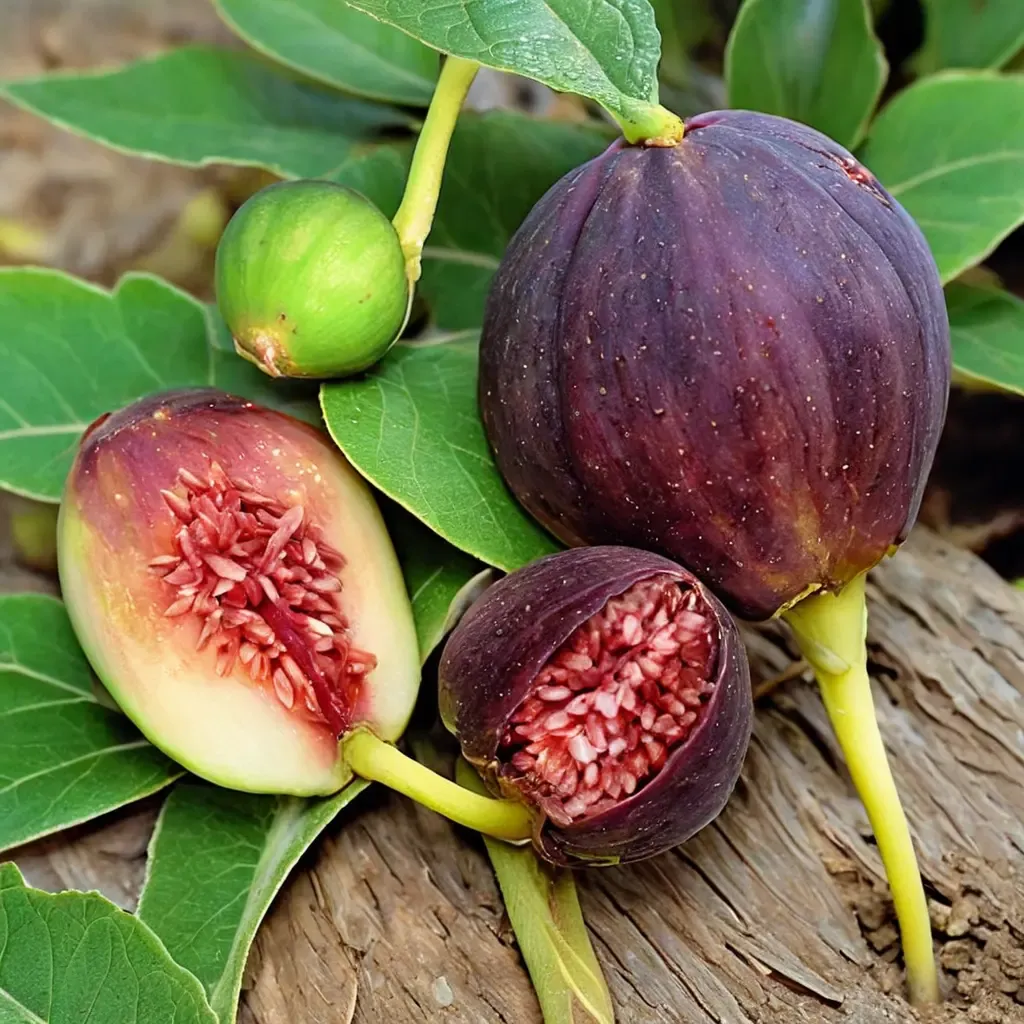
Improved Brown Turkey Fig
Ficus carica 'Improved Brown Turkey'
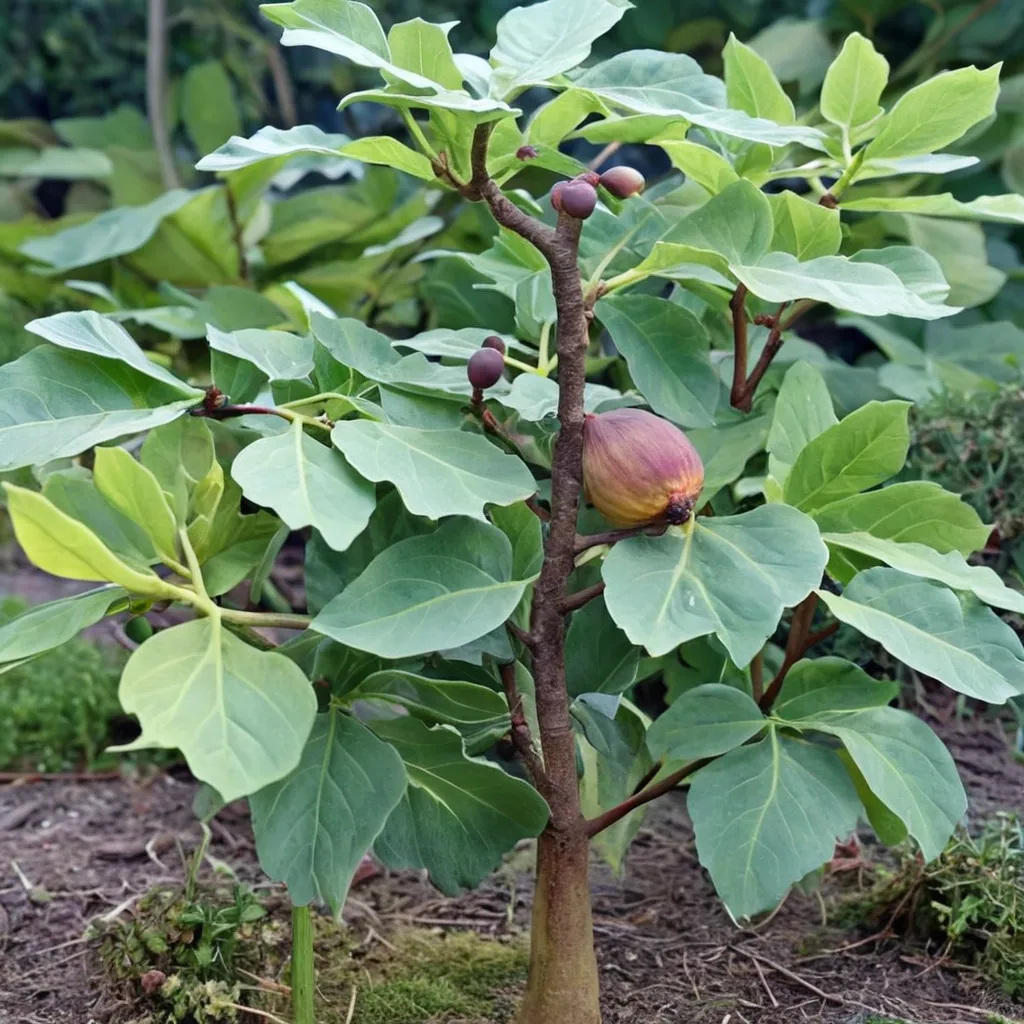
Chicago Hardy Fig
Ficus carica 'Chicago Hardy'
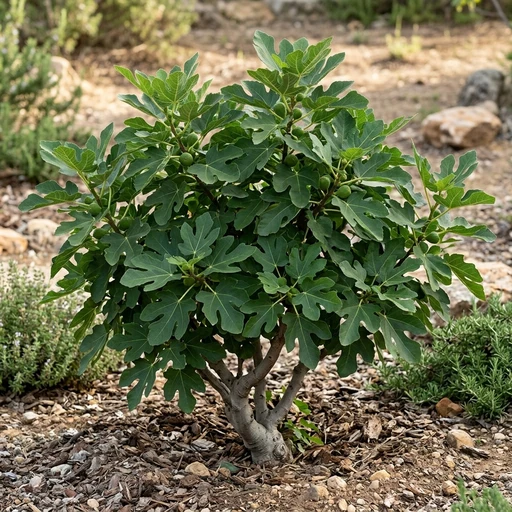
Little Miss Figgy Dwarf Fig
Ficus carica 'Little Miss Figgy'
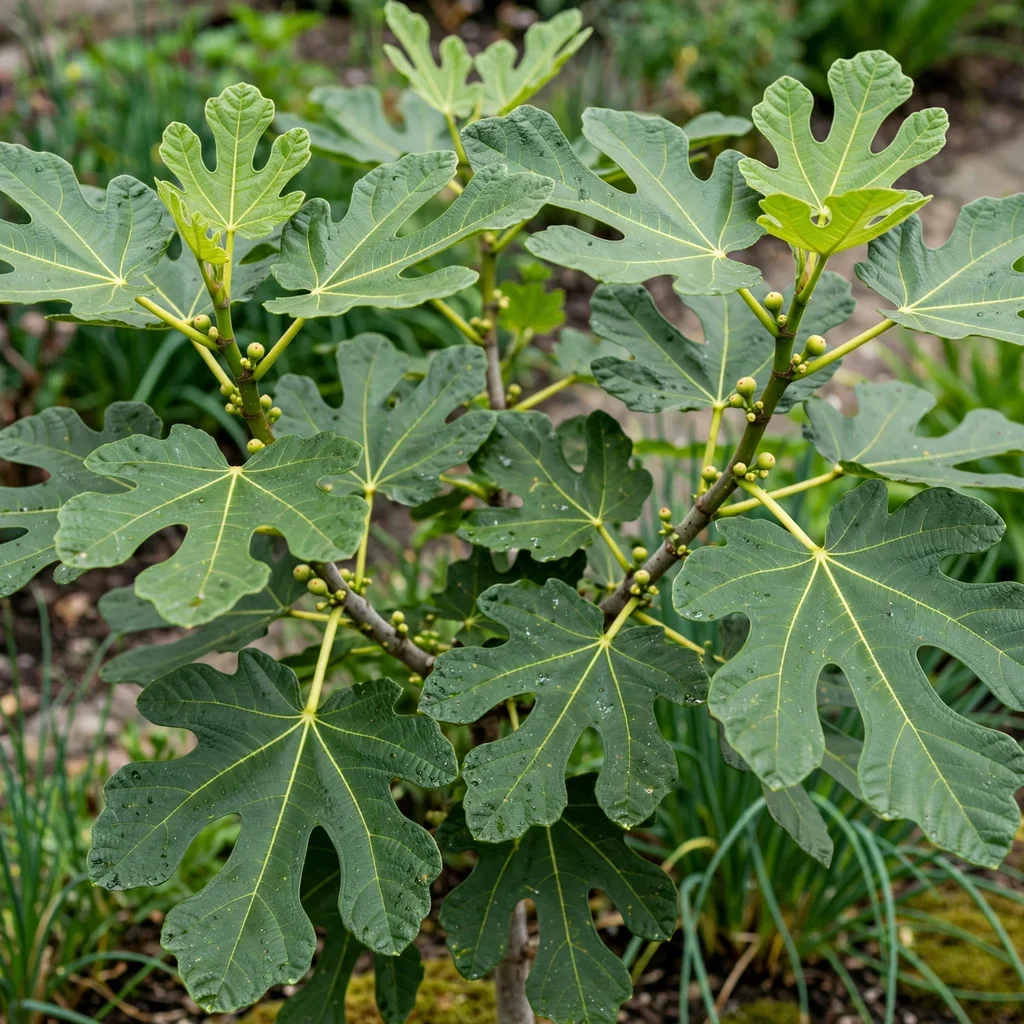
Champagne Fig
Ficus carica 'Champagne'
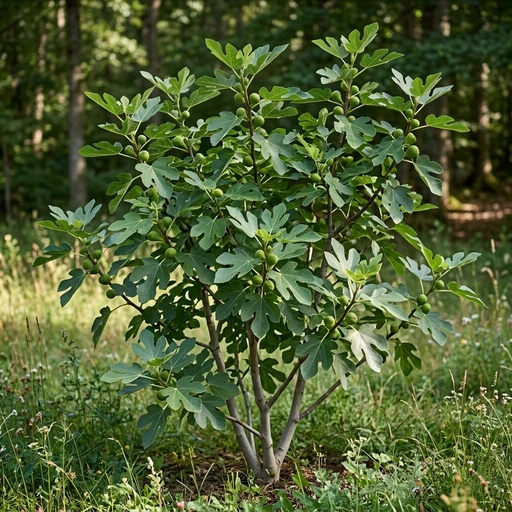
Celeste Fig
Ficus carica 'Celeste'
Keep exploring
Explore the genus
Hardy in your zone?
Grow Sandpaper Fig with confidence
See it in a design of your actual yard, get zone-matched care reminders, and track it season by season in your garden journal.