
The Story
Plant Bio
Carex solandri is a dense tufted evergreen sedge from New Zealand riparian forest, forming arching mounds of fine yellow-green to dark green foliage to about two feet tall. Leaves are narrow double-folded blades 1.5 to 6.5 mm wide with drooping tips held above red-brown basal sheaths.
It is separated from the similar Carex dissita by distant nodding spikes borne on long thread-like peduncles, with a male spike at the tip and female spikes below bearing three stigmas. The brown glumes mature to uniformly dark red-brown to black seed sacs in spring to early summer, and the slender stems weep under the seed weight.
Uses & Benefits:
Essentials
At a Glance
Plant Type
Grass
Height
24"
Width
28"
Light
Full Sun, Partial Sun, Shade
Zones
8, 9, 10
Water
Medium to moist
Humidity
Tolerates humidity with air movement
Lifespan
Perennial
Native To
New Zealand
Toxicity
Unknown - no toxicity report found
Bloom period
Spring – Early summer
In flower about 4 months of the year
Planting
How to Grow
- Set plants 24 to 28 inches apart in part shade to shade in moist, well-drained sand to clay loam with pH 5.5 to 6.5.
- Plant at crown level in spring after frost, firming soil around roots and watering deeply to settle.
- Mulch 2 inches with bark or leaf mold, keeping mulch back from the crown to allow air flow.
- Water regularly the first season to keep soil evenly damp, then water during dry spells once established.
- Leave evergreen foliage through winter and remove only dead leaves by hand in early spring.
Pro Tip
Confirm long thread-like peduncles and uniformly dark seed sacs at purchase to avoid mislabelled stock, and give each plant air space rather than crowding it into constantly saturated soil.
Keep It Thriving
Care Guide
Do
- Grow in shade to part shade with steady moisture and good air circulation.
- Feed lightly in spring with slow-release fertilizer or fish emulsion.
- Divide congested tufts in spring to maintain vigor.
Don't
- Do not shear the tuft annually like a deciduous grass.
- Do not overwater or crowd plants into stagnant wet soil.
- Do not plant in harsh full sun without irrigation during establishment.
Seasonal Care Calendar
| Task | Jan | Feb | Mar | Apr | May | Jun | Jul | Aug | Sep | Oct | Nov | Dec |
|---|---|---|---|---|---|---|---|---|---|---|---|---|
| Divide | ||||||||||||
| Fertilize | ||||||||||||
| Mulch | ||||||||||||
| Plant | ||||||||||||
| Spring Cleanup |
Watch Out For
Pests & Diseases
Common Pests
Common Diseases
In the Garden
Landscape Uses & Companions
Landscape Uses
Companion Plants
Multiply
Propagation Methods
Good to Know
Common Questions
New Zealand Forest Sedge questions
What zones can New Zealand Forest Sedge grow in?
New Zealand Forest Sedge is hardy in USDA Zones 8–10: in that range it survives winter in the ground. Colder than Zone 8, grow it in a container you can move to shelter for the winter, or as an annual.
Is New Zealand Forest Sedge deer resistant?
Yes — New Zealand Forest Sedge is rated deer-resistant. Deer typically pass it over, though extreme hunger can override any plant's defenses.
When does New Zealand Forest Sedge bloom?
New Zealand Forest Sedge typically blooms from early spring to early summer. Exact timing shifts a week or two with your zone — Sow's bloom calendar maps it to your garden.
Does New Zealand Forest Sedge need full sun?
New Zealand Forest Sedge does best in full sun to part shade. In hot climates, afternoon shade keeps blooms fresher longer.
Is New Zealand Forest Sedge drought tolerant?
Yes — once established (usually after the first full season), New Zealand Forest Sedge handles dry spells with minimal watering. Water deeply its first year to build the root system that makes that possible.
More Carex to compare
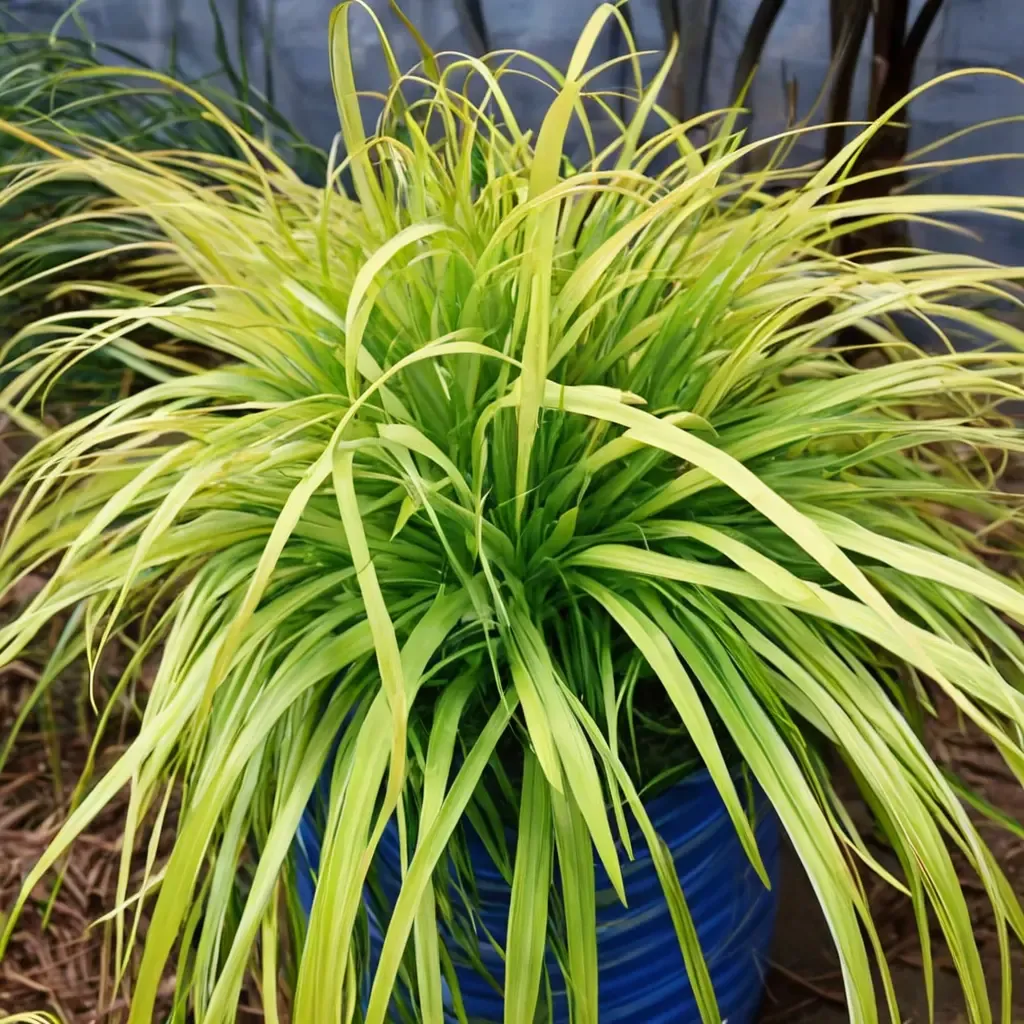
Everillo Sedge
Carex oshimensis 'Everillo'
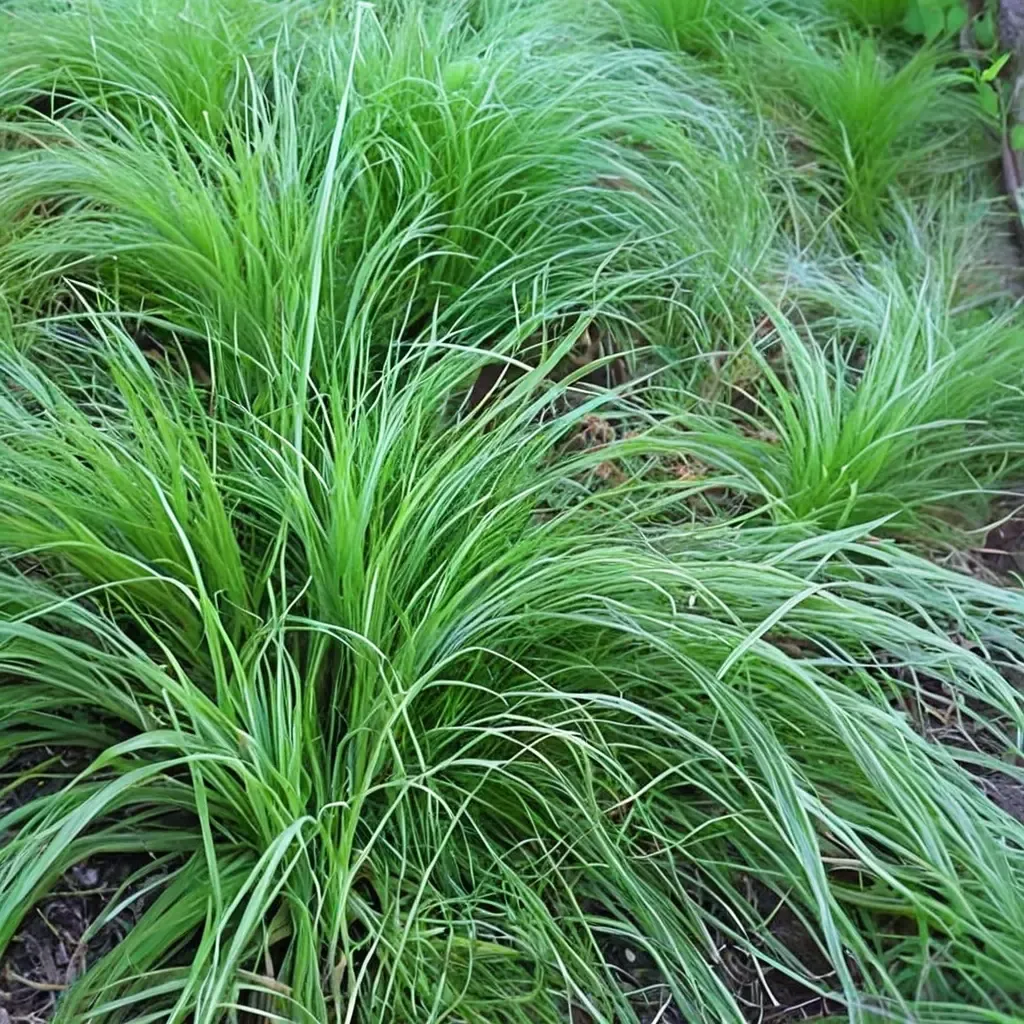
Pennsylvania Sedge
Carex pensylvanica
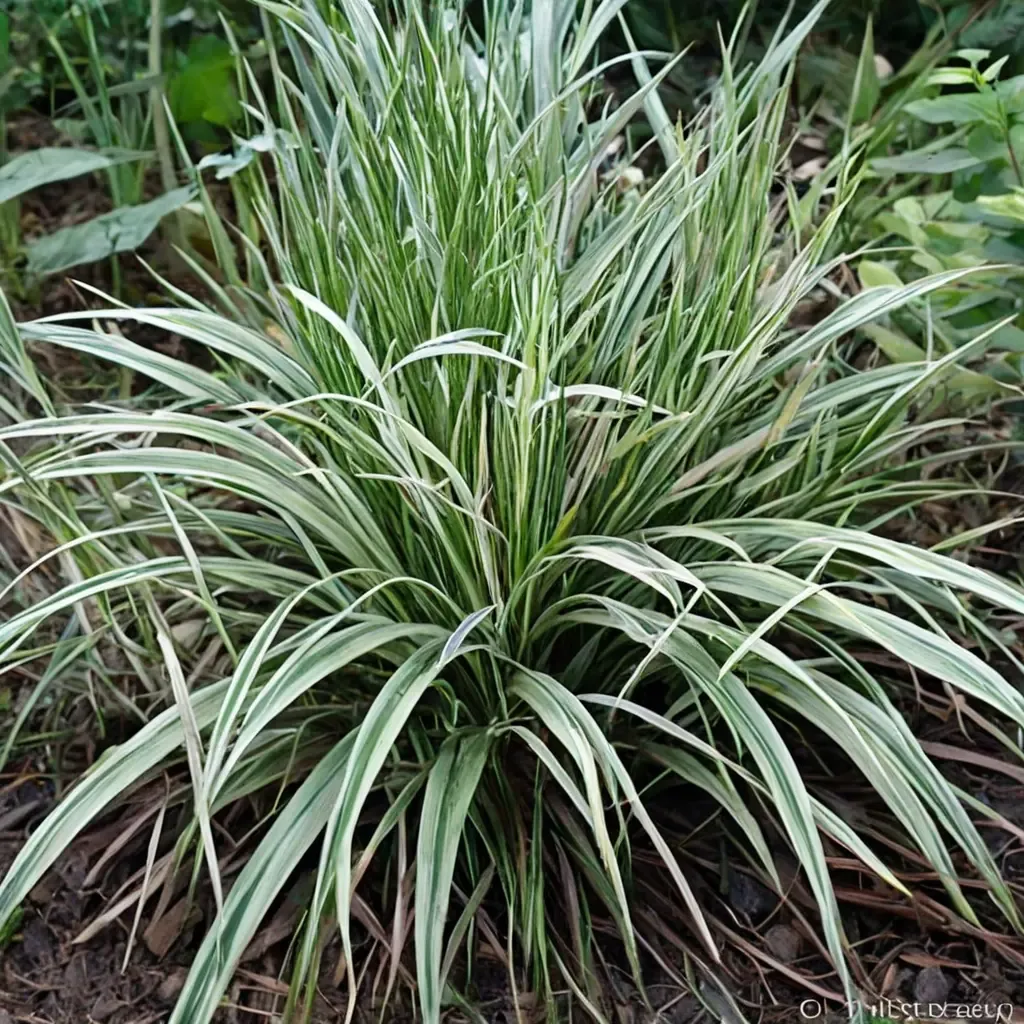
Japanese Sedge
Carex morrowii
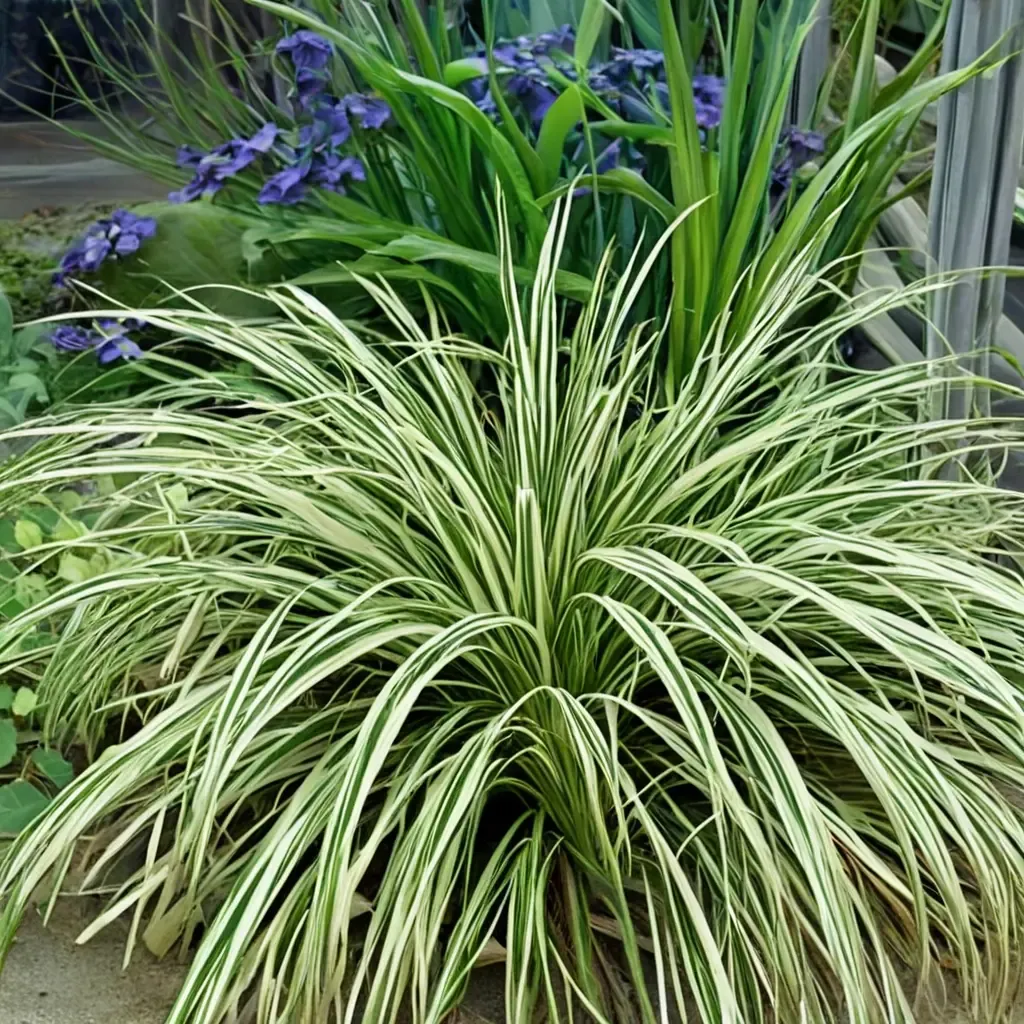
Evergold Japanese Sedge
Carex oshimensis 'Evergold'
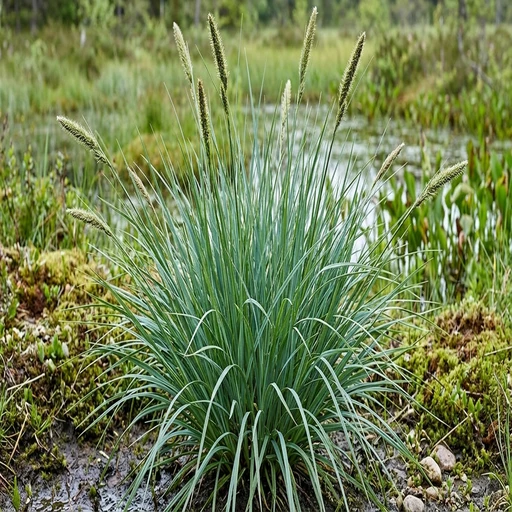
Comosa Sedge
Carex comosa
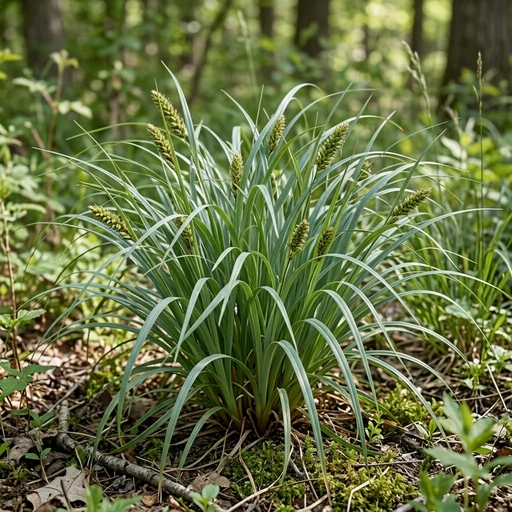
Shortbeak Sedge
Carex brevior
Keep exploring
Explore the genus
Hardy in your zone?
Grow New Zealand Forest Sedge with confidence
See it in a design of your actual yard, get zone-matched care reminders, and track it season by season in your garden journal.