The Story
Plant Bio
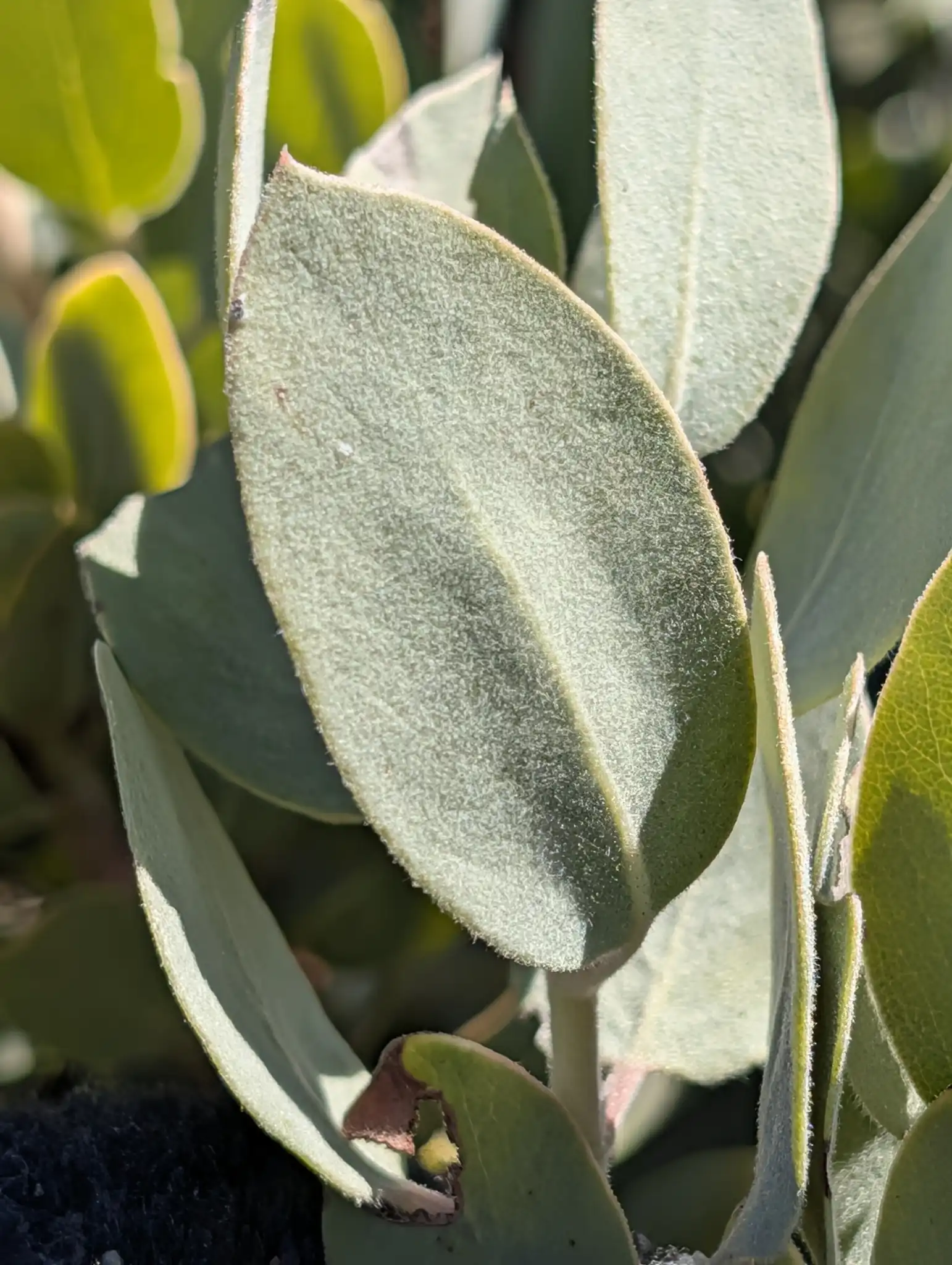
Arctostaphylos glandulosa is an evergreen shrub native to the chaparral and foothill slopes of California, Oregon, and Baja California, growing two to ten feet tall with characteristically crooked branches and smooth, mahogany-brown peeling bark. In winter and spring, short drooping clusters of urn-shaped white to pale pink flowers open over dull, grayish-green leaves covered in sticky, glandular hairs.
Unlike many manzanita species, Eastwood's manzanita forms a prominent basal rootcrown, or burl, which allows it to resprout naturally after wildfire. The foliage features glandular leaf hairs that secrete a noticeably sticky residue.
Uses & Benefits:
Essentials
At a Glance
Plant Type
Shrub
Height
118"
Width
94"
Light
Full Sun, Partial Sun
Zones
7, 8, 9, 10
Water
Low
Humidity
Moderate to Low
Lifespan
Perennial
Native To
North America
Toxicity
Non-toxic
Bloom period
Winter – Spring
In flower about 6 months of the year
Marketplace
Where to Buy
Shipping costs Year-round shipping Free shipping
Planting
How to Grow
- Select a planting site in full sun to partial shade with sharp, fast-draining sandy or gravelly soil.
- Dig a hole no deeper than the root ball, keeping native soil unamended and positioning the root crown slightly elevated.
- Water thoroughly at installation to settle soil around the root system without compacting the surrounding earth.
- Provide infrequent, deep watering during the first one to two establishment seasons only.
Pro Tip
Plant in unamended native soil with the root crown set slightly elevated above the grade, and eliminate summer irrigation completely after the second year to prevent root rot.
Keep It Thriving
Care Guide
Do
- Plant in unamended native soil with excellent drainage.
- Position the root crown slightly higher than the surrounding soil line.
- Prune lightly right after flowering in late spring to maintain shape.
Don't
- Do not amend the planting hole with rich organic compost or potting mix.
- Do not apply synthetic or heavy organic fertilizers.
- Do not water during summer once established.
- Do not cut back into old leafless stems that lack dormant buds.
Seasonal Care Calendar
| Task | Jan | Feb | Mar | Apr | May | Jun | Jul | Aug | Sep | Oct | Nov | Dec |
|---|---|---|---|---|---|---|---|---|---|---|---|---|
| Pest Check | ||||||||||||
| Plant | ||||||||||||
| Prune | ||||||||||||
| Winter Prep |
Watch Out For
Pests & Diseases
Common Pests
Common Diseases
In the Garden
Landscape Uses & Companions
Landscape Uses
Companion Plants
Multiply
Propagation Methods
Good to Know
Common Questions
Eastwood's Manzanita questions
What zones can Eastwood's Manzanita grow in?
Eastwood's Manzanita is hardy in USDA Zones 7–10: in that range it survives winter in the ground. Colder than Zone 7, grow it in a container you can move to shelter for the winter.
Is Eastwood's Manzanita deer resistant?
Not reliably. Deer may browse Eastwood's Manzanita, especially tender spring growth — plan on repellents or fencing where pressure is high.
When does Eastwood's Manzanita bloom?
Eastwood's Manzanita typically blooms from winter to spring. Exact timing shifts a week or two with your zone — Sow's bloom calendar maps it to your garden.
Does Eastwood's Manzanita need full sun?
Eastwood's Manzanita does best in full sun to part shade. In hot climates, afternoon shade keeps blooms fresher longer.
Is Eastwood's Manzanita drought tolerant?
Yes — once established (usually after the first full season), Eastwood's Manzanita handles dry spells with minimal watering. Water deeply its first year to build the root system that makes that possible.
More Arctostaphylos to compare
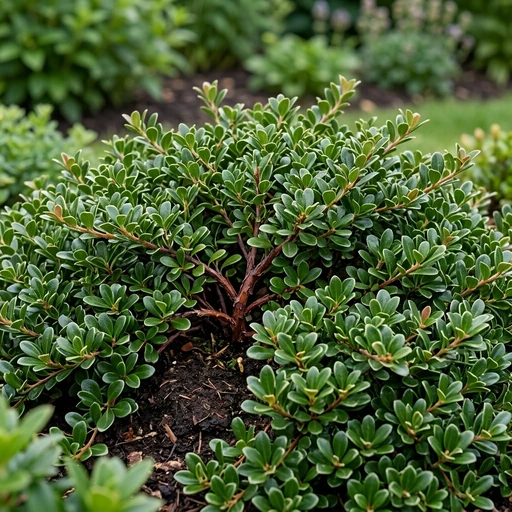
Massachusetts Common Bearberry
Arctostaphylos uva-ursi 'Massachusetts'
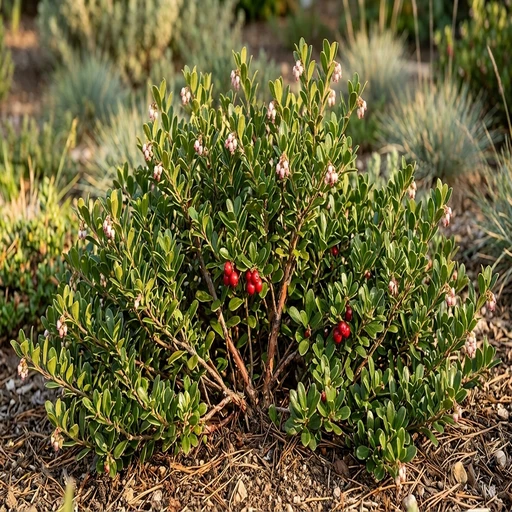
Bearberry
Arctostaphylos uva-ursi
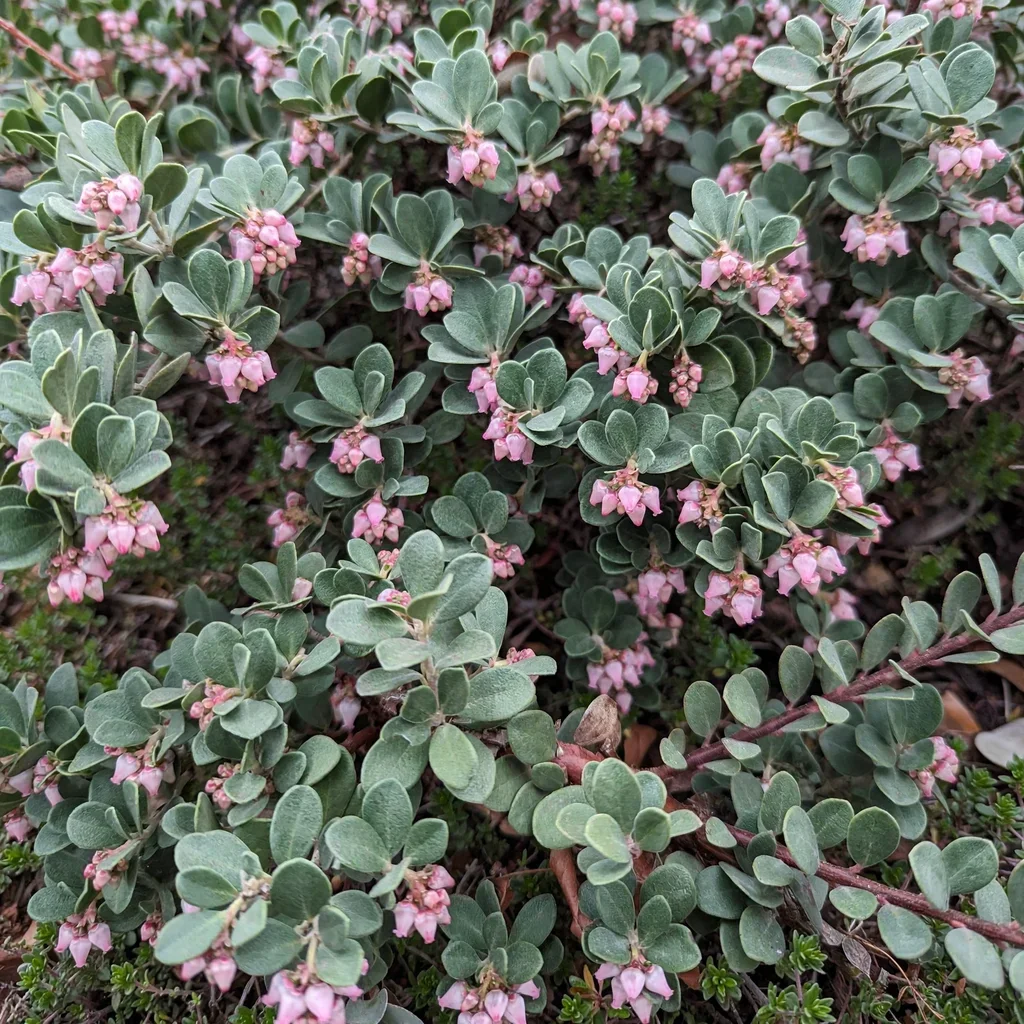
Ron Clendenen Manzanita
Arctostaphylos x media 'Ron Clendenen'
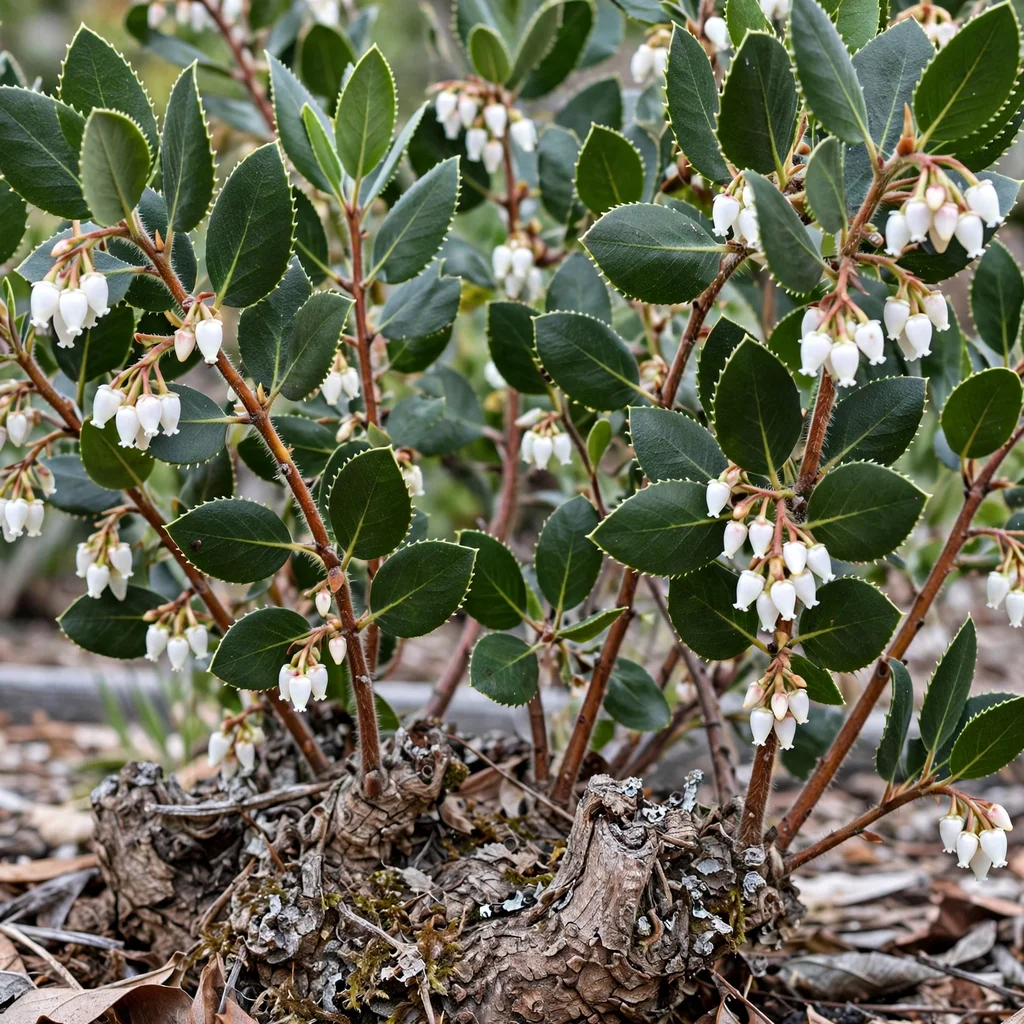
Brittleleaf Manzanita
Arctostaphylos crustacea
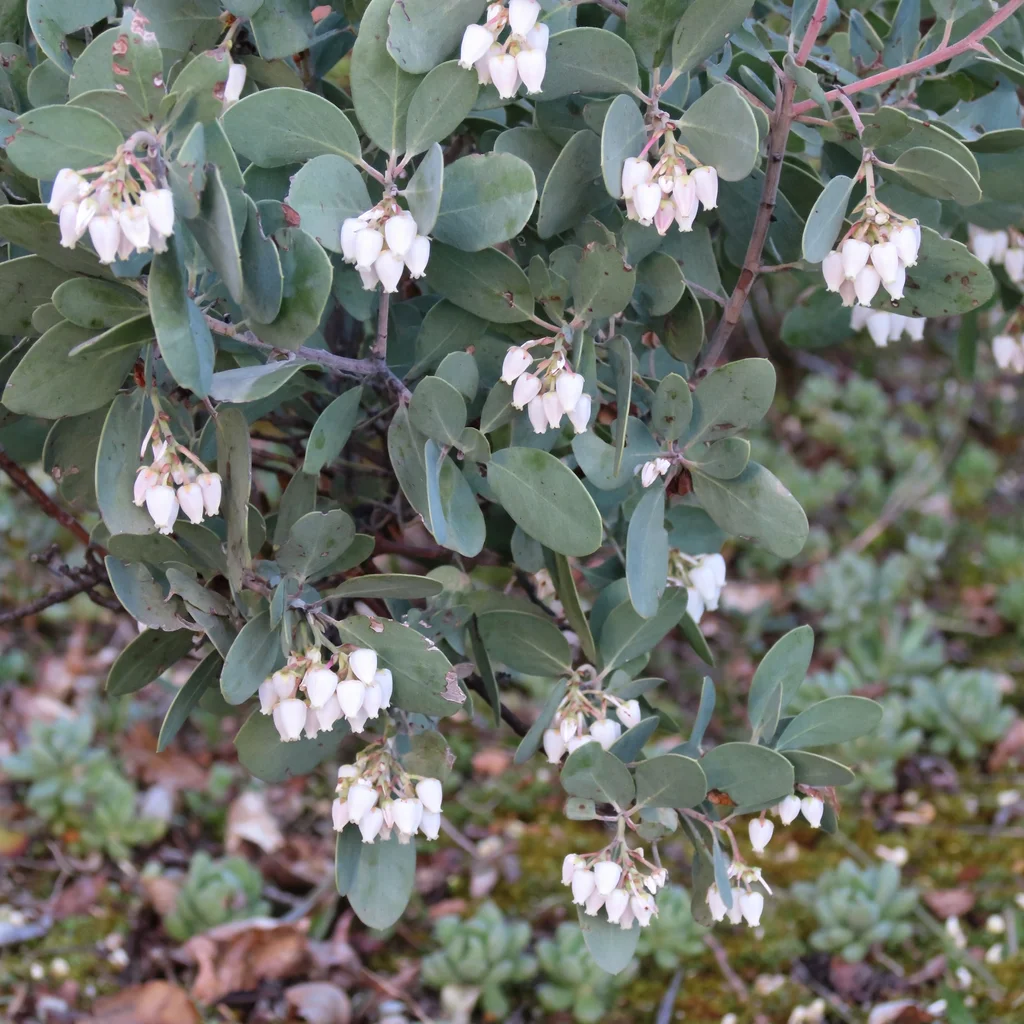
Common Manzanita
Arctostaphylos manzanita
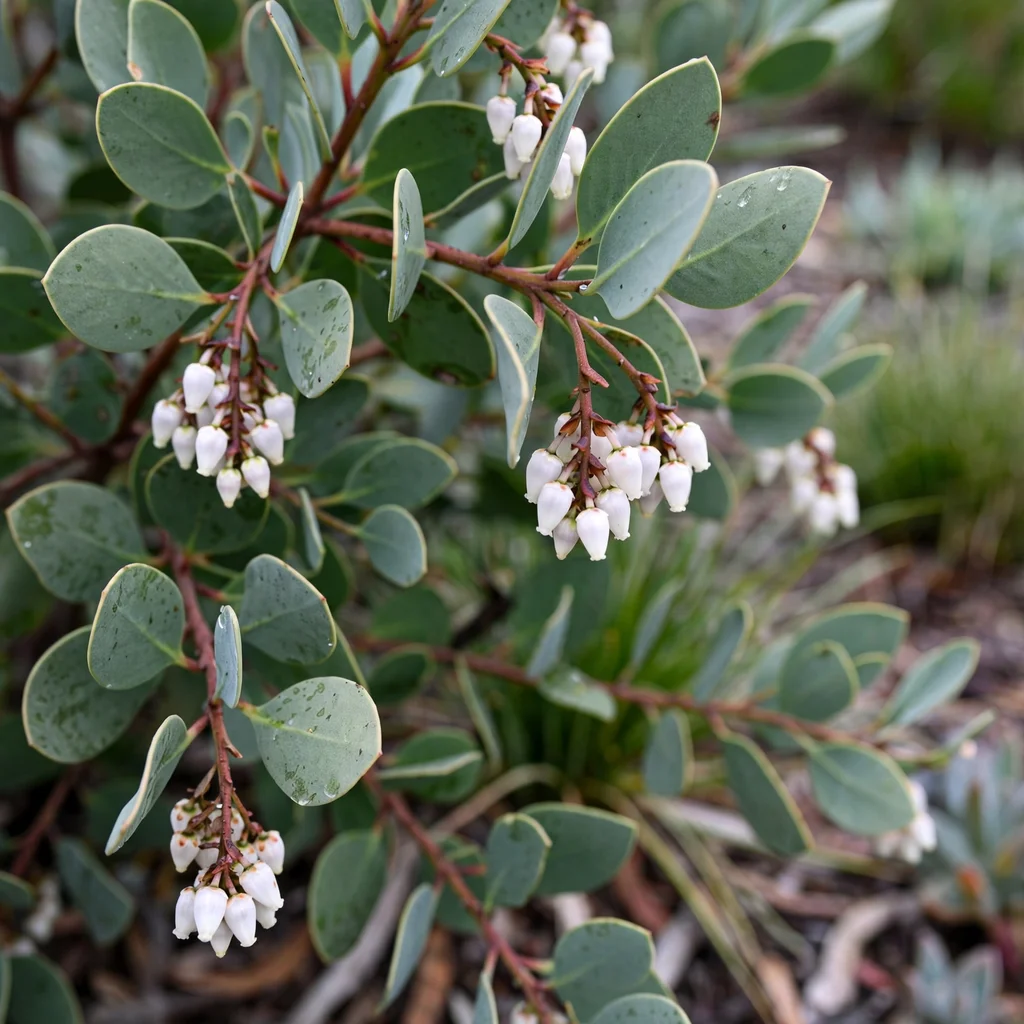
Rainbow Manzanita
Arctostaphylos rainbowensis
Keep exploring
Explore the genus
Hardy in your zone?
Grow Eastwood's Manzanita with confidence
See it in a design of your actual yard, get zone-matched care reminders, and track it season by season in your garden journal.