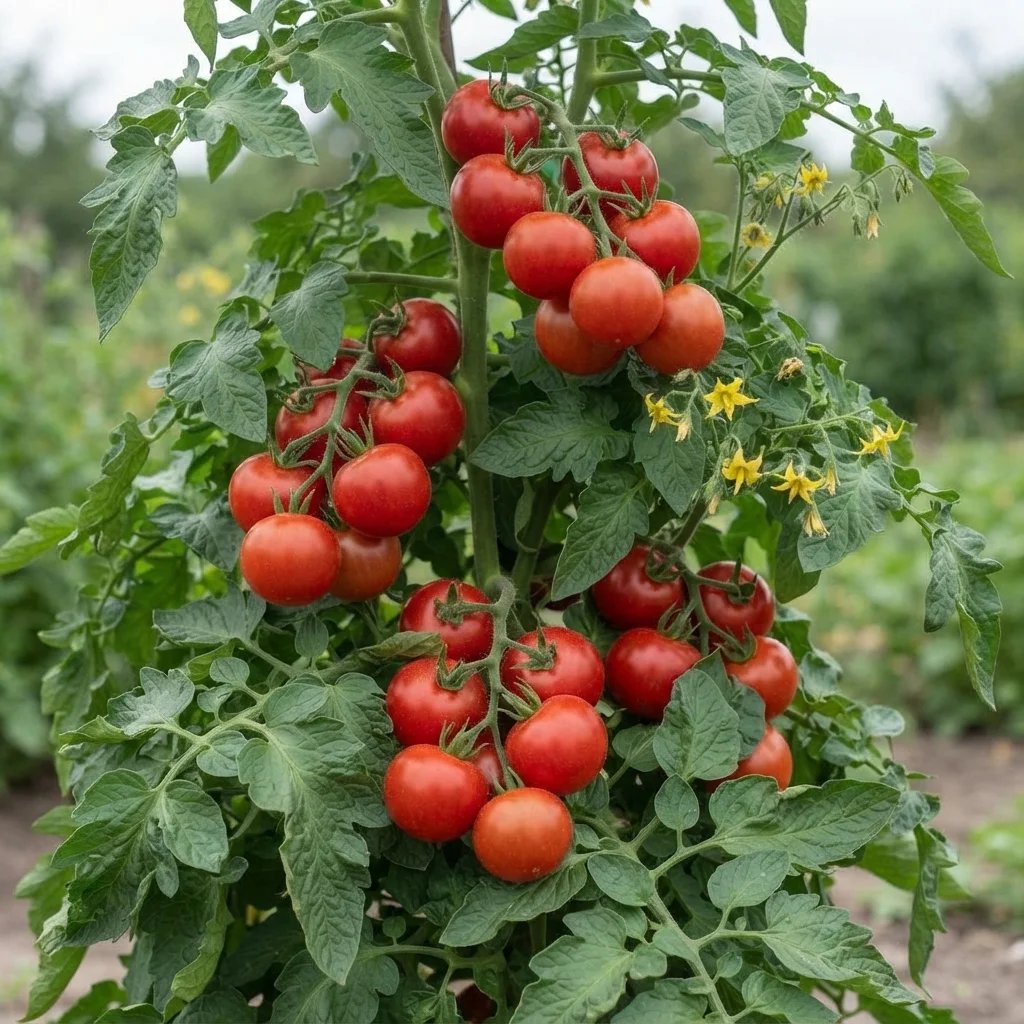
Species
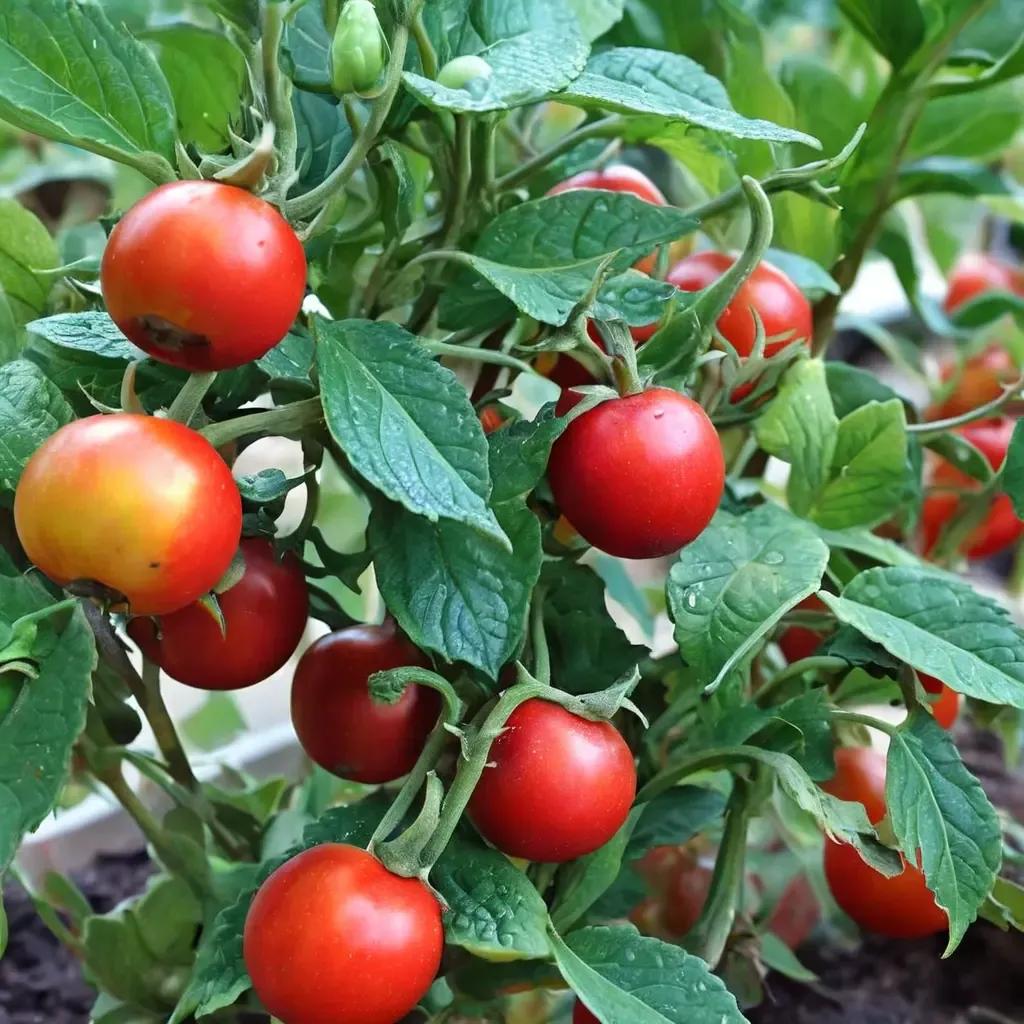 Solanum lycopersicumTomato
25 other cultivars
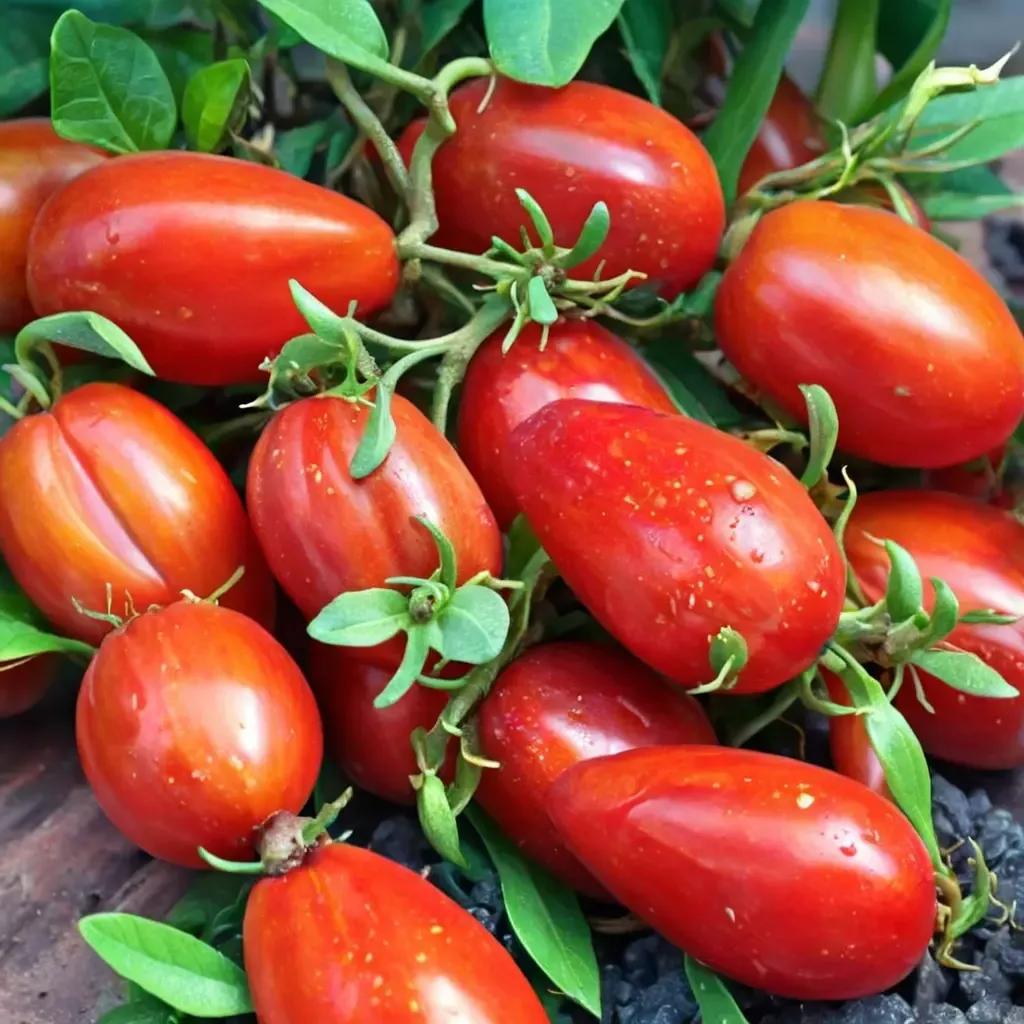 ‘Martino's Roma’Martino's Roma Tomato
 ‘Sweet’Sweet Tomato
 ‘Napa Rose’Napa Rose Tomato
 ‘Red Currant’Red Currant Tomato
 ‘Black and Brown Boar’Black and Brown Boar Tomato
 ‘Gold Medal’Gold Medal Tomato
 ‘Atomic Grape’Atomic Grape Tomato
 ‘Chocolate Cherry’Chocolate Cherry Tomato
 ‘Black Krim’Black Krim Tomato
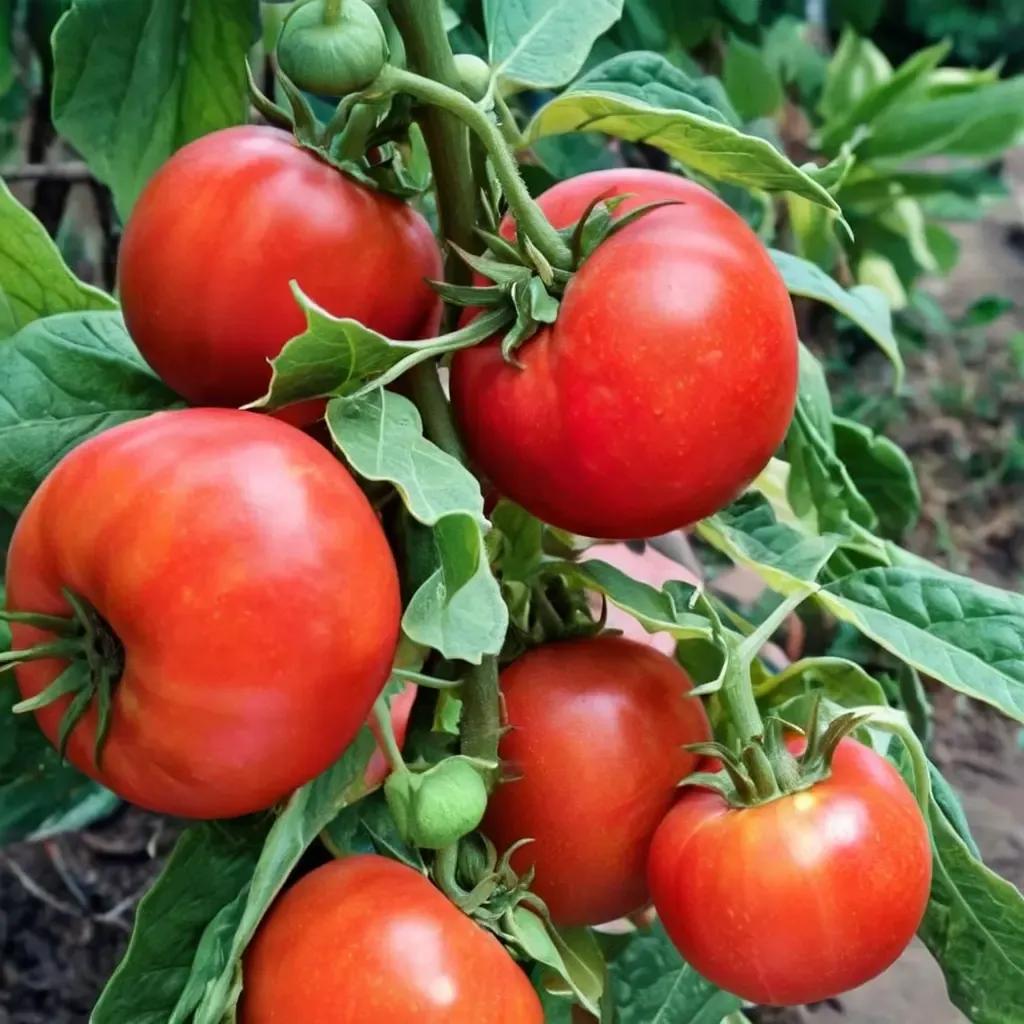 ‘New Girl’New Girl Tomato
 ‘Thessaloniki’Thessaloniki Tomato
 ‘Early Girl’Early Girl Tomato
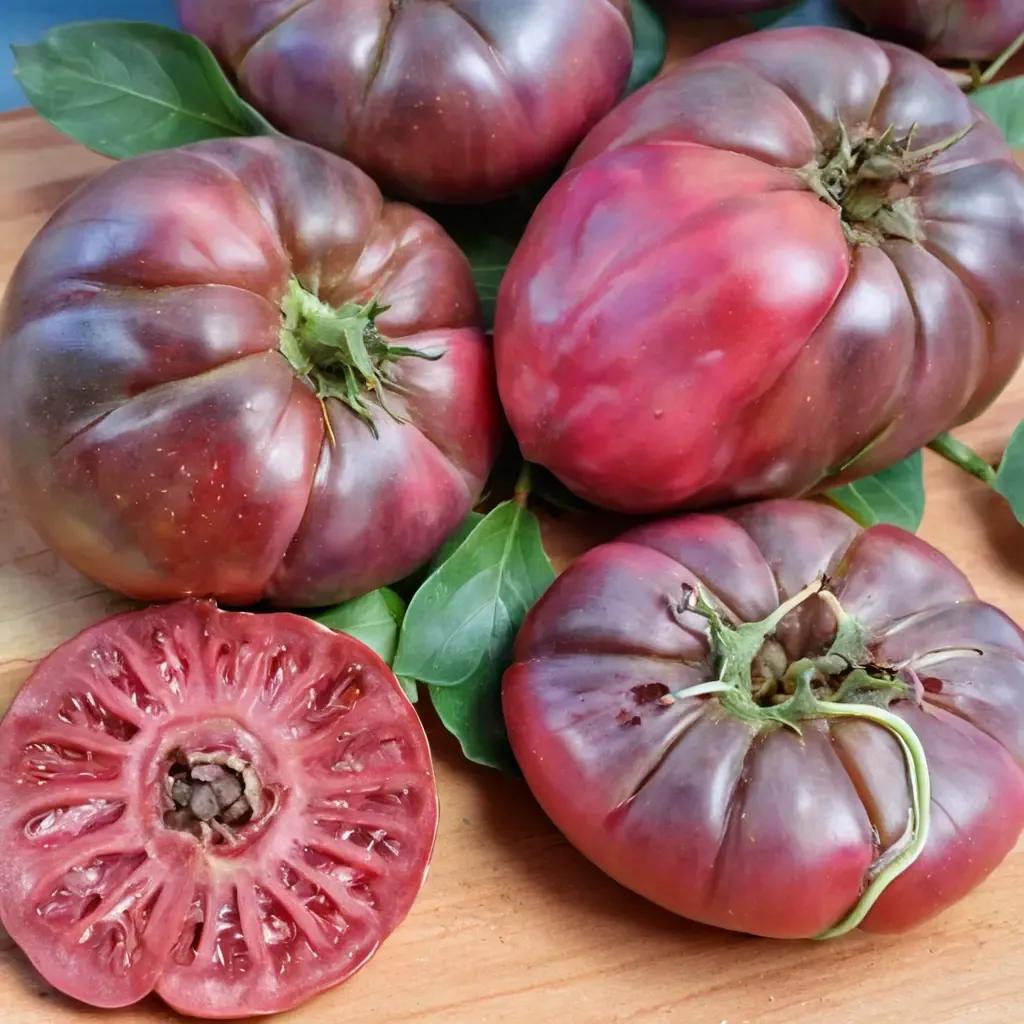 ‘Cherokee Purple’Cherokee Purple Tomato
 ‘San Marzano’San Marzano Tomato
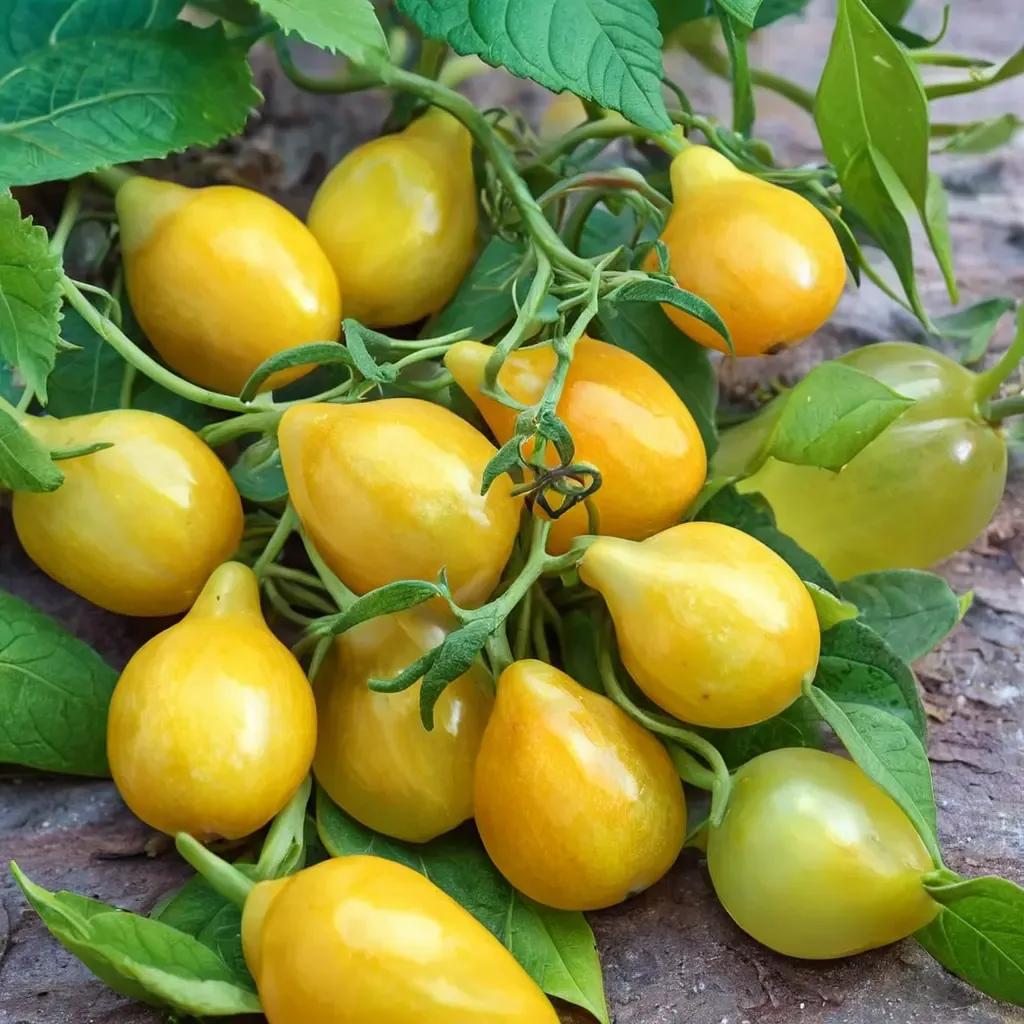 ‘Yellow Pear’Yellow Pear Tomato
 ‘Sun Gold’Sun Gold Tomato
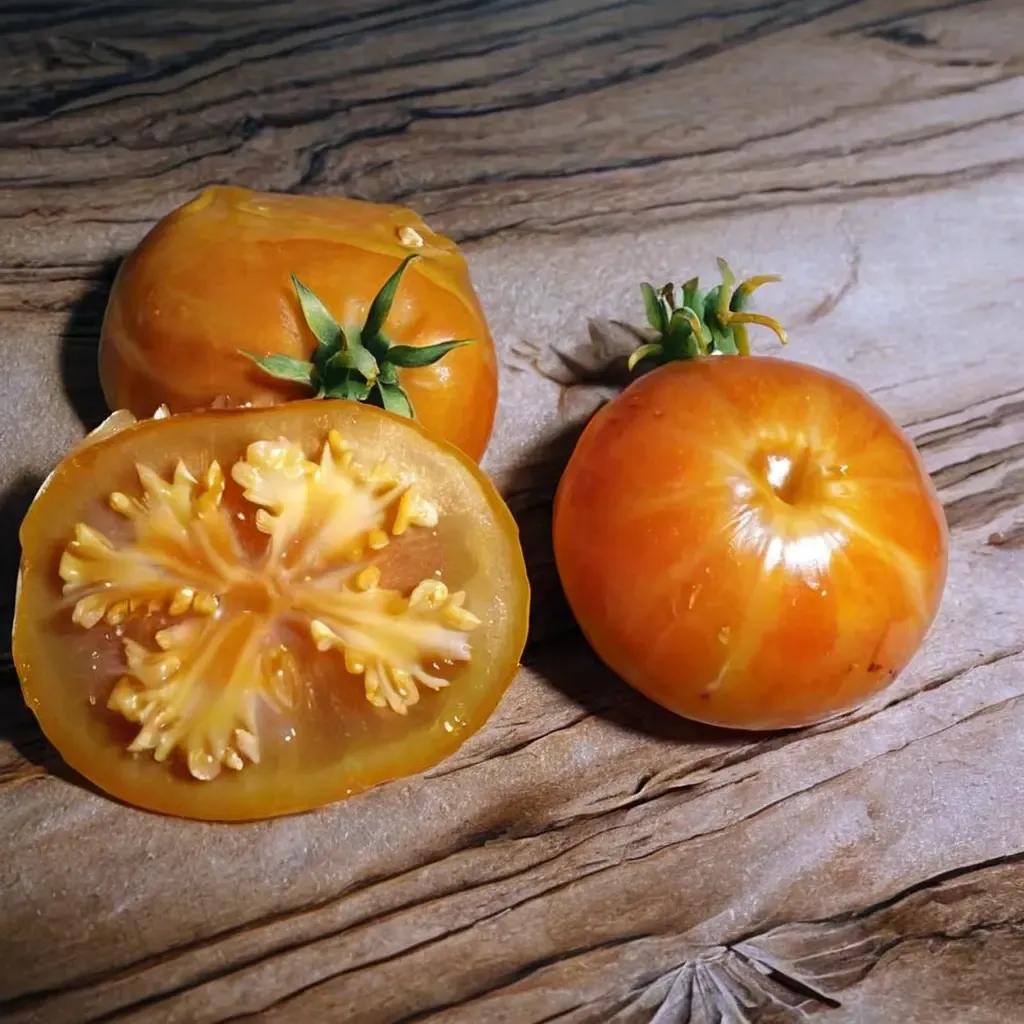 ‘AAA Sweet Solano’AAA Sweet Solano Tomato
 ‘Jelly Beans’Jelly Bean Tomato
 ‘Purple Bumble Bee’Purple Bumble Bee Tomato
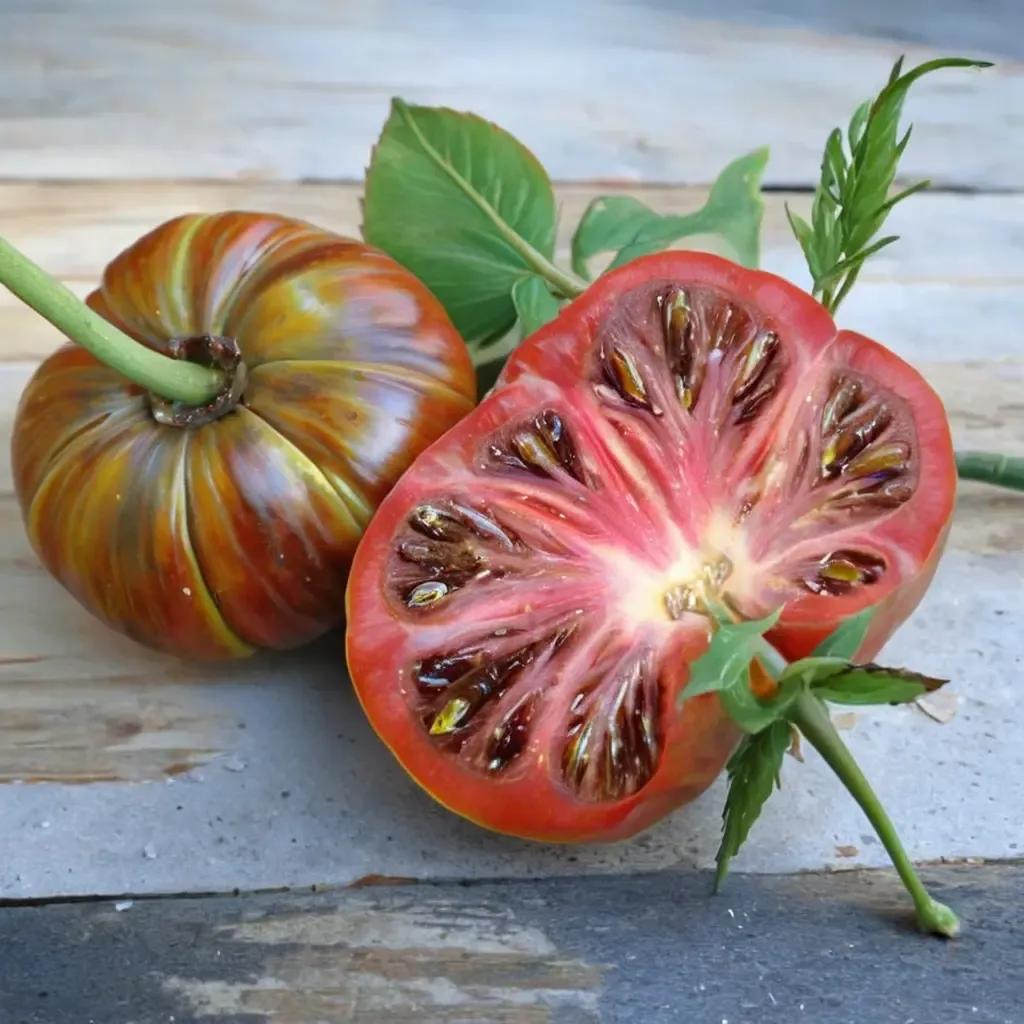 ‘Large Barred Boar’Large Barred Boar Tomato
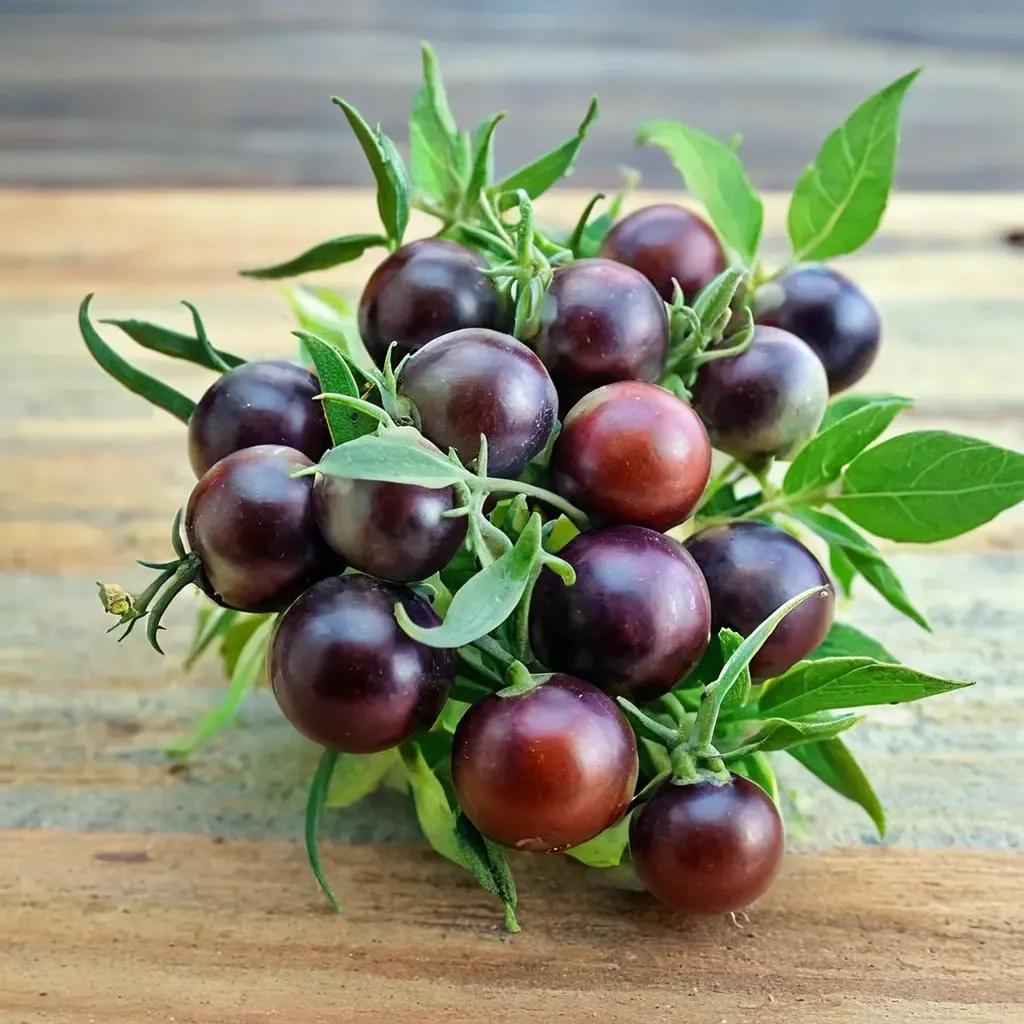 ‘Black Cherry’Black Cherry Tomato
 ‘Cascade Lava’Cascade Lava Tomato
 ‘Stupice’Stupice Tomato
 ‘Snow White’Snow White Tomato
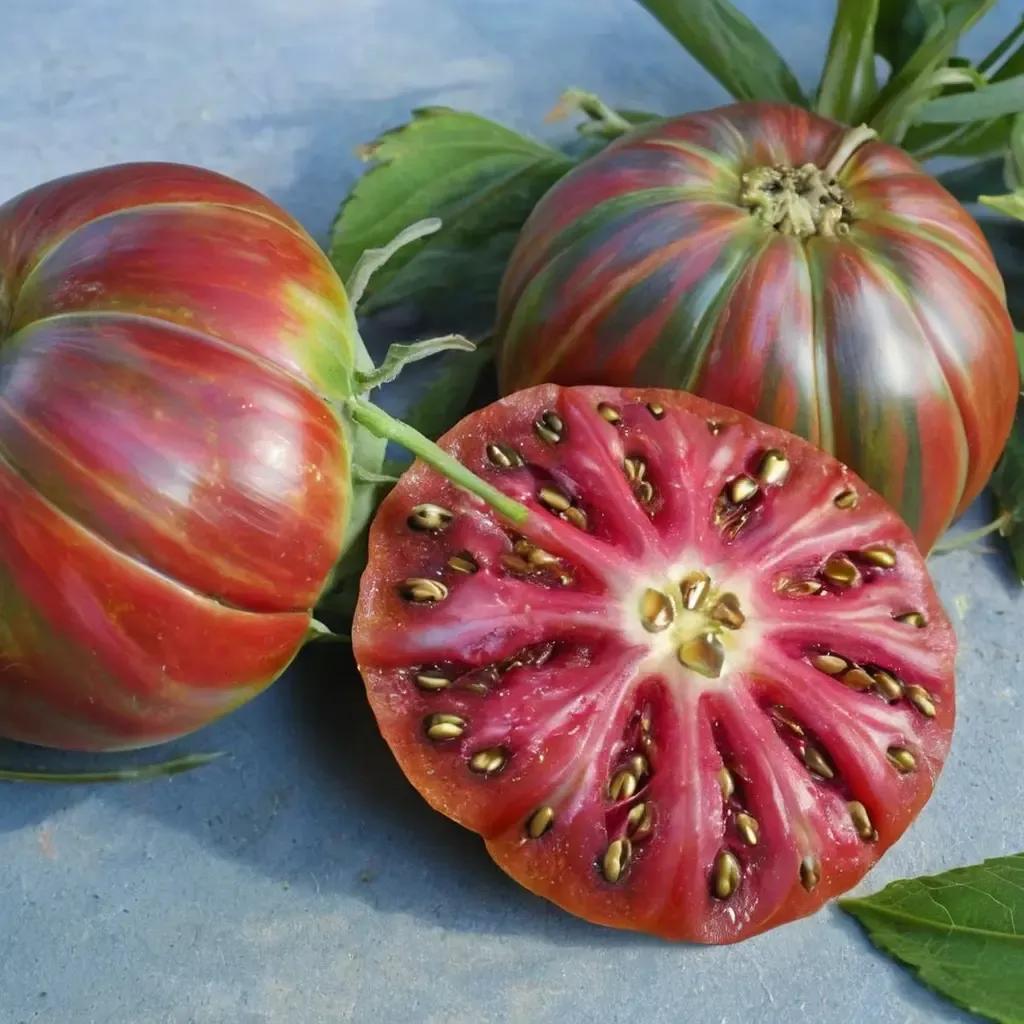 ‘Pink Berkeley Tie Dye’Pink Berkeley Tie Dye Tomato
The Story
Plant Bio
Solanum lycopersicum, the garden tomato, is a tender herbaceous vine native to western South America, characterized by deeply lobed, aromatic foliage covered in glandular hairs. The small, yellow, star-shaped flowers hang in drooping clusters and rely on buzz pollination by native bees to set fruit.
'Moneymaker' is an indeterminate, vigorous cordon cultivar that produces heavy crops of uniform, medium-sized red fruits on tall vines. This heritage selection requires sturdy staking or trellising to support its continuous upward growth throughout the summer season.
Uses & Benefits:
Essentials
At a Glance
Plant Type
Fruit Vegetable
Height
80"
Width
40"
Light
Full Sun
Zones
4, 5, 6, 7, 8, 9, 10
Water
Moderate
Humidity
Moderate
Lifespan
Annual
Native To
South America
Toxicity
Toxic if Ingested
Bloom period
Summer – Fall
In flower about 6 months of the year
Planting
How to Grow
- Sow seeds indoors 5 to 6 weeks before the last expected spring frost in a sterile seed-starting mix.
- Transplant seedlings outdoors only after all danger of frost has passed and soil temperatures reach 60 degrees Fahrenheit.
- Install a sturdy stake, cage, or trellis at planting time to support the weak-stemmed vines as they grow.
- Water deeply at the base of the plant to keep the soil consistently moist, avoiding overhead irrigation.
Pro Tip
Pinch out the lateral side-shoots or suckers weekly to maintain a single-stemmed cordon, which channels energy into fruit production and improves air circulation to prevent blight.
Keep It Thriving
Care Guide
Do
- Pinch out suckers regularly to maintain a tidy, productive single-stemmed cordon.
- Apply a thick layer of organic mulch to conserve soil moisture and prevent soil-borne pathogens from splashing onto foliage.
- Feed with a high-potassium liquid fertilizer every two weeks once the first flower trusses begin to set fruit.
Don't
- Do not use high-nitrogen fertilizers, which stimulate excessive leaf growth at the expense of fruit development.
- Do not water overhead, as wet foliage rapidly invites fungal diseases like early and late blight.
- Do not plant in waterlogged soil, which quickly induces root rot and suffocates the root system.
Seasonal Care Calendar
| Task | Jan | Feb | Mar | Apr | May | Jun | Jul | Aug | Sep | Oct | Nov | Dec |
|---|---|---|---|---|---|---|---|---|---|---|---|---|
| Fertilize | ||||||||||||
| Harvest | ||||||||||||
| Pest Check | ||||||||||||
| Pinch | ||||||||||||
| Plant |
Watch Out For
Pests & Diseases
Common Pests
Common Diseases
In the Garden
Landscape Uses & Companions
Landscape Uses
Companion Plants
Multiply
Propagation Methods
Good to Know
Common Questions
Tomato questions
What zones can Tomato grow in?
Tomato is hardy in USDA Zones 4–10. Inside that range it survives winter in the ground; outside it, grow it as an annual or a container plant you protect.
Is Tomato deer resistant?
Not reliably. Deer may browse Tomato, especially tender spring growth — plan on repellents or fencing where pressure is high.
When does Tomato bloom?
Tomato typically blooms in summer through fall. Exact timing shifts a week or two with your zone — Sow's bloom calendar maps it to your garden.
Does Tomato need full sun?
Tomato does best in full sun (6+ hours).
More Solanum to compare
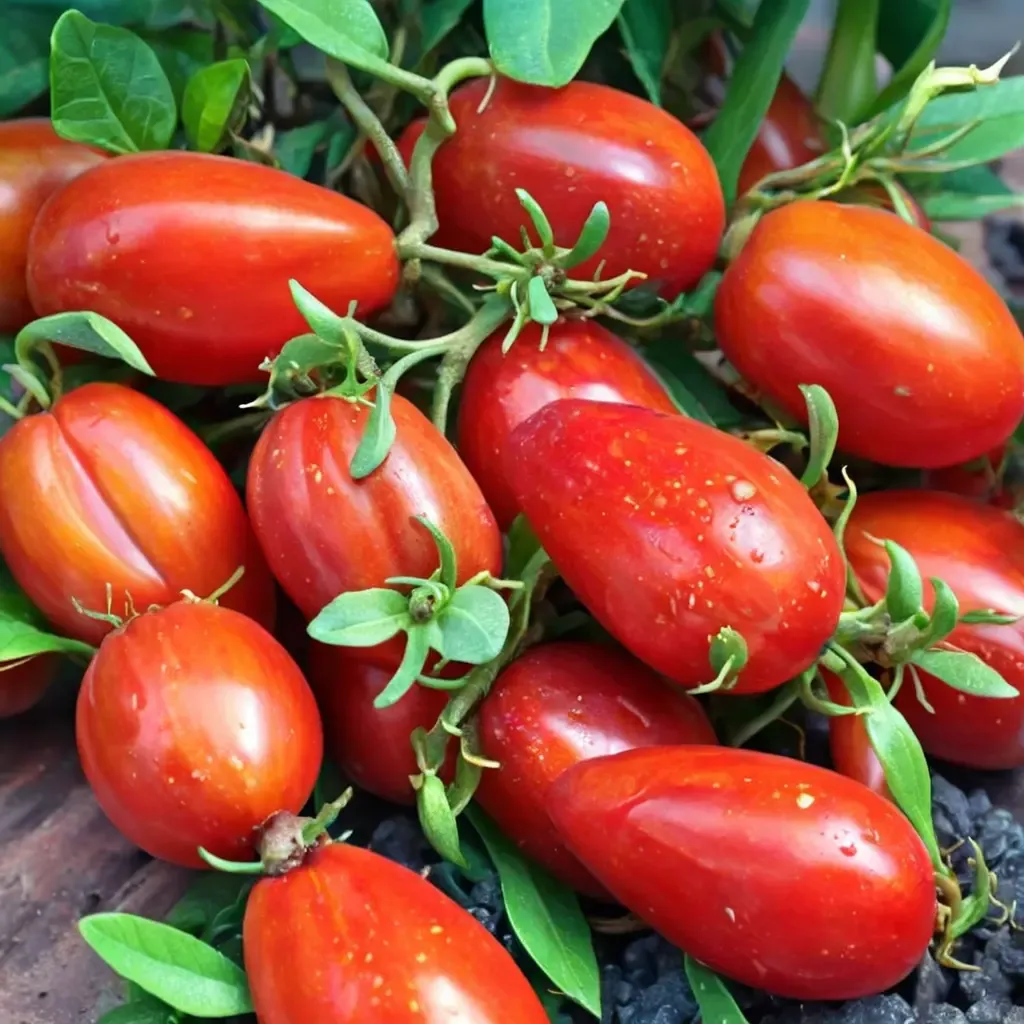
Martino's Roma Tomato
Solanum lycopersicum 'Martino's Roma'
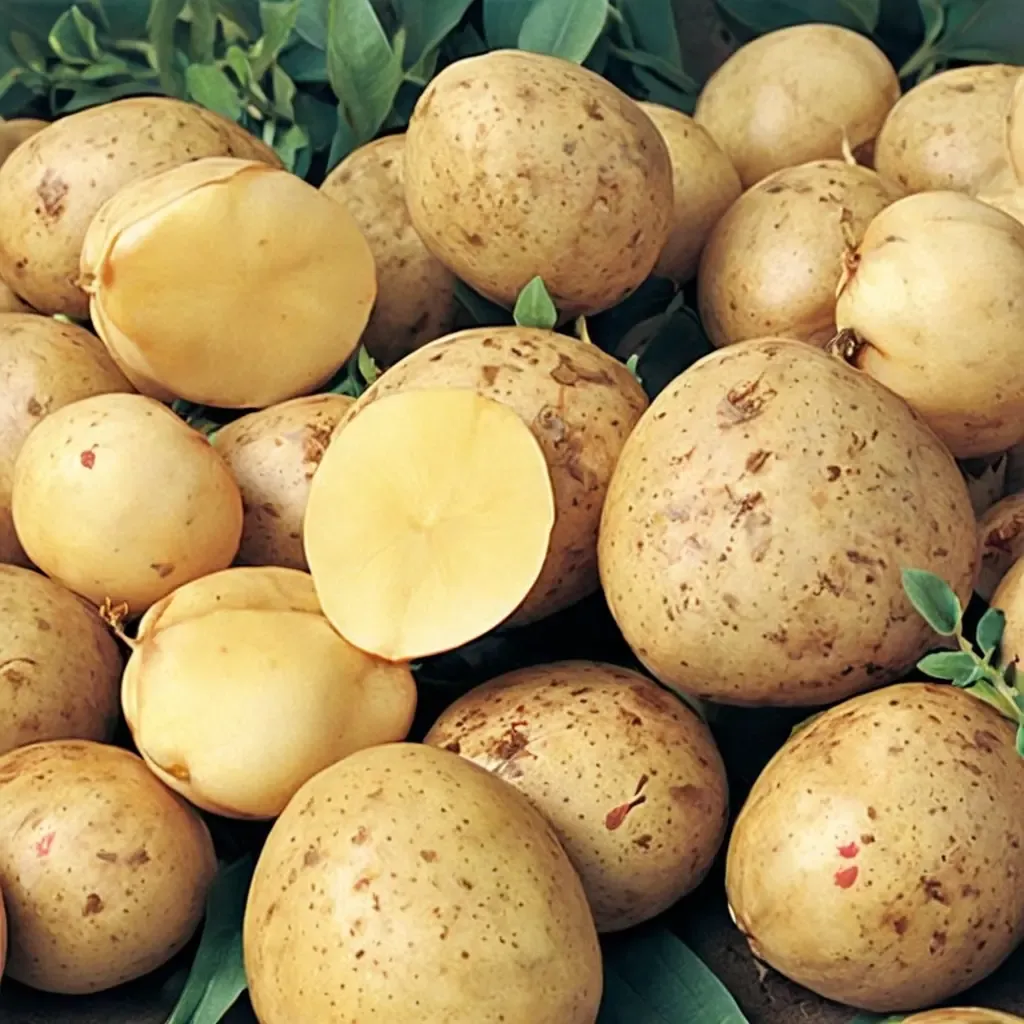
Yukon Gold Potato
Solanum tuberosum 'Yukon Gold'
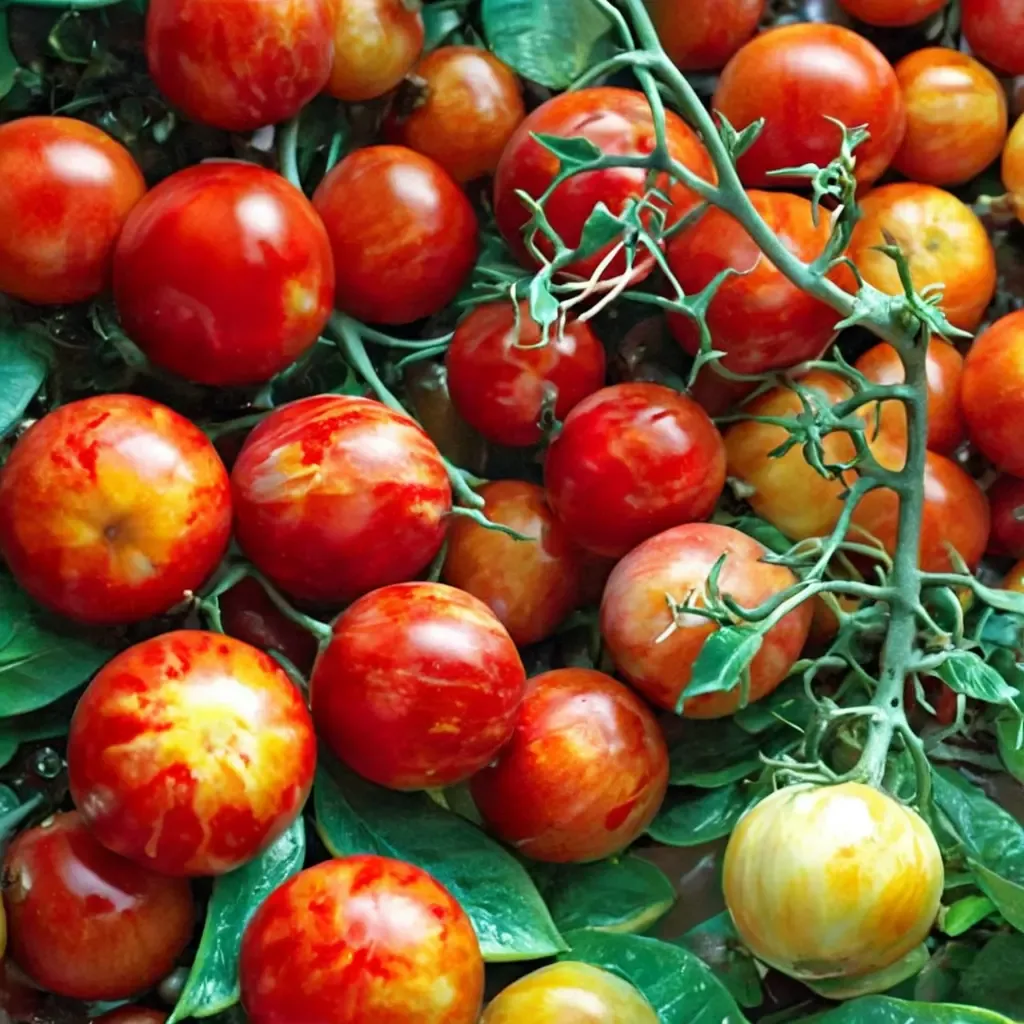
Sweet Tomato
Solanum lycopersicum 'Sweet'
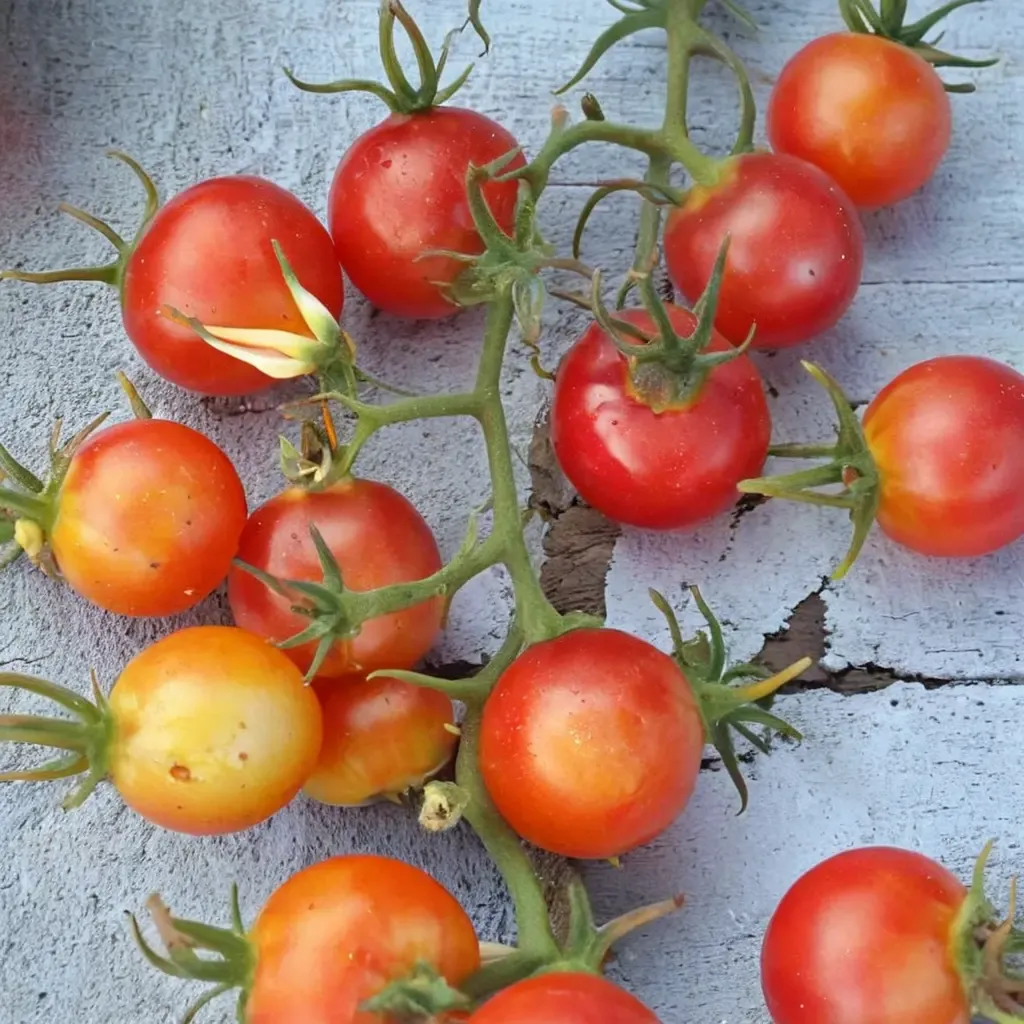
Napa Rose Tomato
Solanum lycopersicum 'Napa Rose'
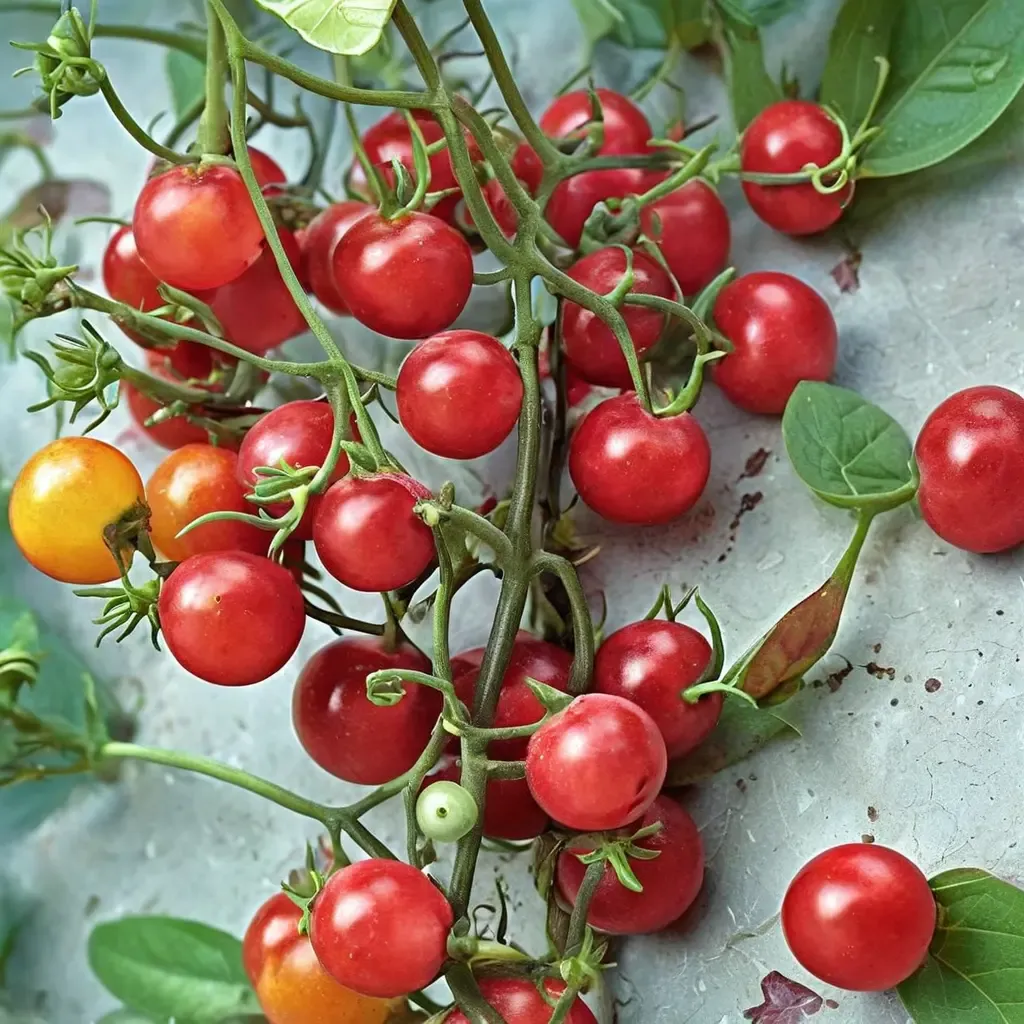
Red Currant Tomato
Solanum lycopersicum 'Red Currant'
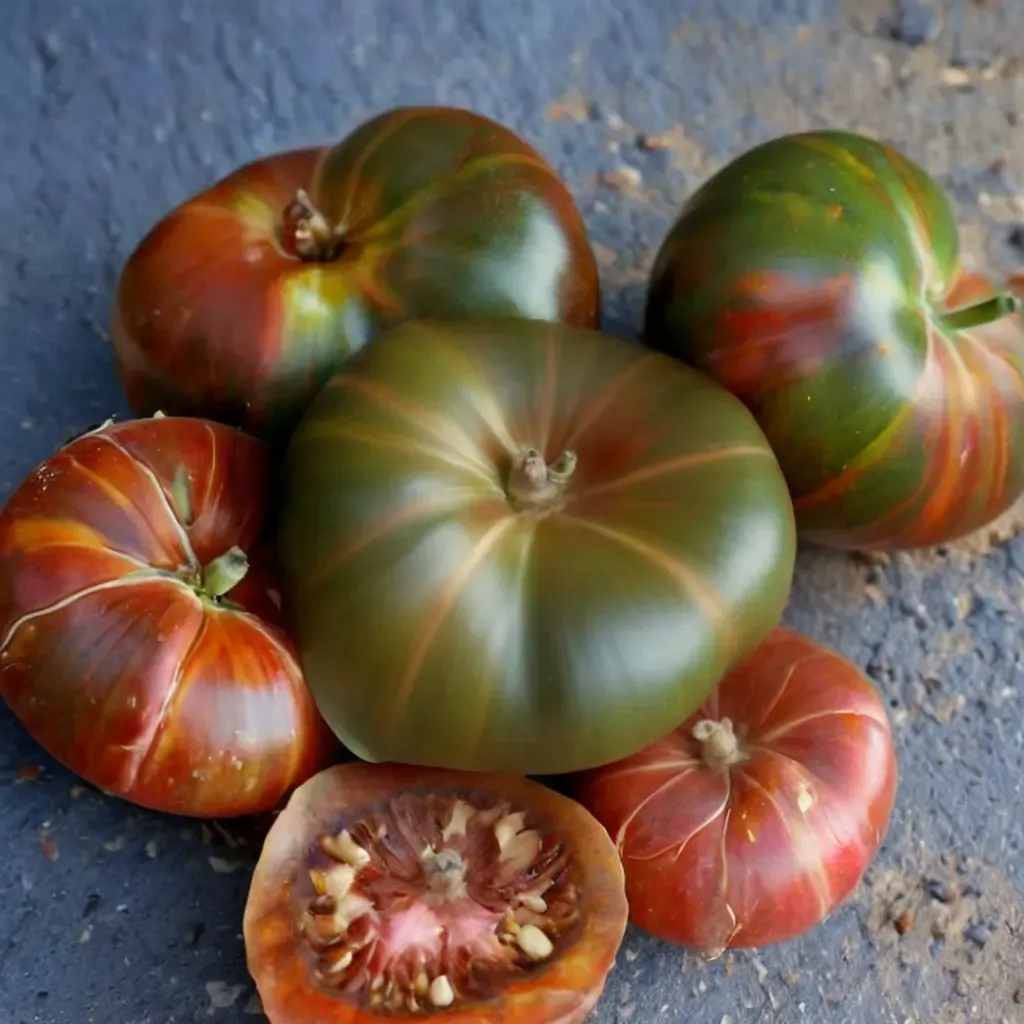
Black and Brown Boar Tomato
Solanum lycopersicum 'Black and Brown Boar'
Keep exploring
Explore the genus
Grow Tomato with confidence
See it in a design of your actual yard, get zone-matched care reminders, and track it season by season in your garden journal.