The Story
Plant Bio
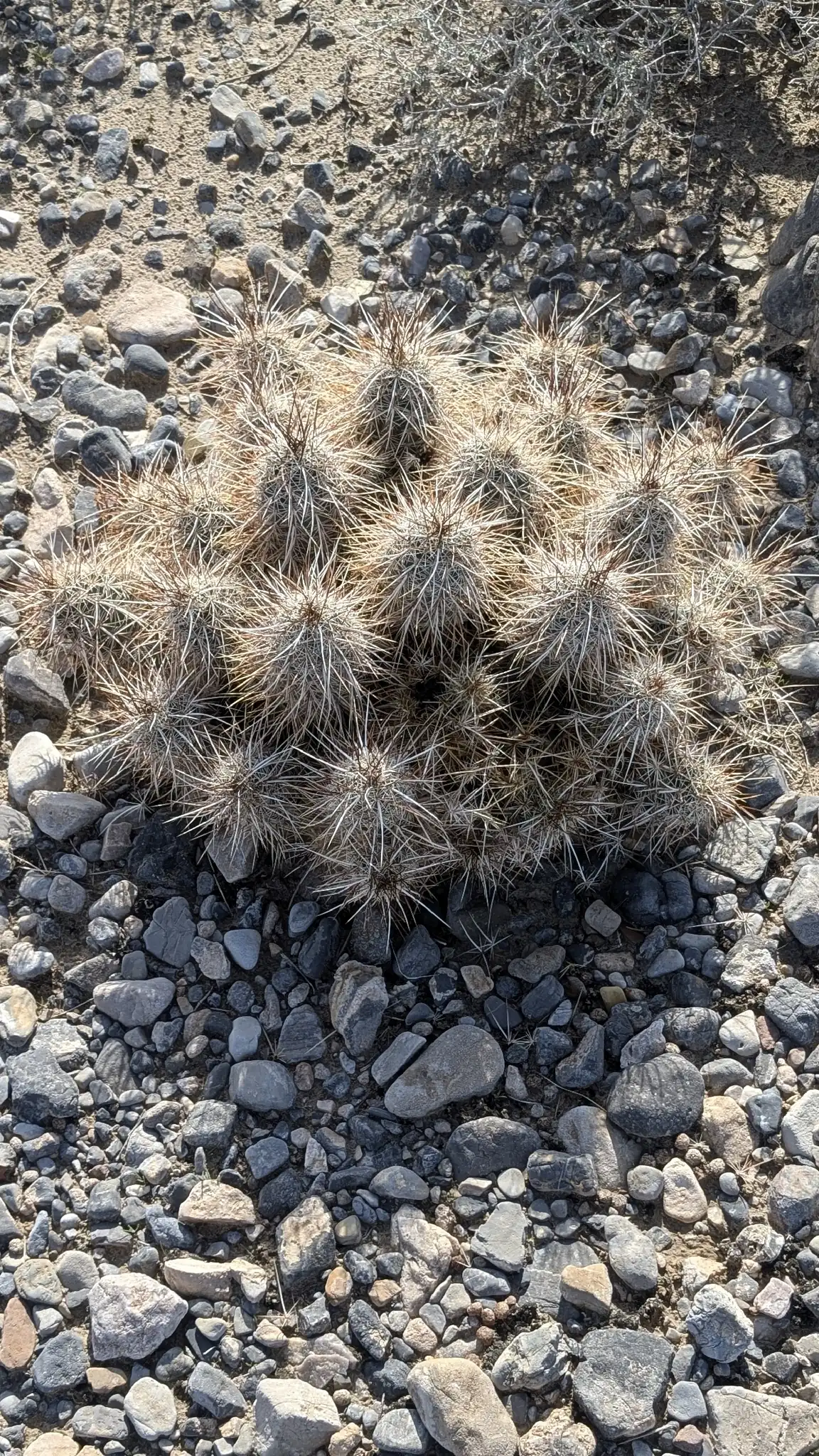
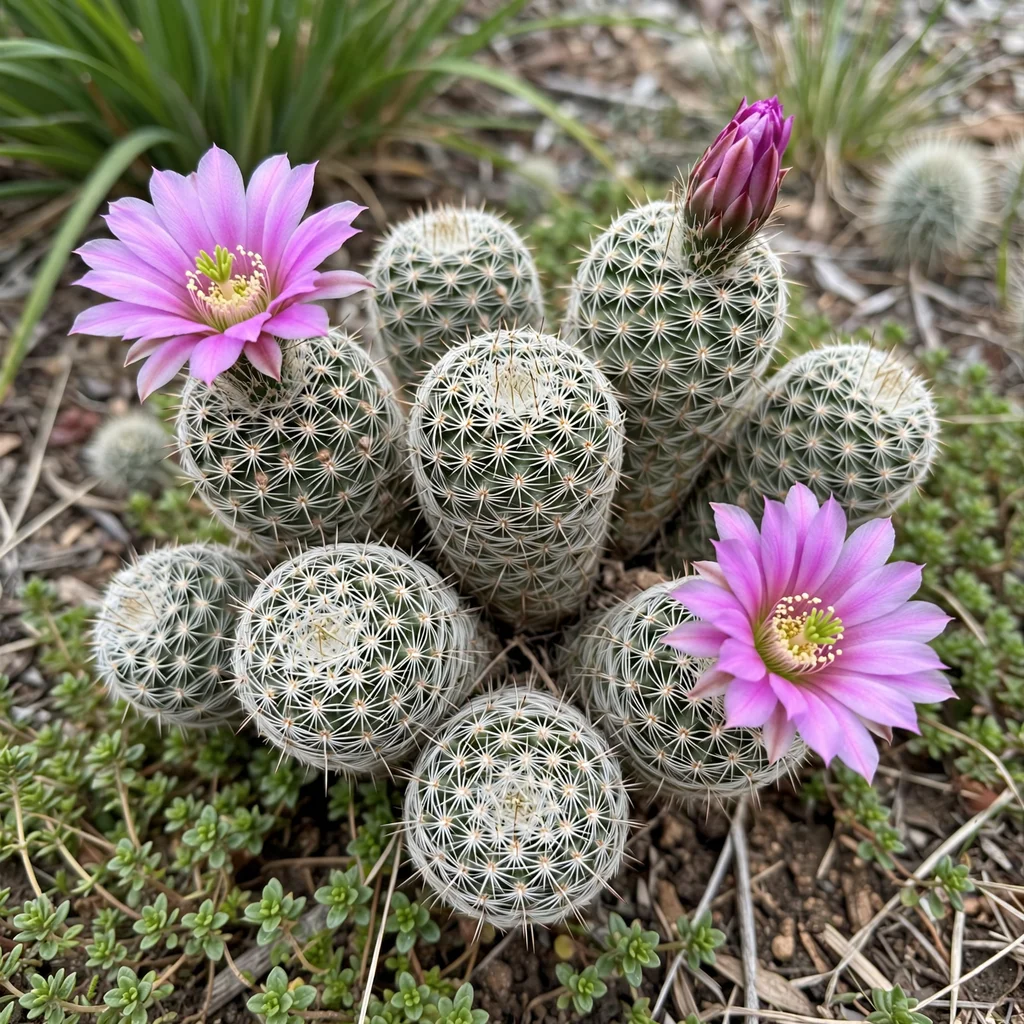
Echinocereus engelmannii is a clumping desert cactus native to the southwestern United States and northwestern Mexico, forming mounds of up to twenty upright, cylindrical stems. Stems reach four to twelve inches in height and are densely shielded by stiff, curved spines ranging from white and yellow to deep red or gray.
In spring, brilliant magenta to violet-pink funnelform flowers open near the stem tips, featuring distinct dark green stigmas. The blooms are followed by spiny red fruits that shed their spines as they mature to reveal edible fleshy pulp.
Uses & Benefits:
Essentials
At a Glance
Plant Type
Cactus Succulent
Height
12"
Width
35"
Light
Full Sun
Zones
8, 9, 10
Water
Low
Humidity
Low
Lifespan
Perennial
Native To
North America
Toxicity
Non-toxic (spines pose mechanical hazard)
Bloom period
Spring – Early summer
In flower about 4 months of the year
Planting
How to Grow
- Select a site in full sun with sharp, fast-draining mineral soil high in sand and gravel.
- Plant stems at the same depth as in their nursery container, pressing dry soil gently around roots.
- Water thoroughly after planting during spring or summer, allowing the soil to dry out completely between waterings.
- Withhold water entirely from mid-autumn through winter to allow natural dormancy.
Pro Tip
Keep the root zone completely dry during winter dormancy; cold temperatures combined with damp soil quickly trigger fatal stem rot.
Keep It Thriving
Care Guide
Do
- Provide full sun exposure and sharp mineral drainage.
- Keep soil completely dry throughout winter cold.
- Use thick leather gloves or tongs when handling to prevent spine punctures.
Don't
- Do not plant in rich, organic garden loam or heavy clay.
- Do not water during cold winter dormancy.
- Do not cut into old, dry stem bases when removing dead growth.
Seasonal Care Calendar
| Task | Jan | Feb | Mar | Apr | May | Jun | Jul | Aug | Sep | Oct | Nov | Dec |
|---|---|---|---|---|---|---|---|---|---|---|---|---|
| Fertilize | ||||||||||||
| Pest Check | ||||||||||||
| Propagate | ||||||||||||
| Winter Prep |
Watch Out For
Pests & Diseases
Common Pests
Common Diseases
In the Garden
Landscape Uses & Companions
Landscape Uses
Multiply
Propagation Methods
Good to Know
Common Questions
Engelmann's Hedgehog Cactus questions
What zones can Engelmann's Hedgehog Cactus grow in?
Engelmann's Hedgehog Cactus is hardy in USDA Zones 8–10: in that range it survives winter in the ground. Colder than Zone 8, grow it in a container you can move to shelter for the winter, or as an annual.
Is Engelmann's Hedgehog Cactus deer resistant?
Yes — Engelmann's Hedgehog Cactus is rated deer-resistant. Deer typically pass it over, though extreme hunger can override any plant's defenses.
When does Engelmann's Hedgehog Cactus bloom?
Engelmann's Hedgehog Cactus typically blooms from early spring to early summer. Exact timing shifts a week or two with your zone — Sow's bloom calendar maps it to your garden.
Does Engelmann's Hedgehog Cactus need full sun?
Engelmann's Hedgehog Cactus does best in full sun (6+ hours).
Is Engelmann's Hedgehog Cactus drought tolerant?
Yes — once established (usually after the first full season), Engelmann's Hedgehog Cactus handles dry spells with minimal watering. Water deeply its first year to build the root system that makes that possible.
More Echinocereus to compare
Keep exploring
Explore the genus
Hardy in your zone?
Grow Engelmann's Hedgehog Cactus with confidence
See it in a design of your actual yard, get zone-matched care reminders, and track it season by season in your garden journal.