The Story
Plant Bio
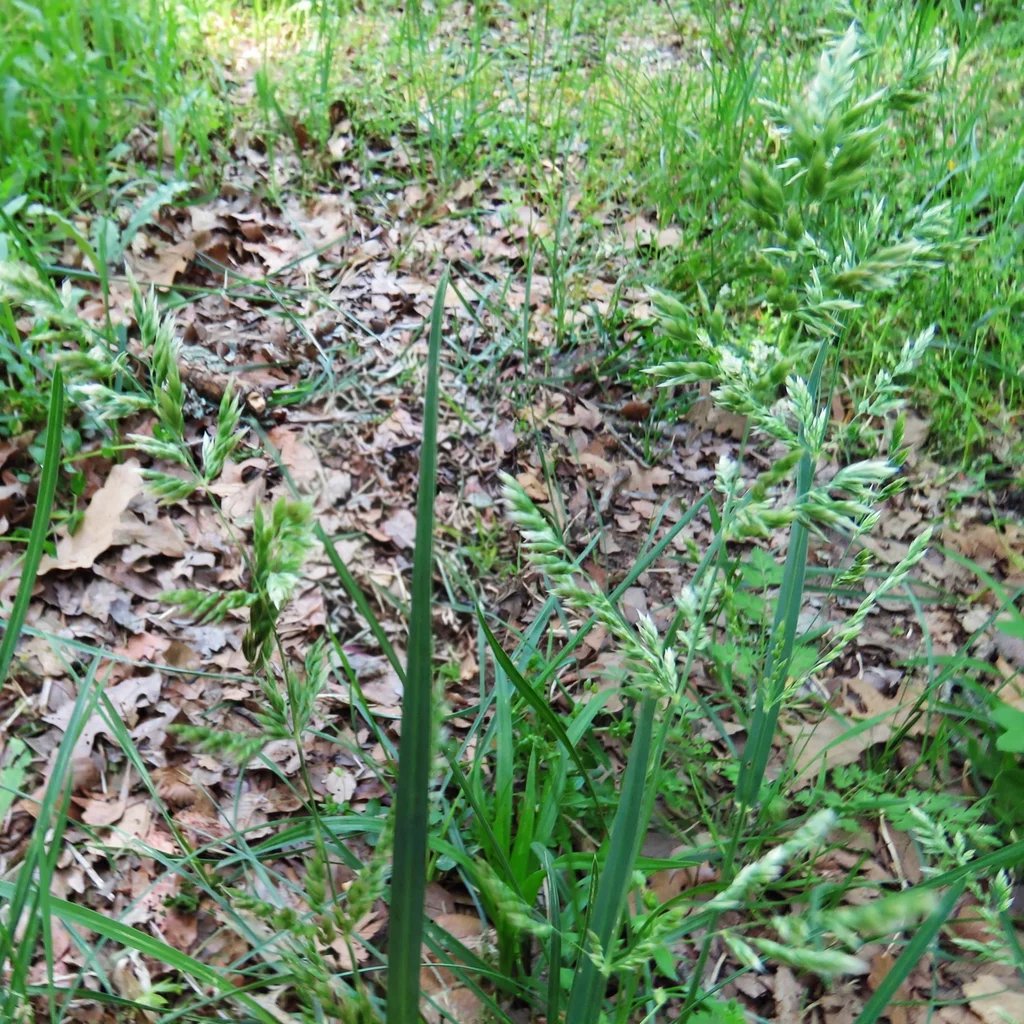
Poa arachnifera, Texas bluegrass, is a cool-season perennial grass forming loose 12-inch tufts joined by long slender rhizomes into sod. Narrow blue-green leaves 6 to 12 inches long rise in dense clusters, and flowering culms reach 24 to 36 inches in spring topped by broad dense panicles of white-green-brown florets.
Plants are strictly male or female, and only the female florets carry tangled silky-white cobweb hairs that give the seed heads their silvery fluffy look; male heads are smooth. It grows actively in cool weather and goes semi-dormant in summer heat, returning from rhizomes with cool moisture, and survives winters well below 0F.
Uses & Benefits:
Essentials
At a Glance
Plant Type
Grass
Height
30"
Width
24"
Light
Full Sun, Partial Sun, Shade
Zones
5, 6, 7, 8, 9
Water
Medium
Humidity
Average
Lifespan
Perennial
Native To
South-Central USA
Toxicity
Non-toxic
Bloom period
Early spring – Late spring
In flower about 3 months of the year
Planting
How to Grow
- Plant in fall or early spring in full sun to part shade in loam, sandy loam, or clay loam with high organic matter.
- Set plugs 12 inches apart and firm soil over the rhizomes; water in deeply to settle.
- Water regularly the first fall and spring to root the sod, then taper off; established stands persist on rainfall.
- Mow as a low groundcover if desired or leave unmowed for seed heads; rake out thatch in late winter.
Pro Tip
Leave summer-brown foliage in place; new leaves return from the rhizomes with cool weather and fall rain.
Keep It Thriving
Care Guide
Do
- Plant in moist well-drained soil and allow the surface to dry between waterings.
- Feed lightly in fall for cool-season growth.
- Leave clumps unmowed for wildlife seed and nesting material if desired.
Don't
- Do not overwater or hold waterlogged; soggy soil rots the roots.
- Do not mistake summer dormancy for death and dig the rhizomes.
- Do not expect a single clone to set seed without a plant of the opposite sex nearby.
Seasonal Care Calendar
| Task | Jan | Feb | Mar | Apr | May | Jun | Jul | Aug | Sep | Oct | Nov | Dec |
|---|---|---|---|---|---|---|---|---|---|---|---|---|
| Fertilize | ||||||||||||
| Pest Check | ||||||||||||
| Plant | ||||||||||||
| Spring Cleanup |
Watch Out For
Pests & Diseases
Common Pests
Common Diseases
In the Garden
Landscape Uses & Companions
Landscape Uses
Multiply
Propagation Methods
Good to Know
Common Questions
Texas Bluegrass questions
What zones can Texas Bluegrass grow in?
Texas Bluegrass is hardy in USDA Zones 5–9: in that range it survives winter in the ground. Colder than Zone 5, grow it in a container you can move to shelter for the winter, or as an annual. Warmer than Zone 9, winter isn't the problem: it prefers colder winters, and summer heat can shorten its life.
Is Texas Bluegrass deer resistant?
Yes — Texas Bluegrass is rated deer-resistant. Deer typically pass it over, though extreme hunger can override any plant's defenses.
When does Texas Bluegrass bloom?
Texas Bluegrass typically blooms in spring. Exact timing shifts a week or two with your zone — Sow's bloom calendar maps it to your garden.
Does Texas Bluegrass need full sun?
Texas Bluegrass does best in full sun to part shade. In hot climates, afternoon shade keeps blooms fresher longer.
Is Texas Bluegrass drought tolerant?
Yes — once established (usually after the first full season), Texas Bluegrass handles dry spells with minimal watering. Water deeply its first year to build the root system that makes that possible.
More Poa to compare
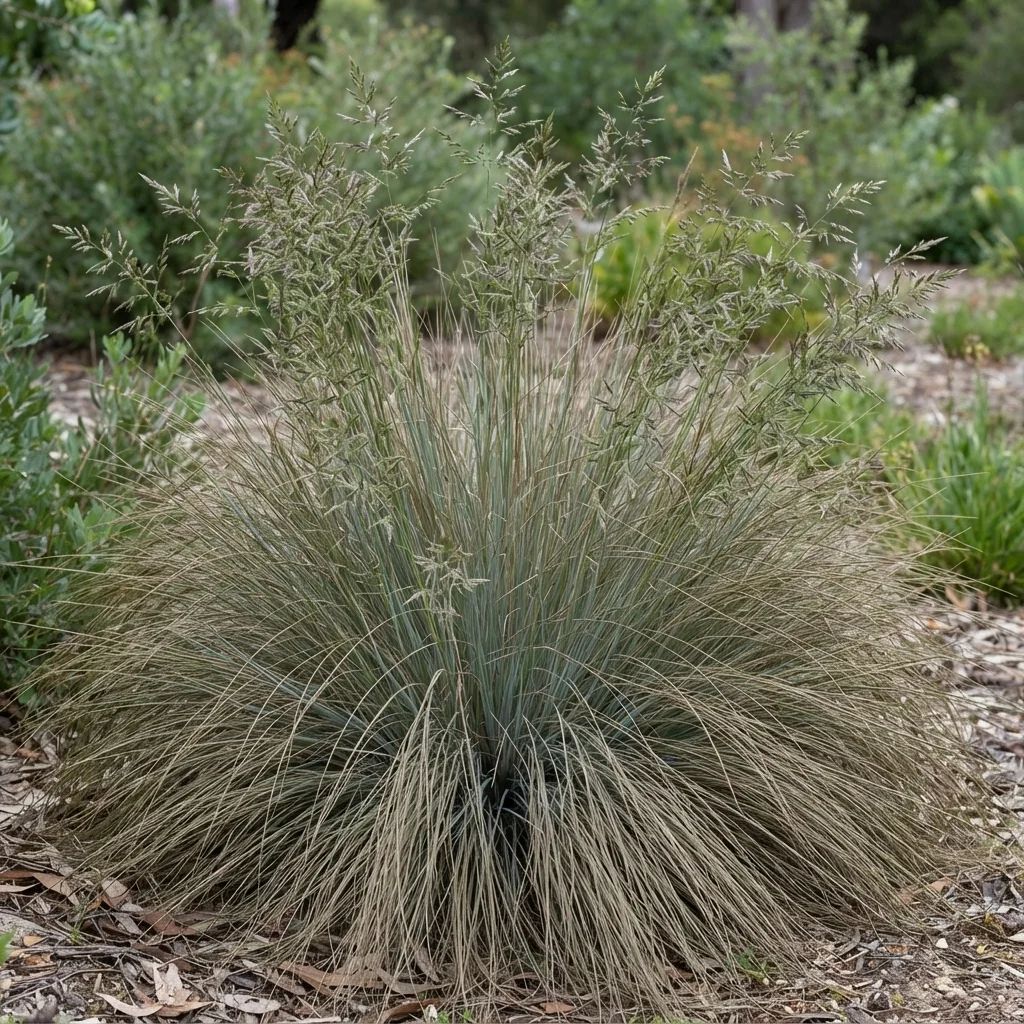
Common Tussock-grass
Poa labillardierei
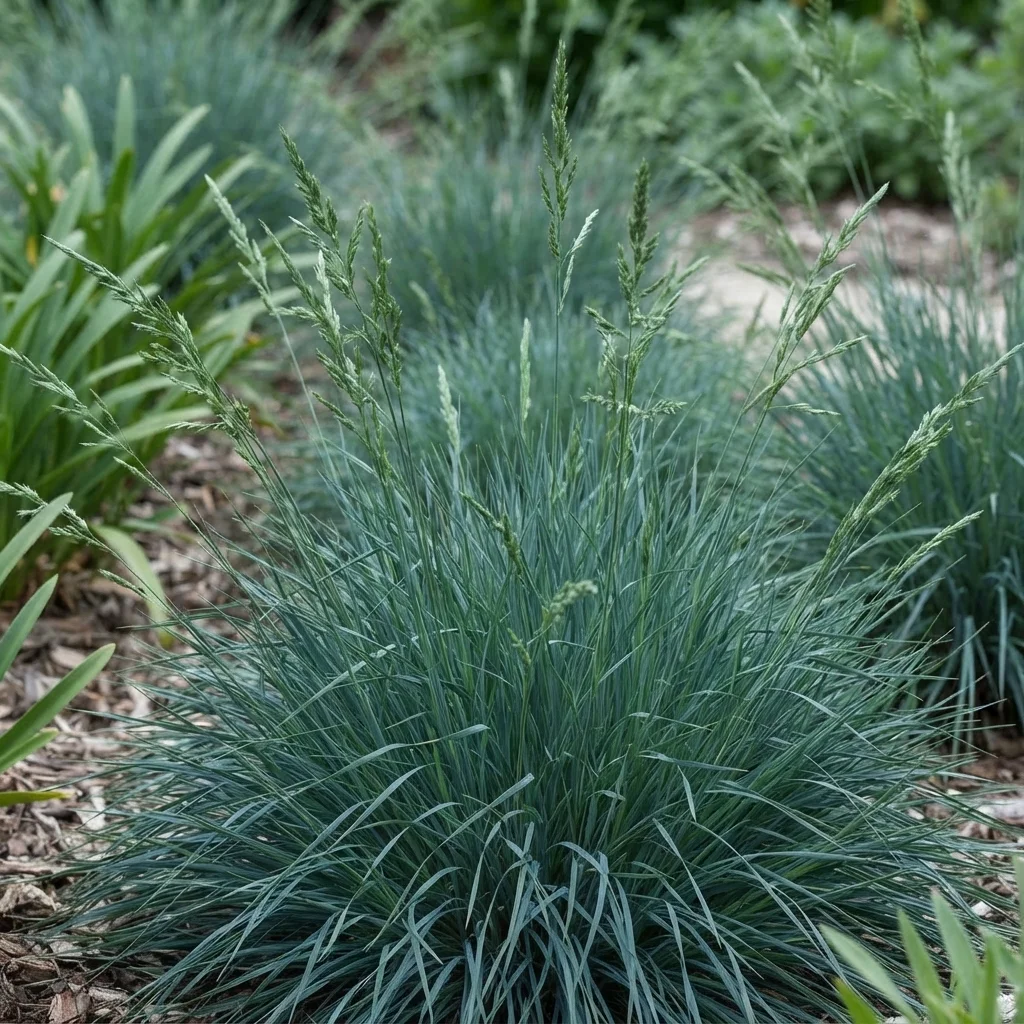
Eskdale Tussock Grass
Poa labillardierei 'Eskdale'
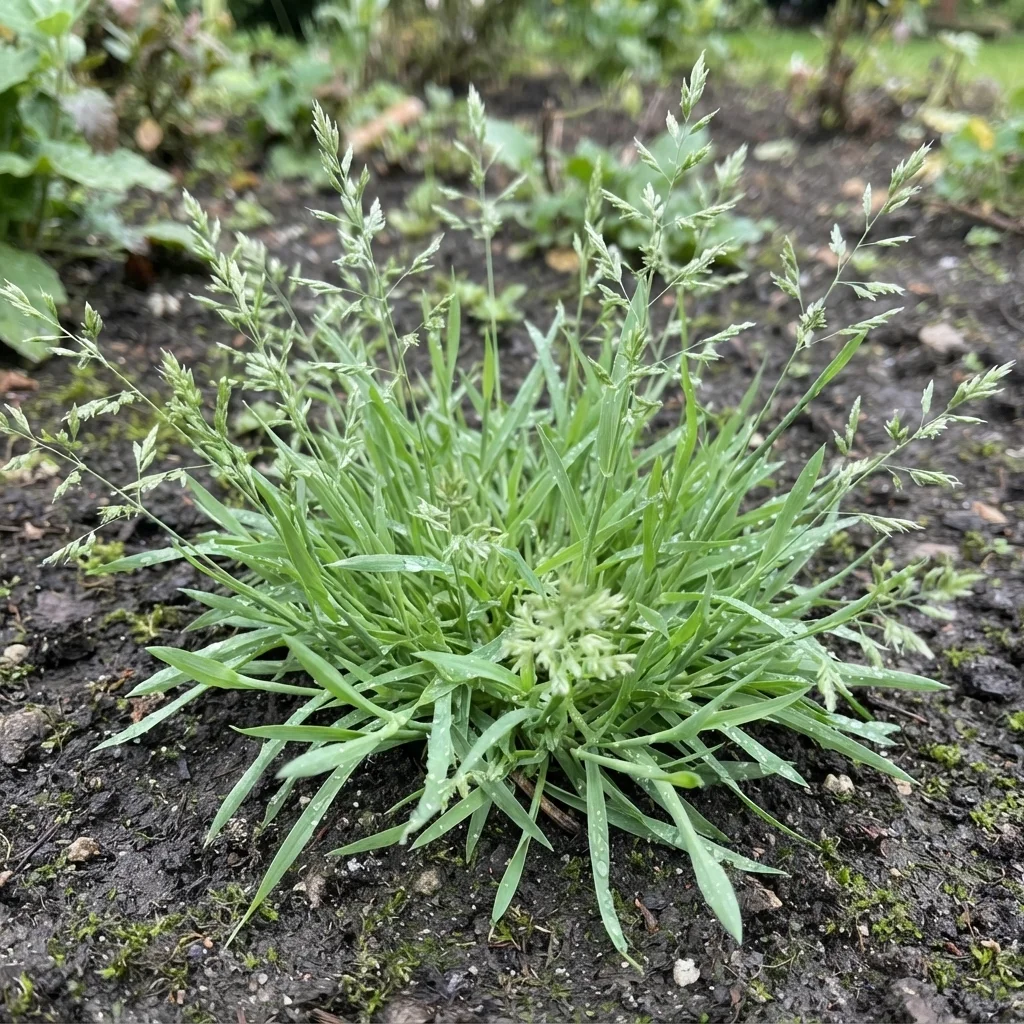
Annual Bluegrass
Poa annua
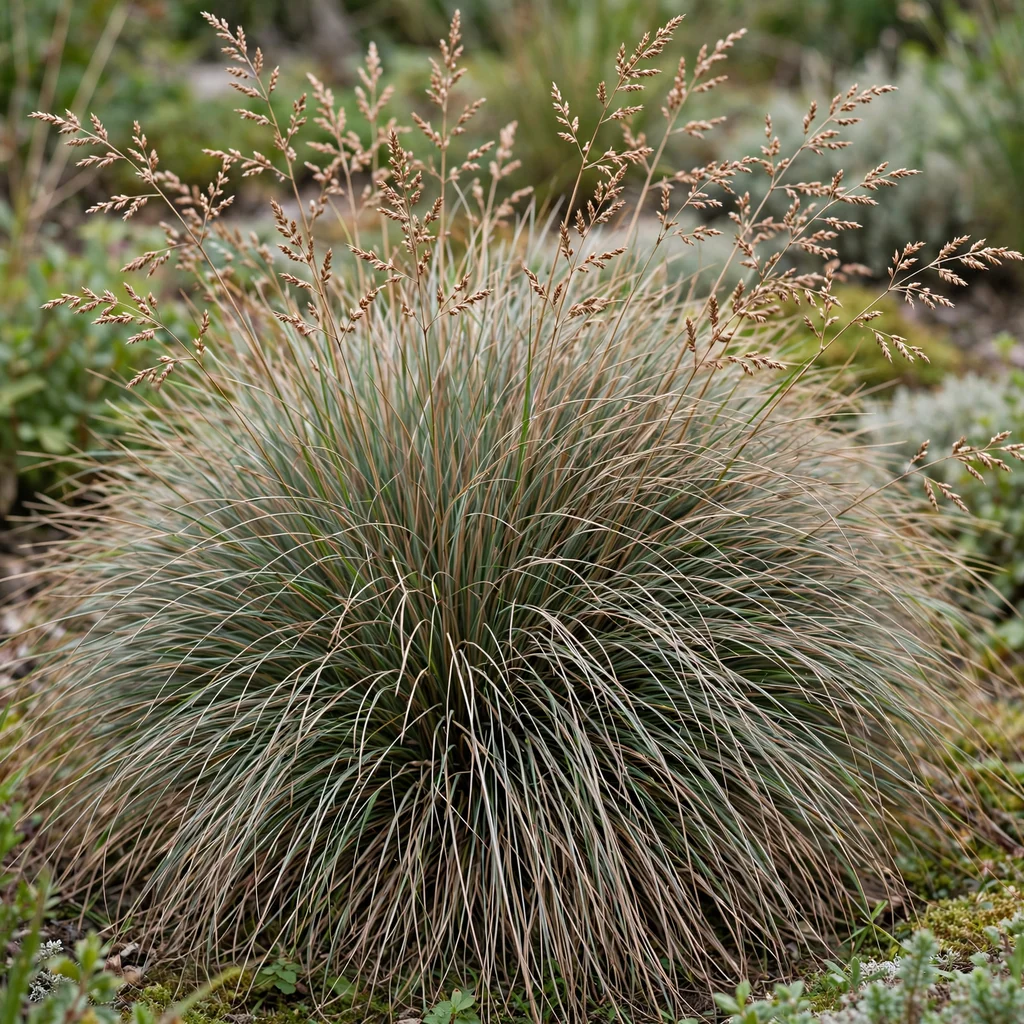
Silver Tussock
Poa cita
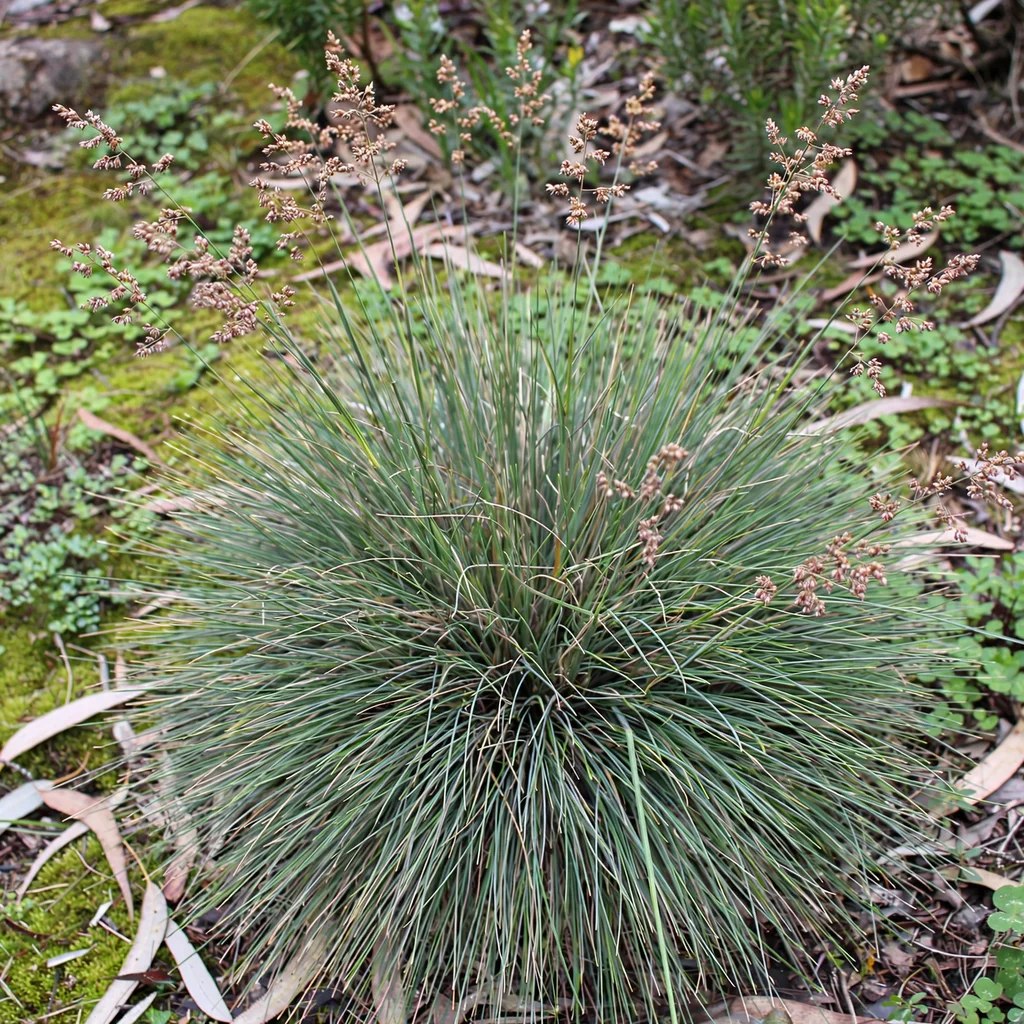
Grey Tussock-Grass
Poa sieberiana
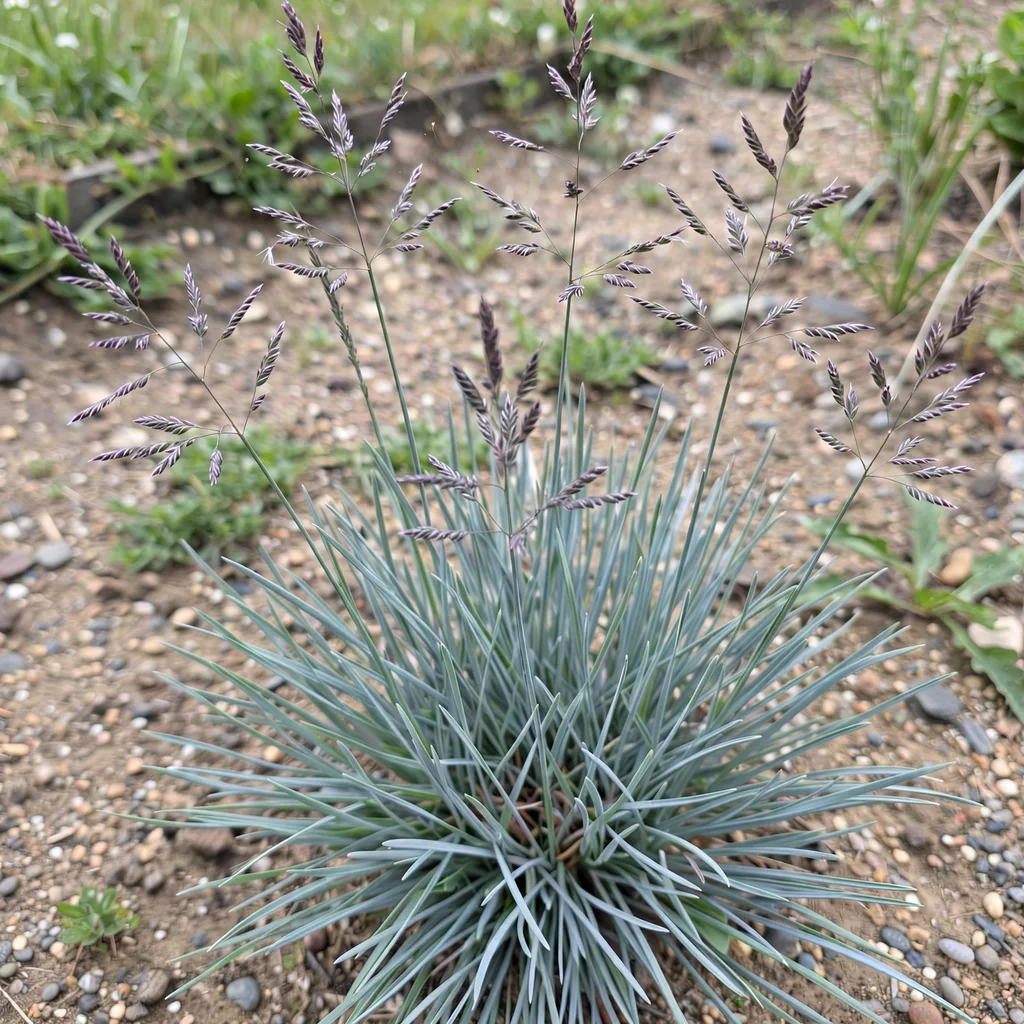
Glaucous Bluegrass
Poa glauca
Keep exploring
Explore the genus
Hardy in your zone?
Grow Texas Bluegrass with confidence
See it in a design of your actual yard, get zone-matched care reminders, and track it season by season in your garden journal.