
The Story
Plant Bio
Carex talbotii, sold in the trade as Carex berggrenii, is a miniature evergreen sedge endemic to New Zealand montane wetlands, forming a shortly rhizomatous tuft 2 to 4 inches tall. The linear leaves are 1 to 2 inches long and bronze to copper-brown with a metallic sheen, coloring deepest in full sun.
It creeps slowly to 6 to 8 inches wide, staying as a low broad clump that tolerates light foot traffic and never needs shearing. Spring flowers are insignificant tan spikes with red-brown glumes and 2 to 3 millimeter utricles yellow below and dark red-purple above, wind-pollinated and grown for foliage texture.
Uses & Benefits:
Essentials
At a Glance
Plant Type
Grass
Height
4"
Width
8"
Light
Full Sun, Partial Sun
Zones
6, 7, 8, 9
Water
Moist to wet
Humidity
Unknown
Lifespan
Evergreen perennial
Native To
New Zealand
Toxicity
Unknown
Bloom period
Spring – Summer
In flower about 6 months of the year
Planting
How to Grow
- Plant in spring after frost in full sun to part shade at a pond edge, trough, or damp rock crevice.
- Set the crown level in clay or loam that stays moist to wet and never dries.
- Space tufts 6 to 8 inches apart and water deeply to settle the roots.
- Spread a thin gravel mulch to hold moisture and keep weed seed out.
- Hand-weed to keep the crown open and leave the clump undivided until it fills.
Pro Tip
Give it full sun for bronze color, soil that never dries, and a competition-free trough or pond edge; dry shade or taller neighbors turn it green and smother it.
Keep It Thriving
Care Guide
Do
- Keep soil consistently damp to wet, especially in heat.
- Grow in full sun for strongest bronze color.
- Weed by hand to keep the crown free of taller competition.
Don't
- Do not let the rootball dry out in pots or borders.
- Do not plant in a dry border or shady bed where it turns green.
- Do not shear annually or divide small clumps before they fill.
Seasonal Care Calendar
| Task | Jan | Feb | Mar | Apr | May | Jun | Jul | Aug | Sep | Oct | Nov | Dec |
|---|---|---|---|---|---|---|---|---|---|---|---|---|
| Divide | ||||||||||||
| Mulch | ||||||||||||
| Pest Check | ||||||||||||
| Plant | ||||||||||||
| Spring Cleanup |
Watch Out For
Pests & Diseases
Common Pests
Common Diseases
In the Garden
Landscape Uses & Companions
Landscape Uses
Companion Plants
Multiply
Propagation Methods
Good to Know
Common Questions
Bronze Creeping Sedge questions
What zones can Bronze Creeping Sedge grow in?
Bronze Creeping Sedge is hardy in USDA Zones 6–9: in that range it survives winter in the ground. Colder than Zone 6, grow it in a container you can move to shelter for the winter, or as an annual. Warmer than Zone 9, winter isn't the problem: it prefers colder winters, and summer heat can shorten its life.
Is Bronze Creeping Sedge deer resistant?
Yes — Bronze Creeping Sedge is rated deer-resistant. Deer typically pass it over, though extreme hunger can override any plant's defenses.
When does Bronze Creeping Sedge bloom?
Bronze Creeping Sedge typically blooms from spring to summer. Exact timing shifts a week or two with your zone — Sow's bloom calendar maps it to your garden.
Does Bronze Creeping Sedge need full sun?
Bronze Creeping Sedge does best in full sun to part shade. In hot climates, afternoon shade keeps blooms fresher longer.
More Carex to compare
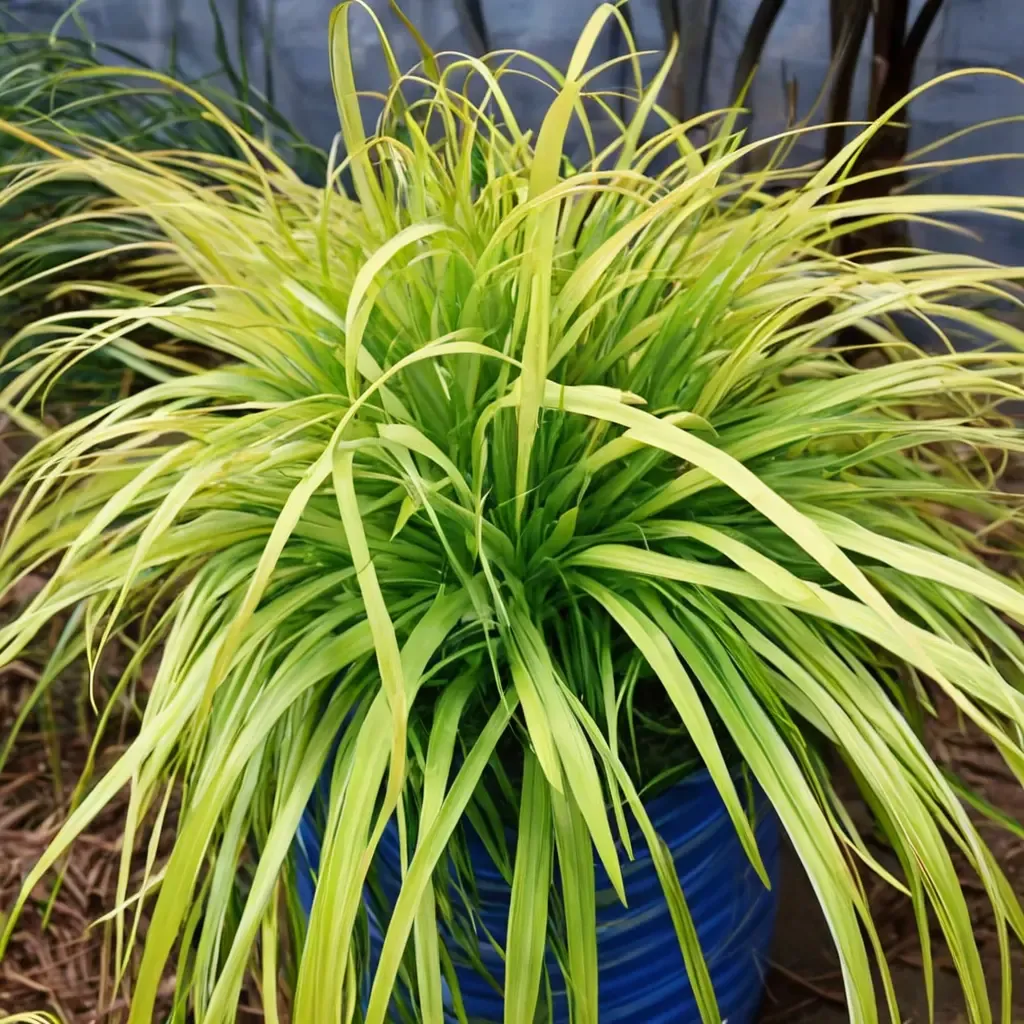
Everillo Sedge
Carex oshimensis 'Everillo'
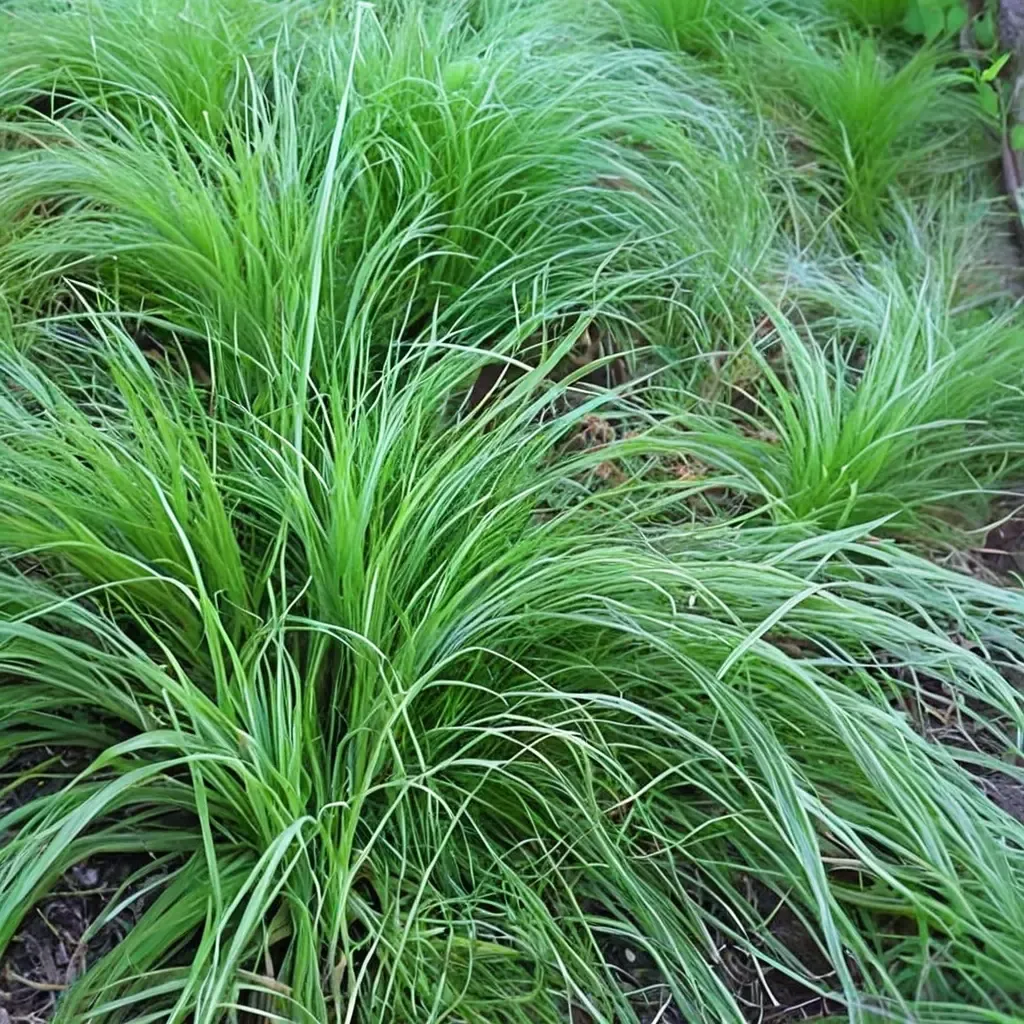
Pennsylvania Sedge
Carex pensylvanica
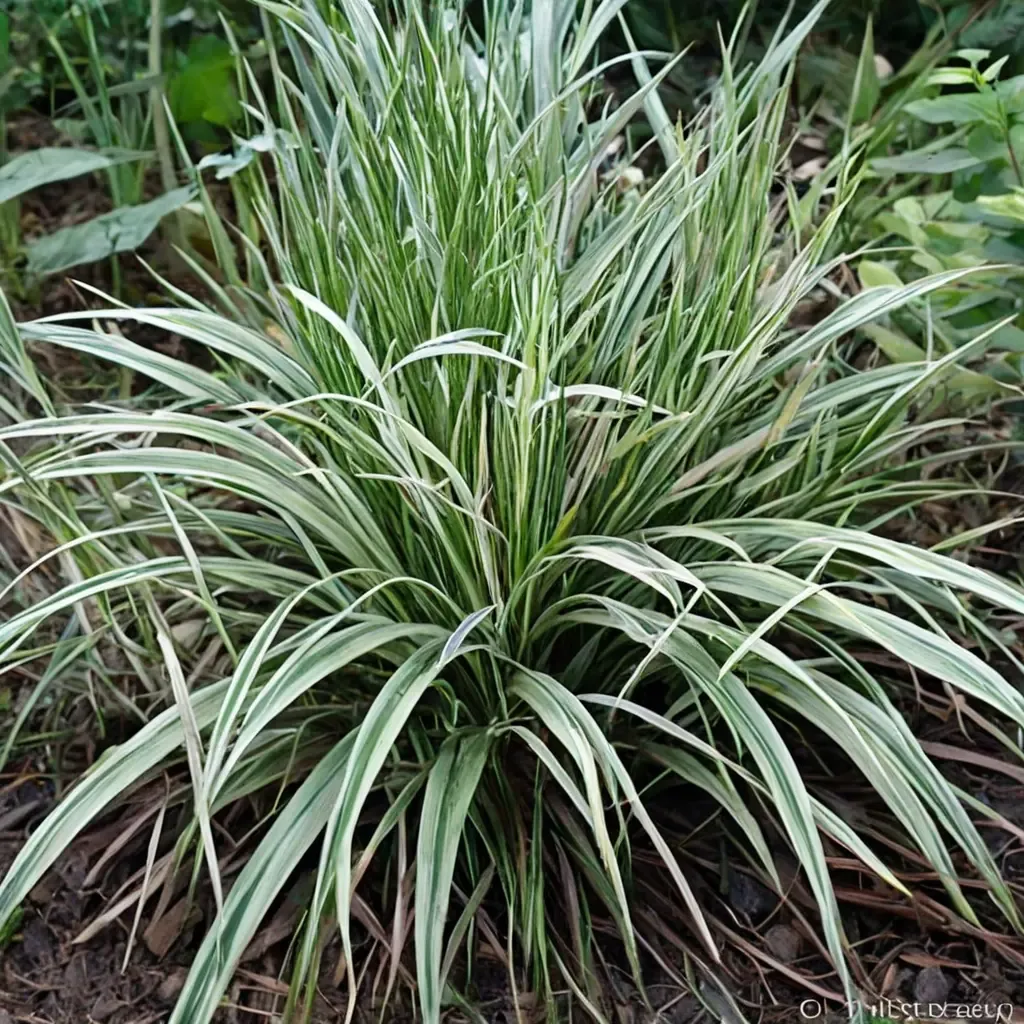
Japanese Sedge
Carex morrowii
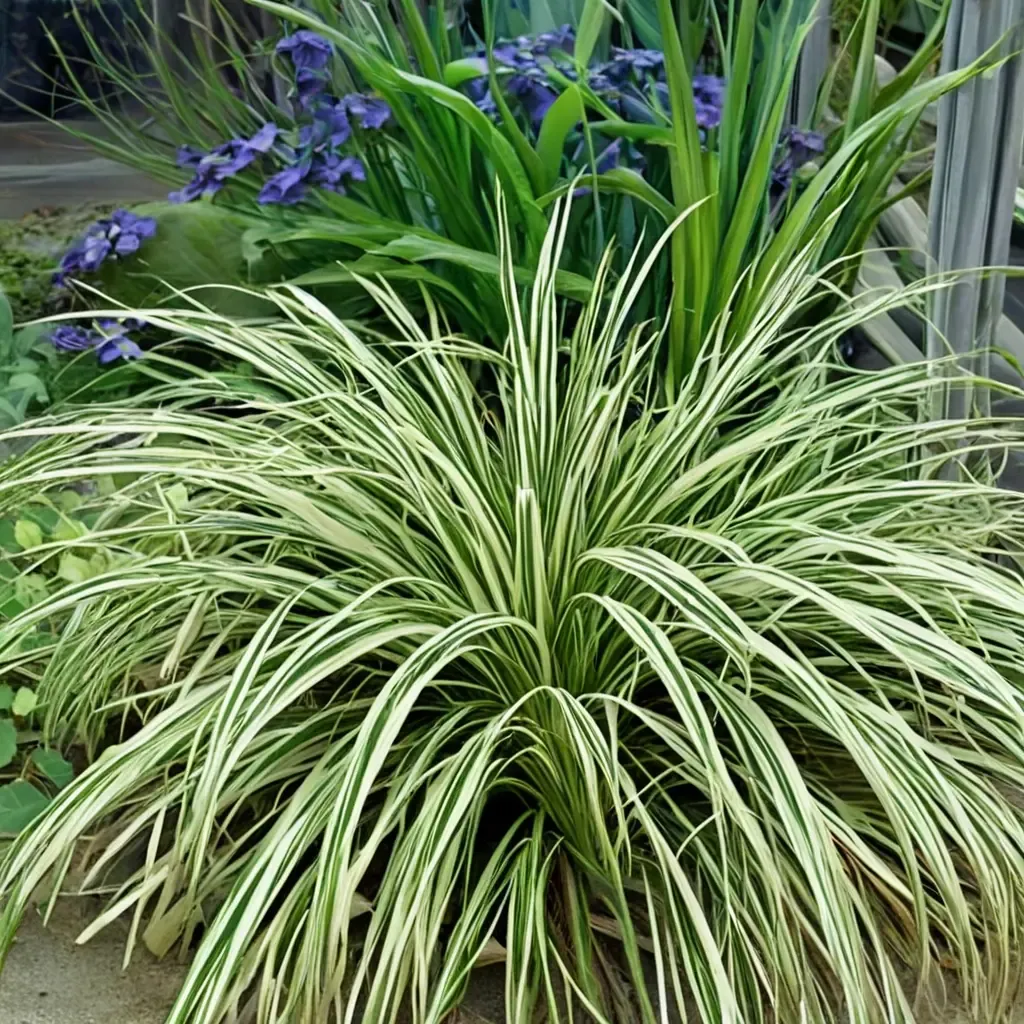
Evergold Japanese Sedge
Carex oshimensis 'Evergold'
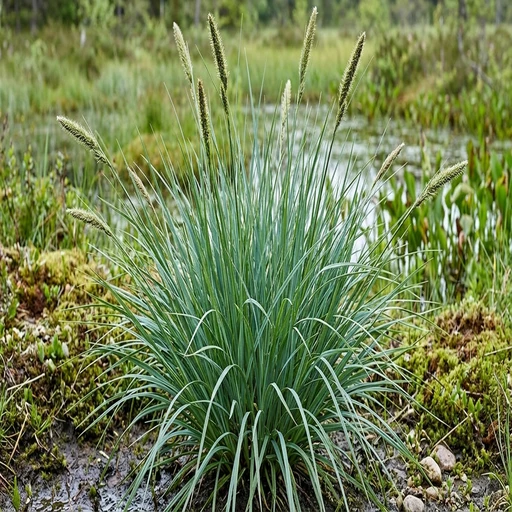
Comosa Sedge
Carex comosa
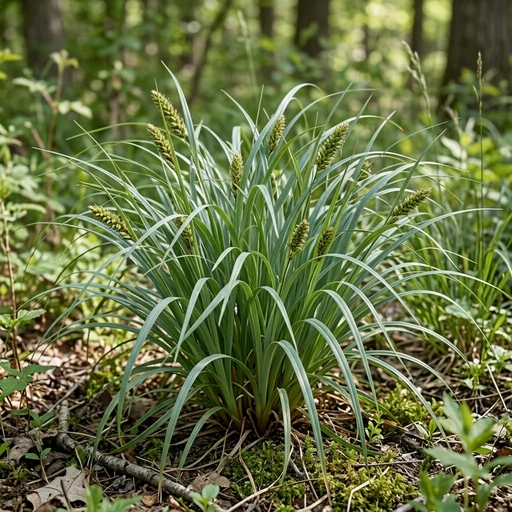
Shortbeak Sedge
Carex brevior
Keep exploring
Explore the genus
Hardy in your zone?
Grow Bronze Creeping Sedge with confidence
See it in a design of your actual yard, get zone-matched care reminders, and track it season by season in your garden journal.