The Story
Plant Bio
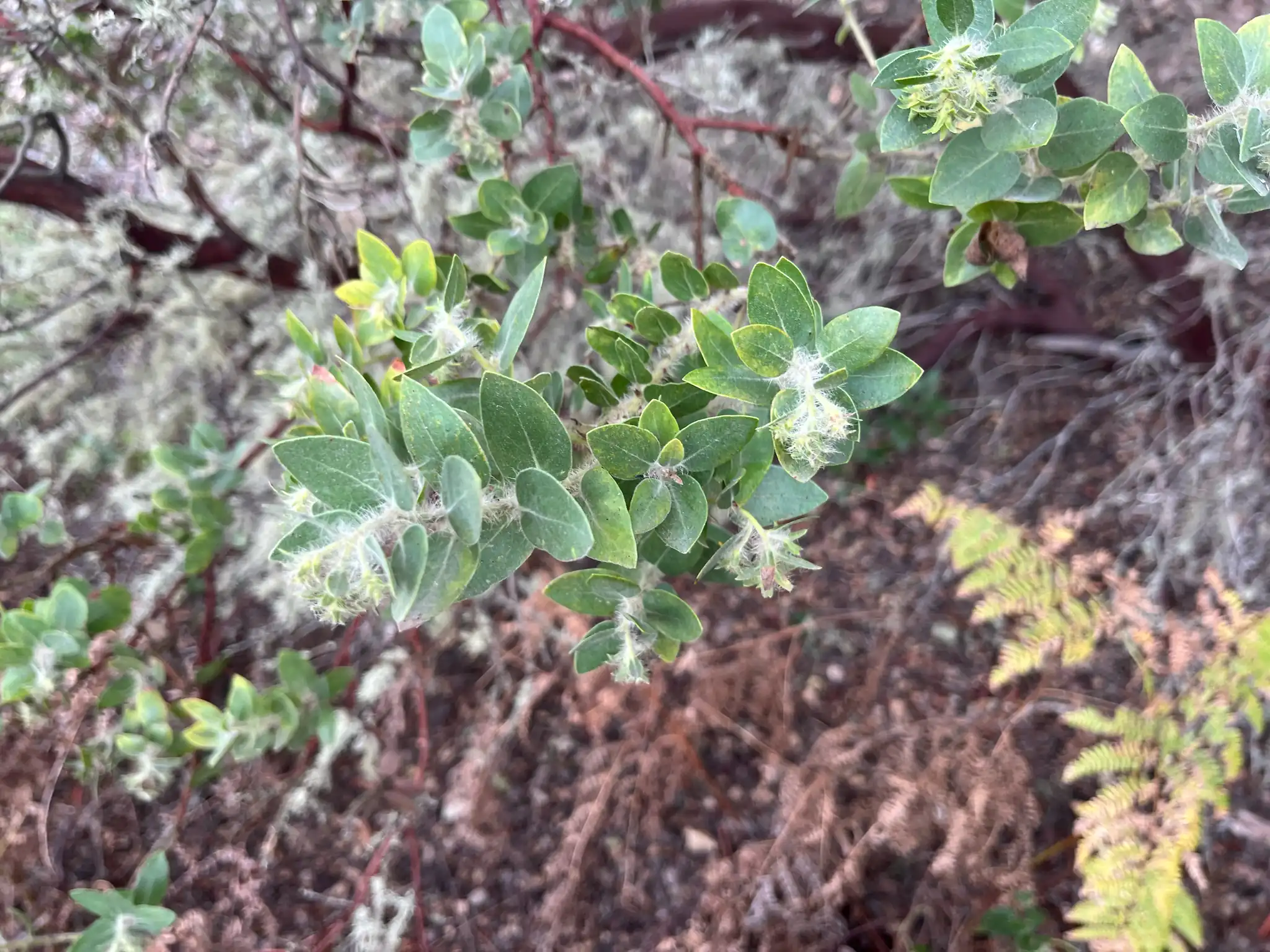
Arctostaphylos viridissima is an evergreen Californian shrub reaching 3 to 12 feet in gardens, with glossy green leaves on erect stems clad in long white bristles and rough shredding reddish-brown bark. The display comes from dense racemes of urn-shaped white to pinkish flowers that open in winter and set to small drupes.
Unlike mainland manzanitas, it is endemic to eastern Santa Cruz Island where it forms matted to open-mounding plants to 8 to 10 feet wide in island chaparral. The selection sold as 'White Cloud' was chosen for especially numerous large white flower clusters on a compact 4- to 6-foot mound.
Uses & Benefits:
Essentials
At a Glance
Plant Type
Shrub
Height
144"
Width
120"
Light
Full Sun, Partial Sun
Zones
7, 8, 9, 10
Water
Low
Humidity
Unknown
Lifespan
Long-lived shrub
Native To
Santa Cruz Island, California
Toxicity
Unknown
Bloom period
Winter – Spring
In flower about 6 months of the year
Planting
How to Grow
- Plant in fall in full sun to part shade with open air flow, giving afternoon shade at hot inland sites.
- Dig into coarse sandy or rocky soil that drains fast; set the crown slightly high and keep mulch back from the stems.
- Water deeply every 4 to 7 days through the first summer, then taper to about once a month or none once established.
- Keep summer irrigation off the crown and do not place near lawn or other irrigated beds.
- Tip-prune lightly after spring bloom; avoid cutting into old bare wood.
Pro Tip
Plant high in coarse sand with open air flow and keep summer water off the crown; wet soil in heat invites Phytophthora root rot this island endemic cannot outgrow.
Keep It Thriving
Care Guide
Do
- Plant in fast-draining sand with excellent air circulation.
- Mulch lightly to suppress weeds and encourage surface rooting, keeping mulch off the crown.
- Give full sun on the coast and part shade inland.
Don't
- Do not irrigate heavily in summer or plant near irrigated beds.
- Do not shear into old leafless wood or over-maintain.
- Do not plant in clay or poorly drained soil.
Seasonal Care Calendar
| Task | Jan | Feb | Mar | Apr | May | Jun | Jul | Aug | Sep | Oct | Nov | Dec |
|---|---|---|---|---|---|---|---|---|---|---|---|---|
| Mulch | ||||||||||||
| Pest Check | ||||||||||||
| Plant | ||||||||||||
| Prune |
Watch Out For
Pests & Diseases
Common Pests
Common Diseases
In the Garden
Landscape Uses & Companions
Landscape Uses
Multiply
Propagation Methods
Good to Know
Common Questions
Whitehair Manzanita questions
What zones can Whitehair Manzanita grow in?
Whitehair Manzanita is hardy in USDA Zones 7–10: in that range it survives winter in the ground. Colder than Zone 7, grow it in a container you can move to shelter for the winter.
When does Whitehair Manzanita bloom?
Whitehair Manzanita typically blooms from winter to spring. Exact timing shifts a week or two with your zone — Sow's bloom calendar maps it to your garden.
Does Whitehair Manzanita need full sun?
Whitehair Manzanita does best in full sun to part shade. In hot climates, afternoon shade keeps blooms fresher longer.
Is Whitehair Manzanita drought tolerant?
Yes — once established (usually after the first full season), Whitehair Manzanita handles dry spells with minimal watering. Water deeply its first year to build the root system that makes that possible.
More Arctostaphylos to compare
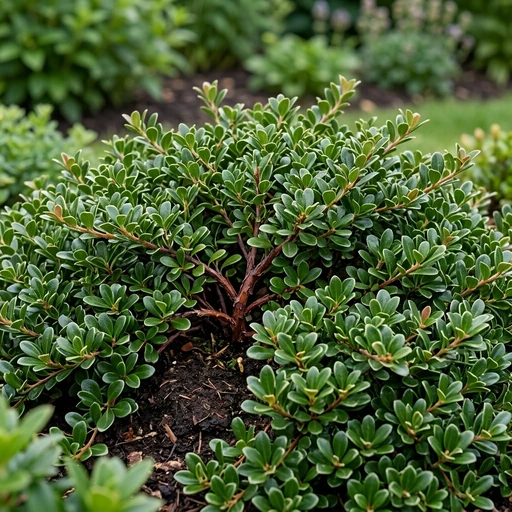
Massachusetts Common Bearberry
Arctostaphylos uva-ursi 'Massachusetts'
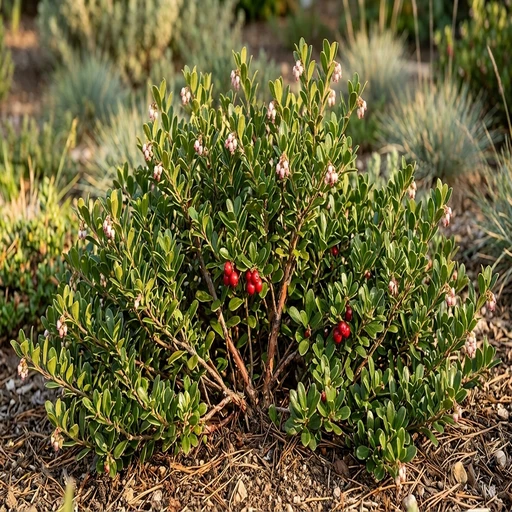
Bearberry
Arctostaphylos uva-ursi
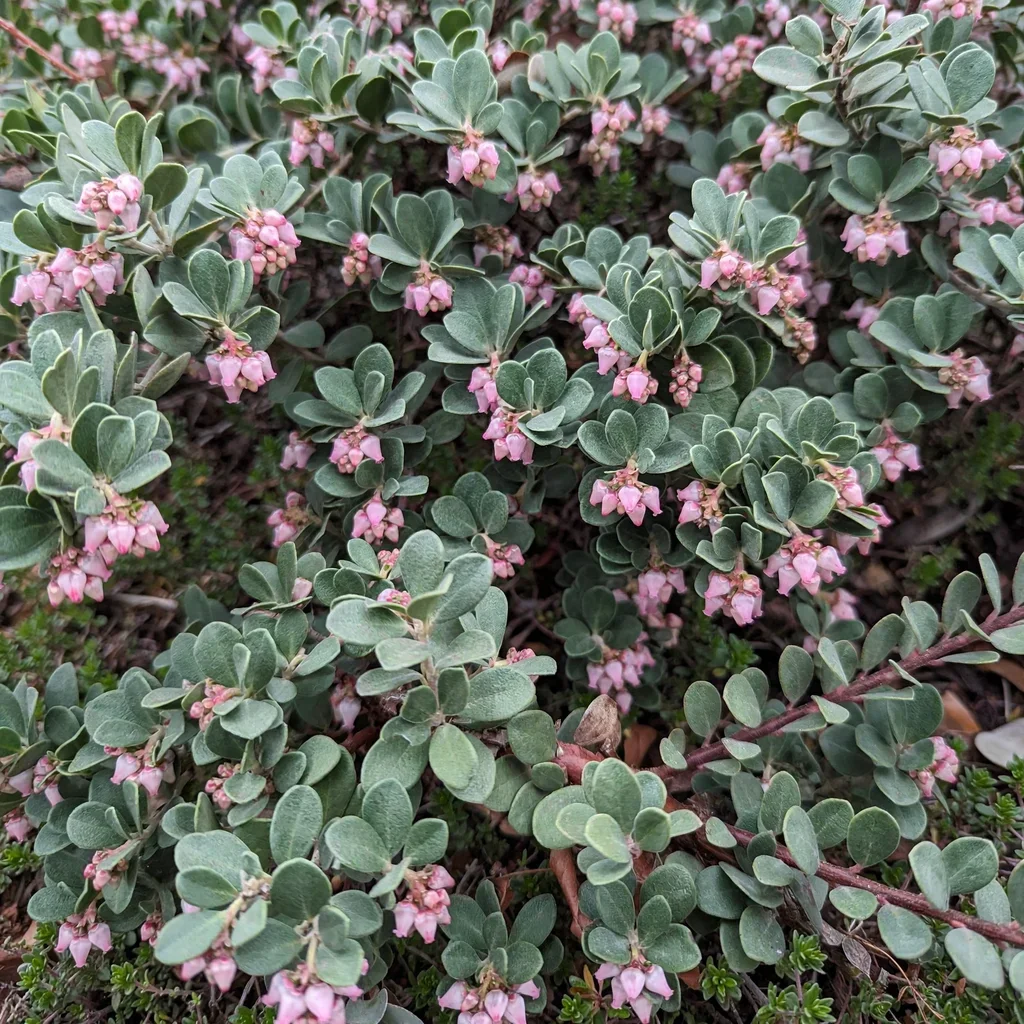
Ron Clendenen Manzanita
Arctostaphylos x media 'Ron Clendenen'
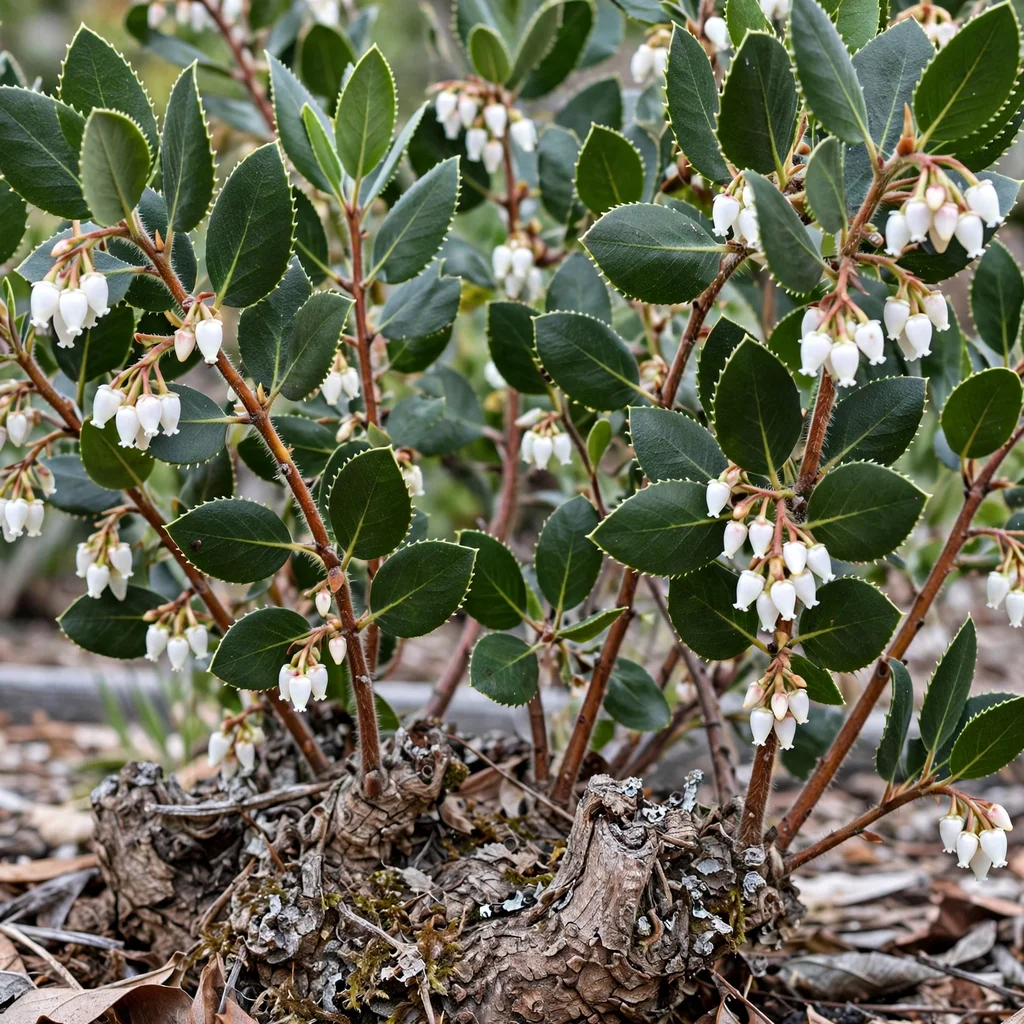
Brittleleaf Manzanita
Arctostaphylos crustacea
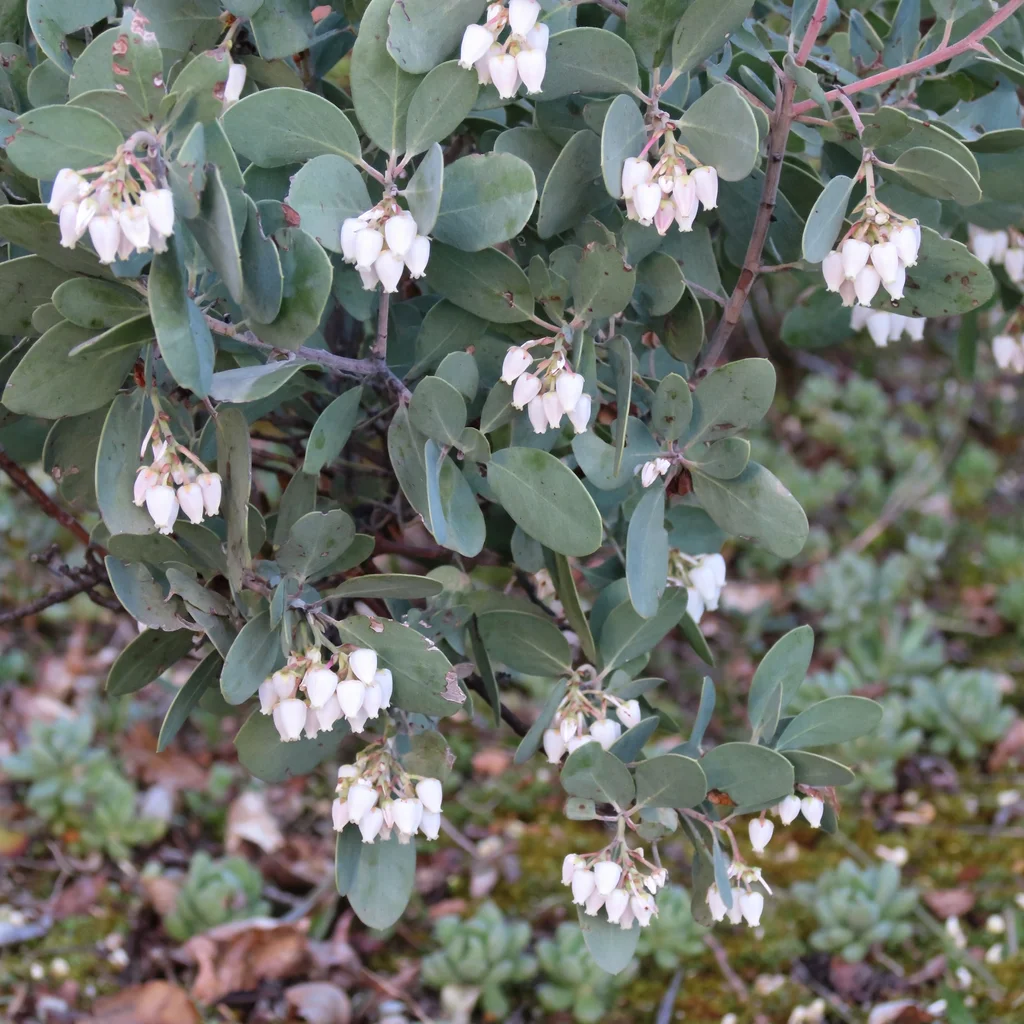
Common Manzanita
Arctostaphylos manzanita
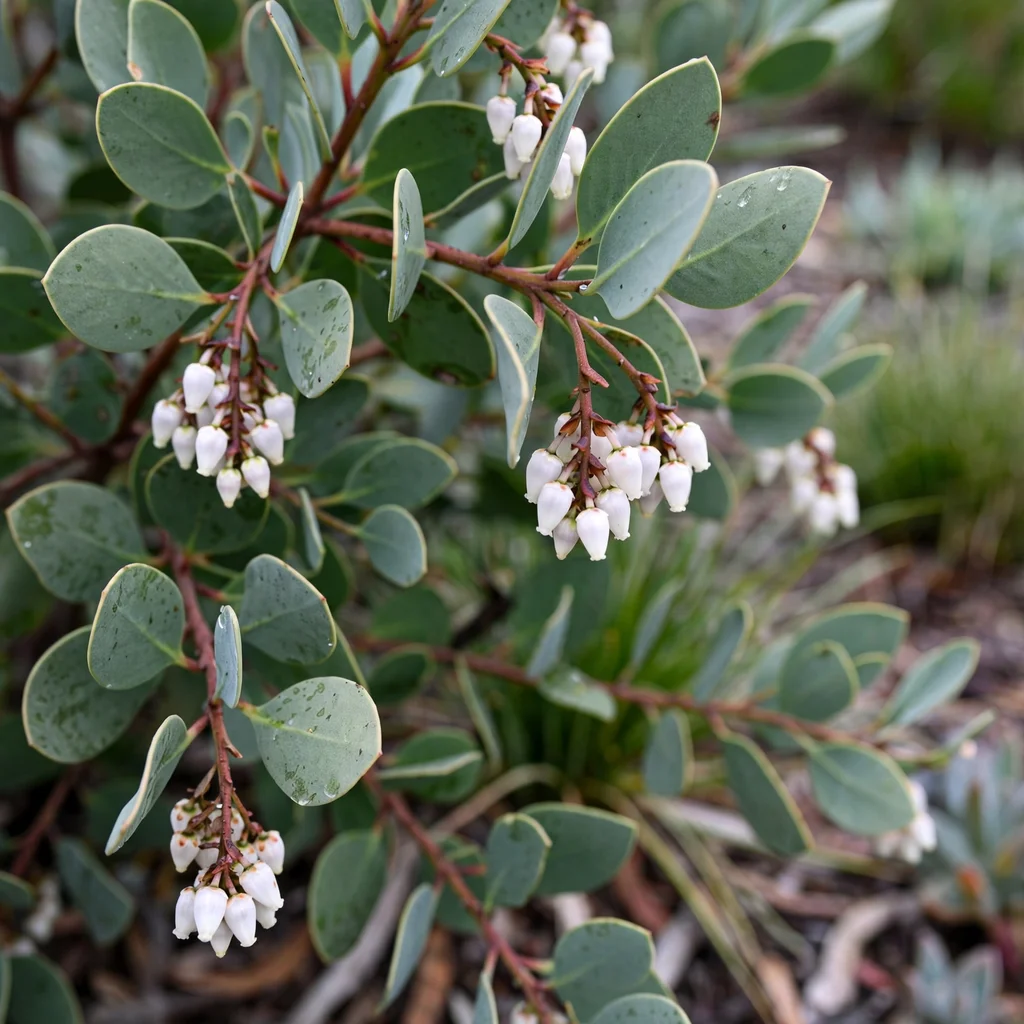
Rainbow Manzanita
Arctostaphylos rainbowensis
Keep exploring
Explore the genus
Hardy in your zone?
Grow Whitehair Manzanita with confidence
See it in a design of your actual yard, get zone-matched care reminders, and track it season by season in your garden journal.