The Story
Plant Bio
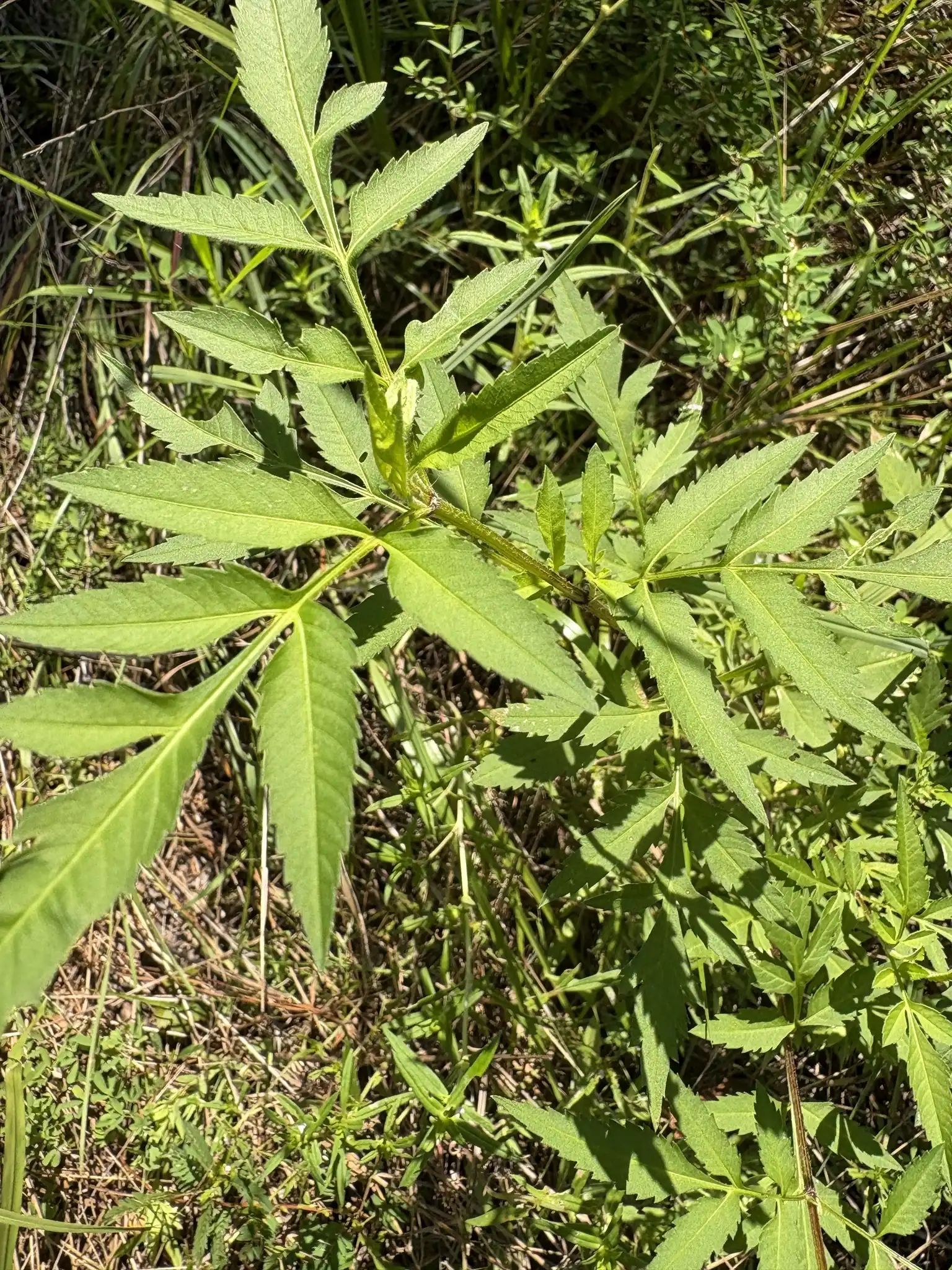
Bidens aristosa, the tickseed sunflower, is an upright annual reaching three to four feet in cultivation, with slender much-branched stems from a taproot and opposite leaves divided once or twice into toothed lance-shaped segments. The flower heads are yellow daisies two to three inches across with bright yellow rays around a yellow disk center, borne singly on long stalks from summer to fall.
It is set apart by finely cut foliage to six inches long and heads edged with long bracts and a dark-fringed eye, followed by flat barbed achenes that cling to clothing and fur. It finishes in one season and returns only from self-sown seed, and eastern plants are often adventive out of its central native range where it is easily confused with Bidens polylepis.
Uses & Benefits:
Essentials
At a Glance
Plant Type
Annual
Height
48"
Width
24"
Light
Full Sun, Partial Sun
Zones
4, 5, 6, 7, 8, 9, 10
Water
Medium to wet
Humidity
Tolerant
Lifespan
Annual
Native To
Central U.S.
Toxicity
Unknown
Bloom period
Summer – Fall
In flower about 6 months of the year
Planting
How to Grow
- Sow seed in spring after last frost where it will grow, thinning seedlings to 1 to 3 feet apart.
- Plant in full sun, with part shade tolerated, in loam, clay, or sand that stays moist.
- Water to establish and during dry spells; established taproots handle short drought but bloom best with moisture.
- Deadhead spent flowers before seed ripens to limit spread, or leave selected heads to self-sow.
- Pull spent plants after frost and thin volunteer seedlings in spring.
Pro Tip
Leave a few heads to ripen for self-sowing and deadhead the rest before the barbed seed ripens; cutting back will not make this annual return.
Keep It Thriving
Care Guide
Do
- Plant in full sun with room for branching.
- Keep soil moist through bud and bloom.
- Deadhead to control self-sowing if spread is unwanted.
Don't
- Do not expect plants to return from roots; this is an annual.
- Do not let barbed seed heads mature where you do not want volunteers.
- Do not hold plants over winter; start fresh from seed each spring.
Seasonal Care Calendar
| Task | Jan | Feb | Mar | Apr | May | Jun | Jul | Aug | Sep | Oct | Nov | Dec |
|---|---|---|---|---|---|---|---|---|---|---|---|---|
| Deadhead | ||||||||||||
| Pest Check | ||||||||||||
| Plant | ||||||||||||
| Propagate | ||||||||||||
| Spring Cleanup |
Watch Out For
Pests & Diseases
Common Pests
Common Diseases
In the Garden
Landscape Uses & Companions
Landscape Uses
Multiply
Propagation Methods
Good to Know
Common Questions
Swamp Marigold questions
What zones can Swamp Marigold grow in?
Swamp Marigold is an annual: it grows, flowers and sets seed in one season, so winter cold doesn't limit where it grows. Gardeners in any zone can grow it by planting at the right time, usually after the last spring frost.
When does Swamp Marigold bloom?
Swamp Marigold typically blooms from summer to fall. Exact timing shifts a week or two with your zone — Sow's bloom calendar maps it to your garden.
Does Swamp Marigold need full sun?
Swamp Marigold does best in full sun to part shade. In hot climates, afternoon shade keeps blooms fresher longer.
Is Swamp Marigold drought tolerant?
Yes — once established (usually after the first full season), Swamp Marigold handles dry spells with minimal watering. Water deeply its first year to build the root system that makes that possible.
More Bidens to compare
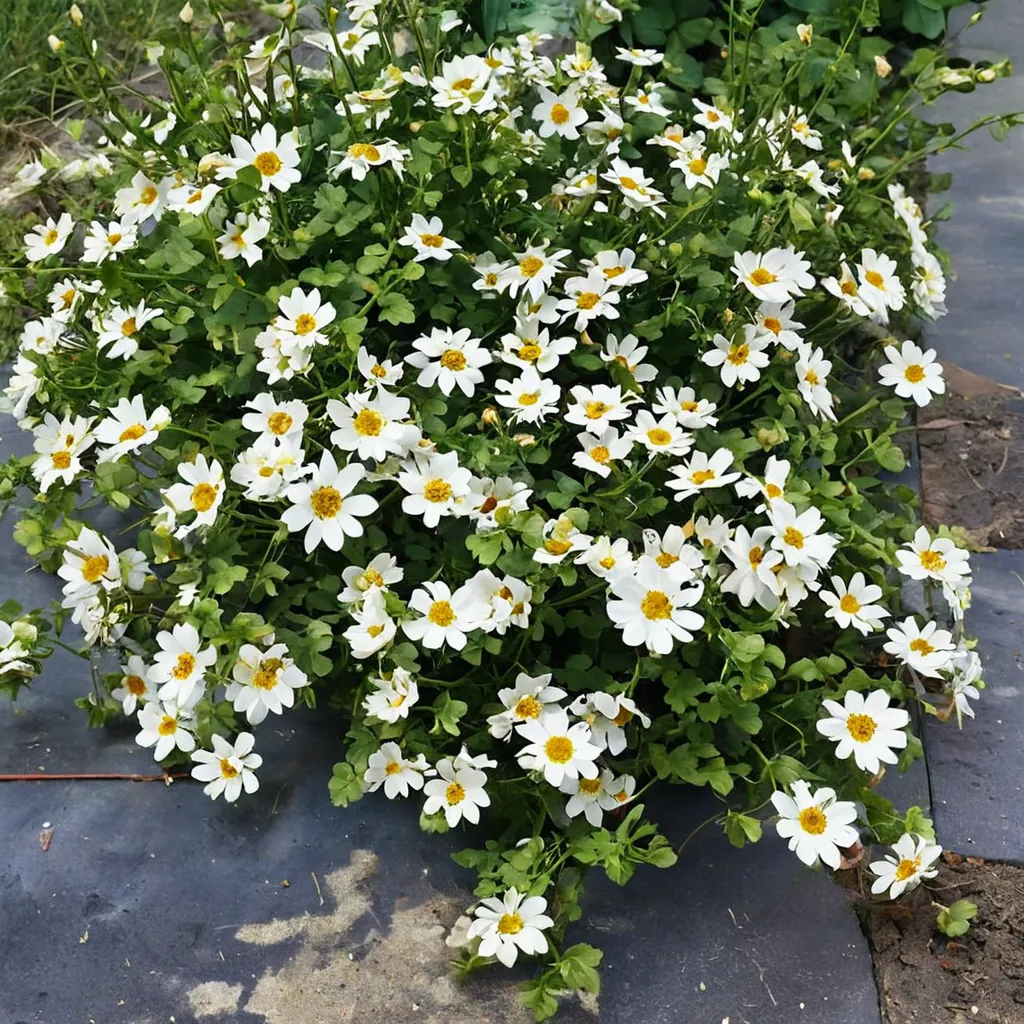
Bidens Hybrid Campfire Marshmallow
Bidens x hybrida 'Campfire Marshmallow'
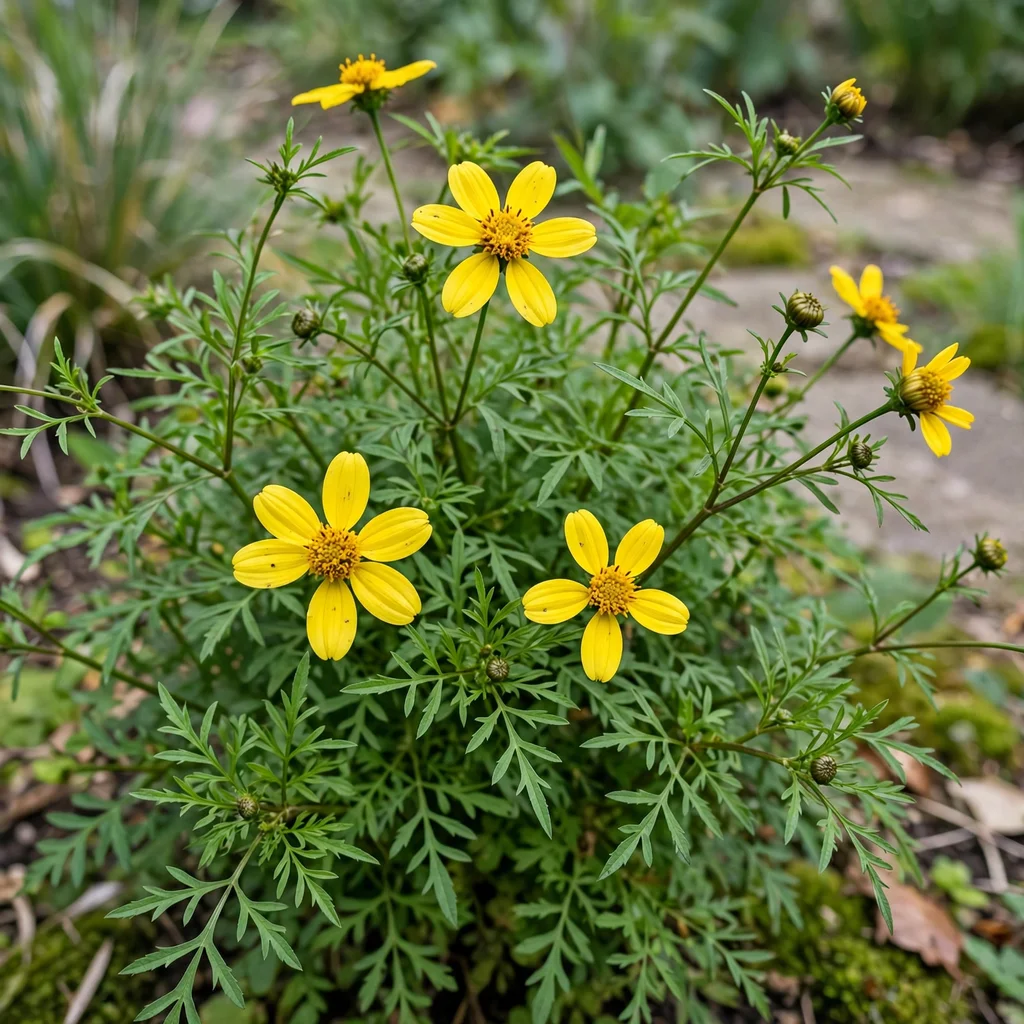
Fern-Leaved Beggarticks
Bidens ferulifolia
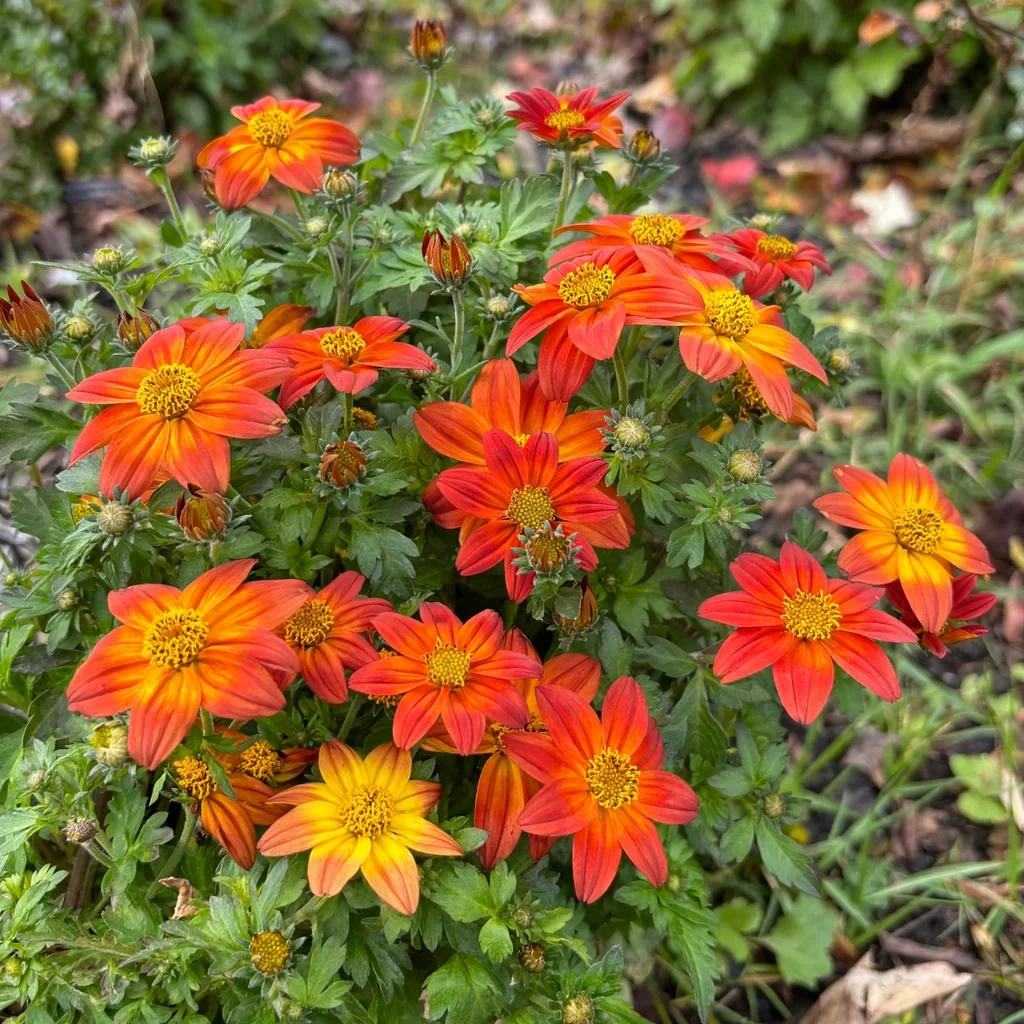
Bidens Campfire Flame
Bidens x hybrida 'Campfire Flame'
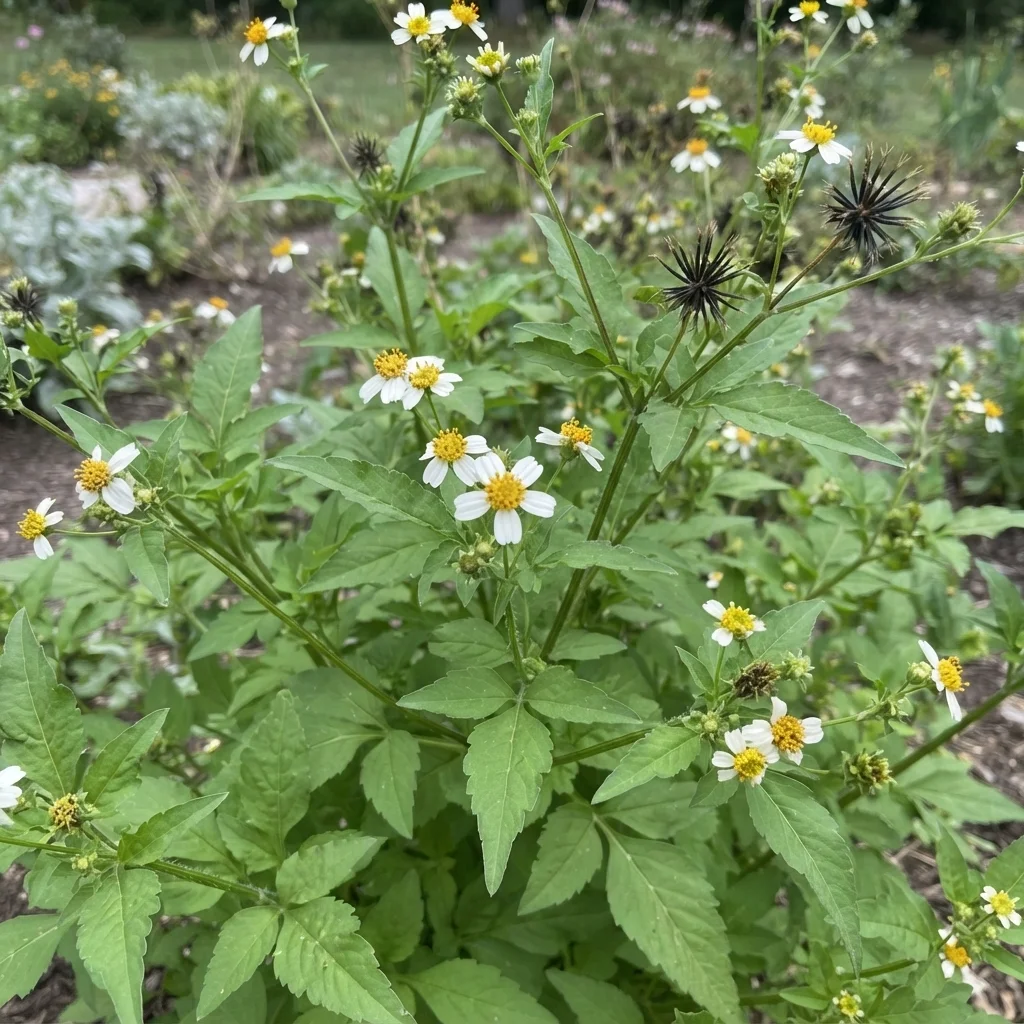
Hairy Beggar-Ticks
Bidens pilosa
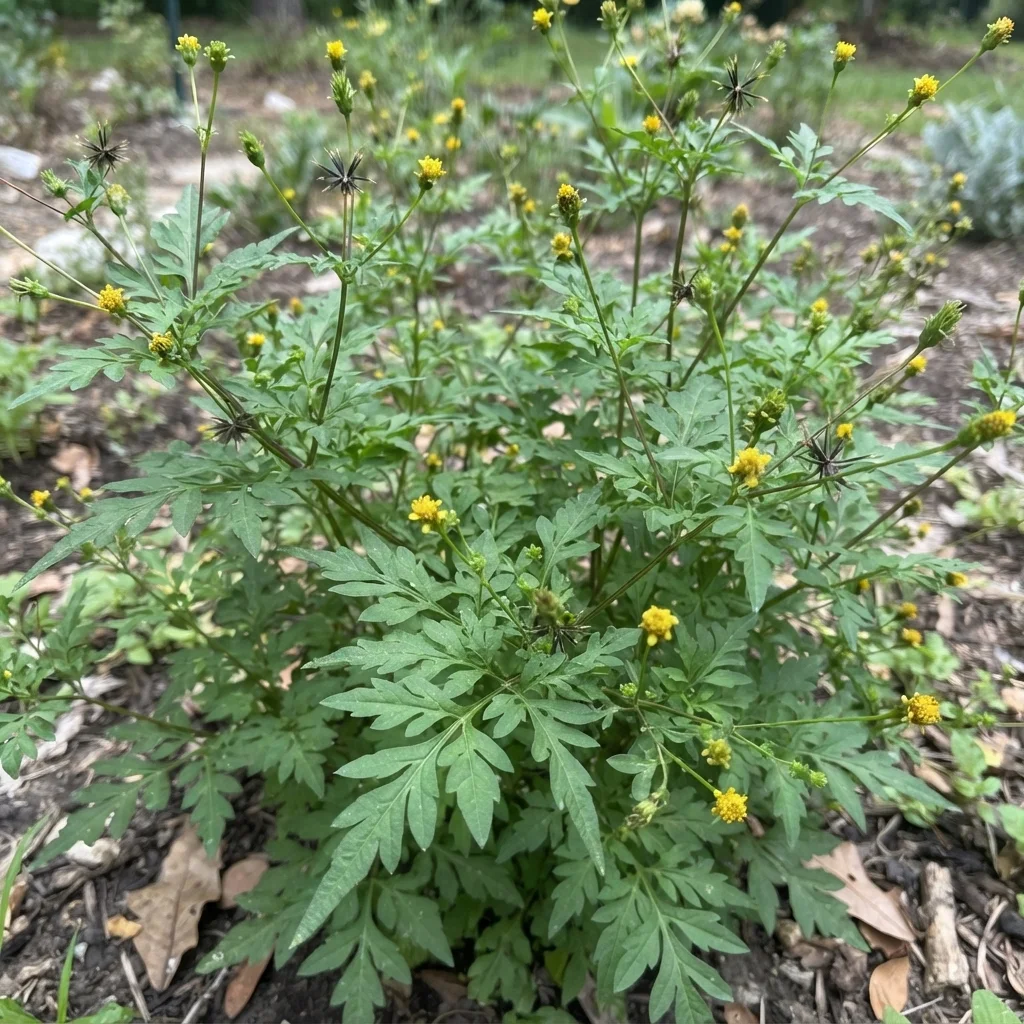
Spanish Needles
Bidens bipinnata
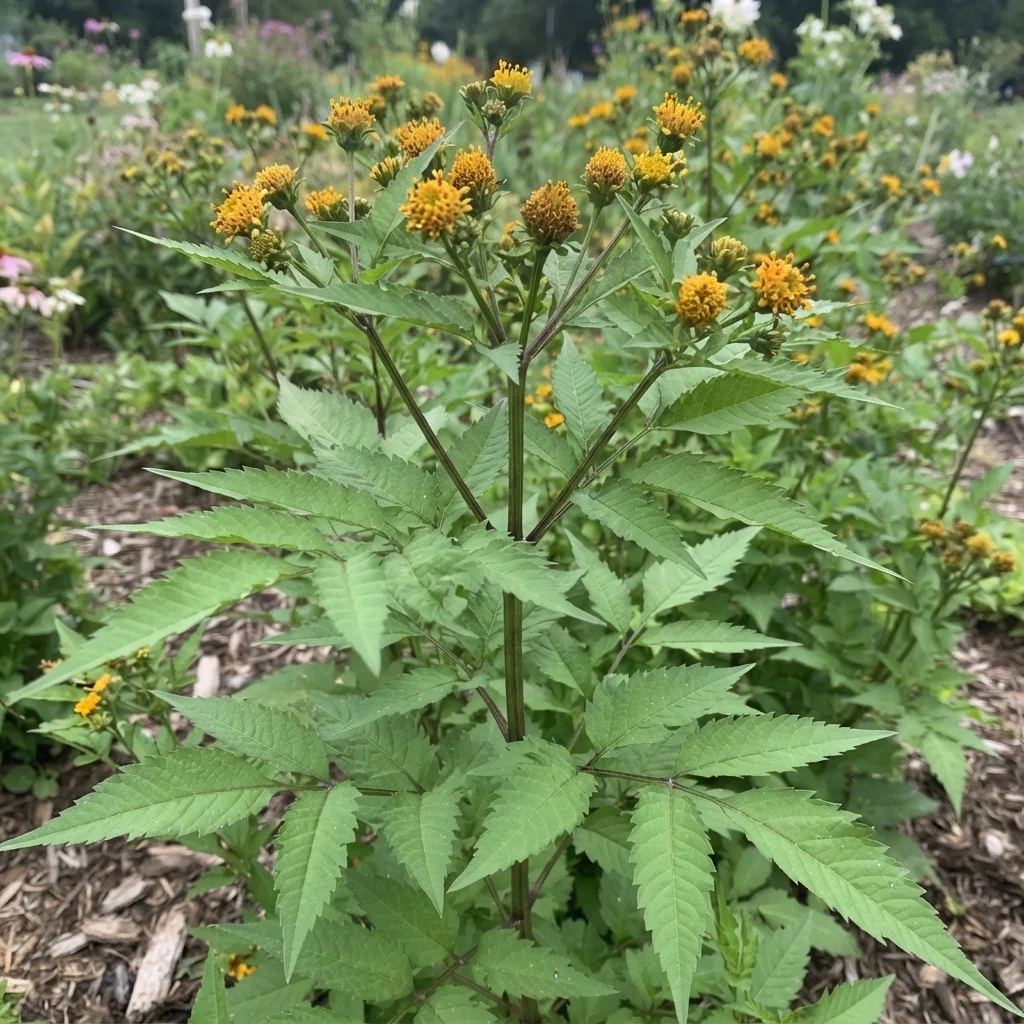
Devil's Beggarticks
Bidens frondosa
Keep exploring
Explore the genus
Grow Swamp Marigold with confidence
See it in a design of your actual yard, get zone-matched care reminders, and track it season by season in your garden journal.