
The Story
Plant Bio
Quercus suber is a medium to large evergreen oak forming a broad rounded crown on low, often twisted branches with downy young twigs. The leaves are leathery ovate blades five to ten centimeters long, glossy dark green above and gray-felted beneath, with wavy spiny-toothed margins that fall in their second year.
What sets it apart from other evergreen oaks is its massively thick, deeply fissured reddish-brown cork bark that reaches thirty centimeters thick and regrows after harvest. It bears small yellow-green wind-pollinated catkins in spring followed by narrow oval acorns to three centimeters long seated in deep cups fringed with elongated scales.
Uses & Benefits:
Essentials
At a Glance
Plant Type
Tree
Height
840"
Width
840"
Light
Full Sun, Partial Sun
Zones
8, 9, 10
Water
Low
Humidity
Low
Lifespan
250 years
Native To
SW Europe, NW Africa
Toxicity
Non-toxic
Bloom period
Spring
In flower about 3 months of the year
Marketplace
Where to Buy
Shipping costs Year-round shipping Free shipping
Planting
How to Grow
- Plant in fall or spring in full sun with 40 feet or more of clear space for the broad crown.
- Dig into well-drained acidic loam and set the root crown level with the soil surface.
- Water deeply at planting, then water sparingly; keep the root zone dry to medium once established.
- Maintain a wide mulch ring clear of the trunk to suppress weeds and conserve moisture.
- Stake young trees only until anchored, then remove stakes to let the trunk strengthen.
Pro Tip
Give it deep well-drained acid ground and withhold summer water once established; annual hard pruning and wet soil shorten a tree that can live 250 years.
Keep It Thriving
Care Guide
Do
- Plant in well-drained acidic soil in full sun.
- Water young trees sparingly and reduce irrigation once established.
- Leave cork bark intact to regrow.
Don't
- Do not plant in wet or poorly drained ground.
- Do not overwater seed pots; saturated mix rots the seed.
- Do not cut back hard into old wood every year.
Seasonal Care Calendar
| Task | Jan | Feb | Mar | Apr | May | Jun | Jul | Aug | Sep | Oct | Nov | Dec |
|---|---|---|---|---|---|---|---|---|---|---|---|---|
| Mulch | ||||||||||||
| Pest Check | ||||||||||||
| Plant | ||||||||||||
| Propagate | ||||||||||||
| Prune |
Watch Out For
Pests & Diseases
Common Pests
Common Diseases
In the Garden
Landscape Uses & Companions
Landscape Uses
Companion Plants
Multiply
Propagation Methods
Good to Know
Common Questions
Cork Oak questions
What zones can Cork Oak grow in?
Cork Oak is hardy in USDA Zones 8–10: in that range it survives winter in the ground. Colder than Zone 8, winters are too cold for it to survive outdoors.
When does Cork Oak bloom?
Cork Oak typically blooms in spring. Exact timing shifts a week or two with your zone — Sow's bloom calendar maps it to your garden.
Does Cork Oak need full sun?
Cork Oak does best in full sun to part shade. In hot climates, afternoon shade keeps blooms fresher longer.
Is Cork Oak drought tolerant?
Yes — once established (usually after the first full season), Cork Oak handles dry spells with minimal watering. Water deeply its first year to build the root system that makes that possible.
More Quercus to compare
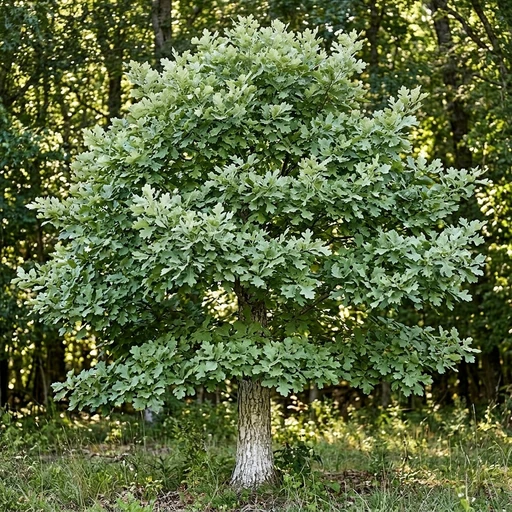
White Oak
Quercus alba
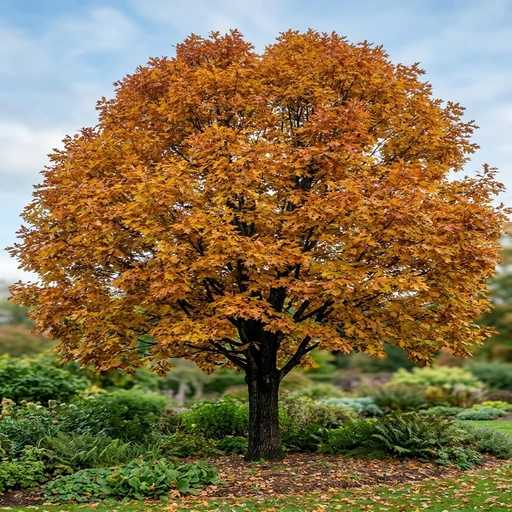
Black Oak
Quercus velutina
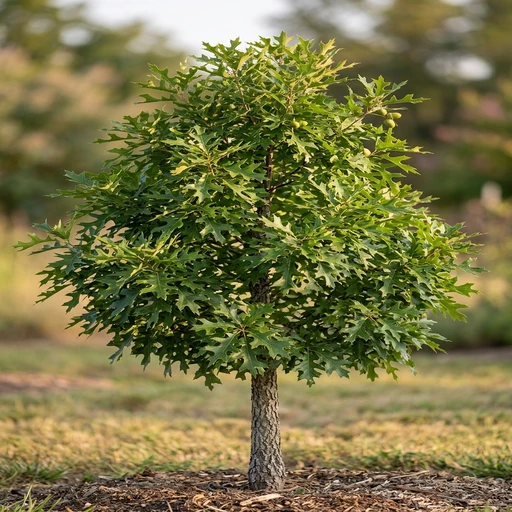
Nuttall Oak
Quercus texana
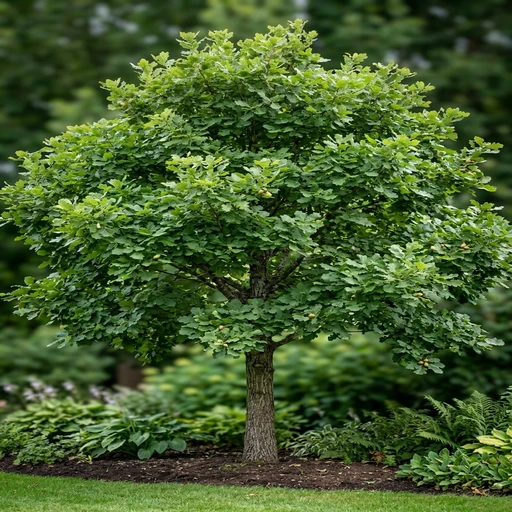
English Oak
Quercus robur
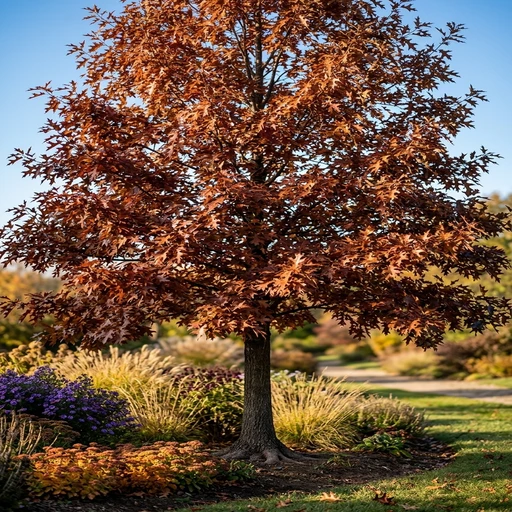
Pin Oak
Quercus palustris
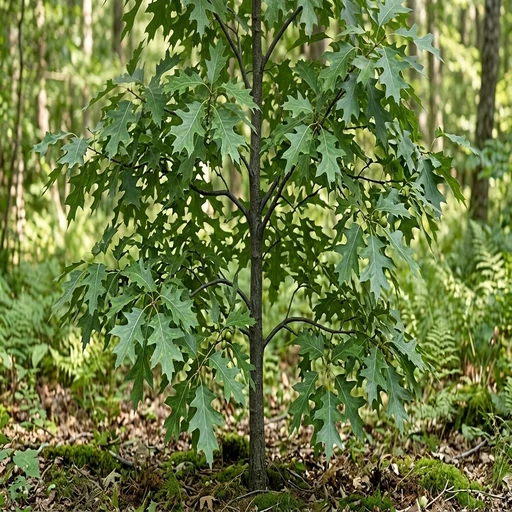
Scarlet Oak
Quercus coccinea
Keep exploring
Explore the genus
Hardy in your zone?
Grow Cork Oak with confidence
See it in a design of your actual yard, get zone-matched care reminders, and track it season by season in your garden journal.