The Story
Plant Bio
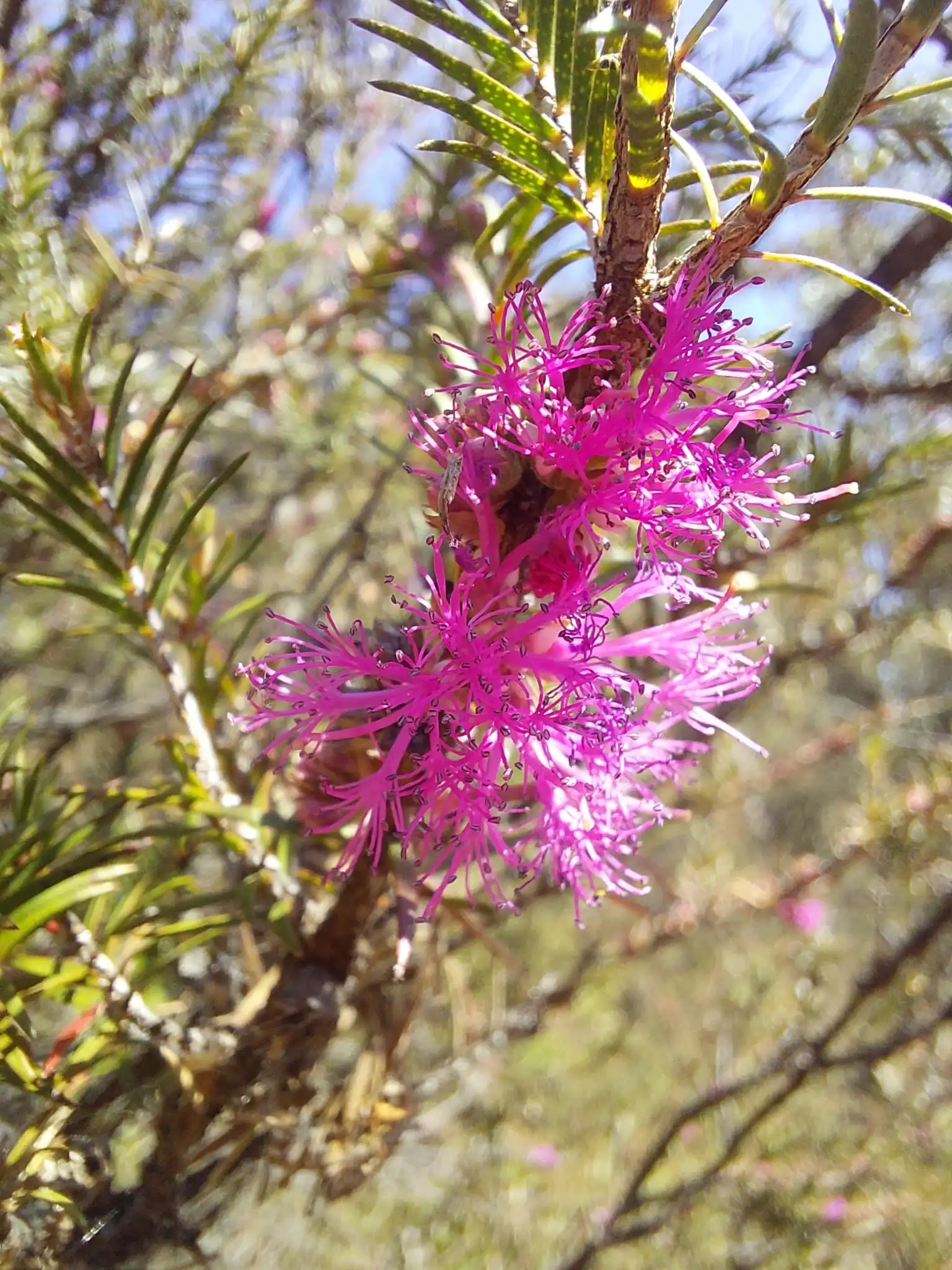
Melaleuca wilsonii is a low, spreading evergreen shrub from south-eastern Australia, reaching four to five feet high and seven feet across with rough, flaking bark and small, opposite linear leaves that release a lemon scent when bruised. The flowers are lateral clusters of mauve to purple stamen bundles borne directly on older wood, opening in spring to early summer and leaving persistent woody capsules on the stems.
Unlike tip-flowering bottlebrush relatives, this species carries two to five flowers crowded on very short axes along older stems, forming almost continuous feathery bands more than four inches long. It tolerates both seasonal waterlogging and drought, withstands frost and alkaline limestone soils, and holds dull deep-green oil-dotted foliage on hairy young shoots.
Uses & Benefits:
Essentials
At a Glance
Plant Type
Shrub
Height
60"
Width
80"
Light
Full Sun
Zones
9, 10
Water
Low
Humidity
Unknown
Lifespan
Long-lived shrub
Native To
Southeastern Australia
Toxicity
Unknown
Bloom period
Spring – Summer
In flower about 6 months of the year
Planting
How to Grow
- Plant in spring in full sun after frost risk has passed, in sand, loam or clay that drains freely.
- Set at the same depth as in the pot and water deeply to settle the soil.
- Water regularly through the first summer to establish, then reduce to occasional deep watering.
- Tip-prune lightly after flowering to keep a dense shape; do not cut heavily into old leafless wood.
- Fertilize lightly after flowering only if growth is weak.
Pro Tip
Tip-prune lightly after flowering; shearing before spring removes buds on older wood and cancels the season's bloom.
Keep It Thriving
Care Guide
Do
- Plant in full sun with open airflow around the crown
- Water deeply until established, then grow on the dry side
- Tip-prune lightly after flowering to promote bushy growth
Don't
- Do not shear before spring - flowers form only on older wood
- Do not cut heavily into old leafless stems
- Do not confuse with Melaleuca quinquenervia - this species is not naturalized or listed as noxious
Seasonal Care Calendar
| Task | Jan | Feb | Mar | Apr | May | Jun | Jul | Aug | Sep | Oct | Nov | Dec |
|---|---|---|---|---|---|---|---|---|---|---|---|---|
| Fertilize | ||||||||||||
| Pest Check | ||||||||||||
| Plant | ||||||||||||
| Prune |
Watch Out For
Pests & Diseases
Common Pests
Common Diseases
In the Garden
Landscape Uses & Companions
Landscape Uses
Multiply
Propagation Methods
Good to Know
Common Questions
Violet Honey Myrtle questions
What zones can Violet Honey Myrtle grow in?
Violet Honey Myrtle is hardy in USDA Zones 9–10: in that range it survives winter in the ground. Colder than Zone 9, grow it in a container you can move to shelter for the winter.
When does Violet Honey Myrtle bloom?
Violet Honey Myrtle typically blooms from spring to summer. Exact timing shifts a week or two with your zone — Sow's bloom calendar maps it to your garden.
Does Violet Honey Myrtle need full sun?
Violet Honey Myrtle does best in full sun (6+ hours).
Is Violet Honey Myrtle drought tolerant?
Yes — once established (usually after the first full season), Violet Honey Myrtle handles dry spells with minimal watering. Water deeply its first year to build the root system that makes that possible.
More Melaleuca to compare
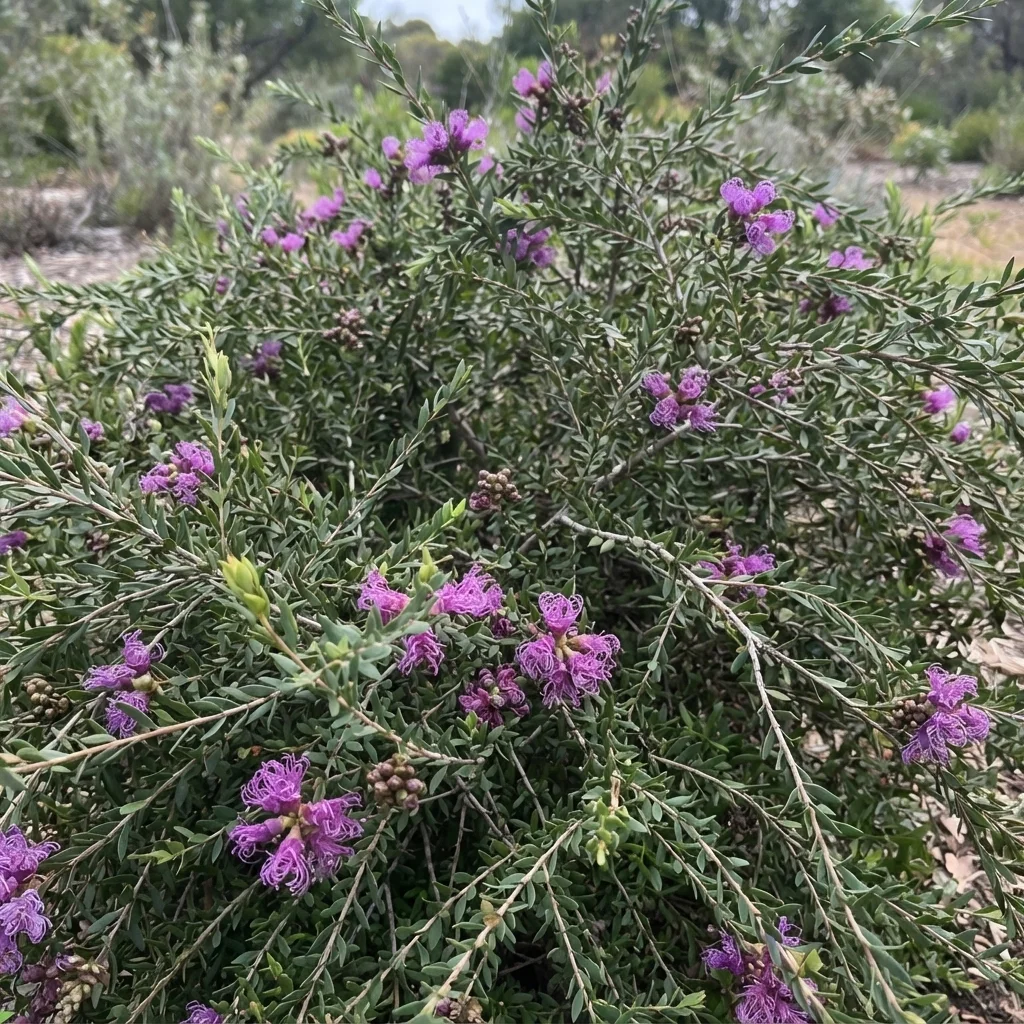
Thymeleaf Melaleuca
Melaleuca thymifolia
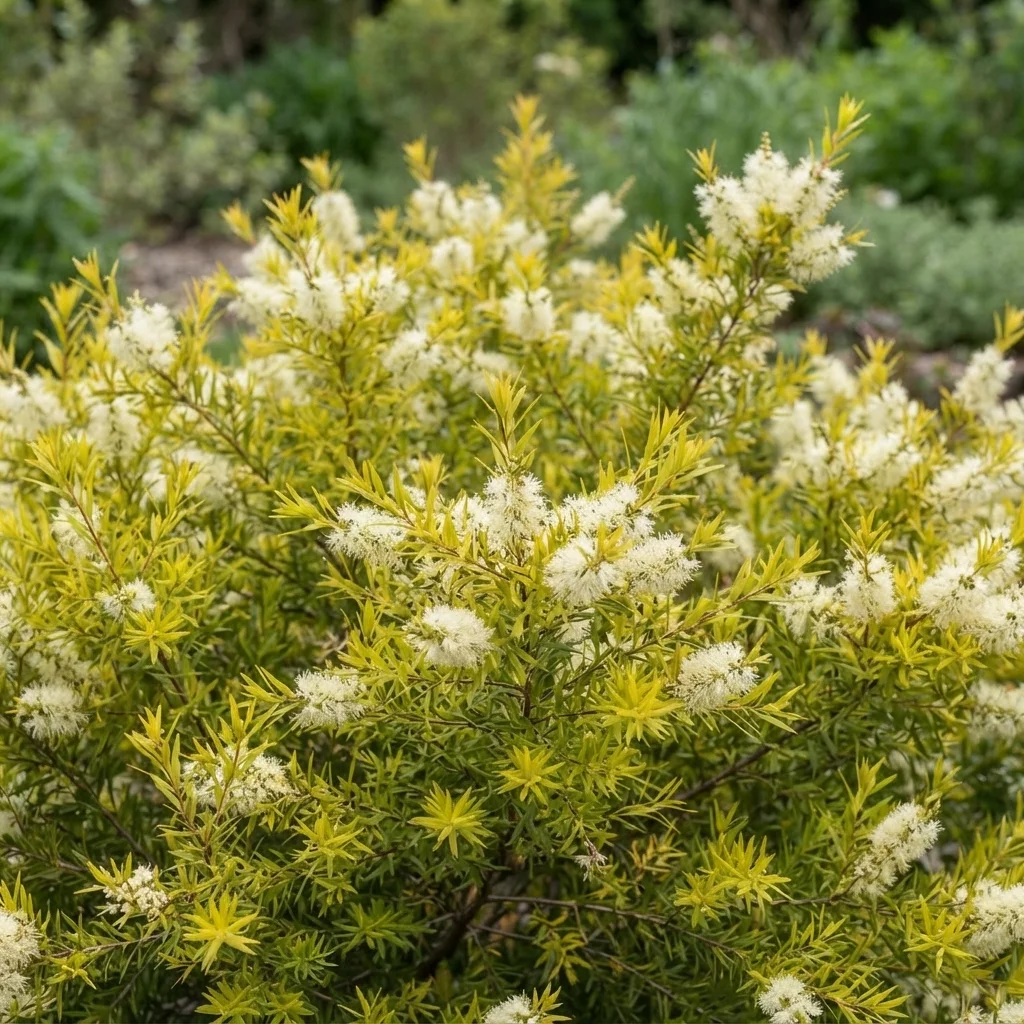
Golden Melaleuca
Melaleuca bracteata 'Golden Gem'
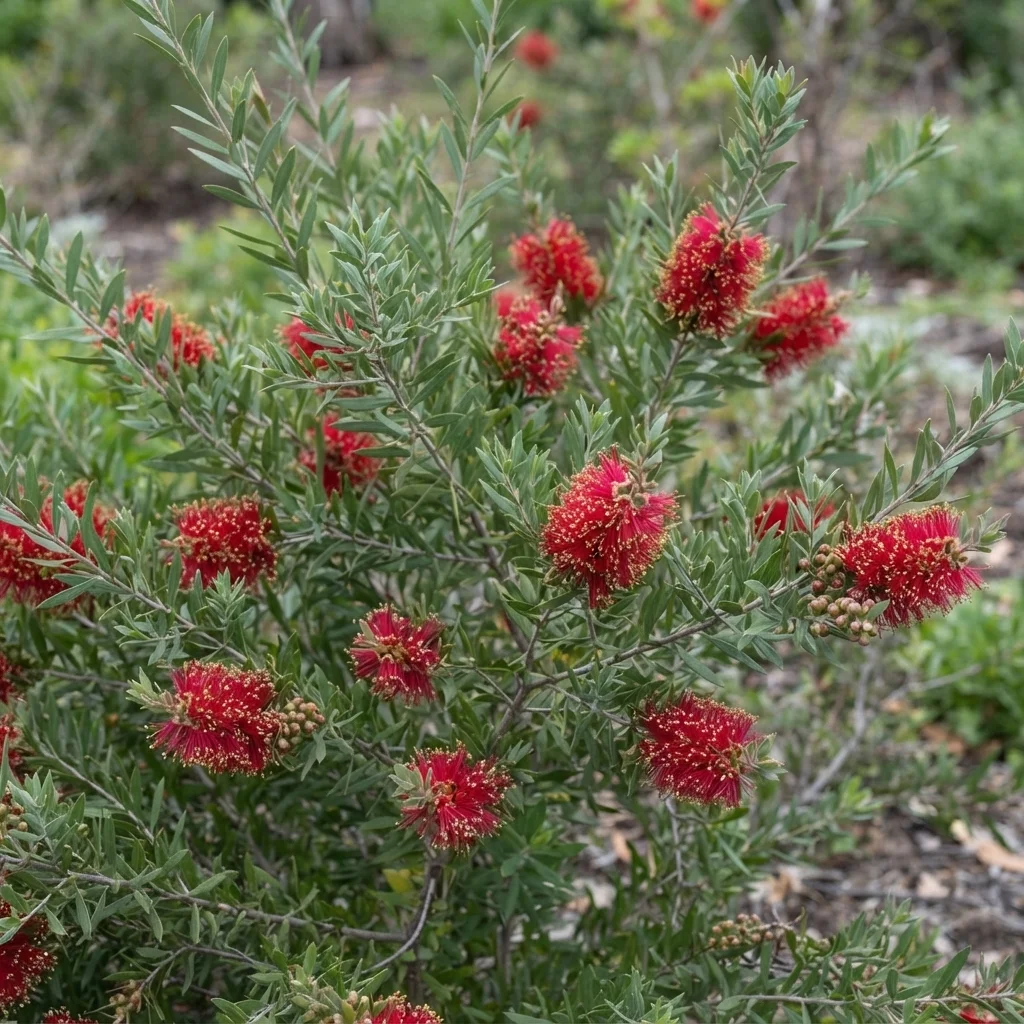
Scarlet Honey Myrtle
Melaleuca fulgens
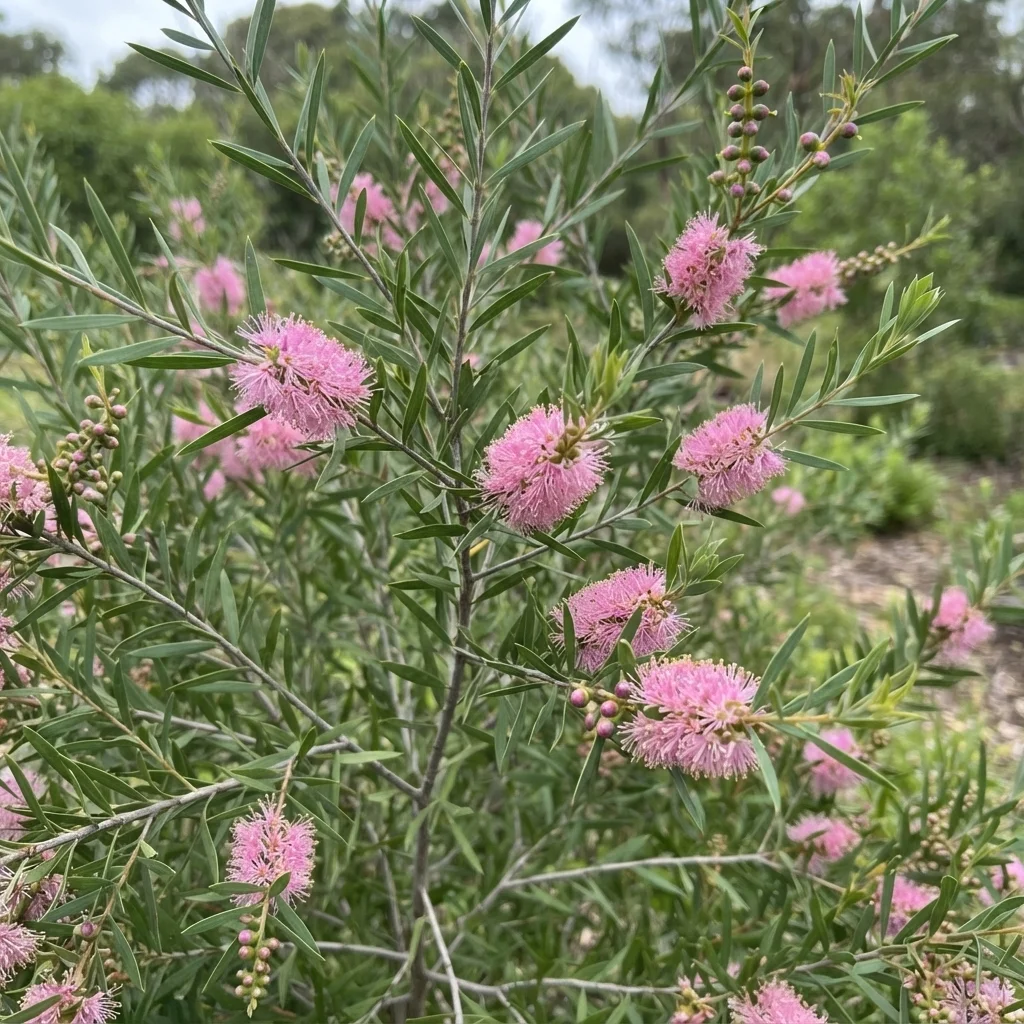
Graceful Honey-myrtle
Melaleuca radula
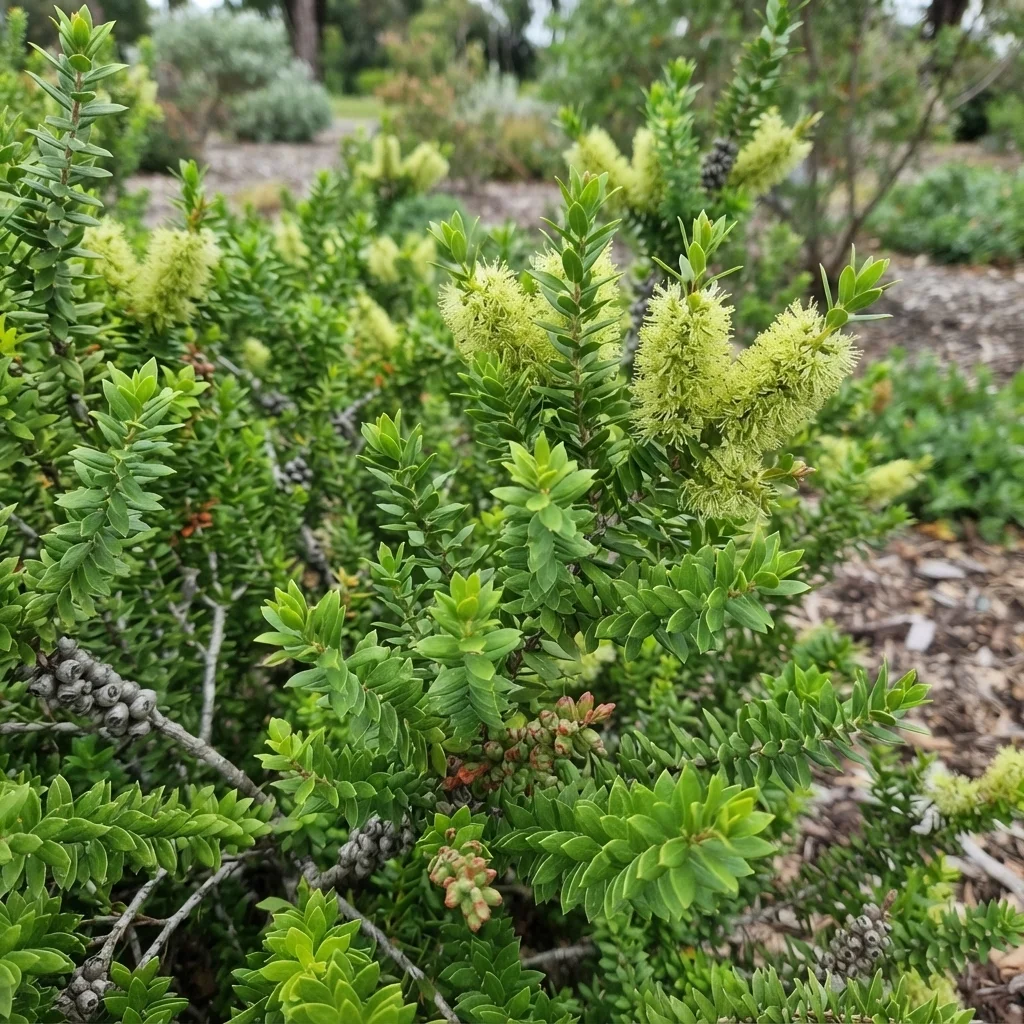
Green Honey Myrtle
Melaleuca diosmifolia
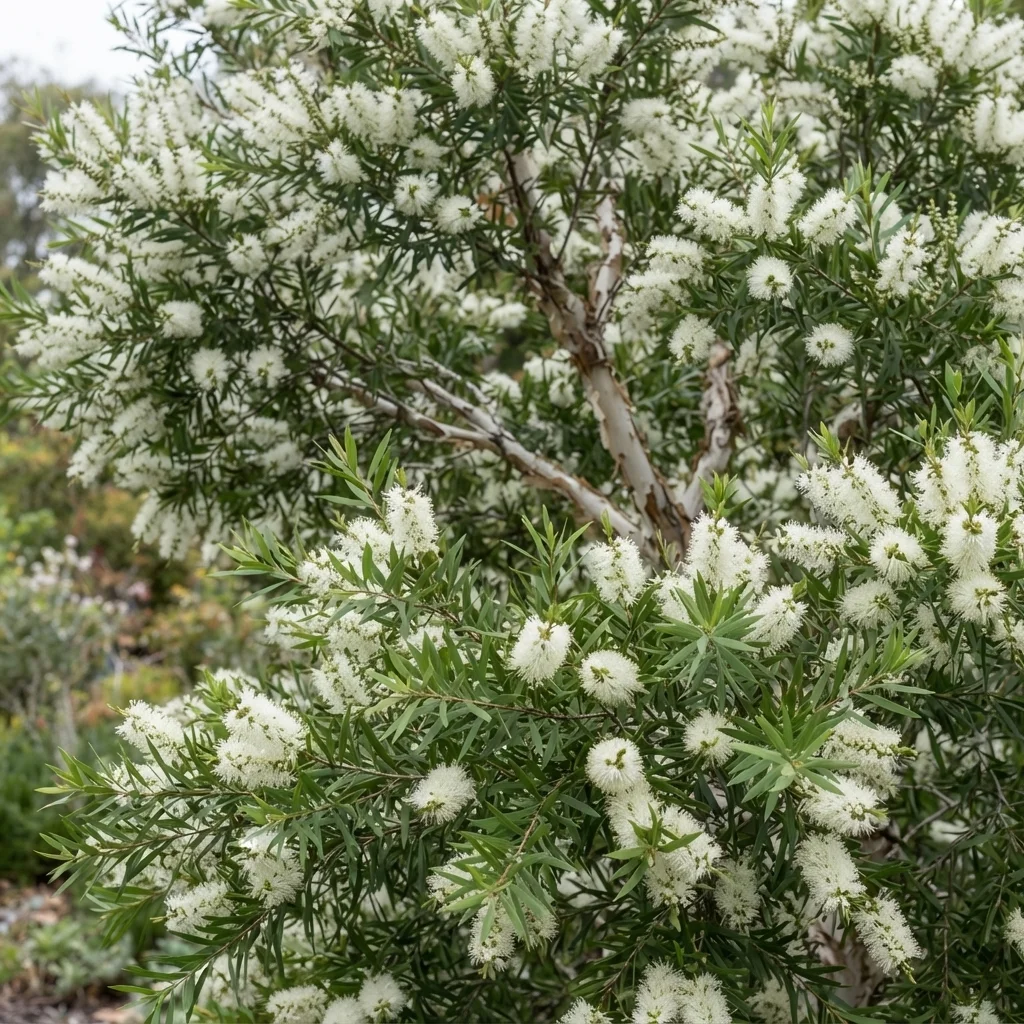
Snow-in-summer
Melaleuca linariifolia
Keep exploring
Explore the genus
Hardy in your zone?
Grow Violet Honey Myrtle with confidence
See it in a design of your actual yard, get zone-matched care reminders, and track it season by season in your garden journal.