The Story
Plant Bio
Aralia spinosa is a suckering deciduous shrub of central and eastern North America that reaches 10 to 20 feet in gardens with a few stout unbranched stems bare below and umbrella-like crowns above. Its alternate leaves are twice to three times divided and 2 to 5 feet long and wide, turning pale yellow to dull purple-brown in fall.
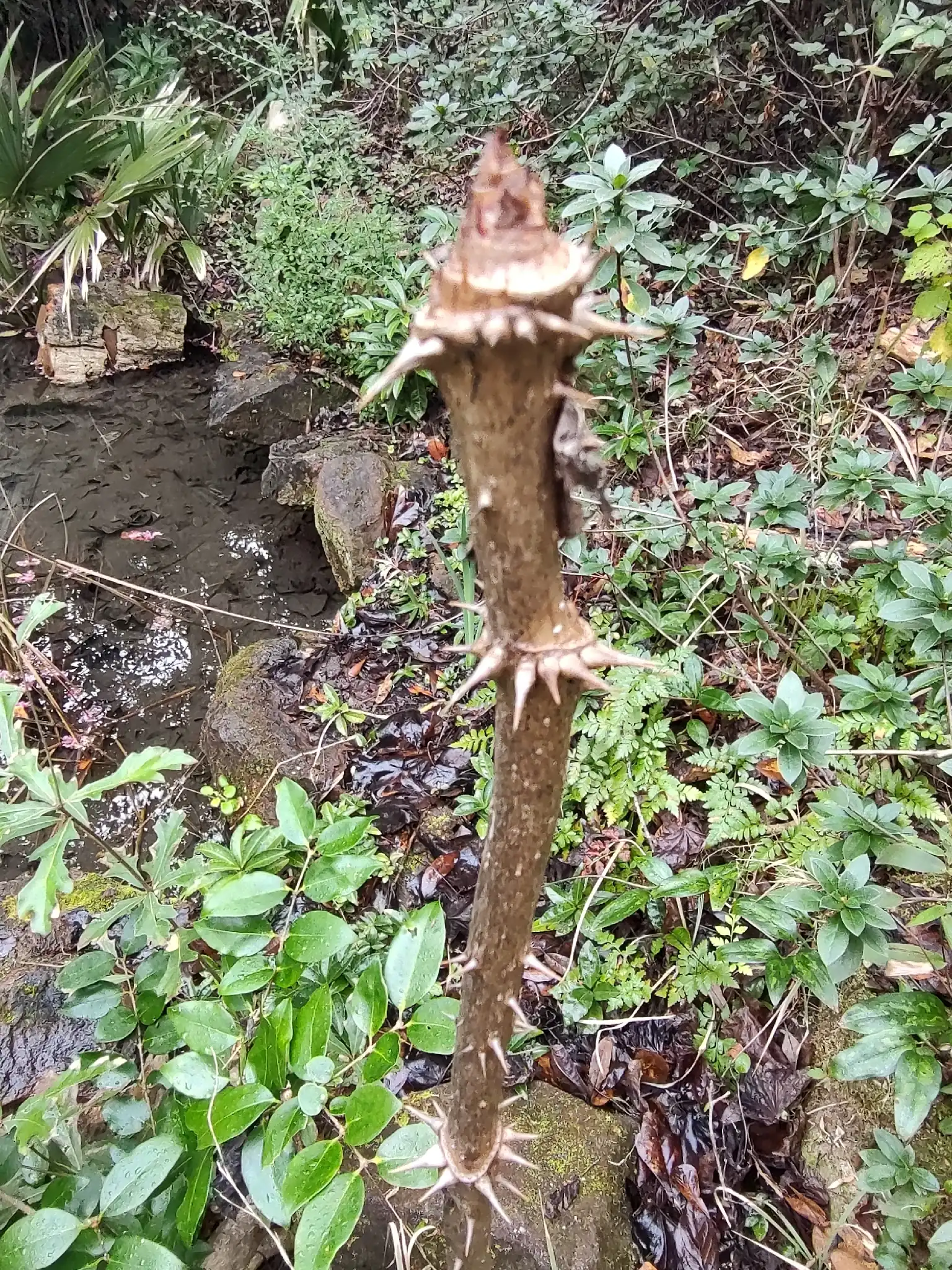
Stems, branches and leaf stalks carry stout sharp spines that make mature clumps impassable and demand siting away from paths. In summer each stem ends in a 1 to 2 foot branched head of tiny white flowers on purple stalks, followed by black-purple drupes on bright pink stalks that birds strip in fall.
Uses & Benefits:
Essentials
At a Glance
Plant Type
Shrub
Height
240"
Width
120"
Light
Full Sun, Partial Sun
Zones
4, 5, 6, 7, 8, 9
Water
Medium
Humidity
Unknown
Lifespan
Long-lived deciduous shrub
Native To
Central and eastern U.S.A.
Toxicity
Poisonous; spines injure, bark and roots irritate skin
Bloom period
Summer – Early fall
In flower about 4 months of the year
Planting
How to Grow
- Plant in full sun to part shade in average well-drained soil, preferably moist fertile loam.
- Set the crown at soil level, water deeply, then mulch 2 to 3 inches while keeping mulch off the stem.
- Shelter from strong wind to keep the huge leaves from shredding.
- Remove unwanted root suckers promptly through the growing season to hold its footprint.
- Site away from walks and play areas where spines cannot injure people or pets.
Pro Tip
Give it room to sucker at a woodland margin out of foot traffic; forcing it into a small bed guarantees years of sucker removal and painful pruning.
Keep It Thriving
Care Guide
Do
- Plant in moist fertile loam in full sun to part shade
- Water through establishment and shelter large leaves from wind
- Pull or cut root suckers promptly to prevent thicket spread
Don't
- Do not plant beside paths, patios or play areas where spines injure
- Do not let suckers and seedlings establish if you want a single specimen
- Do not handle stems, bark or roots without gloves and long sleeves
Seasonal Care Calendar
| Task | Jan | Feb | Mar | Apr | May | Jun | Jul | Aug | Sep | Oct | Nov | Dec |
|---|---|---|---|---|---|---|---|---|---|---|---|---|
| Mulch | ||||||||||||
| Pest Check | ||||||||||||
| Plant | ||||||||||||
| Propagate | ||||||||||||
| Prune |
Watch Out For
Pests & Diseases
Common Pests
Common Diseases
In the Garden
Landscape Uses & Companions
Landscape Uses
Multiply
Propagation Methods
Good to Know
Common Questions
Devil's Walking Stick questions
What zones can Devil's Walking Stick grow in?
Devil's Walking Stick is hardy in USDA Zones 4–9: in that range it survives winter in the ground. Warmer than Zone 9, winter isn't the problem: it prefers colder winters, and summer heat can shorten its life.
Is Devil's Walking Stick deer resistant?
Not reliably. Deer may browse Devil's Walking Stick, especially tender spring growth — plan on repellents or fencing where pressure is high.
When does Devil's Walking Stick bloom?
Devil's Walking Stick typically blooms from early summer to early fall. Exact timing shifts a week or two with your zone — Sow's bloom calendar maps it to your garden.
Does Devil's Walking Stick need full sun?
Devil's Walking Stick does best in full sun to part shade. In hot climates, afternoon shade keeps blooms fresher longer.
Is Devil's Walking Stick drought tolerant?
Yes — once established (usually after the first full season), Devil's Walking Stick handles dry spells with minimal watering. Water deeply its first year to build the root system that makes that possible.
More Aralia to compare
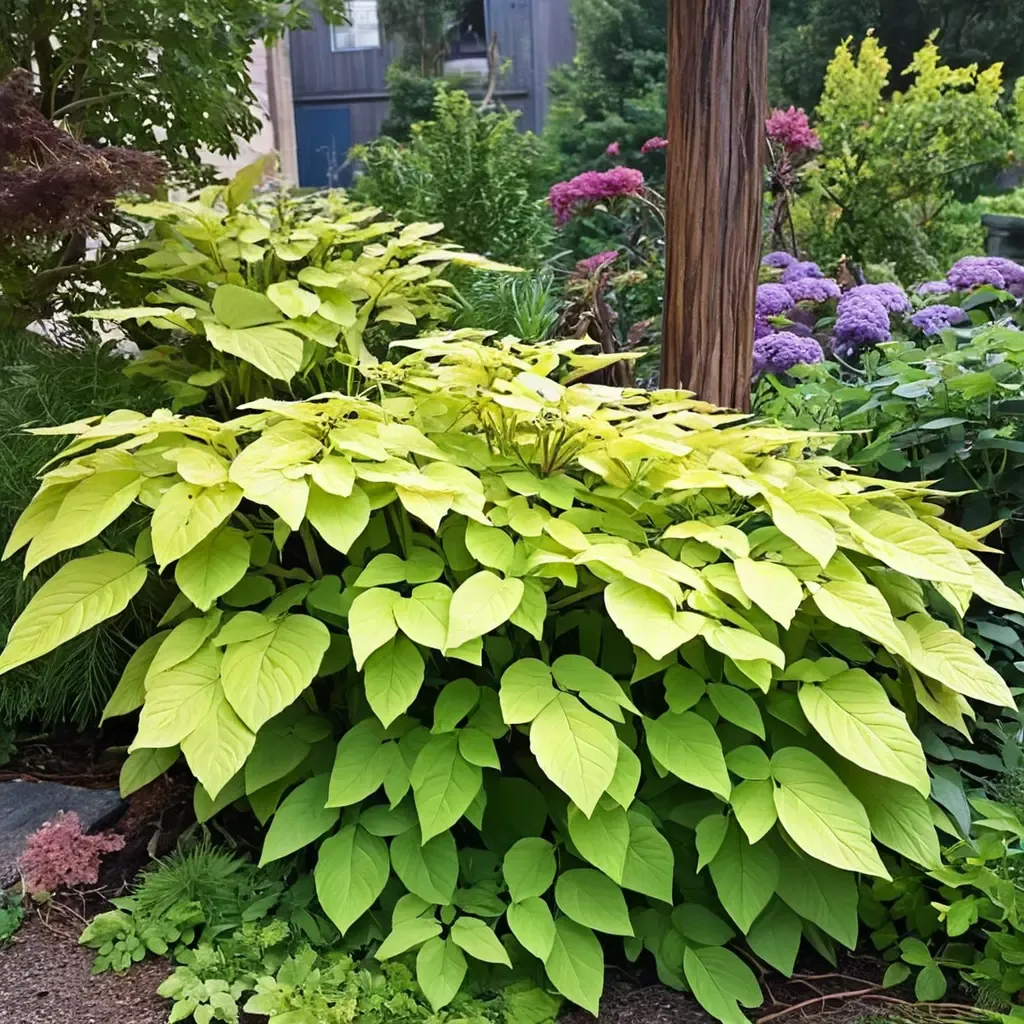
Sun King Japanese Spikenard
Aralia cordata 'Sun King'
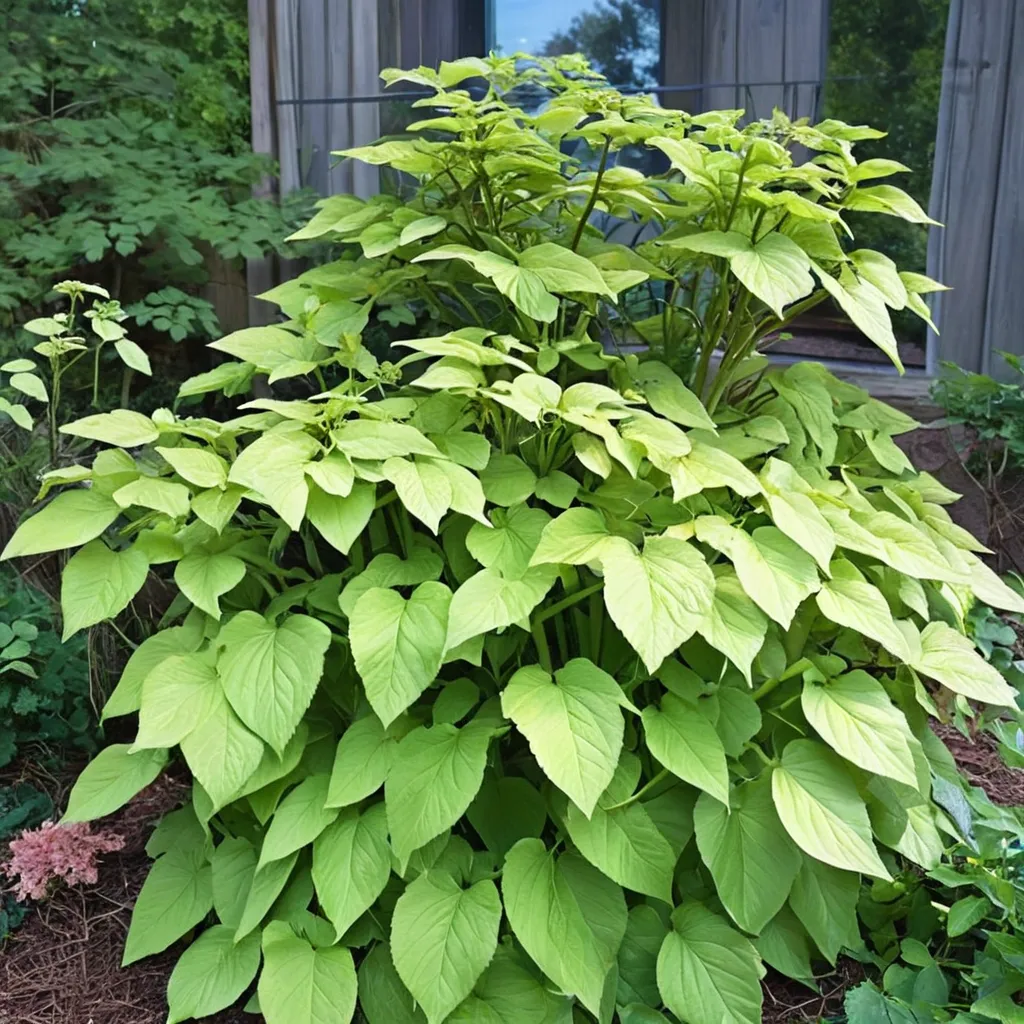
Japanese Spikenard
Aralia cordata
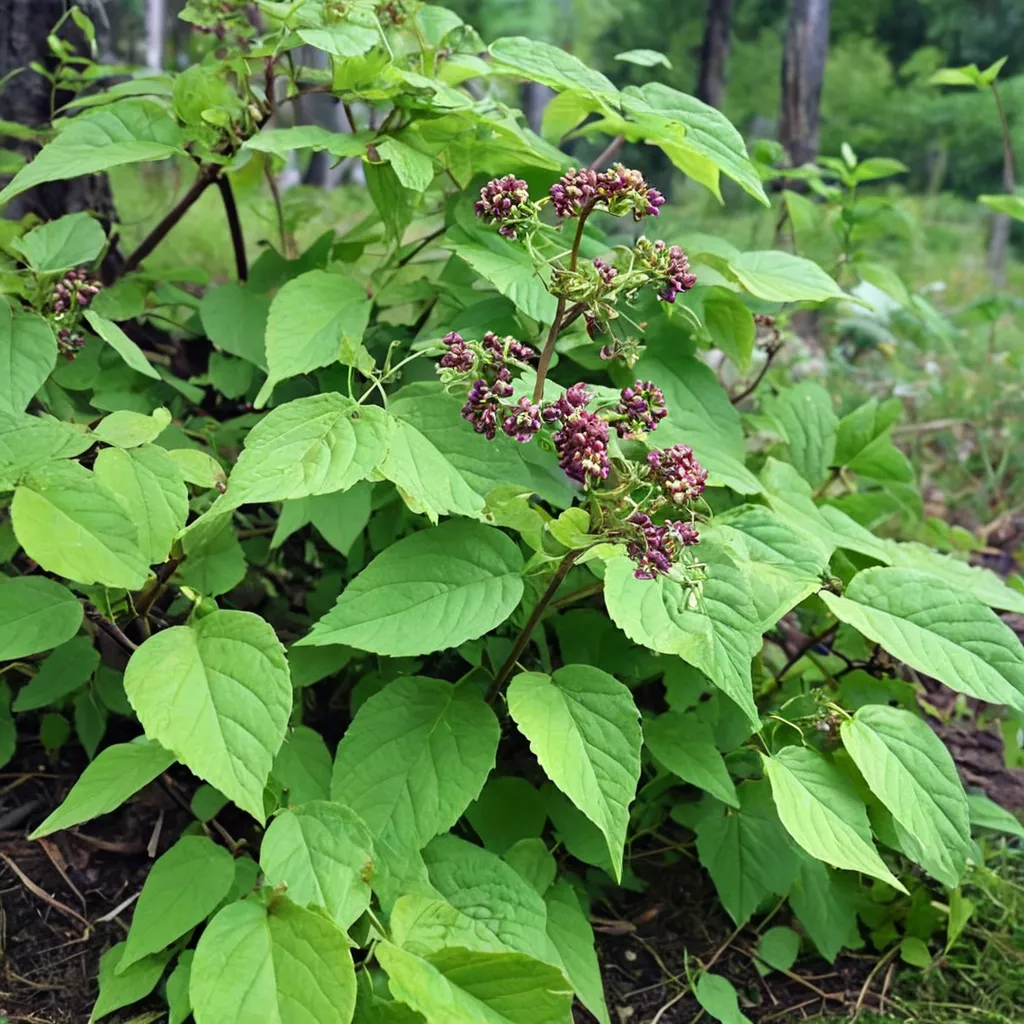
American Spikenard
Aralia racemosa
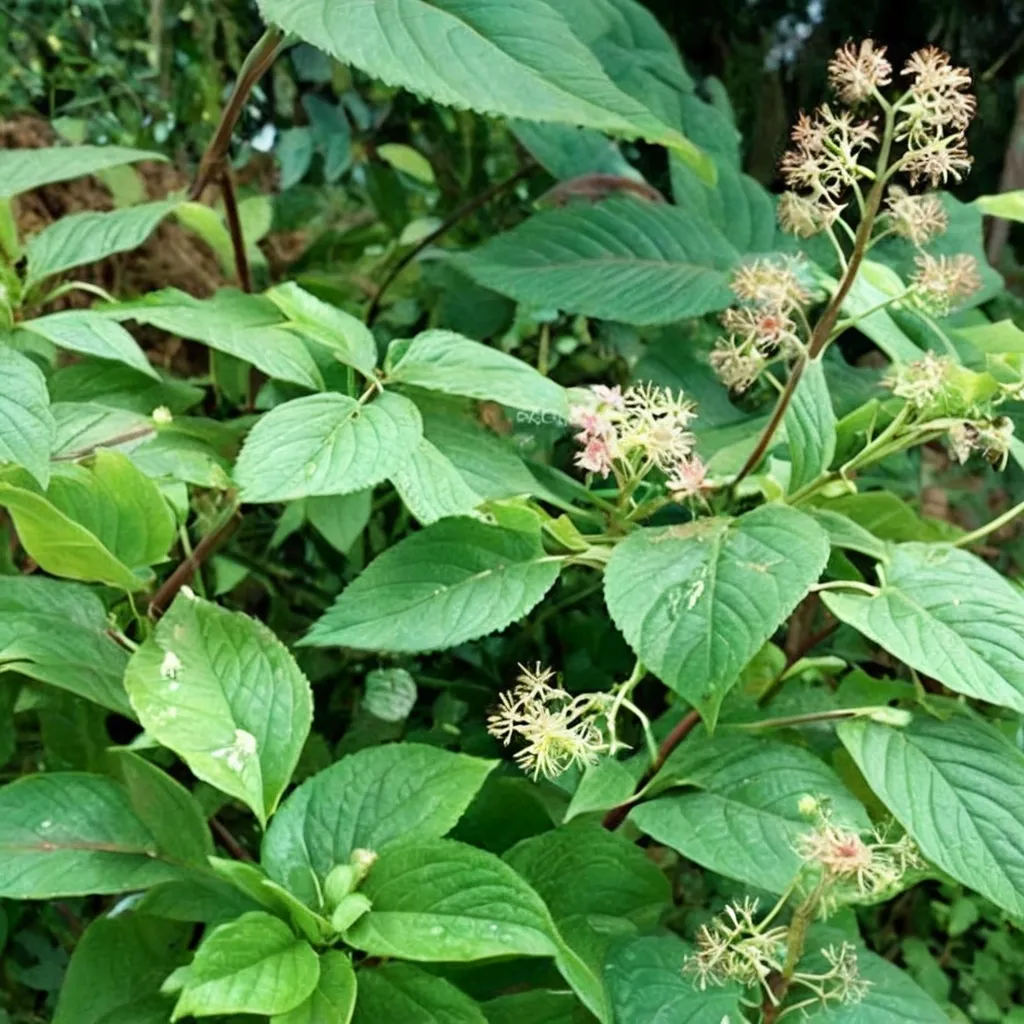
Kashmir Aralia
Aralia cachemirica
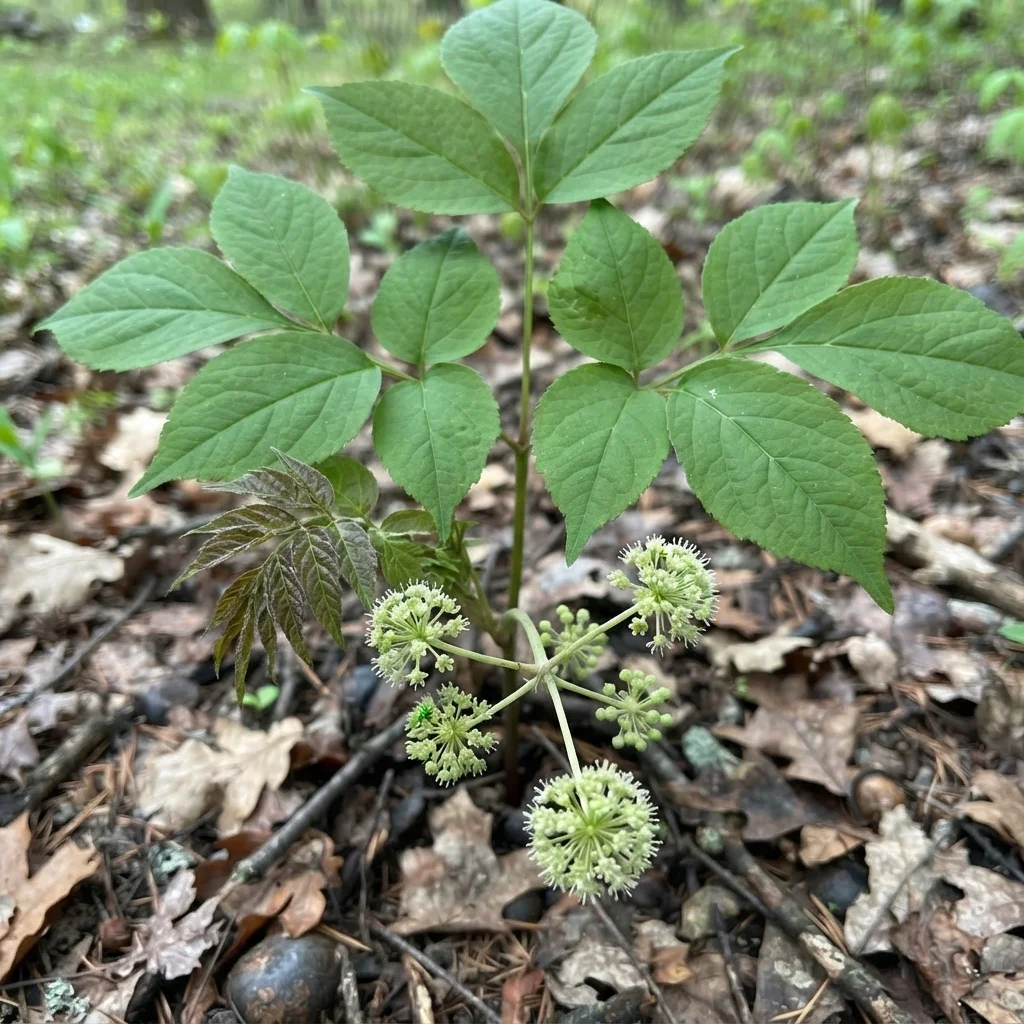
Wild Sarsaparilla
Aralia nudicaulis
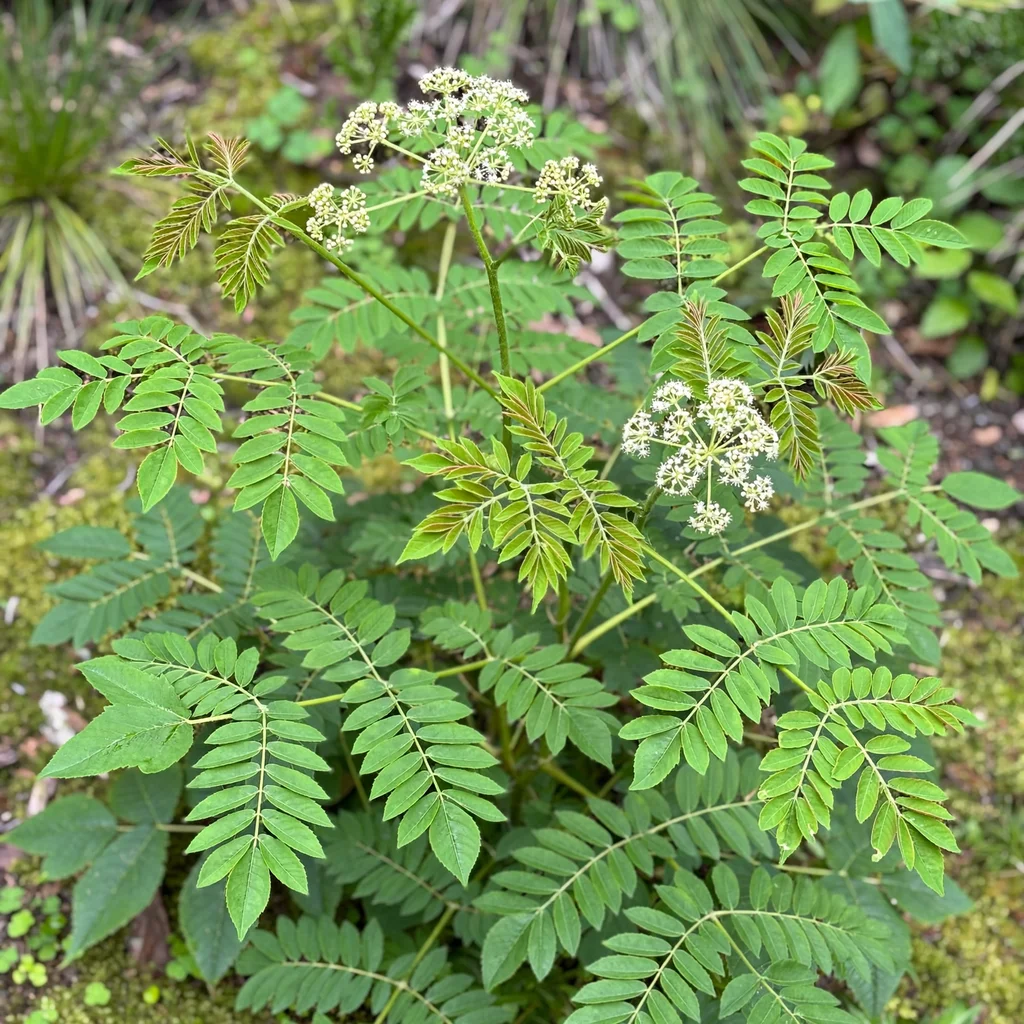
California Spikenard
Aralia californica
Keep exploring
Explore the genus
Grow Devil's Walking Stick with confidence
See it in a design of your actual yard, get zone-matched care reminders, and track it season by season in your garden journal.