The Story
Plant Bio
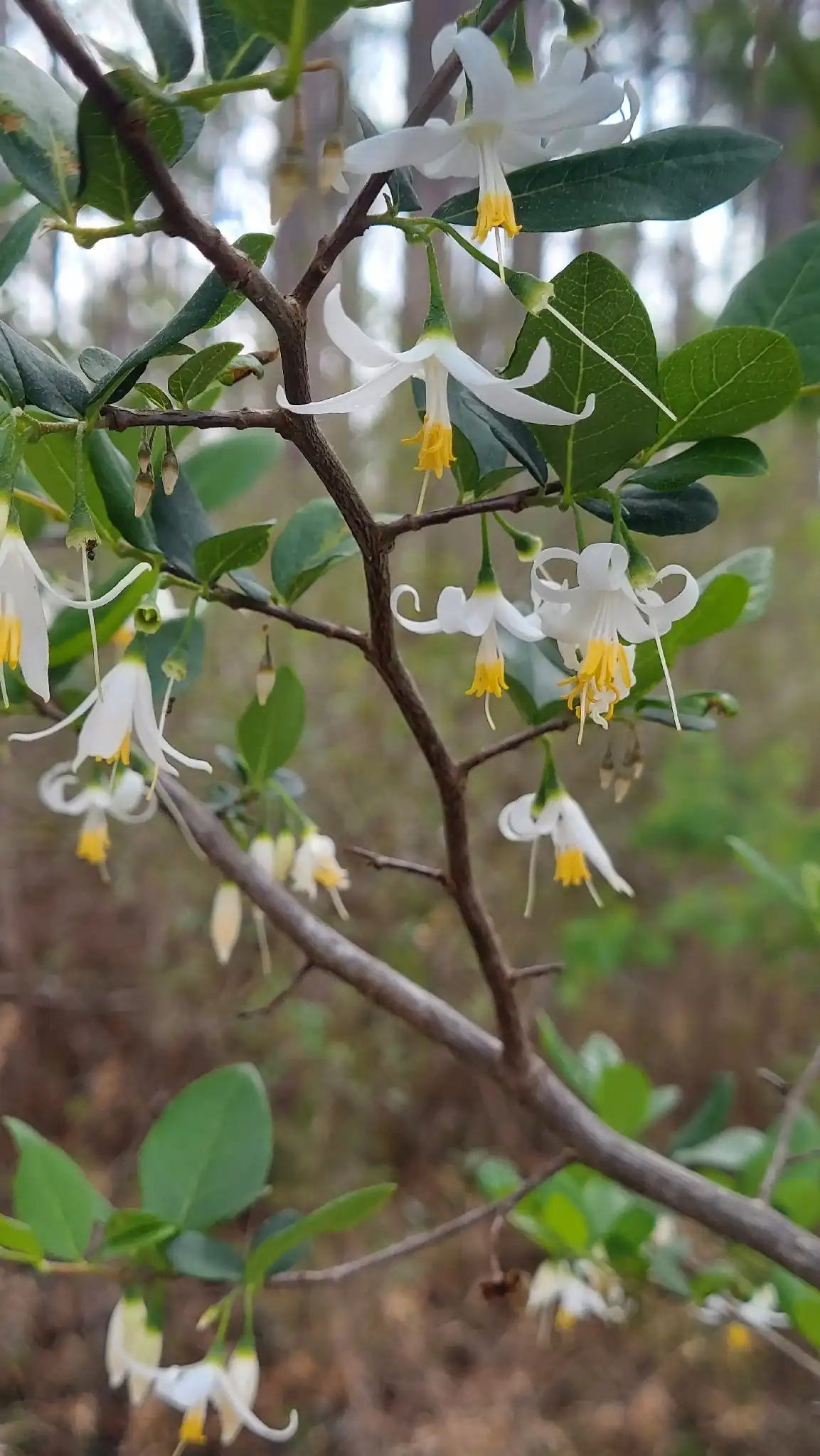
Styrax americanus, the American snowbell, is a slender-branched deciduous shrub or small tree reaching 8 to 15 feet tall with a wide, open rounded crown. Leaves are alternate, bright-green and glossy, oblong-elliptic and toothed toward the tip, with paired white bell-shaped fragrant flowers hanging from the leaf axils from spring into summer.
What sets it apart is the flowering habit: blooms are borne in pairs tucked into each leaf axil so the stems look hung with bells rather than tipped with clusters. It is a true wet-soil plant for cool acid sand or sandy loam, rooting shallow where water stands and shutting down where roots run dry or crowded.
Uses & Benefits:
Essentials
At a Glance
Plant Type
Shrub
Height
144"
Width
120"
Light
Full Sun, Partial Sun
Zones
6, 7, 8, 9
Water
High - moist to wet
Humidity
High
Lifespan
Long-lived deciduous shrub
Native To
Southeastern USA
Toxicity
Unknown - no warning reported
Bloom period
Spring – Summer
In flower about 6 months of the year
Planting
How to Grow
- Set plants in spring into deep acid soil enriched with leaf mold, at the same depth as the pot.
- Water to keep the root zone evenly moist through summer; do not let it dry out.
- Mulch 2 to 3 inches with pine straw or bark, keeping mulch off the stems.
- Prune only dead or crossing wood right after flowering; leave the open form intact.
- Allow 6 to 15 feet of spread in part shade with shelter from drying wind.
Pro Tip
Plant it where soil stays moist and acid in part shade with room to spread, and leave the natural shape alone; crowding, drying, heavy pruning and heavy feeding are what kill it.
Keep It Thriving
Care Guide
Do
- Keep soil consistently moist to wet, especially the first two summers
- Mulch to keep roots cool and acid
- Prune lightly after flowering only if needed
Don't
- Do not plant in dry or alkaline soil
- Do not shear or cut back hard into old wood
- Do not over-fertilize or crowd with aggressive roots
Seasonal Care Calendar
| Task | Jan | Feb | Mar | Apr | May | Jun | Jul | Aug | Sep | Oct | Nov | Dec |
|---|---|---|---|---|---|---|---|---|---|---|---|---|
| Mulch | ||||||||||||
| Pest Check | ||||||||||||
| Plant | ||||||||||||
| Propagate | ||||||||||||
| Prune |
Watch Out For
Pests & Diseases
Common Pests
Common Diseases
In the Garden
Landscape Uses & Companions
Landscape Uses
Multiply
Propagation Methods
Good to Know
Common Questions
American Snowbell questions
What zones can American Snowbell grow in?
American Snowbell is hardy in USDA Zones 6–9: in that range it survives winter in the ground. Colder than Zone 6, grow it in a container you can move to shelter for the winter. Warmer than Zone 9, winter isn't the problem: it prefers colder winters, and summer heat can shorten its life.
When does American Snowbell bloom?
American Snowbell typically blooms from spring to summer. Exact timing shifts a week or two with your zone — Sow's bloom calendar maps it to your garden.
Does American Snowbell need full sun?
American Snowbell does best in full sun to part shade. In hot climates, afternoon shade keeps blooms fresher longer.
More Styrax to compare
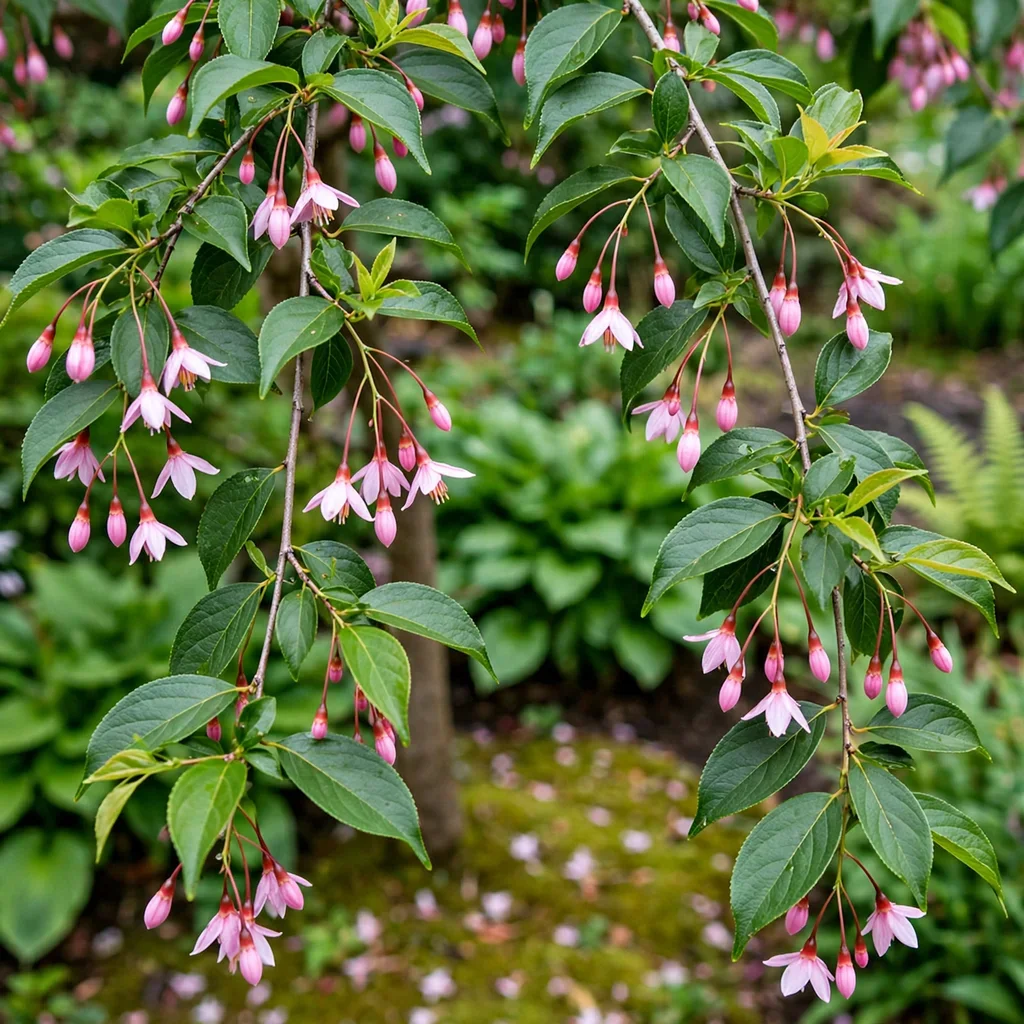
Marley's Pink Japanese Snowbell
Styrax japonicus 'Marley's Pink'
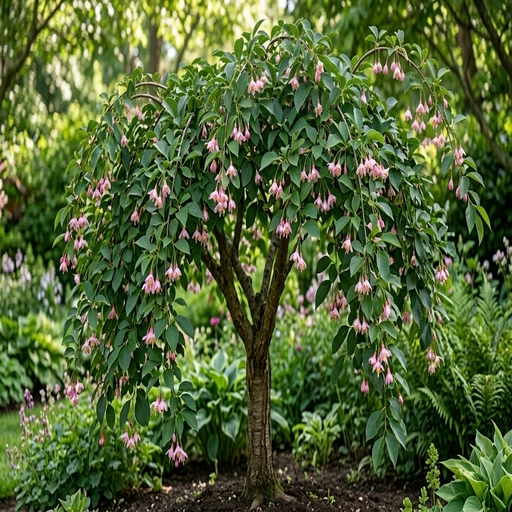
Marley's Pink Parasol Japanese Snowbell
Styrax japonicus 'Marley'S Pink Parasol'
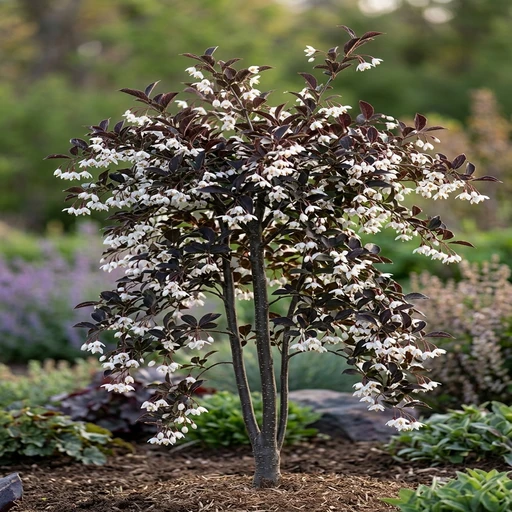
Evening Light Japanese Snowbell
Styrax japonicus 'Evening Light'
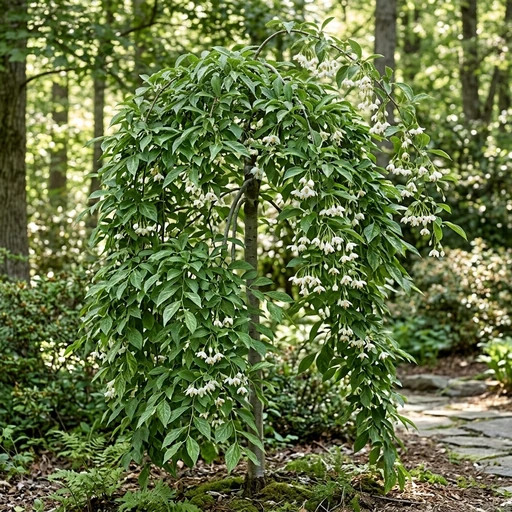
Fragrant Fountain Japanese Snowbell
Styrax japonicus 'Fragrant Fountain'
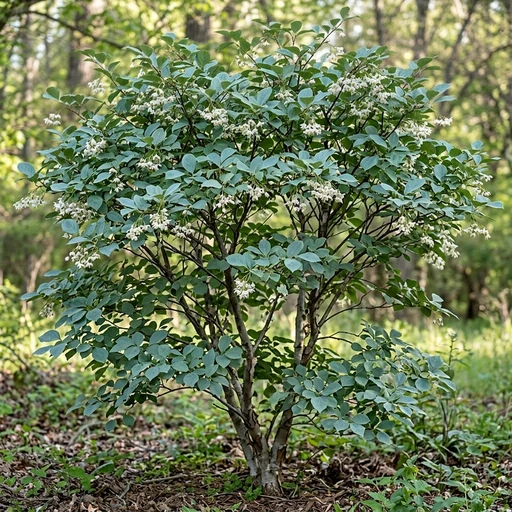
Snow Cone Japanese Snowbell
Styrax japonicus 'Snow Cone'
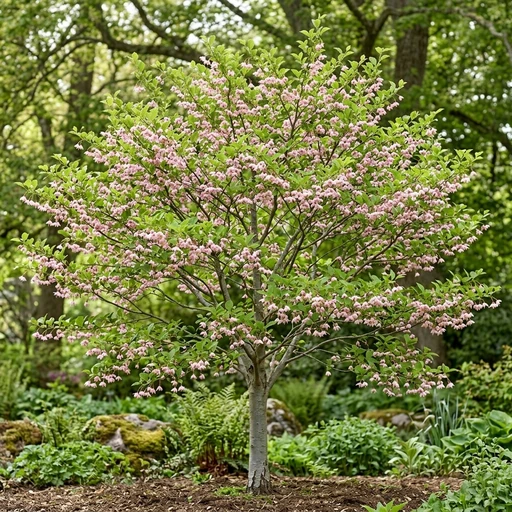
Pink Chimes Japanese Snowbell
Styrax japonicus 'Pink Chimes'
Keep exploring
Explore the genus
Hardy in your zone?
Grow American Snowbell with confidence
See it in a design of your actual yard, get zone-matched care reminders, and track it season by season in your garden journal.