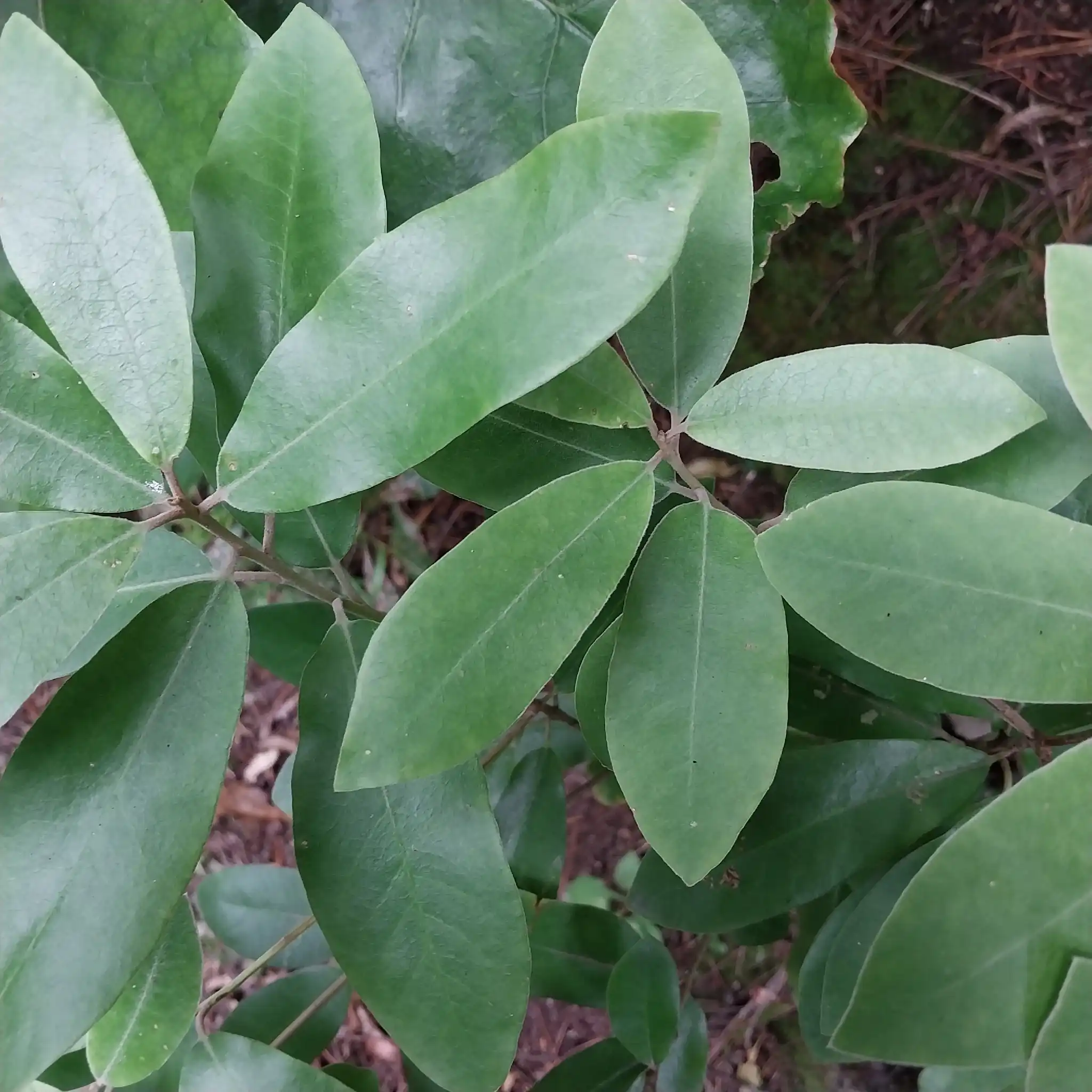
The Story
Plant Bio
Pittosporum ralphii is an evergreen shrub or small tree native to New Zealand's North Island, developing a rounded, outward-spreading habit up to fifteen feet tall. Its leathery, oblong leaves feature undulate margins and a dense blanket of persistent white-to-gray felting across their undersides.
Clusters of small, tubular dark red flowers open in late winter and spring, releasing a sweet fragrance that attracts early pollinators. It differs from closely related species by its distinctly broader leaves and heavier gray underside felting, which shields foliage from intense coastal winds and salt spray.
Uses & Benefits:
Essentials
At a Glance
Plant Type
Shrub
Height
197"
Width
157"
Light
Full Sun, Partial Sun
Zones
9, 10
Water
Low to Moderate
Humidity
Moderate to High
Lifespan
Perennial
Native To
New Zealand
Toxicity
Non-toxic
Bloom period
Late winter – Mid-spring
In flower about 3 months of the year
Planting
How to Grow
- Plant in well-drained soil in a full-sun to partial-shade location protected from severe sub-freezing winds.
- Water regularly during the first growing season to establish a deep, drought-tolerant root system.
- Apply a light layer of organic mulch around the root zone, keeping it clear of the direct stem base.
- Trim tip growth lightly after flowering ends in spring to maintain structural density.
Pro Tip
Allow the plant to retain its naturally branching baseline; removing lower limbs to create a single trunk exposes inner wood that lacks latent buds and cannot regenerate.
Keep It Thriving
Care Guide
Do
- Provide light tip-pruning immediately after spring flowering.
- Ensure soil drains freely to prevent phytophthora root rot.
- Position in exposed coastal sites where salt spray deters other foliage.
Don't
- Do not cut back into old, bare interior stems as they will not re-sprout.
- Avoid heavy overhead watering in humid conditions to prevent powdery mildew.
- Do not over-fertilize with heavy nitrogen, which causes soft, weak growth.
Seasonal Care Calendar
| Task | Jan | Feb | Mar | Apr | May | Jun | Jul | Aug | Sep | Oct | Nov | Dec |
|---|---|---|---|---|---|---|---|---|---|---|---|---|
| Fertilize | ||||||||||||
| Mulch | ||||||||||||
| Pest Check | ||||||||||||
| Prune |
Watch Out For
Pests & Diseases
Common Pests
Common Diseases
In the Garden
Landscape Uses & Companions
Landscape Uses
Multiply
Propagation Methods
Good to Know
Common Questions
Ralph's Karo questions
What zones can Ralph's Karo grow in?
Ralph's Karo is hardy in USDA Zones 9–10: in that range it survives winter in the ground. Colder than Zone 9, grow it in a container you can move to shelter for the winter.
Is Ralph's Karo deer resistant?
Not reliably. Deer may browse Ralph's Karo, especially tender spring growth — plan on repellents or fencing where pressure is high.
When does Ralph's Karo bloom?
Ralph's Karo typically blooms from late winter to mid-spring. Exact timing shifts a week or two with your zone — Sow's bloom calendar maps it to your garden.
Does Ralph's Karo need full sun?
Ralph's Karo does best in full sun to part shade. In hot climates, afternoon shade keeps blooms fresher longer.
Is Ralph's Karo drought tolerant?
Yes — once established (usually after the first full season), Ralph's Karo handles dry spells with minimal watering. Water deeply its first year to build the root system that makes that possible.
More Pittosporum to compare
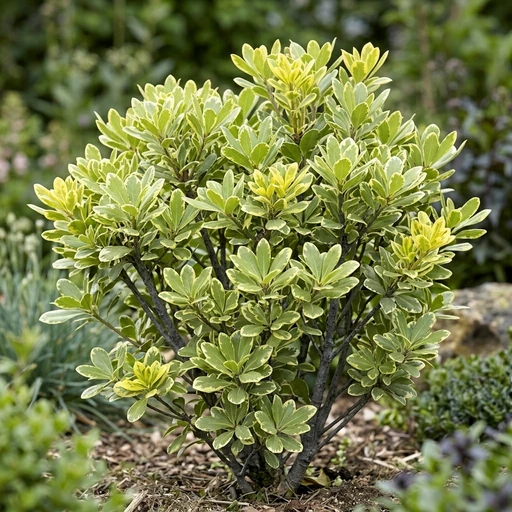
Mojo Pittosporum
Pittosporum tobira 'Mojo'
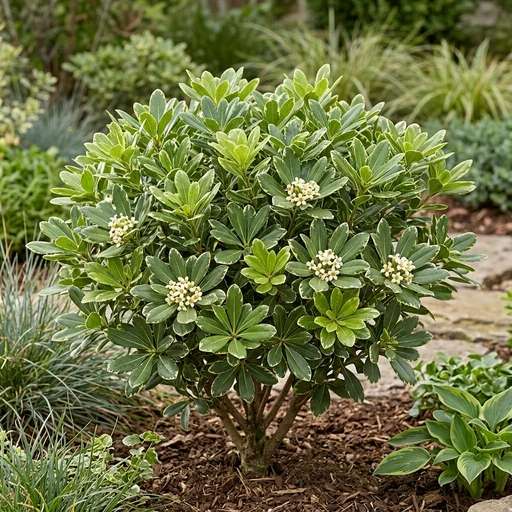
Wheeler's Dwarf Pittosporum
Pittosporum tobira 'Wheeler's Dwarf'
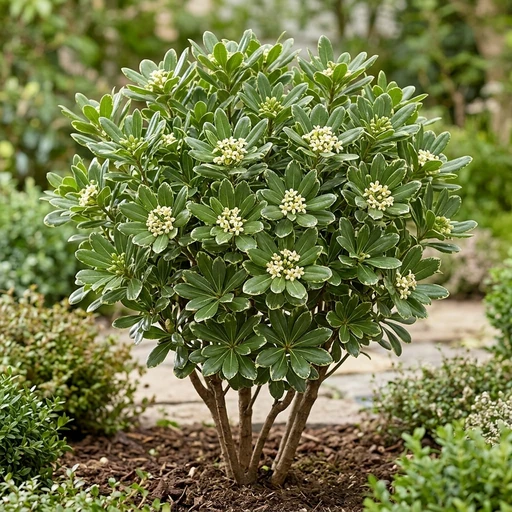
Japanese Pittosporum
Pittosporum tobira
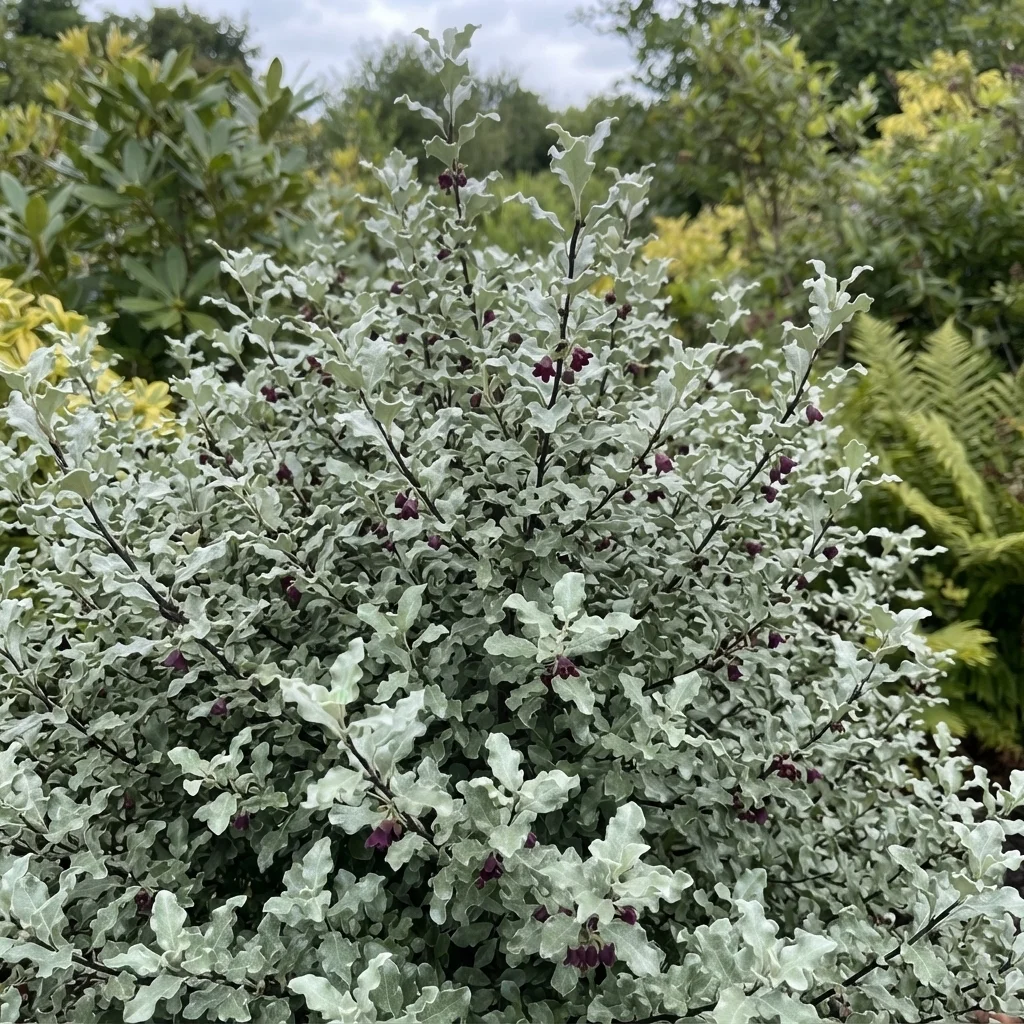
James Stirling Kohuhu
Pittosporum tenuifolium 'James Stirling'
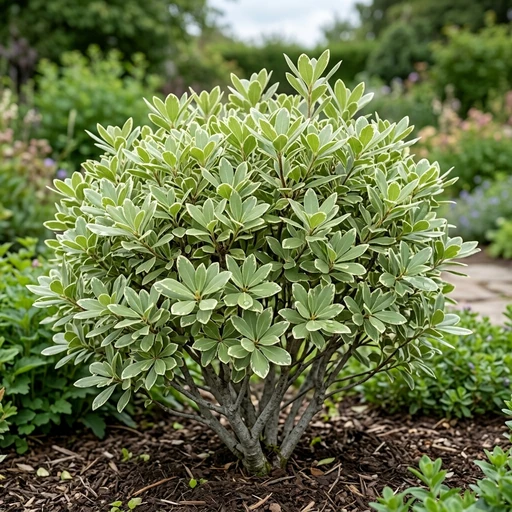
Variegated Japanese Pittosporum
Pittosporum tobira 'Variegatum'
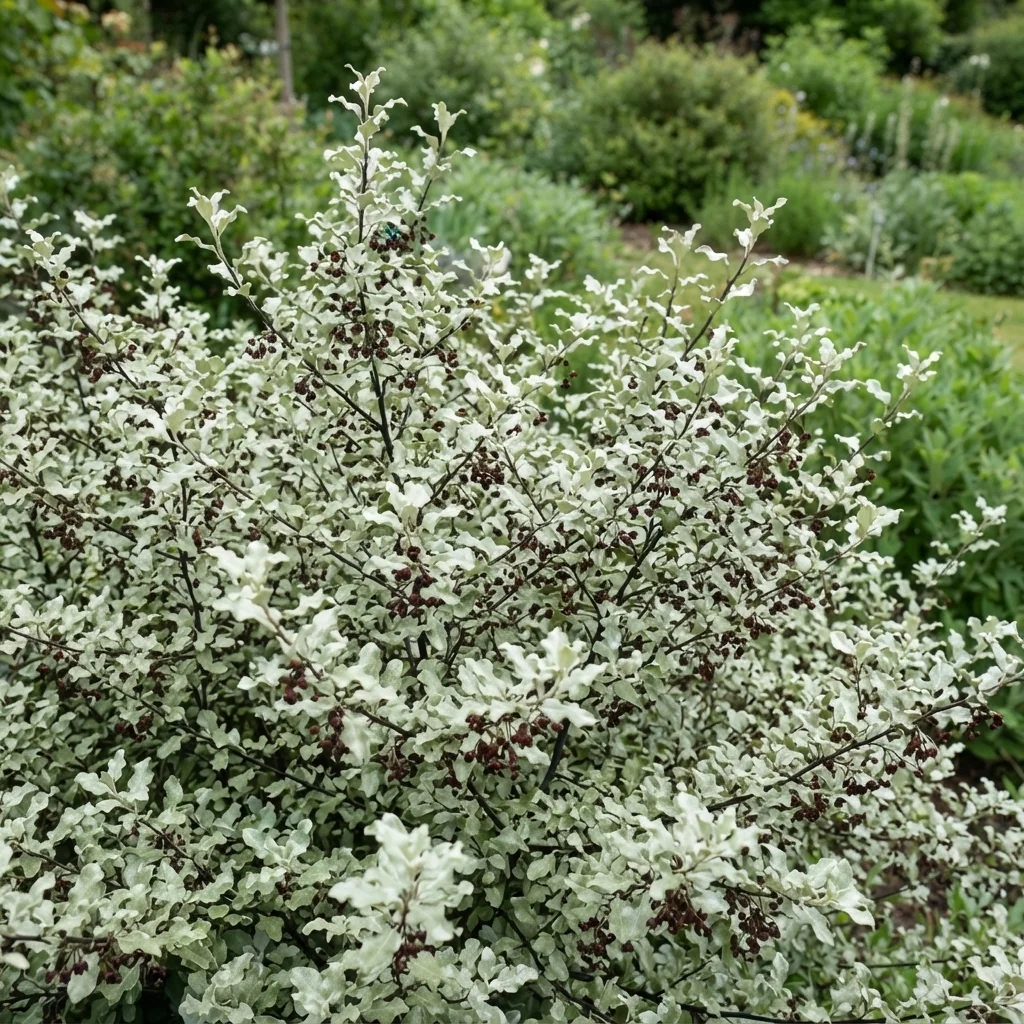
Silver Sheen Kohuhu
Pittosporum tenuifolium 'Silver Sheen'
Keep exploring
Explore the genus
Hardy in your zone?
Grow Ralph's Karo with confidence
See it in a design of your actual yard, get zone-matched care reminders, and track it season by season in your garden journal.