The Story
Plant Bio
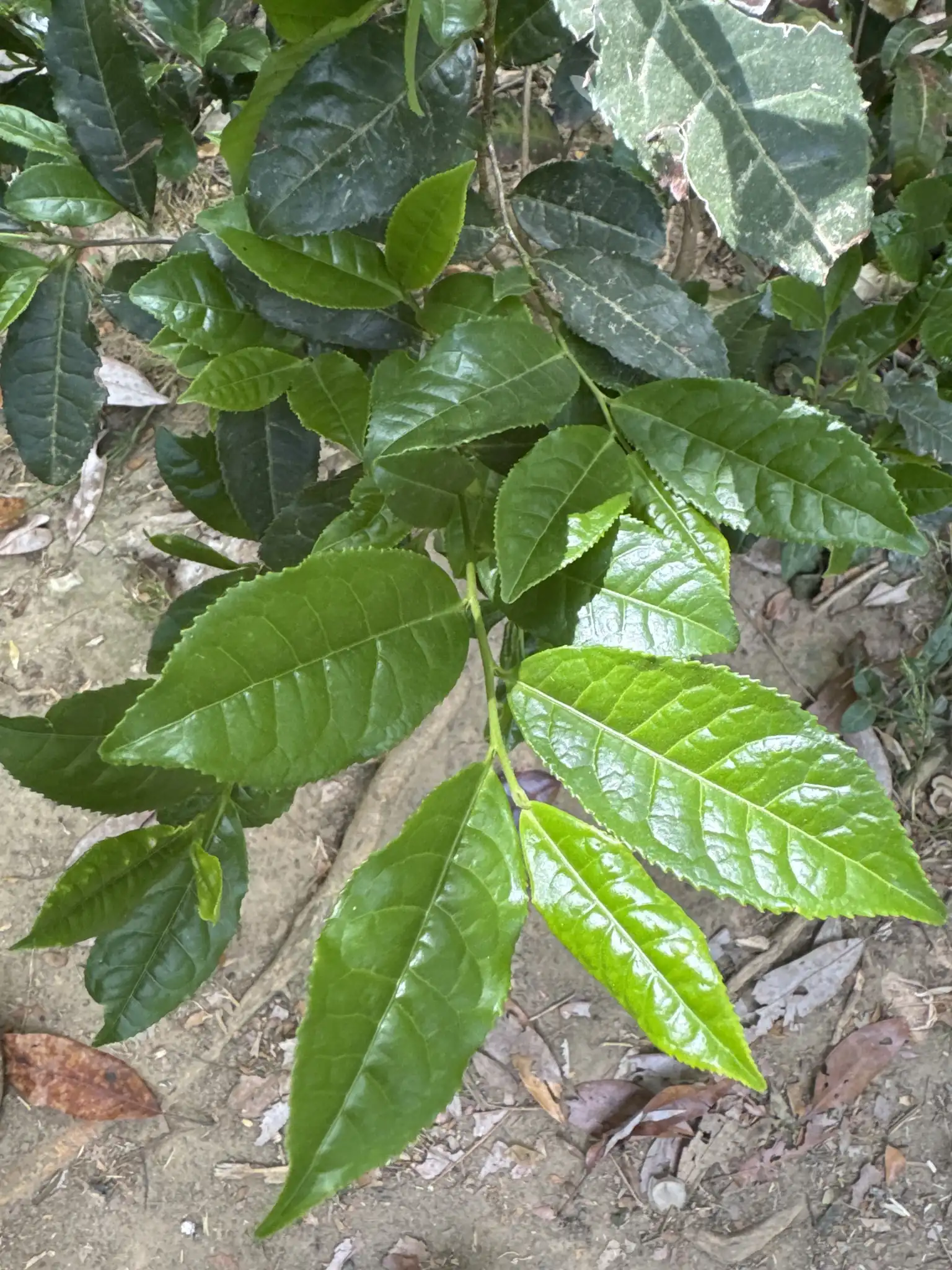
Camellia sinensis is an evergreen shrub or small tree reaching 7 to 10 feet unpruned, with dense multi-stemmed spreading growth and glossy dark green elliptic leaves that persist year-round. Growth is slow on shallow fibrous roots, forming a bushy framework 3 to 7 feet wide if left unclipped.
Unlike most ornamental camellias it tolerates full sun as well as part shade and carries small single fragrant white flowers with yellow stamens in fall to winter. All true tea — green, black, oolong and white — comes from leaf harvest of this species, which holds at 3 to 5 feet when tip-trimmed as a hedge and yellows quickly in alkaline soil.
Uses & Benefits:
Essentials
At a Glance
Plant Type
Shrub
Height
118"
Width
79"
Light
Full Sun, Partial Sun
Zones
7, 8, 9, 10
Water
Medium
Humidity
High
Lifespan
Long-lived
Native To
E. Himalaya to S. China and SE Asia
Toxicity
Caffeine in leaves; harmful in excess
Bloom period
Fall – Winter
In flower about 6 months of the year
Marketplace
Where to Buy
Shipping costs Year-round shipping Free shipping
Planting
How to Grow
- Plant in spring in part shade to full sun with shelter from hard wind.
- Set the rootball shallow with the top level with the soil, in rich organic loam at pH 5.5 to 6.5 that stays moist but drains freely.
- Spread 2 to 3 inches of pine bark or leaf mulch, keeping it back from the stem.
- Water deeply during establishment and dry spells; avoid standing water.
- Feed in late winter with azalea-camellia fertilizer or balanced 13-13-13.
- Tip-trim after flowering to shape; do not cut hard into old wood.
Pro Tip
Tip-trim lightly in spring after flowering to hold 4 feet; cutting back into old bare wood stalls regrowth.
Keep It Thriving
Care Guide
Do
- Plant shallow and mulch to keep roots cool and moist
- Maintain acid soil; test pH if leaves yellow
- Water during dry heat while drainage stays open
Don't
- Do not plant in alkaline or waterlogged soil
- Do not shear hard into leafless old wood
- Do not let containers sit in saucers of water
Seasonal Care Calendar
| Task | Jan | Feb | Mar | Apr | May | Jun | Jul | Aug | Sep | Oct | Nov | Dec |
|---|---|---|---|---|---|---|---|---|---|---|---|---|
| Fertilize | ||||||||||||
| Mulch | ||||||||||||
| Pest Check | ||||||||||||
| Plant | ||||||||||||
| Prune |
Watch Out For
Pests & Diseases
Common Pests
Common Diseases
In the Garden
Landscape Uses & Companions
Landscape Uses
Multiply
Propagation Methods
Good to Know
Common Questions
Tea Plant questions
What zones can Tea Plant grow in?
Tea Plant is hardy in USDA Zones 7–10: in that range it survives winter in the ground. Colder than Zone 7, grow it in a container you can move to shelter for the winter.
When does Tea Plant bloom?
Tea Plant typically blooms from fall to winter. Exact timing shifts a week or two with your zone — Sow's bloom calendar maps it to your garden.
Does Tea Plant need full sun?
Tea Plant does best in full sun to part shade. In hot climates, afternoon shade keeps blooms fresher longer.
Is Tea Plant drought tolerant?
Yes — once established (usually after the first full season), Tea Plant handles dry spells with minimal watering. Water deeply its first year to build the root system that makes that possible.
More Camellia to compare
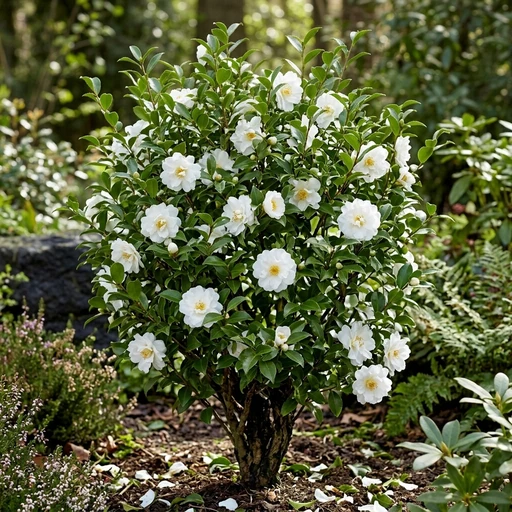
Setsugekka Camellia
Camellia sasanqua 'Setsugekka'
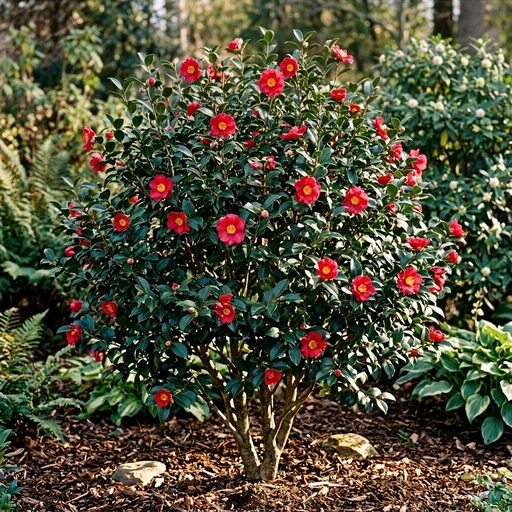
Yuletide Camellia
Camellia sasanqua 'Yuletide'
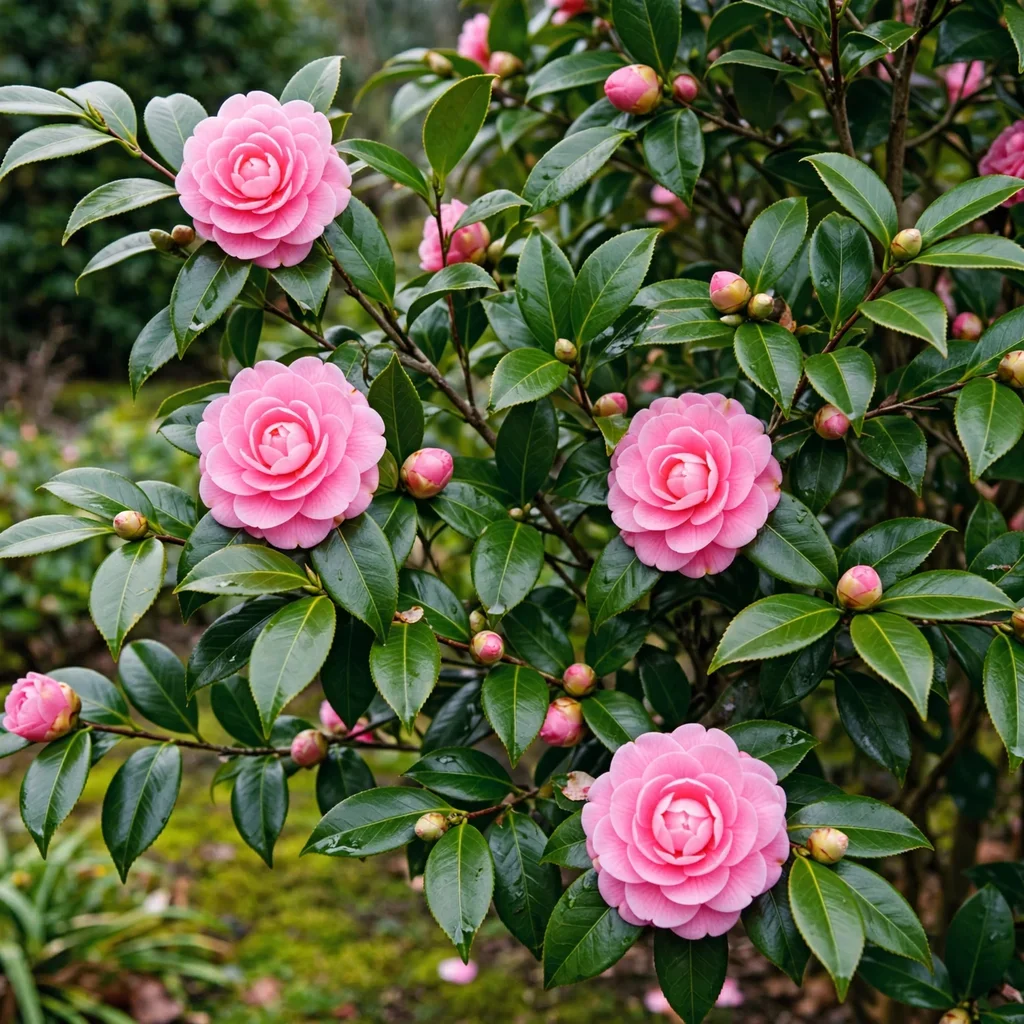
Classic Pink Camellia
Camellia japonica 'Classic Pink'
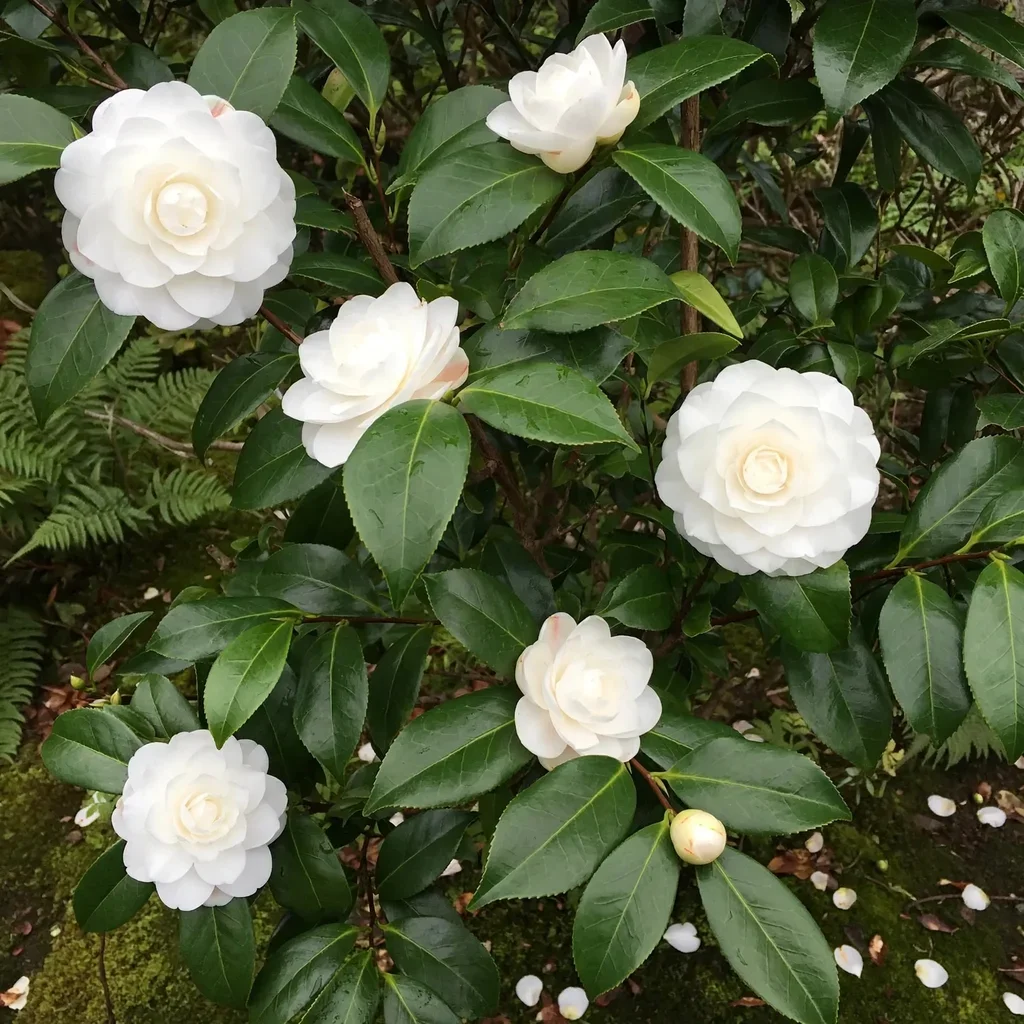
Sea Foam Camellia
Camellia japonica 'Sea Foam'
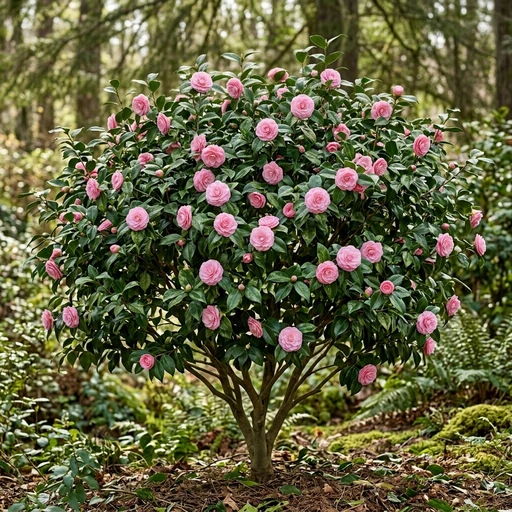
Early Wonder Camellia
Camellia japonica 'Early Wonder'
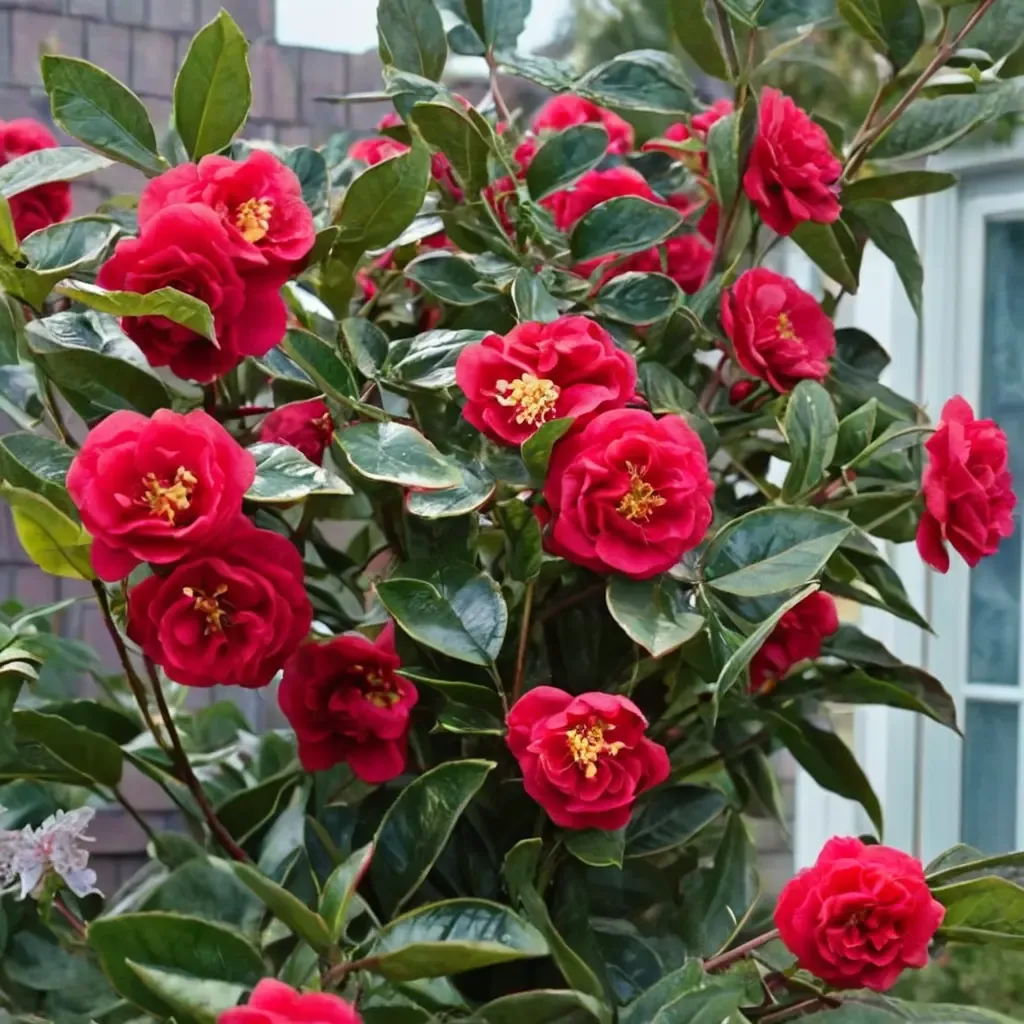
Kramer's Supreme Camellia
Camellia japonica 'Kramer's Supreme'
Keep exploring
Explore the genus
Hardy in your zone?
Grow Tea Plant with confidence
See it in a design of your actual yard, get zone-matched care reminders, and track it season by season in your garden journal.